Cambridge Festival of Islamic Arts seeks to ‘foster friendship through beauty’
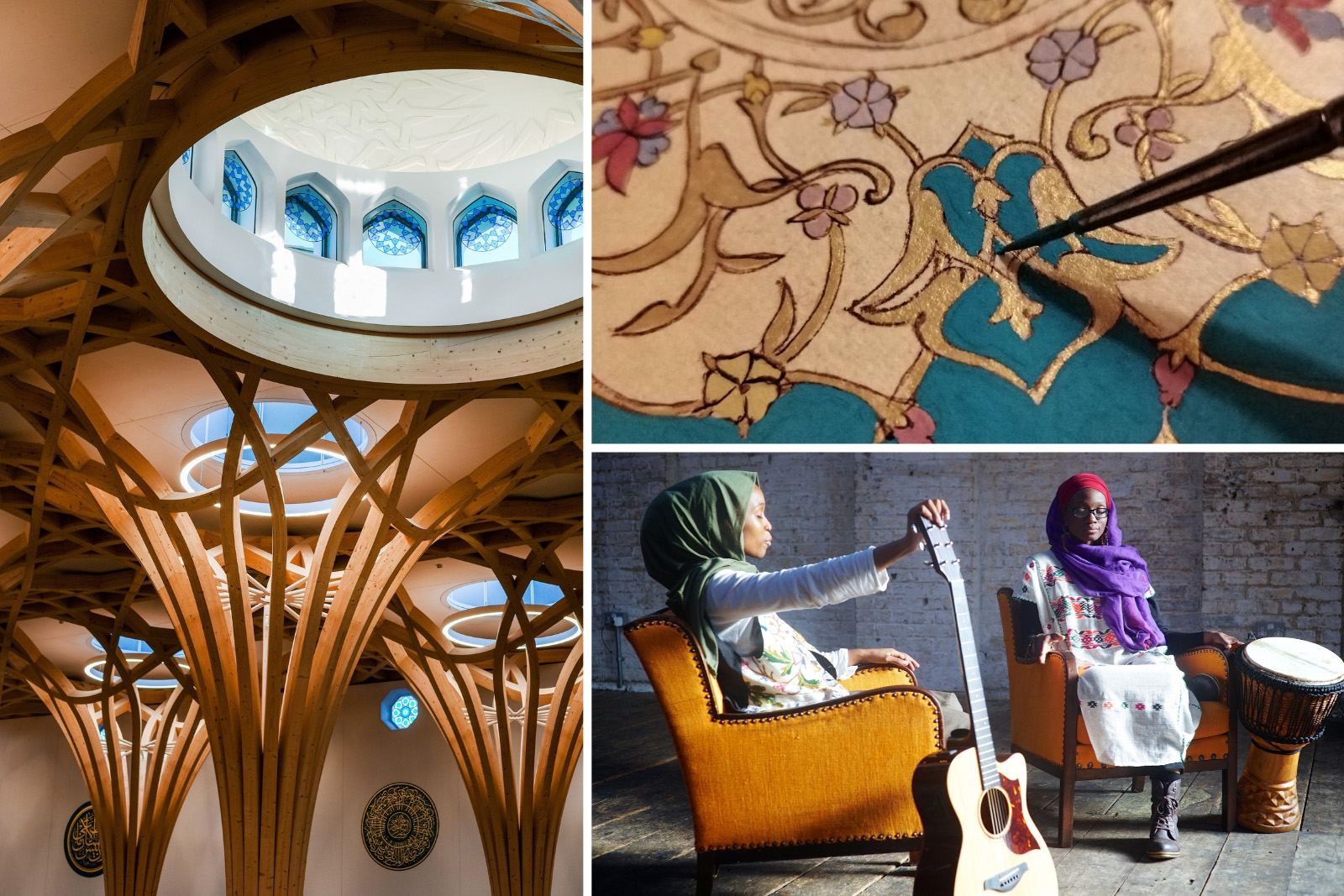
The event’s organisers hope that an inspiring cultural lineup will bring people of all backgrounds together
From 19 November, the Cambridge Festival of Islamic Arts is taking over the city, bringing together an impressive lineup of musicians, artists, poets and scholars. Organisers hope the event will challenge preconceptions of Islam and create opportunities for people from different backgrounds to connect through culture.
Taking place across Cambridge until 29 November, the festival will feature exhibitions, concerts, talks and workshops exploring Islamic artistic traditions, from calligraphy and bookbinding to Sufi music, poetry and Islamic psychology.
Related content
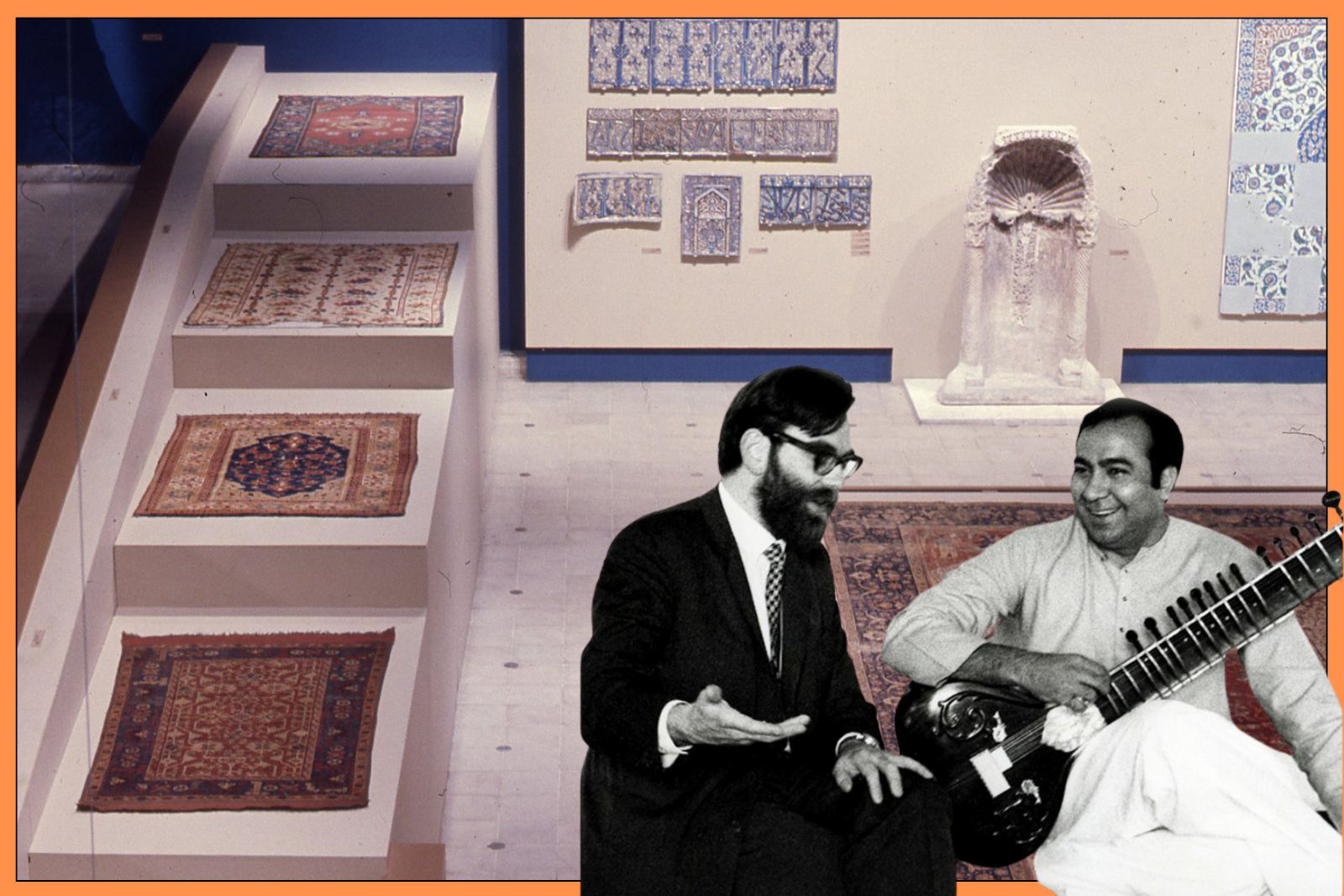
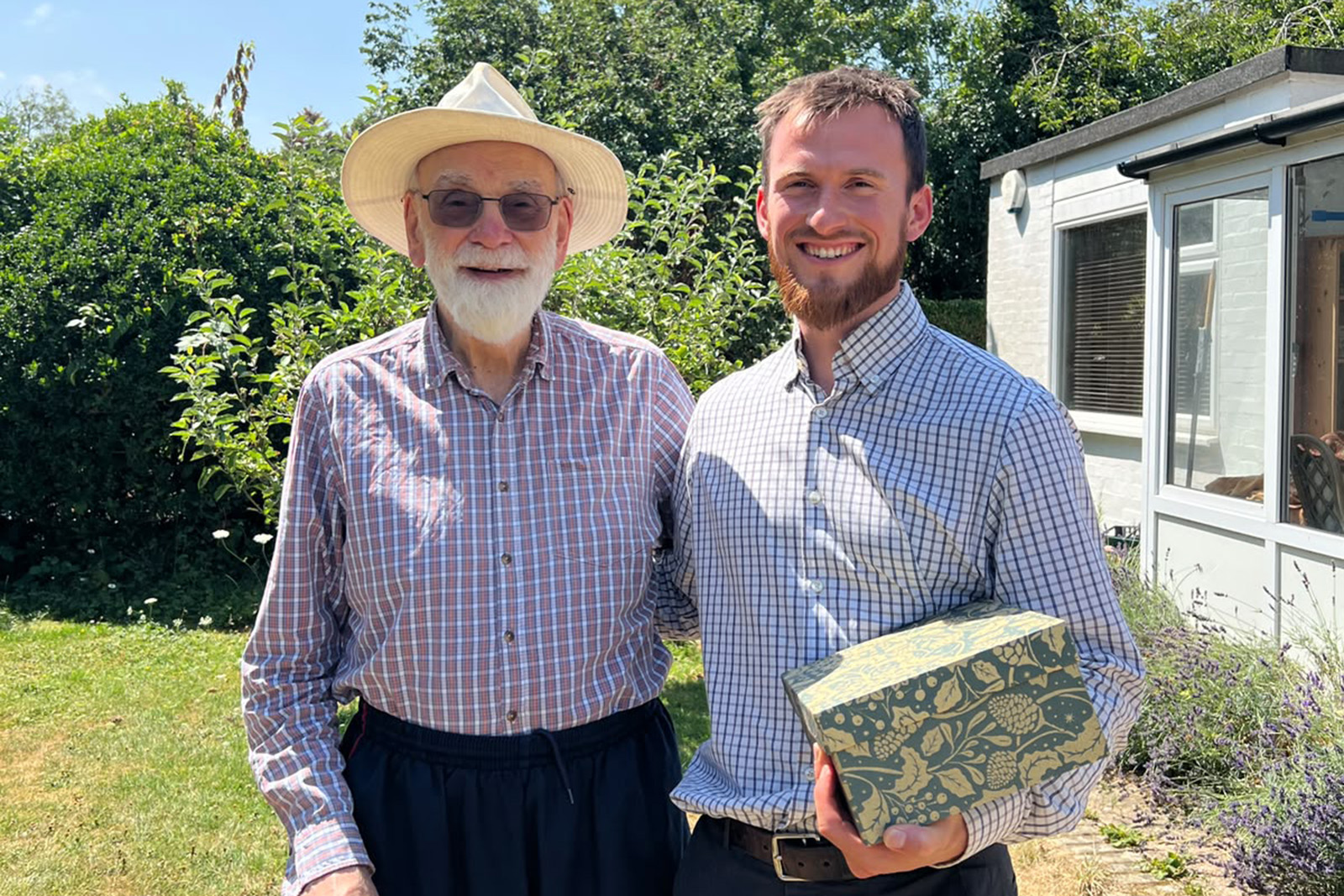
The event marks 50 years since the World of Islam Festival, a landmark celebration of Islamic art held in London in 1976. For festival director Luke Wilkinson, the anniversary is a chance to recognise the longstanding contribution to British cultural life made by Muslim artists and to respond to the challenges faced by Muslim communities today.
“If you say the word Islam to the average non-Muslim, I think beauty wouldn’t be the first thing that comes to mind, unfortunately,” says Wilkinson. “The vision of the festival is to make Islam accessible and understandable, with beauty first — whether through poetry, sound, music or Quranic recitation.”
Against a backdrop of what he describes as growing Islamophobia and polarisation in the UK, the festival’s motto — fostering friendship through beauty — reflects the organisers’ belief that artistic experiences can help people find common ground beyond religious and cultural differences.
Wilkinson says Cambridge is a natural home for the event, given the city’s history of scholarship and international status, along with the growth of the city’s Muslim community and the presence of Cambridge Central Mosque.
“Muslims are one of the most underrepresented groups in the arts and culture sector in the UK,” says Wilkinson. “We’re just trying to provide a platform for them.”
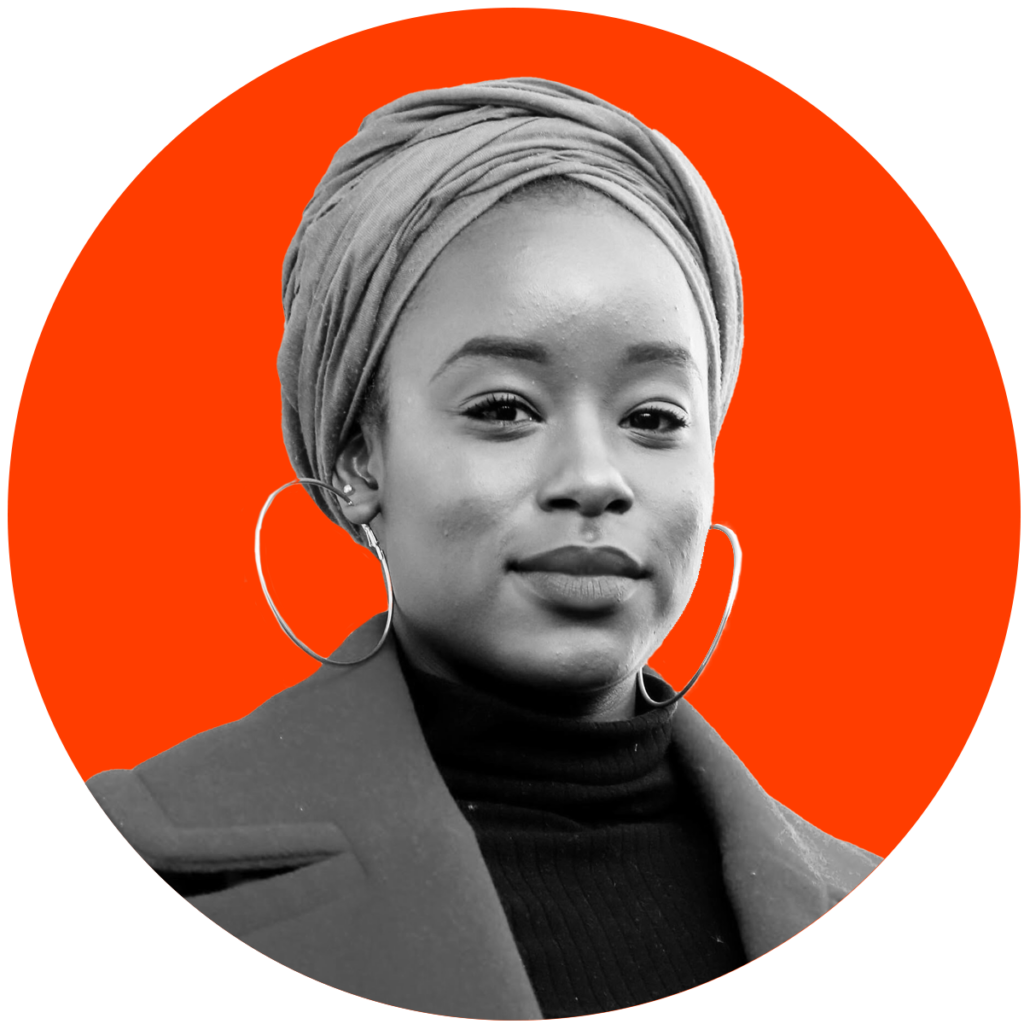
For Dr Dunya Habash, the festival’s head of music, the event presents opportunities to connect audiences with the breadth of musical traditions from across Muslim cultures.
“I want Muslims to have confidence in their history again, to know that this tradition, this religion produced amazing stuff over time,” she says.
Habash, who is originally from Syria, says she sought out knowledge of Ottoman music while growing up in the US. She hopes the festival will help audiences discover traditions they may not have encountered before, whether they are Muslim or not.
The festival’s music programme includes performances and workshops, including a masterclass with Ibrahim Muslimani, an expert in the muwashshaḥāt vocal tradition of Aleppo, Syria.
The festival team want visitors to engage with Islamic arts in a way that goes beyond simply viewing an exhibition or attending a performance.
Ciara Clogger, the event’s art and wellbeing manager, says the team has drawn on ideas from Islamic psychology to create opportunities for reflection and connection.
“The vision with the festival is to do something that kind of touches the soul a little bit deeper,” she says. “Psychology and faith have often been quite siloed from one another, and our vision is to integrate these two things.”
Clogger hopes visitors will arrive with “an open heart and an open mind” and be willing to learn from traditions that may be unfamiliar to them.
“I want people to come to Cambridge curious and to leave having taken something beautiful away with them — even if it’s just a chance encounter with another person, sharing a moment while looking at something wonderful. That’s friendship through beauty,” she says.
Here are six events to look out for at this year’s festival.
Cambridge Festival of Islamic Arts opening ceremony
19 November, Pembroke College auditorium
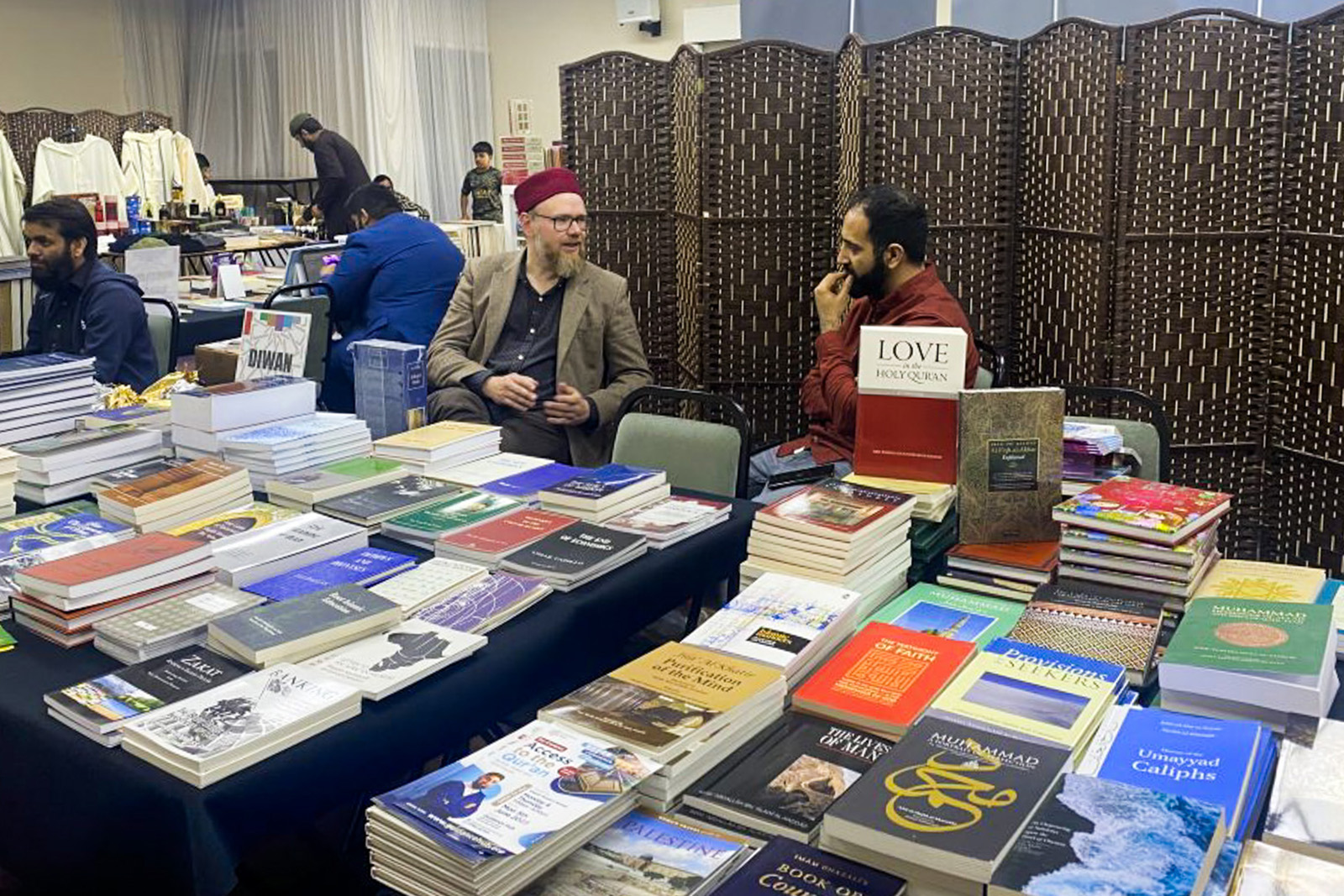
The festival opens with an evening celebrating the diversity of Islamic arts, featuring a lecture by Dr Timothy Winter, spoken word poetry by award-winning poet Rakaya Fetuga and a calligraphy demonstration by Mahmoud Atef. There will also be a surprise performance by a guest artist and a book market featuring Muslim publishers.
Muwashshaḥāt Masterclass: Poetry, Melody and the Living Tradition of Aleppo
Friday 20 November, Robinson College Music Room
Syrian musician and musicologist Ibrahim Muslimani will introduce participants to muwashshaḥāt, a centuries-old Arab poetic and musical tradition particularly associated with Aleppo. The masterclass will explore how poetry, melody, rhythm and vocal performance come together, offering and showing how the tradition continues to be passed down.
Islam’s Greatest Stories of Love
Monday 23 November, Woolf Institute
This film screening follows a young scholar grieving the loss of her father as she searches for meaning through five stories of love from Islamic tradition. The stories look at the relationship between the Prophet Muhammad and Khadija, the ancient Arab story of Layla and Majnun, the Taj Mahal, the poetry of Rumi and the life of Malcolm X, exploring how love can heal, inspire and transform.
Poetry for Friendship: Faith, Flame and Future: Open Mic evening
Monday 23 November, Hot Numbers Coffee
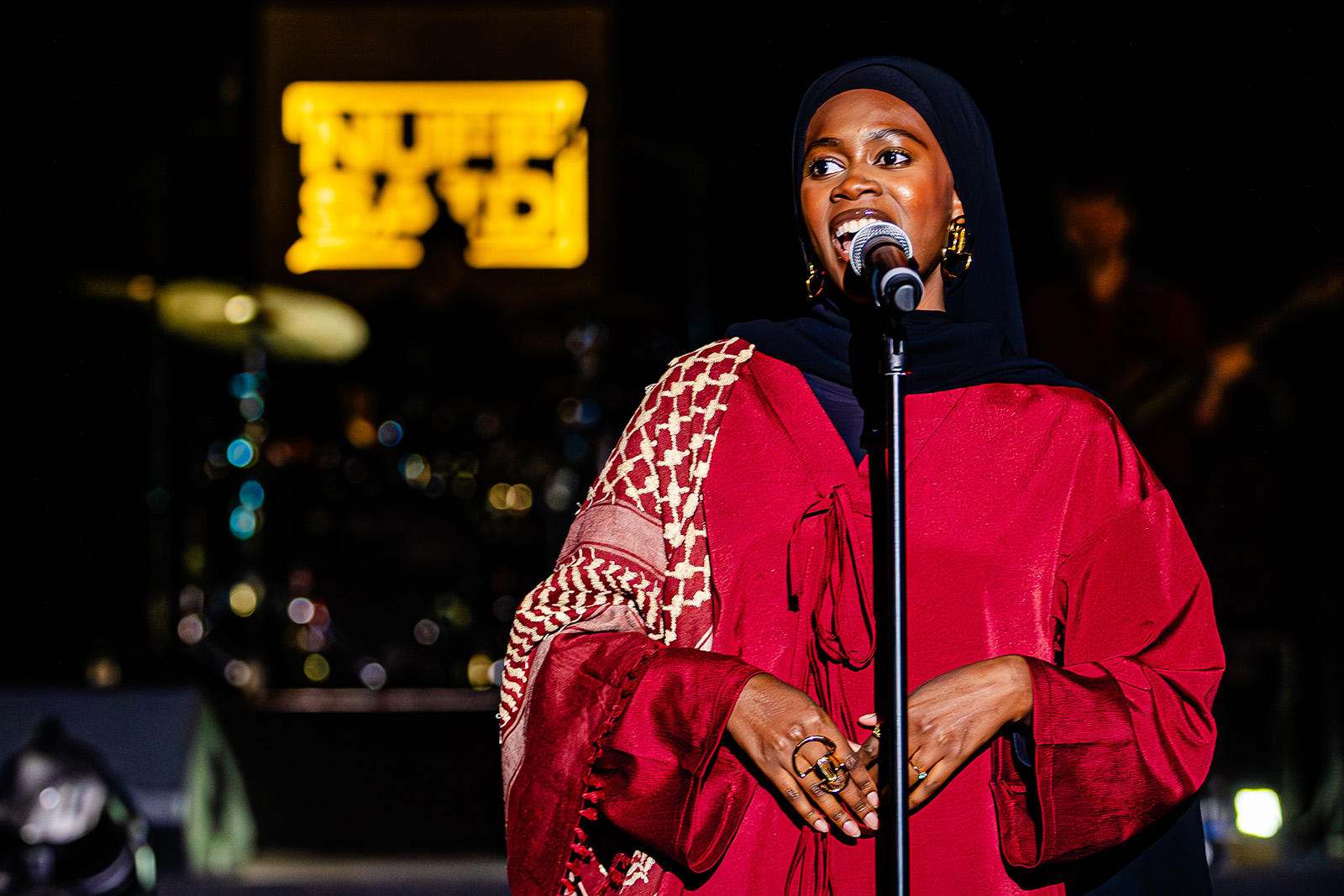
Hosted by poet Rakaya Fetuga, this evening of contemporary poetry will feature performances from Mohamed Yahya and Ahmad Ikhlas Gray before opening the floor to the audience.
Cambridge Walking Tour
Wednesday 25 November, The Round Church
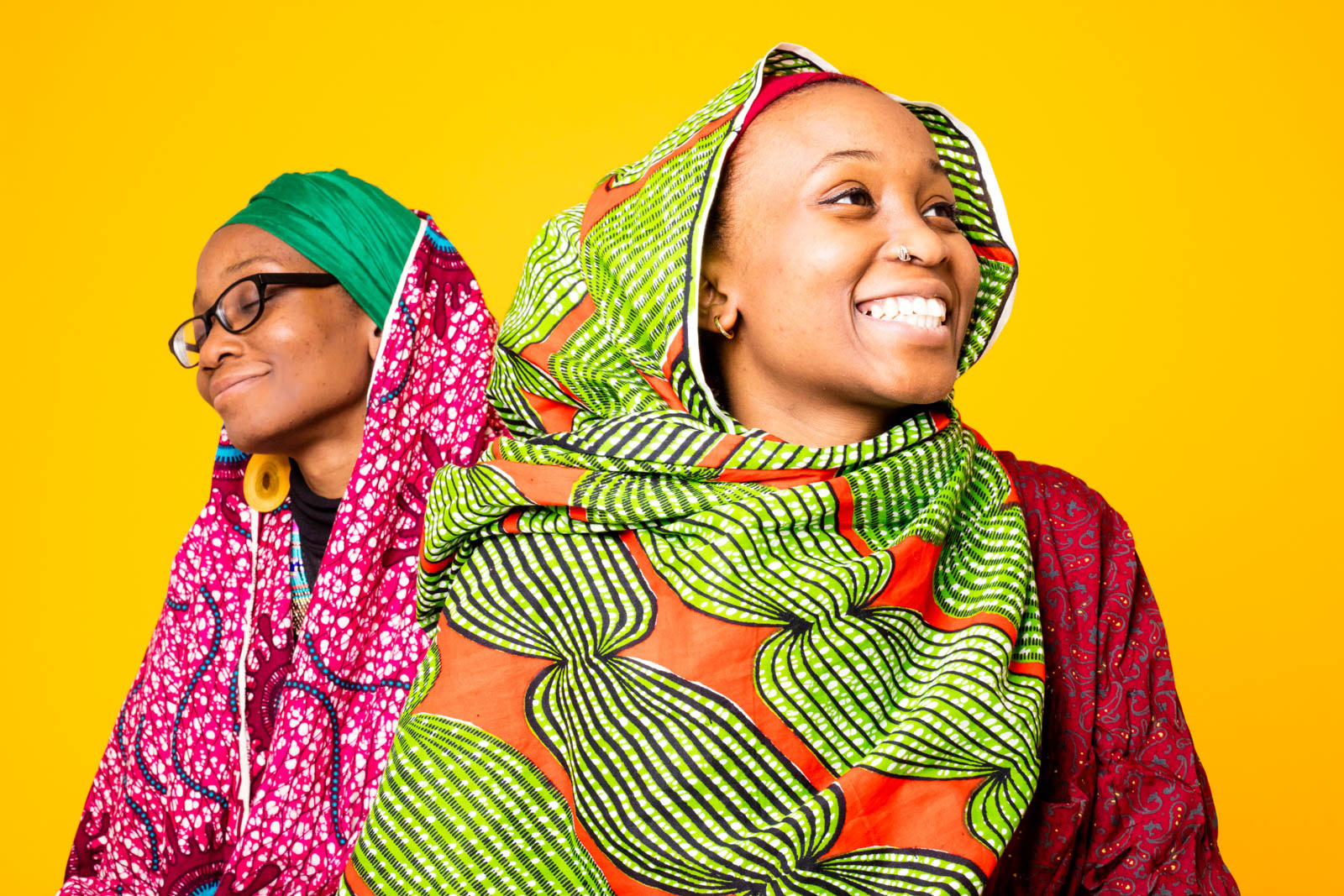
Led by writer and historian Diana Darke, this architectural walking tour will explore the Islamic influences found in some of Cambridge’s best-known buildings, including the Round Church, St John’s College Great Gate and King’s College Chapel. The tour will look at architectural details tracing back to centuries ago from across ancient Europe and Asia, examining how these influences travelled to England.
Daf & Drum Workshop: Breath, Beat, Remembrance
Thursday 26 November, Woolf Institute Library
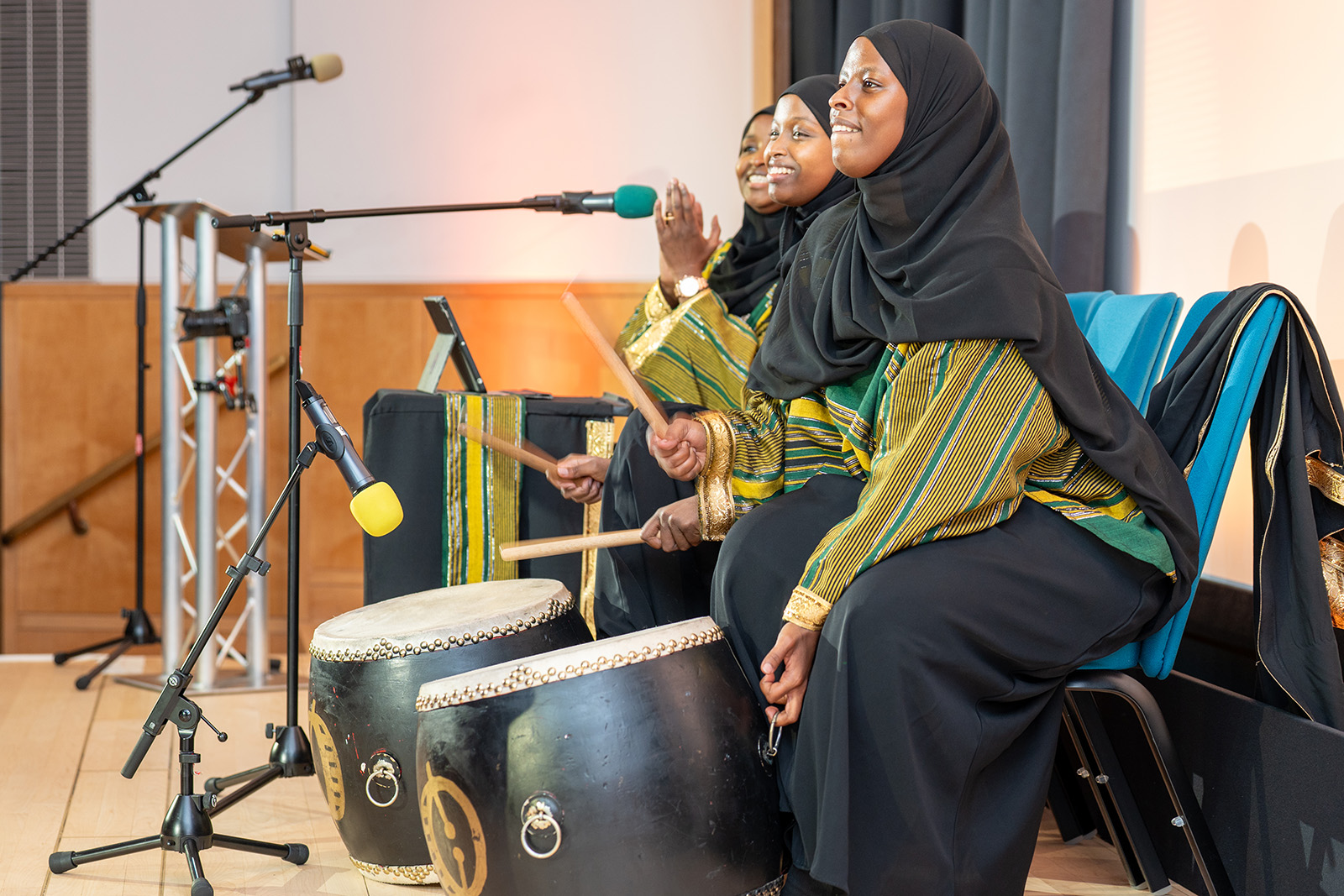
Musical duo Pearls of Islam will lead a workshop on devotional drumming, bringing together rhythm, breath and sacred remembrance. Open to participants of all abilities, the session invites participants to experience music as a means of reflection, spiritual connection and community-building.
Cambridge Festival of Islamic Arts runs from 19 to 29 November across venues in the city. See the full programme and ticket information.