‘You have to know the rules to break them’: meet the darling of contemporary Islamic geometry
The artist and educator Samira Mian is bringing the centuries-old art form to new audiences

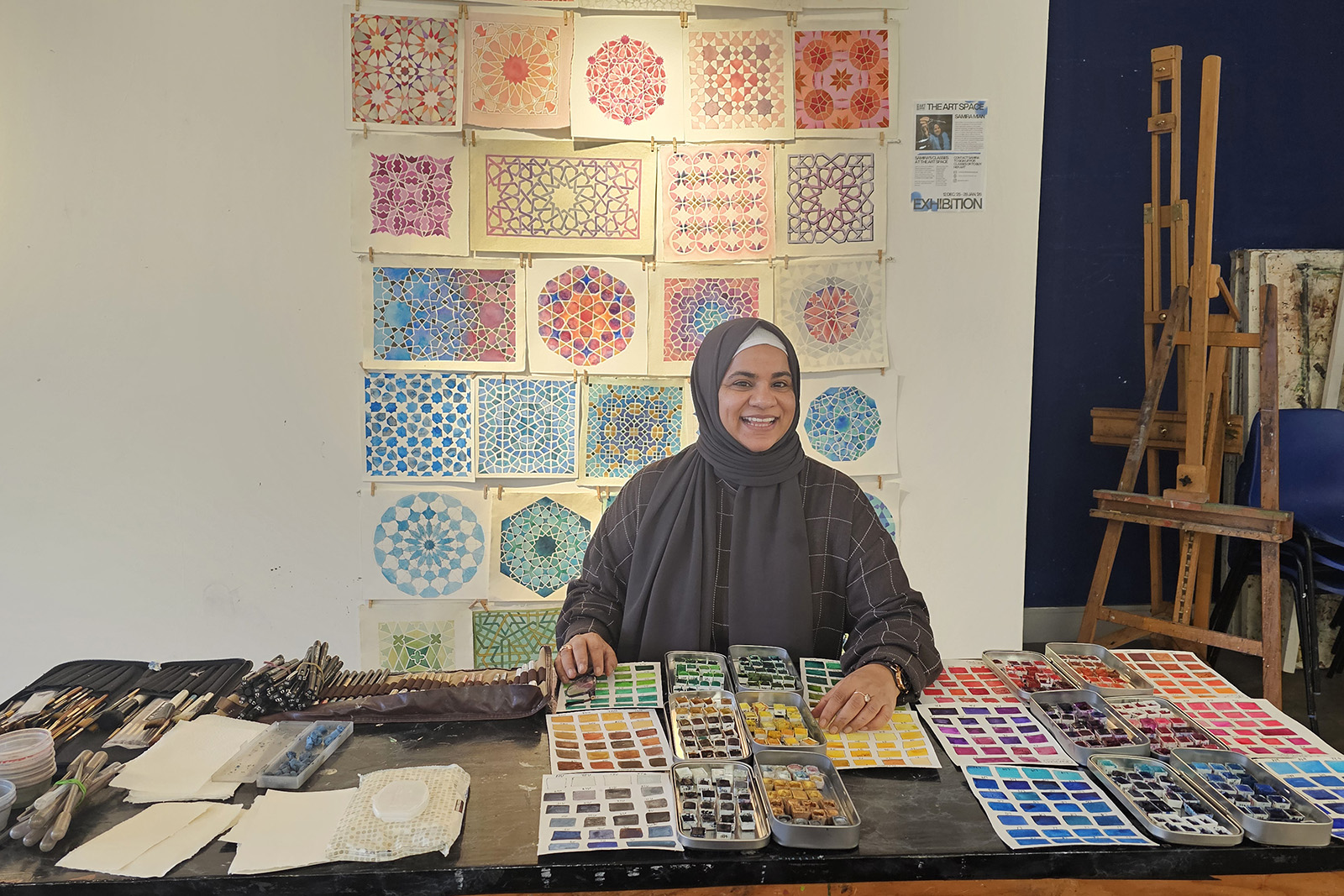
“Islamic geometry is, at its simplest, the construction of repeating patterns from circles and straight lines,” says artist and educator Samira Mian. Mian was working as a secondary school maths teacher before a cancelled weekend pottery class sent her looking for another creative outlet. She signed up for a course in Islamic geometric pattern, and it offered her a different way of seeing mathematics.
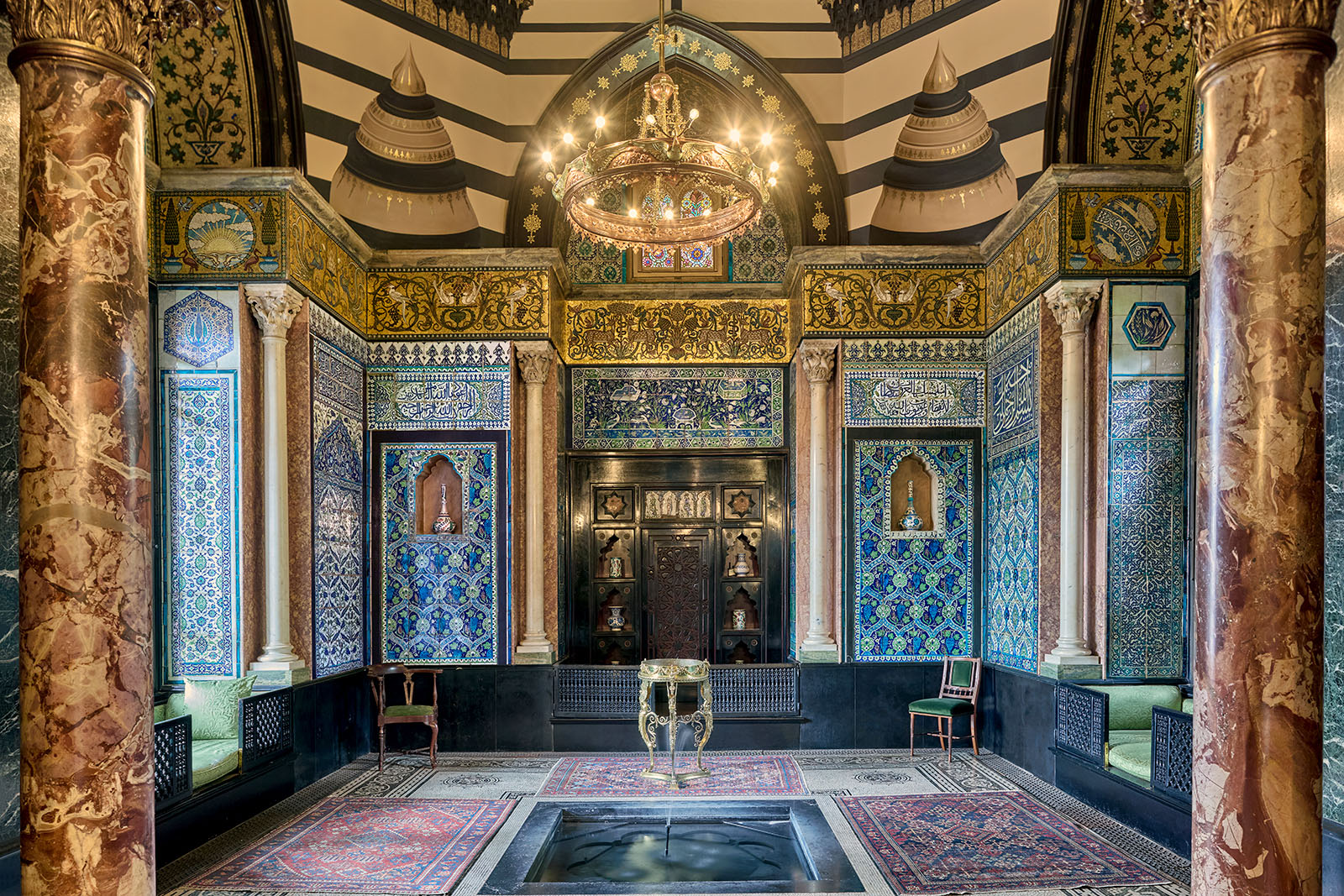
Mian has since carried Islamic geometry into all corners of contemporary cultural life: workshops, online courses, exhibitions, brand collaborations and, more recently, architectural commissions. In the process she has become something of a darling of contemporary Islamic geometry, sought out by institutions including the Victoria & Albert Museum,, the Royal Academy of Arts and Leighton House, all keen to bring a centuries-old art form to new audiences.
Geometry is “one of the oldest subjects in maths”, she says. The compass and straightedge have been used for millennia. “Symmetry, shape, repetition, the proportions of it all — it is all mathematics. What the eye reads as decoration is, underneath, a mathematical construction.”
It was the collapse of the boundary between mathematics and creativity that first caught Mian’s attention.
“To me, it’s like a compulsion. I see a pattern and I immediately want to figure out: how do I draw this?” She moves between paper and computer, compass and ruler, trying to work out the structure until it becomes clear.
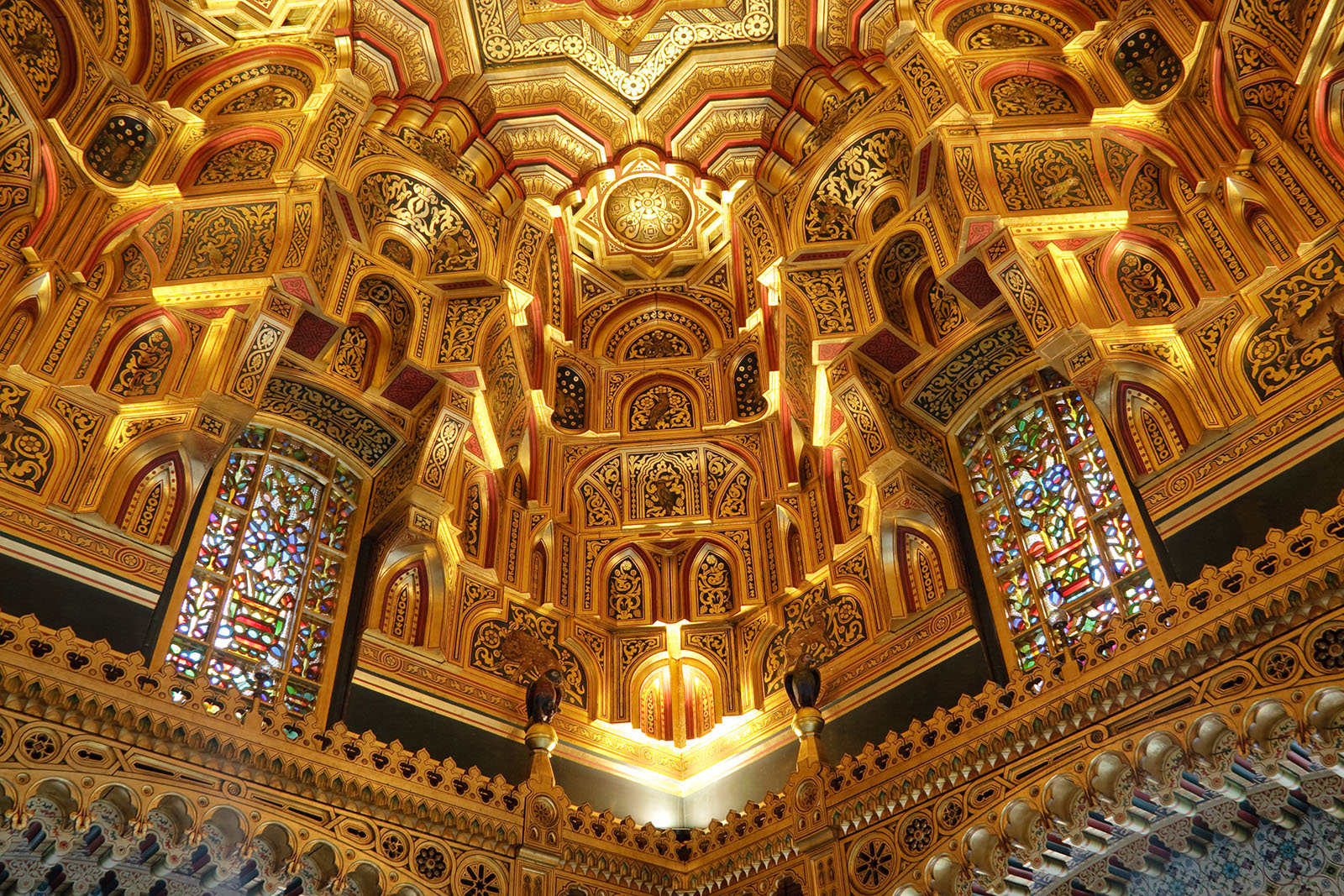
The basic shapes and patterns were present in late-antique Byzantine and Sasanian art before being adapted and elaborated by artists across the Islamic world from the seventh and eighth centuries onwards. Over time, they appeared across architecture and decorative arts, from manuscripts to everyday objects.
The geography is similarly broad. Mian points to patterns from Iran, Syria and India, while the tradition stretches across North Africa, southern Europe and large parts of Asia. Nor is it confined to religious buildings. “You don’t just find it in Islamic places of worship,” she says. “You find it in palaces and homes, in places that were inspired by the Islamic arts.”
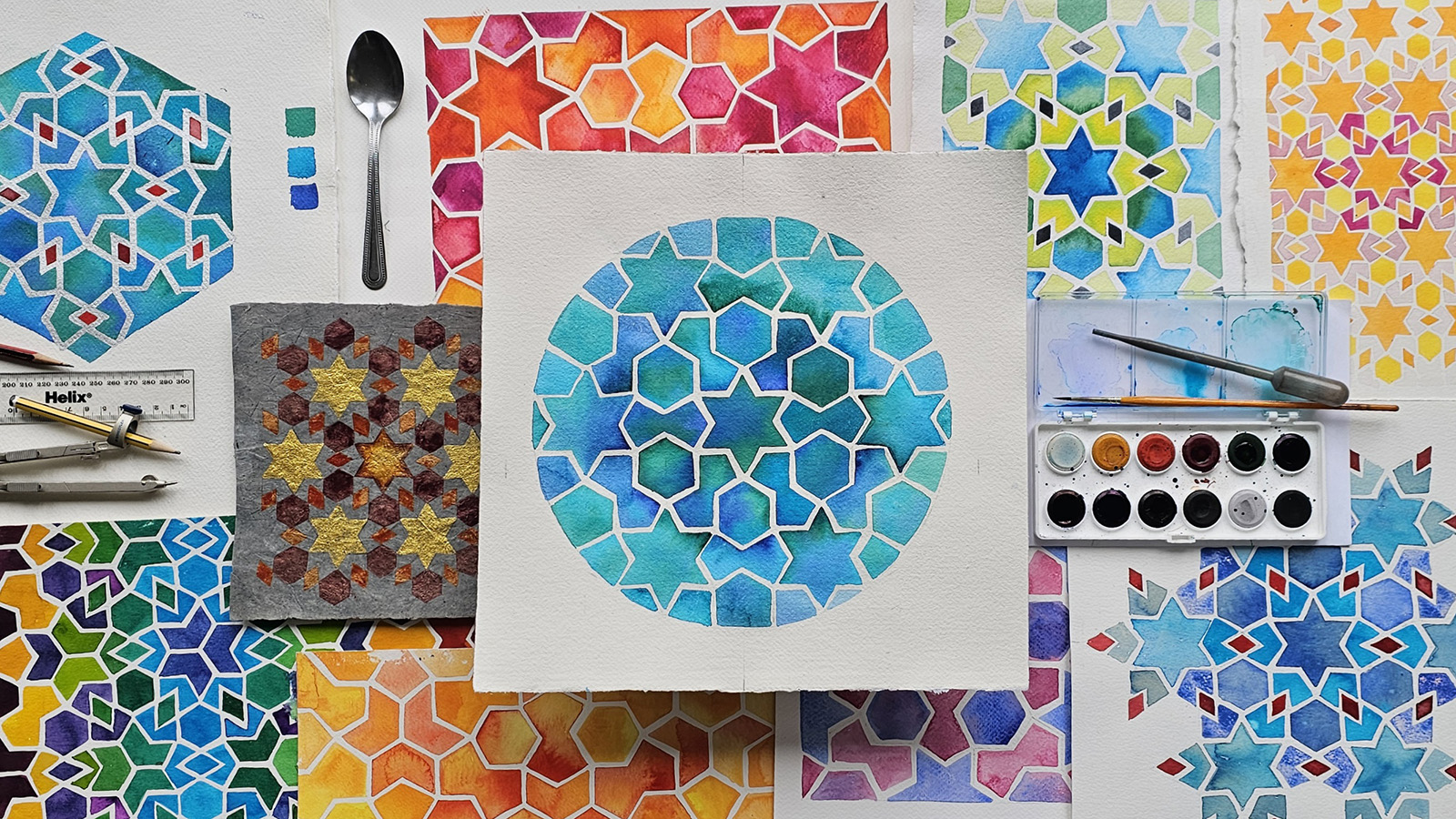
Certain shapes recur. Stars are common, as are rosettes. Central stars are surrounded by petal-like forms that can be repeated through different symmetries. Patterns might be described as eightfold, tenfold or 12-fold, depending on how their shapes repeat and rotate. But the rules are not absolute. “For every rule that I might say, somebody somewhere has made an exception or changed the rule or even broken the rule,” says Mian. “You have to know the rules to break the rules.”
What holds Mian’s attention is the precision with which the patterns are constructed. “Every element is resolved,” she says. “The joints are invisible.” Each shape, corner and point of connection has been worked through so that the pattern reads as a continuous whole rather than a collection of repeated parts. To an untrained eye, a pattern might register simply as decoration. To Mian, it is something closer to a puzzle, its symmetry and proportions waiting to be taken apart and understood.
Mian does not generally invent the patterns she paints. Many are designs she has traced back to architecture in places such as Iran, Syria and India, where they have existed for hundreds of years. Her practice has what she calls “two halves”. First, she analyses and reconstructs the geometry as accurately as possible, then she allows herself far more freedom in how it is rendered.
Once she has cracked the geometry, the drawing becomes repetitive, the painting slower and more instinctive, until she slips into what she describes as a kind of “flow state”. On a recent trip to mountains in Norway, she sat on the same balcony for five hours, drawing and painting with the mountains in front of her, before realising she had barely moved.
In 2024, Porsche Middle East commissioned her for its Ramadan campaign, using her designs across social media and showrooms throughout the region. In April this year, her first solo exhibition opened at the Royal Albert Hall. Her designs have been used widely in architecture, including in the garden at Leighton House.
Mian sees herself less as the originator of these designs than as part of their transmission. It is perhaps why, despite the exhibitions and commissions, she still wears “the cap of teacher” more confidently than that of an artist. “I didn’t invent them, I’m just passing them on,” she says. “I like to think of myself as like a link in the chain of knowledge”, she says, passing them on so that “future generations” can preserve and reinterpret them in turn.
“There’s nothing more rewarding than teaching people these patterns. They changed my life,” she says. “Now I get to see where they take somebody else.”