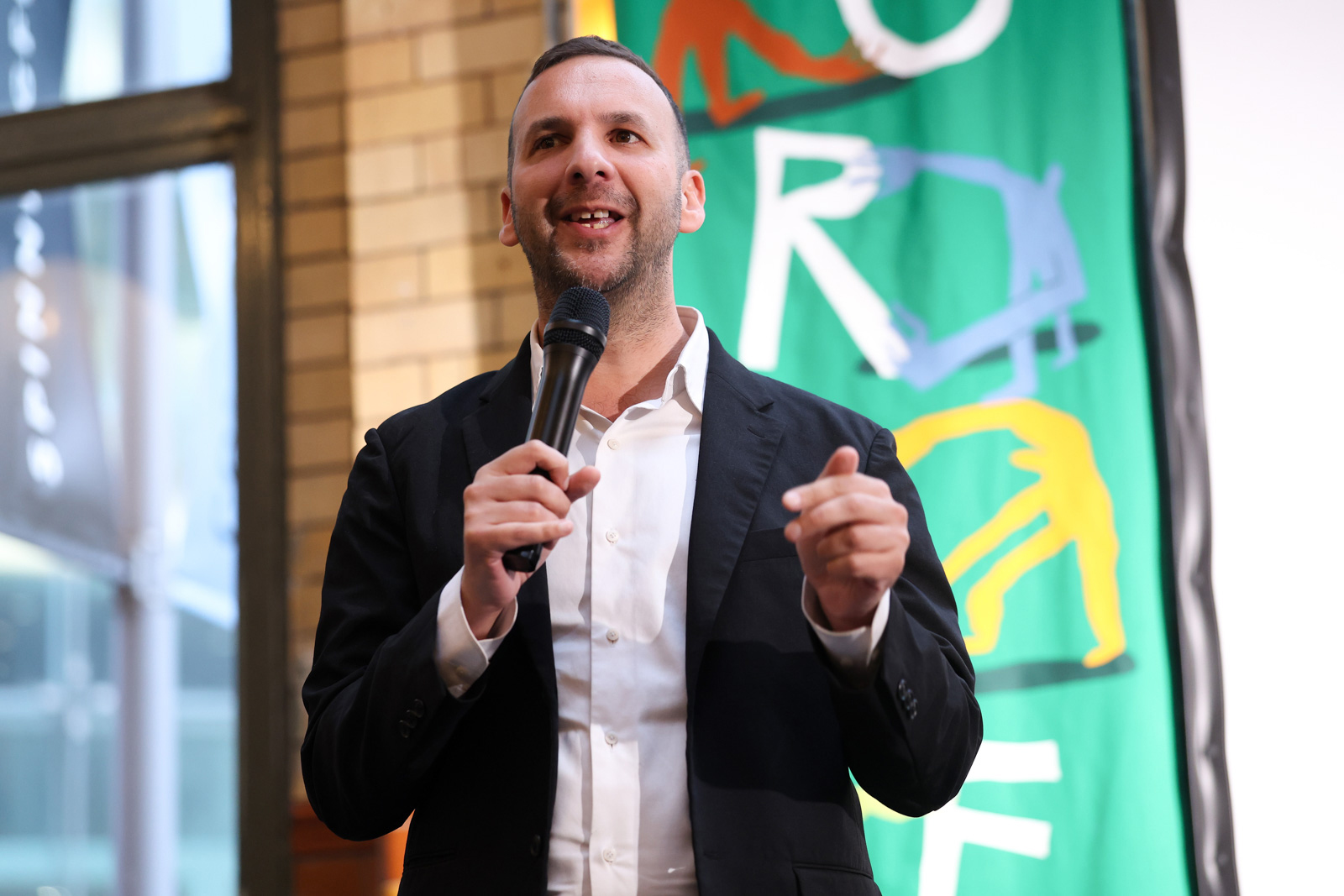

Labour and Greens vie for Muslim votes in Holborn and St Pancras
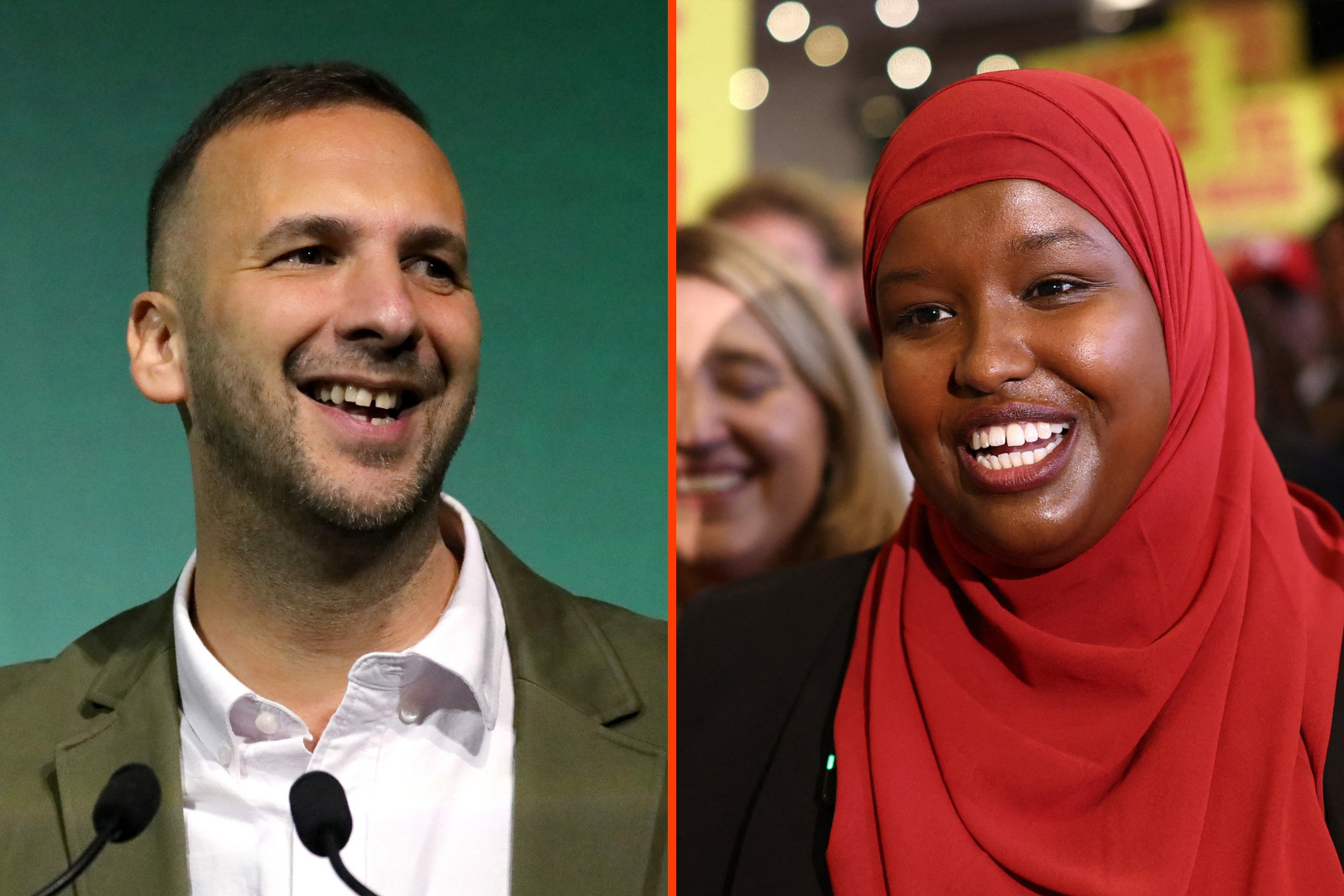
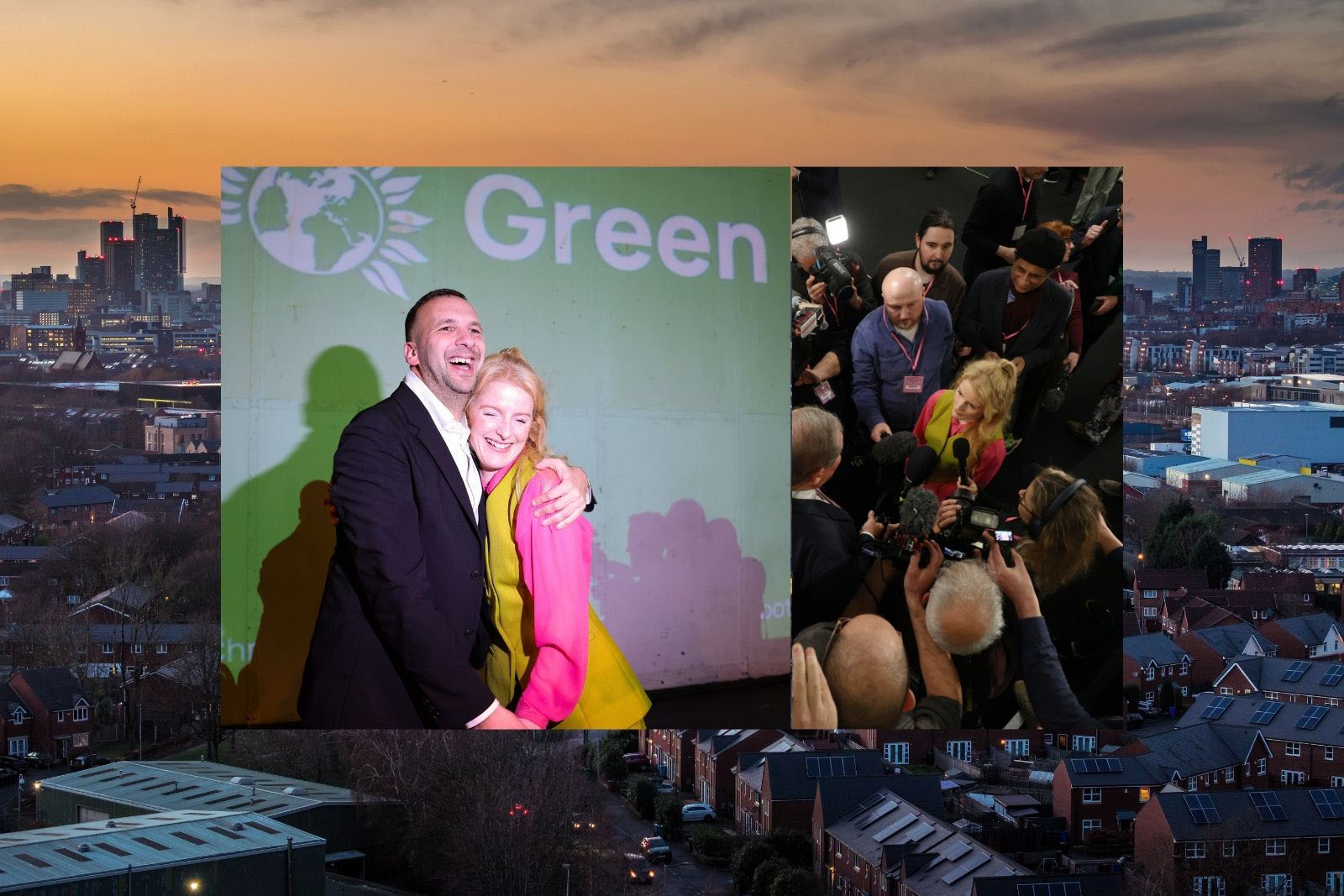
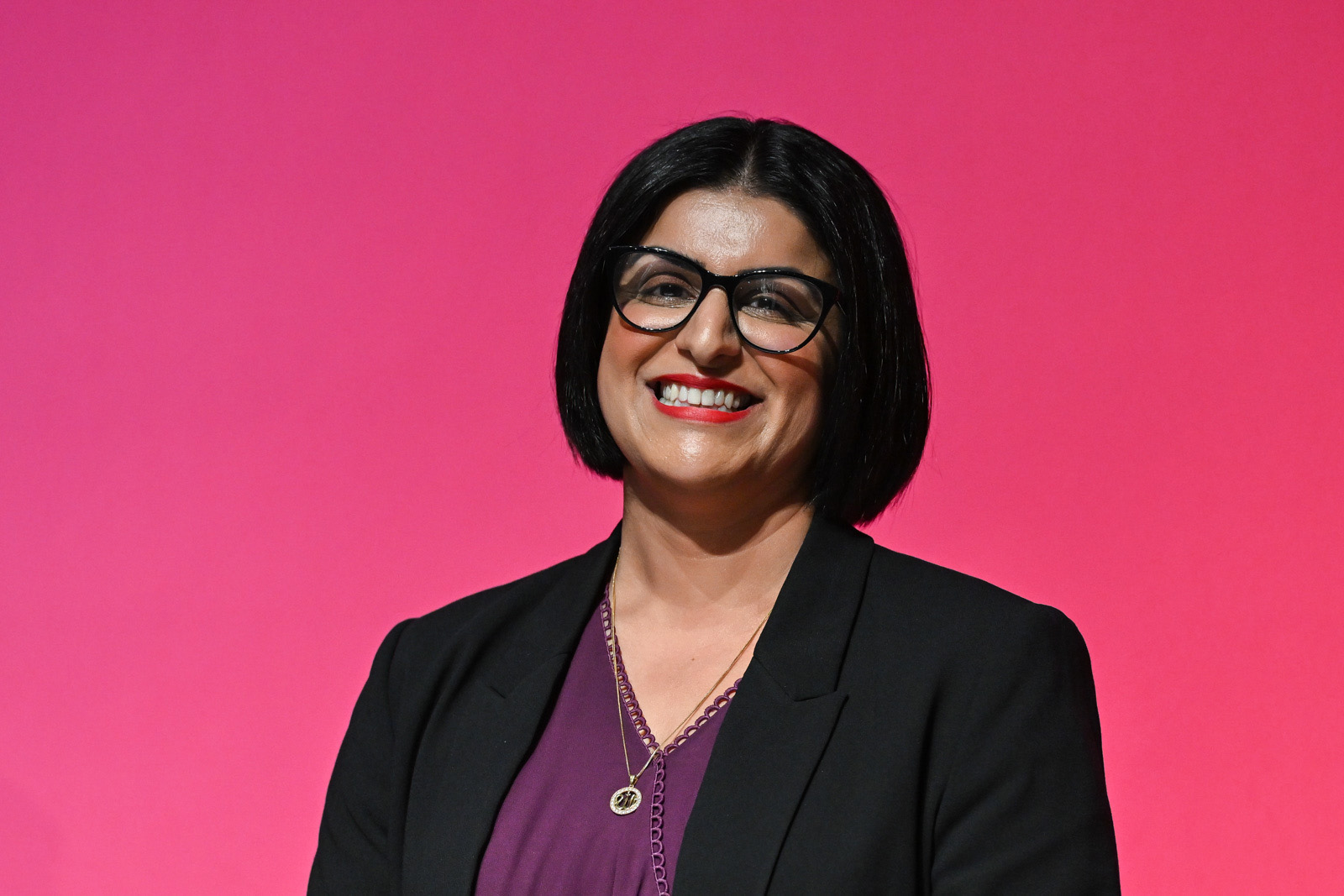
Council leader Sagal Abdi-Wali, for Labour, and Green Party leader Zack Polanski are leading the polls ahead of Thursday’s byelection

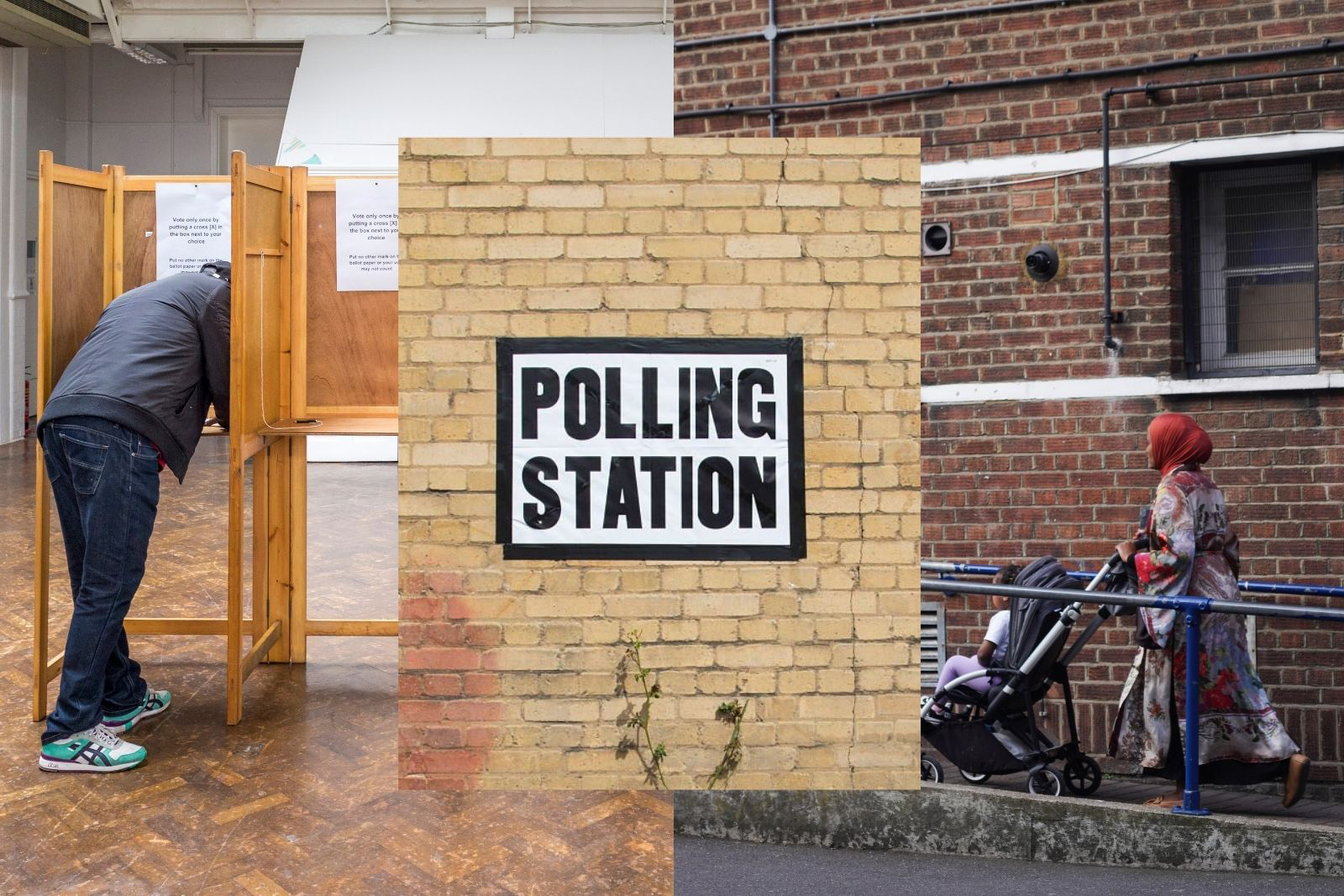
Labour’s snubbing of a key public event in Holborn and St Pancras could cost it votes in this week’s byelection, the chair of the local Muslim group that organised it has warned.
The Camden Muslim Network held a hustings on 22 September and invited candidates from the Liberal Democrats, Labour, Green, Conservative and Reform UK to take part. In the end, only the Liberal Democrat candidate, Patrick Stillman, and Green candidate Zack Polanski turned up.
Residents will go to the polls in the north London constituency on Thursday to choose between 15 candidates, but the election — triggered by the resignation of Keir Starmer in September — is seen as a two-horse race between Labour’s Sagal Abdi-Wali, who is leader of the local council, and Polanski. A Green win would break Labour’s 43-year dominance in the area as well as giving the party its first MP in London; Labour, meanwhile, is looking to show it can win votes back from the left under Andy Burnham’s leadership.
Abdi-Wali, whose representatives ignored Hyphen’s requests to speak for this article, has claimed that she was only invited to the hustings at the “last minute” — but an email sent by the Camden Muslim Network, seen by Hyphen, showed that she had been invited on 17 September, at the same time as the other candidates.
Hyphen also approached Polanski for an interview and did not receive a response.
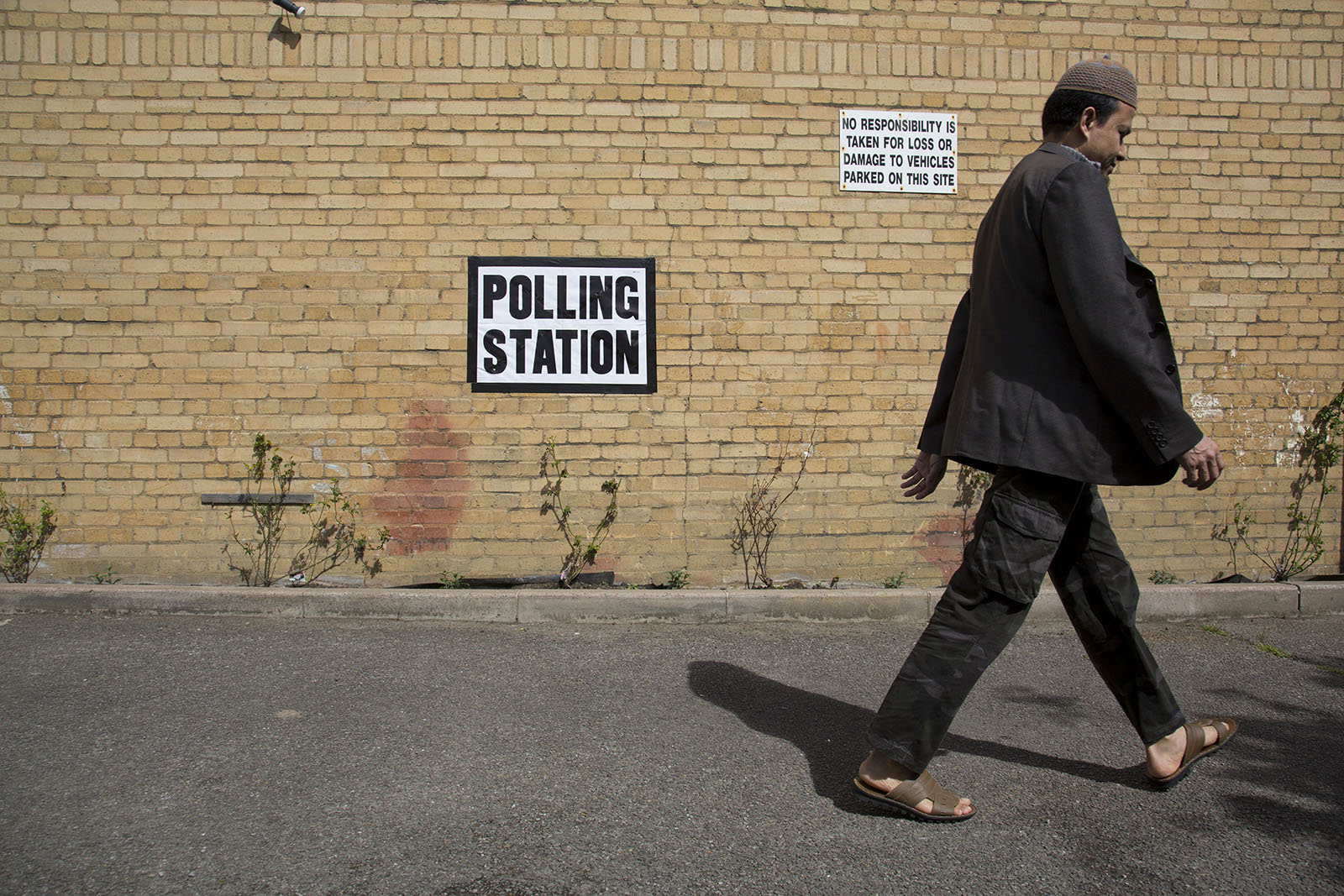
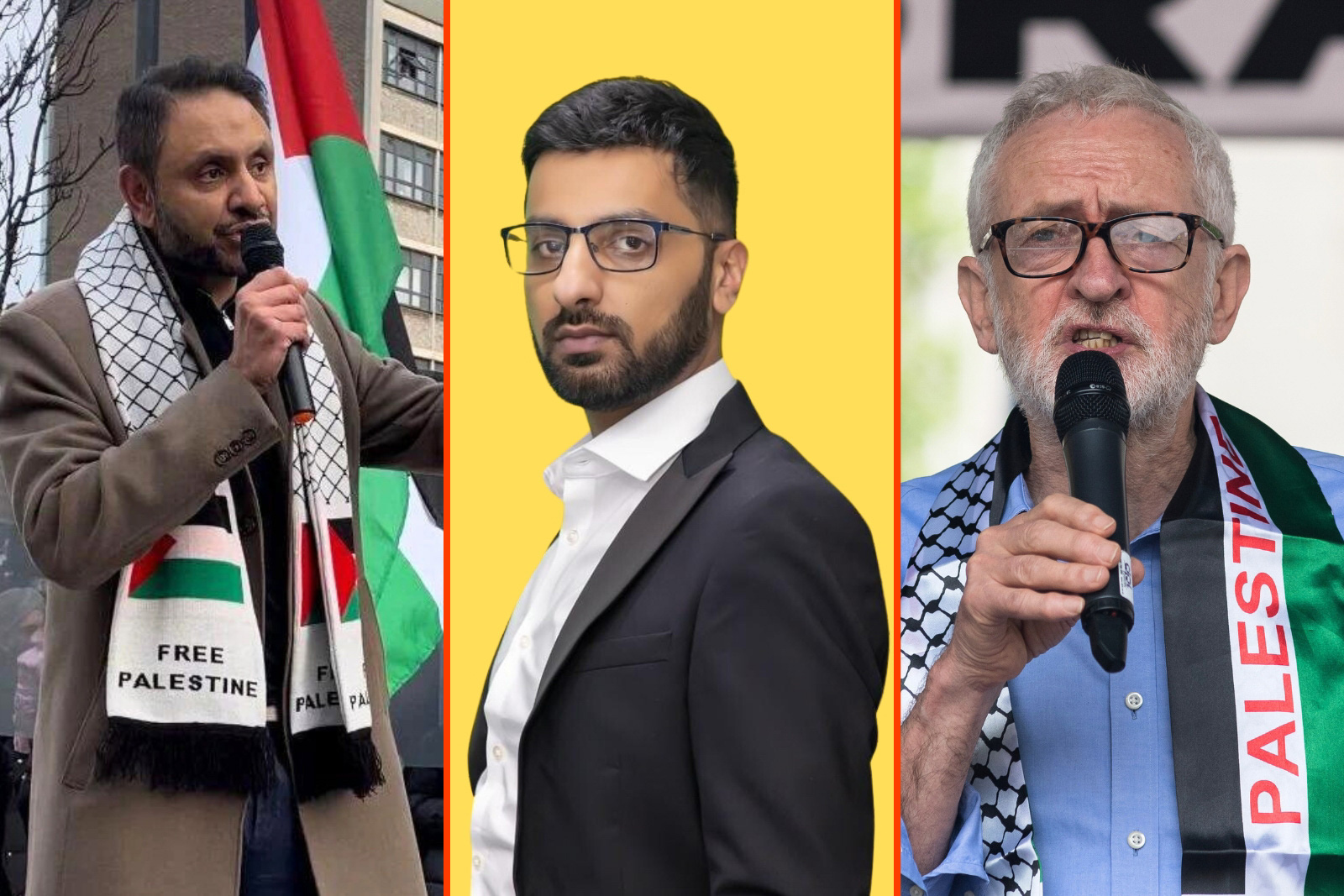
Muhammad Chowdhury set up the Camden Muslim Network in 2024, feeling that there “wasn’t much of a voice for Muslim people who were brought up in Camden”. Holborn and St Pancras is home to about 22,000 Muslims, making up around 20% of all residents. The north of the constituency is home to an established Bangladeshi community in Camden Town, while the Somers Town area near Euston station is home to a large Somali community. Bangladeshi Muslims told us their community had historically voted Labour.
Chowdhury said the hustings episode had “hit it on the head”. “On the one hand, Labour look like they’re reaching out to the Muslim community by putting forward a very visibly Muslim woman,” he said, “but she isn’t willing to come and pitch her policies to the Muslim community.”
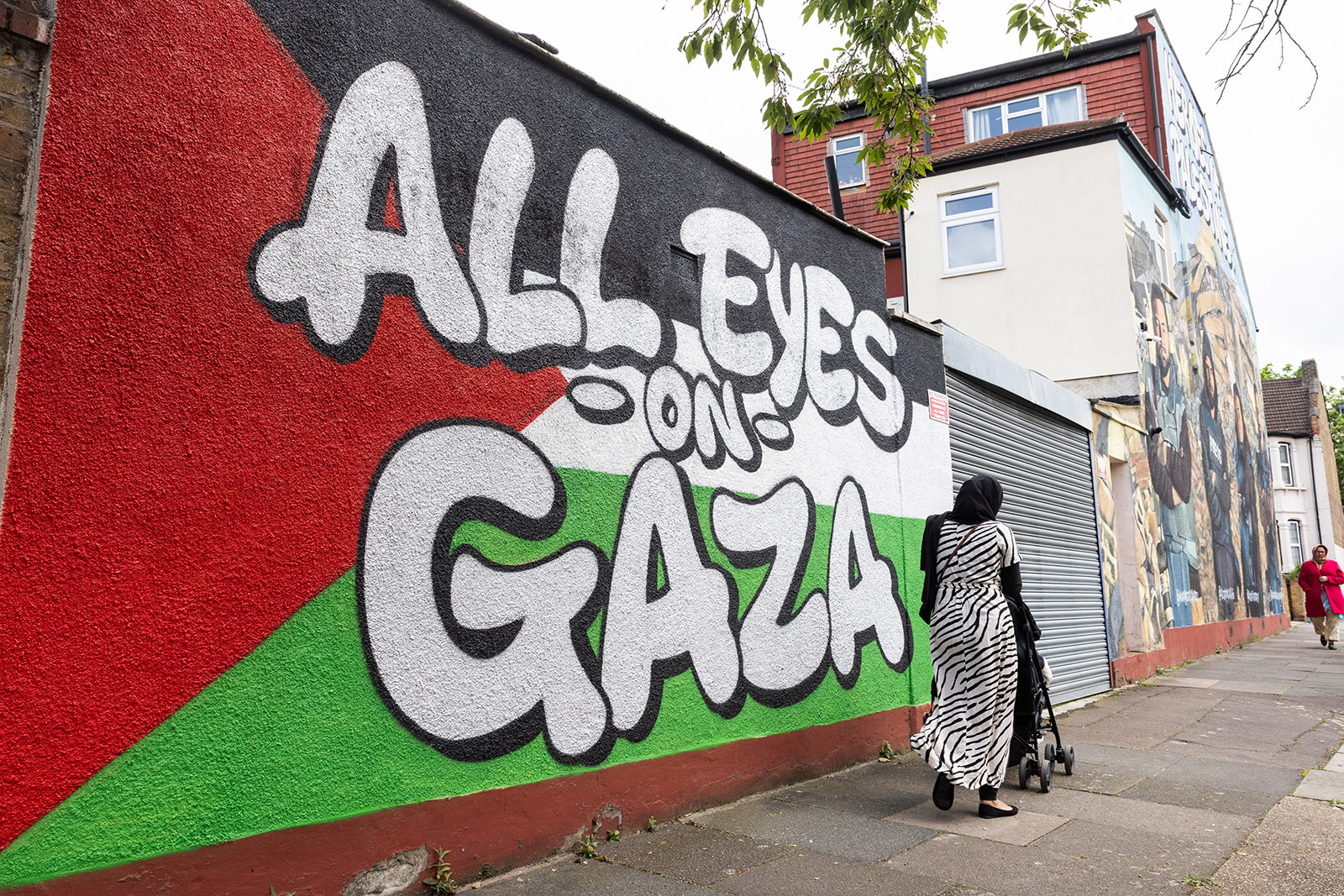
The most pressing issues for Muslims in the constituency, he added, are housing, the HS2 rail project — which he said had disrupted people’s homes — and UK foreign policy.
“The issue of housing disproportionately affects the Muslim community, because most people live in the most deprived areas of the borough,” he said. “A lot of people we speak to complain about dampness and overcrowding. The problem for people in social housing is that, when their families grow, you have cases of people who have six, seven people living in a two bedroom flat.”
He said he believed Abdi-Wali would do best among Muslims who were less politically engaged. “Most people just want to get about their daily lives and they’re quite busy, especially if they’re facing financial difficulties,” he said. “There are people who are trying to hold down two or three jobs and they almost don’t have the luxury of getting involved in politics. I suspect a lot of Muslims might think, ‘OK, she might be someone who is more representative because she looks more like us’.”
By contrast, he said, people who are more engaged with local politics, especially on the issue of housing and Palestine, might be less likely to vote Labour. “Sagal is seen as someone who is very much toeing a very Starmerite party line. People were quite surprised by Ed Miliband’s recent announcements, but she’s not seen as being from that faction of the Labour Party — she’s seen as a proper Starmerite.” Miliband, the UK foreign secretary, announced sanctions on people and organisations linked to illegal West Bank settlements, where he said ethnic cleansing was taking place, in early September.
Fathi Labidi, an imam at the Muslim World League mosque in Camden, said Muslims in the area just wanted to be “heard, considered and respected”. He said members of his own congregation were most likely to voice concerns about the impact of the cost of living crisis and the government’s response to violence in the Middle East.
“They feel they aren’t listened to and their issues are not really well addressed,” he said. “There are some concerns that Labour took the side of Israel. This has made Muslims take a step back. They think: ‘OK, they don’t listen to us, they don’t respect us.’”
He said some of the congregation were disengaged from politics, but that he has been dedicating Friday khutbahs to encouraging people to vote.
“I say that when you elect someone, you will have some influence. They need you. Every MP needs more people to vote for them, so if you show you are participating they will listen to you.”
Labidi said he believed Sagal would win. “It will be between Green and Labour, but people like Sagal, so they will vote for her.”
Sultana Akthar has lived in Camden for 45 years. In September, she set up Camden Muslim Women’s Voice, a community group aiming to get local women more engaged in politics. “A lot of the time, we feel like decisions are made for us, instead of hearing from us directly,” she said.
The group organised a question and answer session with Polanski on 27 September, which she said around 40 women had attended. Akthar said questions included concerns around local issues, such as funding for community centres and services for children with special educational needs, as well as Polanski’s views on zionism. She said most women wanted reassurance that they would be listened to and taken seriously.
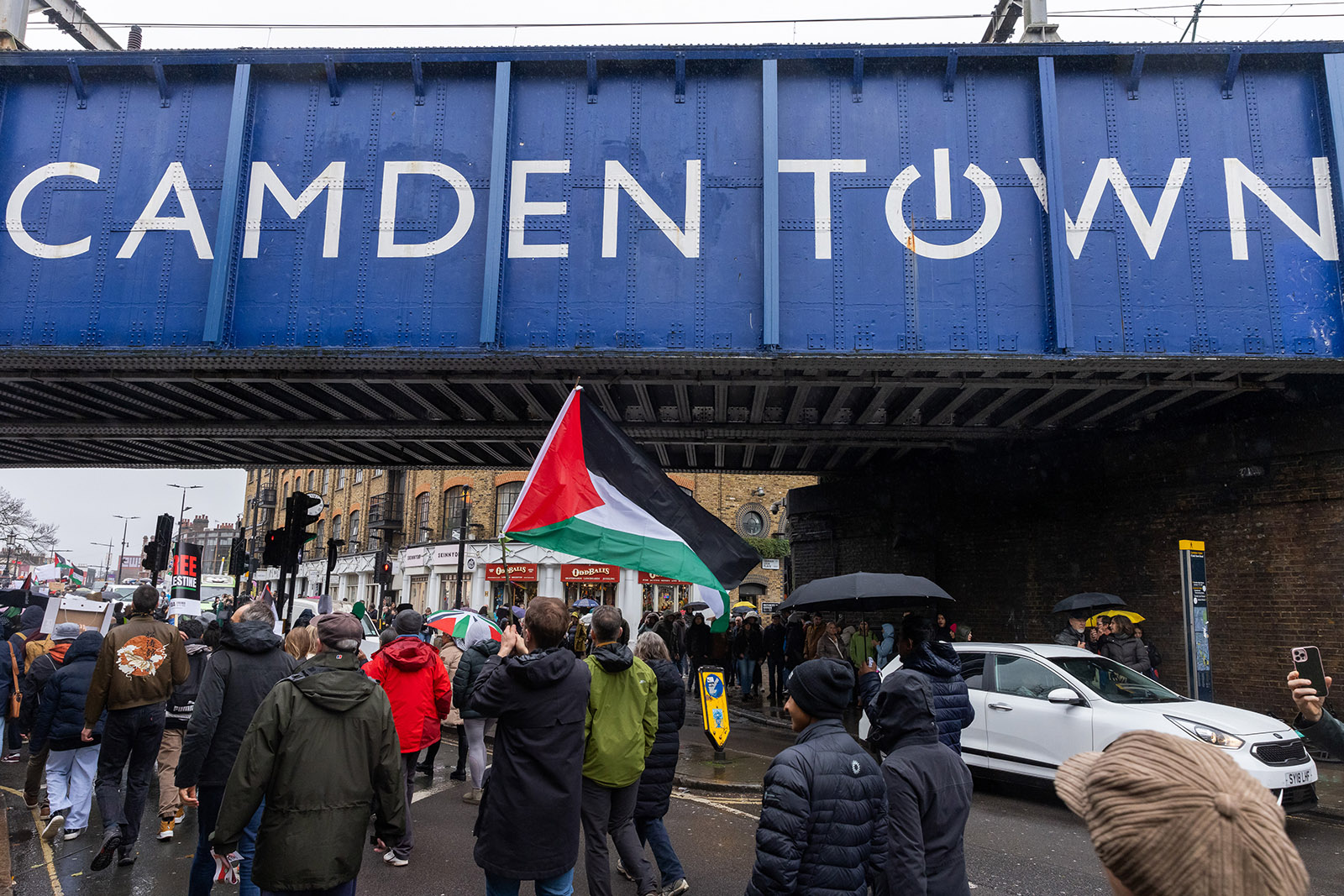
Camden Muslim Women’s Voice did not ask Abdi-Wali to attend but Akthar said this did not mean that the group had endorsed him or any other candidate.
“We approached Zack because we felt like a lot of the people were really aware of the Labour Party and with Sagal being the council leader, they could see what she has done and not done,” Akthar said. “A lot of the women said they would like to see what Zack has to say.”
She added that the no-show from Abdi-Wali at the Camden Muslim Network’s hustings had been a factor in the decision to not approach her this time round.
Hamza Chowdhury is a Green Party councillor for the Holborn and Covent Garden ward. He put himself forward to contest the election, but in the end Polanski was selected.
He said that, in his local area, there was no clear favourite among Muslim voters, but that he believed the Greens “absolutely have a chance” of winning.
“It seems to be tough,” he said. “Muslims are undecided. At the mosque, you hear some brothers say, ‘I’m voting Sagal’, and others are saying, ‘No way, Labour made so many promises and failed’.”
Like Labidi, Chowdhury said he thought most local Muslims were looking for “genuine representation”, but didn’t know which party they were most likely to get this from.
“People want true representation, and Sagal is the perfect candidate — you can’t get more Muslim than that — so people are in a tough decision,” he said. “They are a bit confused now. ‘Do we vote a Muslim lady who is Somali, a refugee and wears a headscarf but we don’t signify with their party [sic], or do we vote for the new party, which doesn’t have much history here, but they are promising us good?’”
Related content
The election comes at a critical moment for both Labour and the Greens. Burnham took over as Labour leader and British prime minister in July after winning a key byelection in Makerfield, north-west England, against Nigel Farage’s Reform UK; the party now hopes to show it can now beat the left as well as the right. The Greens, meanwhile, have seen their polling numbers drop since the highs of the Gorton and Denton win in February. YouGov polls suggest the Greens’ national popularity overtook that of Labour at various points between March and May, when it gained hundreds of new councillors in the local elections. The party is now keen to demonstrate that Polanski’s politics can still cut through against a less unpopular Labour leader.
Speaking at a fringe event hosted by research agency More in Common at the Green Party Conference in Brighton over the weekend, Luke Tryl — the director of the agency — likened the modern-day Greens to Farage’s UK Independence Party (Ukip) in the 2010s, which “had an outsized impact on the whole of politics”. He noted, however, that “the election of Andy Burnham clearly poses some challenges”.
“If you look at the so-called Burnham bounce,” he said, “it has disproportionately come from Andy Burnham winning back voters on his left flank. The proportion of 2024 Labour voters who would go to the Greens has halved from 11% to 5% in that time.”
Harriet Lamb, the Green Party chief executive, was asked if she believed her party had “peaked”. Lamb said while the current priority was to win the seat in Holborn and St Pancras, the long-term goal was to increase its influence on the government.
“We have already put Labour way to the left,” she claimed. “Where we would like to be at the next general election is in a position to influence the shape of a future government and what they set out to do. That’s absolutely our goal.
“In the last year, we have gone from 70,000 members to 220,000 members. That is phenomenal and that is the momentum we need to keep pushing.”
Editor’s note: this piece was amended on 7 October 2026 to reflect an interview with Sultana Akthar that took place after our original deadline.