MPs launch inquiry into mosque security scheme after Hyphen’s reporting
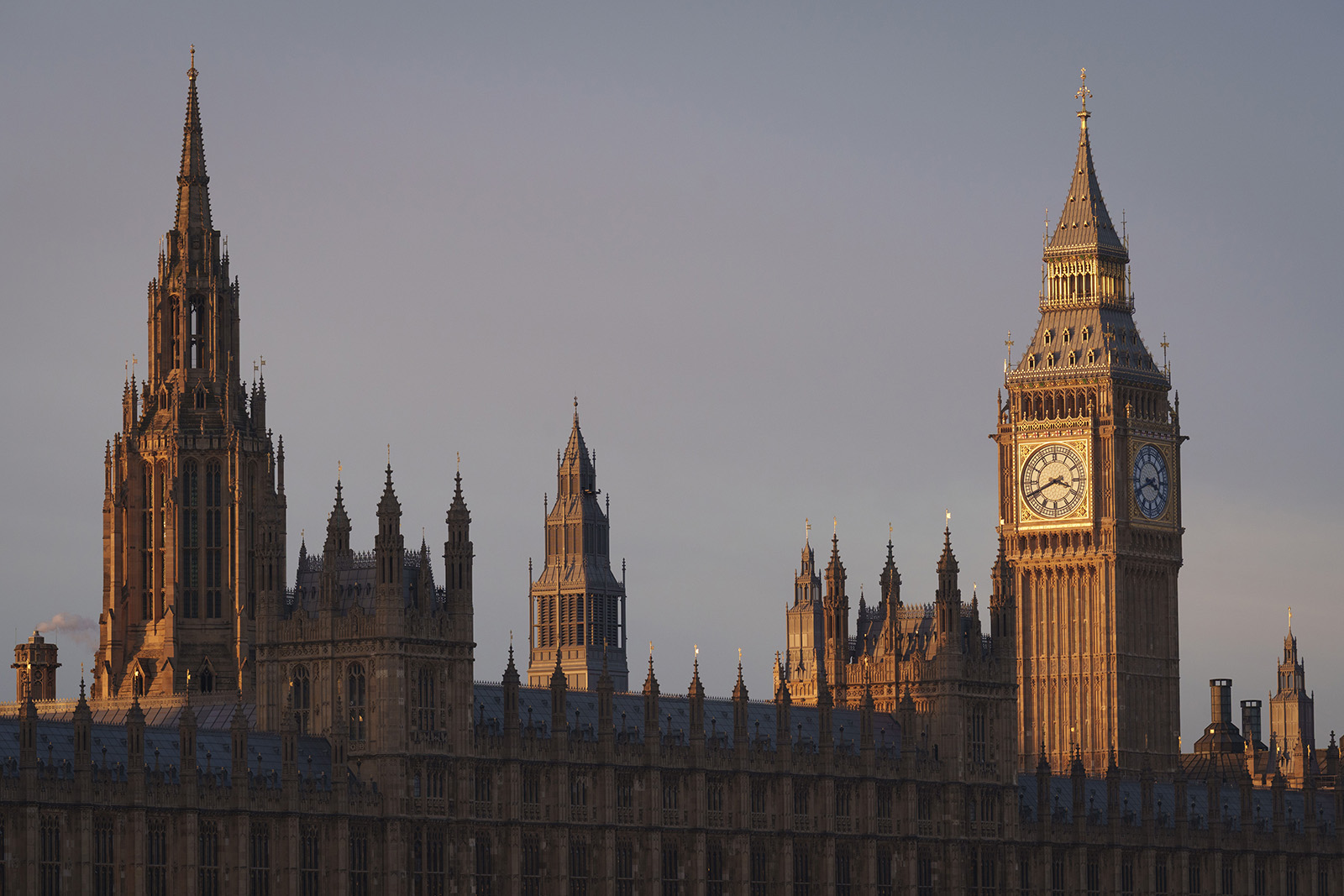
The all-party parliamentary group on British Muslims is calling for evidence on the Home Office’s beleaguered protective security for mosques scheme

A parliamentary inquiry has been launched into the Home Office’s protective security for mosques scheme after Hyphen’s reporting revealed it had left hundreds of vulnerable mosques in limbo.
MPs on the all-party parliamentary group (APPG) on British Muslims are asking mosques, community centres and faith schools across the UK to submit evidence about whether their congregation feels safe, if they have made an application to the scheme, whether it was successful, and what their experience has been like. The deadline to submit evidence is 22 November.
Related content

The Home Office has allocated up to £40 million of funding per year to help protect mosques, Muslim community centres and Muslim faith schools from hate crime — but reporting by Hyphen has exposed a number of problems around the scheme, including processing times leaving some mosques waiting as long as two years for their applications to be reviewed, a lack of transparency around how money is allocated and little information about why applications are rejected.
Andrew Pakes, the MP for Peterborough and co-chair of the APPG, said these experiences would be used to provide feedback on the scheme and make improvements.
Pakes said: “The government was right to put forward the mosque security scheme, particularly given the sharp rise in attacks against Muslim communities and on mosques.
“However, many mosques, including those in Peterborough, tell us they are struggling to access that support or don’t know where to turn. This unique inquiry from the APPG on British Muslims is about listening to them and putting their evidence and feedback before government, so the scheme can be improved to better support the communities it was designed to protect.”
Crossbench peer Sayeeda Warsi, co-chair of the APPG, encouraged mosques from across the country to take part and share their feedback.
“This is a landmark inquiry which, for the first time, brings together the frontline experiences of mosques and worshippers who have faced an unprecedented number of anti-Muslim attacks,” she said.
“Despite there being a government scheme in place to help protect mosques, recent reporting, along with MPs from across the house, has raised concerns that mosques feel they are not getting the support they need or that the process could be improved.
“This inquiry aims to provide a holistic assessment of the government’s mosque security scheme and how it can better protect Muslim communities and worshippers attending mosques to practise their faith. We look forward to mosques from across the country taking part and sharing their feedback to ensure that the scheme put in place by the government is operating at its most efficient and effective level.”
Dr Naomi Green, the assistant secretary general of the Muslim Council of Britain (MCB), said concerns surrounding the scheme were “longstanding and well-documented”.
Related content

“Muslim communities are facing serious and growing threats to their safety,” she said. “For several years, the MCB alongside other community organisations have repeatedly called on the government to urgently reform the Home Office’s failing protective security scheme.
“The APPG inquiry must be more than another fact-finding exercise. It must lead to meaningful reform that addresses the problems communities have been raising for years and ensures they receive the protection they need.”
In September, mosques told Hyphen their applications had been rejected on the basis of a code of conduct that had been published just hours earlier. When mosques asked for details about why their applications were unsuccessful, the Home Office refused to provide further information. In the absence of funding, some mosques are having to spend thousands of pounds of donations on security.
Mosque leaders and MPs have asked for greater transparency around the scheme, calling on the government to publish information about how many applications it has received, how many are granted and denied, the average processing time of an application, and how much of the money is allocated to preventative security measures or private contractors providing manned security to mosques.