
Hundreds of mosques in limbo after applying to Home Office security fund
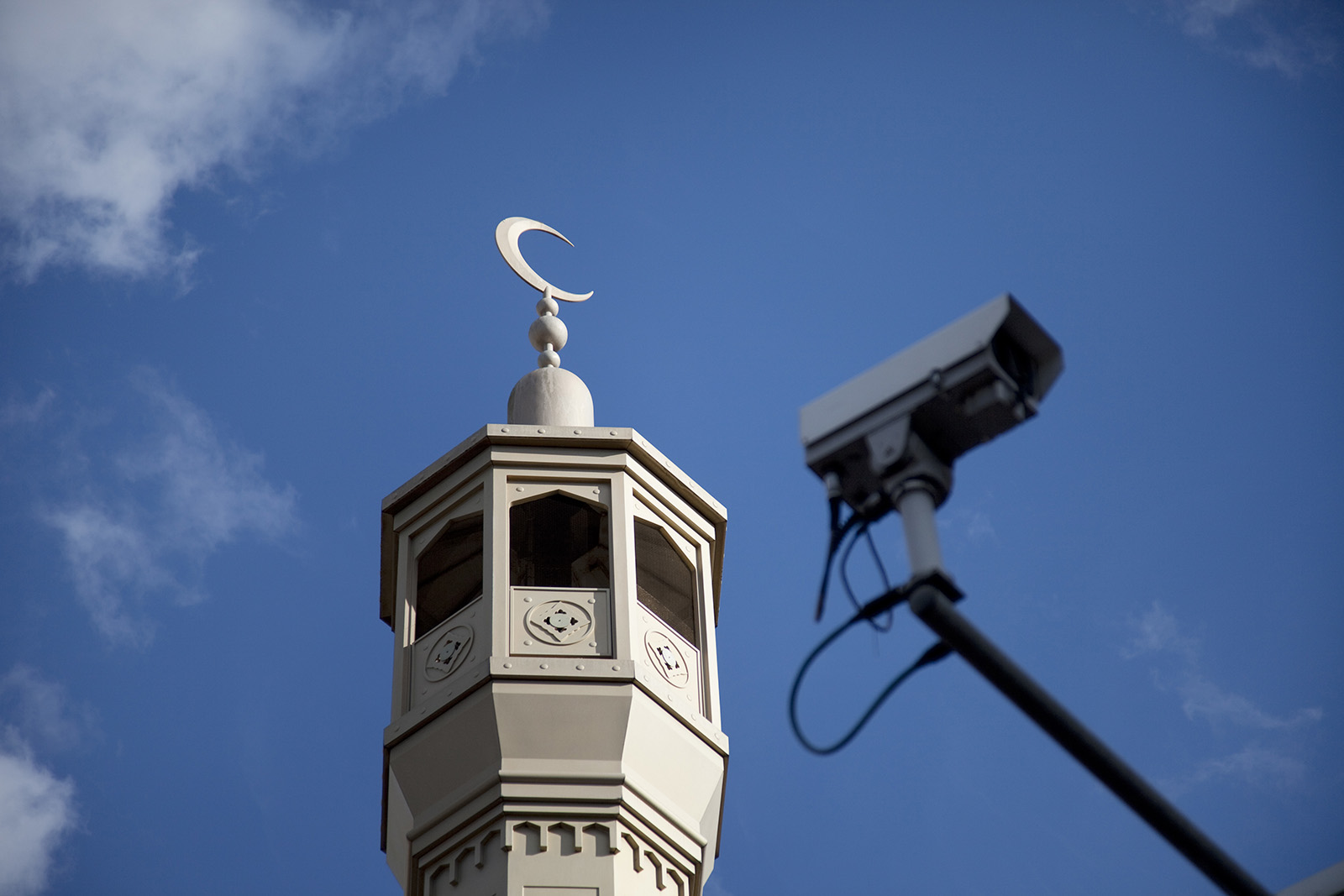
Data obtained by Hyphen reveals that 510 mosques applied for funding to beef up security between July 2024 and November 2025, with most left hanging

Fewer than 200 of the UK’s 1,800 mosques were granted government funding to beef up security in the wake of the 2024 riots, data obtained exclusively by Hyphen shows, with hundreds more left in limbo for months or even years.
In total, 199 out of 510 applications to the government’s flagship “protective security for mosques” scheme were successful, while a backlog of 311 submitted between 1 July 2024 and 3 November 2025 were still “pending” at the time the data was compiled. The Home Office did not formally reject a single application during this period.
Hyphen fought a nine-month transparency battle to obtain figures about the opaque scheme, culminating in an appeal to the Information Commissioner’s Office (ICO), the UK data watchdog, which sided with us in July and ordered the Home Office to disclose the information.
Related content
The government has consistently refused to release information about the scheme, including how many applications it has received, how many are granted and denied, the average processing time of an application and how much of the money is allocated to preventative security measures or private contractors providing manned security to mosques.
Bell Ribeiro-Addy, Labour MP for Clapham and Brixton Hill, said our findings “have shown that promises are not being kept”.
“After those racist riots of 2024, when mosques were attacked and terrorised, Muslim communities were promised protection and the government should be honouring those promises no matter which government made it,” she said.
“Protection for places of worship should not be looked at as a favour. It should be a basic duty of the state and the fact that it’s not being readily provided is unacceptable. We have seen so many attacks on mosques. When I think about the pipe bomb thrown at the Belfast Islamic Centre with worshippers inside — quite frankly, that is the cost of delaying applications, that people are left unprotected.”
‘National security’
The Home Office initially rejected Hyphen’s request for information, claiming that disclosing the number of applications to the scheme would “undermine the government’s ability to safeguard national security” and that releasing the information could “stoke community tensions” or “invite other types of targeted attacks”.
Ordering the release of the requested information, the ICO said it was “not persuaded that withholding the requested information is reasonably necessary to prevent a risk to national security”.
Ribeiro-Addy called on the government to urgently clear the backlog and publish further figures in relation to the scheme.
“I think it’s vital to have that information,” she said, “so the Home Office can see what many of us can see in the community — that mosques are being left unprotected. The government has a duty to be transparent about how they are applying the fund, which is why we have a right to ask them those questions.”
The Muslim Council of Britain (MCB), which has more than 500 affiliate mosques, is now calling on the government to commission an independent review of the protective security for mosques scheme. The organisation published recommendations to improve the scheme in October 2025, but it too received no response.
“These figures are yet more evidence that this scheme is not fit for purpose and in desperate need of overhaul,” Dr Naomi Green, deputy secretary general of the MCB, said of Hyphen’s findings.
“The time for action is now. The last few weeks alone have seen mosques across the UK deal with serious attacks such as firebombing imams’ homes, worshippers stabbed leaving prayers, racist graffiti and hostile intruders entering premises to harass and film Muslims.
“The government needs to show it is serious through a rapid and independent review of this scheme to make it transparent, accountable and ultimately work for those at increasing risk.“
The scheme dishes out £40m annually to mosques and community centres for security measures such as CCTV, alarms, fencing, gates and security personnel.
But mosques have already told Hyphen they have been waiting as long as two years for their applications to be reviewed, with some having to spend thousands of pounds of their donations on security.
Mosque leaders say there is no point of contact at the Home Office to ask for updates about their applications, and that they are repeatedly met with generic emails telling them their applications are “under review”, claims that appear to be backed up by our data.
Quwwat-ul-Islam mosque in Newham has been waiting two years for a decision on its application. The mosque was targeted in a hate crime in April 2024 and applied for funding in August that year, according to one trustee, who spoke on condition of anonymity.
The mosque, which is on a busy main road, had a site visit from Instrom, a government contractor, and a Metropolitan Police officer in September 2024 after it applied to the scheme. Their recommendations included enhancing the mosque’s security with new doors, adding security structures around windows and installing panic buttons.
“Since then we have chased and chased,” the trustee said. “We got a note back saying that it’s being reviewed, but it’s been over a year and we are still waiting to be processed.”
The trustee said it was particularly worrying given past incidents at the mosque. In one, CCTV captured a man throwing what appeared to be a brick through its glass front door. They added that the mosque had also received threatening phone calls.
The trustee said the phone calls had triggered the mosque to chase up with the Home Office. “We spoke to the police too. They came out and spoke to us but there’s not much more we can do.”
They said the rise in attacks on mosques had left people feeling fearful. “We also run a girls’ faith-based school,” they said, “so we’re always concerned when it comes to their safety.”
Related content
Naz Shah, Labour MP for Bradford West, urged the government to clear the backlog of applications. “It is clear that many mosques are still missing out on this funding, which is urgently needed to provide security at a time when, according to the British Muslim Trust, a mosque is attacked once every five days,” she said.
“I am urging the government to work with stakeholders within communities that can help resolve the barriers preventing access, so that those who have been waiting for years can finally receive the funding they need.
“I am also calling on the government to go further in tackling the rising levels of anti-Muslim attacks. We must fund and support work to address the root causes and drivers of Islamophobia that remain prevalent across society, otherwise, the threats facing these communities will only become more dangerous.”
‘Trying to gag mosques’
The MCB has recommended the launch of a helpline to support mosques with the status of their applications, which it said could “expedite the urgent clearance of the application backlog”.
The organisation is also calling for greater transparency around the scheme, which it says is paramount to winning the trust of mosques. This would include disclosing the scheme’s overall performance, the number of applications it receives, the average processing time and the type of funding provided. It said public materials should also make it clear that the scheme is in no way linked to Prevent.
Hyphen revealed earlier in 2026 that mosques applying to the scheme were being held to a strict code of conduct, and could be rejected if they “undermine the work” of the government, bring the scheme itself into disrepute or post the wrong thing on social media.
Ribeiro-Addy said there should “not be any conditions tied to keeping people safe”.
“We need to make sure that we are applying the funding in the way that it was intended, and at the moment, the idea that we are tying funding to a code of conduct on social media posts, that is not safeguarding — that is trying to gag mosques.”
Hyphen revealed in June that the Greater Manchester Authority, then headed by Andy Burnham, had privately lobbied for the scheme to be devolved to a regional level.
A Home Office spokesperson said: “We are working to process all applications as quickly as possible.”
They added: “Muslims in the UK face appalling levels of religious hate crime. It’s crucial not only that they are safe, but that they feel safe.
“Since the election, we have increased funding for protective security at mosques, Muslim faith schools and community centres, to record levels — up to £40 million in 2026/27.”
Editor’s note: this story was updated on 17 August 2026 to include a statement from the Home Office that was sent by e-mail after Hyphen’s deadline had passed.