
Turkish food, beyond the ocakbaşı
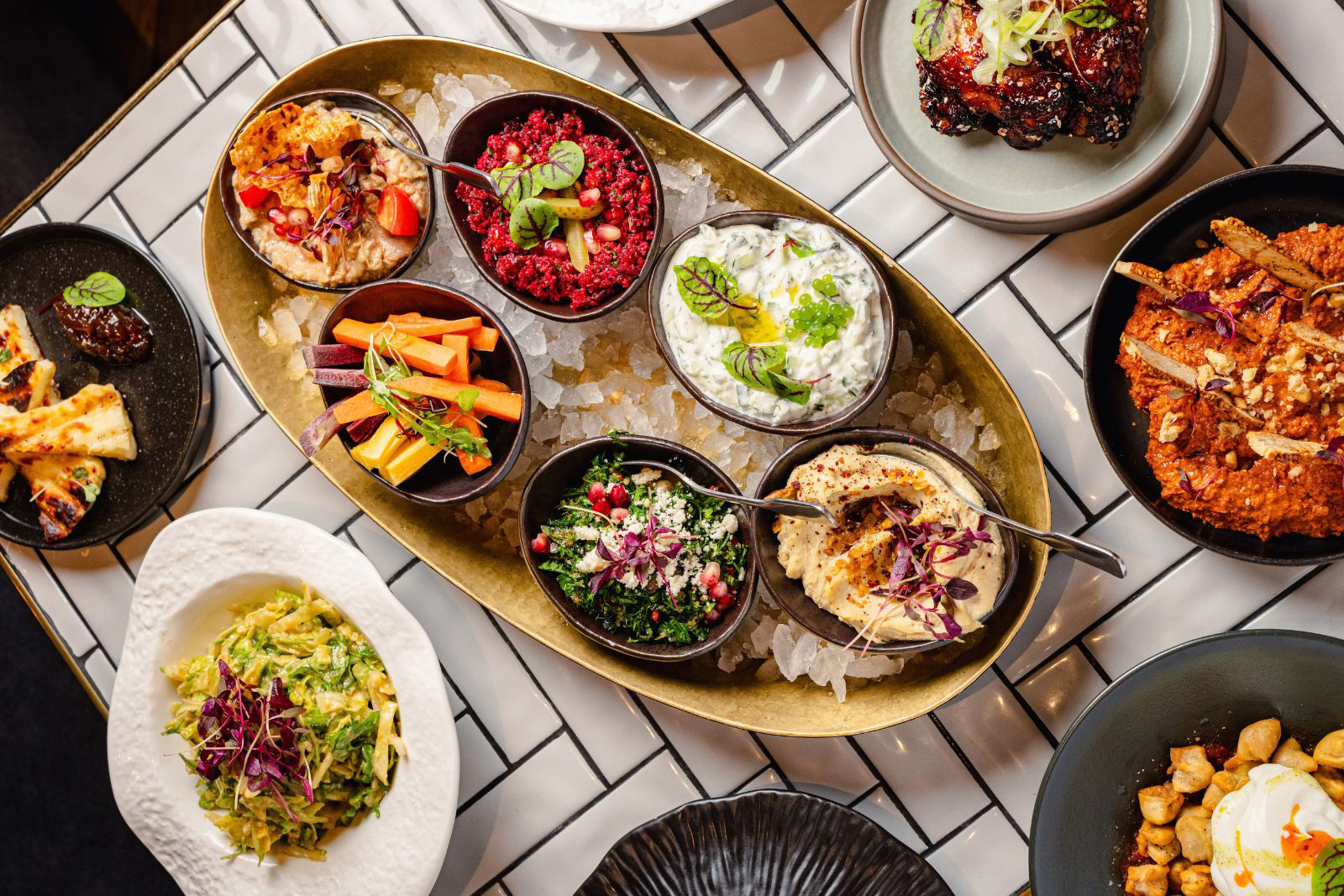
The nation’s charcoal-grilled kebabs have long been a feature of our culinary landscape. Now, regional street foods, famous dessert cafes and breakfast specialists are all making their mark

Turkish cuisine has long been a stalwart of the UK dining scene, from the end-of-the-night kebab to national takes on the fried breakfast. Turks, Turkish-Cypriots and Kurds — though the latter are their own discrete cultural and culinary story — began to arrive in significant numbers in the 1960s, many fleeing conflict and seeking new opportunities in a then booming London textile industry.
Since then, grill houses have become fixtures of the high street, especially in north London — long a pilgrimage site for those seeking glistening Adana kebabs, succulent pirzola (lamb chops), and indulgent, cheesy pides.
Related content
Make no mistake, Turkish food in London is great. Many restaurants turn out charcoal-kissed dishes that rival their peers in Turkey itself. It was not until I moved to Istanbul, however, that I realised just how varied the nation’s cuisine is and how many regional specialties exist.
Take, for example, Urfa’s distinctive, smoky isot-pepper-infused kebabs, Mersin for tantuni, Diyarbakir for Mespotamian-influenced ciğer (lamb liver) kebabs and stuffed lamb ribs, the seafood and zeytinyağlilar (vegetable dishes slow cooked in olive oil) of the Aegean coast. Then there’s my personal favourite, Hatay cuisine from southern Turkey, a stone’s throw away from Syria, which combines the best flavours and techniques of both worlds.
Green Lanes in Haringey is a long-established hub of Turkish food in London, but most of the restaurants are owned by Kurds and are centred around the charcoal grill. That has led to the ocakbaşı becoming more or less synonymous with Turkish cuisine — until recent years.
Now, a new wave of chefs are shaking up the scene. This summer, we saw the opening by Turkish Cypriot chef Keiran Mustafa of Kismet in Borough. This small pop-up restaurant on top of a pub has received almost universally rapturous reviews. I can happily confirm the içli köfte (spiced beef mince in a crisply fried bulghur shell) is one of the best I’ve ever had.
The September opening of Kid by acclaimed chef Sertaç Dirik in Soho has attracted similar praise. Critics have been bowled over by its elevated dishes, including sucuk with grilled peach puree and kid goat with fig leaf and freekeh.
Established Turkish brand names are also getting in on the action. In recent years a flagship branch of Istanbul baklava and dessert institution Hafiz Mustafa has opened opposite Harrods, as well as a much-Instagrammed outpost of the breakfast specialist Çeşme Bazlama Kahvaltı in Chingford. In September Iskender Kebab, the Bursa restaurant that created the now widely loved calorie bomb more than 150 years ago, set up shop in Knightsbridge.
Here’s my list of Turkish eateries that offer something a little different to what you might expect.
Çeşme Bazlama Kahvaltı, Chingford
This much-loved breakfast cafe in the heart of upscale Nişantaşı was always a crowd pleaser for visiting friends and family when I lived in Istanbul, so I was thrilled when it opened an outlet in the further reaches of east London. Its set menu is truly something to behold. Cold components include endless preserves of every possible fruit, numerous cheeses, olives, cucumber, tomato and peppers alongside sesame-crusted simit. Then come hot dishes of sucuk, fried borek, menemen, eggs and potatoes. Shortly after that, a waiter does the rounds with freshly made gözleme (stuffed flatbread) with fillings of spinach, potato or cheese. “Kahvaltı” actually means “before coffee”, so strong and fragrant black tea takes centre stage, refilled as many times as you wish. At £24.50 per person it’s an all-you-can-eat bargain. My absolute favourite item is the pişi, a light and fluffy fried dough that’s at its best dragged through a plate of honey and kaymak (clotted cream). Dangerously addictive.
Mersin Tantuni, Dalston
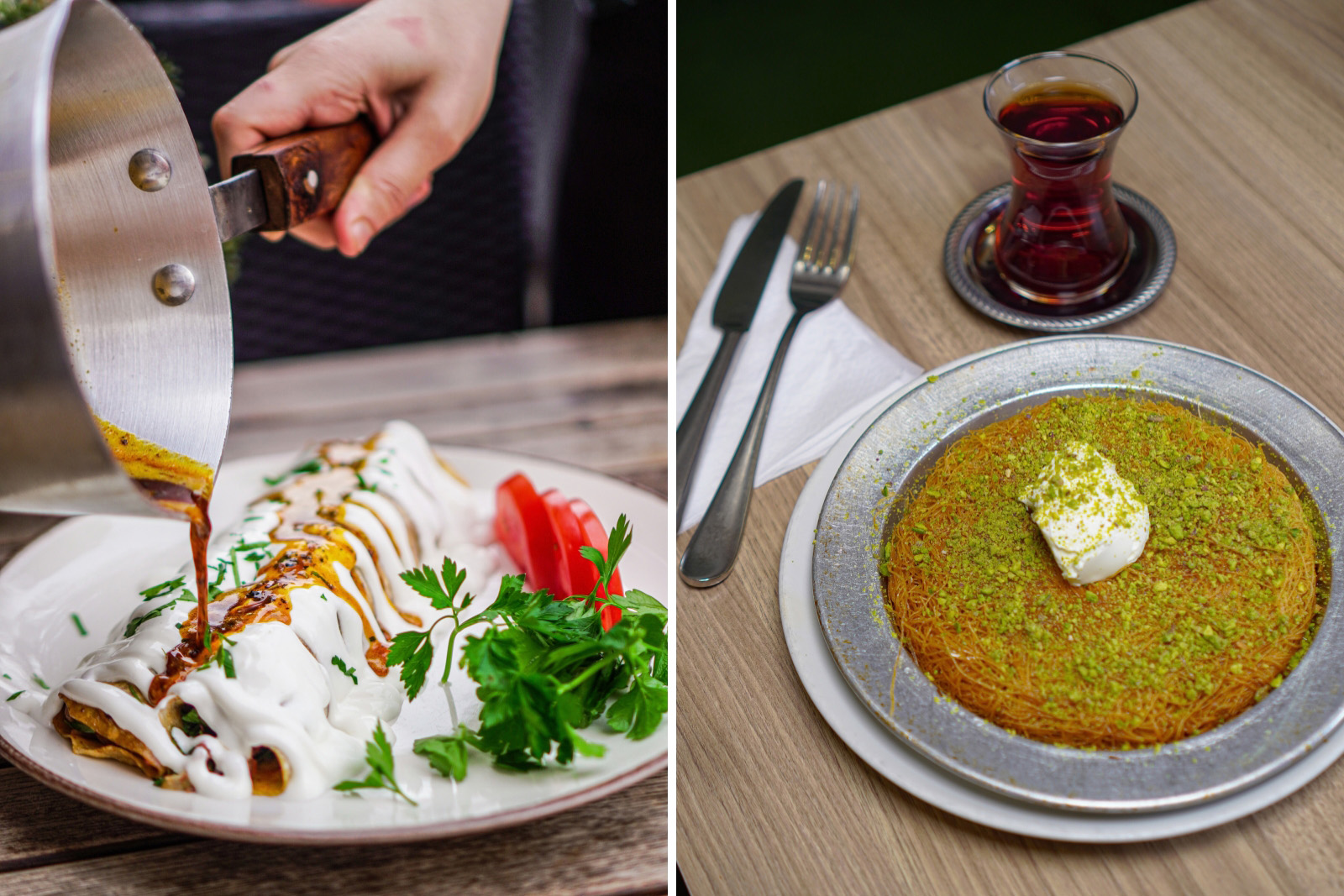
Tantuni is a street food staple from the southern city of Mersin. It consists of finely chopped lamb or beef spiked with sumac and pepper flakes, then stir fried on a special steel pan with an inverted dome. Tail fat is the traditional cooking medium, though oil or butter can also be used. The filling is then tightly wrapped in a thin soft lavash that has been pressed directly to the pan juices and bent into a distinctive U shape.
The spicing of Mersin’s lamb tantuni (£10) is perfectly balanced and the thinness of the bread allows the pan flavours to shine through. Parsley, onion and tomato add a zingy freshness. I also recommend a version where the wrap is topped with a generous helping of thick strained yoghurt (£15). The waiter then arrives at the table with a pan of sizzling butter, infused with smoky pul biber and sumac, and pours it all over the plate. It’s a lot, but this addition elevates the dish by some distance.
The homemade knafeh (£10) is not to be missed, either – light and moreish, with just the right ratio of crispy katayif exterior and a soft, sweet, cheesy centre.
Mantl, Knightbridge
For those looking for a more upscale sit-down affair, Mantl prides itself on sourcing premium halal meat. With an open kitchen, romantic ambience and SW3 postcode, it is not cheap but does feel special. Beloved dishes such as manti (lamb and beef dumplings in garlic yoghurt topped with chilli, £17.90) will ease you into your meal. The içli kofte (£16.90) were disappointingly heavy and dry, though, so give them a miss. Mains include a standout iskender, made with dry-aged tenderloin slices atop buttered pide, then slathered in tomato sauce and brown-butter infused yoghurt (£49.90). The ali nazik (£34.90) was also noteworthy, comprising bite-sized lamb çöp şiş on smoked aubergine with yoghurt and peppers. The adana kebab (£24.90), usually my litmus test for a Turkish grill, was less impressive, lacking the distinctive spicy kick and smoky lambiness I expect. A three-course set lunch menu is on offer from Monday to Friday between 12pm and 4pm for £29.90.
Cafer Erol London 1807, Knightsbridge
Related content
The Şekerci branch of this premium dessert cafe is part of Istanbul history, operating for more than 200 years. Also known for eye-watering prices, it’s no surprise that its flagship London location is in Knightsbridge, a few steps away from Harrods. The interior has slick checkerboard flooring, sophisticated brown leather chairs and enough confectionery on display to send your insulin levels into overdrive.
The heavy, leather bound menu is filled with rice puddings, milk, baklava and more. I ordered the dreamer cake (£14) — a tower of chocolate layers, candied fruits, fresh berries and cream. The candied fruit was a bit much for me, but that was easily rectified by removing it. The profiterole pudding (£13), on the other hand, was flawless, achieving just the right degree of oozing chocolatey goodness.
The moussel baklava (£13.50) is named for its striking resemblance to a mussel shell. Famously difficult to execute, I was skeptical about ordering it, mainly because of the version I’d devoured some years earlier in Gaziantep, the home of baklava. Still, I’m glad I took the plunge. Washed down with a cup of Turkish tea (£5), it brought back a flood of happy memories.