
Weekend with Mobeen Azhar: ‘I’m quite a showman’
The investigative journalist on Friday nights spent clubbing, his love of cooking and his new BBC documentary Being Muslim After 9/11
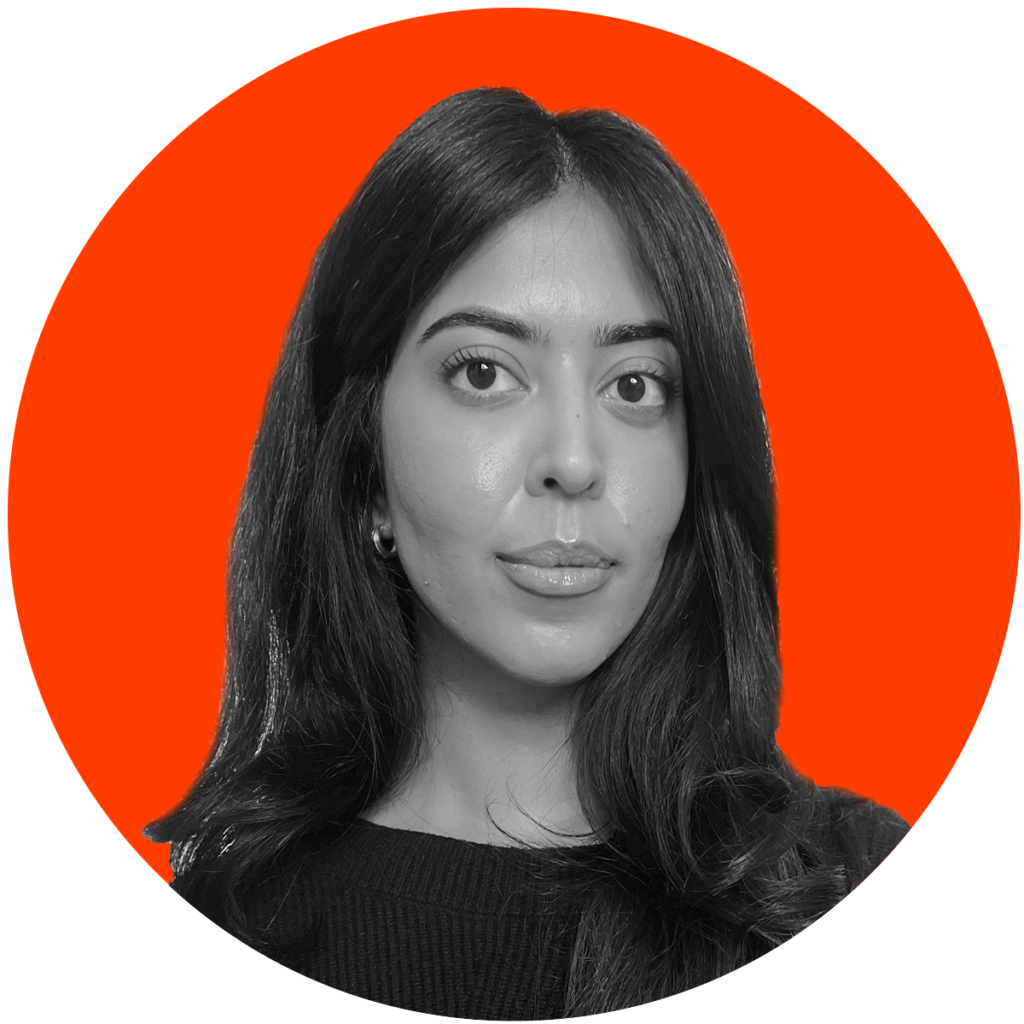
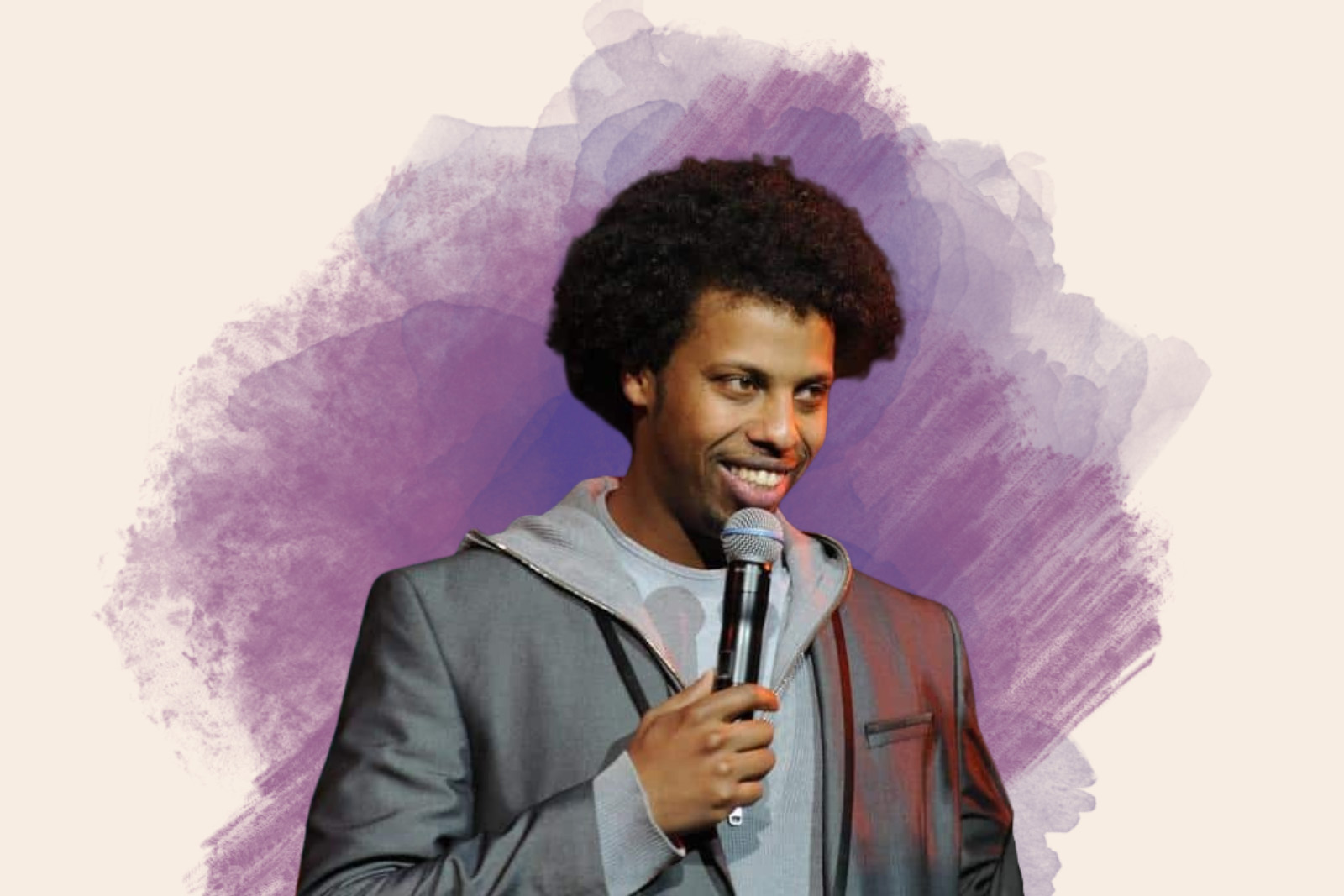
Mobeen Azhar is an award-winning British-Pakistani journalist and film-maker. He produces investigative films for the BBC exploring social issues, true crime and counter-terrorism.
In 2017, Azhar won a Bafta for the BBC series Muslims Like Us. He also won presenter of the year at RTS awards in 2020 for his work on Hometown: A Killing. In 2023, he received the freedom of the press award from the Foreign Correspondents’ Club of Japan for his documentary Predator: The Secret Scandal of J-Pop.
His new documentary with journalist Masood Khan, Being Muslim After 9/11, explores how life in the UK has changed for Muslims in the past 25 years.
Azhar lives in London with his husband.
This interview has been edited for length and clarity.
What do you get up to on a Friday evening?
I like to eat industrial amounts of food. If I have the time, I’ll cook a lot, eat a lot and I love techno, so I dance a lot as well.
Do you prefer to eat in or out?
I will do both but I’m quite a showman, which means I like to cook, and when I say cook I mean multiple dishes at the same time. It’s never boil-in-the-bag pasta. It is a full thing — it looks like it’s Eid or something.
What do you like to cook?
It’s a bold claim but I think I can do just about anything. The go-to is biryani. I’m Punjabi but I really like making Sindhi biryani from the south of Pakistan, which tends to be a bit hotter.
Are you a potatoes in biryani kind of person?
Definitely potatoes, but potatoes and onions fried separately and then layered.
Where do you go dancing?
I spend a lot of hours on east London dance floors and way too long dancing on podiums.
What’s your favourite club?
Fold. I think it has the best sound system in the whole of London and the best DJs.
What about Saturday?
If Friday night was really big, then Saturday morning I’m scraping myself off the floor. But if it was a bit more tempered, then Saturday is for the gym and eating a lot. I may walk down to Shoreditch and Brick Lane. If it’s sunny I’ll walk by the canal, feed the ducks. It’s all sunshine and roses — very cute.
What’s your favourite daytime activity?
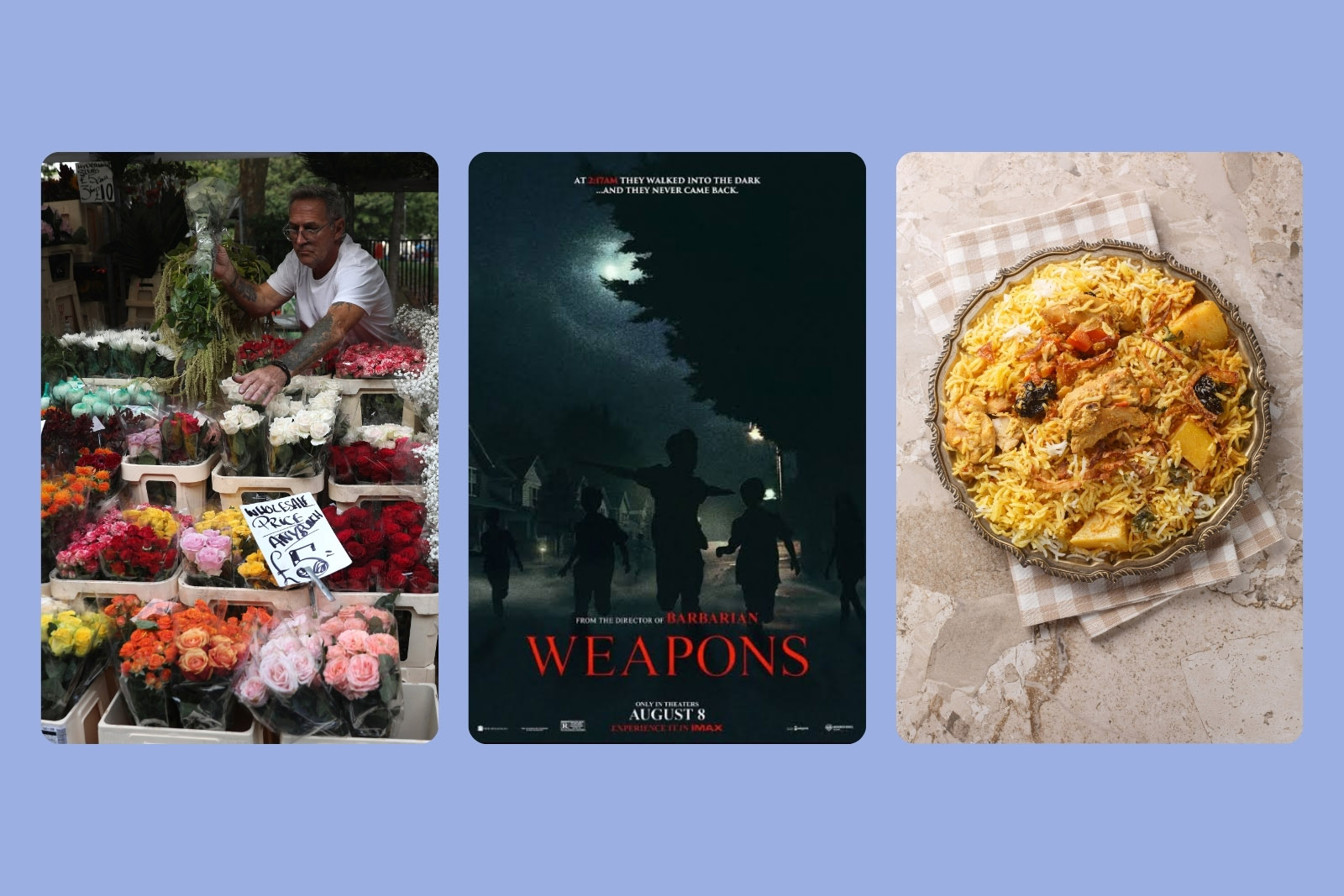
Columbia Road Flower Market on Sunday. It’s quite funny because you’ll see a lot of the east London queer community who you’ve just seen dancing on Friday night. It’s like a kind of communal therapy.
Favourite films?
I recently watched Weapons. There’s a particular scene which involves a chase and I was so animated, I was screaming at the screen.
I am very passionate about blood and gore. I find it to be the antithesis of some of the real horror we see in the world because it’s quite slapstick and cartoony. You might think, “why would you want to put yourself through that?”, but I escape into it.
Tell us about your new BBC documentary, Being Muslim after 9/11
The aim was to chart the link between post-9/11 Britain and where we are today. The past 25 years changed the world. It changed how we view ourselves and how we view each other, and doing that justice was a big task.
What did you learn from making this documentary?
As someone who has lived through the story of post 9/11 Britain, I thought I knew it inside out. But every day of filming that we did, there was a revelation, including that what happened 25 years ago is in the DNA of a lot of British politics today — such as the Prevent strategy and populist politics — and that we are still dealing with the fallout.
Were there any stories that really stuck with you?
There was one particular contributor who had joined what later became the English Defence League. He has since left and now works on bringing people together. But when he spoke of his radicalisation, he said he had been radicalised by the press.
Was that difficult to hear?
It left me thinking about collective responsibility and my responsibility, particularly the role I have played. I have spent a lot of time making films about people involved in jihadi extremism. There is an obvious reason to do that because there’s public interest, but there’s a balancing act to be done because as members of the press we cannot control how this stuff is going to be construed and how it is going to be shared online.
Has that experience changed how you might work as a journalist going forward?
It’s a rare opportunity to be able to reflect on what you have done in your career. It hasn’t changed my journalistic practice but I would say it has made me consider even more what I’m putting out into the world and the effect of that.
Being Muslim After 9/11 aired on BBC Two on 11 October and is available to watch now on BBC iPlayer.