
‘I’ve always seen ESOL as a crucial pillar of a fairer society’
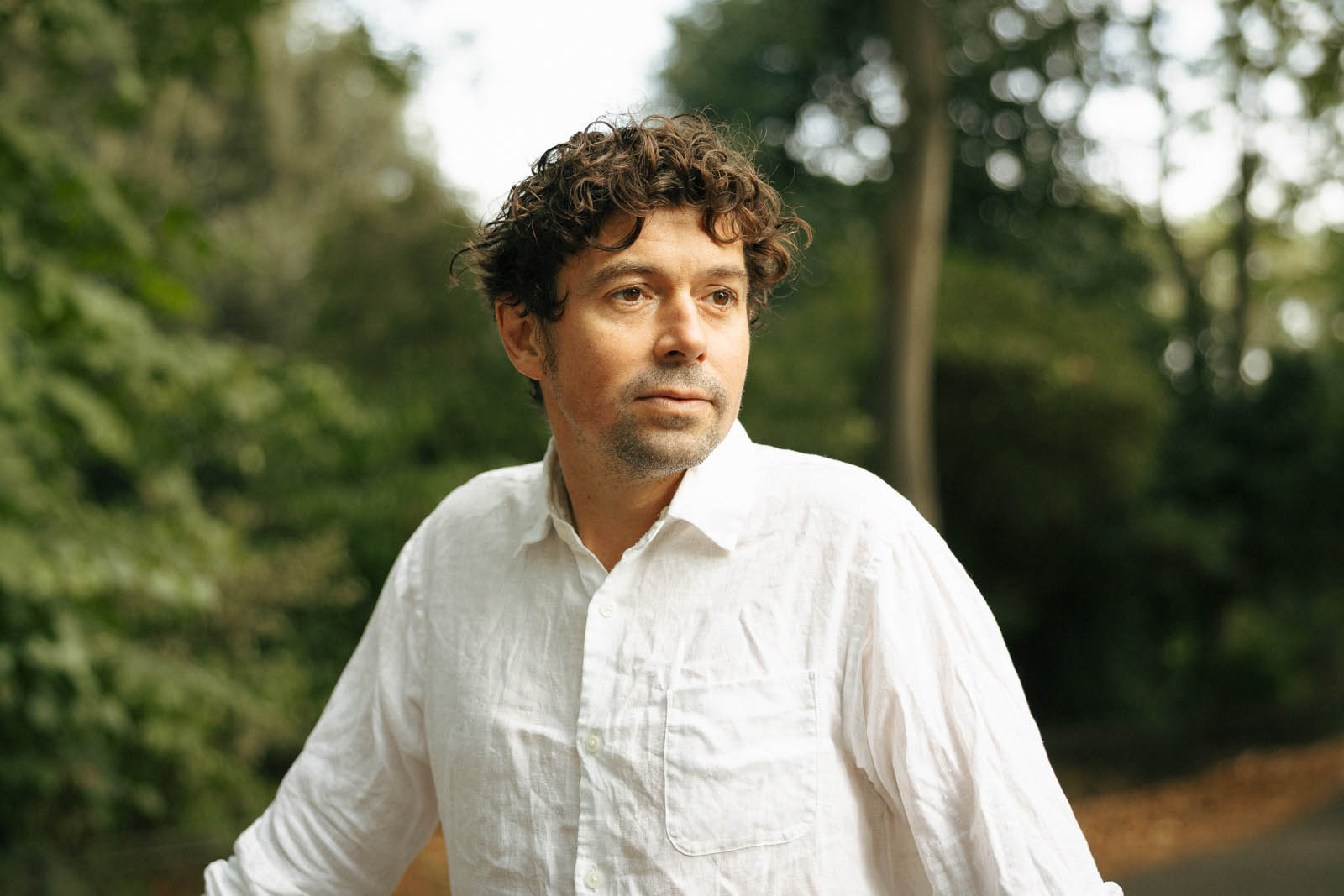
Teacher and founder of the charity English for Action, Dermot Bryers, explains why high-quality and accessible language education is good for everyone

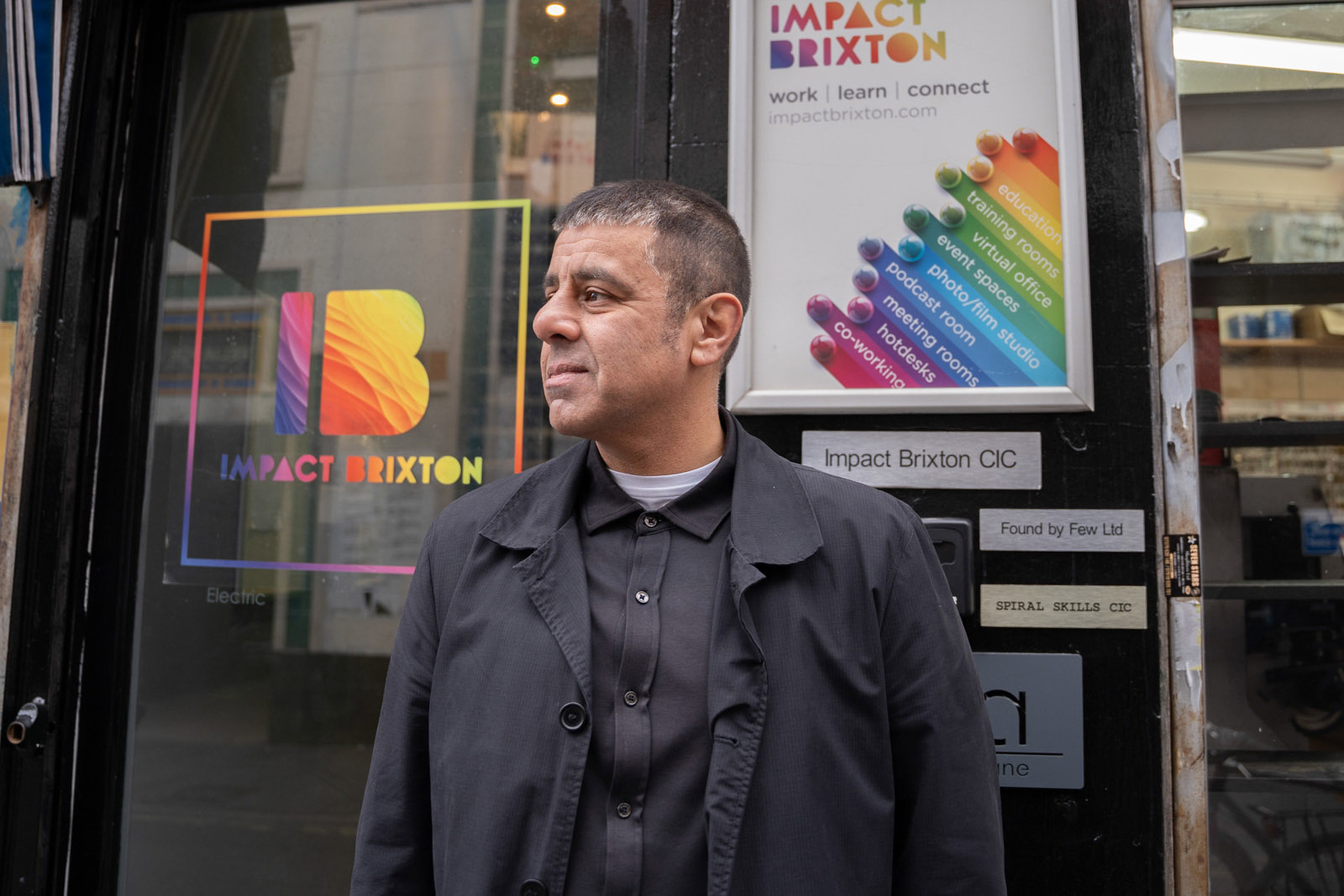
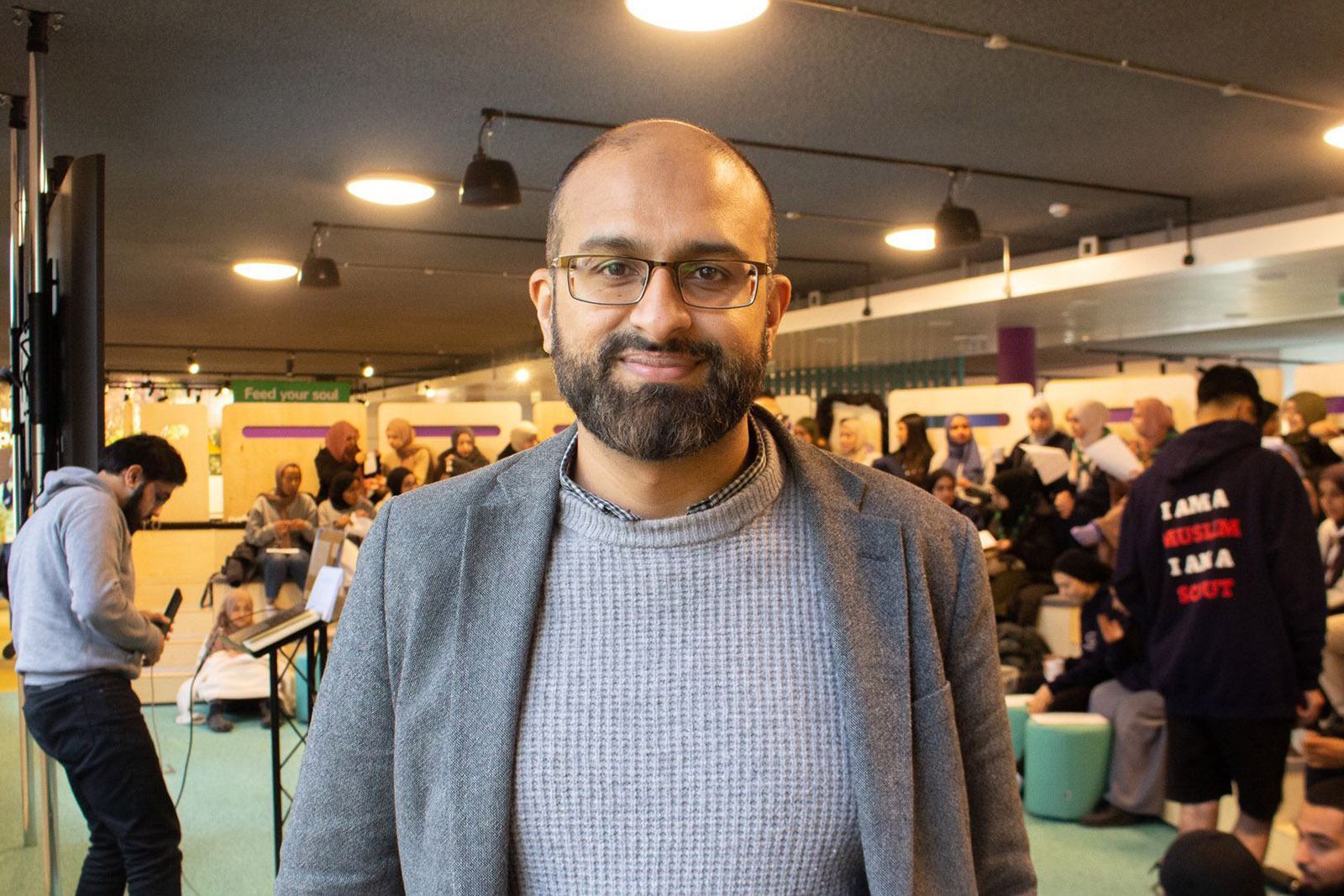
Dermot Bryers is an English for speakers of other languages (ESOL) teacher. In 2006, he founded English For Action, a south London-based charity that combines English language teaching with community organising and social activism. The organisation holds 28 classes a week across London that around 500 students regularly attend.
Related content
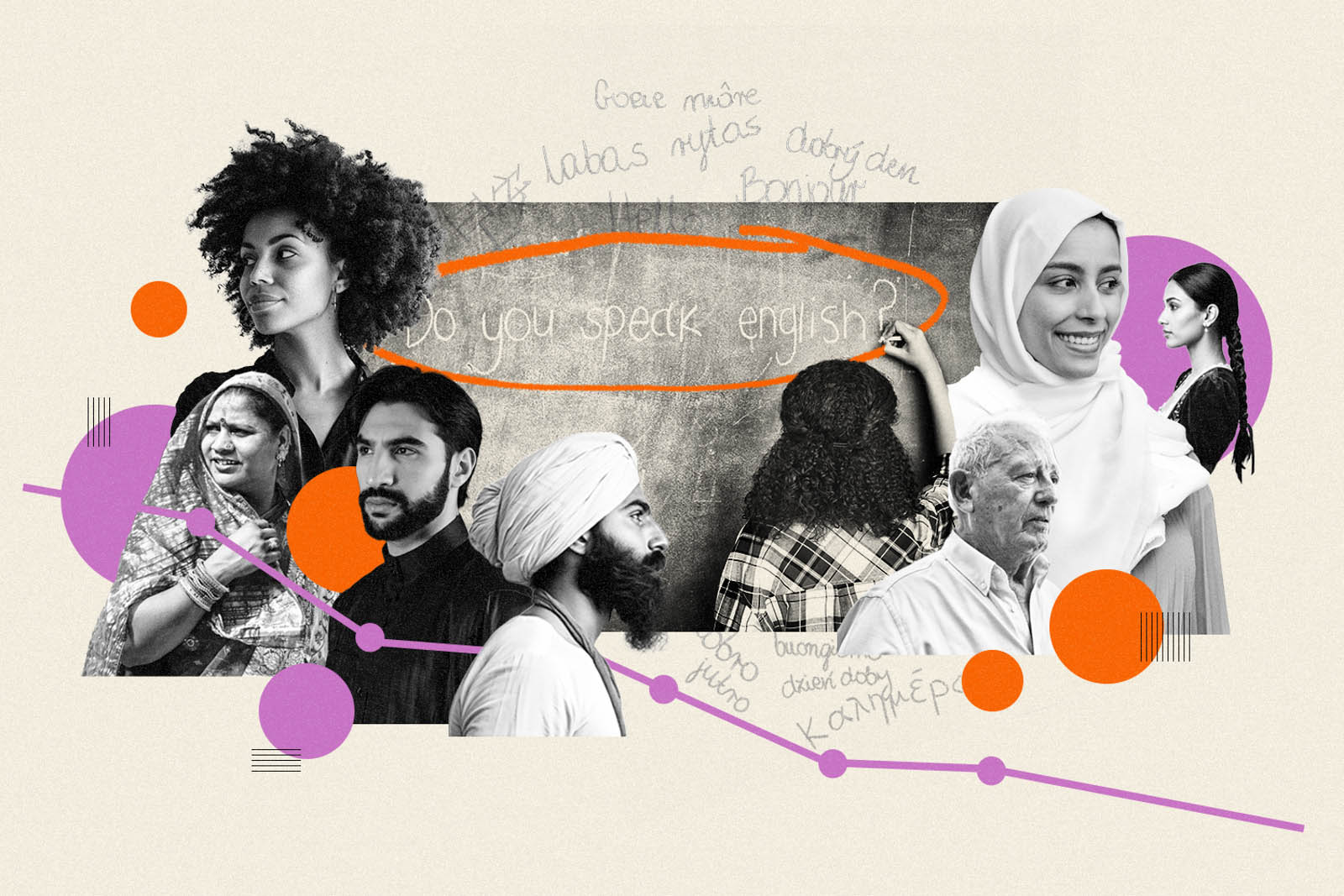
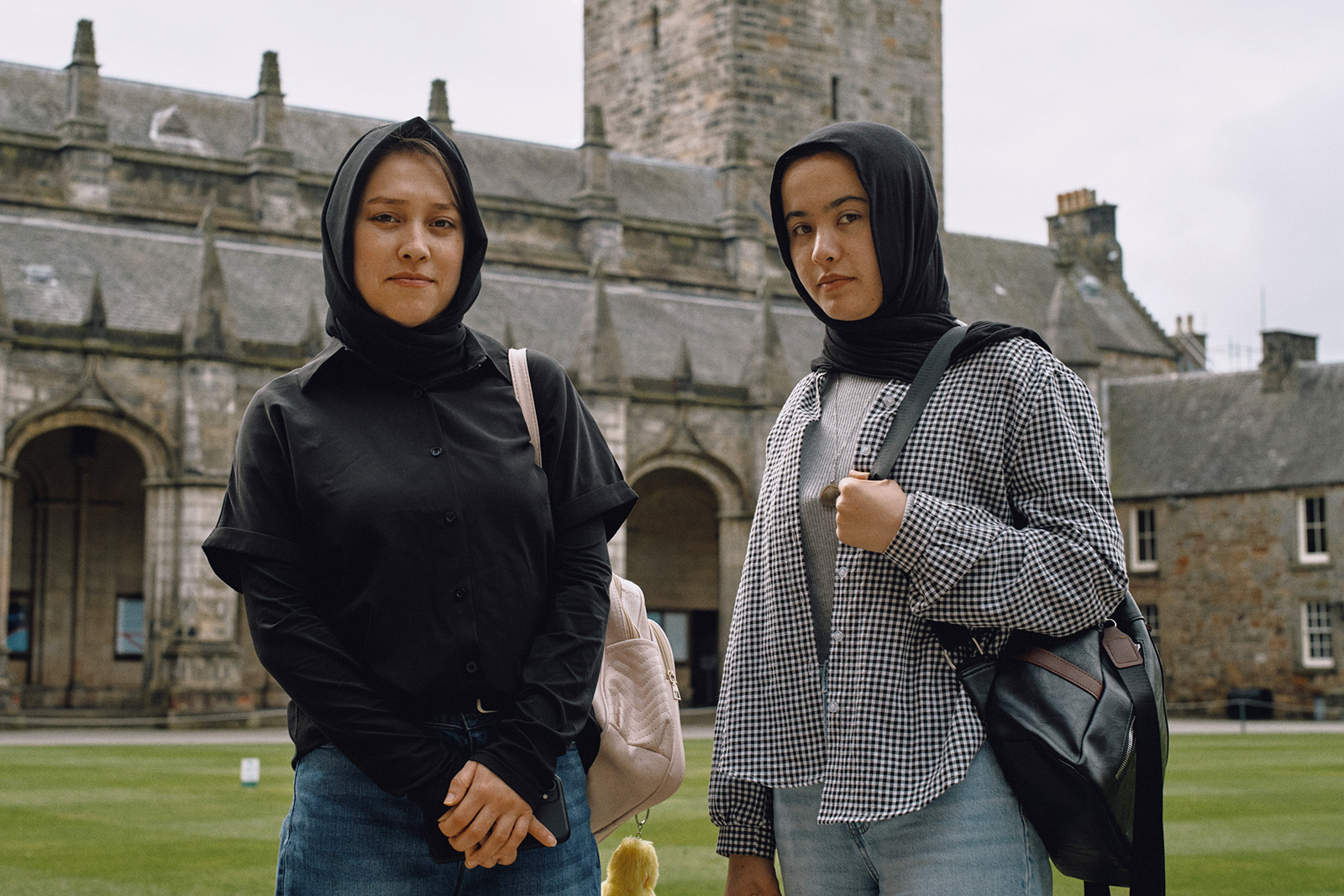
Bryers teaches two classes a week, one online and a walk and talk in Battersea Park, which he says is predominantly attended by Muslim women. We spoke about how he became an ESOL teacher, how the sector has changed over the years and the importance of accessible English language classes.
This conversation has been edited for length and clarity.
How did you get started teaching ESOL?
I set up English for Action 20 years ago. I’ve always seen ESOL as a crucial pillar for trying to have a fairer society. We started with a class for hotel workers who were fighting for the living wage. We thought it would be a great way to get people together because what many people in low-paid work in London have in common is that they want to learn English. From there, we branched out into doing more community-based classes, but still with that liberatory emphasis, where people can talk about what their life looks like, what the challenges are, the issues of race, gender and Islamophobia, and why it’s hard when you’re an immigrant and have low levels of English.
What do you enjoy most about teaching people English?
It is a total pleasure. Teaching ESOL is the best job in the world. There is this myth that people don’t want to learn. But in my experience, people are desperate to learn, so it’s very joyful. It’s people enjoying each other’s company and having time to themselves. They may have very busy lives with work or caring responsibilities, but for two hours a week, they can focus on themselves and make friends.
People being together is generally a great experience, but particularly when they are learning. Our methods are very participatory. We use theatre methods, we do quite a lot of drawing and communicate through making things.
Our classes are particularly like that because it’s not a college — people aren’t mandated to come by the Department for Work and Pensions. It’s a bit more social, it’s very much people doing this of their own volition. They can do an ESOL Skills For Life exam with us if they want to, but they tend not to.
Can you tell me more about the walk and talk sessions in Battersea Park? You mentioned that it’s mostly Muslim women who come to these
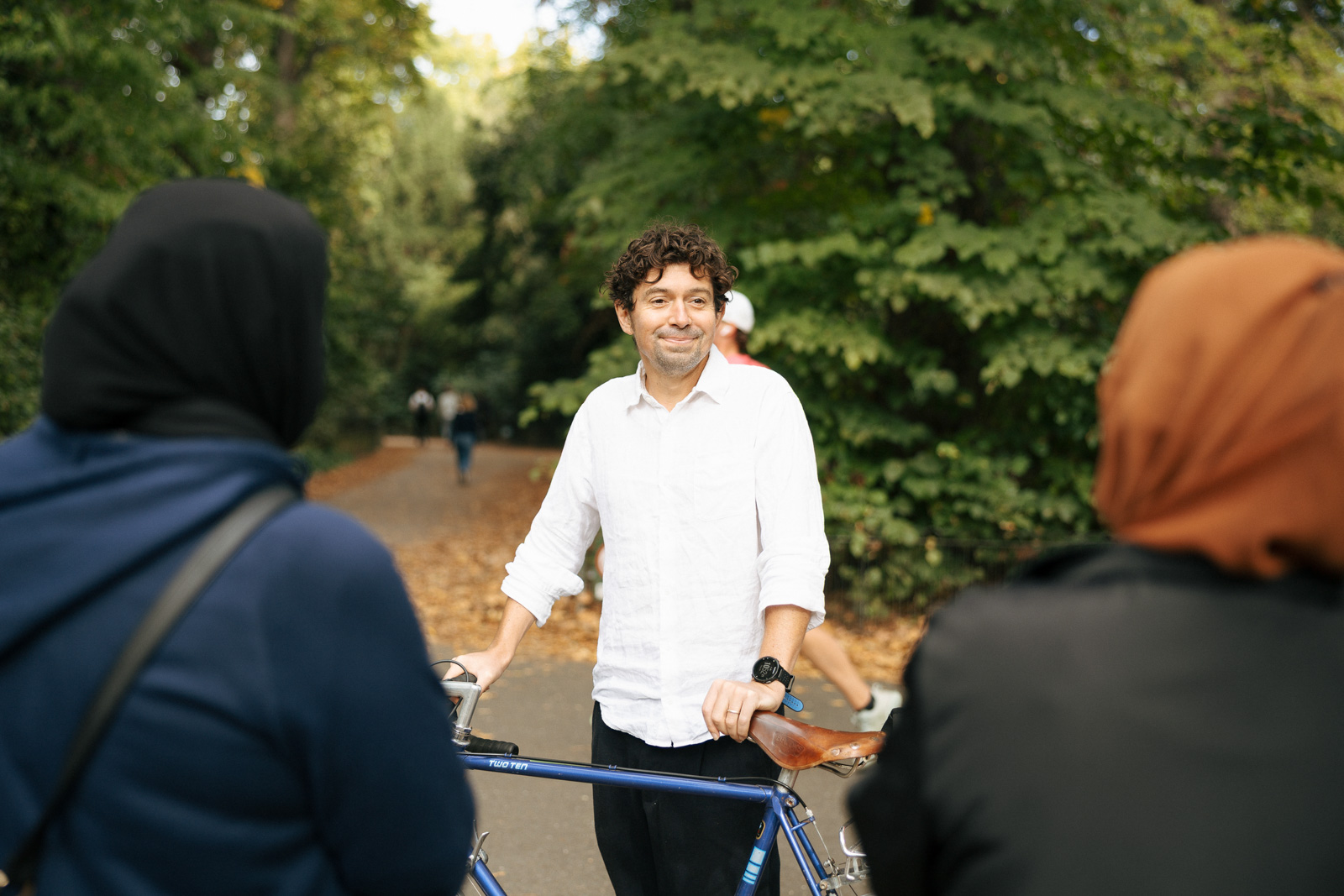
This is something we started as things were opening up again after the Covid-19 pandemic. While we wanted to keep a class online, we also wanted to have a space where we could meet and socialise again. It’s just a couple of hours that we spend on a Thursday morning.
We meet at 10am, we walk for 45 minutes and I bring a topic for discussion and a couple of questions. Then we go and have a cup of tea at Pear Tree cafe, which is all paid for by the grant we get. It’s nice to sit down together afterwards. In rainy weather we sometimes go straight to the cafe. But unless it’s really awful, I encourage everyone to bring coats and get on with it.
Among the things we explore are issues around integration and how people feel in their local communities. We talk about racism and hostility, and particularly how that is experienced by Muslims. I taught a class in Streatham where we talked about people being aggressively told to speak English. There were a couple of students from Indonesia who said it was virtually a daily occurrence that if they were calling family back in Indonesia, like on this bus, people would tell them to speak English.
We also found that so many people weren’t using the resources on their doorstep. I had a class in Greenwich where half the group had never seen the River Thames. Around here, people weren’t really using Battersea Park. So, the class is also about how people use public spaces and helping claim their place in them. We found that once they started doing that with us as a group, people were doing it a lot more in pairs and in small groups outside of our sessions.
How important is ESOL and how does it help people who are newly arrived in the UK?
It’s important in so many different ways. One of the most important things is having a quick way into feeling like you’ve got a community. Our classes are in partnership with various community organisations. They are often held in schools, children’s centres or at faith organisations. You go to the same place once a week, you get to know people and from that class people will start saying, “Oh you need to try this, or you need to try that”, because we talk quite openly about real-life topics.
Our curriculum is not dictated by an exam or a course book, it’s much more topic-based. So it’s like “Tell us about what it is like in Battersea when you’re new to the area”, or “Let’s talk about the health system in the UK. How does it compare with where you have come from?”, “Which GPs have people used and what barriers to access have they experienced?” People are constantly learning from other people in the class. Somebody might say, “I had difficulty registering with the GP” and somebody else will say, “I’ll come with you.” It’s all about connection, building community and, more pragmatically, sharing useful information.
We also have a campaigning element that is quite specific to our organisation, which doesn’t tend to happen in a college setting. We connect people to organisations that are working on the issues they care about, such as affordable housing. We’ve got a class where we connect with a local group called Housing Action Southwark and Lambeth. We’ve had people join and then take action to defend each other’s housing rights, as well as learning about their own through workshops. It’s a bit social, a bit political and all the language-related stuff helps people find jobs and use public services more effectively.
Have you been affected by government cuts to ESOL provision?
In 2008 the government started to reduce funding for ESOL and raised the barriers for how people could access it. Back in the day, when I started my career, you could walk into a college and get a free class with very few questions asked. Then they restricted it to people on benefits and people with certain immigration statuses. They also cut a lot of community provisions.
I used to teach classes in Newham that were paid for by the council. They would send teachers to do classes in mosques and churches or children’s centres, all out in the community. They cut those classes first, but kept them in big premises like colleges. That was an issue, because people would find it harder to travel to colleges or they felt a bit daunted by them. The people being excluded from those classes were often students who had also had a negative experience of education in their home country.
How we see those cuts on the ground is that provision is extremely patchy. The information about classes is also worse, which makes it really difficult for people to find them. Some students find out about a class within two weeks of arriving in the UK and they are lucky. Others end up on waiting lists for up to two years.

On top of this, there have also been cuts to childcare, which means that women with young children find they have to wait until their kids start in nursery before they can get to a class.
What would you like more people to know about ESOL?
People need to know that ESOL is really, really contested. It’s always been a political football. Over the years, governments have wanted to reduce public spending, particularly in adult education, which is seen as a bit of a luxury or not the state’s responsibility, particularly when it’s immigrants and, disproportionately, immigrant women. For example, the Reform UK council in Lincolnshire is planning to get rid of ESOL because they don’t want public money spent on immigrants.
But I want people to know that ESOL is doing an amazing job at building people’s capacity to participate in civic life, to get jobs, to make positive changes, and that people are desperate to learn. It can have such a positive impact on the rest of society too — it can help reduce unemployment and it can help build healthy communities.