
Artist Fozia Ismail’s ‘love letter’ to her Somali nomadic heritage
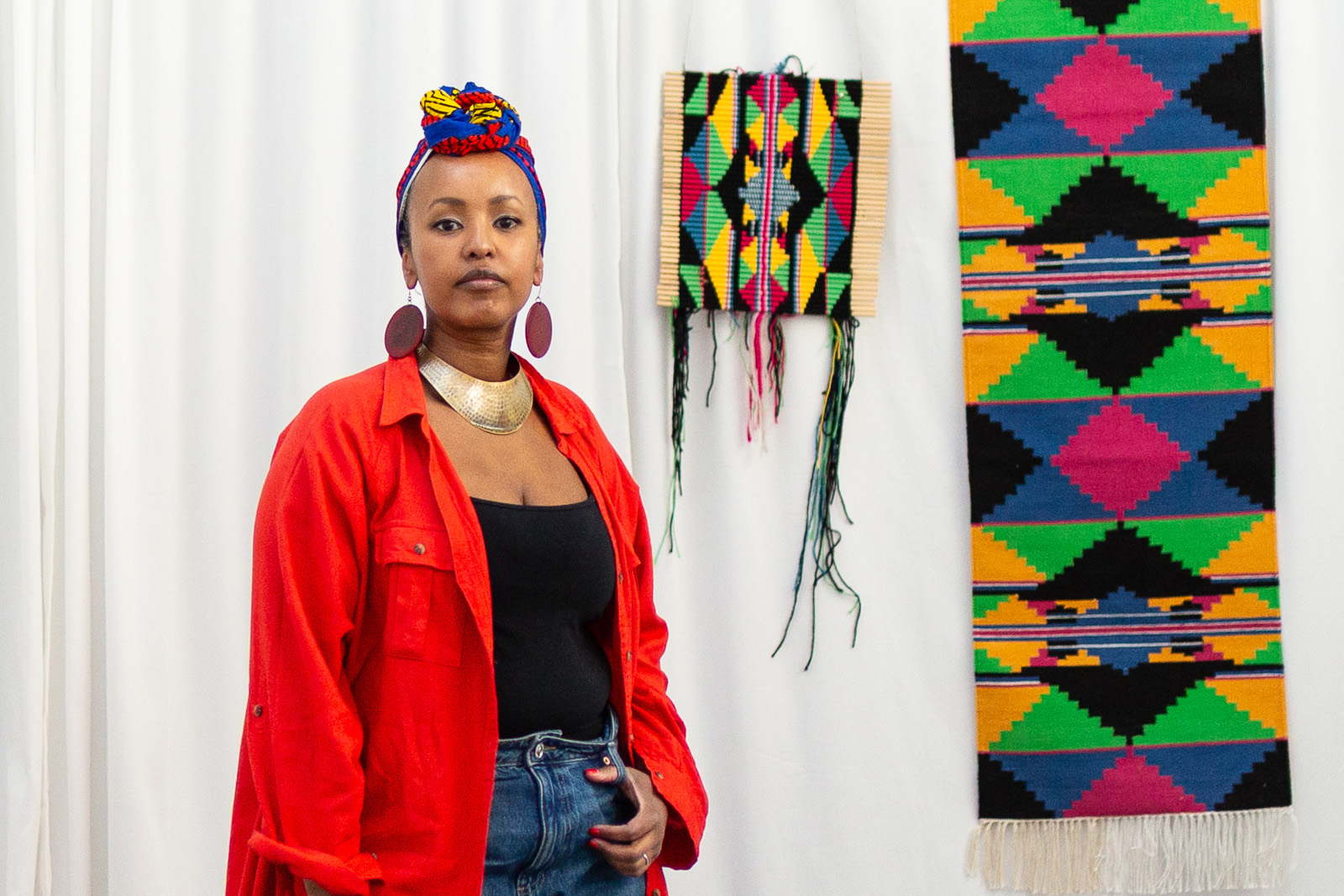
A Song for the Xeedho — The Knot Makers is an art installation at London’s Whitechapel Gallery, exploring a nomadic wedding tradition at risk of disappearing

For more than 60 years, Fozia Ismail’s mother’s xeedho — a Somali nomadic wedding basket pronounced “hey-ro” — has been passed from one generation to the next.
Traditionally prepared by the bride’s family, the xeedho is filled with preserved camel meat rubbed in dates and spices to sustain the newlywed couple. It is wrapped in white cotton and bound with intricately tied wedding ropes.
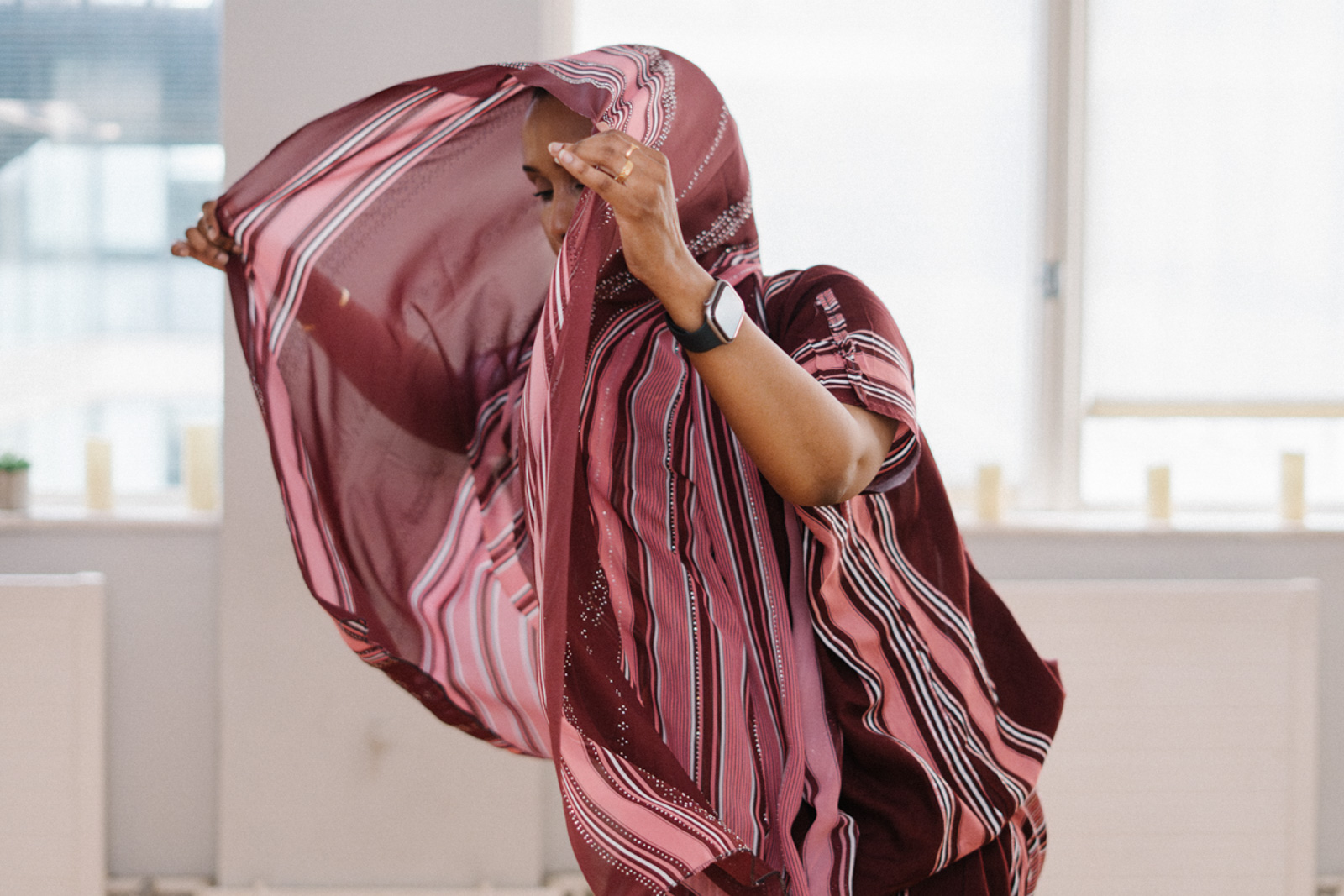
Skilled knotmakers tie the ropes to test the groom and his family, who must untangle them while solving riddles, reciting poetry and taking part in games as part of a three-day wedding ceremony. “It’s this whole performance around the wedding basket,” says Ismail, a British-Somali artist who lives in Bristol.
As the climate crisis worsens, the natural materials that once formed the xeedho are slowly disappearing — such as the bark of the galool tree for the wedding ropes, and the cowrie shells used to decorate the wedding basket. The wooden gourd that once held the camel meat has been replaced with metal containers. In 2023, the xeedho was added to Unesco’s list of intangible cultural heritage in need of urgent safeguarding.
This sense of loss builds the foundation for A Song for the Xeedho — The Knot Makers, Ismail’s installation at Whitechapel Gallery, east London.
Ismail, 45, is a multidisciplinary artist using sound, textiles and found objects to explore themes of migration, climate, identity and diasporic memory. She has exhibited at the British Textile Biennial, Southbank Centre, Biennale Architettura Venice, Weltmuseum Wien, Playable Cities, Osaka and Jodhpur Arts Week. Ismail is also the founder of Arawelo Eats — a platform for exploring politics and identity through east African food — and co-leads the Somali feminist art group, Dhaqan Collective.
“All the nomadic people are being displaced with the climate crisis and so with that displacement, you’re not getting access to the same materials that would have made [a xeedho]. The knowledge also starts to disappear because you’re in urban environments,” says Ismail. “People are focused on survival. Language is still there but the songs are definitely disappearing.”
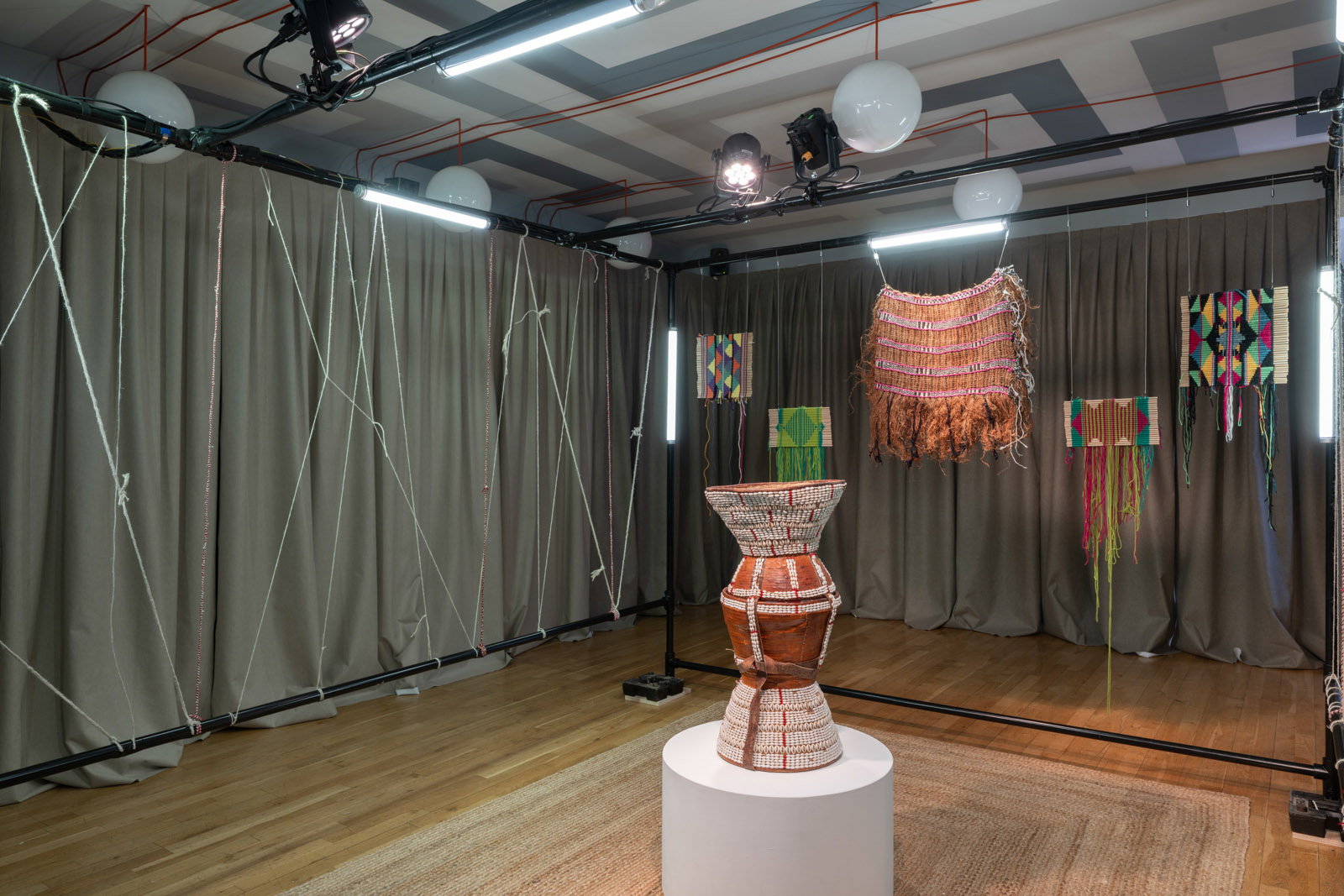
Ismail says the installation is as much about preserving those songs and voices, as it is about the materials and the xeedho itself.
The interactive exhibition features suspended ropes threaded with jute to mimic the inner bark of the galool tree. They hang alongside traditional wedding ropes, some woven from plastic, reflecting the dwindling natural materials available to Somali nomadic communities.
Touching each wedding rope triggers a different recording of conversations between Ismail, family members and Somali elders, while folk songs pulled from archives play in the background. Kebed — handwoven mats used in Somali nomadic homes — are displayed throughout the space. In the centre sits Ismail’s mother’s xeedho.
At 18, Ismail travelled to Somaliland and spent three months living with her nomadic aunt. Having grown up in north-west London, she’d rarely encountered Somali nomadic traditions beyond the food. She says her experience living alongside nomadic women continues to shape her art.
“I was blown away by how everything was made, the skill sets and all the things that we’ve lost as people move from rural to urban, which includes the songs, the poetry, all of the culture. It’s this kind of intangible cultural heritage that gets disrupted with displacement,” she says.
Somali nomadic communities, she says, are “inherently creative”. “They’ve had to make everything from the land. They built their homes, they make all the everyday domestic hardware from plant materials, they’re living off the land.”
Songs accompany almost every task involving the xeedho, Ismail says, passing knowledge from one generation to the next.
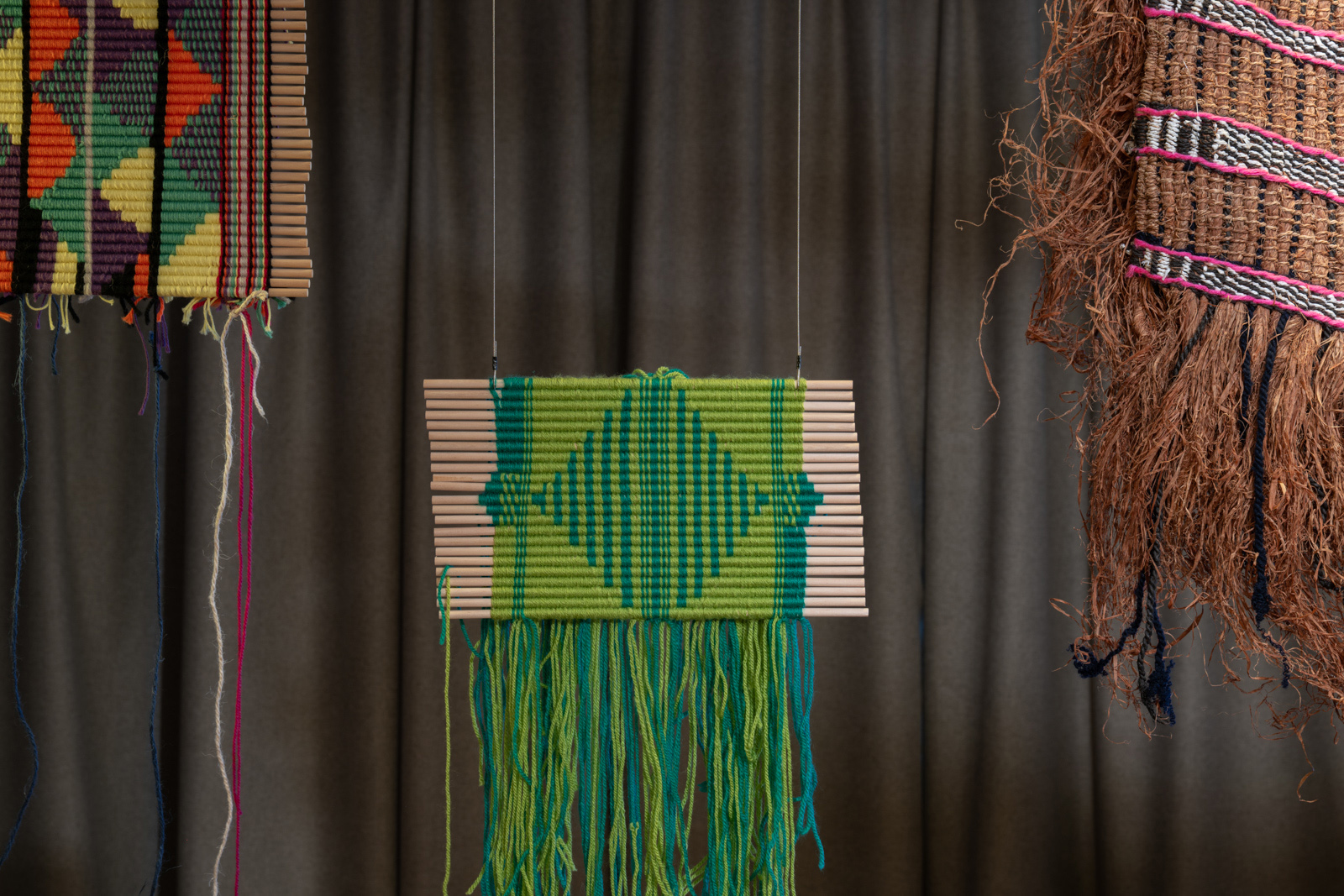
“A lot of the songs are born out of collective making. Jobs like watering the camel or other repetitive tasks, that’s where the songs come from. There is a definite link between the disappearance of the making and disappearance of songs. That’s why I find it really important that the sounds and the songs are part of this [installation].”
These communities are not only affected by the climate crisis, Ismail adds, but bychanging ways of life are also making it harder to keep traditions alive. Younger generations are less likely to learn the rituals, songs and games that form part of the wedding ceremony.
Related content

“The rituals are dying out. They’ll have the basket but they don’t do any of the games,” she says. “I say to [the elders]: ‘You’re not teaching us,’ and then they’re like, ‘Oh well, it’s going to disappear.’”
Ismail describes the installation as “a love letter” to the women she grew up learning from. “I love bringing in the voices of the women that I work with. This is the first time I’ve used my family, my mum and my aunt. People feel like it’s homely. You can tell I’m very comfortable with these women and I get so much from them.”
She hopes visitors will also see the climate crisis from a more human perspective through her work.
“With climate, people see numbers — I see people. I see my aunt, I see my mum, I see my cousin Ayaan who’s still a nomadic woman… It’s really sad and I think it will get to the point where this could disappear in our lifetimes.”
A Song for the Xeedho — The Knot Makers is showing at the Whitechapel Gallery throughout the Backyard Biennial until 6 September 2026.