
DJ SaiSounds wants you to Play Somali House music
A new blend of east African heritage and cutting-edge electronic rhythms is taking over clubland

It’s just after 7.30pm on a warm Saturday night. The top floor of the Africa Centre in Southwark, south London, is starting to fill up. Small groups of partygoers settle into corners while a mashup of Nina Sky’s Move Ya Body and Drake’s Rich Baby Daddy pulses through the speakers.
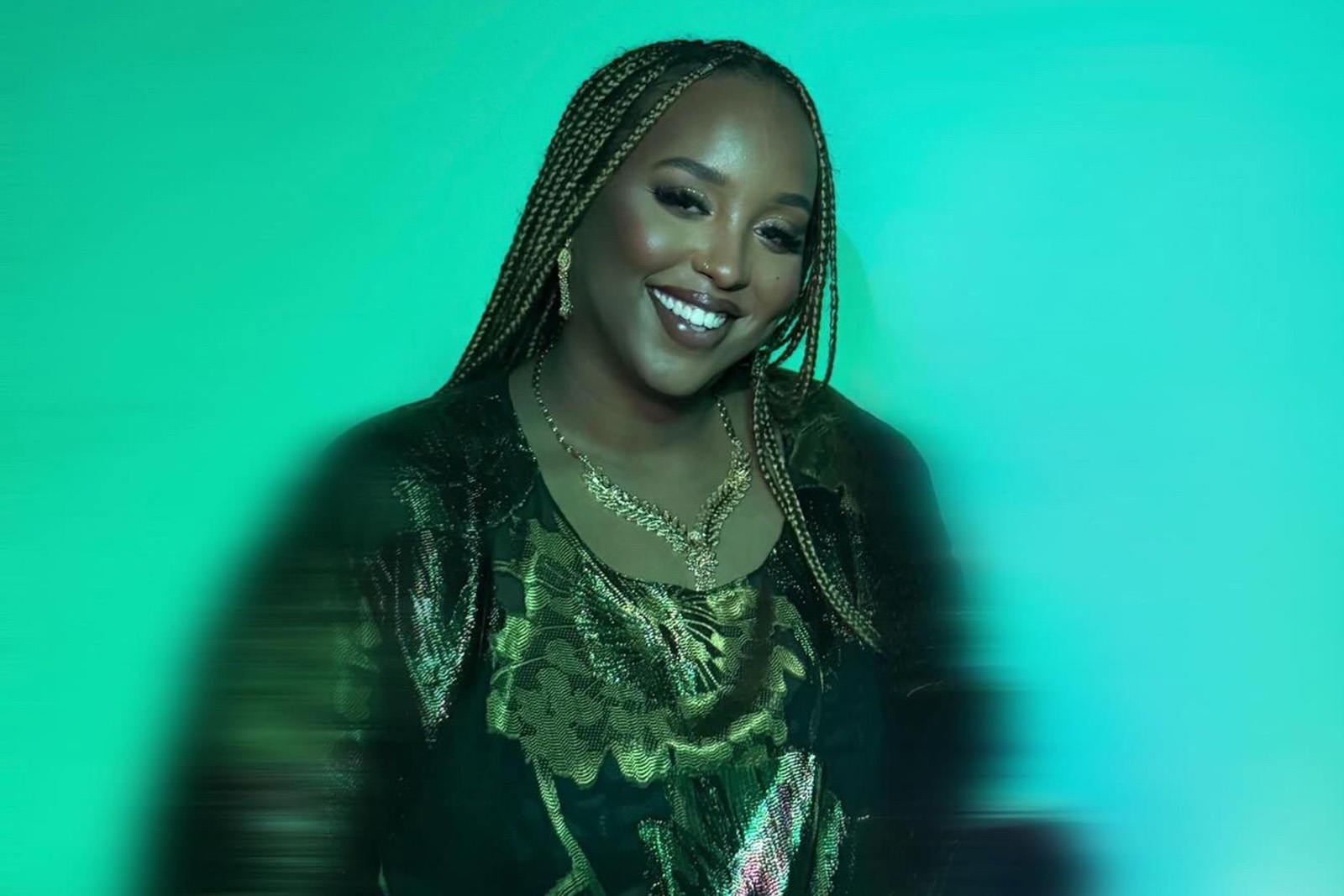
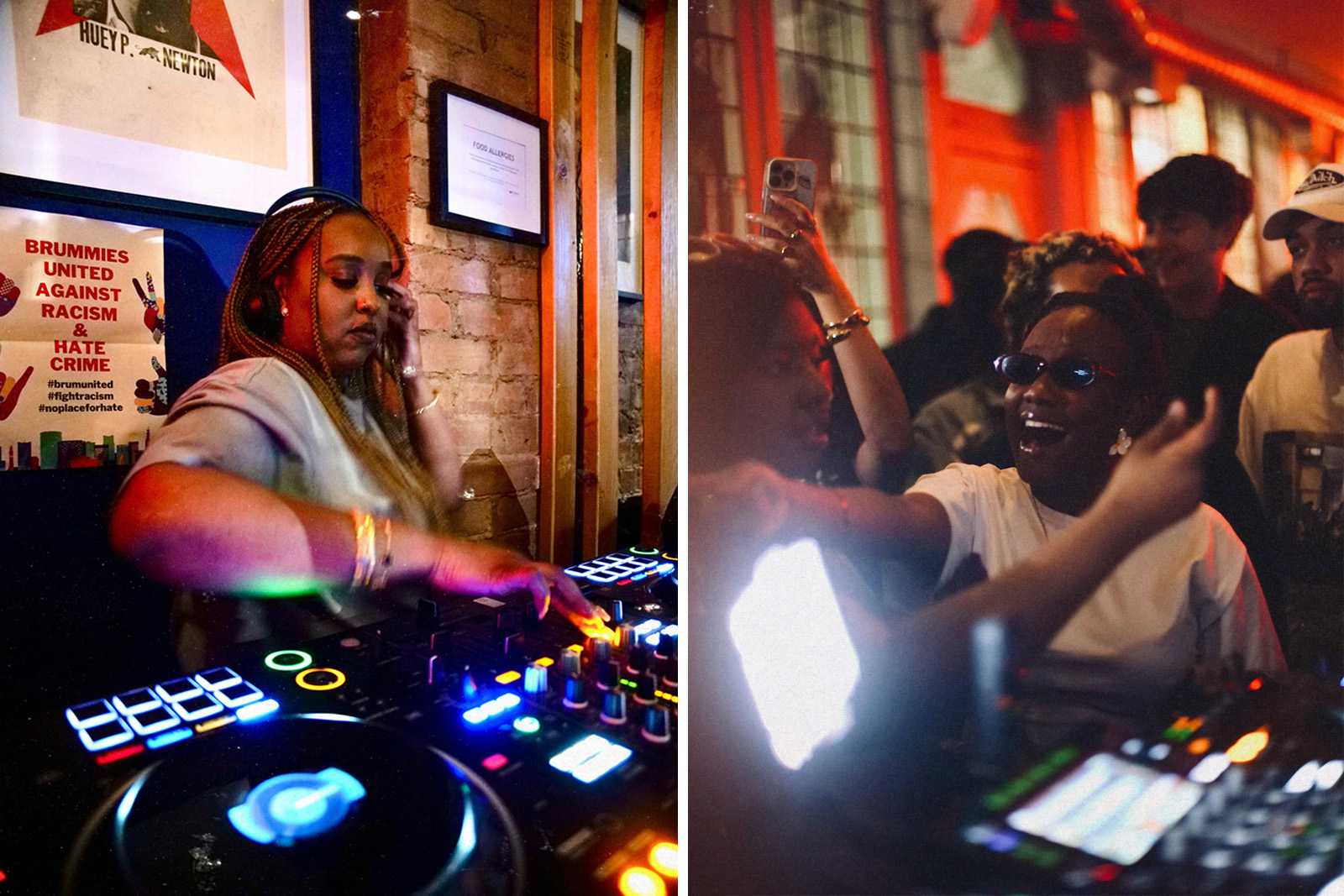
They’re here to see Sagal Abdi, 36, also known as SaiSounds — a Birmingham-based DJ hoping to push Somali house music beyond the diaspora and into the mainstream. A lineup of emerging Somali DJs are warming up the crowd as she makes the two-hour journey to London for the launch of her new EP, Play Somali House.

The night marks a milestone for Abdi. In June 2025, she spent the last £250 of her monthly salary on a pair of second-hand DJ decks she found on Facebook Marketplace. Less than a year later, a room full of dancers and Somali music lovers of all ages are eagerly awaiting her arrival.
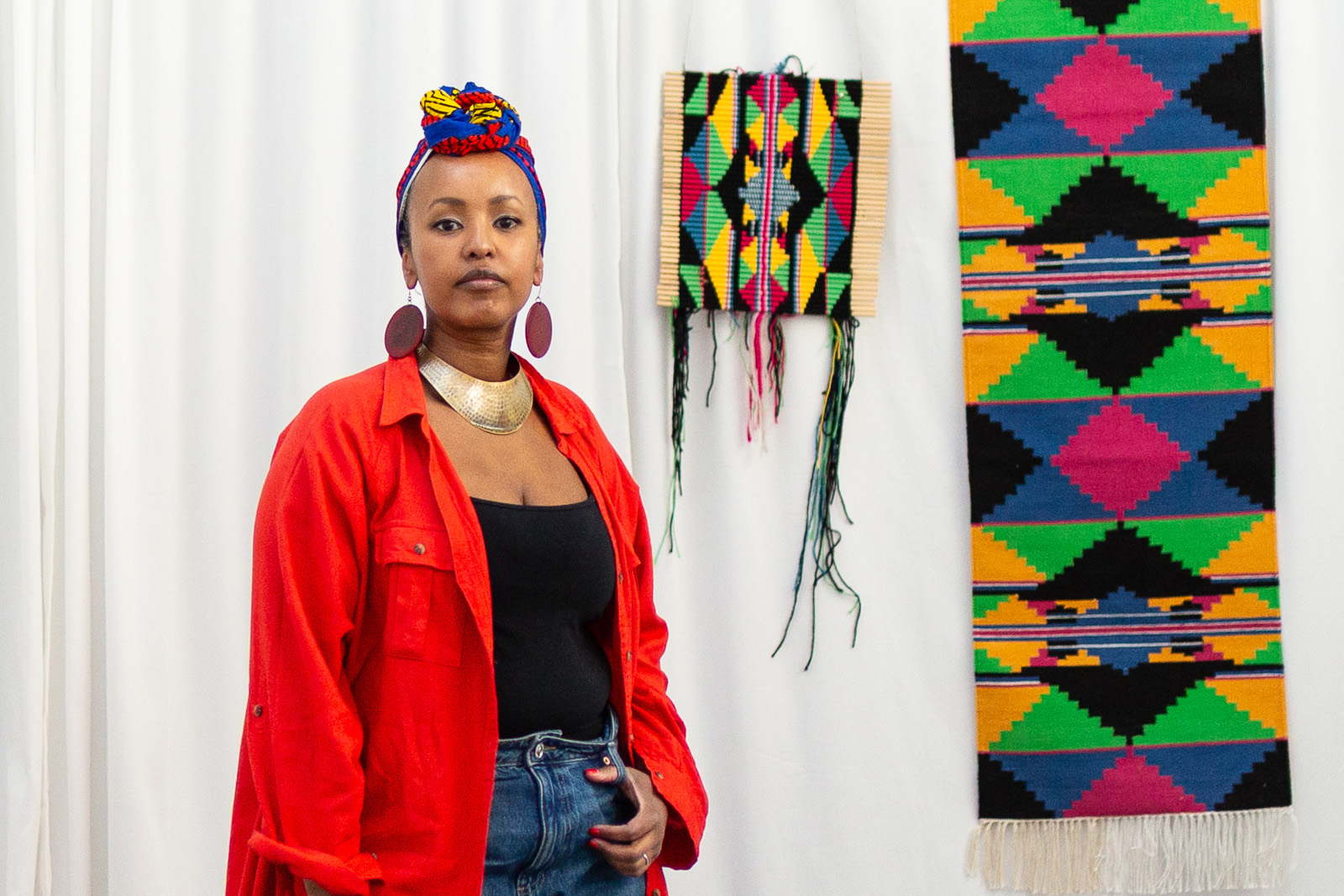
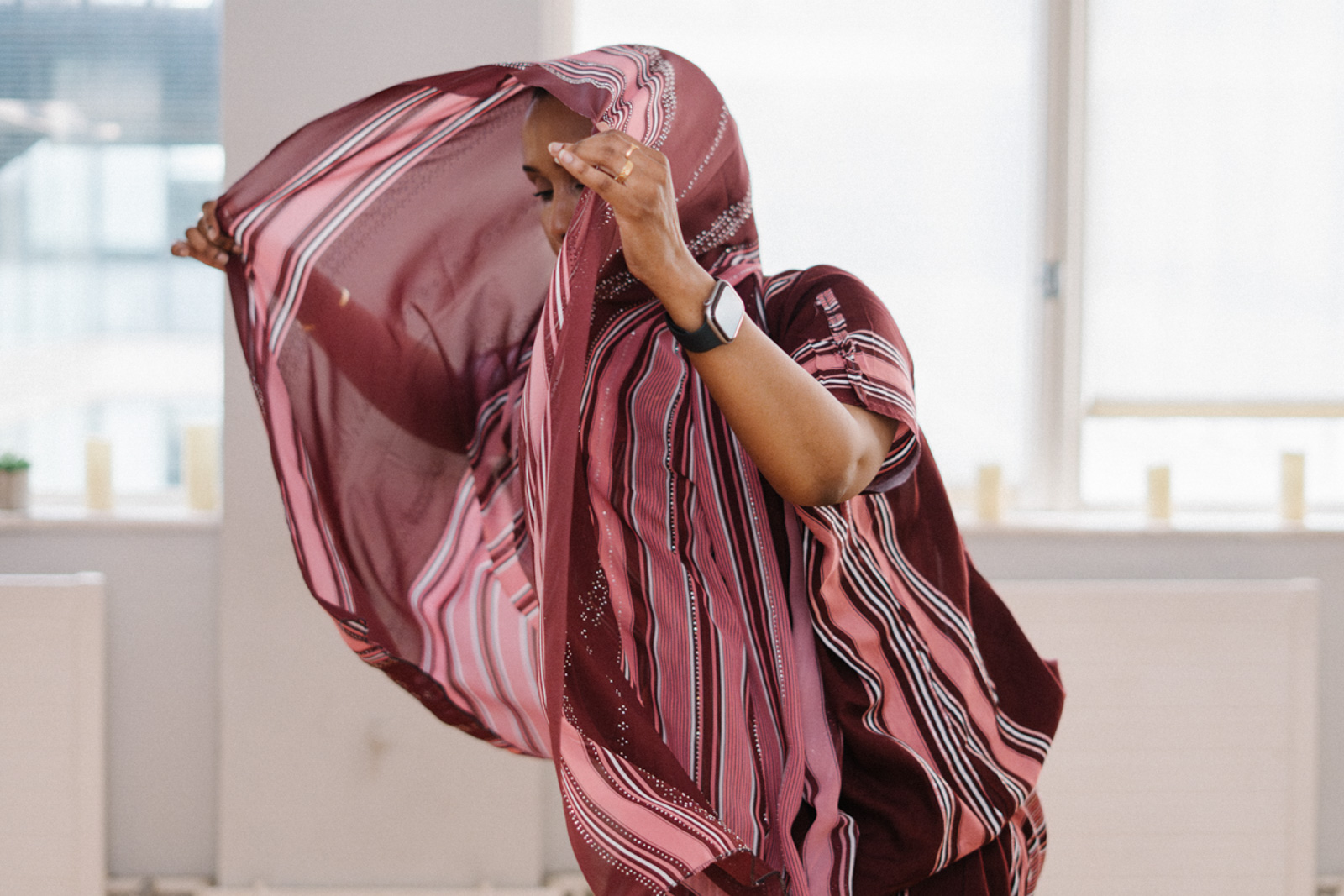
When Abdi shows, she steps behind the decks in a bright green, orange and gold dirac — a traditional ankle-length Somali dress.
As her set begins, vocals from Somali artists including Farxiya Fiska and Mohamed Sulayman Tubeec blend with deep house rhythms. Some audience members sing along, while others rush to the centre of the room. Near the front, a woman waves a Somali flag above her head, drawing cheers and whistles from the audience.
When we speak a few days later, Abdi is still on a high. Reflecting on the night, she says she was struck by the range of people in the room, but there’s one particular moment that stuck with her.
“I’m still thinking about one middle-aged Somali man that was there,” she says. “He’s a huge house music fan and he was just happy to be there and to see a younger Somali woman not only behind the decks, but also branching out into a new genre.”
For Abdi, a community organiser by day, Somali house represents much more than four-to-the-floor beats tailor made for good times. “It’s a feeling more than a genre,” she says. “The mesh of traditional Somali rhythms, vocals and how we do storytelling is really important in that I’m mixing it with deep, electronic club energy. It carries a sense of heritage and diaspora identity but reimagined for the dancefloor.”
“It’s like ‘oontz oontz’ music with Somali language in it. It’s music for people to feel proud of their heritage.”
Abdi’s sound draws on classic Somali songs, often sampling vocals that are recognised by generations of the Somali diaspora. Much of her inspiration comes from what she calls the “golden era” of Somali music in the 1970s and 80s, before civil war fractured much of the country’s cultural infrastructure.
She cites singers such as Hibo Nuura, Saado Ali Warsame and Tubeec — artists whose music is played at weddings and family celebrations across the Somali community — as influences.
“There’s meaning and cultural references in my mixes, like Dhag Dhag originally sung by Farxiya Fiska, which means ‘My heart is beating’. It’s accessible to a wider club audience but there’s also an emotional cultural reference that people recognise. Or Waan Daale, which means ‘I’m tired, leave me alone’. There’s an immediate click like, ‘Oh, my great, great whatever used to listen to this.’”
Comparing her chosen style to other contemporary African fusions, such as amapiano or Afroswing, Abdi says Somali house is “rooted in cultural identity” over sound design.
“A lot of the other genres are built around production style or tempo, whereas I’m branching out into different dialects of the Somali language and igniting memories that allow for people to be like, ‘Oh my God, that’s my childhood song,’ and then the production follows from that journey.”
Born in Djibouti, in east Africa, Abdi moved to Birmingham with her family at the age of nine in 1999. She recalls being surrounded by Somali music and poetry from an early age.
“I just remember always being the annoying kid who would sit around my aunties and uncles, like: ‘What are you guys doing?’ A lot of socialisation happens around coffee ceremonies and shisha. Sometimes they’d do poetry and drumming at home,” she says.
“We have a thing called riwaayad, it’s a dying art. It’s like playwriting but there’s an open mic element where they make music on the spot. I’ve always been around that kind of innovation and improvisation.”
Before teaching herself how to DJ, Abdi would MC and rap, aged just 14, under the stage name Dylemma. “It was back in the days when people had Sony Ericssons and D600 Samsung phones. People played music at the back of the bus. I used to bootleg instrumentals and just produce in my mum’s house,” she laughs.
As well as performing sets in cities around the UK, Abdi runs Housemates, a Birmingham-based collective of DJs championing Afrohouse and Afro-electronic music.
“I’m definitely seeing more people connect with me organically. Not only from social media reels, but through word of mouth,” she says.
“The dancefloor doesn’t have to be a club setting. It could also be things like the all-women’s parties we launched during Eid. We told Somali women, and anyone interested, that they’re welcome to come in their cultural attire. That kind of dancefloor is quite different,” she says.
In March, Abdi launched Qalanjo, a quarterly women-only Somali-led music event in Hackney, featuring a lineup of women DJs. Around 50 women attended the first night, many in traditional dress.
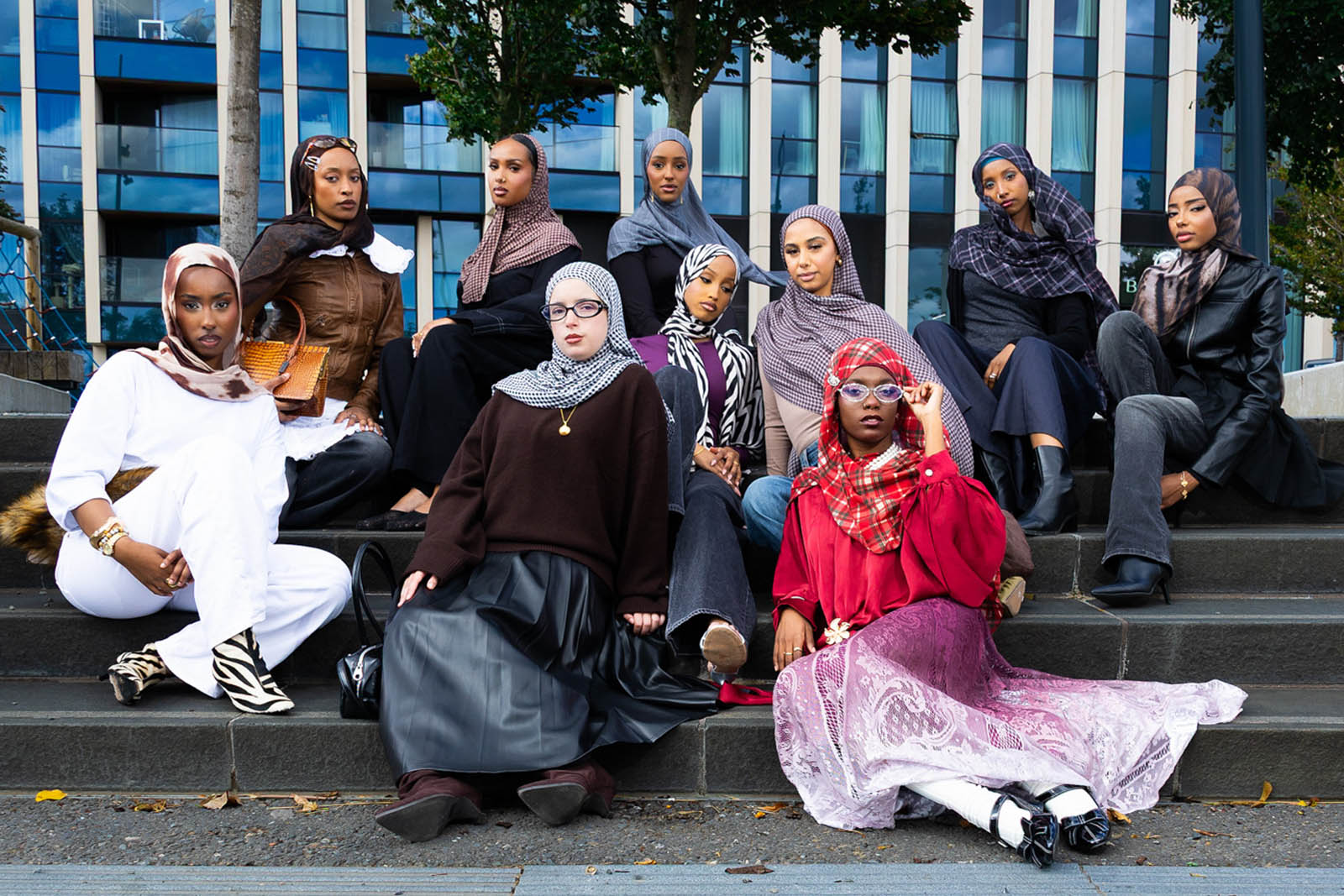
“I have been seeing a lot more Somali female DJs wearing their diracs recently,” says Abdi. “For me, it’s a visible statement of identity. Like, ‘This is who I am and I’m bringing all of this into this space.’”
Despite some negative comments on social media from people accusing her of “messing up the Somali identity”, Abdi says wearing cultural clothes during her sets is intentional and something she plans to continue.
“Even though it feels like a small gesture, it’s quite symbolic for me because I’m taking something rooted in home and I’m putting it in something that’s western-coded. I’m challenging what belongs in these spaces.”
Related content
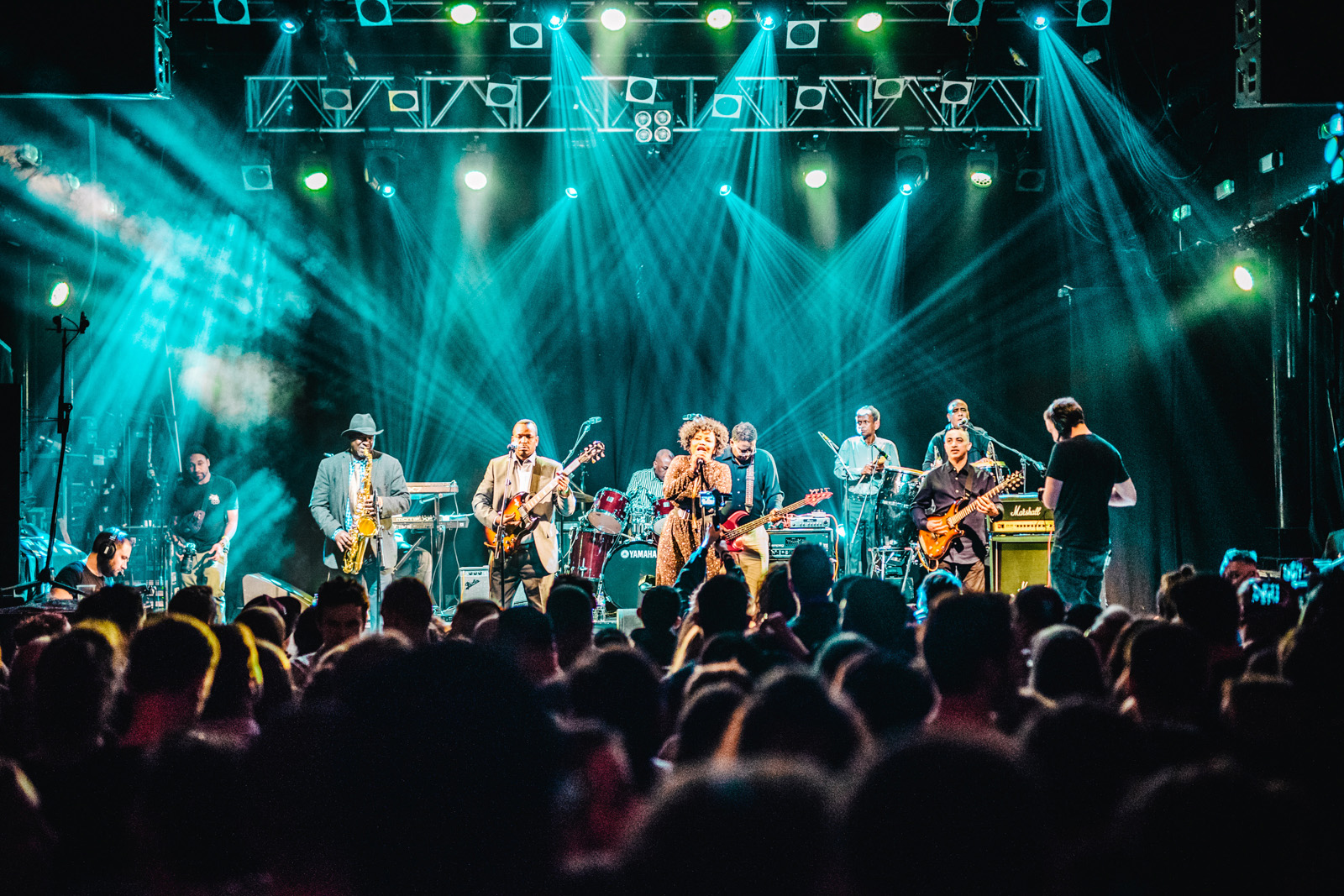
Her DJ sets have also brought together Somali women from very different backgrounds. “You’ve got really religious girls,” she says, recalling one woman she met during the EP launch night. “If you see her Instagram, everything is religious, but she’s at the Africa Centre dancing to Somali house. Then you’ve got others who are super westernised. Somali house is that bridge for some of these girls,” she adds.
Less than a year after buying her first decks, Abdi says Play Somali House, which was released in March, is an exploration of her own identity.
“I’m exploring what it means to be Somali myself in today’s world,” she says. “Although I grew up around Somali music, making it my own has been something that’s been quite challenging. I always felt like Somali music was too slow for me and some of the language I couldn’t understand.”
“The EP is me just trying to understand what it means to be Somali again and not shaming myself for actually enjoying being part of club culture,” she adds.
“I’m showing that our sound belongs everywhere,” she says. “It’s me telling people: just give us a chance and allow us to take up space.”
Sagal Abdi will play a DJ set at Temper and Brown in Birmingham on 27 June.