
Islamic Relief workers speak out about abuse they get from the public
Staff at humanitarian charity say Ramadan 2025 was its worst period for abuse in 40 years and that volume of hate mail has left them feeling ‘numb’

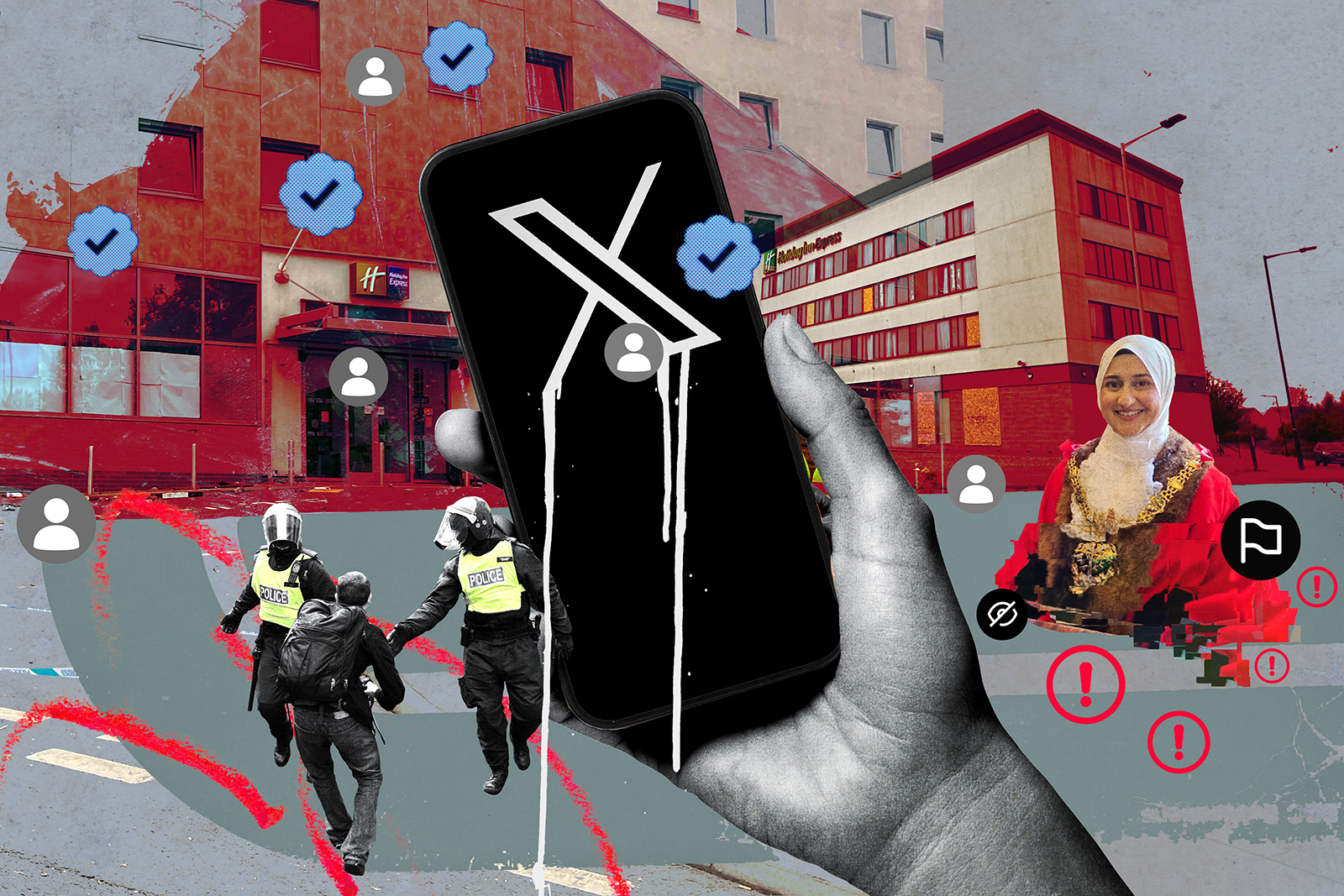
Staff at Islamic Relief have told of the impact of moderating hundreds of abusive messages directed at the charity each month, saying a rise in misinformation and Islamophobia has left workers spending hours each day reviewing hateful comments while also dealing with attacks on its billboards and Tube poster campaigns.
Islamic Relief is one of the UK’s largest Muslim-led charities and provides humanitarian aid nationally and overseas — but the organisation says its visible Muslim identity has increasingly made it a target for abuse and misinformation.
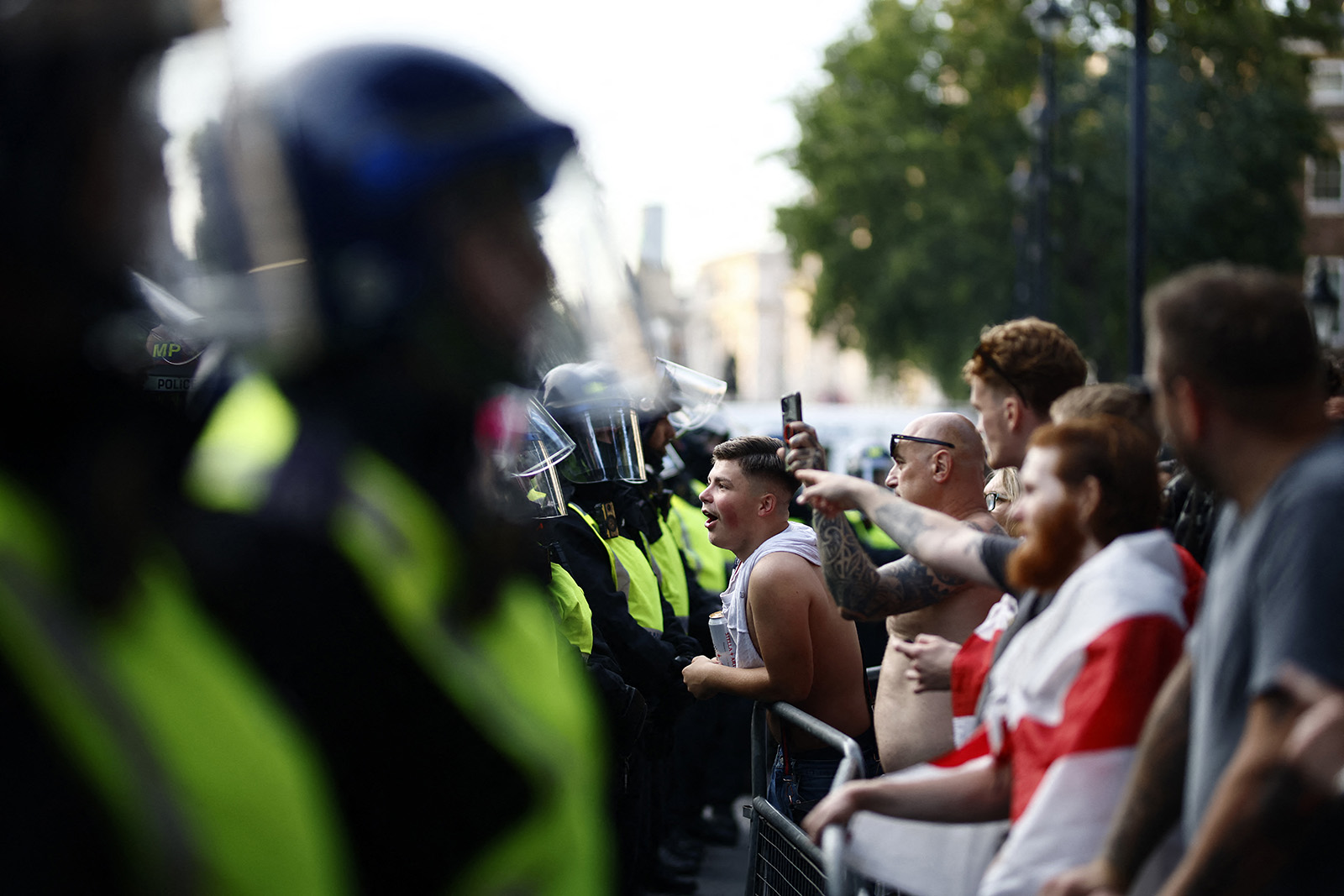
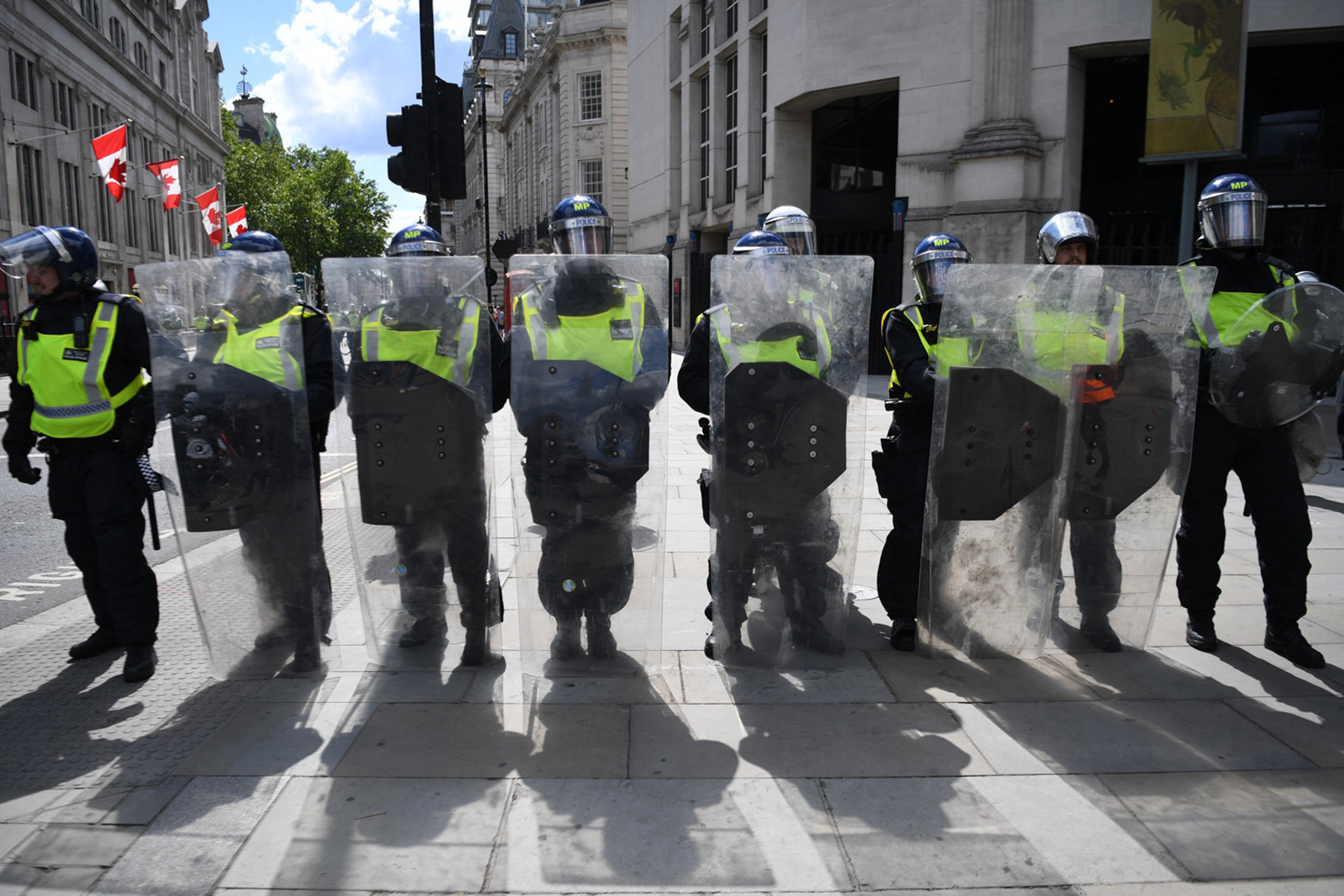
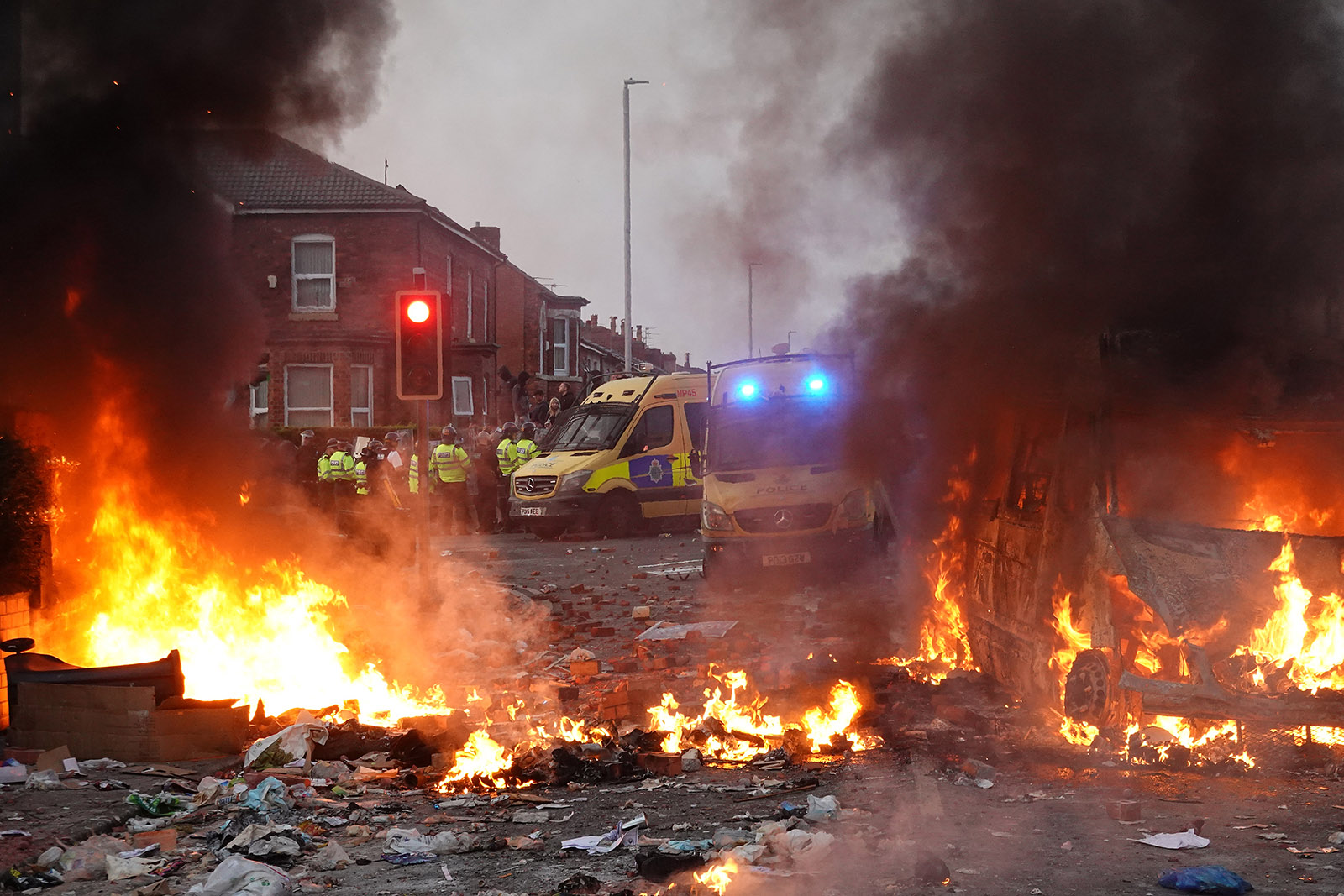
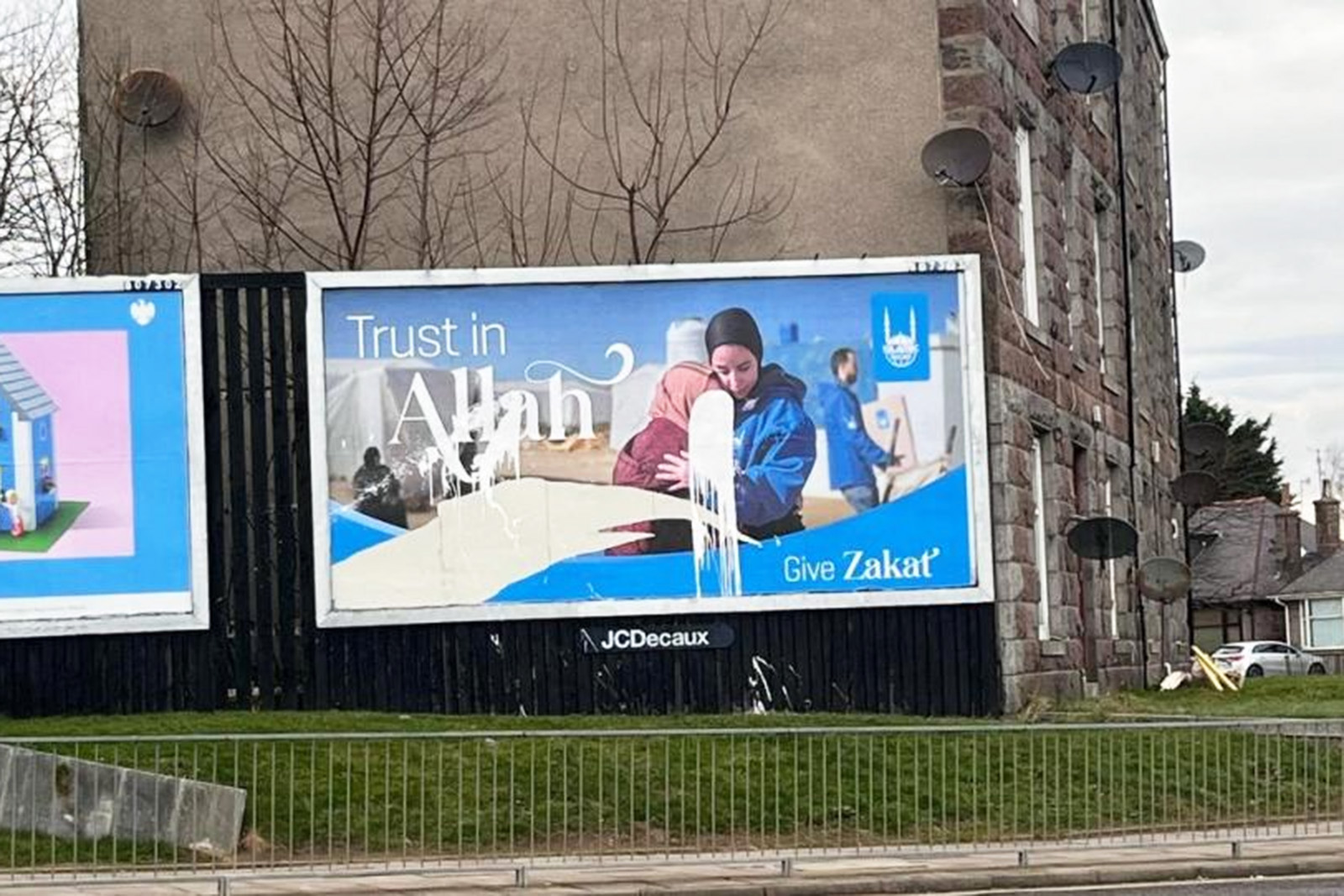
The charity says the hostility has intensified since the Southport riots in 2024 and described Ramadan 2025 as the worst period it has experienced for Islamophobic abuse. Alongside a surge in online hate, it says its Tube posters and billboards have been repeatedly vandalised because they prominently display the word “Islamic”.
Related content
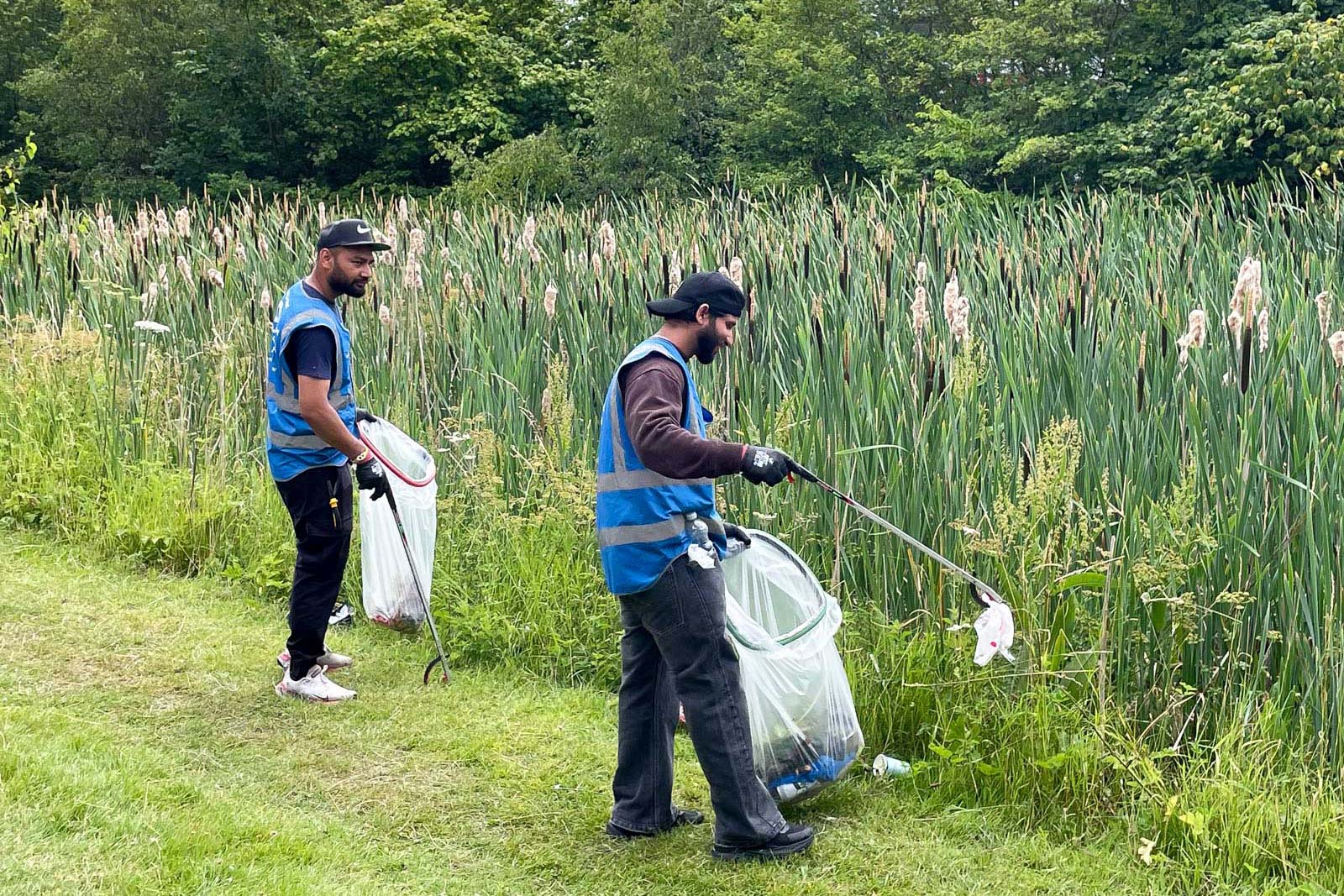
Fatema Rajabali, Islamic Relief’s social media coordinator, said she spends about two hours a day reviewing comments and messages across the charity’s social media channels. In the past 90 days, Islamic Relief has received more than 1,700 messages. Rajabali estimates 30% to 40% of those contained abusive content.
“It is something that we manually have to look through every single day,” she said. “I think people who often leave those comments maybe don’t realise that it’s a real human looking through them. It’s not a nice thing to be reading those messages.”
Rajabali said the charity — which is headquartered in south London and marked its 40th anniversary in 2024 — regularly receives messages telling staff to “go back to your own country”, falsely accusing the organisation of terrorism and claiming it would use fundraising campaigns to “build a mosque”. Repeatedly reviewing the abusive content has left her feeling “slightly numb”, she added.
The charity said online abuse often worsens during major fundraising campaigns when its advertising is more visible.
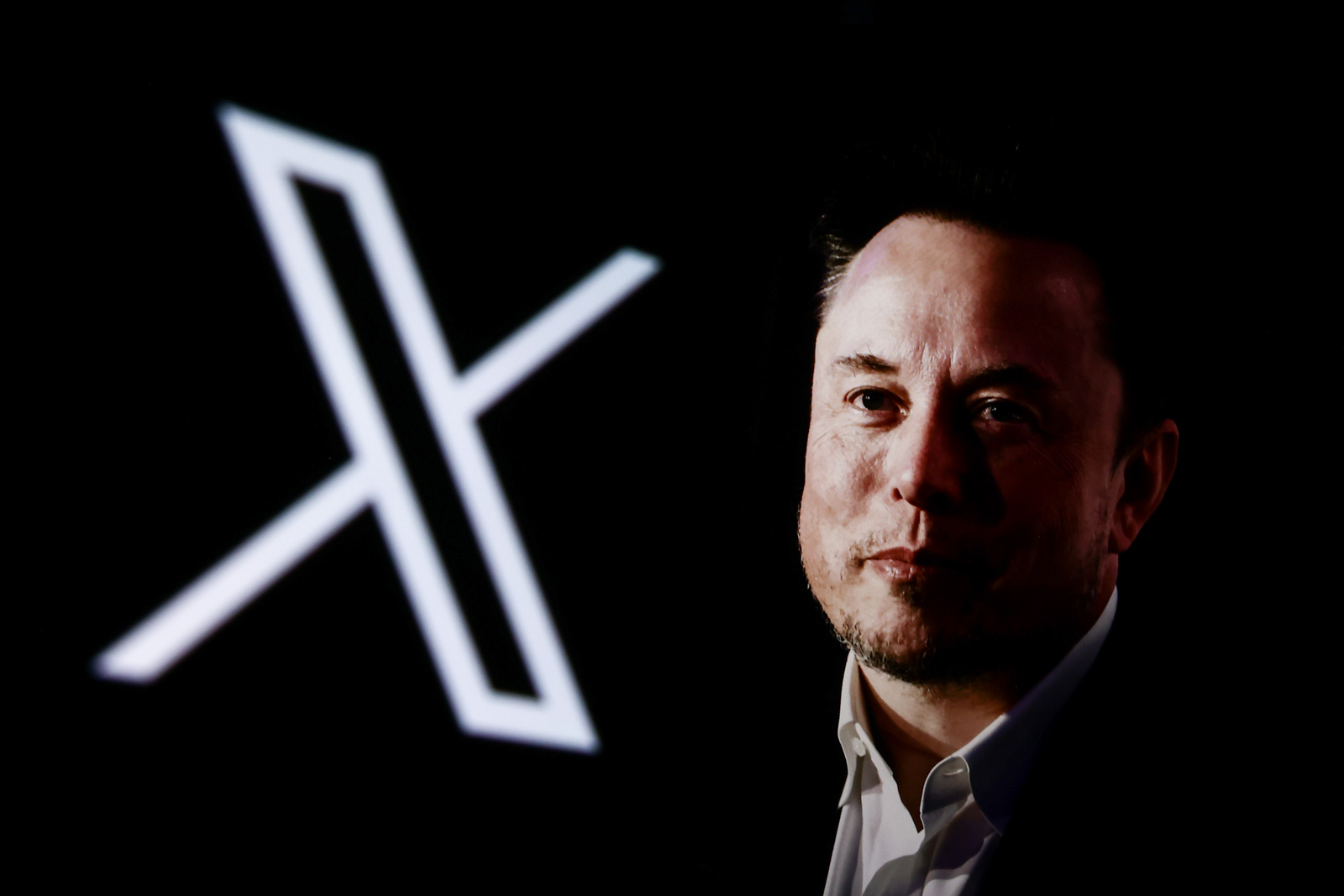
Shazia Arshad, the charity’s head of communications, said the rise in abuse had been fuelled by misinformation about the organisation spread on social media. She said the charity experienced a surge in abusive comments last year after Elon Musk shared a post relating to USAID that accused Muslim-led charities — including several of Islamic Relief UK’s global sister organisations — of being “terrorist organisations”.
Messages exemplifying the abuse received by the charity include: “Ban Islamic relief… they steal British money and only help terrorist Muslims,” posted in March 2026, and: “Islamic relief a racist apartheid charity that steals money from the British and give only to Muslims,” posted in April 2026.
Arshad warned that hostility towards Muslim charities was distracting from the work they do to support vulnerable communities.
“Our work here in the UK is to raise funds for communities that we support both abroad and here at home. That’s our primary aim and it feels like the objective of that sometimes gets lost because people see a Muslim organisation with a very bold Muslim identity and use that as an opportunity to lean into an Islamophobic mindset,” she said.
In 2025, the charity said its humanitarian programmes reached an estimated 26.7 million people across 35 countries, including emergency relief in Gaza, providing blankets, fuel and warm clothing to families in Bangladesh and supporting families impacted by severe flooding in Pakistan.
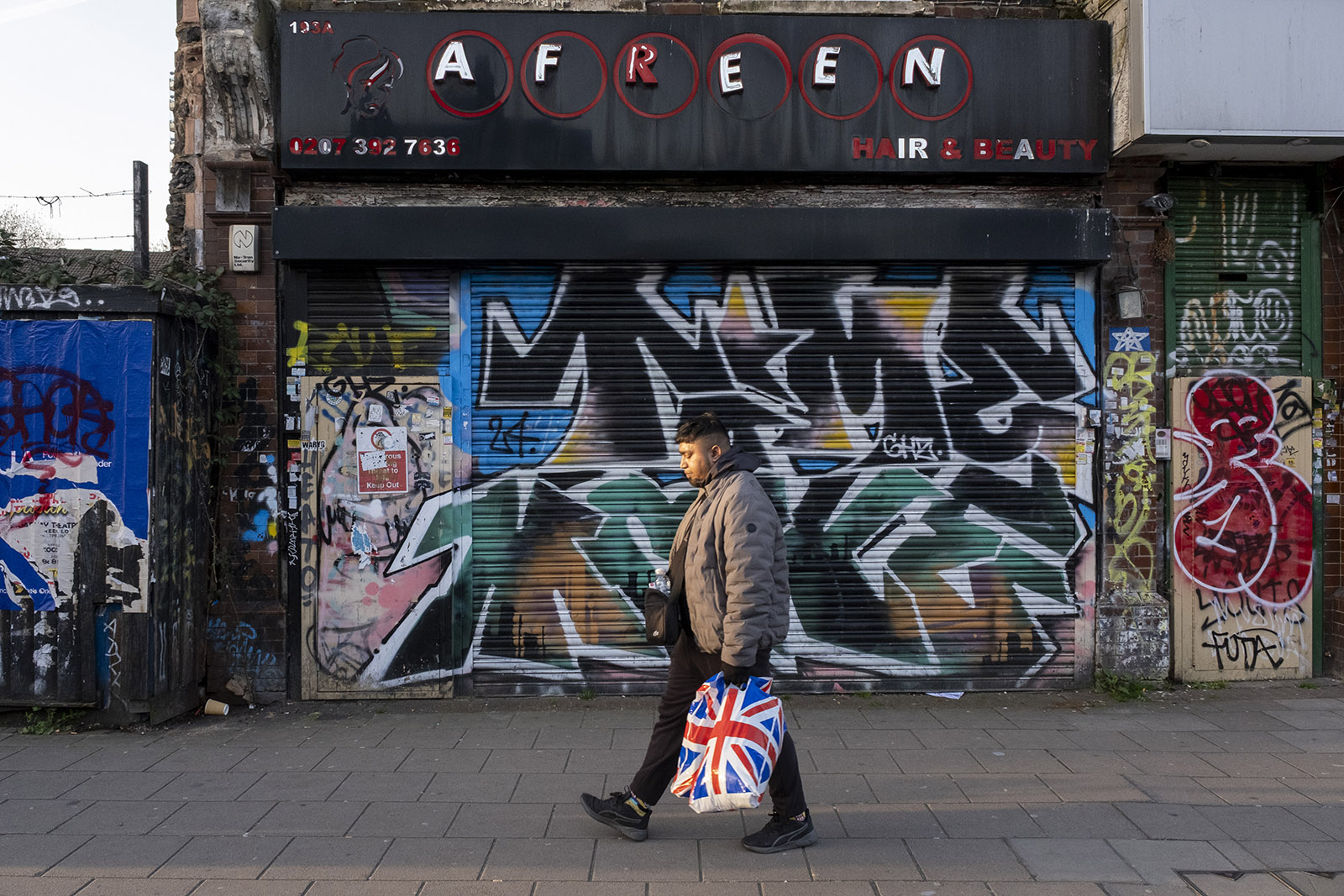
Arshad said one social media post about the charity’s 2025 Ramadan campaign had more than 30,000 comments after misinformation about Islamic Relief spread online, with the majority being abusive.
She added that the charity wants to shift the conversation back to its humanitarian work and the wider contribution of British Muslims.
“British Muslims in the UK are a really integral part of British society,” she said. “But what’s happening is with this kind of Islamophobia, the conversation skews and only ends up being about Islamophobia instead of about the contribution that British Muslims make. We run programmes and support services for hundreds of thousands of people around the UK every year through our local partners, but that story gets lost.”
A spokesperson for the Department for Culture, Media and Sport (DCMS) said: “No charity should face abuse for simply doing its job. We recognise many charities are facing growing hostility that threatens their trustees, employees and volunteers. Charities should be safe and trusted spaces for everyone, whether employees, volunteers or members of the public.”
The DCMS also added that platforms must protect users from illegal content, including religiously-motivated hate speech under the Online Safety Act, and that the regulator has the department’s “backing to use the full range of its powers”.