
‘Faith speaks to why we should care’: British Muslims are turning to climate action as an act of worship
During Muslim Climate Action week, volunteers in the West Midlands are putting their beliefs into action, cleaning up a historic canal

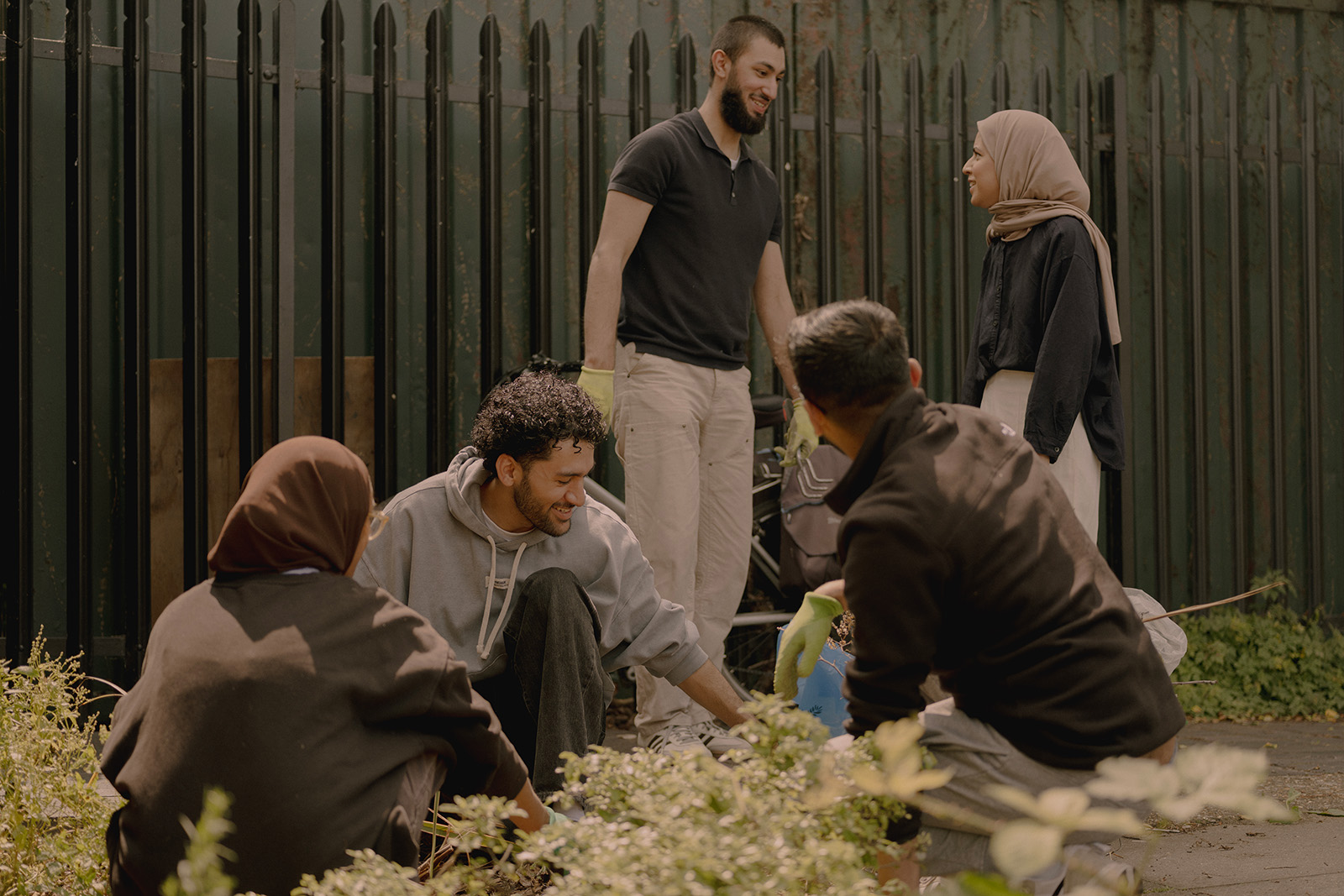
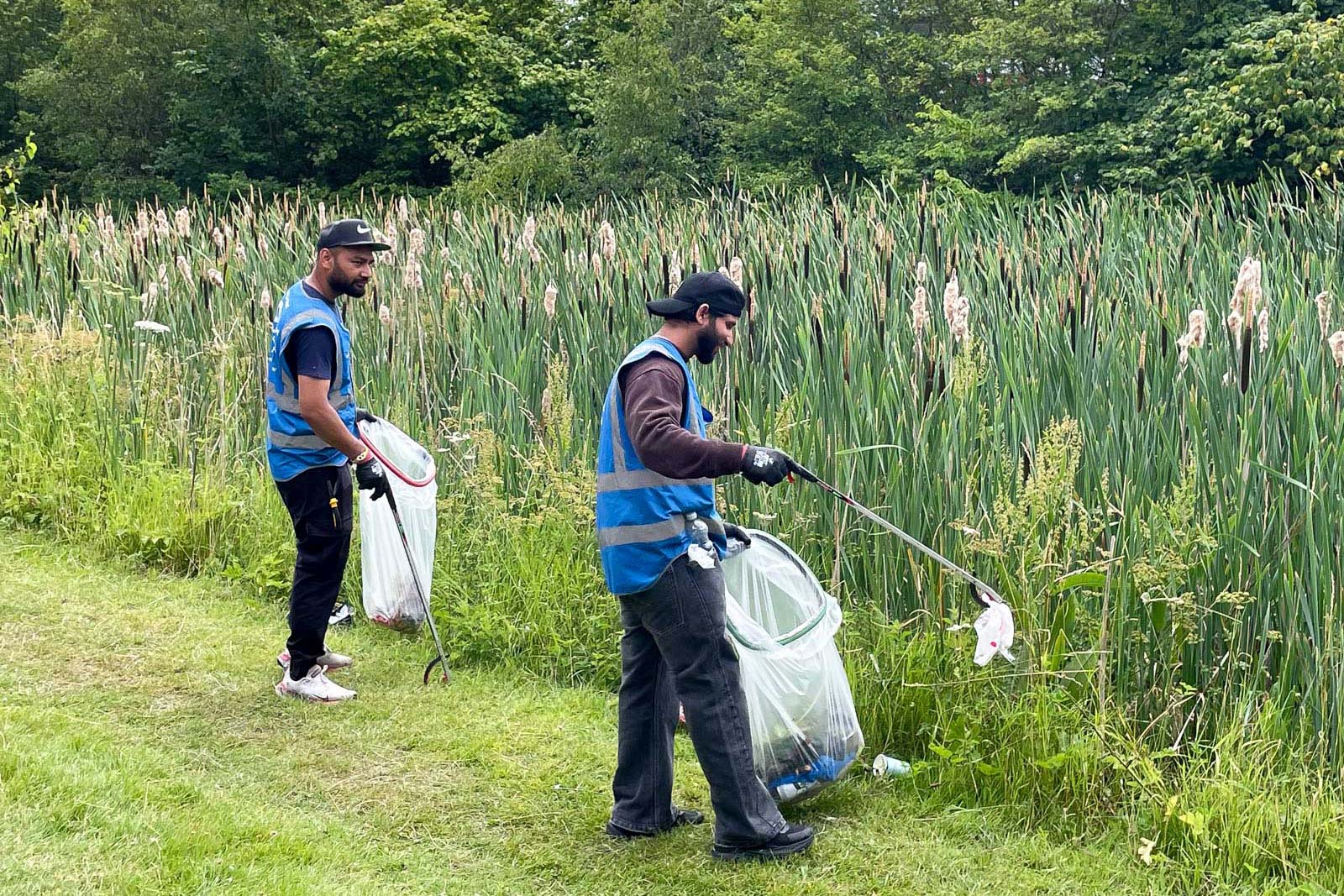
A vivid green blanket of algae covers the canal in Black Lake, West Bromwich, so thick that it almost disguises the water beneath. Along the bank, volunteers in bright blue vests weave through wildflowers and overgrown paths carrying litter pickers, gloves and empty sacks to clear the waste along the bank.
Within an hour, the sacks are full and rusted cans and abandoned shopping bags are hauled from the canal’s edge.
“It’s important to make sure we’re minimalistic and not creating excess waste,” says 32-year-old volunteer Omar Karim, as he bends down to pull another discarded can from the undergrowth.
Karim doesn’t describe himself as an environmental activist. “I’ve benefited from what the Canal & River Trust does,” he says, referring to the charity that looks after 2,000 miles of historic waterways in England and Wales. “The canal is my local training route for marathon running, so this just felt like one way of giving back.”
The clean-up marks the beginning of Muslim Climate Action week, a campaign led by Islamic Relief that brings together mosques, charities, youth groups and community organisations to explore environmental action through an Islamic lens. Now in its third year, the programme includes conservation workshops, panel discussions, film screenings and visits to sustainable farms, encouraging Muslims across Britain to connect faith with practical environmental action.
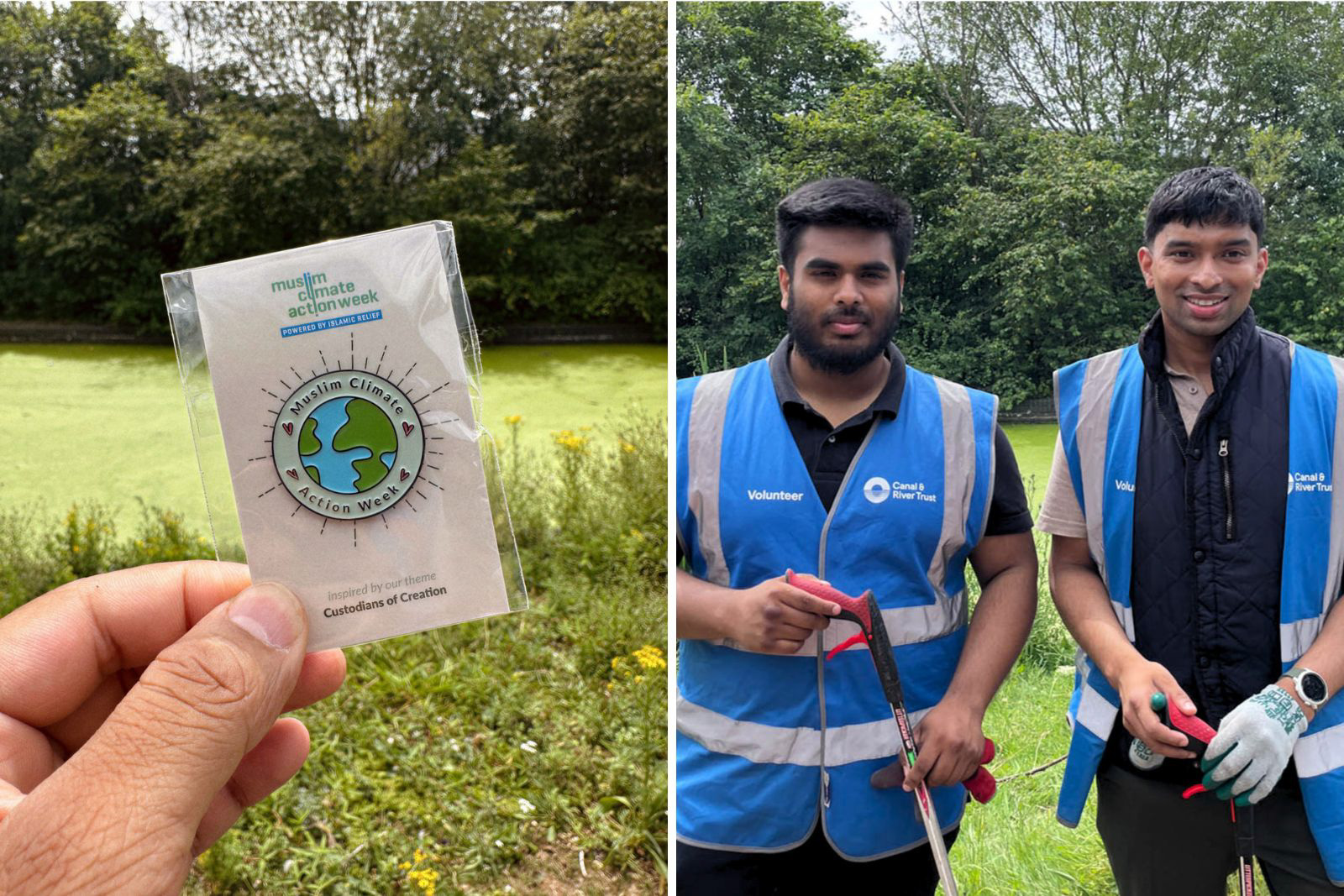
“This year’s theme is custodians of creation,” says Suraiya Rahman, campaigns and public affairs coordinator at Islamic Relief UK. “In Islam we’re called to reflect on our responsibility as stewards of the earth. The natural world is a trust from God, entrusted to us to protect for future generations.”
Rahman believes that framing climate action through faith offers something different from traditional environmental campaigns. Conversations around climate change are often dominated by politics, policy targets and scientific reports. While those remain essential, she says, they rarely answer the question that motivates individual action.
“The science tells us what’s happening,” Rahman says. “Politics has a role in responding. But faith speaks to why we should care. It reminds us that our choices affect other people and that we’re accountable for how we spend our time.”
This resonates particularly among many British Muslims whose families are in countries experiencing the worst consequences of climate change.
The effects of the climate crisis disproportionately affect countries with the most vulnerable populations. The global north is responsible for 92% of excess global carbon emissions, yet the results are felt most severely by communities in the global south from recent devastating floods in South Africa to catastrophic droughts across east Africa where 10.7 million people are facing severe hunger.
“We see that these communities have played little to no role in creating the problem, yet they’re bearing the brunt of it. That really connects with Islamic values of justice, compassion and standing in solidarity with those facing hardship. Whether it’s floods in Bangladesh or Pakistan, or drought in east Africa, these are communities we know,” says Rahman.
For Vibhati Bhatia, founder of campaign group South Asians for Sustainability, highlighting the connection between faith and environmental action is essential.
“We’ve always wanted to show sustainability in a way that’s culturally relevant. Whether it’s weddings, food, fashion or religious celebrations, sustainability is already integral to our cultures and our faiths,” she says. “I think everyone intends to do the right thing and live consciously. But what really turns intention into behaviour is our value system.”
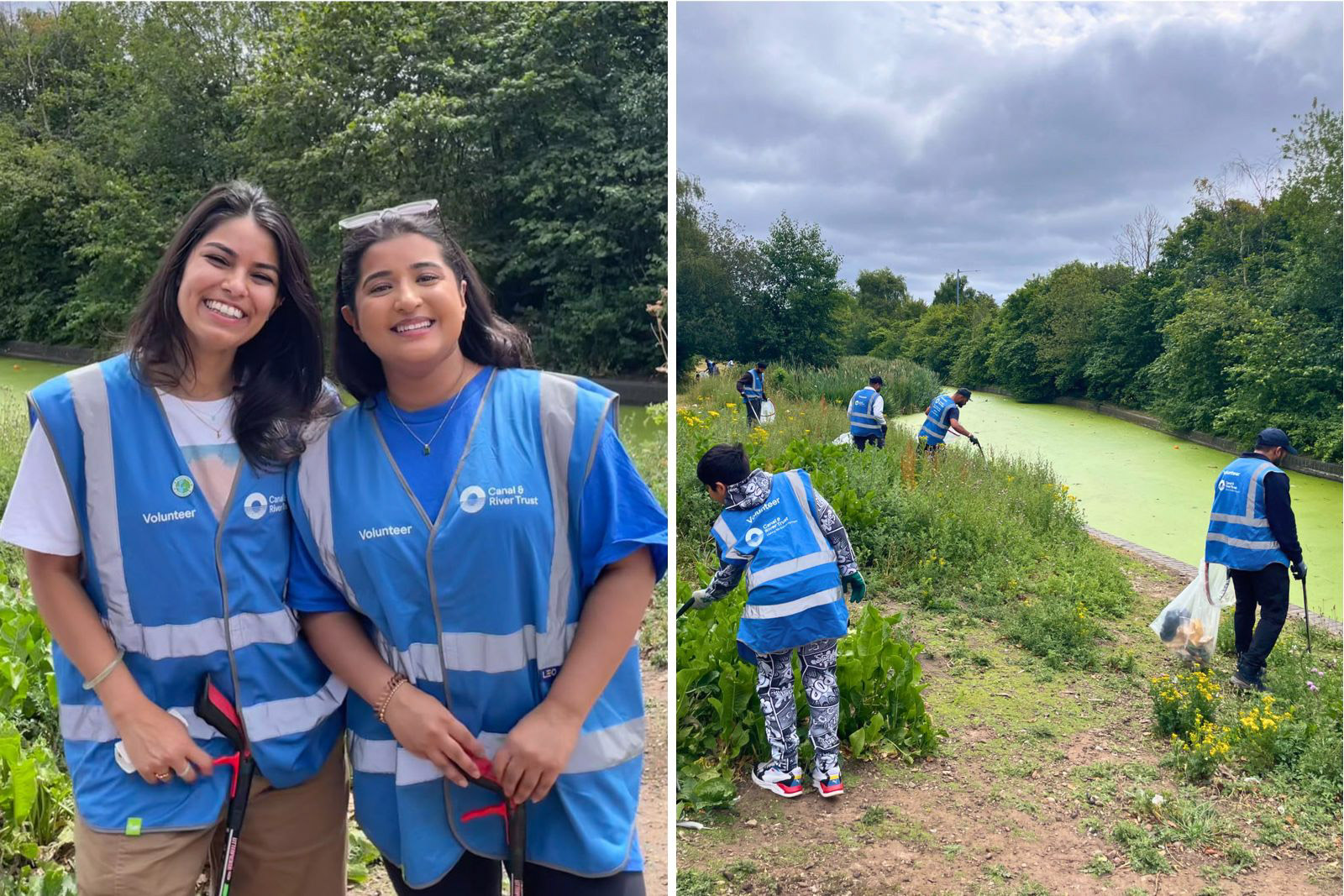
Practical events such as litter picking help bridge the gap between concern and action. “When people see pollution first-hand, when they’re physically doing something about it, it leaves a really lasting impact,” Bhatia adds.
Nick Cleaver, community engagement officer for the Canal & River Trust, points to the return of water voles and otters as evidence that restoration is working. “That’s helping undo some of the damage humans have done to our world. The canal has become something else, too, a place where people from different backgrounds meet,” he says.
“We want people to know these canals are for everyone. Historically, these canals have had an impact on people all over the world. They’re part of all our stories, wherever we come from.”
Cleaver hopes that shared history can also become a shared responsibility. “We want to bring communities together to care for that shared heritage and for the environment. We want people from the Muslim community, Hindu community, Sikh community, every community, to understand that this is part of all of our story and something that connects us all as humans.”
Back among the volunteers, that sense of shared responsibility feels tangible. Shawon Sheikh, 24, says he arrived expecting to spend a few hours collecting litter. He left thinking differently about the environment altogether.
“It’s quite overwhelming; there’s just so much of it, especially when you think this is wildlife’s habitat. I didn’t realise just how much it affects us. How even these microplastics end up in our bodies and affect our own health.”
As the clean-up comes to an end, the volunteers stack dozens of filled refuse bags beside the towpath. Gloves are peeled off, litter pickers returned and conversations drift from what they found to when the next event will take place. No one believes a single morning can solve the environmental crisis, but that wasn’t the point.
“Positive change starts at the individual and the local level,” says Sheikh. “If people leave today thinking twice about littering, becoming more mindful of their waste, or encouraging friends and family to get involved, then that’s real change.”