
Islamic gardens you can explore across the UK this summer
Gardens to visit that are inspired by centuries-old design traditions from the Muslim world

Islamic garden traditions have shaped some of the world’s most recognisable landscapes — from the courtyards of the Alhambra in Spain to the gardens of the Taj Mahal in India — but their influence can also be found closer to home.
Designed around rest and reflection, traditional Islamic gardens often feature flowing water, geometric layouts, walkways and fragrant plants. Many follow the chahar-bagh style — a four-part garden divided by pathways or water channels inspired by Quranic depictions of paradise.
Across the UK, mosque courtyards, roof terraces and public parks have adapted these centuries-old traditions in different ways. From Mughal empire-inspired gardens in Bradford to hidden green spaces in central London, these gardens are worth exploring as we head into the summer months.
Islamic Gardens, London
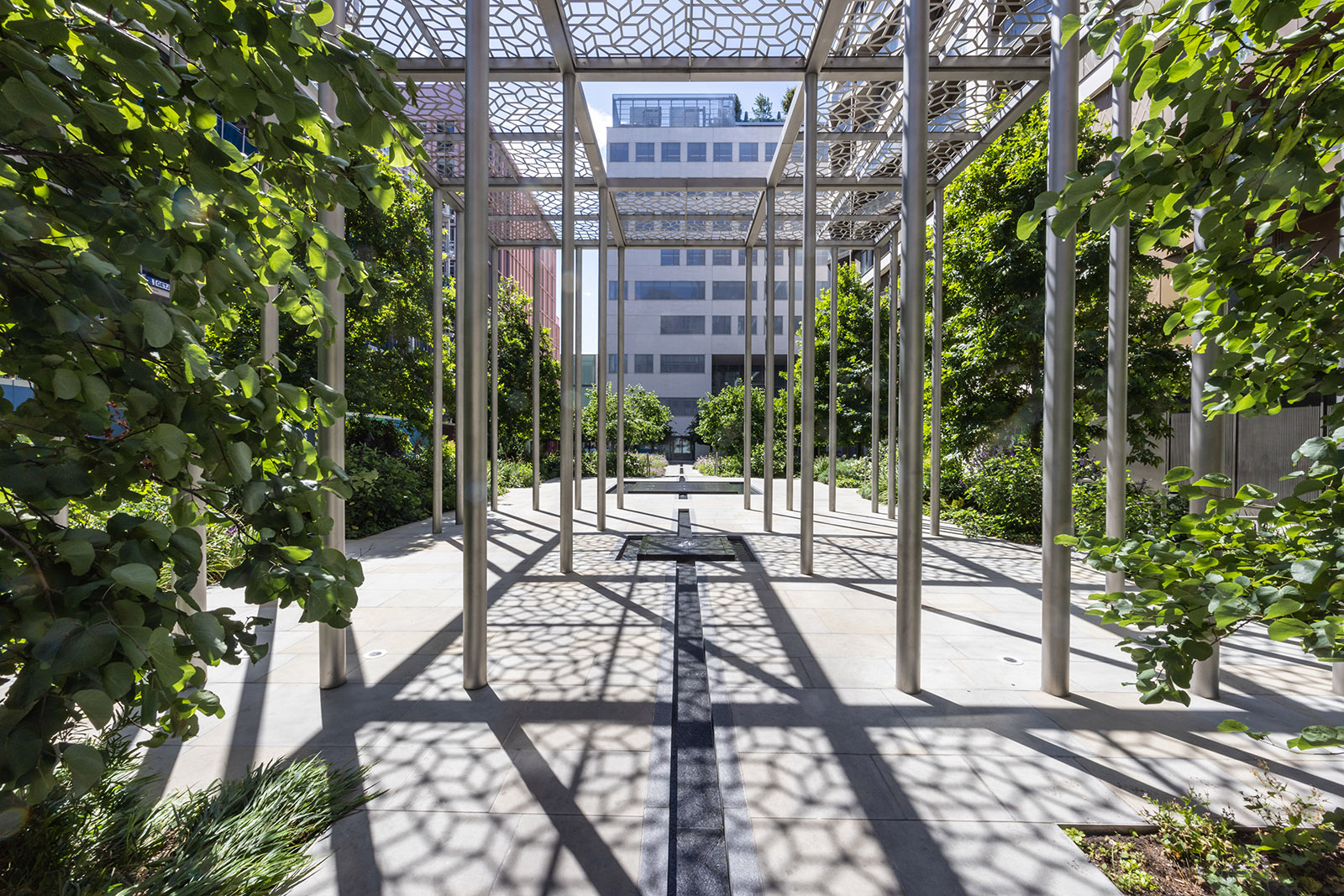
Hidden behind King’s Cross station in the Aga Khan Centre, these gardens are inspired by traditions across the Muslim world — from the Mughal empire to Moroccan courtyards. Designed by Japanese architect Fumihiko Maki and landscape designer Madison Cox, the site is made up of several smaller gardens featuring fountains and geometric patterns. Each is home to a fruit tree, including olive, date, fig and pomegranate. You can book a free tour of the site throughout the year.
Cambridge Central Mosque gardens
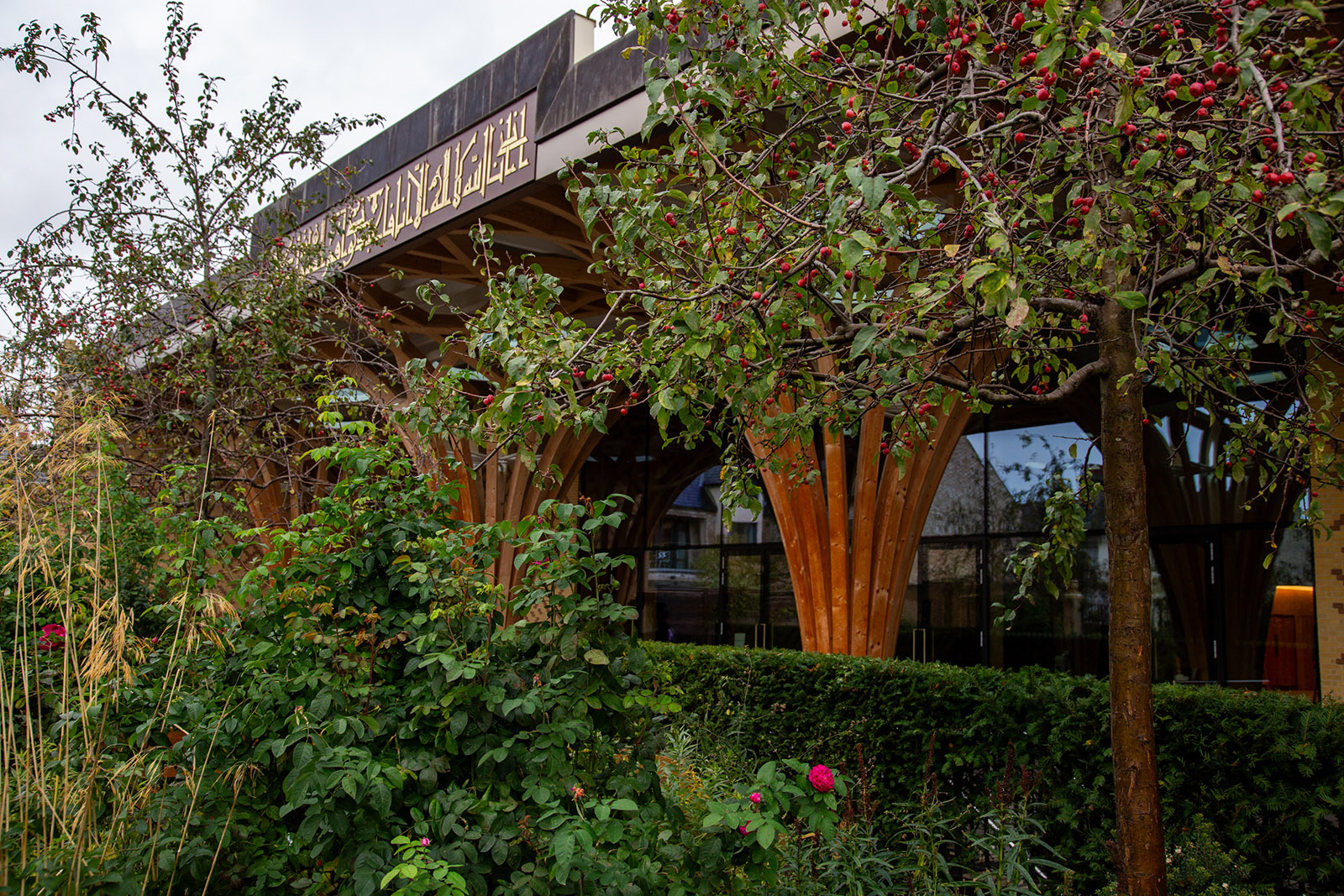
The garden at Cambridge Central Mosque — often described as Europe’s first eco-mosque — was designed to create a space of tranquility. A fountain sits at the centre of the courtyard, with four pathways representing the rivers of Jannah. Designed by Islamic-garden specialist Emma Clark, the space reflects the mosque’s eco-friendly ethos, with wildlife-friendly planting. It’s open to everyone and is intended to act as a bridge between communities.
Mughal Garden, Lister Park, Bradford
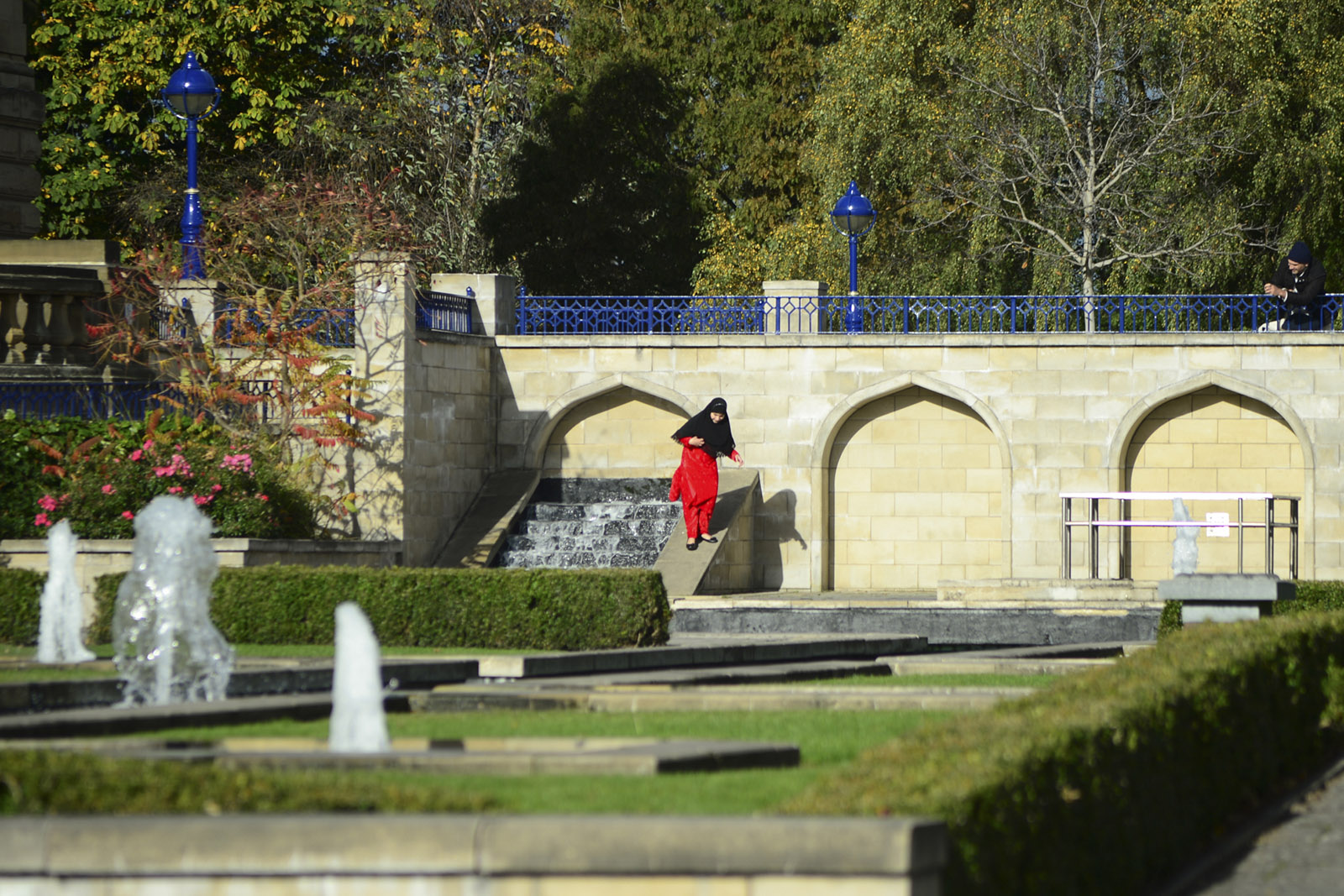
Opened in 2001 inside Lister Park, Bradford’s Mughal Garden was designed in the style of those found across Pakistan and northern India, to reflect the city’s rich South Asian heritage. The space features long water channels, a central fountain, walkways and planting with Mughal and Asian influences. Designed as a place for both relaxation and community gatherings, it’s especially popular during spring and summer when the flowers are in bloom.
Ismaili Centre Roof Garden, London
Overlooking South Kensington, the Ismaili Centre’s rooftop garden follows the traditional chahar-bagh style, centred around a fountain inspired by Persian and Mughal garden design. From the rooftop, visitors can see London landmarks such as the Victoria and Albert Museum and the Natural History Museum. Although not always open to the public, guided visits and open garden events take place throughout the year.
The Peace Garden, Woking
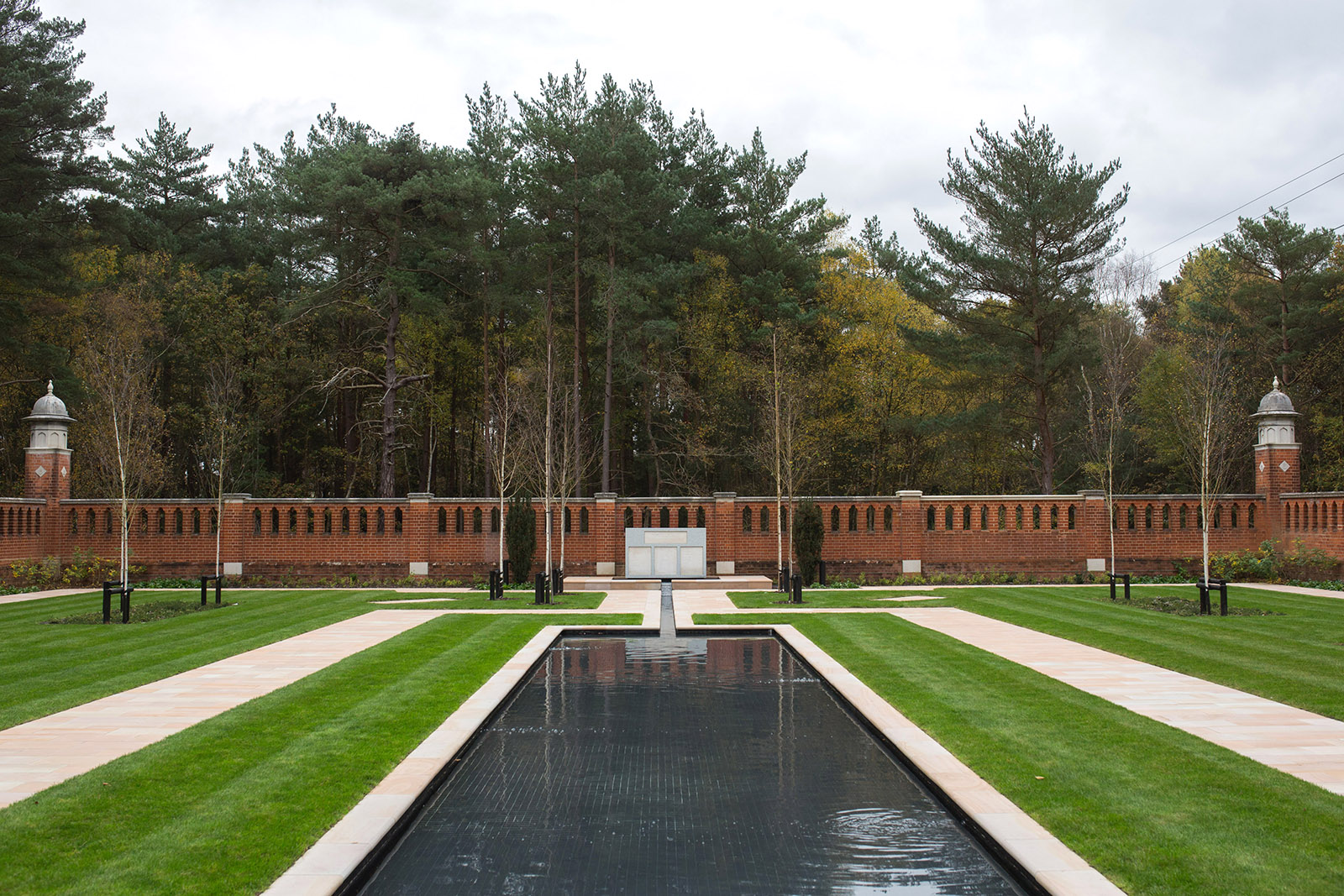
Located next to the Shah Jahan Mosque — the first purpose-built example in the UK — Woking’s Peace Garden was opened in 2015 to mark 100 years since the creation of the first Muslim burial ground in Britain. Designed by landscape architect Lionel Fanshawe, the garden mixes English and Islamic traditions, centred around a memorial stone engraved with the names of some of the Muslim soldiers buried there. The garden stands as a tribute to the Muslims who served in the British armed forces during the first and second world wars. It’s open seven days a week.
Carpet Garden, Highgrove House, Gloucestershire
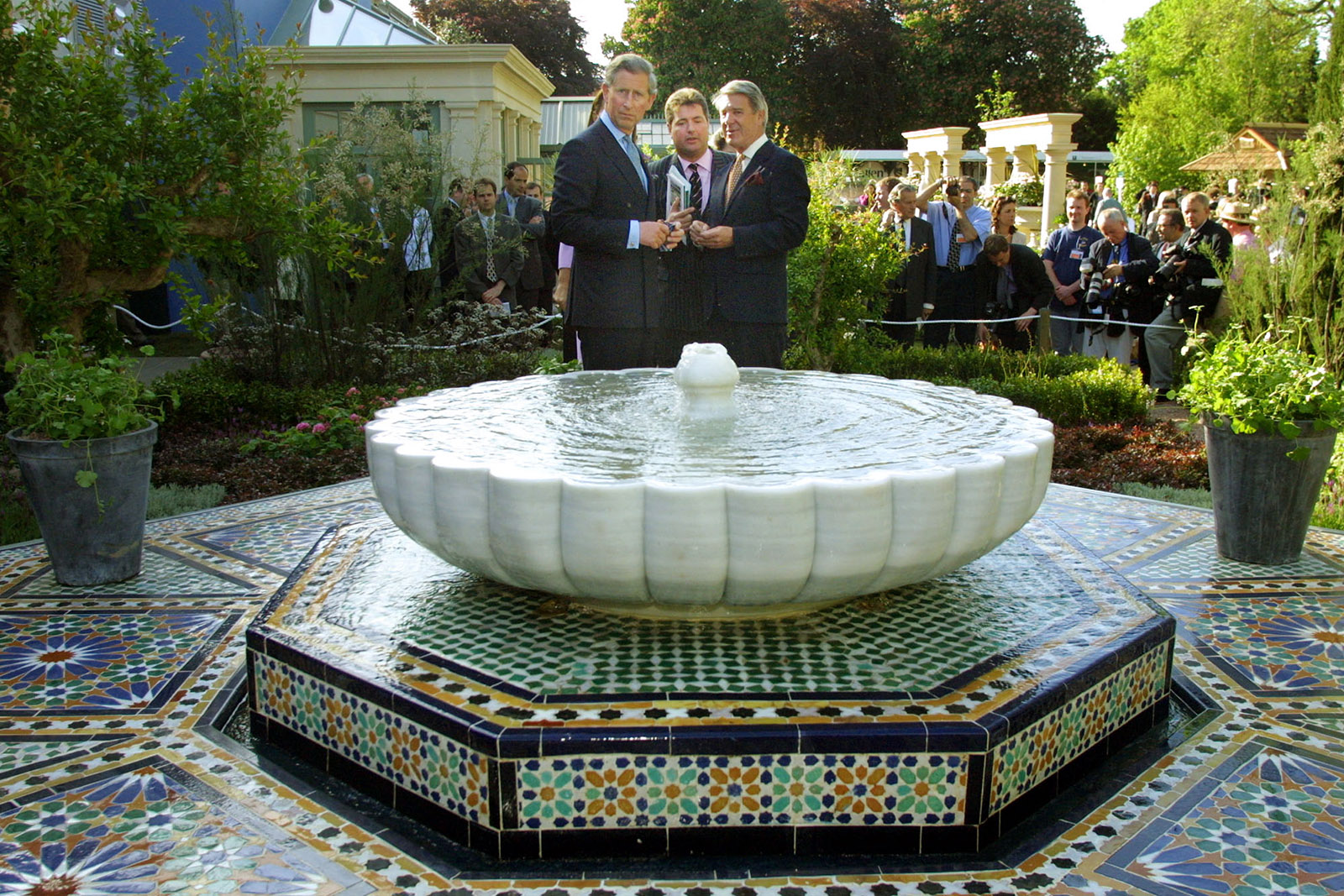
The Carpet Garden at King Charles’s Highgrove estate takes inspiration from two Turkish carpets in his personal collection. The design by Emma Clark and Mike Miller stems from a sketch King Charles made after years of admiring the pair of ornate carpets. The garden features geometric symmetry, a central mosaic fountain and scented planting. After winning a silver medal at the RHS Chelsea Flower Show in 2001, it was permanently installed at Highgrove, where it remains one of the estate’s most striking spaces. The gardens are open to the public between April and October, with guided tours from £45.
Sezincote House and Gardens, the Cotswolds
Designed and built in the early 1800s by architect and diarist Samuel Pepys, Sezincote House blends English country-house design with Indo-Islamic influences. The estate’s gardens feature canals, fountains, bridges and Mughal-style pavilions, set against the backdrop of the English countryside. Sezincote is also believed to have influenced the design of Brighton’s Royal Pavilion after the Prince Regent visited the estate in 1807. Today, the gardens remain open to visitors on selected days throughout the year.
British Islamic Gardens, Reading
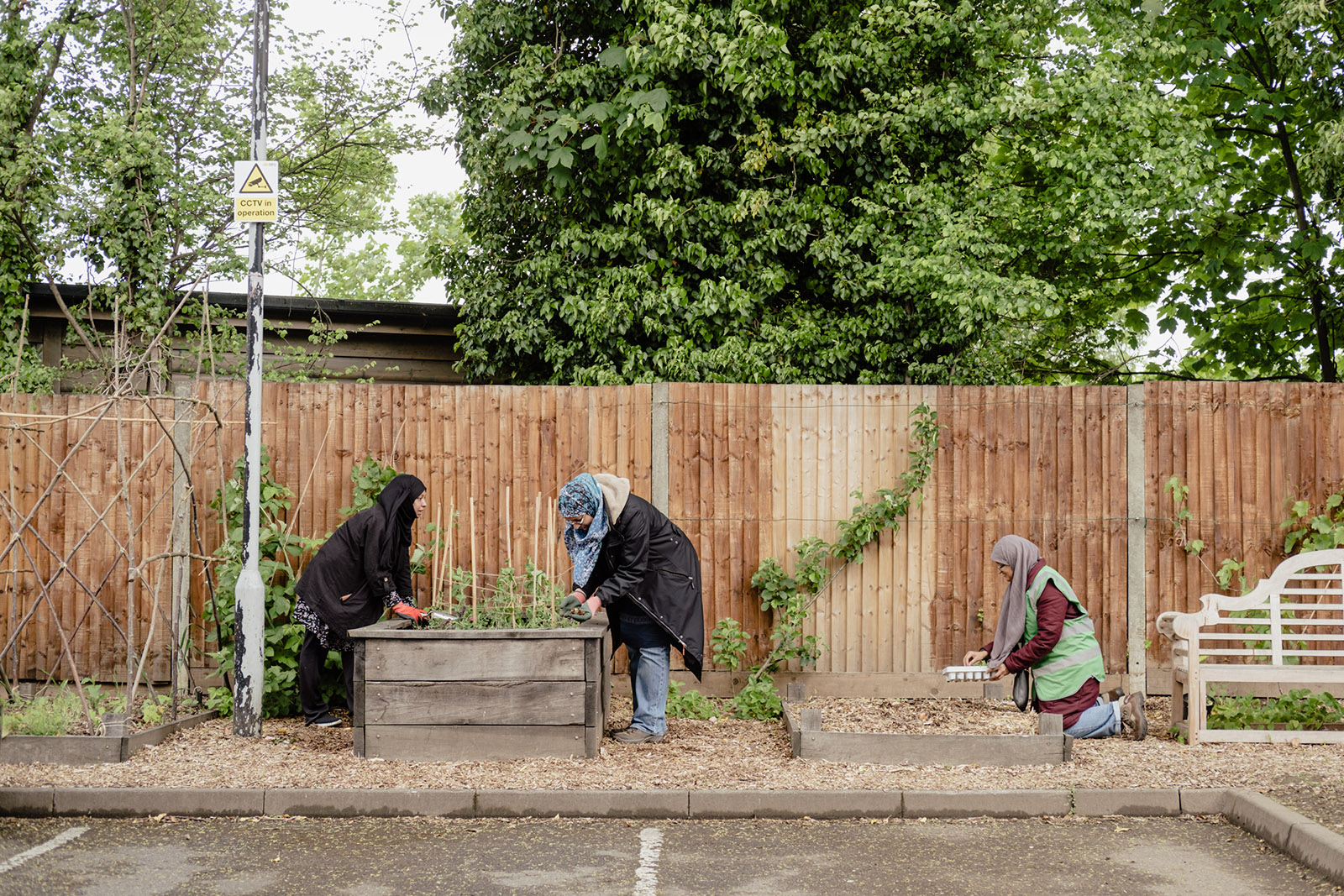
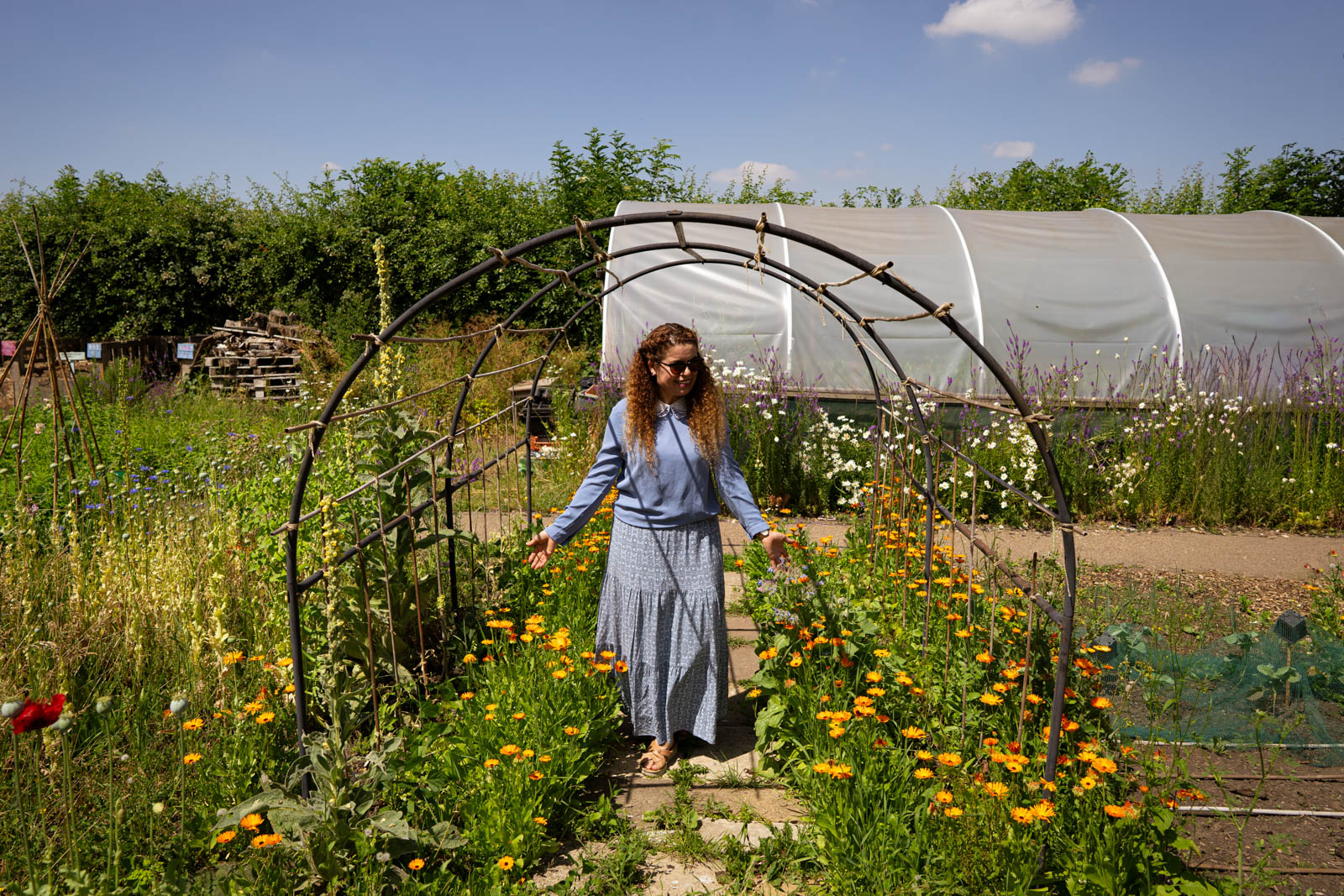
British Islamic Gardens is a community gardening group based at the Aisha Masjid & Islamic Centre in Reading. Started in 2019 by a group of volunteers who turned an overgrown space outside the mosque into a community garden, the project aims to clean up and restore neglected spaces. Sessions take place Monday to Thursday and on Sunday mornings, and are free and open to the public.