
New tests could make endometriosis diagnosis more accessible for Muslim women
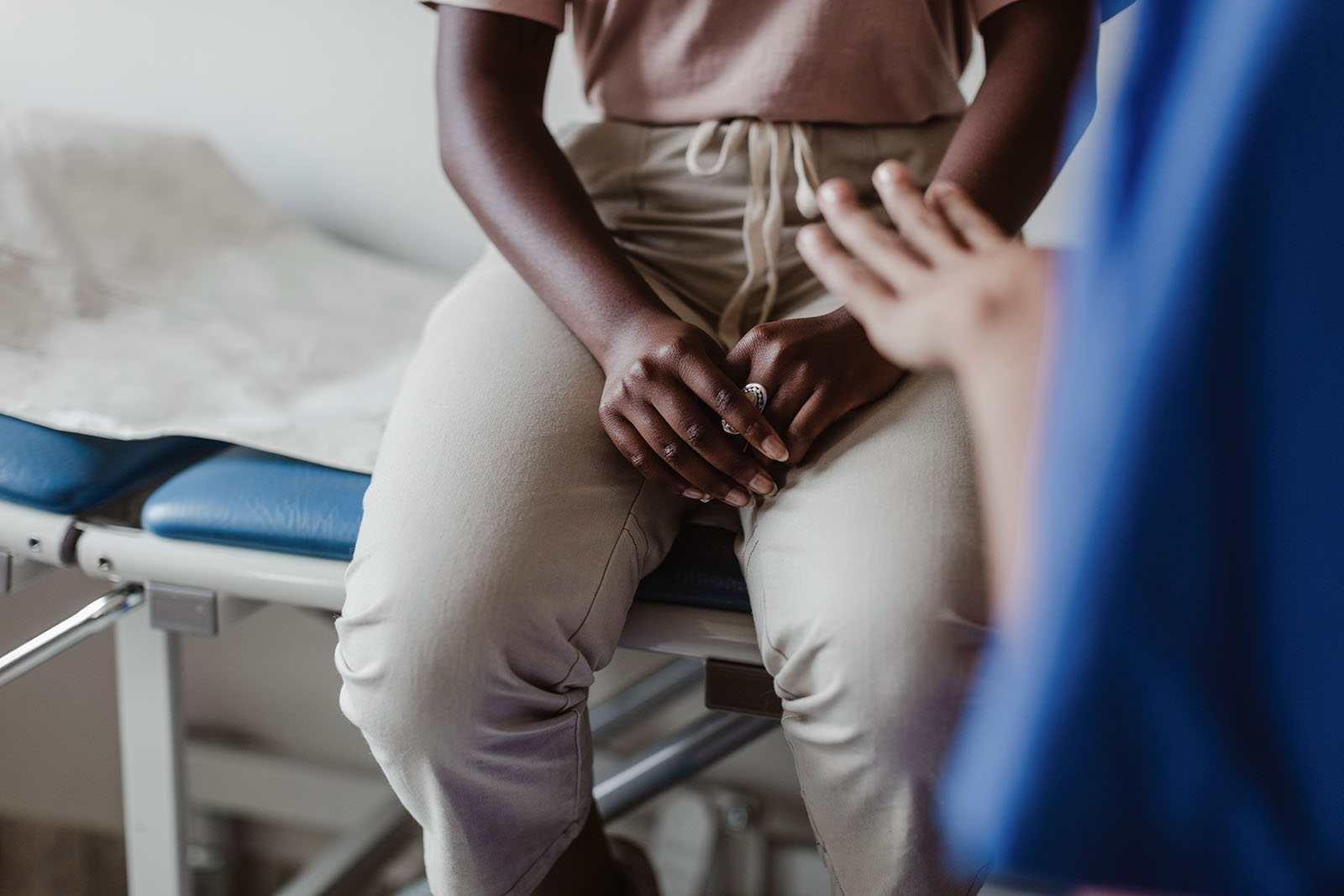
Experts still believe that more must be done to tackle period health stigma and challenge stereotypes

Two new tests for endometriosis could help address some of the barriers Muslim women face in getting diagnosed — but experts say greater efforts are still needed to challenge harmful stereotypes and improve awareness.
The National Institute for Health and Care Excellence announced earlier this month that the new tests, EndoSure and Endotest, have been approved for use by GPs for three years.
Endometriosis is a painful condition affecting one in 10 women in the UK, in which tissue similar to the lining of the uterus grows outside of the womb. Symptoms include painful periods, heavy or irregular bleeding, and pain during or after sex. It is currently diagnosed using blood tests, an internal vaginal exam, ultrasound scans or a laparoscopy.
The newly approved tests offer less invasive ways to detect endometriosis. Endotest analyses a saliva sample for biological markers linked to the condition, while EndoSure uses sensor pads placed on the abdomen to measure electrical signals, requiring women only to lift their clothing rather than undress.
Sarah Harris is an endometriosis researcher at the University of Nottingham and a trustee of Cysters, a charity that aims to address inequalities in menstrual health. Harris said a key barrier that prevents Muslim women from getting diagnosed with endometriosis is the stigma around menstrual and sexual health.
“Unfortunately, many young girls and women feel too ashamed to openly discuss their experiences of menstruation with medical professionals, or even with their friends and family. As a result, so many of them may not realise that the symptoms they’re experiencing — such as abnormally heavy periods, or severe period pain — are not normal,” she said.
Harris also explained that when women and girls do seek medical advice, they may feel anxious about the diagnostic process.
“The invasive nature of the previously existing endometriosis diagnostic methods put many Muslim women off seeking a diagnosis of endometriosis, or other reproductive diseases,” she said.
“These new, non-invasive tests will allow Muslim women who were previously putting off getting a diagnosis for these reasons to finally begin their diagnosis journey and get some answers.”
Research shows that women across the UK wait for an average of nine years for an endometriosis diagnosis, while women from ethnic minority communities wait more than 11 years. Research by the charity Endometriosis UK found that 58% of women visit their GP more than 10 times before getting diagnosed.
Maria Tomlinson is a researcher in health communication and social inequalities with a focus on women’s health at the University of Sheffield. She said that while news of the tests is welcome, more investment is needed in education that challenges taboos around periods.
Her research has shown that Muslim girls in particular feel “let down” and “marginalised” by period education.
“To best ensure that Muslim girls and women benefit from these new tests, menstrual education in schools needs to include diverse examples of lived experience and help them to challenge period stigma,” Tomlinson says.
“A powerful way to reduce menstrual stigma and ensure girls and women from Muslim communities go to the doctor is to support women in Muslim communities to raise awareness and advocate for others. As part of this, learning about how to talk about their menstrual health symptoms, effectively advocate for themselves and access these new endometriosis tests will be vitally important.”
Aside from increased awareness in schools, experts said that introducing “culturally informed” healthcare should be a key priority.
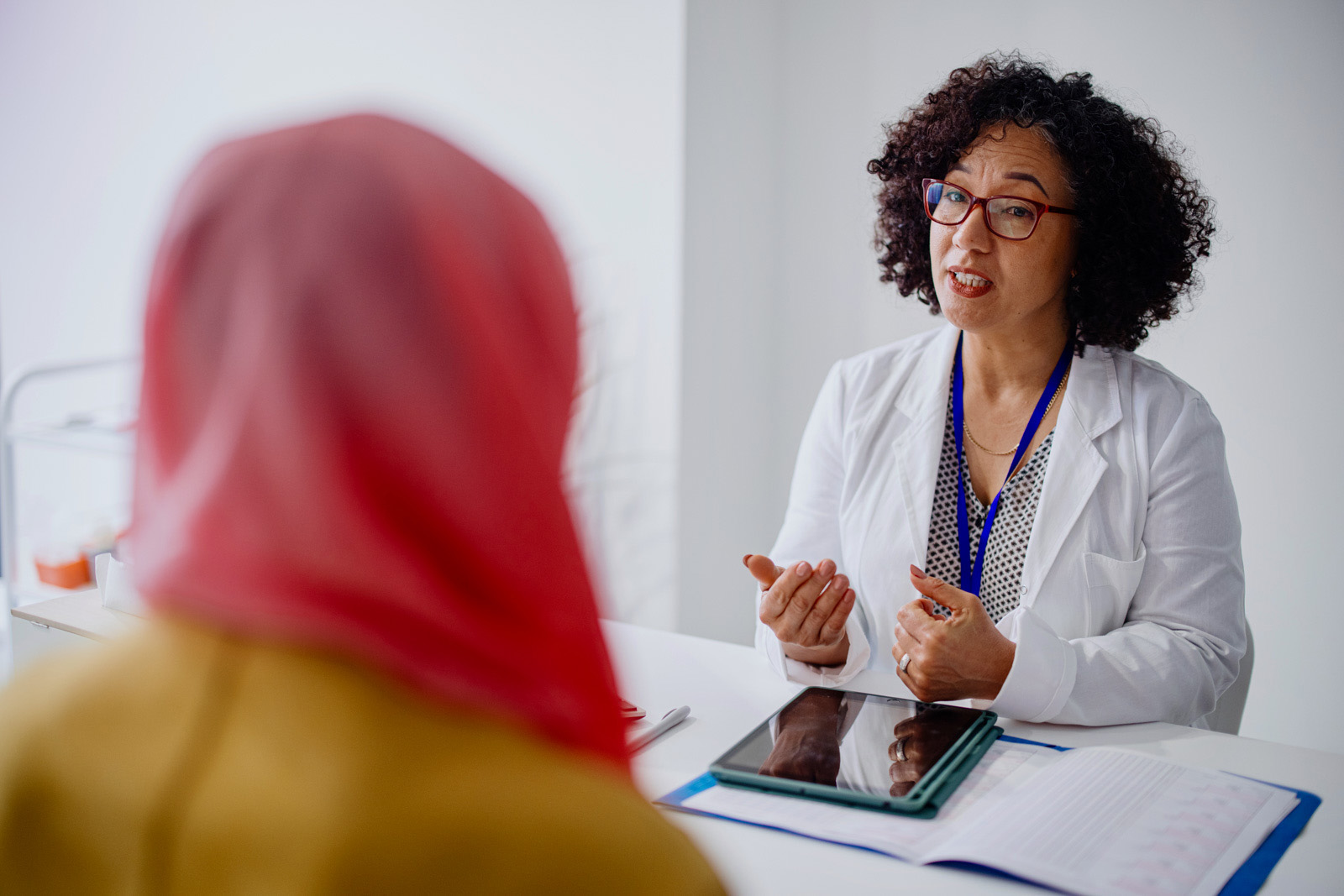
“Educating all healthcare professionals, from GPs to nurses, about how to tailor their responses and advice based on the cultural or religious background of patients can be transformative,” Harris said.
“For Muslim women in particular, receiving a diagnosis of endometriosis can be life-changing. Not only do we need to see change from a medical perspective, but also from our communities, so that Muslim women feel comfortable having open discussions about these issues and raising awareness on endometriosis as a result.”
Research by Endometriosis UK and Cysters, published in March, found that ethnic minority women also face delays in diagnosis due to racial biases. Harris said that without further training for healthcare professionals, women are likely to still face delays in diagnosis even with the addition of the two new tests.
“Interviews that I conducted with Muslim women found that they were treated differently when wearing a hijab or speaking in an accent that suggested they were from a different country,” she said. “Unfortunately, even with these new diagnostic methods, I think that Muslim women will still continue to encounter these issues both on their diagnosis journey and after.”
Shaista Gohir, CEO of the Muslim Women’s Network, echoed this view. She said Black women are the least likely of any ethnic group to receive a diagnosis. She explained that this is linked to racist stereotypes that Black women exaggerate their pain or have a higher pain threshold than others, which can make doctors less likely to recognise their symptoms and refer them for diagnostic testing.
“Diagnostic tests are only effective if a doctor refers a patient to receive them. These attitudes are rooted in racial bias and can lead to delayed diagnosis and treatment,” Gohir said.
“While new diagnostic tests are welcome, they will not, on their own, ensure that Black women are diagnosed more quickly. Meaningful improvement will require changes in attitudes, greater awareness of racial bias and more equitable clinical practice.”