
Muslim mental health inpatients given wudu kits to replace ‘cut-up milk jugs’
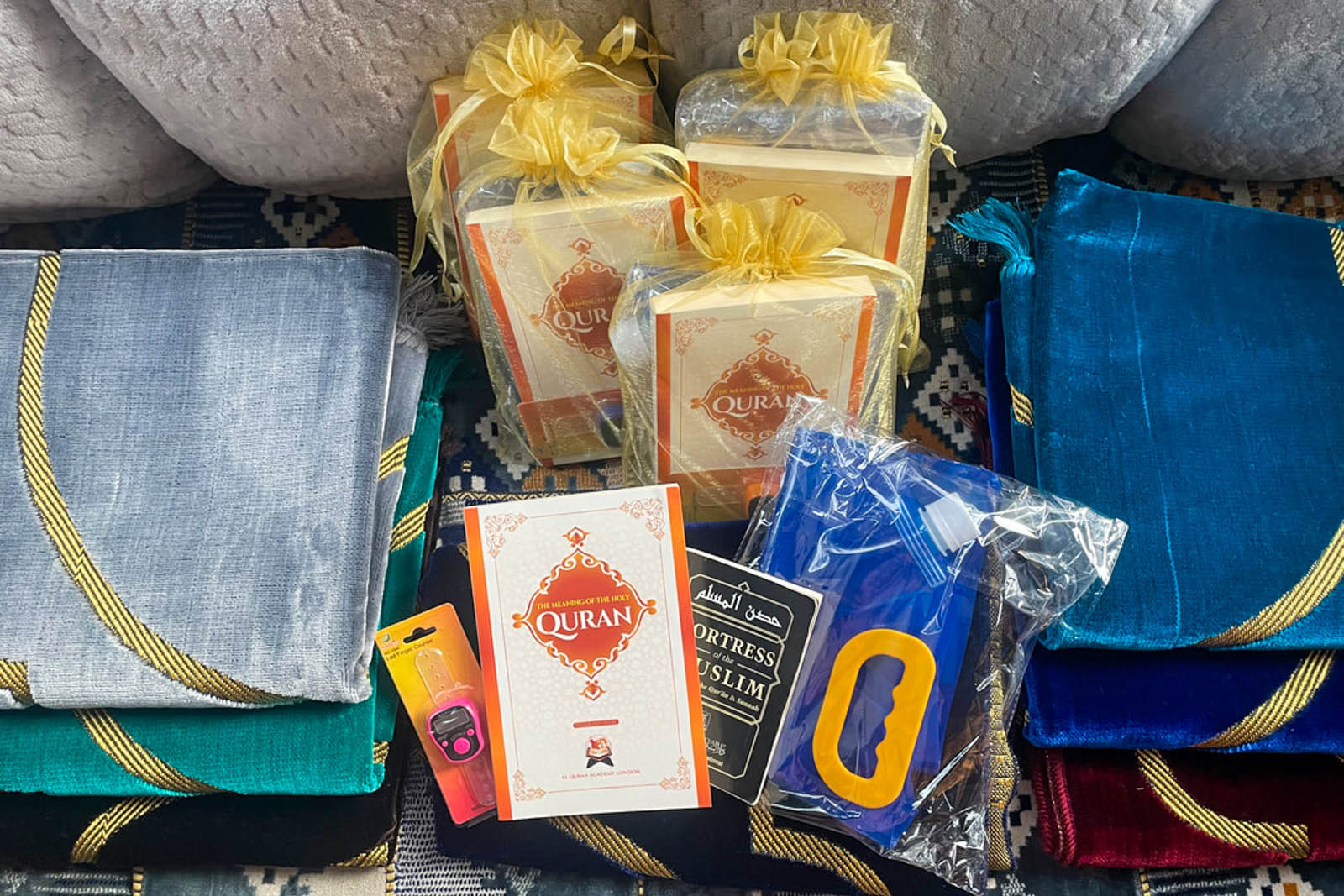
More than 80 prayer packs have been distributed by the grassroots organisation MLXN, run by and for Muslims with experiences of mental health recovery
Scores of Muslims admitted to inpatient mental health facilities have been given prayer packs containing rugs, wudu ablution kits and copies of the Qur’an thanks to an initiative run by community group MLXN.
More than 80 of the prayer packs have already been distributed by the organisation, a community interest company run by and for Muslims with experiences of mental health recovery.
Related content
“We knew that Muslims on psychiatric wards sometimes have to use cut-up milk jugs to make wudu,” said MLXN co-founder, Sarah Alshamari. “The packages we distribute are meant to support their mental health spiritually, so they contain things like a prayer mat, an English translation of the Qur’an, a digital tasbih, a book of duas and a collapsible wudu jug, so they can make wudu with dignity.”
The idea for MLXN, shorthand for “Muslim lived experience network”, came about three years ago when Alshamari witnessed a shortage of culturally appropriate support for Muslims while working as a peer support worker for a London NHS mental health trust.
“We were signposting people to quite secular spaces or groups held in churches,” Alshamari said. “There was not anything specifically for Muslims which included or celebrated faith — if anything, it was the opposite.”
Alshamari was also struck by the disproportionate numbers of Muslims she saw referred to mental health services.
“I was working in a borough where Muslims made up less than 20% of the population, but every morning meeting, when we discussed the most severe cases, every other patient had a Muslim name,” Alshamari recalled.
Her observations are in line with existing data showing that Muslims are more at risk of poor mental health and are less likely to benefit from common interventions such as talking therapies.
A 2021 study found that UK Muslims reported worse mental health than Christians and non-religious people. In the same year, only 2.6% of Muslims referred to NHS talking therapies completed their treatment — compared with 18.4% of Christians and 38.9% with no religious identity — while those who did complete the treatment were less likely than people from other religious backgrounds to recover.
“In our work, we found that many Muslims struggled to access mental health services and therefore had worse mental health, while those who did manage to access it often had negative experiences,” Alshamari said.
MLXN aims to bridge this gap. Launched initially as an online support group for Muslim women, it grew to include a monthly in-person social hub for all Muslims — currently taking place in Gordon Hospital in Westminster — as well as cultural competency workshops for NHS mental health staff and the faith kit distribution.
“Faith is such a big part of our identity as Muslims but I feel like the NHS ignores it completely,” said Aya,* who began attending the MLXN social hub earlier this year after accessing talking therapies through the NHS.
“My NHS therapist was able to help me with a lot of things but she was unable to help me with religious OCD, which was the main problem I went with. She just didn’t really know about Islam and I had to kind of explain it to her. Going in, I also worried about the therapist misunderstanding me or already having certain views about Islam. I felt like I had to hold back saying words like ‘alhamdulillah’ [‘praise be to God’].”
Aya told Hyphen that the MLXN social hubs had been “just what she needed”.
“You meet people who are Muslim and you see that they recovered and you hear their stories and you can relate to their way of thinking and how they approach things,” she said.
Recently, Aya has gone through peer-support training and she will be volunteering with the network’s free one-on-one support network, which is expected to launch later in 2026. The service will be open to all adults in London. People can sign up at MLXN’s website.
Related content
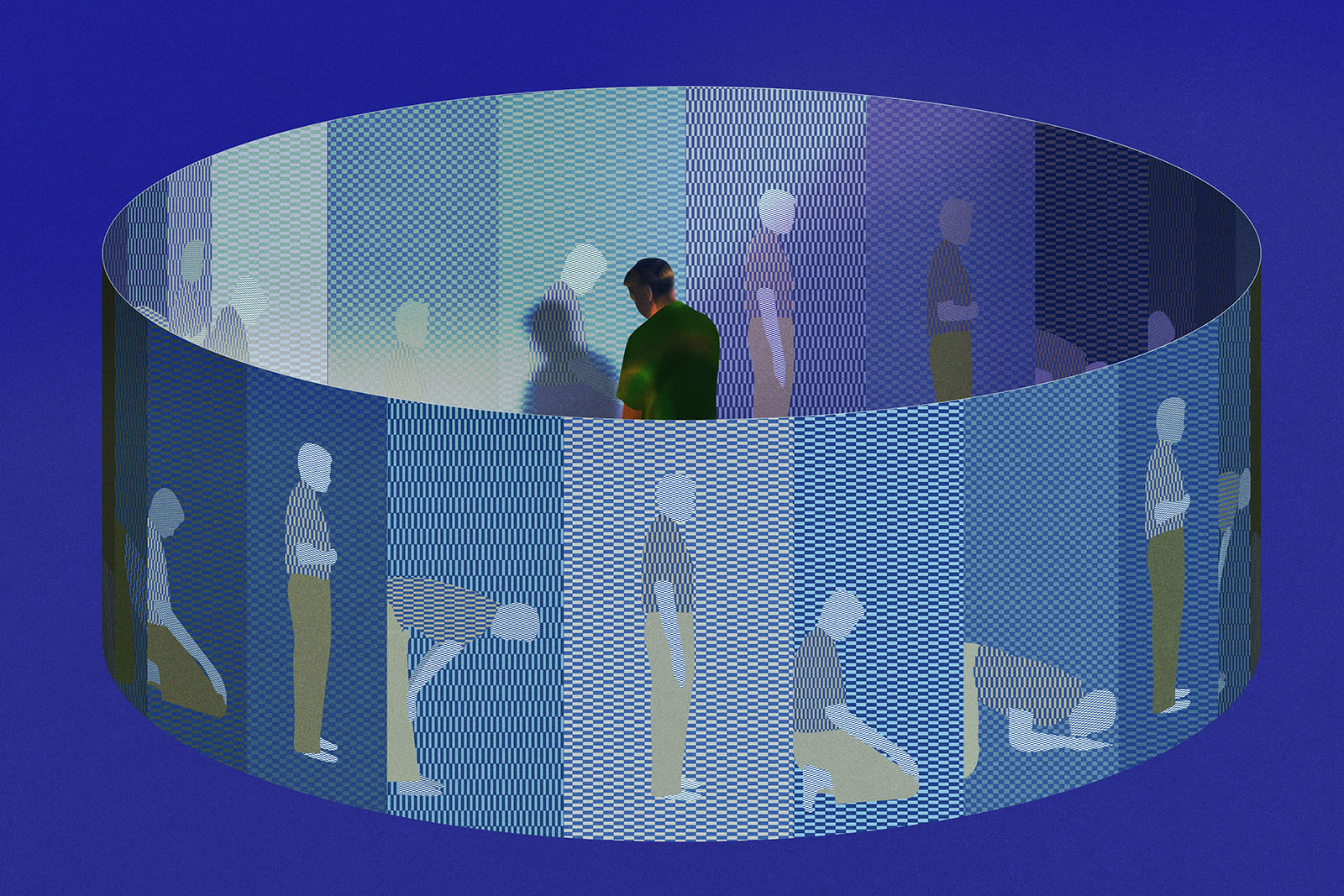
“The aim of the service is not to reduce symptoms, but to support people to work towards what they were created for,” Alshamari said. “We believe that Allah has created every single one of us with a purpose: with unique skills and talents to serve the ummah. But, a lot of the time, people struggling with mental health are just reduced to their diagnosis.”
All of the practitioners delivering the service are trained in peer support and will typically have similar mental health experiences to the service user.
This year, MLXN has also been able to deliver wellbeing workshops in mosques alongside a talking therapy team from NHS Sutton who previously took part in the organisation’s cultural competency training.
“Building community connections like these cannot be underestimated,” said Mira Lemke, wellbeing lead at NHS Sutton’s talking therapies service. “It builds understanding of how practitioners can use religion and psychology in a way that is helpful. Religion can be approached as a strength which can improve people’s lives and be connected to therapy.”
* Name has been changed