
West Midlands GP set to bring gynaecology-themed obstacle course to London
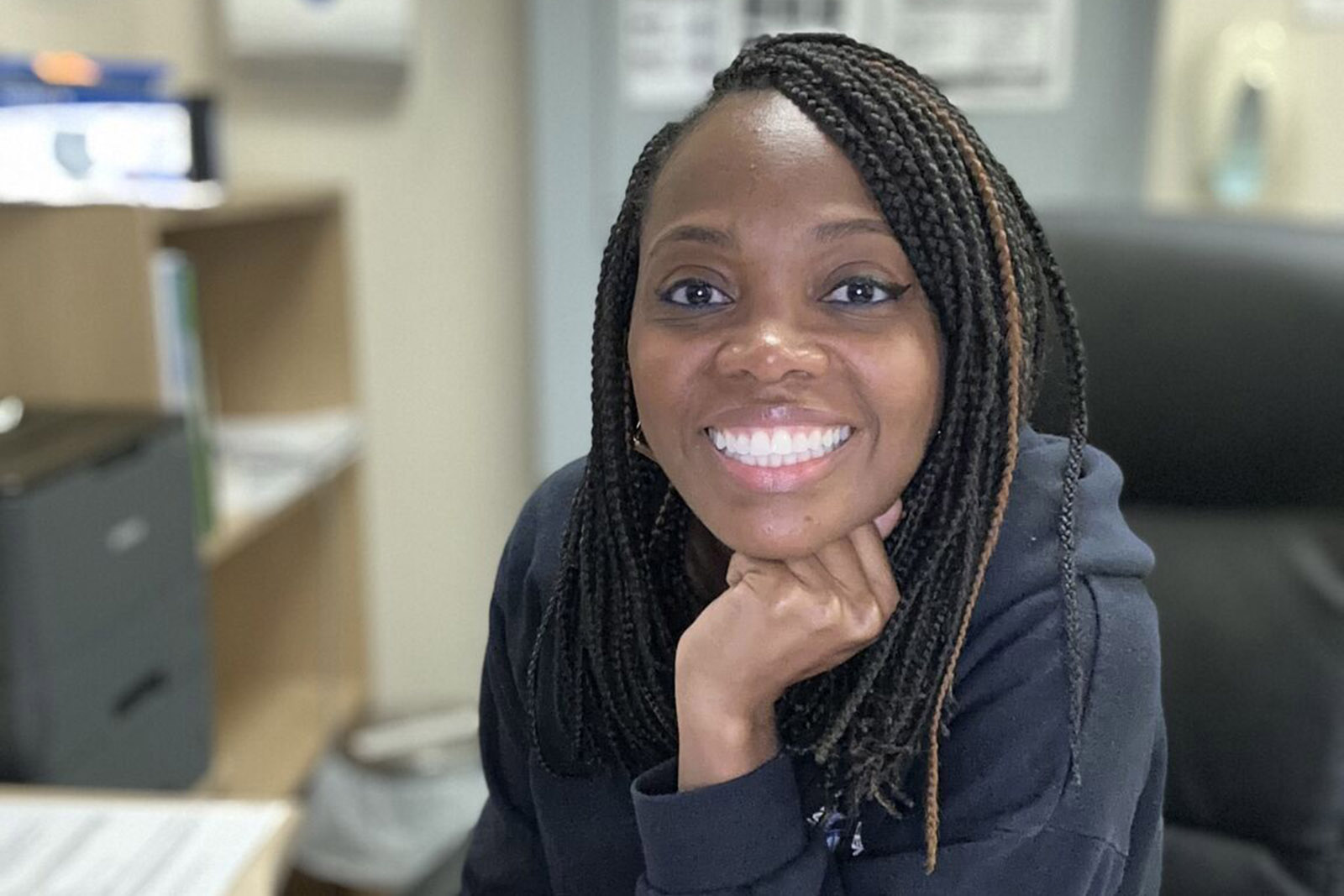
Women’s health campaigner Dr Aziza Sesay hopes her appearance at the Everywoman Festival on 13 June will encourage people with symptoms to seek help
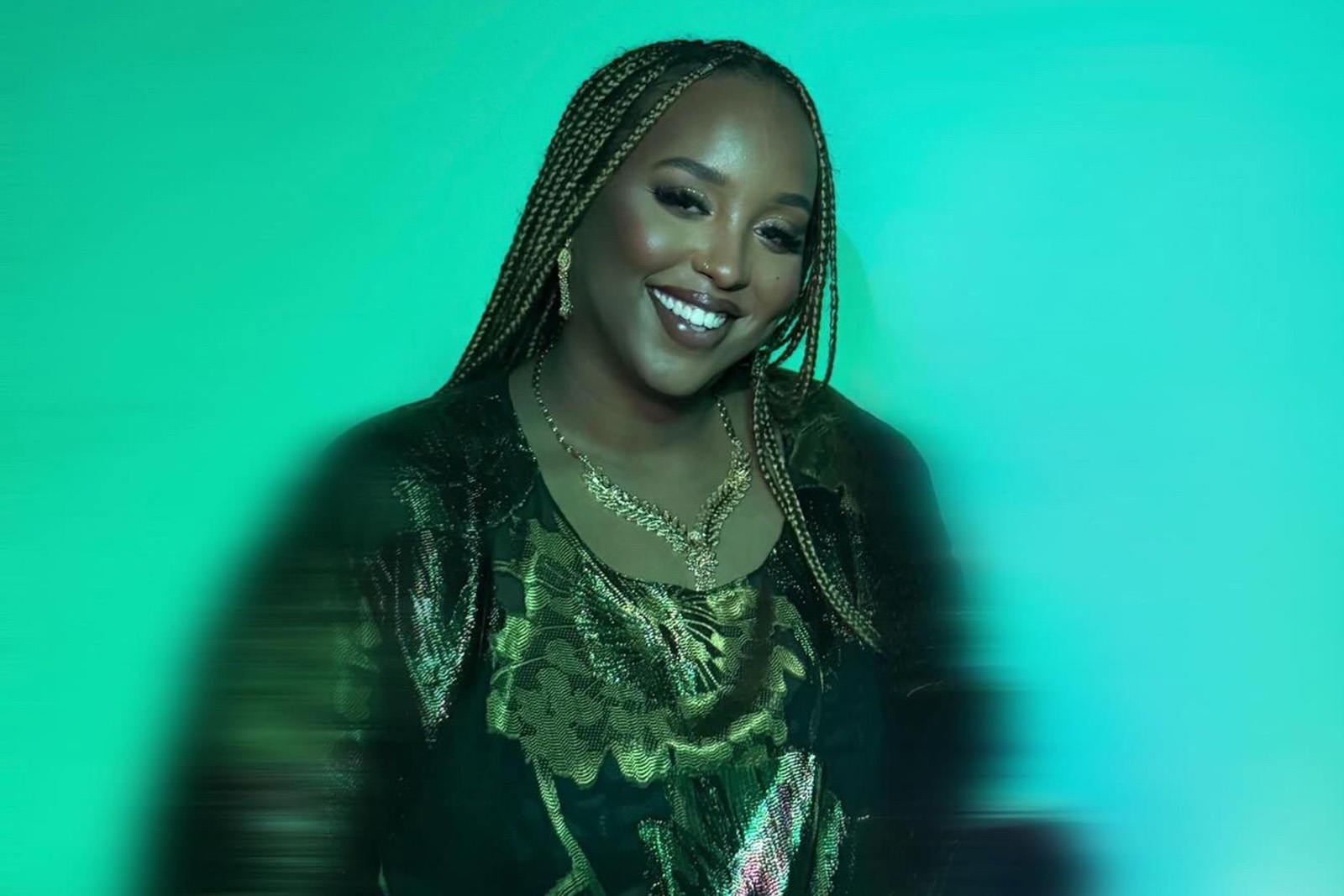
Words such as vulva, vagina and clitoris are medically accurate yet continue to be stigmatised, leaving people struggling to say them. For Dr Aziza Sesay, a family doctor in the West Midlands, the silence is unacceptable.
On Saturday, Sesay will take her They’re Not Bad Words campaign to the annual Everywoman Festival, which is taking place in London for the first time and is expected to attract more than 1,000 people.
She hopes that her interactive gynaecology-themed obstacle course — where teams will complete physical tasks while answering questions about women’s health and anatomy — will encourage people to speak more openly about their bodies and to advocate for themselves and seek help if needed.
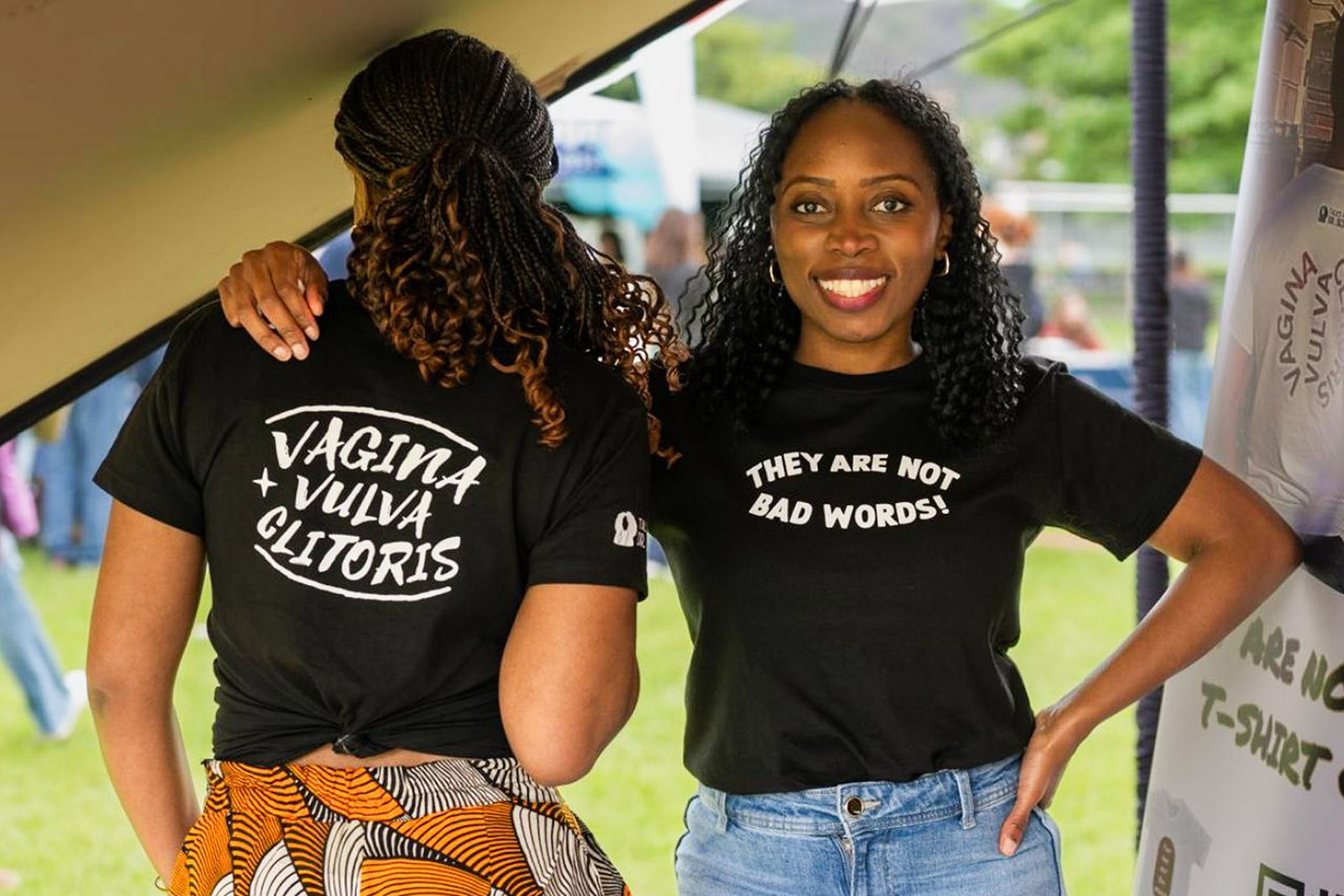
It’s part of a campaign that began in May 2025 and has seen Sesay produce educational videos on social media, merchandise and even a Christmas bid for the number one spot in the hope of sparking conversations about anatomy and reproductive health.
“Women are literally dying of embarrassment,” she said. “If we can’t name parts of our bodies, it becomes much harder to explain symptoms and seek help.”
She recalls seeing one patient who presented with a large lump on her vulva having already delayed seeking medical help, partly due to stigma around having a gynaecological-related issue. The woman was later diagnosed with vulval cancer and died a few months afterwards.
More than 22,000 people are diagnosed with gynaecological cancers each year in the UK, but research by The Eve Appeal suggests that lack of awareness remains a widespread issue. The charity found that only 2% of people could name all five gynaecological cancers, and only 7% of women felt they would have a good understanding of gynaecological symptoms before experiencing them.
Sesay also highlighted another case where an elderly woman told a male GP that she had pain “down there” and did not feel confident correcting him when he examined the wrong area.
Through her social media platform, Talks with Dr Sesay, she discusses a range of topics, from periods and reproductive health to menopause, helping make information more accessible to audiences who might not otherwise be exposed to content like hers or see themselves reflected elsewhere.
As a black Muslim GP, she acknowledges that in many communities — including her own — discussions around women’s health are difficult to have.
“There are loads of different cultural elements to this,” she said. “I definitely grew up in a household where this wasn’t spoken about openly.”
But she is quick to point out that attitudes can change. Family members who were once surprised and taken aback by her ideas are now her “biggest cheerleaders”, she said. “They wear the T-shirts, they sing the songs, and they share my content.”
The campaign’s impact also extends beyond the UK, with proceeds from selling her merchandise funding menstrual health workshops in Sierra Leone, where Sesay is from, at which young people learn about anatomy, periods and female genital mutilation. Sesay also teaches people there how to make reusable sanitary products when she visits.
“When we destigmatise words that should be normalised like our heads, shoulders, knees and toes, we can reduce shame, improve education and save lives,” she said.
The Everywoman Festival is at the Business Design Centre in Islington, north London, on Saturday 13 June.