
Cycle Sisters reflect on a decade of helping Muslim women saddle up
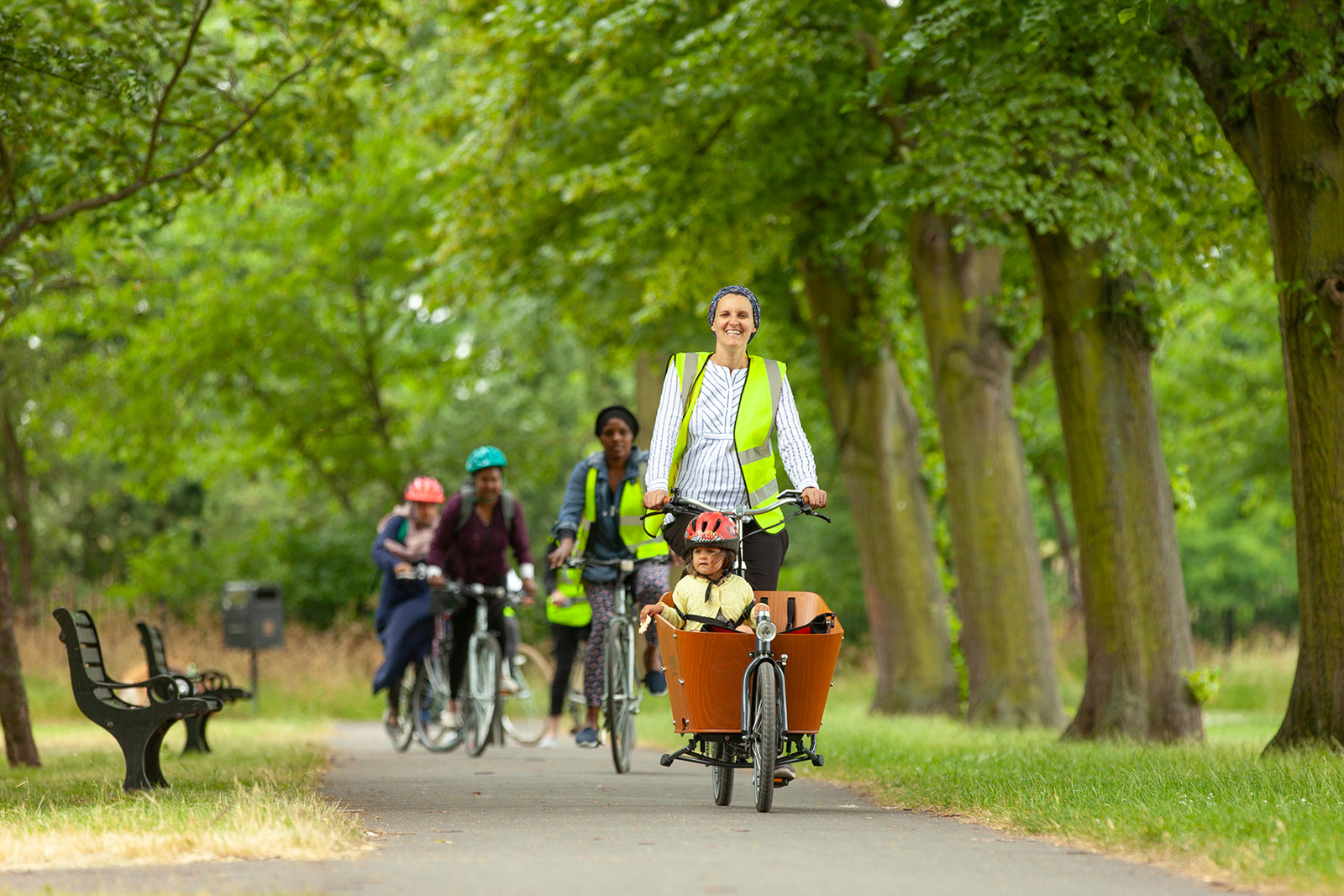
In 2016 Sarah Javaid founded a group to make cycling more accessible to those who might never have otherwise found a way in. Ten years on, the network is larger than ever

Sarah Javaid hadn’t ridden a bike for nearly 20 years when she decided to get back on one. She thought it would feel familiar, something like muscle memory. Instead, she found herself unexpectedly disorientated. The idea of cycling on London’s roads felt, in her words, “overwhelming in a way I hadn’t anticipated”.
“I thought I would just get back on, and it would be fine,” Javaid, 43, says. “But I realised I didn’t know where to start and I didn’t feel like the spaces I could see were really for me. There was no obvious place to begin.”
In 2016, Javaid founded Cycle Sisters, a Muslim women-led cycling network that has spent the past decade helping women get into cycling, particularly those who might never have otherwise found a way in. The organisation’s volunteer-led groups teach cycling for beginners or women who are getting back on bikes after years away.
“Through cycling, my independence, confidence and sense of community has increased far more than I ever imagined it would,” says instructor Deryn Ellis.
“Something I find really inspiring is seeing what women go on to achieve after joining Cycle Sisters,” she adds. “Some have taken part in major cycling events such as Etape Loch Ness and Etape Caledonia, others have completed triathlons.”
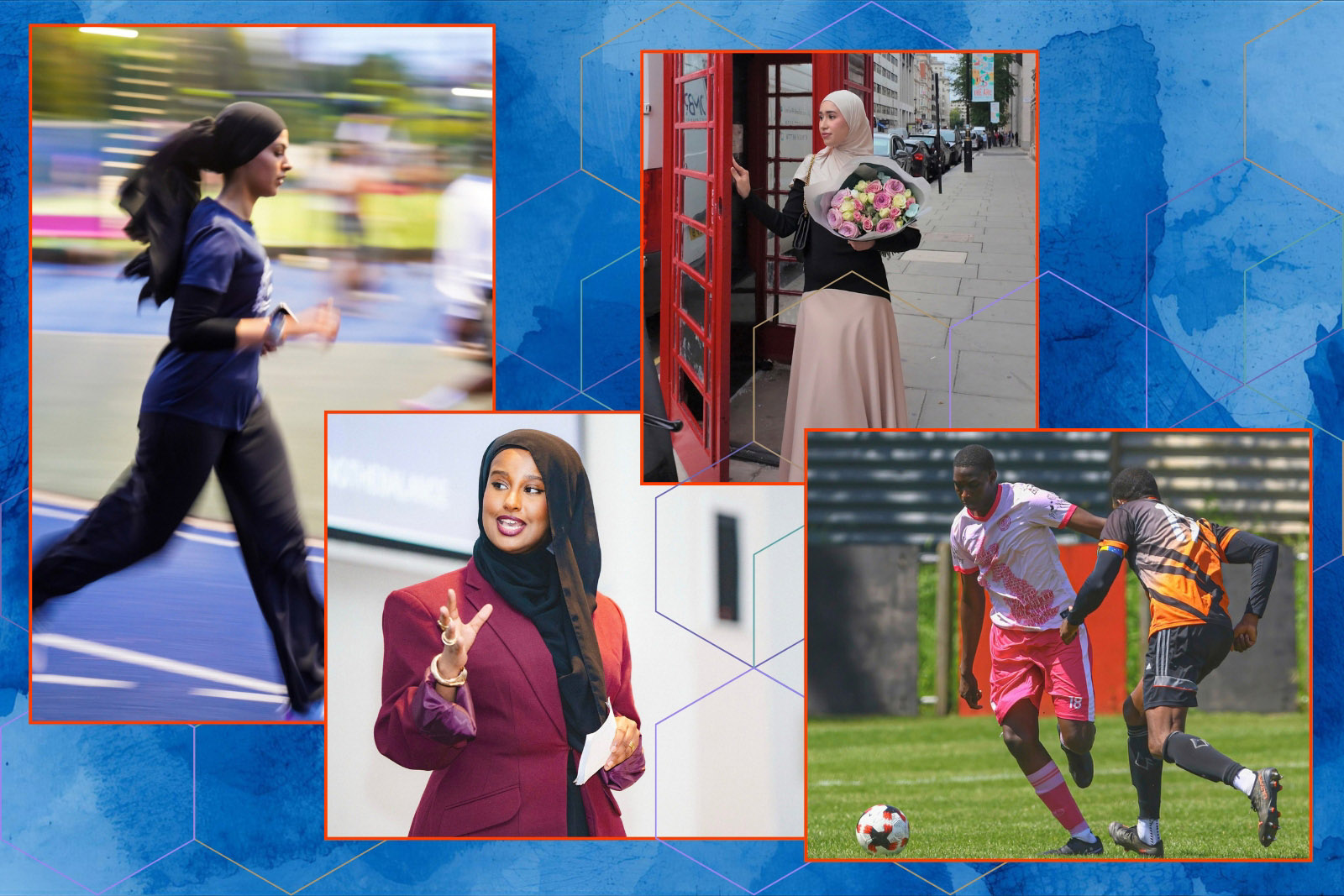
Muslim women in the UK are still underrepresented in sports. A 2023 report by the Muslimah Sports Association found that although 80% of Muslim women do sports casually, just 9% participate competitively. Many cited challenges in accessibility owing to a lack of women-only spaces and modest wear, and a fear of discrimination. Negative experiences had also stopped them from participating in sport.
Cycle Sisters began as a small, informal bike ride organised via WhatsApp with Javaid’s friend and sisters-in-law in Waltham Forest, where Javaid lives. They wanted to practise cycling together in order to get around the city independently. It’s since grown into an award-winning, multi-city network running beginner rides and lessons helping thousands of women access the sport without having to compromise cultural or religious values.
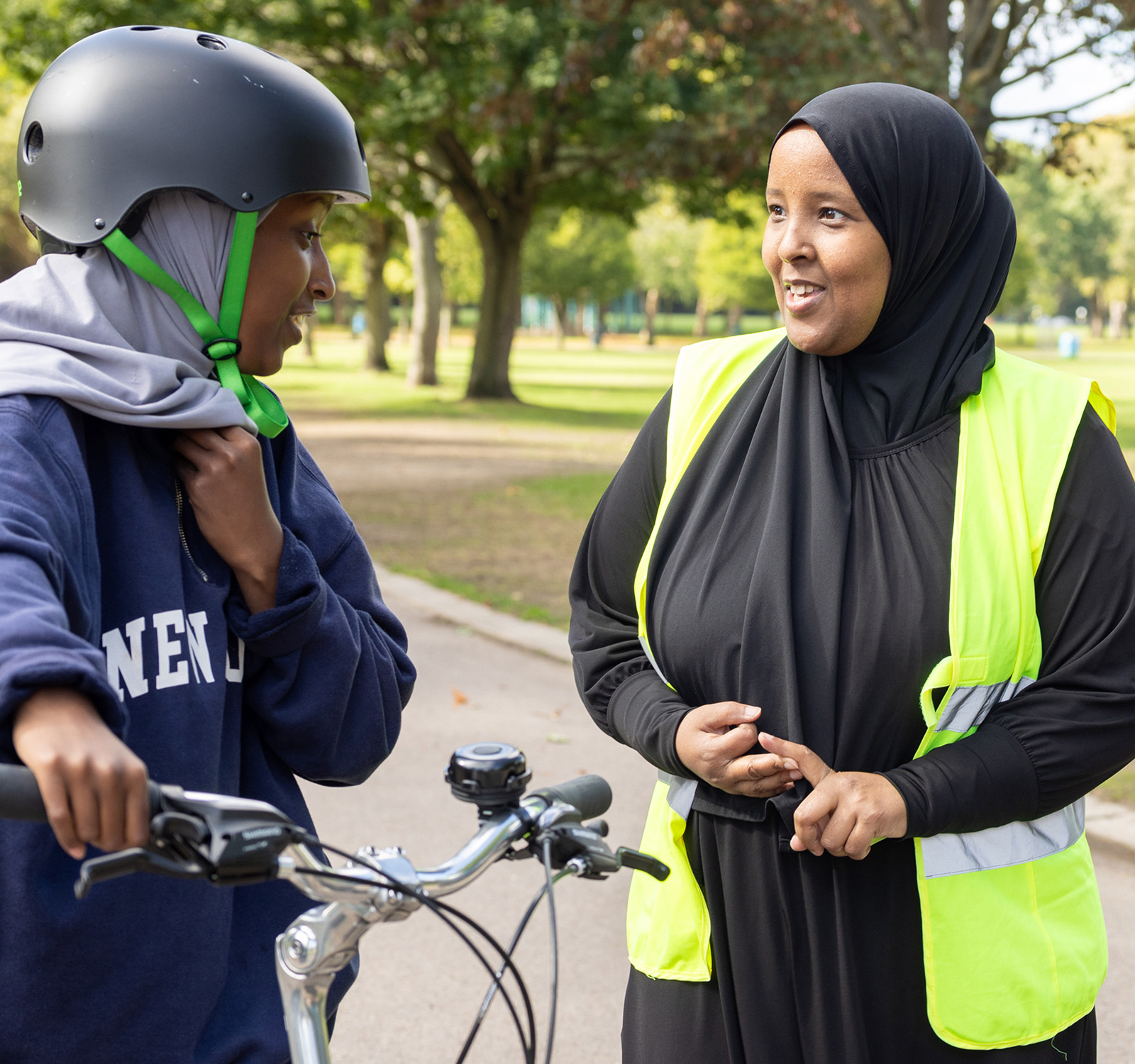
“At the time when I had young children, I was very unfit and I didn’t particularly enjoy exercise,” says Javaid. “And there were all these small things I didn’t know how to solve, how to cycle comfortably in modest clothing, whether I’d have to wear Lycra, whether I’d feel exposed on the road, whether I’d even be able to keep up. Looking back, it’s not hard to see how someone ends up thinking cycling just isn’t for them.”
For many Muslim and migrant women, those questions sit alongside wider constraints, including a lack of women-only spaces and concerns around safety and cultural expectations of being seen cycling in public.
Women began travelling from outside the borough to take part in Cycle Sisters’ rides, and word spread through families and friends. “It just kept growing,” Javaid says. “We realised there needed to be a more structured way of supporting these women to cycle.” The cycling lessons in Tower Hamlets, for example, start at 9.30am so they’re finished before afternoon prayers.
Cycling, Javaid says, is not just about learning to ride. “Cycling is often the starting point, but it is rarely the whole story,” she says. “We have seen women who once felt isolated build strong social networks and friendships.”
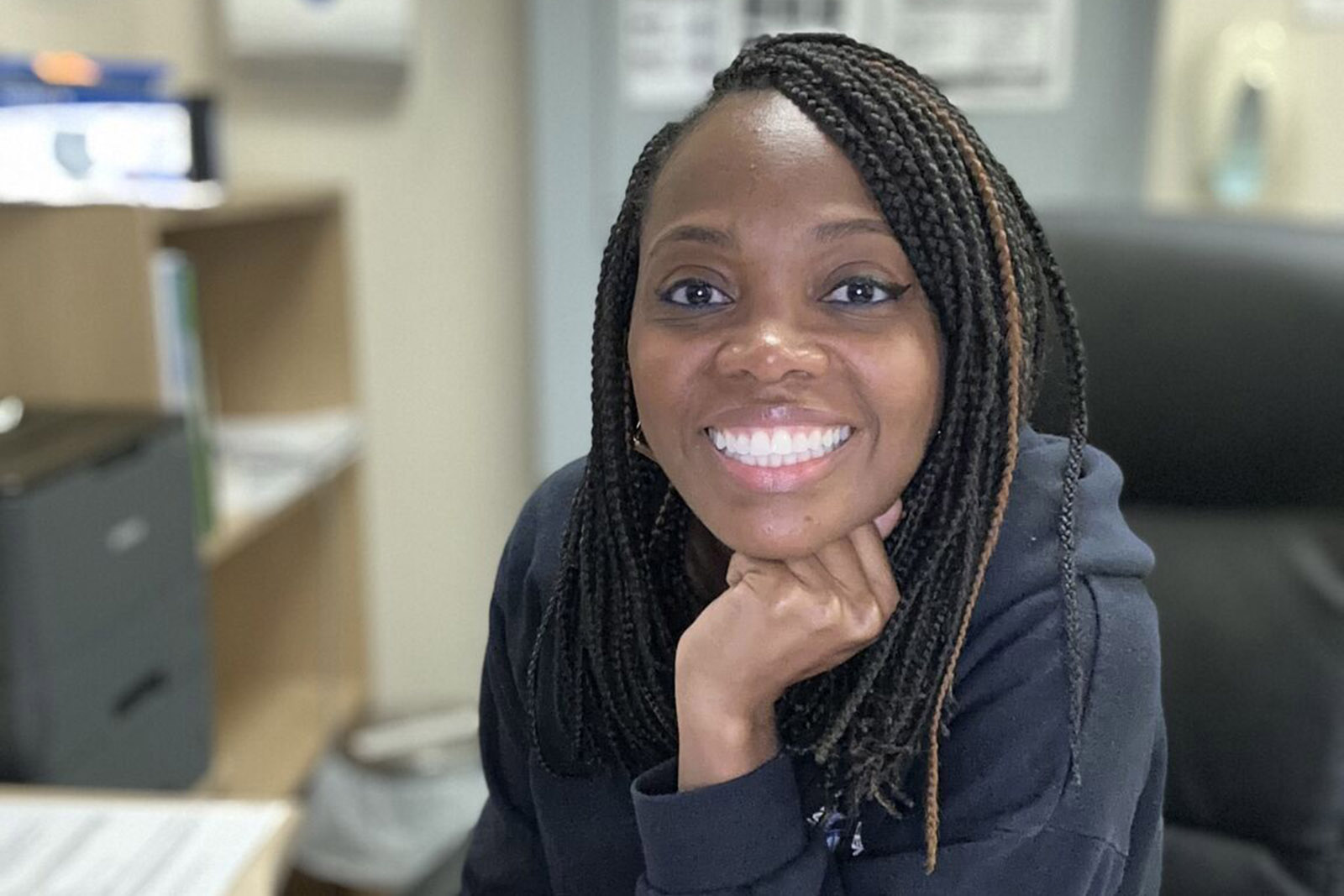
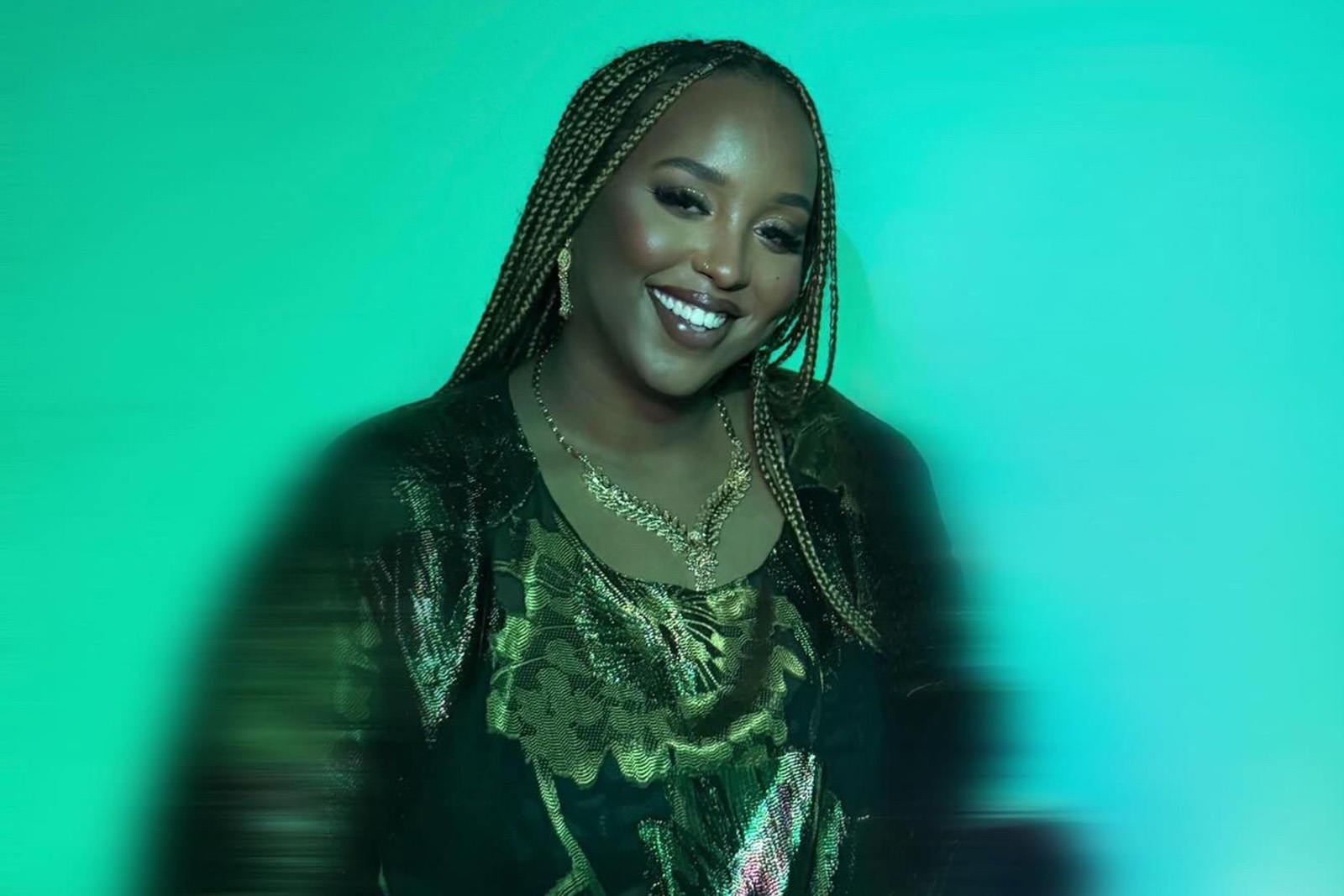
Rahma, from London, joined Cycle Sisters in 2023 after being diagnosed with multiple sclerosis and was looking for a way to stay active as her mobility changed. She has since become a cycling instructor with a focus on supporting Somali women.
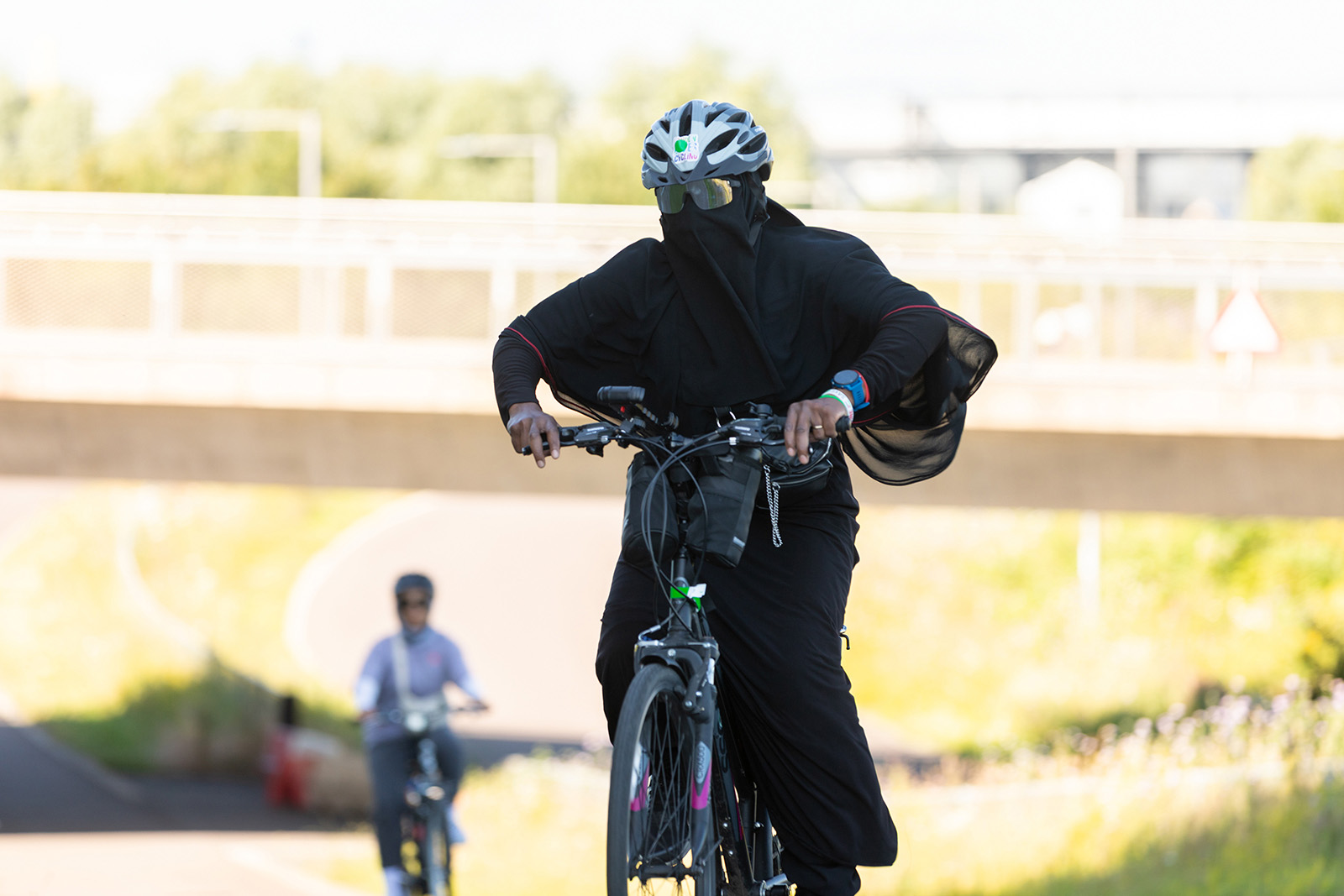
“Watching her journey has been incredible,” says Javaid. “Despite significant personal challenges, she has continued to demonstrate resilience, leadership and commitment to helping others.”
“I want others to see that no matter your background or challenges, you belong in this space and your presence matters,” Rahma says. “Being a Black Muslim woman in a hijab feels like being a light in a crowd. There’s extra pressure and responsibility in leading a group and representing an entire community, but it’s also an honour.”
Taqia, also from London, did not learn to ride a bike until her 40s. After several years with Cycle Sisters, she now leads group rides.
Related content
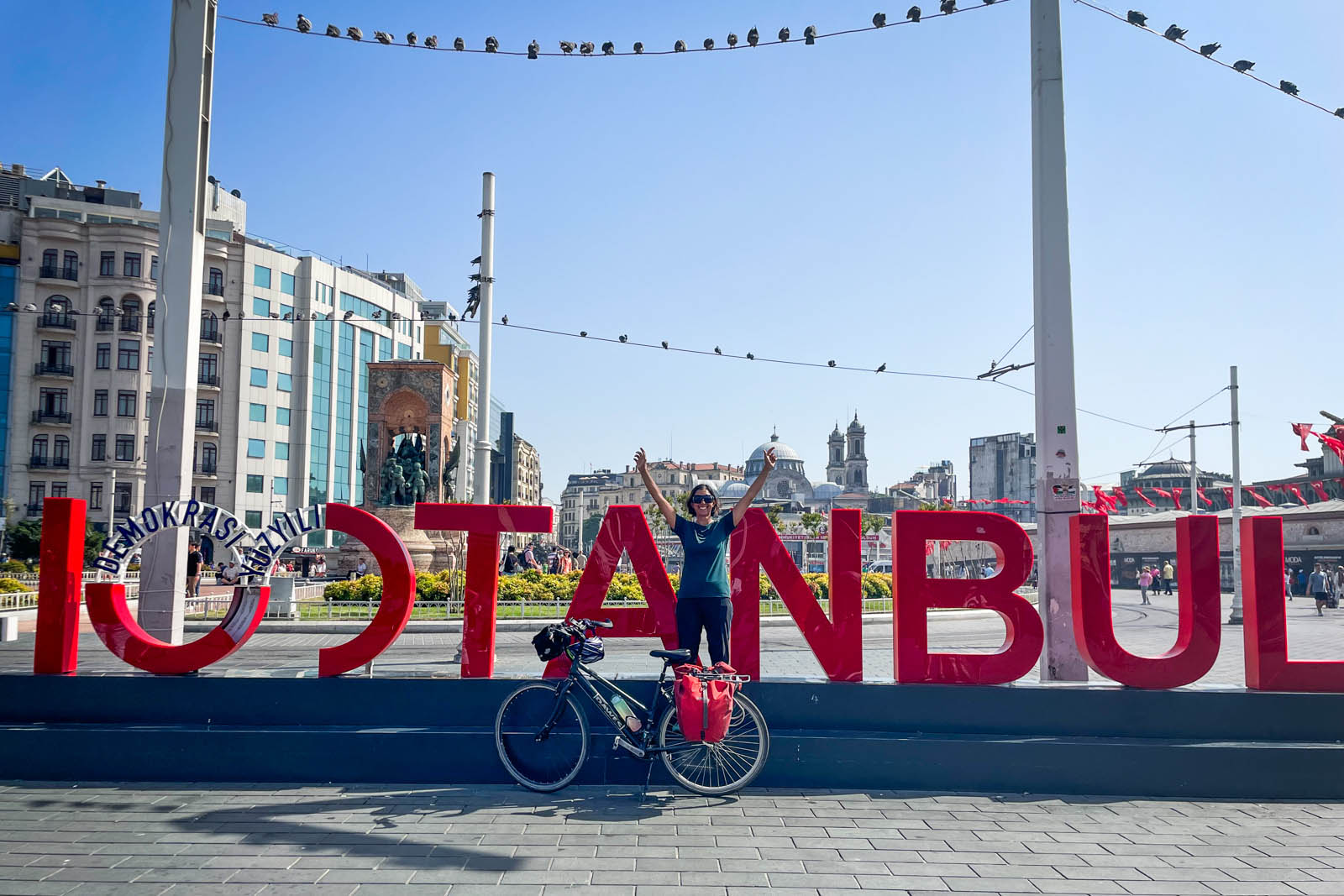
“Being a Black and munaqaba [face veil-wearing] cyclist, I hope it will encourage others to see that there are no barriers in cycling,” she says. “Cycling is for everyone regardless of race, age, faith or gender. I aim to challenge stereotypes by being visible and active, especially to those who think women or Muslims don’t cycle.”
Over the past decade the organisation has gone on to become a Bikeability training provider, as part of the government’s national programme for children in England, and recently secured its first local authority contract. Cycle Sisters’ Redbridge volunteer network was awarded a mayor’s community award in 2026 by the London Borough of Redbridge, in acknowledgment of its 55 women-only rides in the past year.
“Once you remove those barriers around confidence, safety, cost and access, and create the right environment, women don’t have to be convinced,” Javaid says. “They just need somewhere that makes it possible to start — something Cycle Sisters has helped provide in practice over the past 10 years.”