Muslim education leaders back plans for national religious education curriculum
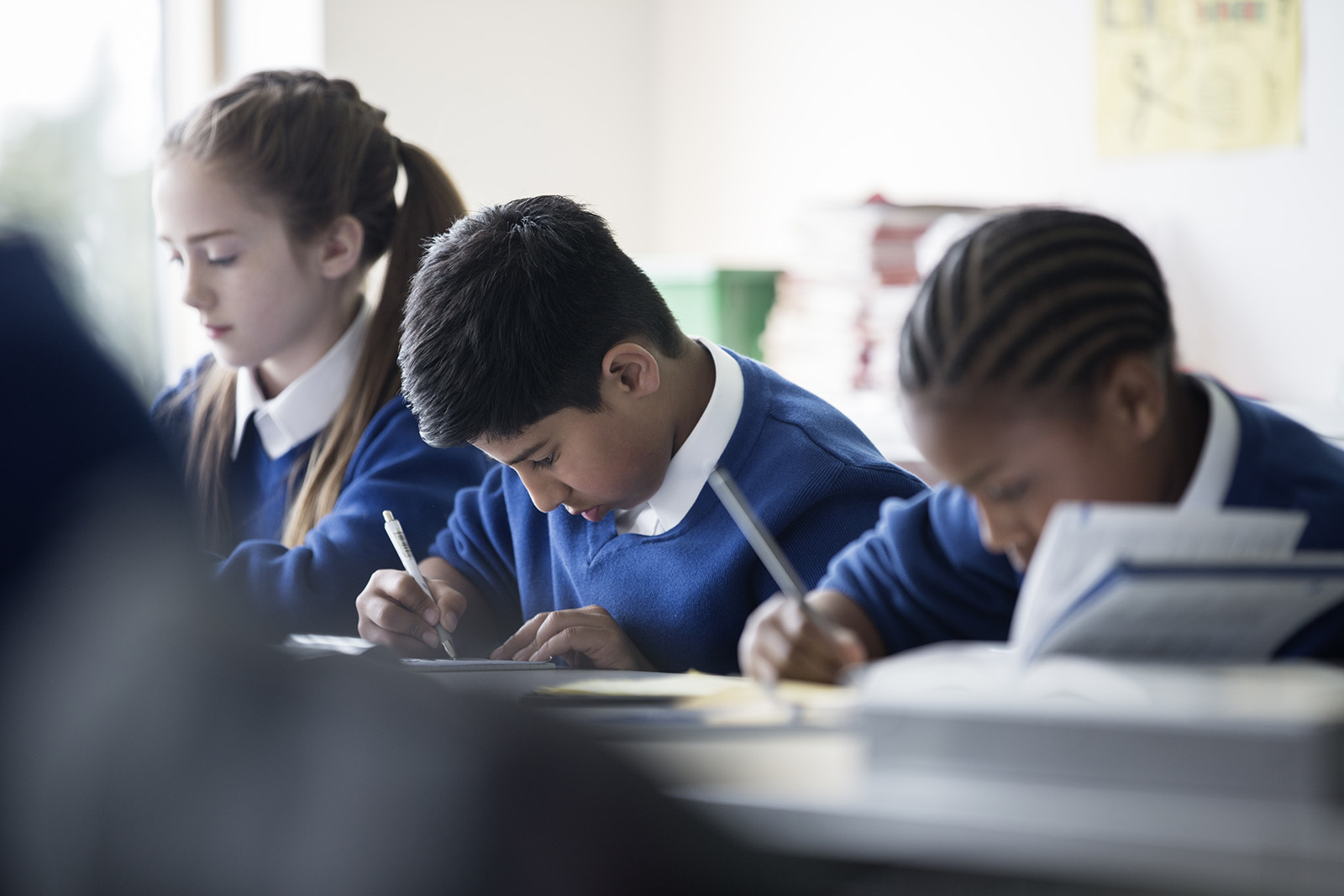
The government is expected to launch a consultation in September to bring RE into the national curriculum for the first time

Muslim education leaders have welcomed government plans to make religious education (RE) part of England’s national curriculum, saying the changes would improve religious literacy and help pupils to better understand Britain’s diverse faith communities.
Sara Saigol, schools lead at the Islamic Society of Britain (ISB), said the reforms would finally give the subject the status it deserves.
“RE is just not getting the attention it needs,” she said. “Once it’s a part of the national curriculum, it will be given a designated time that schools have to meet and training for teachers, which will lift the standard.”
The government is expected to launch a consultation in September after agreeing in 2025 to bring RE into the national curriculum for the first time. Although the subject has been compulsory in schools in England and Wales since the 1988 Education Reform Act, it is currently taught through locally agreed syllabuses developed by Standing Advisory Councils on Religious Education (SACREs) — local bodies made up of teachers, councillors and faith representatives who advise local authorities on RE in schools — leading to significant variation across the country.
The proposal follows the independent Curriculum and Assessment Review in 2025, which found that RE’s importance is “not currently reflected in its standing in the curriculum”. The review recommends giving the subject national curriculum status to improve access to high-quality RE and prevent its continued decline in schools.
Current guidance recommends around 5% of curriculum time for RE in most state schools — roughly one hour a week in primary and secondary schools — although schools can compress that time or combine it with citizenship and personal, social, health and economic education (PSHE).
Through the ISB’s schools programme, Saigol, who is also a member of Trafford’s SACRE in Greater Manchester, trains mosque volunteers and supports teachers through classroom workshops and mosque visits. She said many teachers acknowledge that they lack the confidence and knowledge to teach Islam.
“Many primary school teachers have said they really struggle to teach Islam because they don’t understand it well enough,” she said.
Saigol believes the reforms present an opportunity to move beyond teaching religion as a set of facts and towards helping pupils to understand how faith is lived in everyday life.
“You’ve got your substantive knowledge — the five pillars, the articles of faith and the differences between Sunni and Shia Islam,” she said. “But then there’s also the experiential knowledge because Islam is the practice of people.”
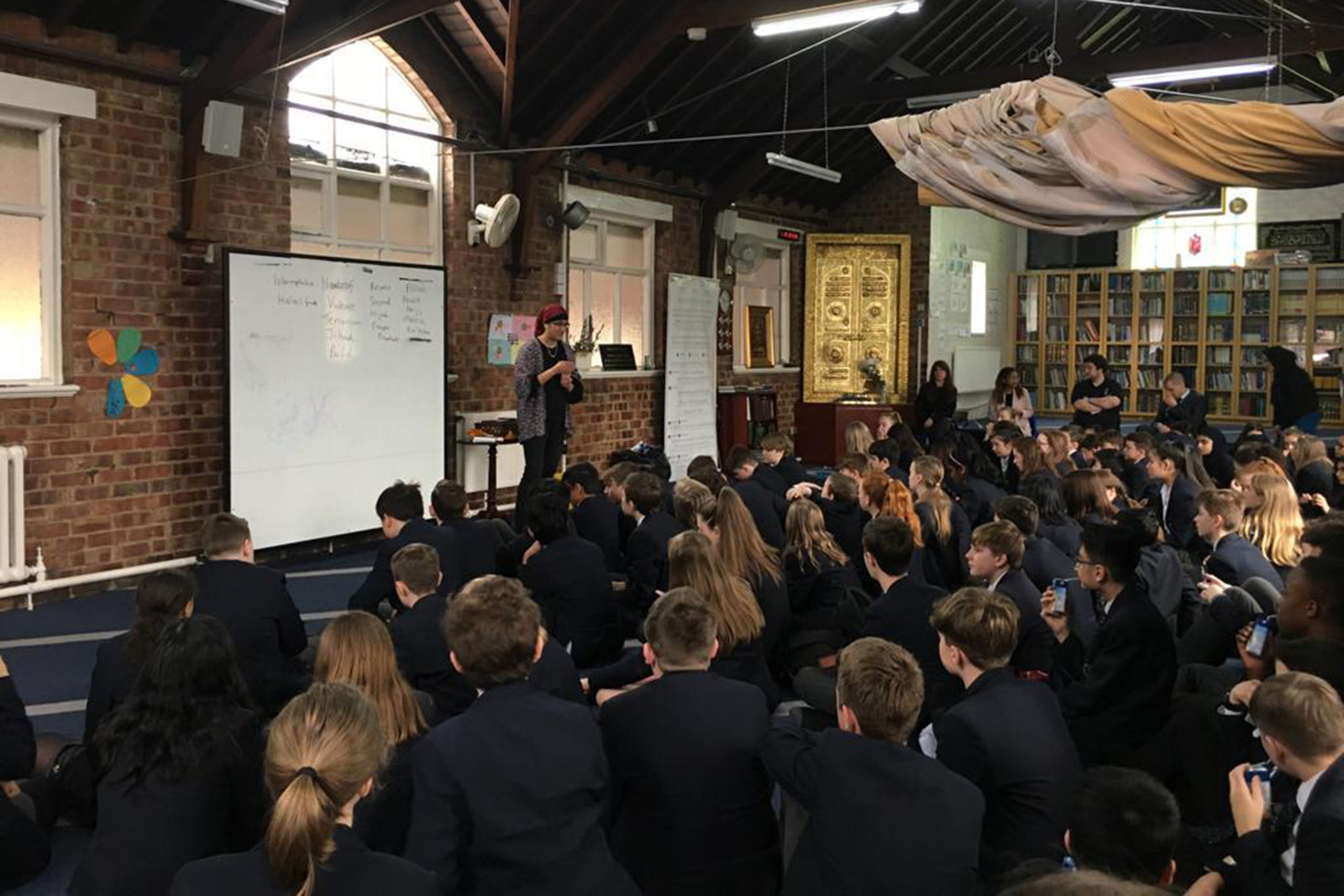
Saigol said better RE could also help to tackle anti-Muslim hate by encouraging pupils to question stereotypes.
“There needs to be a conscious effort to tackle anti-Muslim hate by dismantling tropes and teaching young people critical thinking, so when they’re looking at headlines, they can critically analyse why they’re framed the way they are and the impact,” she said.
Hassan Joudi, spokesperson for the Muslim Council of Britain, told Hyphen the biggest obstacle to improving religious education was not necessarily the curriculum itself, but how it is delivered.
“The challenge with RE teaching in England is in the infrastructure around its delivery and the importance the curriculum places on it,” he said.
Joudi added that there was “no silver bullet” to tackling prejudice, but argued that improving faith literacy from a young age could help challenge misconceptions and foster greater understanding between people of different faiths.
Afsha Hussain, manager of Equilibria, a charity that works to improve understanding of Islam in schools, and a member of Leeds SACRE, also welcomed the proposals but cautioned against losing the local expertise developed through SACREs.
While supporting a nationally agreed curriculum for pupils, Hussain said local SACREs should continue shaping RE by drawing on the knowledge of local faith communities and responding to the needs of schools in their areas.
“The best outcome would be where you’ve got that high-quality national entitlement for every pupil, but it’s enriched by local expertise, by community partnerships and by that meaningful dialogue that we have,” she said.
For Hussain, that lived experience should remain at the core of RE, regardless of how the curriculum changes.
“Children learn best about religion when they’re hearing, or they’re learning about the religion from a personal perspective,” she said. “It’s that lived experience that is really crucial.”