Fund specialist Muslim domestic abuse services, charities urge government
Plea comes as chancellor pledges £55m to tackle violence against women and girls amid backdrop of rising suicide figures
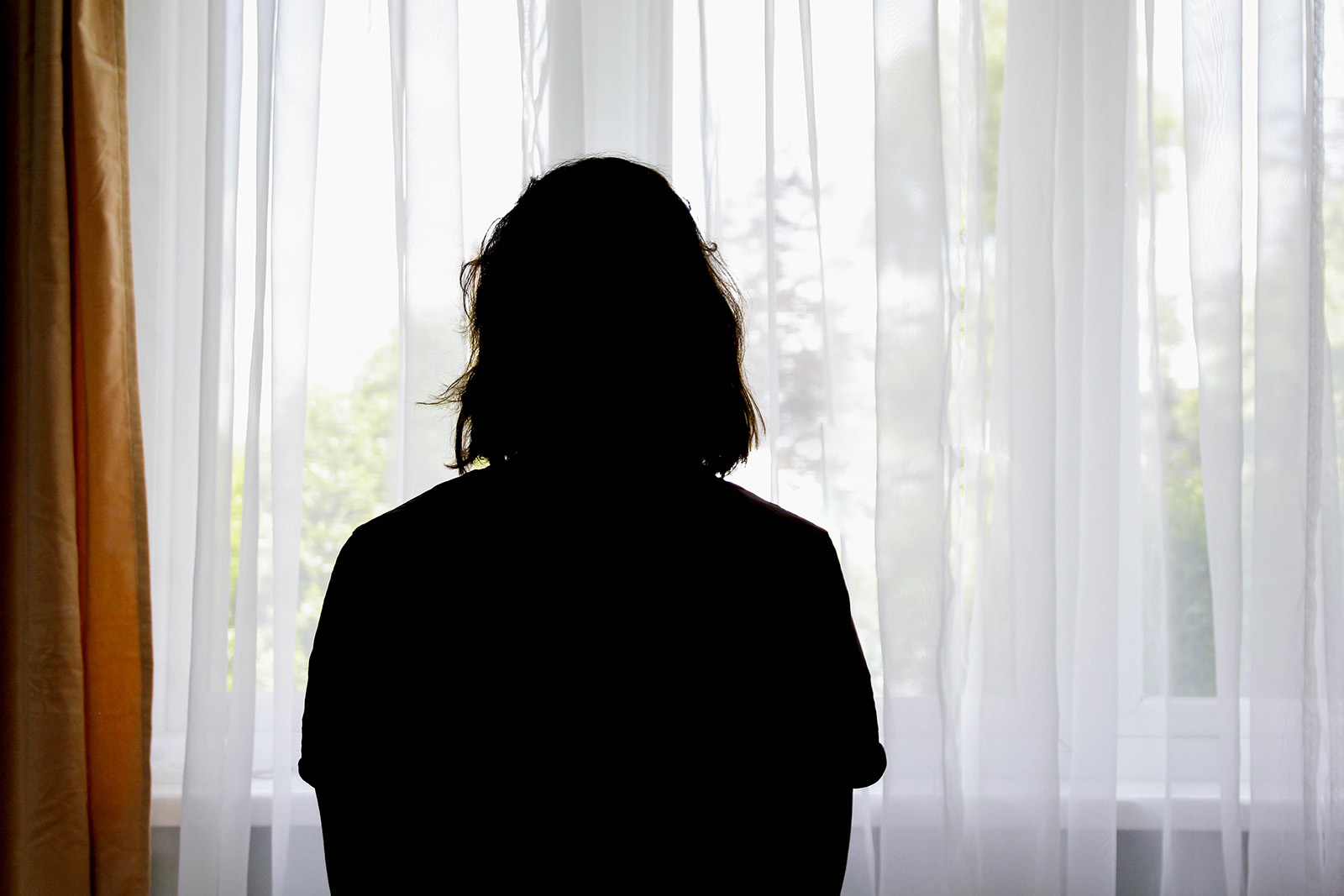
Domestic violence charities are urging the government to fund more culturally sensitive support for Muslim women, with suicides following abuse now making up more than a third of domestic violence deaths.
The Domestic Homicide Project recorded 1,452 deaths between April 2020 and March 2025 in England and Wales, with 38% being marked as suspected victim suicides following domestic abuse (SVSDA). For three consecutive years, its research found, SVSDA has been the single largest killer of domestic violence victims, ahead of intimate partner killings.
Related content

Most victims’ religion is not recorded but, for the 69 where it was, 19% were identified as Muslim. Most SVSDA victims were women but the Domestic Homicide Project also identified 22% of victims to be men.
The Muslim Women’s Network Helpline told Hyphen there had been an “alarming surge” in calls relating to suicidal ideation and requiring acute crisis interventions over the past three years. The charity said it had received 39 calls relating to suicide in 2024 and 41 in 2025. As of October 2026, the service has already reported 36 cases.
“We are seeing a disturbing shift not just in the volume of women reaching out, but in the severity and lethality of the situations they are facing,” said Shameem Shakat-Hussein, operations director at Muslim Women’s Network UK. “The waitlist for our counselling services have tripled, pointing to a critical shortage of culturally sensitive crisis infrastructure.”
While SVSDA now makes up most deaths linked to domestic abuse, the numbers do not suggest an increase in victims. Rather, the Domestic Homicide Project links the increase to improved awareness and recording of suicides folowing the introduction of Domestic Abuse Related Death Review (DARDR) in 2024, a multi-agency investigation that must take place when a local multi-disciplinary group determines that the death of a person aged 16 or over may have been the result of domestic abuse.
“Prolonged psychological abuse and coercive control can contribute to severe emotional distress and suicidal ideation,” said Nasima Abukar, campaigns and communications manager at the Iranian and Kurdish Women’s Rights Organisation (IKWRO), a charity that provides counselling to women experiencing so-called “honour-based” abuse. “There are also serious concerns about cases in which women may be pressured or coerced towards suicide in the context of ‘honour-based’ abuse.”
Abukar estimates the service receives at least two referrals a week of women experiencing suicidal ideations alongside domestic abuse, “honour-based” abuse or coercive control.
Over the last five years, The Domestic Homicide Project found that only 3% of SVSDA deaths had resulted in someone being charged. In April 2026, Lee Milne became the first person in Britain to be convicted of killing an ex-partner, after Kimberly Milne killed herself in 2023 following prolonged domestic abuse.
IKWRO is among 74 domestic violence charities and organisers supporting Project Resist’s Suicide is Homicide campaign pushing for more thorough investigations into deaths where abuse may have been a contributing factor.
In its frontline work, Abukar said, IKWRO has found that social workers, police and healthcare practitioners do not always have sufficient training to recognise and support victims of SVSDA before their deaths. “Suicide following domestic abuse should not automatically be understood solely as an individual mental health issue,” said Abukar. “Where there is evidence of prolonged violence, those circumstances must be properly considered in safeguarding responses and investigations.” IKWRO also identified vulnerabilities alongside faith, such as insecure immigration status, disability and language barriers as risk factors for SVSDA.
To support women experiencing suicidal ideation as a result of abuse, Shakat-Hussain is calling on greater funding from the government for more counselling spaces that “understand the complex intersectional circumstances” of Muslim women.
Related content

“Mainstream services should become more culturally competent, but specialist organisations also need sustainable funding,” she said. “Women should not have to educate professionals before receiving support. By [professionals and services] understanding the complexities Muslim women face, including stigma, community pressure, ‘honour-based’ abuse and the misuse of religious beliefs to justify abuse, it allows women to focus on their recovery rather than explaining their background.”
With the budget pledging £55 million over two years to support the government’s campaign to halve rates of violence against women and girls in a decade, Shakat-Hussain is encouraging ministers to change how they view culturally sensitive support. “It is not a specialist extra,” she said. “It is an essential part of ensuring all women can access help safely and effectively when they need it most.”
In the UK, call the Muslim Women’s Network Helpline on 0800 999 5786. Amina, the Muslim Women’s Resource Centre, also has a helpline number, 0808 801 0301. The national domestic abuse helpline number is 0808 2000 247.