
‘A lot of these women fled war and trauma’: the community garden offering refugees a place to grow
The Appletree project in Wakefield acts as a vital green space for women, removing barriers to access and health inequality that might exist due to culture or religion

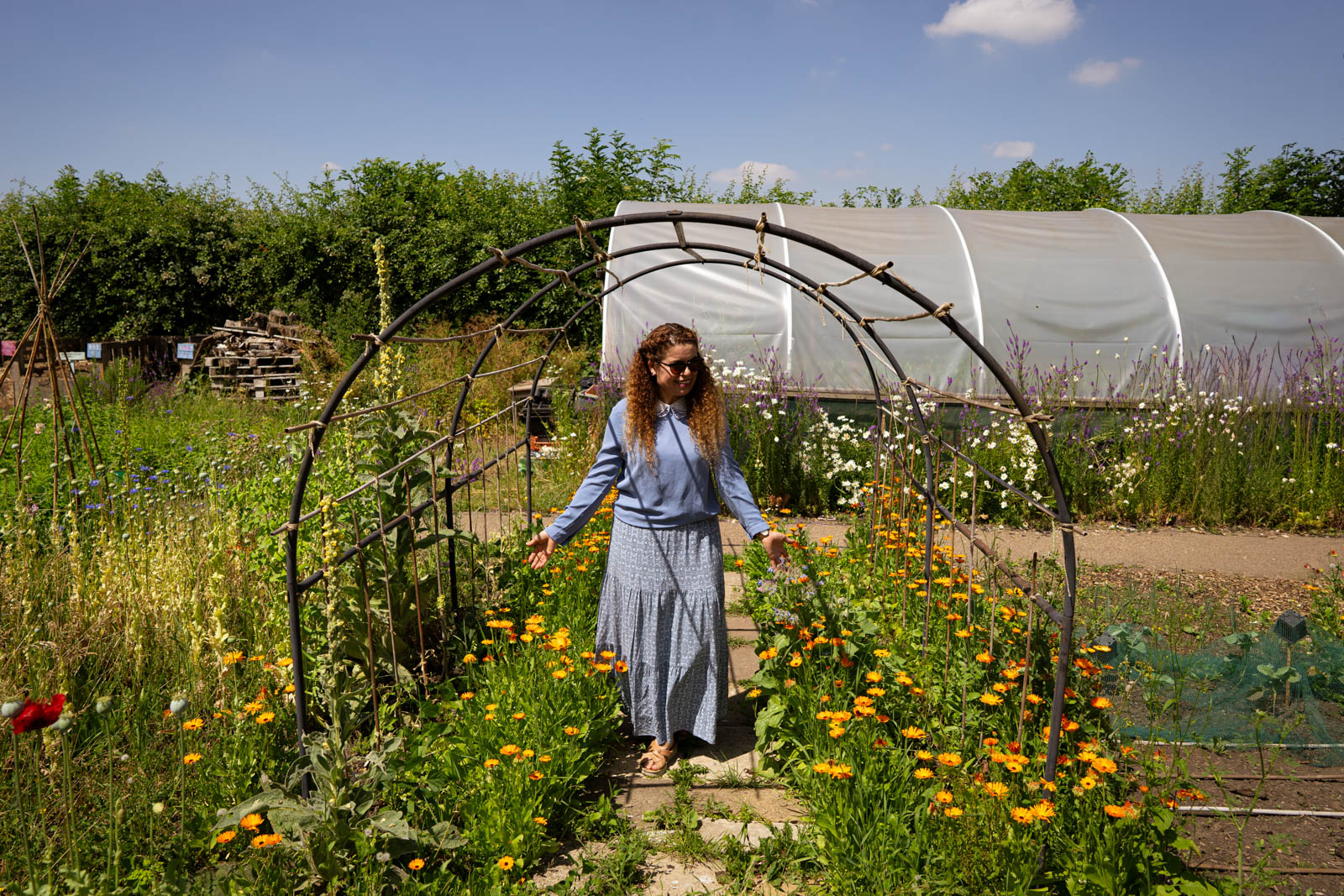
Humaira Obaid, 40, grew up in Pakistan on her father’s large farm but she never planted a vegetable herself until she moved to Agbrigg in 2014, a suburb of Wakefield, West Yorkshire. There, hidden between rows of tightly packed Victorian terraces – once housing the town’s miner families – she found the Appletree Community Garden.
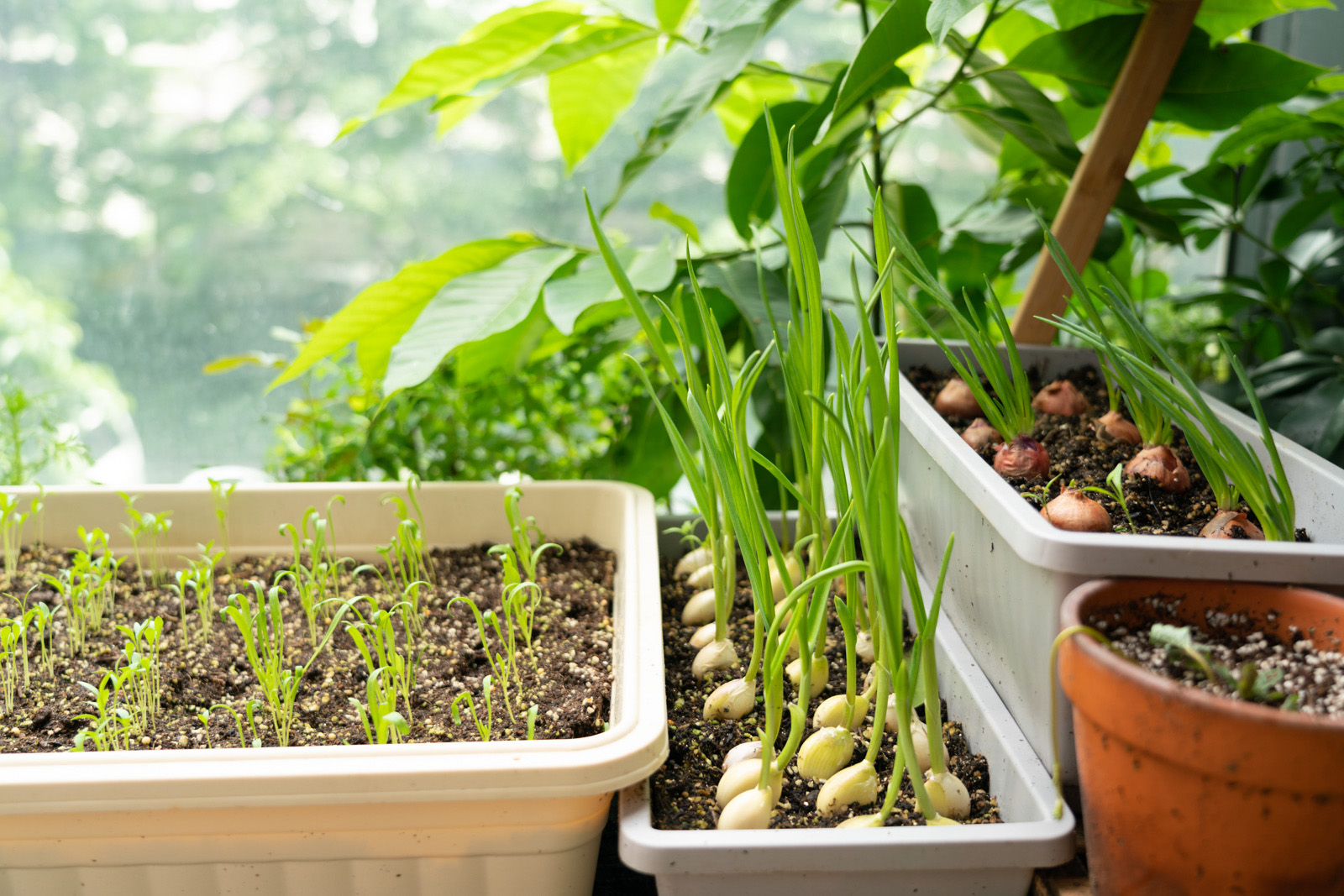
“In Pakistan women never worked on the land,” she says. “When I came here, I had never used soil before. I have learned how to grow plants from seed and know which plants need sun and which need shade. I’ve grown cucumbers, chillies and tomatoes.”
The community garden, which first opened in 2015, is a vital green space for residents such as Obaid. Just 15% of Agbrigg’s surface area benefits from tree canopy cover and 41% of the local residents live in deprivation.
“Wakefield does have a lot of public green space but they tend to be very white British [spaces],” says Bridget Gill, chief officer at Spectrum People, a charity supporting vulnerable adults which runs the community garden. “At Appletree we try to think about ways we can remove the barriers that might be there because of culture and or religion to make the garden accessible to everyone.”
Although there are more than 20.5 million private gardens in Great Britain, accounting for 2.4% of the country’s surface area, one in eight British people do not have access to a garden, according to the Royal Horticultural Society.
Those from minority and deprived socio-ecomonic backgrounds are the least likely to have a garden. More than 40% of Black people and 25% of Asian people live in homes without gardens, compared to 12% of white people, according to the ONS.
Access to gardens and green space is not just a question of leisure; it translates to health inequality, says Dilon Newton, a researcher at the University of Huddersfield. Newton’s meta-analysis of 20 studies, published in April, found that access to green spaces not only has health benefits (such as reducing the risk of cancer, mental health condition or obesity), but those least likely to have a private garden are the people who would experience the biggest benefits.
“We found an equigenic effect. People from more deprived backgrounds benefited more than affluent groups,” Newton says. “People experiencing socioeconomic disadvantage often face higher baseline levels of stress, poorer housing conditions, more environmental pressures, higher rates of chronic illness, fewer opportunities to access other health and resources like gyms.
“So when accessible green space is available, the relative health gain can be much larger because there’s more scope for improvement.”
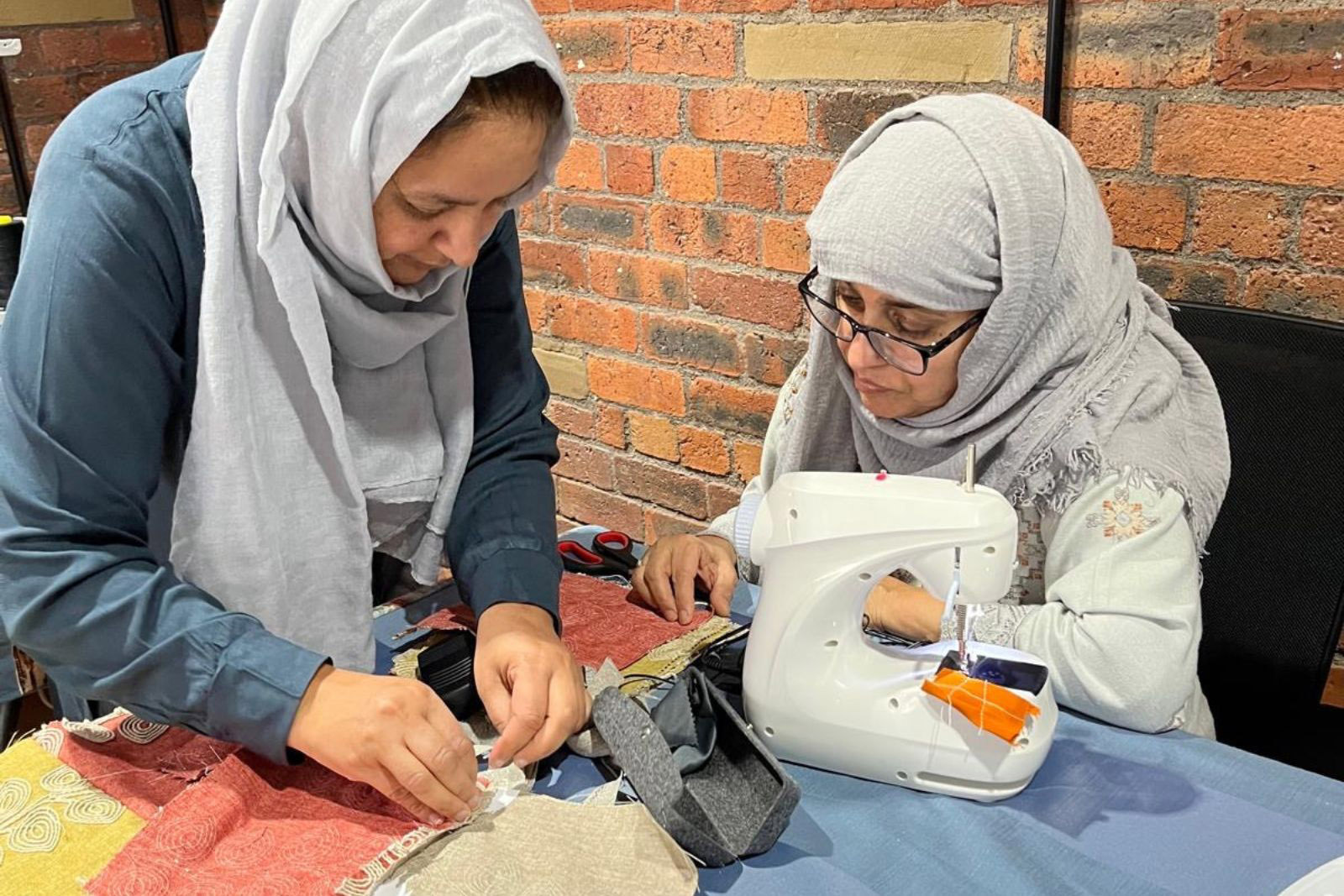
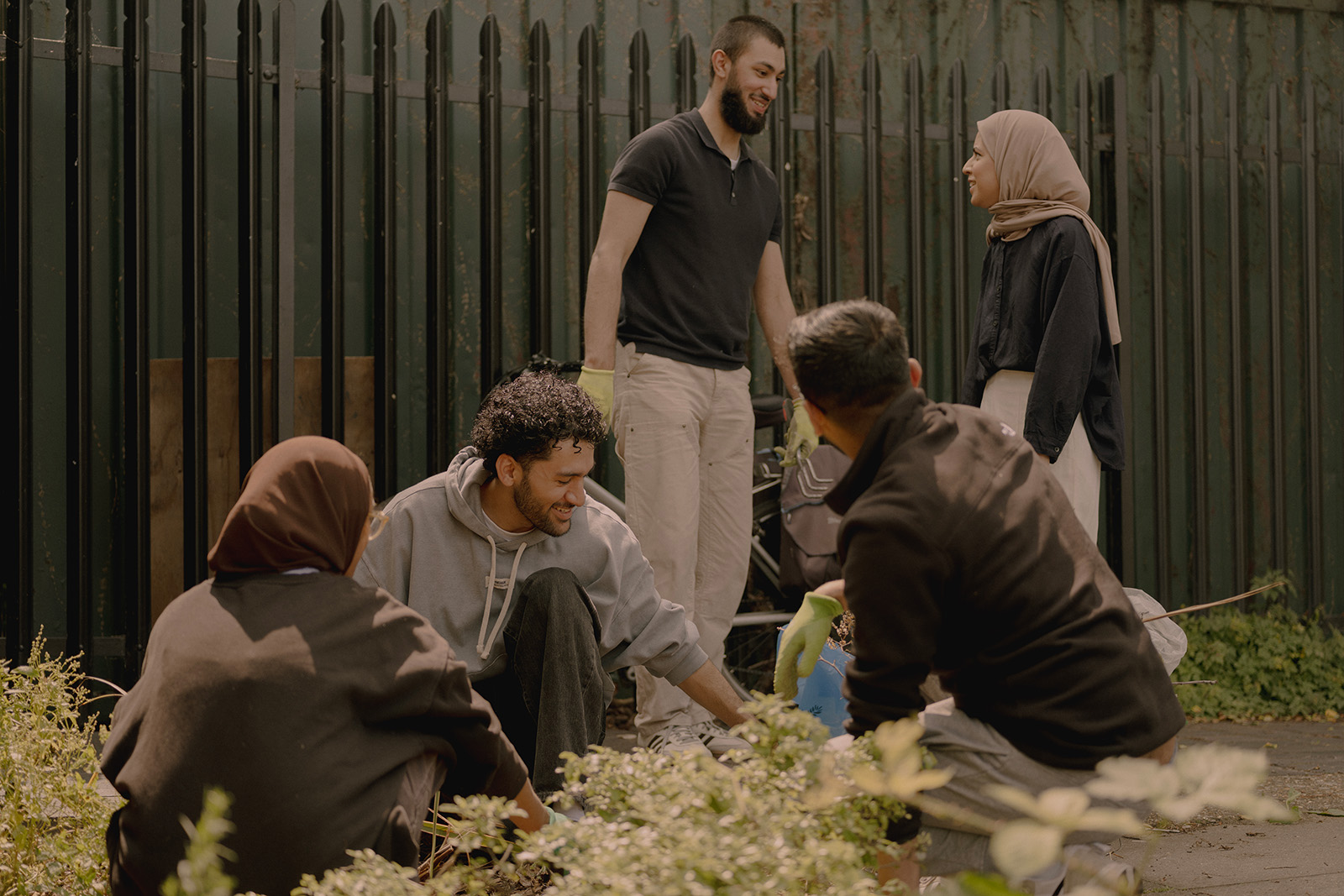
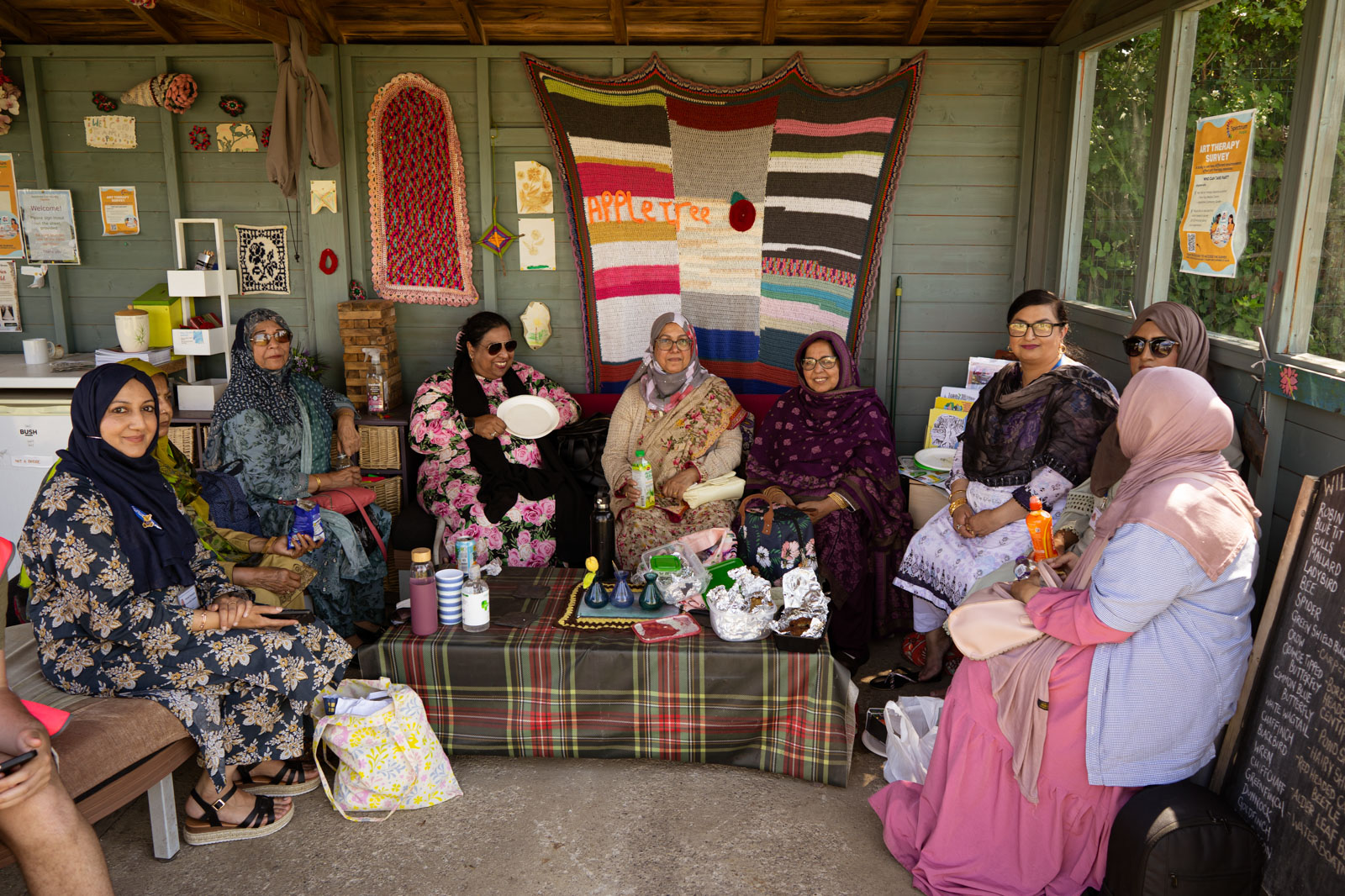
Appletree strives to provide these benefits — from socialising to mental health — while reducing barriers to access. In 2023, the community garden launched a weekly women’s group that now caters to dozens of Muslims from the area, many from refugee backgrounds.
“A lot of these women fled war and trauma. They’ve lived in camps, some of their children were born in camps,” says Saima Amir, the women’s group coordinator. “The group was set up to get the women into the garden, but also to provide a safe space for them where they could be who they wanted to be, they could talk to each other.”
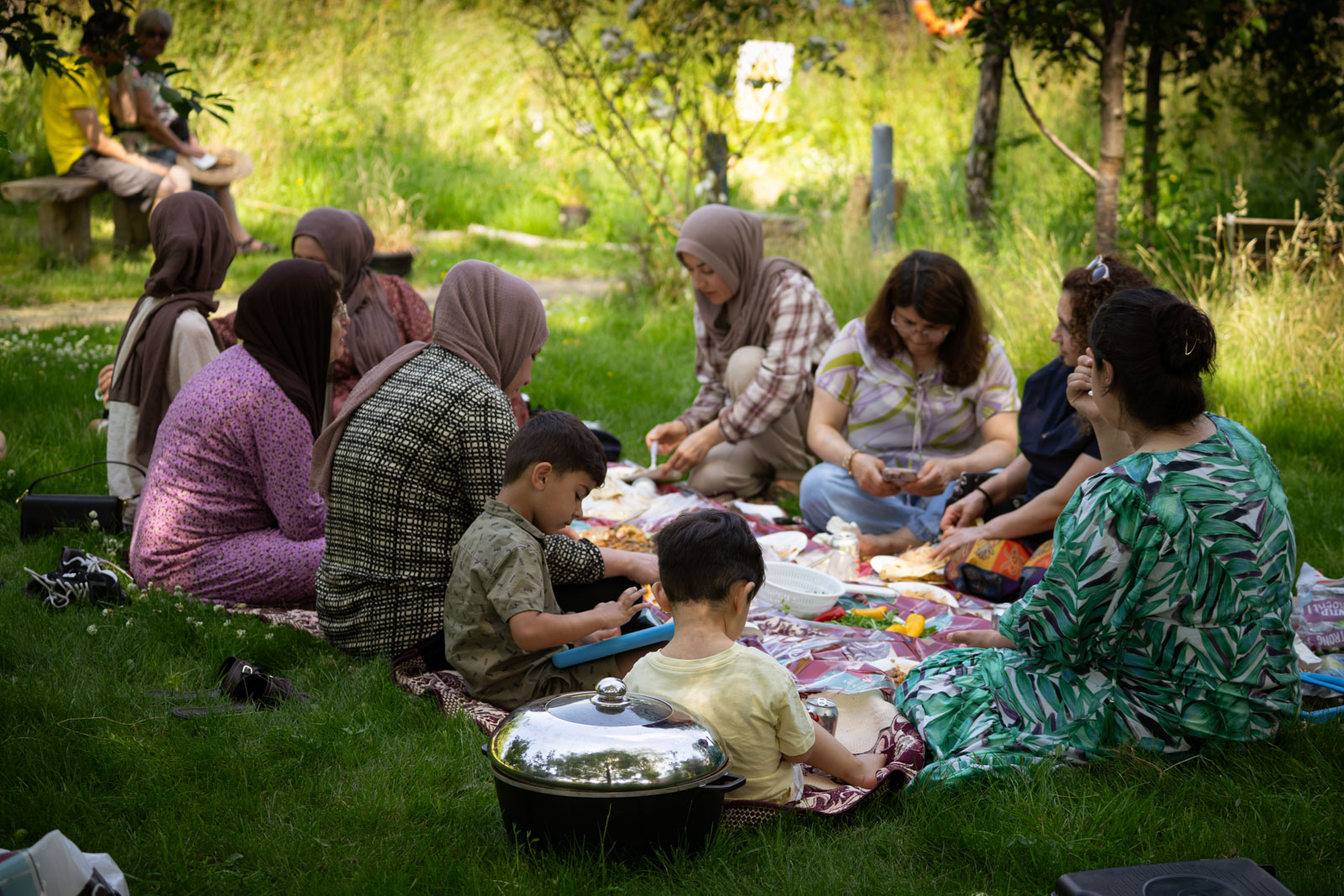
On a Wednesday morning, a group of women from countries including Pakistan, Turkey, Sudan, Syria and the Kurdish provinces of Iraq get together for a picnic. They have been using Appletree as a space to socialise for the past three years.
“We bring food and come here to have fun, sometimes we even dance,” says Rezan Hassan, 48. “When I come here, I feel completely different.”
Hassan loved to garden with her sister at her home in Iraq, but now, after separating from her husband, she lives in a small flat by herself. Appletree became an important source of greenery for her.
“Being in this beautiful green space has really helped my mental health. In the winter, I get seasonal depression. When I come here, I feel completely different,” she says.
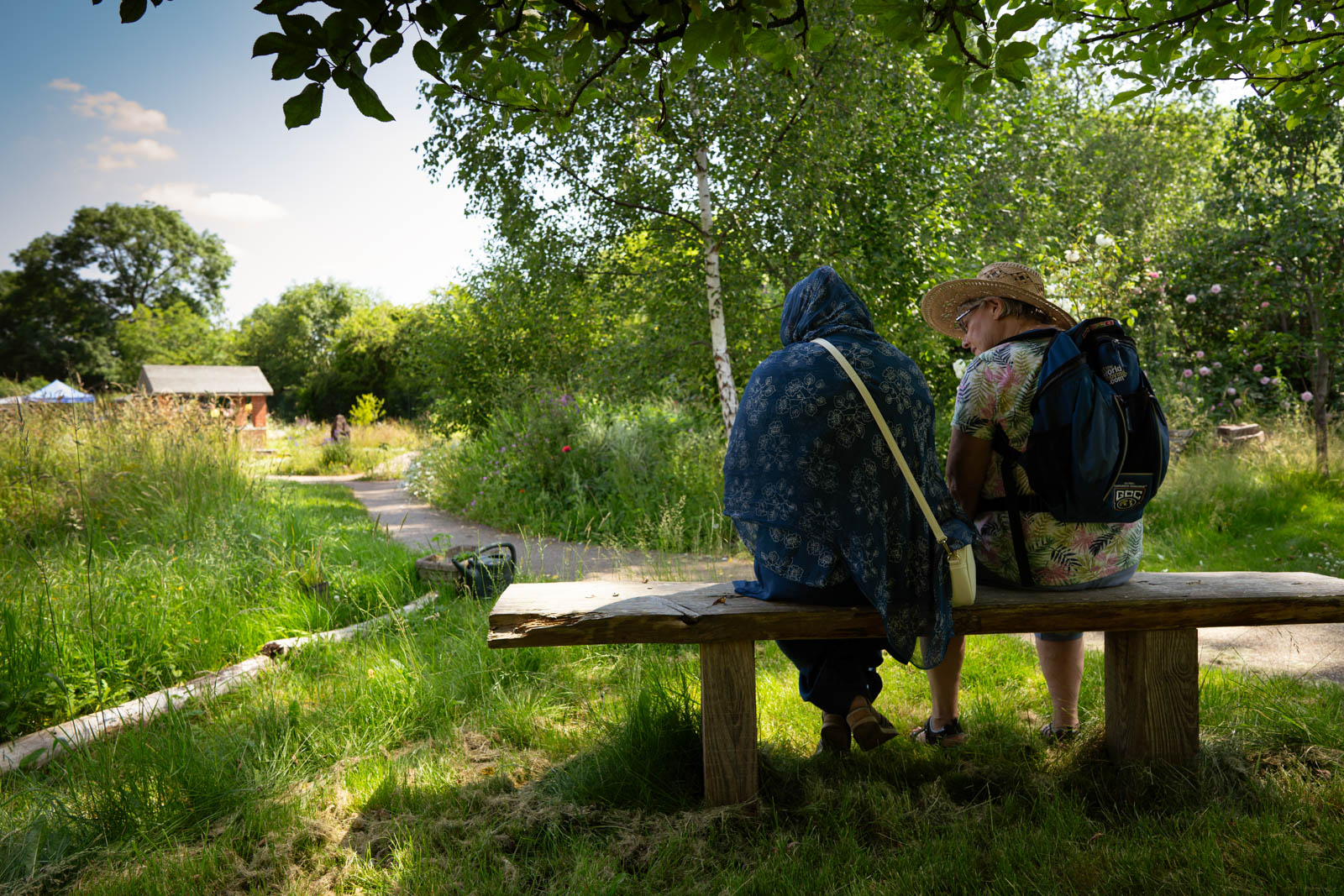
Under the shade of two apple trees sits Rojhat Gunes, 34, who came to the UK from Turkey as a political asylum seeker.
When she arrived in Liverpool, she was placed in a detention centre where she was incarcerated for a further 14 months. The experience broke her, she says, but then found her community in Appletree Women’s Group.
“What has made me comfortable is that it is just women, which gives me strength and hope,” says Gunes. “What has an impact on me is seeing the connection between nature and women. When you sow seeds, those seeds give you a plant or fruit, and women do the same. When you give something to a woman, they take it, create something out of it and give back more.”
A lot of the women who come to Appletree Garden have fled war, says Amir. Some have lived long periods of time in camps or detention, and have witnessed traumatic events.
“They immediately gelled with Appletree,” she says. “It reminded them a little of their homeland, learning to grow things and being in a green space. But also, it gives them respite from their caring duties. This is time for them, just a couple of hours at the start of the week, when the children are in school, where they can come, connect with each other and socialise.”