
Tips for growing food in small urban spaces
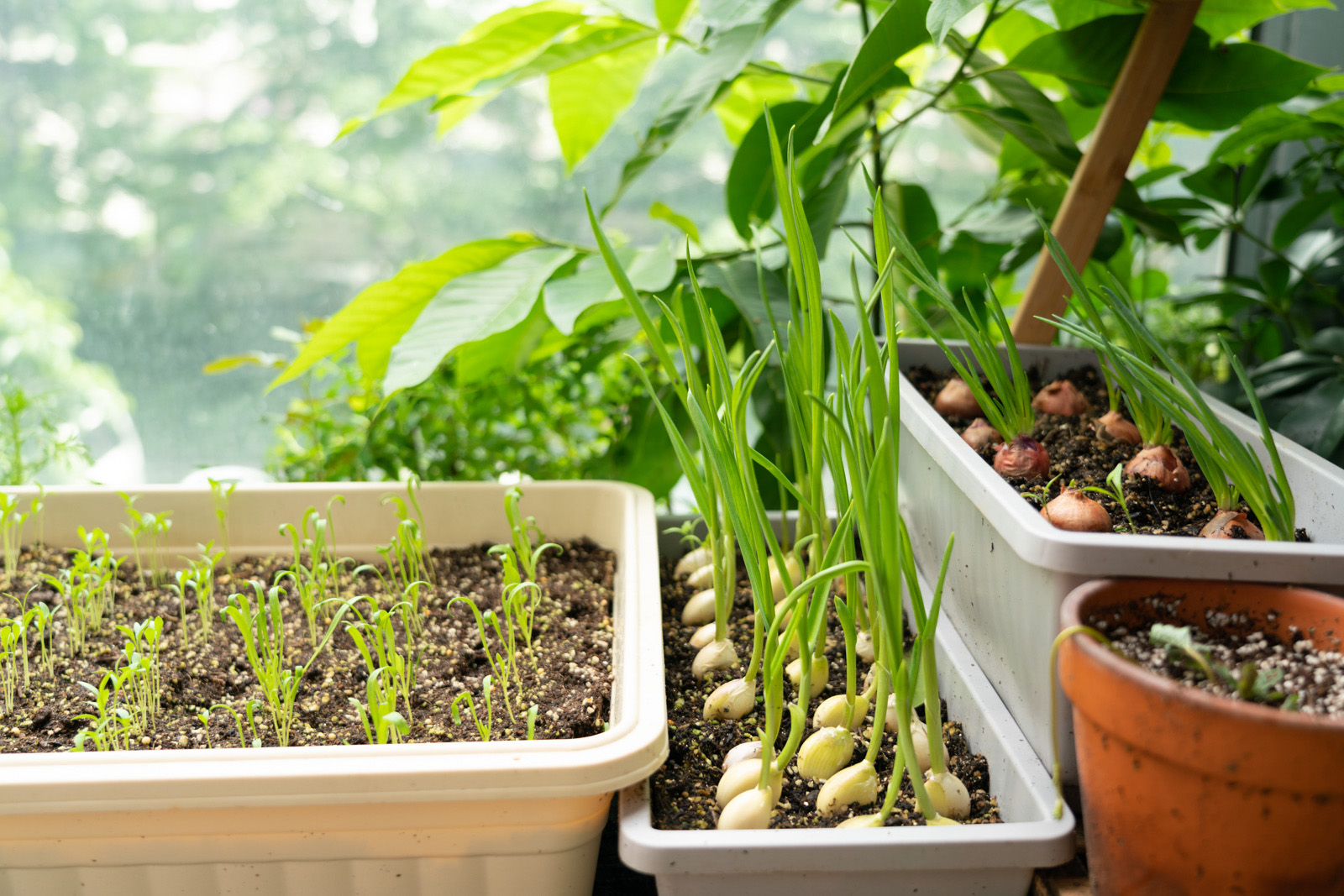
Mareeam Ahmed from Sustainably Muslim shares advice on how to grow herbs and vegetables, even if you don’t have access to a garden or outside space

As the cost of living crisis continues to squeeze household budgets, some may find it helpful to try growing their own food. This can be a challenge for people living in small homes with no access to outside space. But Mareeam Ahmed, who runs gardening workshops with the grassroots climate action group Sustainably Muslim, says that growing food at home is still possible — even if it’s just a few herbs to add to your kitchen.
Here she shares her tips on how to start growing from your own windowsill.
What grows well in small spaces?
Ahmed recommends herbs as one of the easiest starting points.
“You can just keep them on the windowsill and cut them whenever you need to add them to your food,” she says.
Coriander, parsley and chives grow well indoors, as long as they are kept moist and receive enough sunlight. Ahmed also recommends rosemary, lemon balm and mint.
Related content
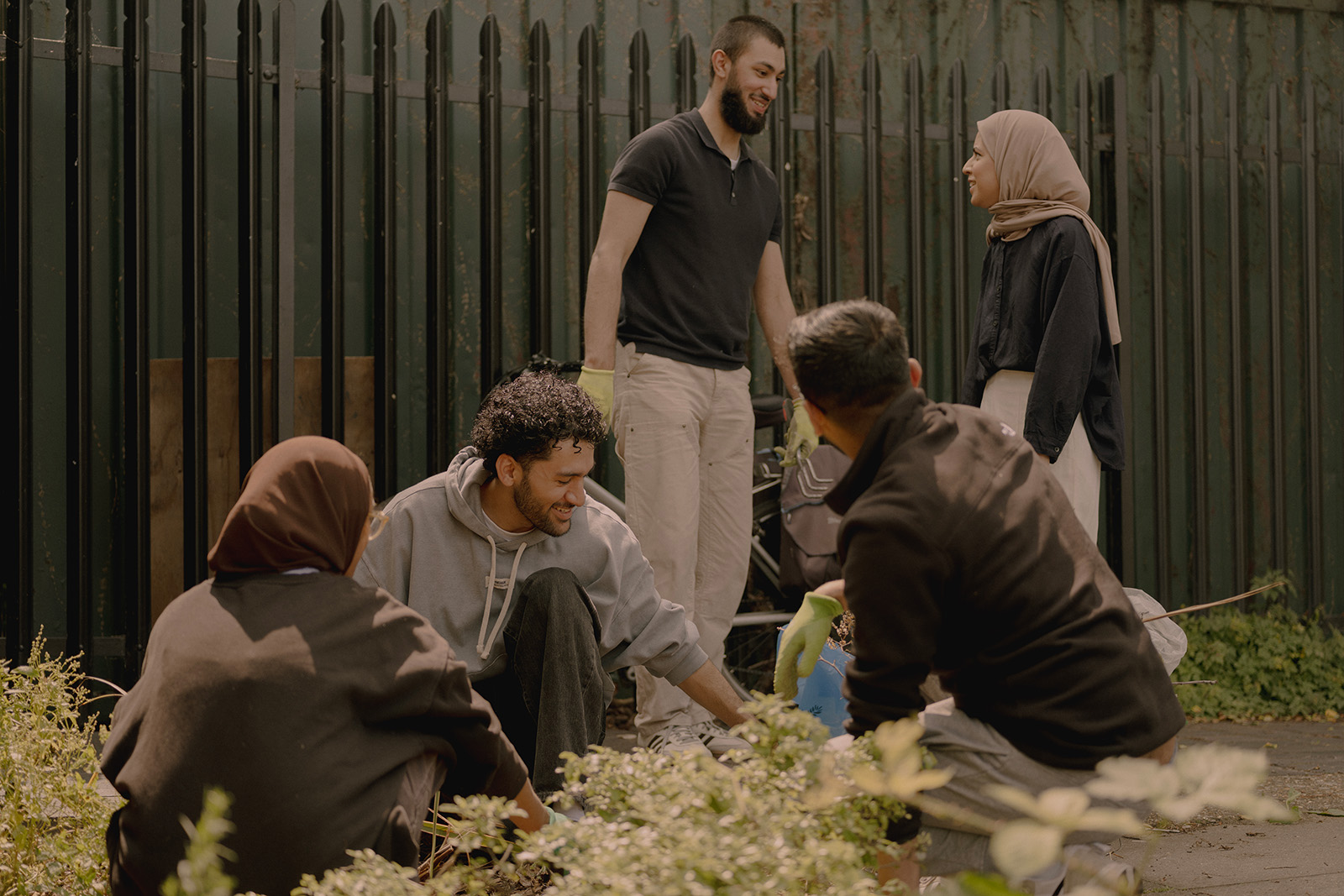
You don’t have to grow these from seed. You can pick plants up from your local supermarket, garden centre, perhaps even ask for a seedling from your local community garden, and repot them with fresh compost.
For vegetables, Ahmed suggests tomatoes and chillies for windowsills. Lettuce, broccoli microgreens and spring onions are among the easier options for growing in smaller indoor spaces, while strawberries, carrots and cucumbers may require deeper pots and more sunlight.
For people with balconies or small outdoor areas, Ahmed suggests trying beans in planters with bamboo support stakes.
How to grow on a budget
Food growing does not have to be expensive. “I would suggest just getting plastic pots, like a huge pot of yoghurt or just keeping containers from strawberries bought in the store and using them as a pot to fill up with compost,” she says.
Ahmed also encourages people to save seeds from fruit and vegetables they already buy, such as bell peppers or strawberries. “My mum’s even growing corn from a popcorn packet. If you have kernels for popcorn, that’s a seed you can sow.”
She recommends saving seeds for ingredients that are frequently used in your own culture’s cuisine, such as chillies or coriander seeds.
“If you’re eating a fruit, you can take out the seeds from the fruit, wash them and dry on the windowsill for about six hours,” she says. “That will be viable to sow and hopefully germinate.”
Ahmed suggests sowing seeds in compost and keeping them on a sunny windowsill, with the soil kept moist. She also recommends covering pots with cling film or a plastic lid during the early stages of growth to help with germination. “It takes about six weeks for the plant to grow big,” she explains. “If it’s too big for the window, you can move it to a chair or a stool by a window and then grow it that way. Just keep it in the sun.”
Local community gardens can help reduce the cost of getting started. They’re designed to encourage participation and most are often willing to share materials such as compost and seeds with beginners. “There’s no sense of ownership to anything. I run a community garden and if someone were to ask me, I would say yes,” Ahmed says.
When to start growing
Beginners don’t have to worry about getting the timing exactly right.
“I often have to remind myself that you can sow any time of the year. You just have to experiment and see if it grows or not,” she says.
Tomatoes are often sown around February before fruiting in summer — although many can still be planted up to late spring — while onions are a hardy plant that will grow outdoors in December or January.
“Every plant is quite easy to grow because you’re just keeping up with water, keeping up with sunlight and just making sure that there aren’t any pests around, like slugs. If there are, you just take them out or cover the plant in some netting.”
Others recommend introducing insects that prey on pests, such as ladybugs, or planting natural repellents such as garlic and onions. Companion planting can also help. This is done by strategically placing plants like basil, mint and rosemary — which can keep pests away because of their strong smells — near crops.
“One of my tips when it comes to the colder season would be to just bring the plant indoors, so you don’t have to grow it again from seed. You’d just take care of them indoors, keep them warm,” says Ahmed. “And then when it’s spring again, give them another heap of compost as food to revive them and they will just keep growing in their season, which is great.”
Related content
Pollinator-friendly plants
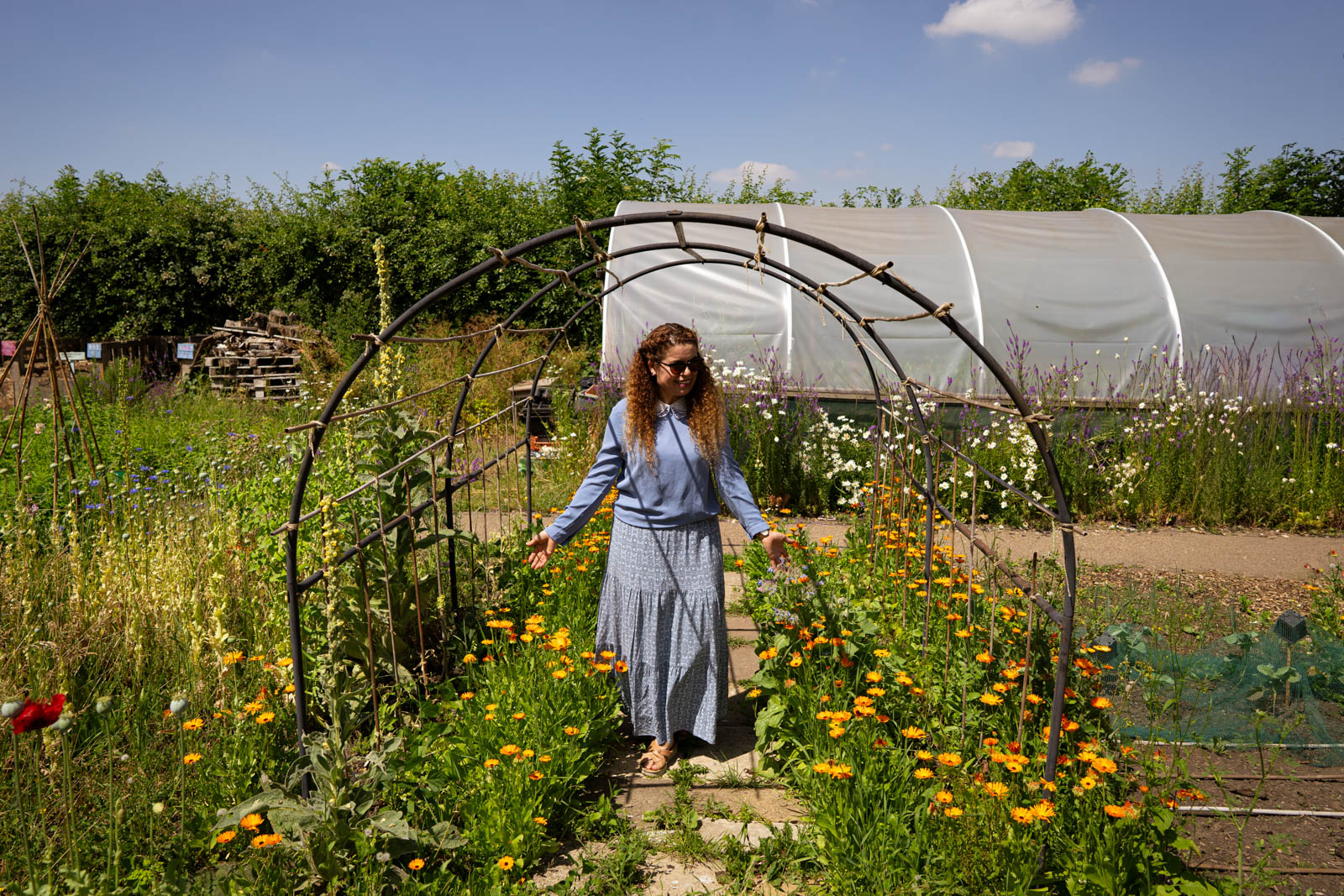
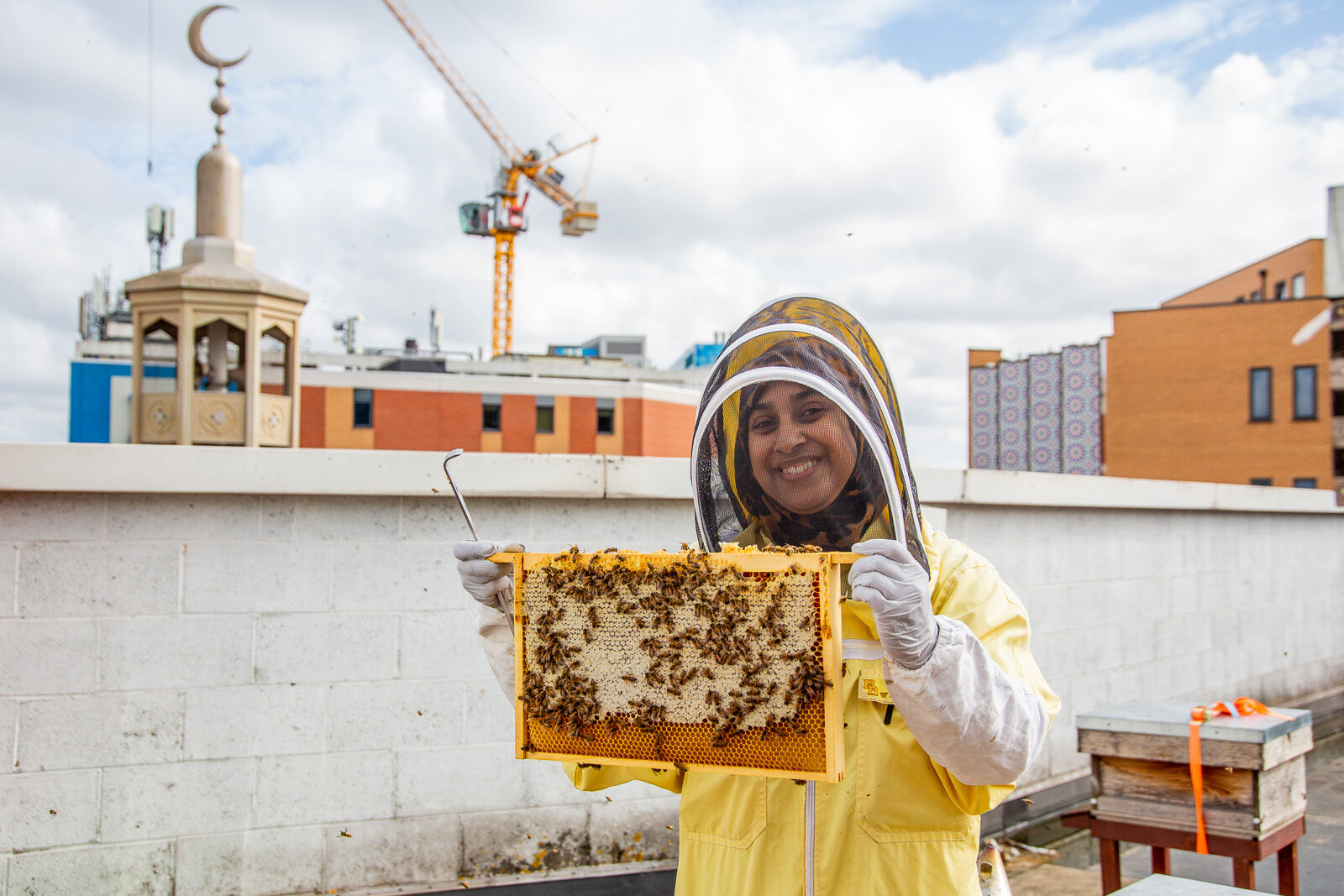
Plants that flower — such as calendula, sweet peas and flowering rosemary — can help support pollinators in urban areas while also producing food.
Pollinator-friendly gardening has become even more important in cities as green spaces shrink and biodiversity declines.
Composting in small spaces
Indoor composting can be messy in small flats. But there are still ways for people to reduce food waste and contribute to community composting projects, led by groups such as Incredible Edible who turn unused patches of public land into plots for food growing, and Social Farms & Gardens, which supports a Composting in the Community network around the country.
While some people compost indoors using bins layered with food waste and cardboard or wood chips, Ahmed suggests taking fruit and vegetable scraps to local community gardens and compost sites. “That way, you can get free compost and also help them with their composting,” she says.
Find community growing spaces
Sustainably Muslim and the Right to Grow movement campaign for more people to be able to grow food in shared public spaces, particularly on council estates.
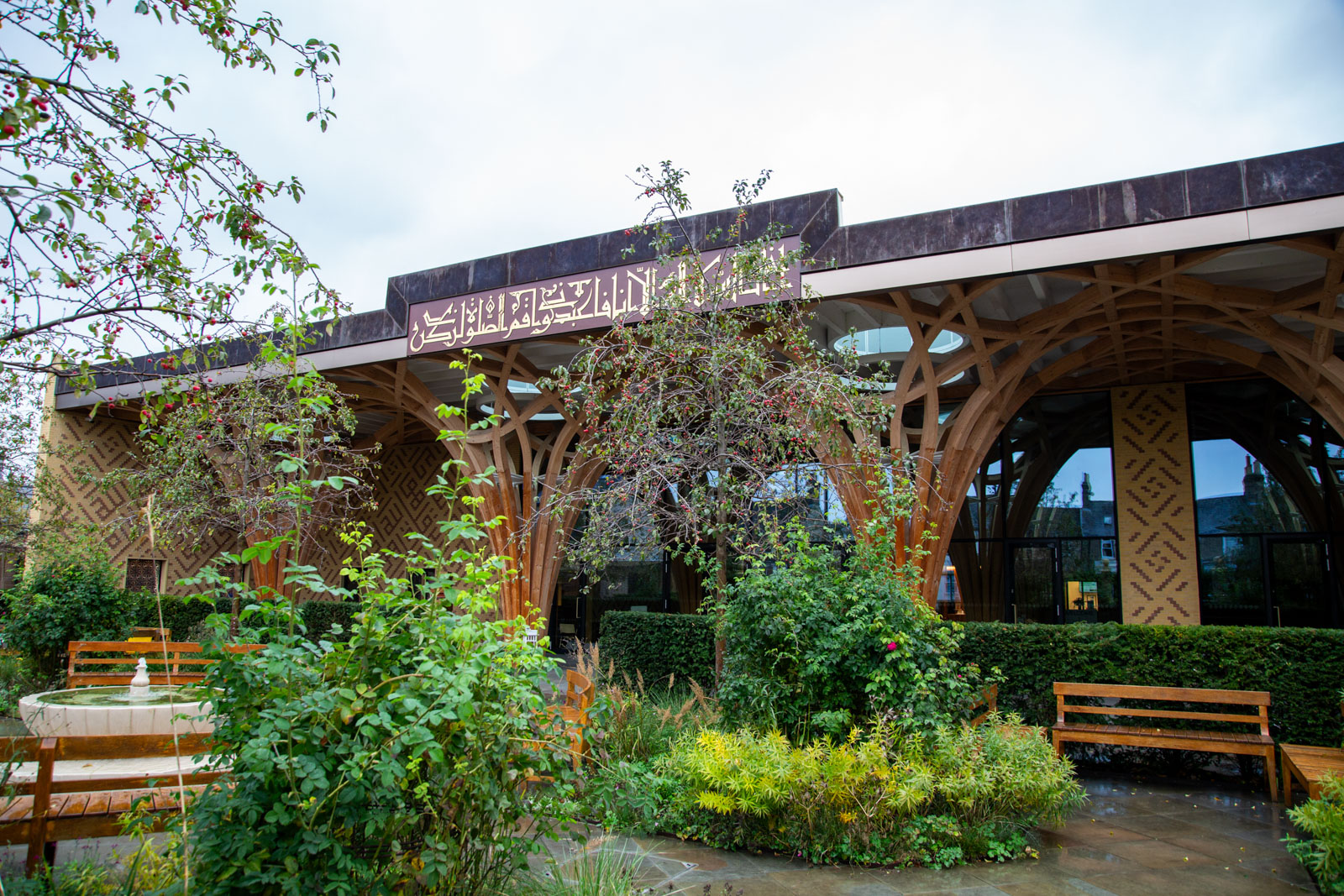
A number of mosques across the country have also launched community gardens, including Palmers Green mosque in north London and Cambridge Central mosque.
Ahmed suggests social workers or GPs may be able to signpost people towards local food-growing initiatives as part of wellbeing support services, particularly for older or isolated residents.