‘We’re more akin to the 1930s’: Asad Rehman on the far-right threat to the climate
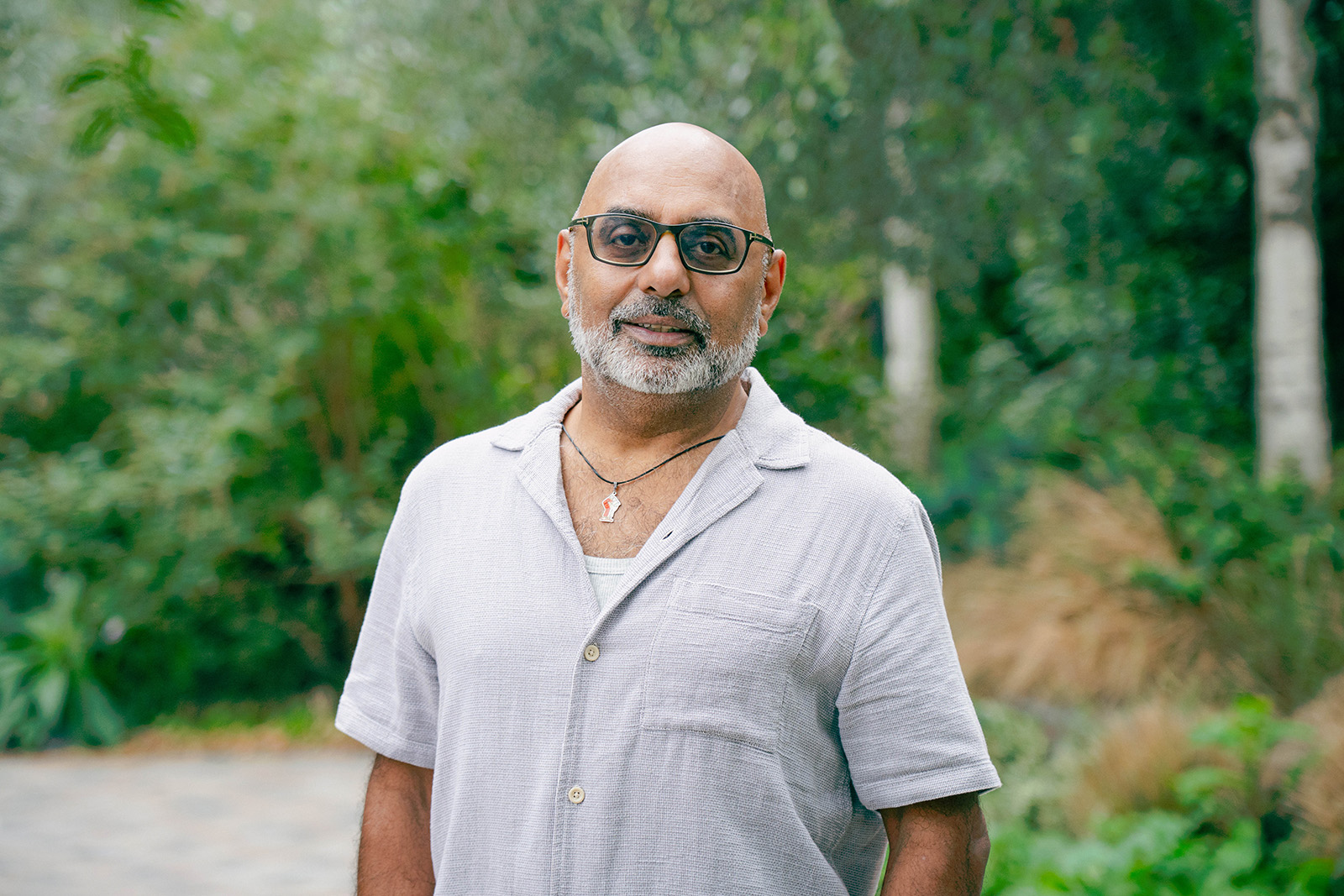
Rightwing groups are weaponising inequality against migrants, Muslims and climate action, says the Friends of the Earth head as he reflects on his decades of activism

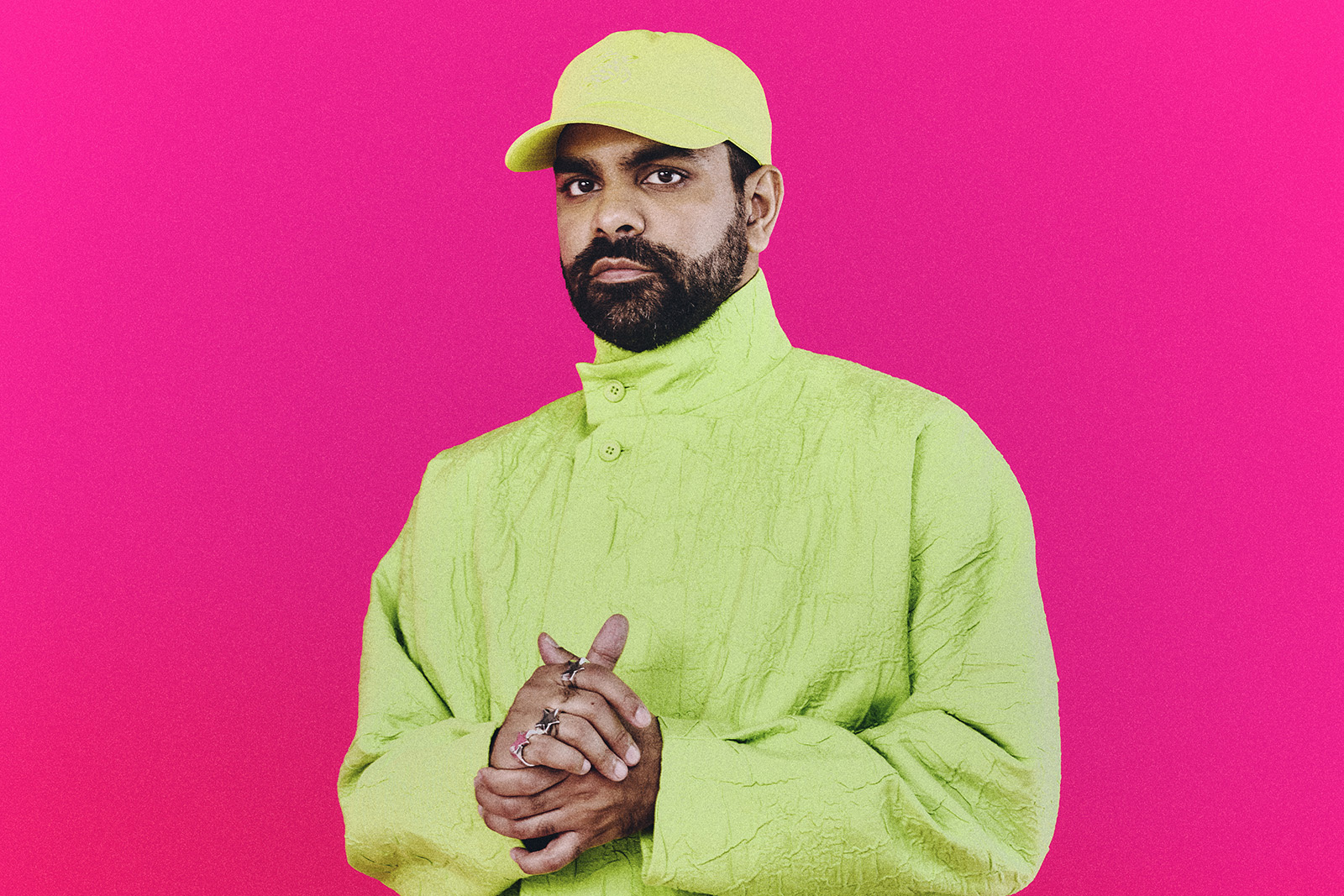
When Asad Rehman is not busy leading Friends of the Earth UK — the first person of colour to do so in the organisation’s 55-year history — you can find him in his east London garden.
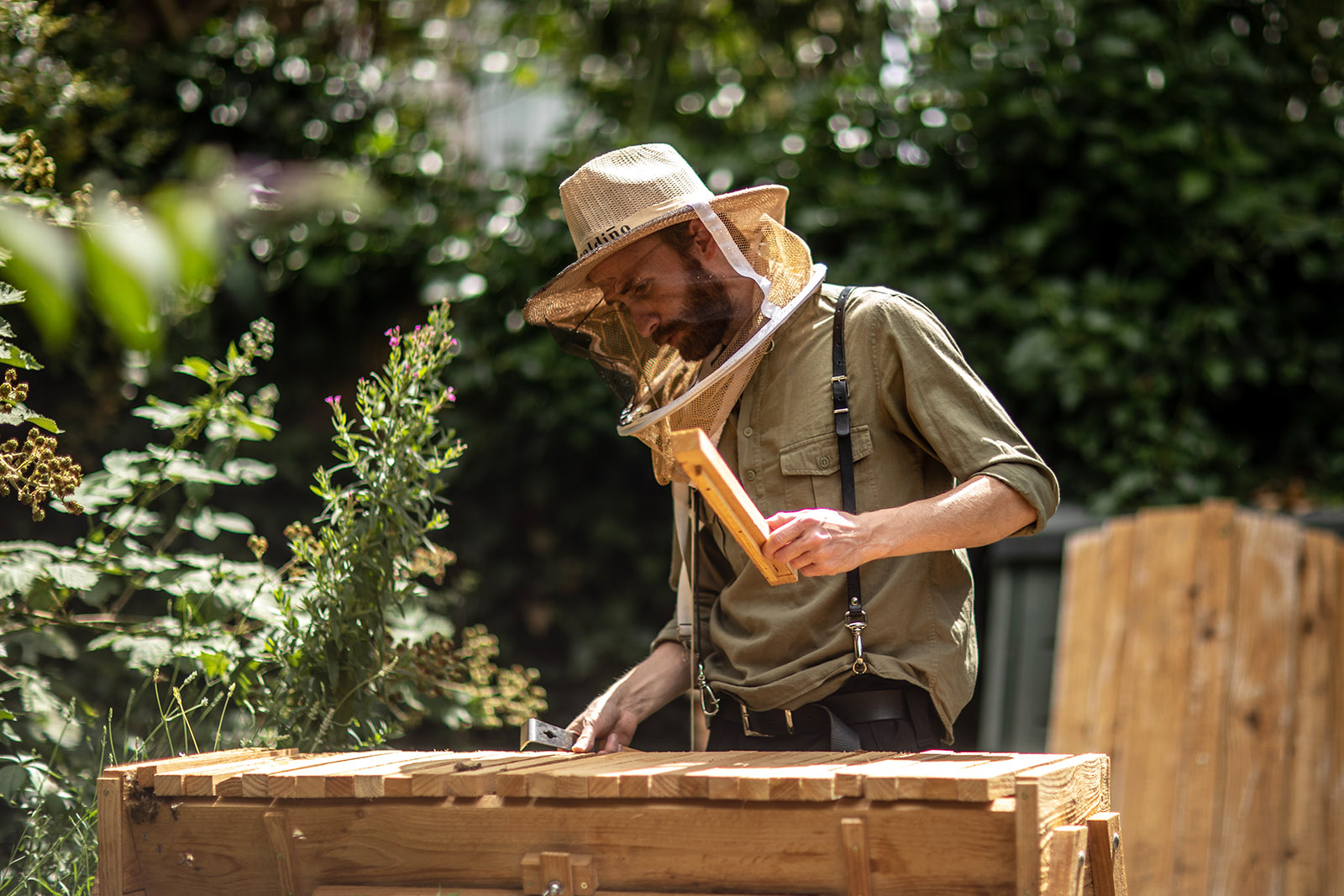
“The younger me would have laughed,” he says, explaining that much like his journey into environmentalism, an interest in gardening wasn’t something he saw coming. “I started feeding some birds, then I thought I’d better do some of the pollinators, and then I dug a pond because animals need water.” Before he knew it, he had created a small sanctuary for his local wildlife and himself.
Related content
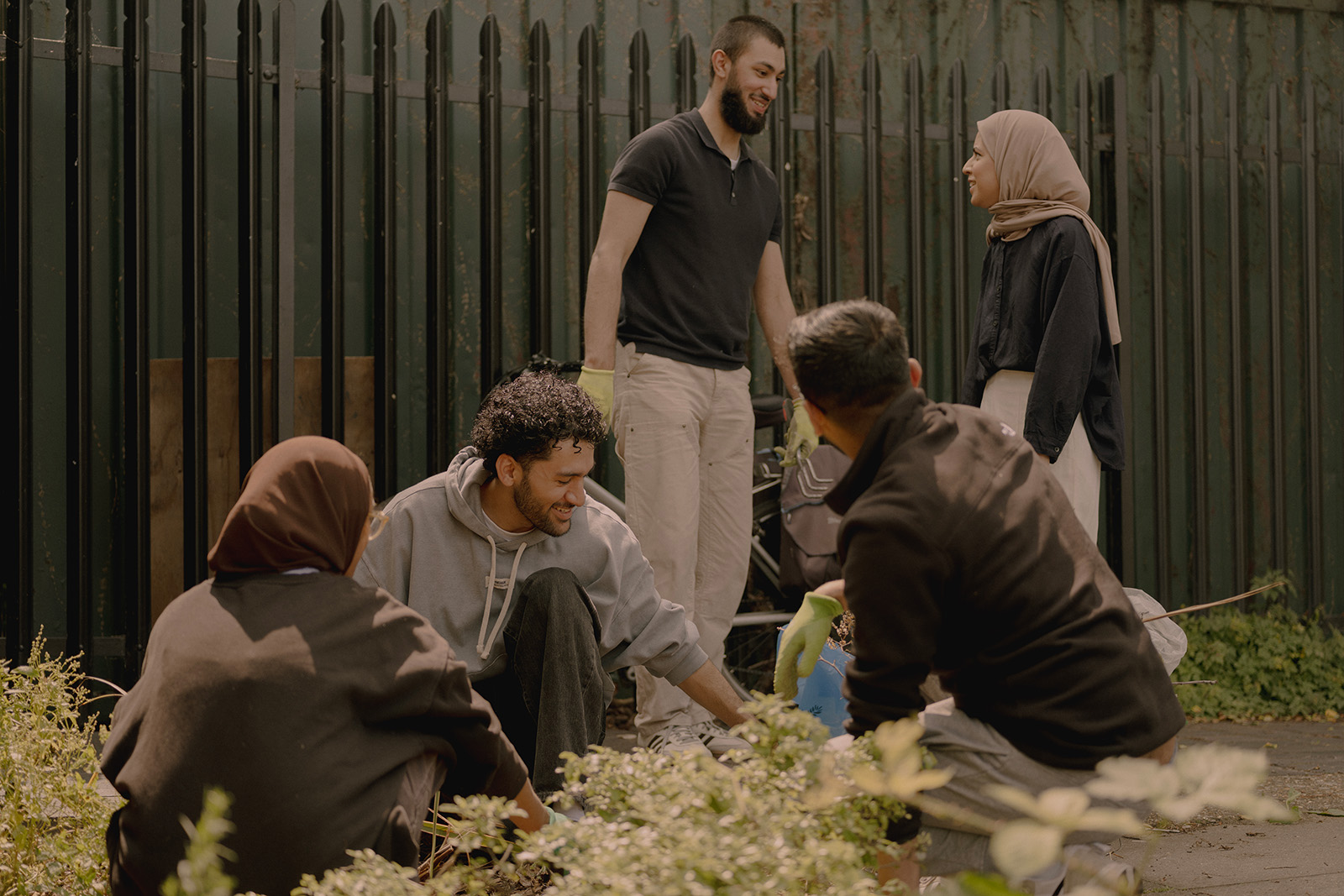
“You realise how much of a luxury being in green space is and how many of our communities are not just denied it, but what that denial does to them.” He is referring to the fact that in the UK, people from ethnic minority groups are less likely to live in neighbourhoods with access to green spaces, with knock-on effects on mental and physical health, and ultimately, life expectancy. “All of that can be solved by being better connected to our ecosystem.”
For Rehman, 59, environmental issues are inseparable from social justice. “The moment you’re in it, and you begin to look at what’s happening in the global south, but also here in the UK, you see how injustice and the environment are combined by structural inequality,” he says. It’s a conviction cemented by Rehman’s decades of anti-racist and human rights campaigning.
Rehman rejoined Friends of the Earth as chief executive eight months ago, his second stint at the leading environmental organisation. For more than a decade, he served as its head of international climate, before becoming director of the anti-poverty charity War on Want in 2017.
Back then, Rehman was arguing that the climate crisis was political and harming people in the global south, but few in the sector wanted to hear him. He remembers being in a room of NGO leaders and government officials all speaking, as he puts it, “in very soft language” and being told he needed to be more pragmatic in his approach.
“I said, the only people who can talk about being pragmatic are those who don’t face the consequences,” he says. “If you did, you’d be saying these decisions are deadly and dangerous for many people.”
Rehman is proud of the organisation’s history. Friends of the Earth was among the first major environmental bodies to support the climate justice framework, which demanded social and economic justice alongside drastic measures to cut carbon emissions. The approach broke with the mainstream consensus of the early 2000s, which presented the crisis as a distant problem. That split came to a head at the Copenhagen climate talks in 2009.
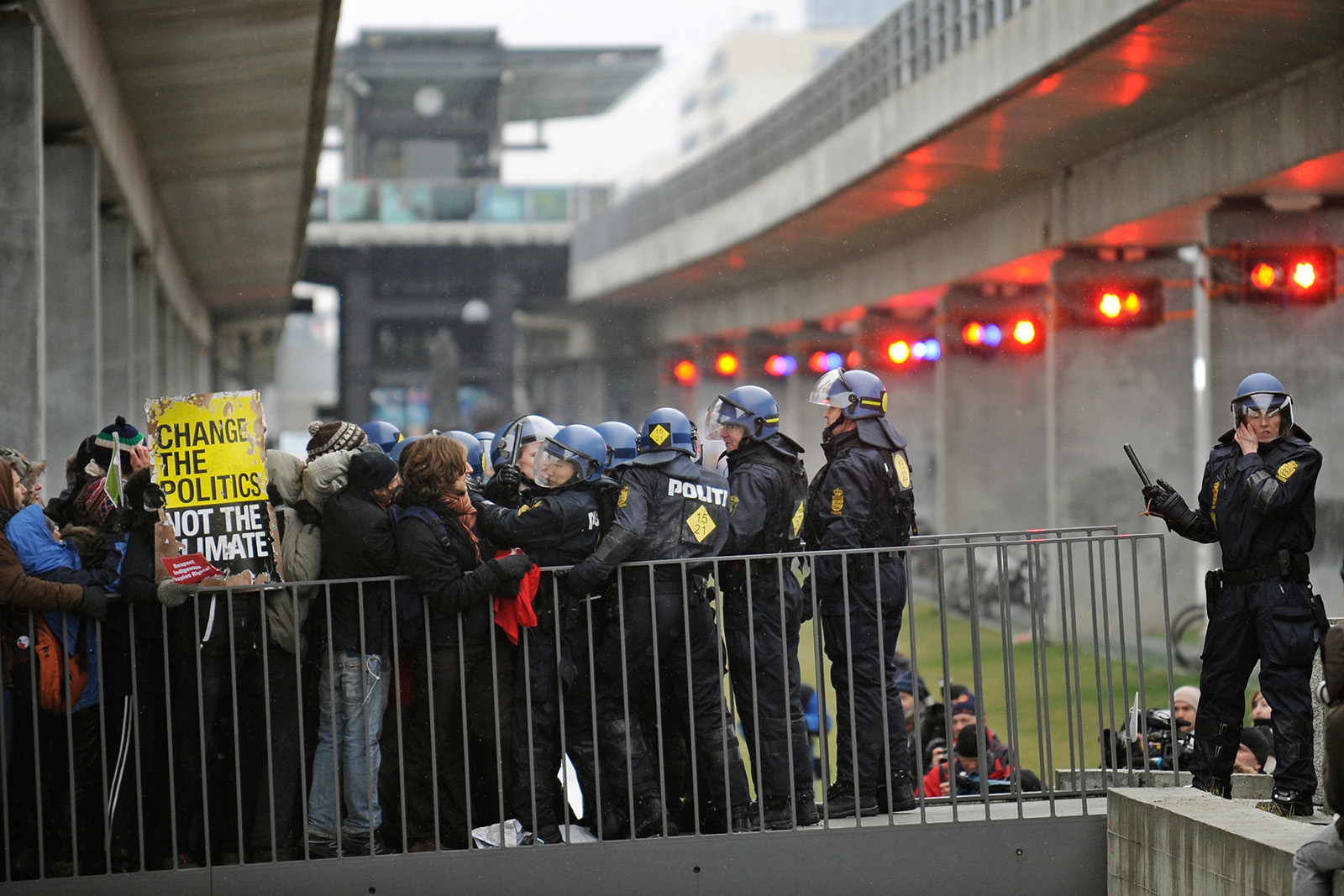
“The mainstream groups marched under the banner of ‘Take action on climate’, while the climate justice movements marched behind ‘Systems change, not climate change’.” Rehman recalls how the climate justice blocks marched to the location where official negotiations were taking place, only to be charged by Danish riot police.
That day, nearly 1,000 protesters were arrested and Friends of the Earth was among the organisations subsequently barred from entering the conference.
“They were calling for two degrees. We were calling for one. That was the difference,” he says, referring to the aims to limit the increase in global average temperature.
To understand where Rehman’s conviction that the fight for the planet is inseparable from the fight for racial and social justice came from, you have to go back to Burnley in Lancashire, where he grew up.
“People ask me how I got into politics,” he says. “But politics got into us. We didn’t have a choice.”
Rehman was born in Pakistan and arrived in Britain as a young child to join his father, who had moved to the north west in the late 1960s to work in the knitting factories. At the time, Burnley, a mining town already hollowed out by deindustrialisation, was rife with poverty.
The small Asian community in which Rehman grew up was under constant threat from the far right. After a number of years, his family moved, hoping that a nearby town with more Asian families might be safer, but it was even more violent.
“Our house was firebombed, the windows would be broken every week, they would stand with dogs to terrorise the Asian women as they went into their homes, and your parents as they left for work in the morning,” he recalls.
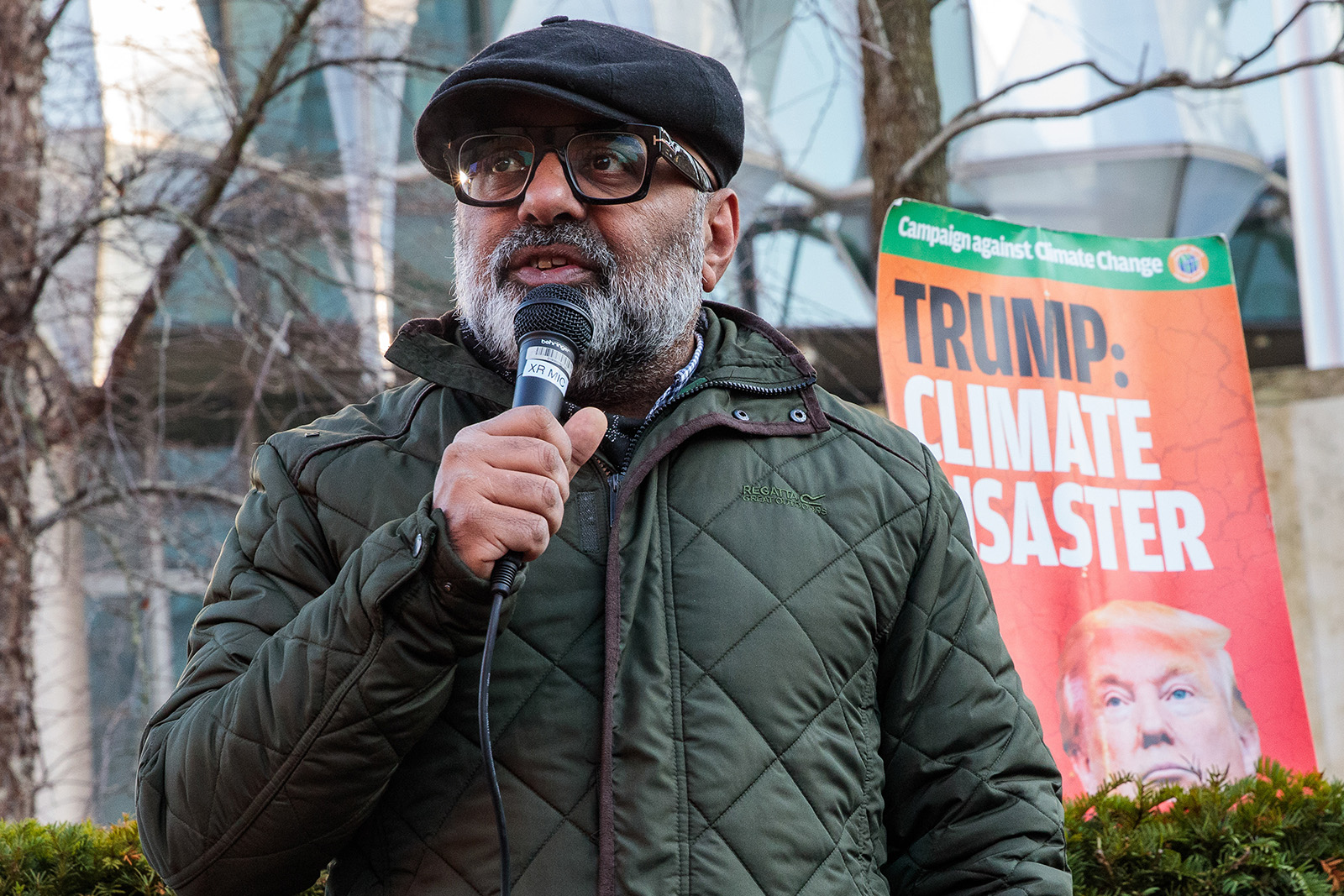
It was out of this political landscape that a new generation of activists emerged. As a teenager, Rehman led a strike against racist violence at his school and helped set up an Asian youth movement, part of a cohort of other children of migrant workers who came together under the slogan “Here to stay, here to fight”.
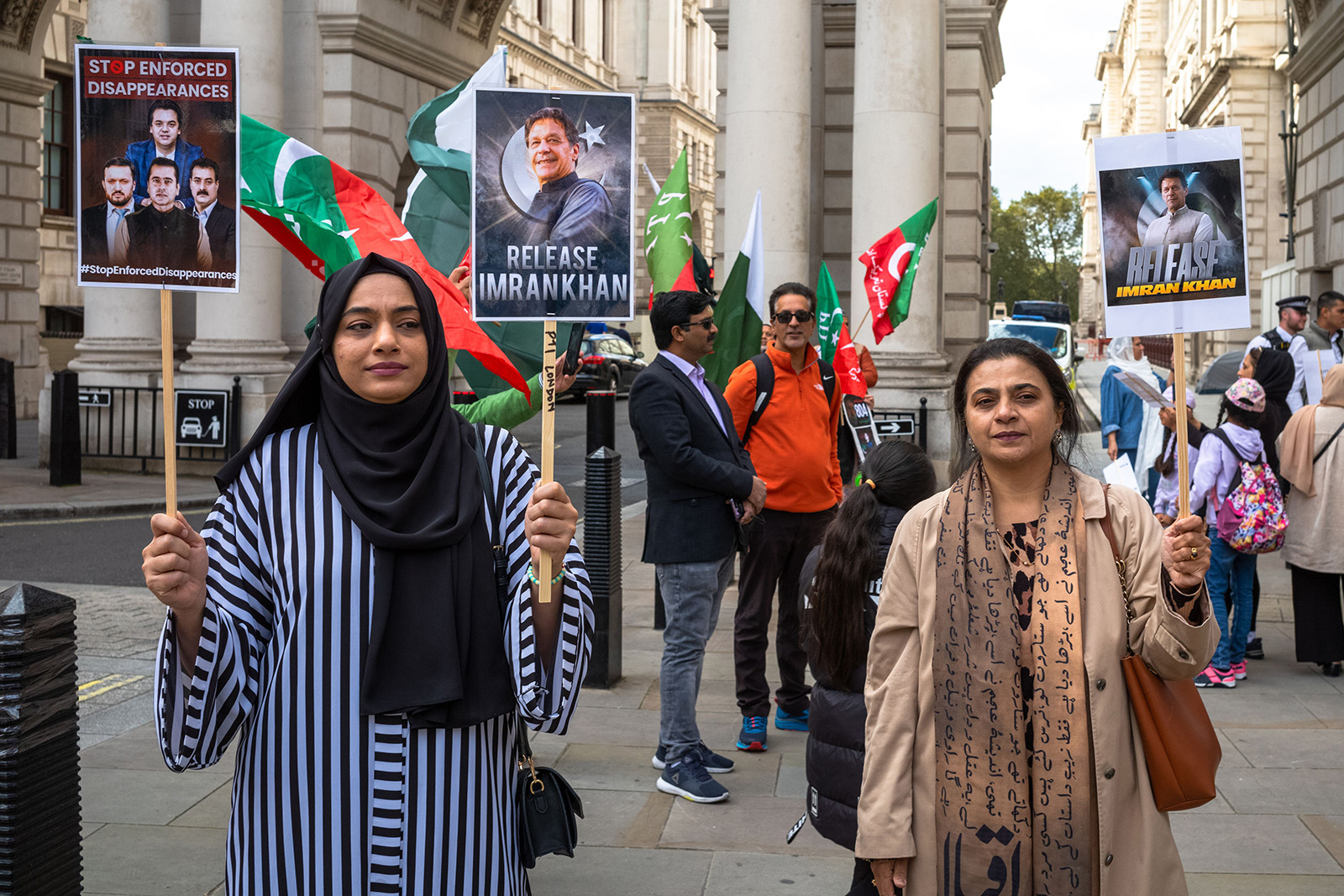
The politics of solidarity never left Rehman and he says that it is exactly what our current political moment demands. With Nigel Farage’s far-right Reform UK topping the polls, the veteran activist is careful not to draw too many comparisons to the racism of the 1970s and 1980s.
“This is a much more profound moment,” he says. “We are more akin to the 1930s.”
The difference is in the scale and terrain. “The far right is not just taking the streets. They’re taking the airwaves and the political pulpit.” They are doing so, Rehman explains, by using the anger people feel about the growing inequality in our country to scapegoat minorities and blame social progress.
“They weaponise it against migrants, against Muslims, against climate action, because they want to maintain an economic model that benefits a billionaire class,” he says.
The global rise of the far right is also one of the biggest threats facing the environmental movement. Across the world, rightwing parties have made rolling back environmental commitments a central part of their political projects.
In the UK, Reform has promised to scrap the UK’s legal commitment to reach net zero by 2050, fast-track licences for North Sea gas and oil drilling, and reverse clean air policies. The party argues that green policies are a luxury few can afford, when in reality, that is far from the truth. Over the past few weeks, the US and Israel’s war on Iran has sent energy prices soaring, demonstrating how costly our dependency on fossil fuels really is. In fact, it would now be cheaper to meet net zero by 2050 than to live through another energy shock.
This kind of divide-and-conquer politics of the right is nothing new to Rehman. When he was growing up, his mother, who didn’t speak English at the time, used to feed a group of vulnerable white children in Burnley before school every morning. Years later, some of those same kids were with the far-right BNP, when it was inciting violence in the town.
“My mum used to give you food,” Rehman told one of the boys.
“He just looked embarrassed, but he didn’t leave the BNP,” he recalls, adding that he views that moment as an example of what happens when inequality goes unaddressed.
Rehman’s way forward has always been the same: through hope. This year’s Earth Day, on 22 April, he calls for people to join the campaign for “affordable housing, cheap, clean energy, insulated homes, green spaces for all our children”.
“These are the things people are already fighting for,” Rehman says. “The climate fight is the same fight. We just have to show people that.”