
‘Unclear’ on Gaza but liked by local Muslims: the Hyphen guide to Andy Burnham
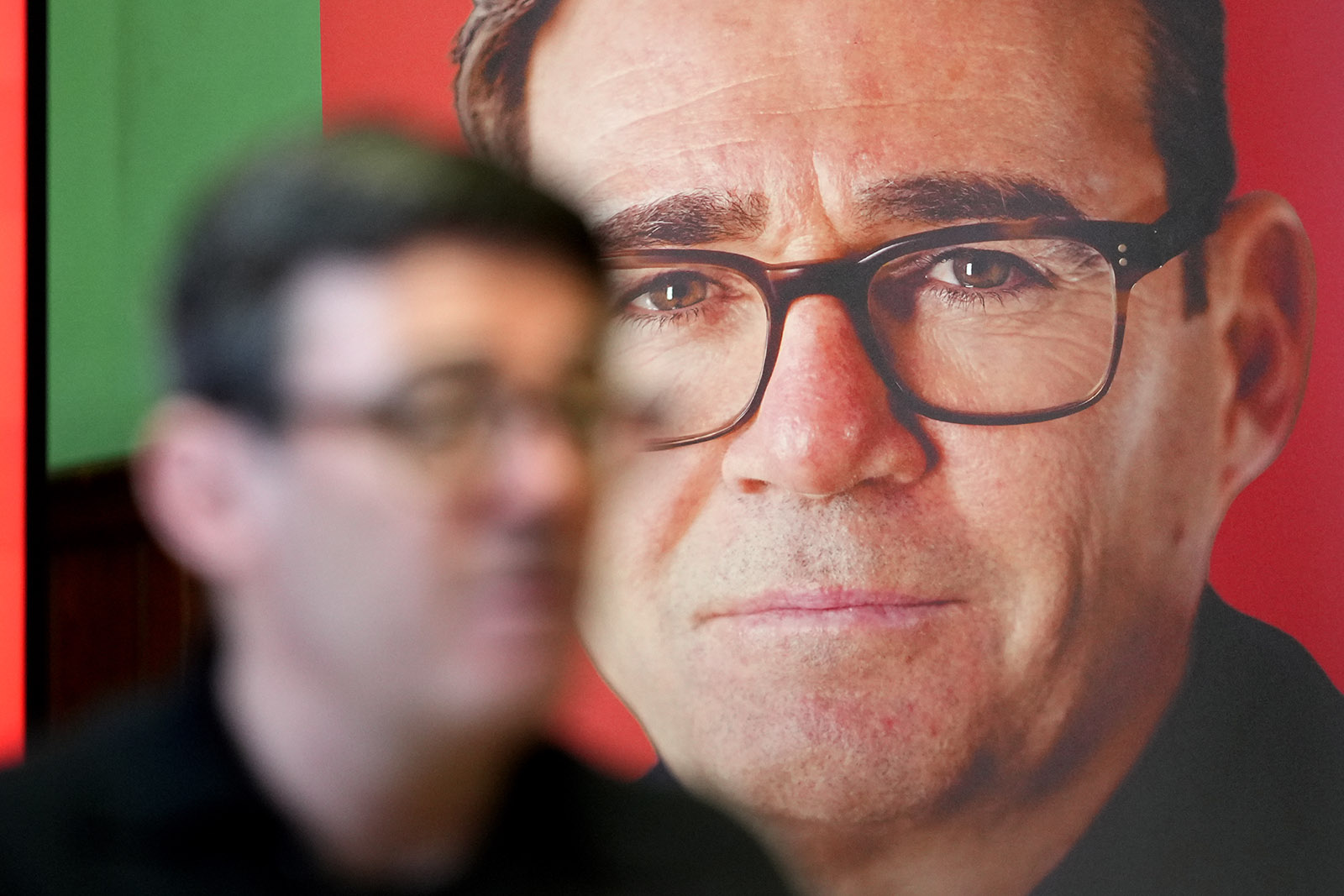
Here’s what we know about the Labour leadership hopeful and his positions on domestic and foreign affairs

This article was originally published by Hyphen in May 2026. With Andy Burnham set to formally become UK prime minister on 20 July 2026, we are spotlighting it again.
Andy Burnham will officially become the British prime minister at lunchtime on Monday. Over the last decade, Burnham — now described as being on the “soft left” of the Labour Party despite previously having been seen as sitting more towards the party’s right flank — has built a high profile as Greater Manchester mayor, winning three elections and earning the nickname “king of the north”.
His decision to attempt a parliamentary comeback was welcomed by MPs such as deputy leader Lucy Powell and Makerfield’s former MP, Josh Simons, who quit his seat to allow Burnham to run.
Here’s what UK Muslims need to know about the UK’s next prime minister.
What is Burnham’s track record on healthcare?
Polling for Hyphen found that healthcare was a top priority for Muslim voters in 2024. A large proportion of the Muslim population also lives in deprived areas, which are disproportionately affected by cuts to public health funding.
Burnham, an MP for 16 years, served as health secretary in Gordon Brown’s government and held the brief again when Labour was in opposition, 2011 to 2015, until he was reshuffled into the shadow home secretary role under Jeremy Corbyn.
Among his notable policies was the National Care Service, proposed in a 2009 green paper, which was intended to provide free social care service akin to the NHS. This was partly enacted as the Personal Care at Home Act 2010, which provided free social care to elderly and disabled people, but was repealed under the Conservative-Liberal Democrat coalition government months later.
Related content
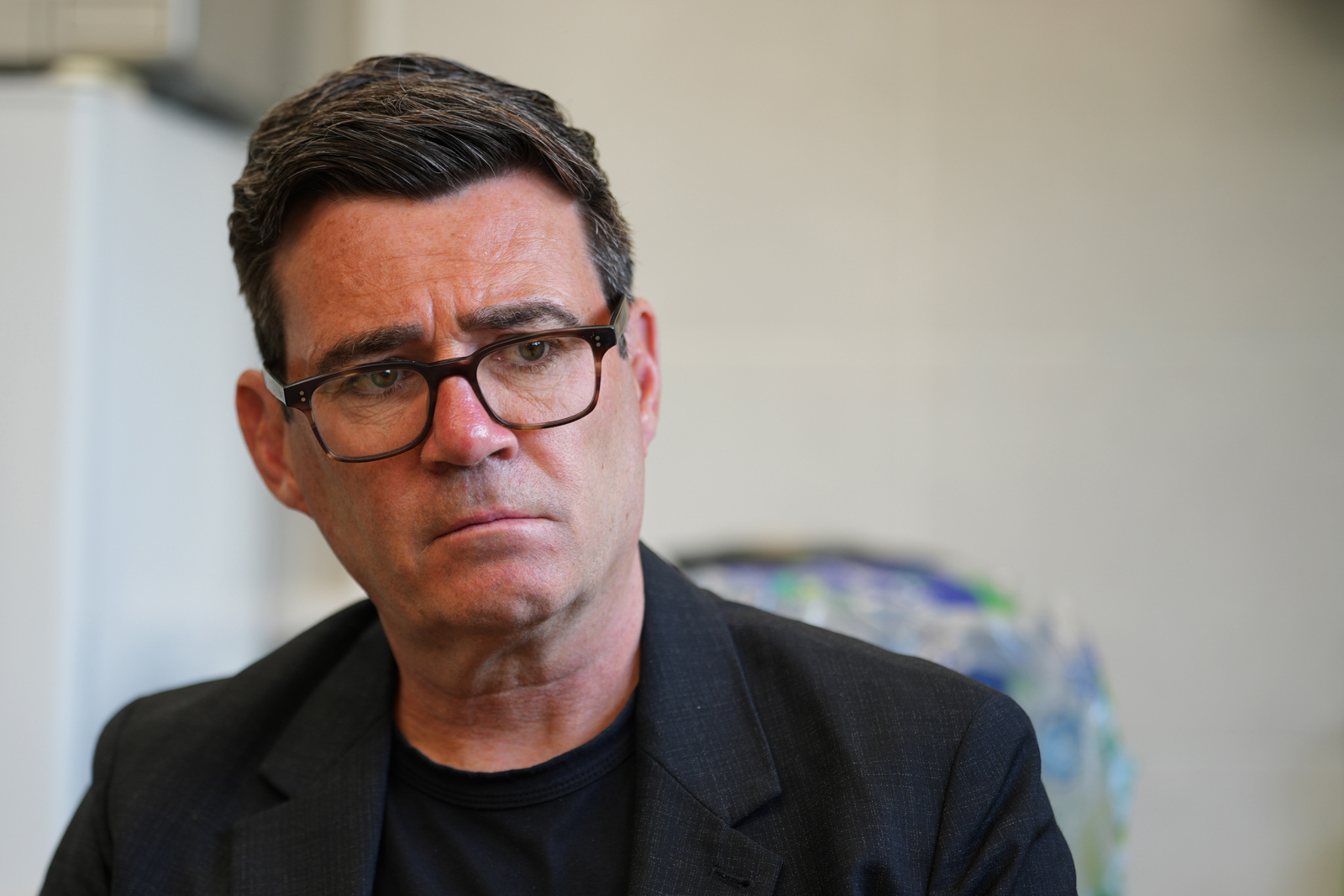
As shadow health secretary, Burnham opposed further NHS privatisation. However, he received criticism in 2014 for his earlier involvement as health minister in the privatisation of Hinchinbrooke hospital in Huntingdonshire. He had also earlier held a number of ministerial posts in Tony Blair’s government, which spearheaded Private Finance Initiative schemes within the NHS.
“I was very active in trade unions at that time and we had continuing campaigns about the NHS during the Blair government, but Burnham only came in as health secretary very late, right at the end of that government,” argued Caroline Bedale, secretary of the Greater Manchester branch of Keep Our NHS Public. “He was successful in introducing [the] NHS as the preferred provider, meaning that the NHS became the first choice over private providers. He was not in favour of that big policy of privatisation and, I think, probably did what he could to limit it.”
As mayor, Burnham has been responsive to some of the organisation’s campaigns, Bedale said — including Patients Not Passports, which seeks to end charging of migrants for healthcare and data sharing between the NHS and immigration enforcement.
“Burnham has been quite supportive,” she said. “He has written letters in support. I am not sure if he did much beyond that, but if he did become prime minister we will continue lobbying him on this issue.”
What are Burnham’s positions on Gaza and foreign policy?
The war in Gaza was cited as the most important issue to a fifth of Muslim voters polled by Hyphen ahead of the 2024 general election.
The Muslim Vote, an organisation that monitors the statements of political candidates on Palestine, told Hyphen that it had yet to take a position on Burnham as it considered his position on the subject to be “unclear”.
Burnham has been a long-time supporter of a two-state solution in Israel and Palestine, a commitment he reiterated in a response letter to the Palestine Solidarity Campaign when he ran in the Labour leadership race against Jeremy Corbyn in 2015. In the letter, he also criticised the “lack of progress” of the Middle East peace process and denounced illegal Israeli settlements.
However, during the 2015 leadership contest he also said if he won his first overseas visit would be to Israel and described the Boycott, Divestment and Sanctions (BDS) movement as “spiteful”.
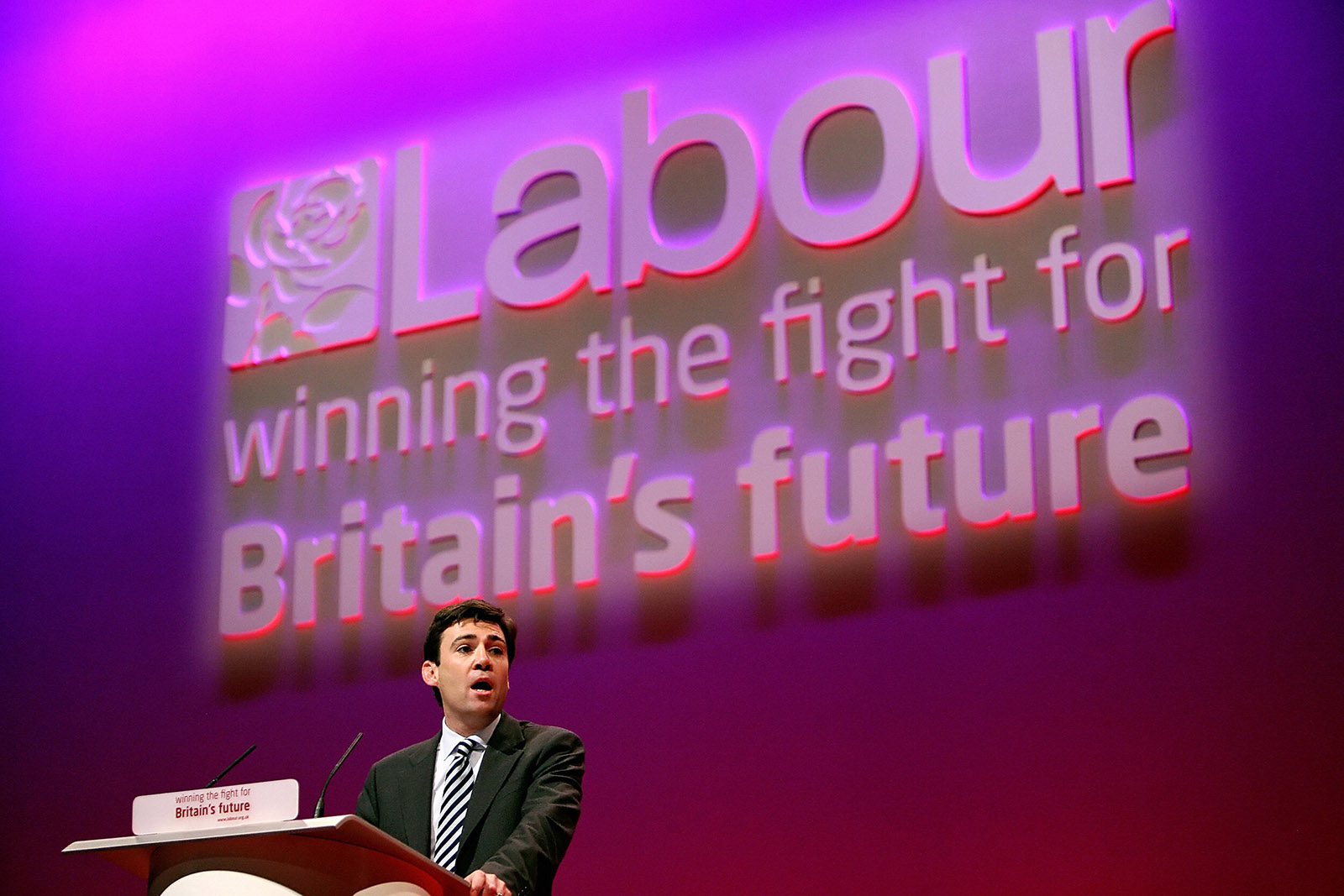
In October 2023, he was one of the first prominent Labour politicians to call for a ceasefire in Gaza, alongside London mayor Sadiq Khan and Scottish Labour leader Anas Sarwar.
During his first years in parliament, Burnham voted in favour of the invasion of Iraq. He later said he regretted this, writing in his 2024 book Head North that the vote was his “worst experience in parliament” and that he had felt “trapped” and forced to make a “simplistic, binary choice”.
What do Muslims in Manchester have to say about him?
Greater Manchester is home to some of the UK’s largest Muslim communities, including in the towns of Rochdale and Oldham.
Speaking to Hyphen, the president of Manchester Central Mosque and “life-long Labour supporter”, Hammad Khan, said he had “nothing but praise” for the mayor.
He singled out Burnham’s role in securing PPE gear for mosques providing burial services during the height of the Covid-19 pandemic as particularly praiseworthy.
“It was my first experience of dealing with Andy and I found that he was very helpful — he was very eager to understand the problems faced not just by the Muslim community but all communities in Manchester.”
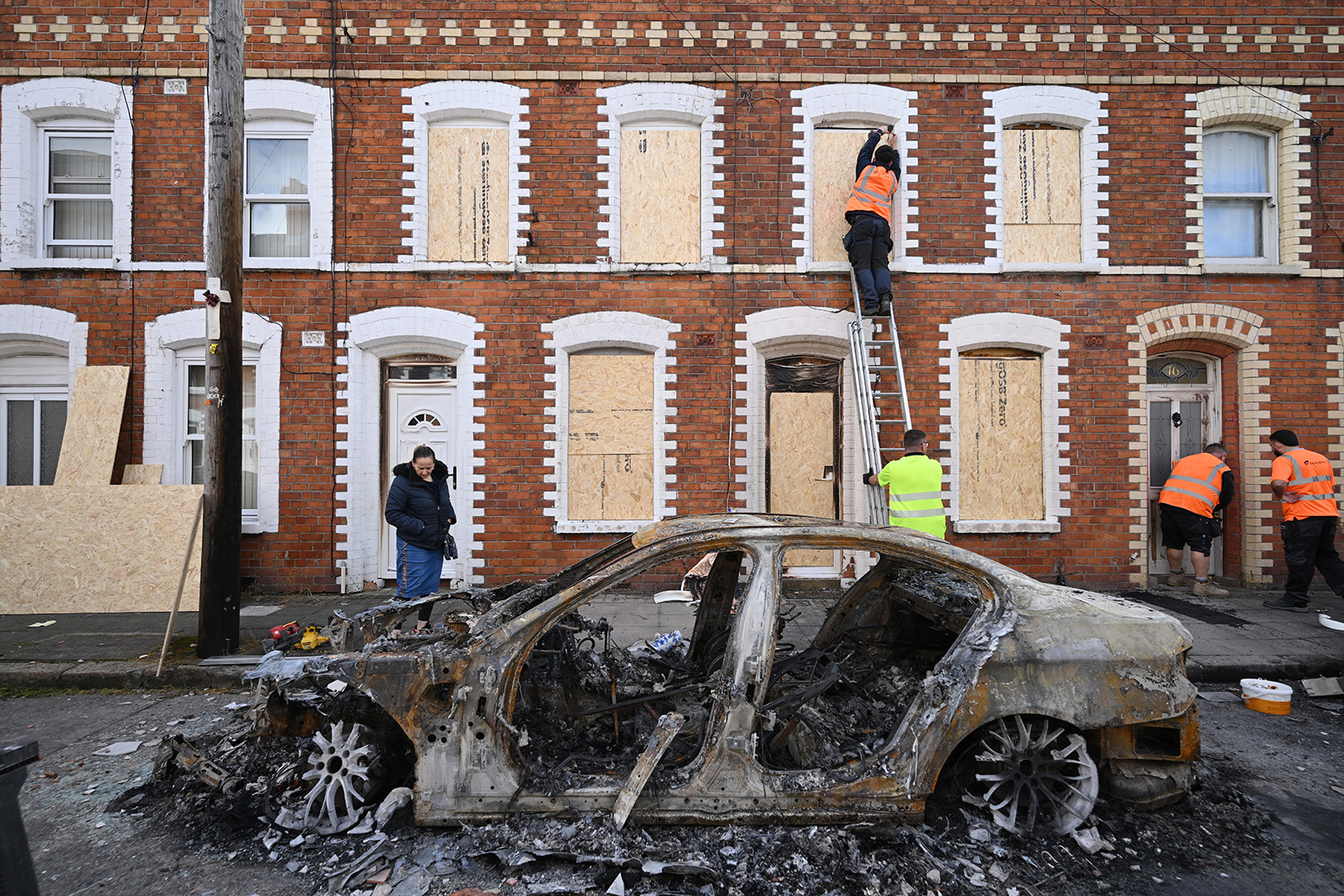
Khan further expressed support for Burnham’s leadership during the 2024 riots and the recent attempted attack on Manchester Central Mosque itself.
“He does not play into any divisive politics,” he said, “and in my experience he is someone who always tries to bring people together.”
What is Burnham’s record on immigration and home affairs?
According to recent reports, Burnham is expected to back home secretary Shabana Mahmood’s anti-immigration measures to cut all forms of migration to the UK and scrap permanent refugee status.
Burnham served as shadow home secretary under Jeremy Corbyn. During this time he voiced strong opposition to Brexit but criticised free movement, saying that it “has made life harder for people in our poorest communities, where wages have been undercut and job security lost”.
“To win back the voters we lost to Ukip, I want to reframe the debate about immigration and the way Labour approaches it,” he said at the 2015 Labour conference in Brighton. “We welcome people here to work, as we always have. But let’s make it work for everyone with new EU rules to stop undercutting, protecting the going rate for skilled workers.”
During his time as shadow home secretary, Burnham also took a critical stance against the Prevent strategy, calling it “toxic”. Hyphen revealed earlier this year that hundreds of babies and toddlers had been referred to the controversial anti-terror scheme since 2016, most citing “Islamist” concerns.
“The Prevent duty to report extremist behaviour is today’s equivalent of internment in Northern Ireland — a policy felt to be highly discriminatory against one section of the community,” he said during a speech to the Chamber of Commerce in Manchester in 2016. “It is creating a feeling in the Muslim community that it is being spied upon and unfairly targeted. It is building a climate of mutual suspicion and distrust. Far from tackling extremism, it risks creating the very conditions for it to flourish.”
As mayor, Burnham established the Greater Manchester Tackling Hateful Extremism and Promoting Social Cohesion commission, which in 2018 produced a report on social cohesion and violent extremism. The report was commented by Mend, a charity promoting Muslim involvement in local politics, for its sensitivity to questions of socioeconomic inequality — but the charity expressed concerns about what it saw as the report’s overall positive attitude towards Prevent. For instance, it stated that “the safeguarding principles that underpin Prevent are fundamental, widely supported and work well across Greater Manchester”.
Editor’s note: this article was updated on 20 July 2026 to reflect the latest political developments.