
Nidahl’s campaign to save mum sparks 1,600% surge in Black stem cell donors
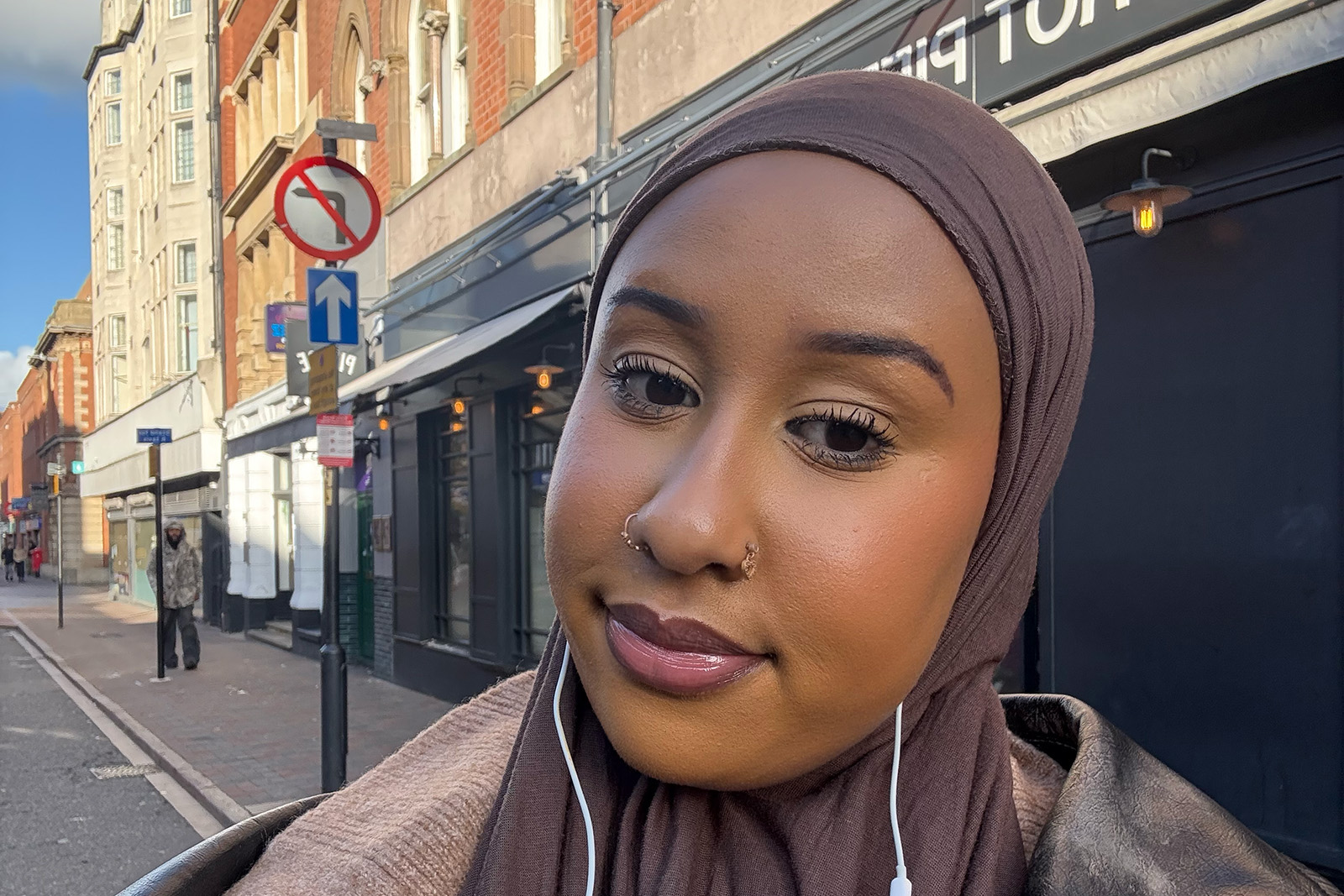
Burton-on-Trent health psychology graduate has been appealing for more Black donors to sign up as her mother Zeinab faces acute myeloid leukaemia
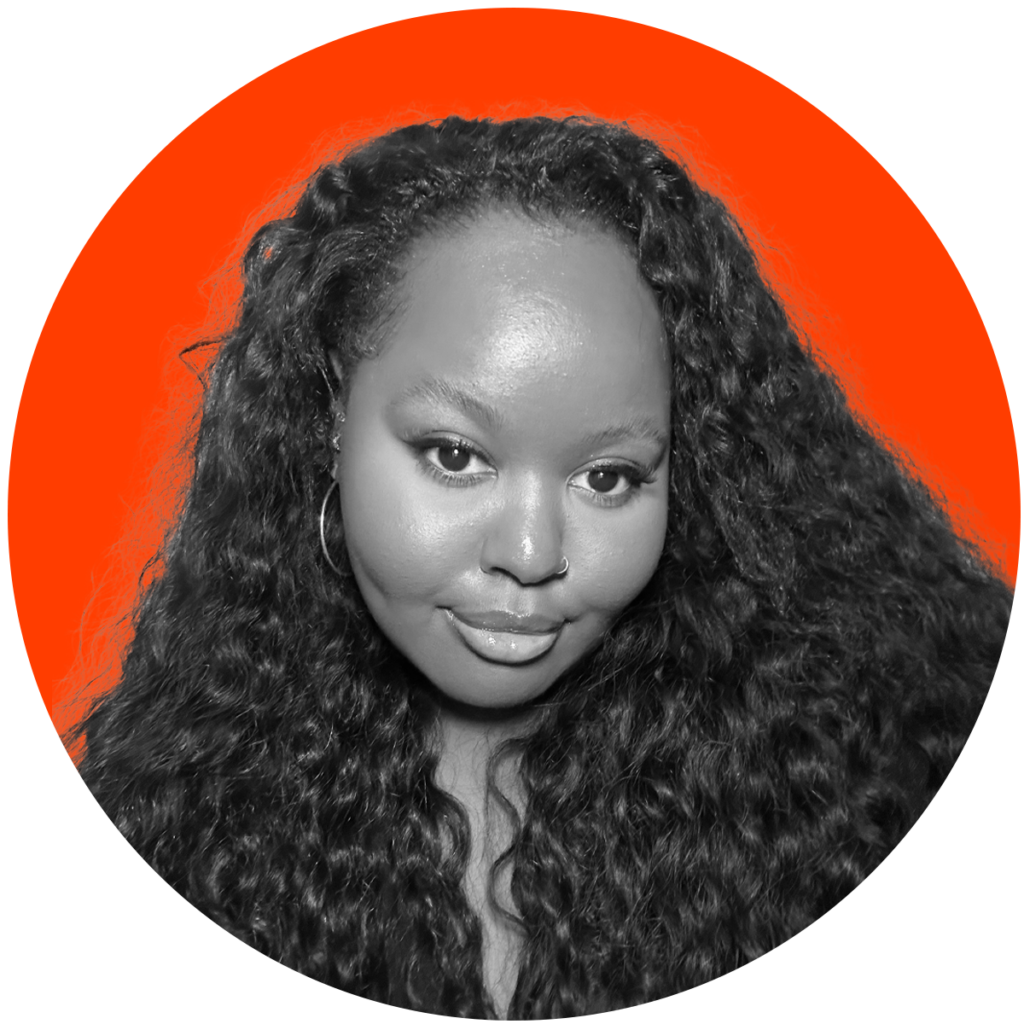
Online applications by people from African and Caribbean backgrounds to join the stem cell register rose by more than 1,600% in just two weeks after a British Muslim woman began documenting her mother’s battle with an aggressive blood cancer on social media.
The UK stem cell transplant charity, Anthony Nolan, told Hyphen the figures were “amazing”.
In the fortnight after Nidahl Hamdan, 24, began campaigning online, applications to the stem cell register from people with African and Caribbean heritage soared from 33 in the preceding two weeks to 570 — a 1,627% increase.
Anthony Nolan said applications to the stem cell register overall had also risen sharply, from 726 to 2,346 — a 223% increase compared with the previous two weeks.
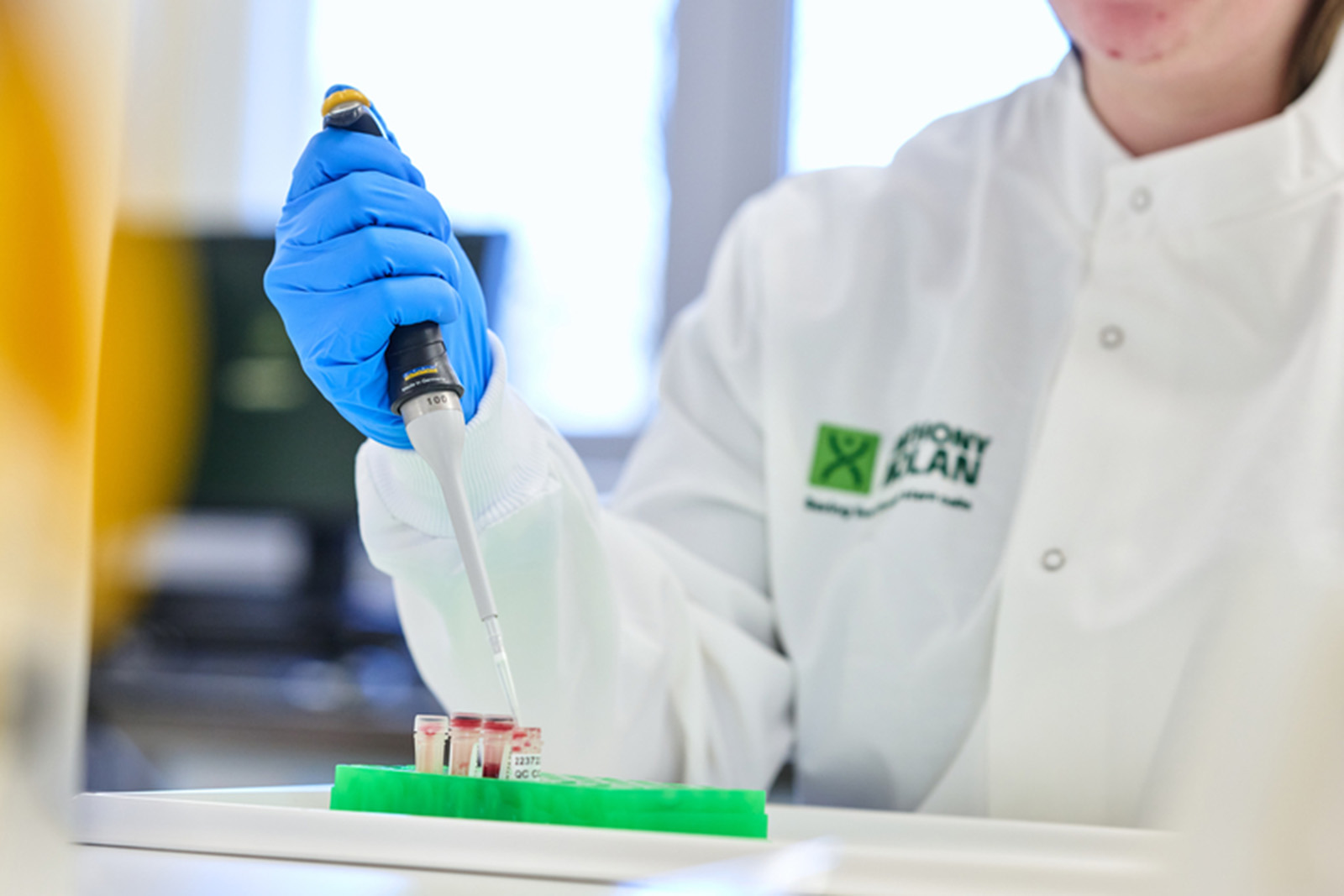
Hamdan, a recent master’s graduate in health psychology who lives in Burton-on-Trent, Staffordshire, shared her story online after her mother Zeinab was diagnosed in January 2026 with acute myeloid leukaemia — a fast-progressing blood cancer that often requires immediate treatment including intensive chemotherapy and a stem cell transplant.
“It was a very difficult and traumatising moment, especially the day my mum was diagnosed,” she said.
“There was a lot to take in for my mum. At the time, I had started translating for her before the doctor had told us that they’d found cancer in her blood. Regardless of your English fluency, hearing the word cancer, I think a lot of people know what that means.
“From the day she was diagnosed she had to start in-patient treatment at the hospital and stay there for six weeks.”
Hamdan said the diagnosis and sudden start of treatment had been mentally and physically taxing for the family, particularly after the first round of chemotherapy failed to send her mother’s cancer into remission.
“This is probably the most difficult thing I’ve ever been through,” she said. “Sometimes there’s almost a sense of guilt that the person who’s always protected and cared for me is now the person that needs care.”
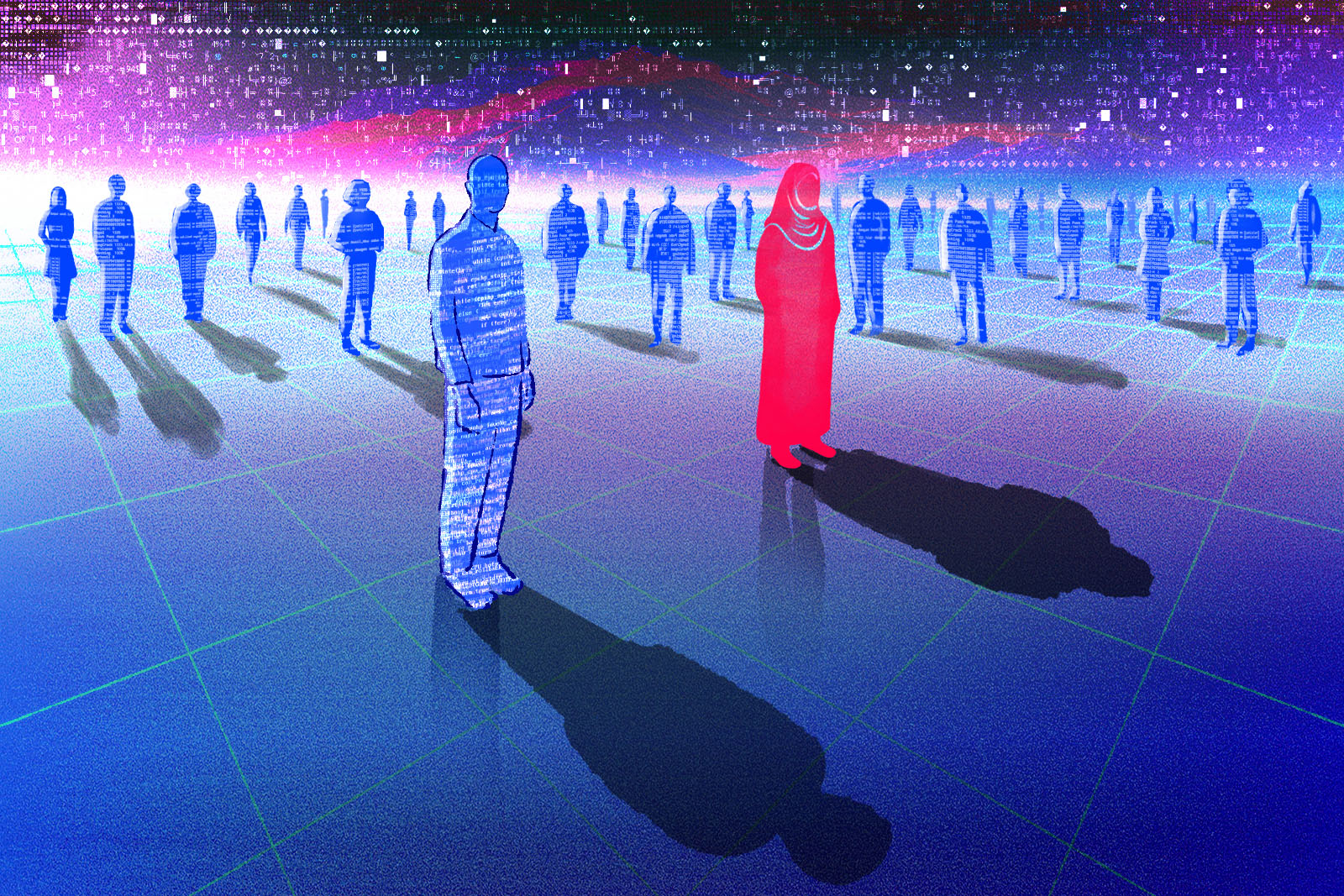
Doctors later explained that finding a suitable stem cell donor could be more difficult for Zeinab, who is of Eritrean descent, because of her Black African heritage. According to Anthony Nolan, patients are more likely to find a successful stem cell match from someone with similar heritage, but two-thirds of registered donors worldwide have white European and North American heritage.
Hamdan has since been using social media and working with Anthony Nolan to raise awareness and to encourage more people — particularly from Black, African and Caribbean backgrounds — to join the stem cell register.
“The response has been overwhelming but in the best possible way,” said Hamdan.
“I’ve had a lot of messages from people who have joined the Anthony Nolan register because of my posts and people within my local community have also started conversations about stem cell donations or blood cancer which they’ve never had before. The issue isn’t the lack of compassion, it’s just the lack of awareness.”
Rowena Bentley, head of programme and community at Anthony Nolan, said: “For many people with blood cancer or a blood disorder, a stem cell transplant is their best chance of survival.”
The charity said patients from minority ethnic backgrounds are more likely to have rarer genetic types, making it harder to find them a matched unrelated donor compared to patients with white or Northern European heritage.
Hamdan said stigma, lack of trust in the healthcare system and a failure to adapt health messaging for different cultures have all also contributed to lower representation from some ethnic minority communities on the stem cell register.
“One of the biggest problems is that people assume all ethnic minority communities are the same,” she said.
“Different communities have different cultural norms, beliefs and ways of engaging with healthcare. What works for one ethnic group might not work for another. Just lumping us all together isn’t going to work when you’re trying to do community outreach.”
She added that religious spaces and faith leaders could also play an important role in raising awareness about stem cell donation, particularly among communities with lower levels of trust in healthcare systems.
“A lot of people from ethnic minority backgrounds do belong to religious groups and putting campaigns in specific places might mean that you might be able to reach them better. Putting campaigns in mosques or churches, places people go frequently where it’s a safe place for them, might be a good starting point,” said Hamdan.
She also called for greater awareness on how blood cancer symptoms can present differently on darker skin. “White skin should not be the default when we are talking about things like blood cancer, which can be fatal,” she said.
Hamdan urged people not only to sign up to the stem cell register but to remember to return their swab kits, which are issued by Anthony Nolan and sent out in the post after online registration.
“It’s a few minutes of inconvenience for you but it’s a lifetime that you could potentially be giving someone else,” she said, explaining that many people request swab kits but never send them back.
“For someone desperately waiting for a match — like my mum — it means literally everything,” she said.
People can register for the Anthony Nolan stem cell register via the charity’s website.