Midwives’ training will tackle racist myth that Black women feel less pain
Professionals cautiously welcome new training principles that will be added to course curriculums and Nursing and Midwifery Council code of practice

Student midwives will be taught to challenge racist stereotypes such as the assumption that Black women don’t feel pain under new training principles published by the Nursing and Midwifery Council (NMC).
The principles, which aim to address “growing concerns around inequities in care and racism across health and social care practice, education and regulations”, are expected to be added to curriculums and the NMC’s own code of practice by October 2027.
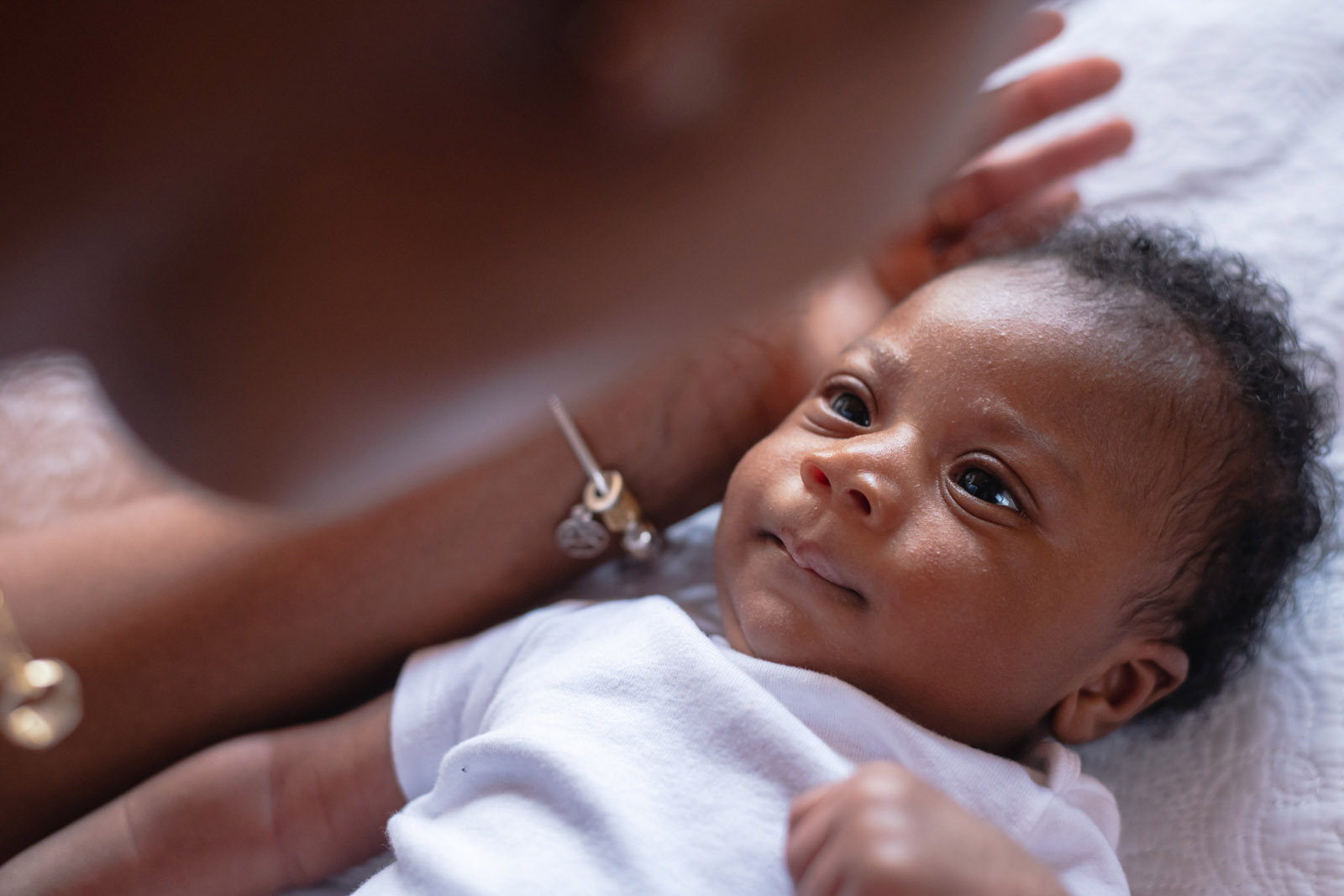
In the UK, Black women are 2.3 times as likely to die during or shortly after childbirth than white women, while Asian women are 1.3 times as likely. Black babies are also more than twice as likely to be stillborn as white babies, while Asian babies are around 1.5 times as likely to be stillborn.

For the first time, universities are being asked to educate students about the damaging effects of racist stereotypes, particularly the myths that Black women have higher pain thresholds and that Asian women exaggerate their pain. Educators will also be asked to teach student midwives how to recognise and respond to their own biases.
Mohammed Usman Aftab, a specialist cancer nurse from the British Islamic Medical Association, said the principles had the potential to drive meaningful change in maternity care.
“Embedding anti-racism principles throughout nursing and midwifery education can help future professionals develop culturally responsive, person-centred approaches to care from the beginning of their careers,” he said.
To uphold anti-racist policies in hospitals, the NMC said senior nurses and midwives should introduce regular, confidential meetings in which students could share their experiences and raise any concerns.
Amina Hatia, a midwife who works as a cultural safety lead at London North West University Healthcare NHS Trust, said the principles were a welcome step in improving care for minority women and babies but that tackling racism remained “a work in progress”.
Hatia said it was significant that the principles “openly acknowledge and accept structural racism”.
“These are systemic issues. These are very rarely to do with the individual, but they are to do with systems that allow inequity to continue, that then leads to disparities in maternity care.”
The NMC said students would also be taught to recognise and respond to cultural and faith-based needs of women from Jewish and Muslim communities.
“It’s really important that under that stroke of anti-racism, religious discrimination is also being captured. Religious discrimination often has a racist lens to it as well. If you come from a racially minoritised faith group, it’s hard to know if you’re being treated that way because you are a Brown or Black woman, or because you are an openly Muslim woman,” Hatia added.
Shaista Gohir, the chief executive of the Muslim Women’s Network UK, called on the NMC to further strengthen its training on religious discrimination against Muslims.
“I believe the next crucial step should be the inclusion of mandatory training on anti-Muslim hostility, especially considering that one in three of their minority ethnic service users will identify as Muslim,” Gohir said.
Hatia said, while it is positive that racist stereotypes are being recognised, students should also be taught the history and context of these stereotypes. The stereotype that Black women don’t feel pain, for instance, can be traced back to the transatlantic slave trade, when painful medical experiments were performed without anesthesia on Black women.
Related content

“We have to tell people where it started, how it has evolved, and how it is impacting people today,” she said. “Until you start joining up those dots, you’re not actually going to address the stereotypes.”
Hatia also said it was significant that the NMC’s official code of practice, the binding professional standard for nurses and midwives, will be updated as it doesn’t currently address racism.
“It will mean that it’s no longer enough to say ‘don’t do this because it’s bad’,” she said. “It’s that if you do not practise in an anti-racist way you are going against your code of conduct.”
Aftab said there should also be a greater focus on how systemic racism affects nurses and midwives.
“While the focus on public protection and reducing inequalities is important, there is limited discussion of how racism affects the workforce, including barriers to career progression, disciplinary disparities, workplace discrimination, and the wellbeing of ethnic minority registrants,” he said.
Aftab said this could be addressed by encouraging nurses and midwives to report racism and improving data collection on racial disparities within the profession.