
What happened when the far right governed the Netherlands?
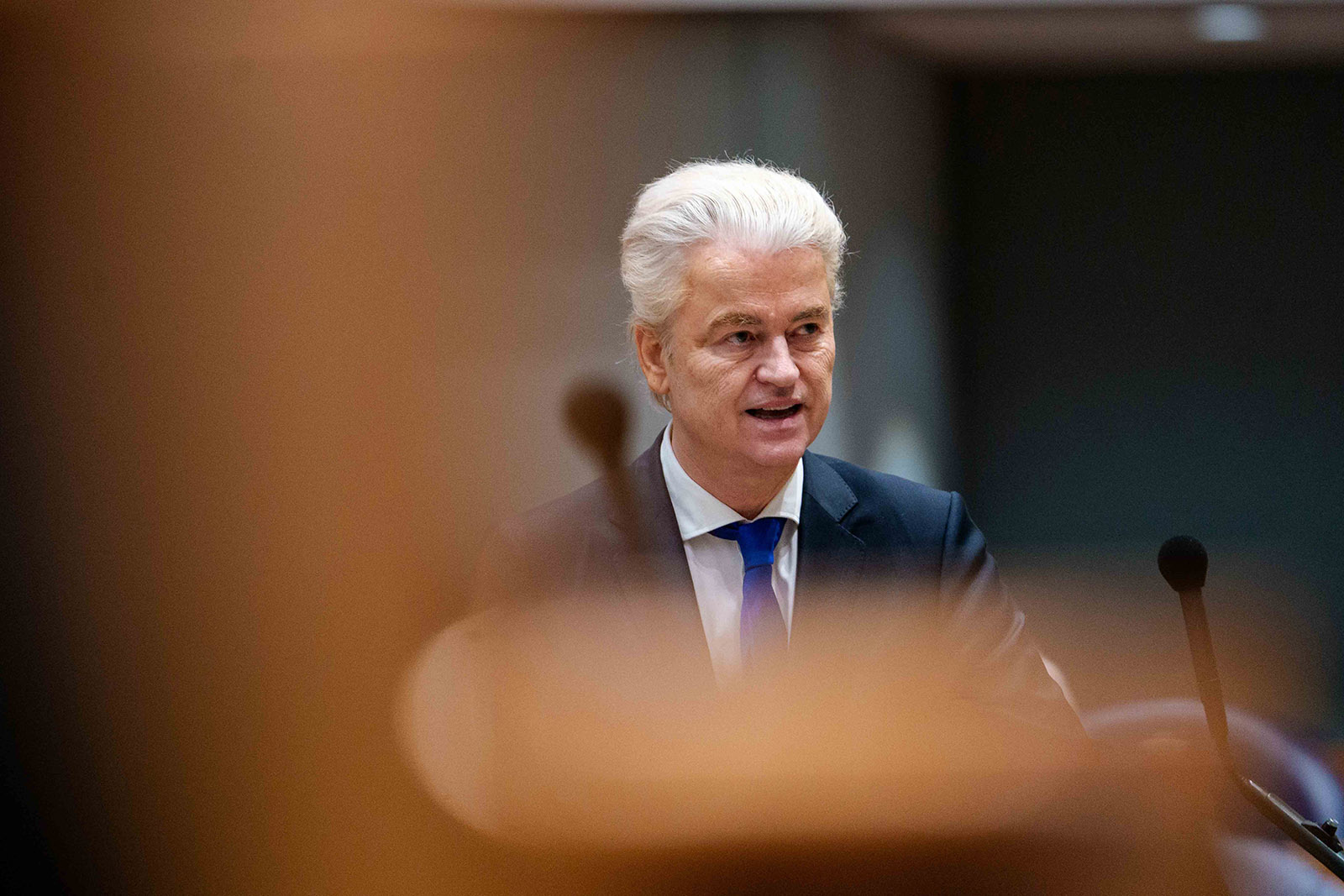
Geert Wilders’ party promised the toughest asylum regime ever and blamed migrants for the housing crisis. The government collapsed within a year — but its politics did not disappear

When Mujahid Ali came to the Netherlands in 2023, he imagined an open-minded country. A Syrian national, he was one of 38,000 people who applied for asylum in 2023, 13,000 of whom were Syrian. “I thought for years it was good there, that the Netherlands is for everyone, not just Dutch people,” says the 28-year-old.
Driven by his perception of the Netherlands as a place of safety, his reasons for coming were much like those of many others. “You’re looking for a safe country,” he says. “For so many people leaving Syria, their house has been destroyed and half their family has died.”
However, he arrived just as the nation was about to enter a new political era. After the 2023 Dutch general election, a coalition government — led by then prime minister Dick Schoof — came to power in 2024 riding an anti-immigration, anti-EU and anti-Islam wave that put people like Ali under a magnifying glass.
Related content
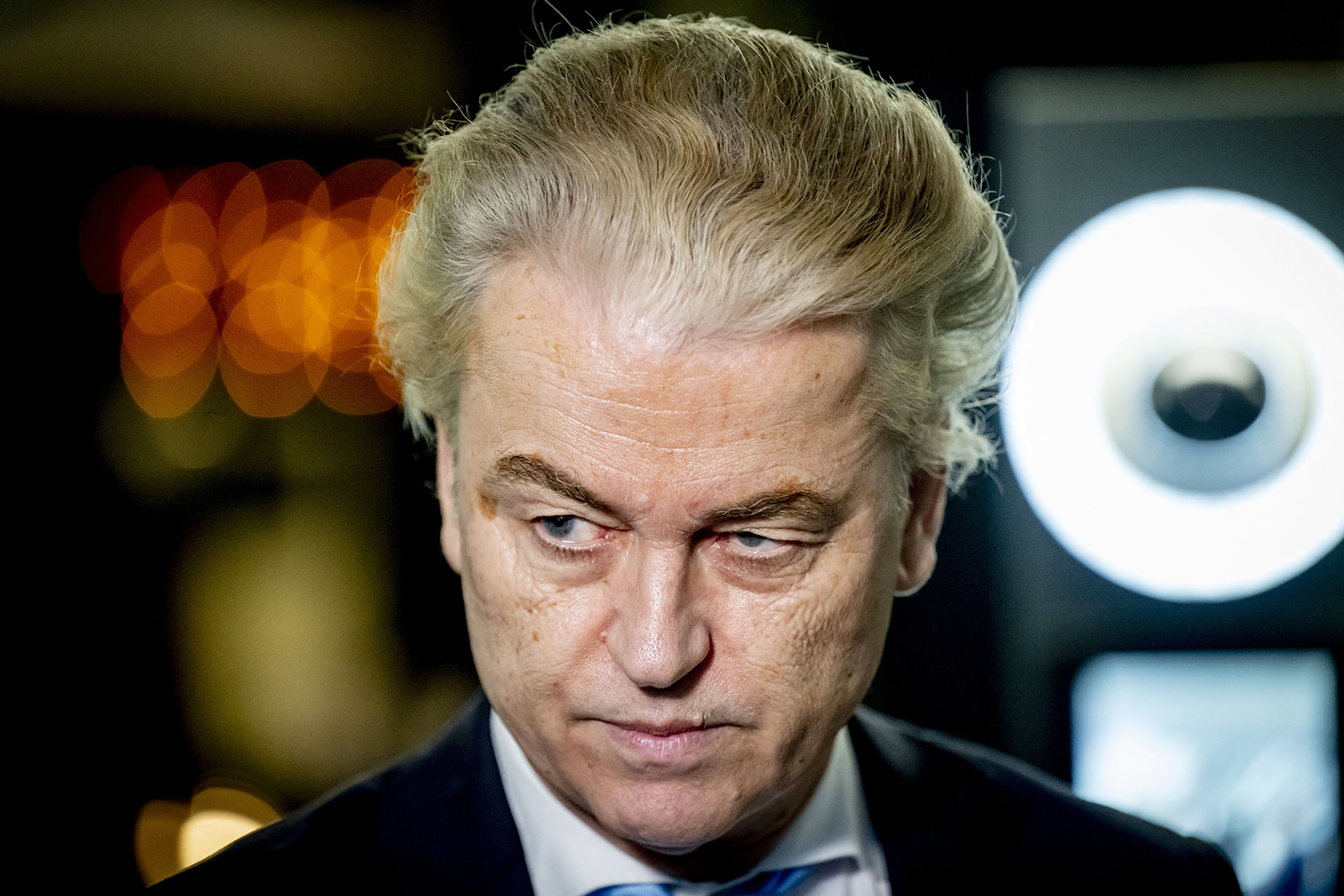
Schoof’s cabinet, which was sworn in on 2 July 2024 and collapsed on 3 June 2025 — though it functioned as a caretaker government until 23 February 2026 — was a coalition of rightwing parties including Geert Wilders’ far-right Party for Freedom (PVV). The PVV was the largest party in the Dutch parliament, securing 37 of 150 seats in the November 2023 general election. The government promised a strict new asylum policy and solutions to decades-long problems such as the housing shortage in the Netherlands, which it blamed largely on migrants.
But measuring the government by the legislation it did or did not pass misses the point. While many of its headline promises were blocked by EU law, coalition politics or the courts, some survived in altered form after the government collapsed. Even policies that were never passed reshaped the political debate and affected people like Ali.
And as Nigel Farage’s Reform UK gains ground in Britain — leading the polls by a significant margin before a Labour leadership challenge from Andy Burnham prompted Prime Minister Keir Starmer’s resignation in June — the Dutch experience offers a glimpse of what happens when a far-right party moves from opposition into government.
Reform too has centred its pitch on a radical overhaul of immigration policy that includes reviewing all asylum claims from the past five years, putting around 400,000 people at risk of deportation. They also want to prioritise British citizens for housing, with Farage proposing a complete ban on foreign nationals securing social housing.
One of the Schoof cabinet’s flagship goals was to limit the number of asylum seekers arriving in the Netherlands. PVV asylum minister Marjolein Faber planned to introduce the “strictest asylum regime ever”, citing overflowing asylum centres and financial strains from a high influx of migrants. These measures included reducing temporary permits from five to three years and restricting family reunification, which she attempted to introduce via the Asylum Emergency Measures Act — legislation usually reserved for natural disasters.
But in 2025, while asylum applications fell, family reunification numbers actually rose. Meanwhile, the Asylum Emergency Measures Act was voted down in the Dutch Senate, lacking majority support and ruled to be legally unconstitutional.
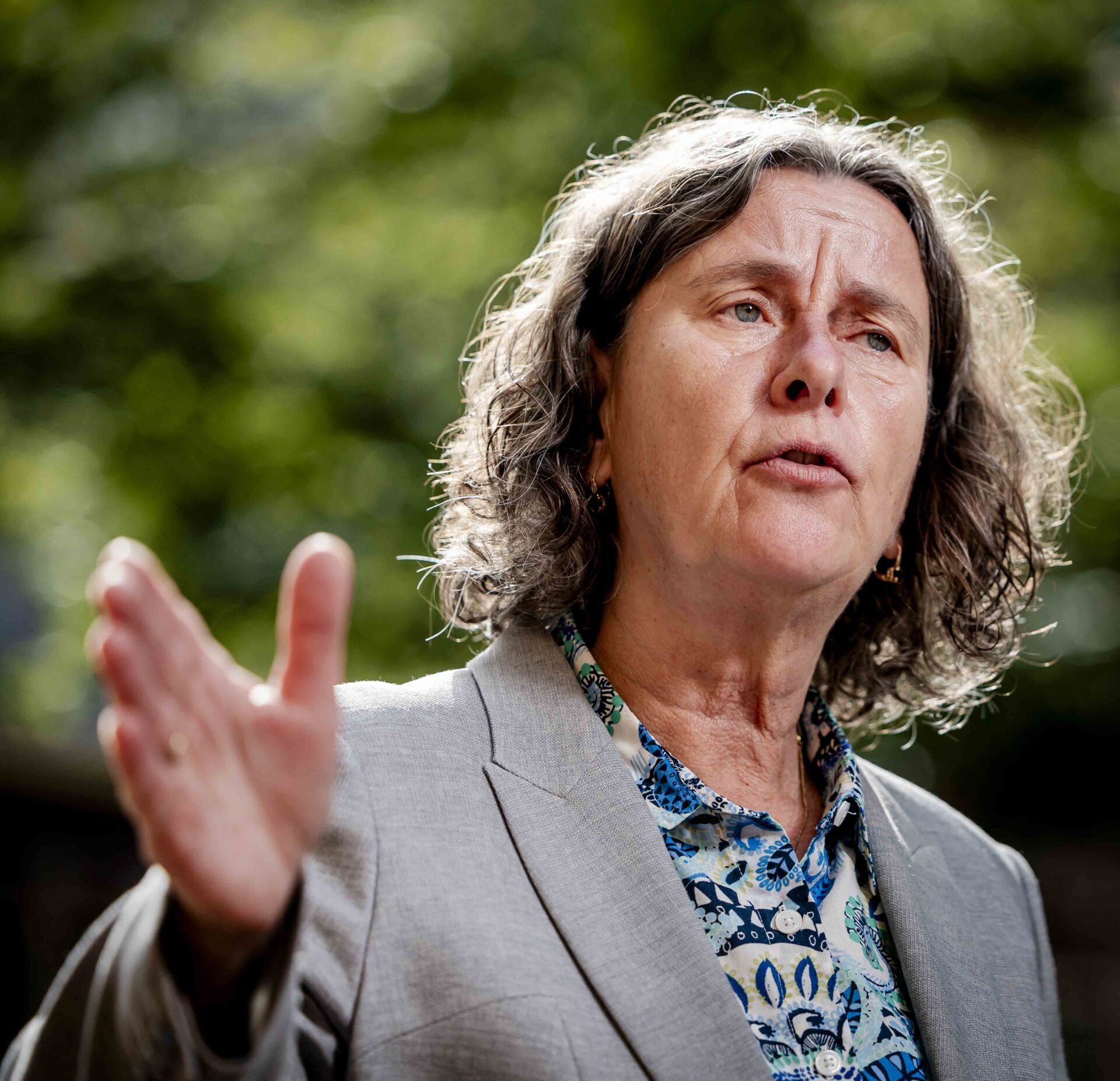
Parveen Akhtar, a senior lecturer at Aston University covering UK and European politics, says the Schoof cabinet exemplifies the struggle the far right has in translating promises into policy.
“The Dutch example suggests that far-right parties often find it much easier to campaign than to govern,” she says.
“It is inevitably easier, when in opposition, to make big and sweeping promises on borders, migration and Islam. In government, those promises run into law, courts, coalition politics, administrative abilities and international obligations.”
Mark Klaassen, a professor at Leiden University and expert on immigration law, explains that sweeping changes to asylum policy were even less realistic in the Netherlands than the UK, where legislation is almost fully controlled by EU law.
“We knew from the beginning there would be a lot of empty promises,” he says.
Yet parts of Wilders’ agenda survived.
The cabinet’s successors — the centre-right coalition led by D66’s Rob Jetten — recently passed tougher restrictions on family reunification, as part of national legislation to implement the EU’s pact on migration and asylum.
“This law, in the end, was passed,” says Klaassen. “It was after the government fell, but the new government passed this part of the legislation. To my regret, but that’s what they succeeded with.”
For Ali, the law’s failure mattered less than the uncertainty the rhetoric created around whether people like him would be treated fairly and granted asylum.
Related content
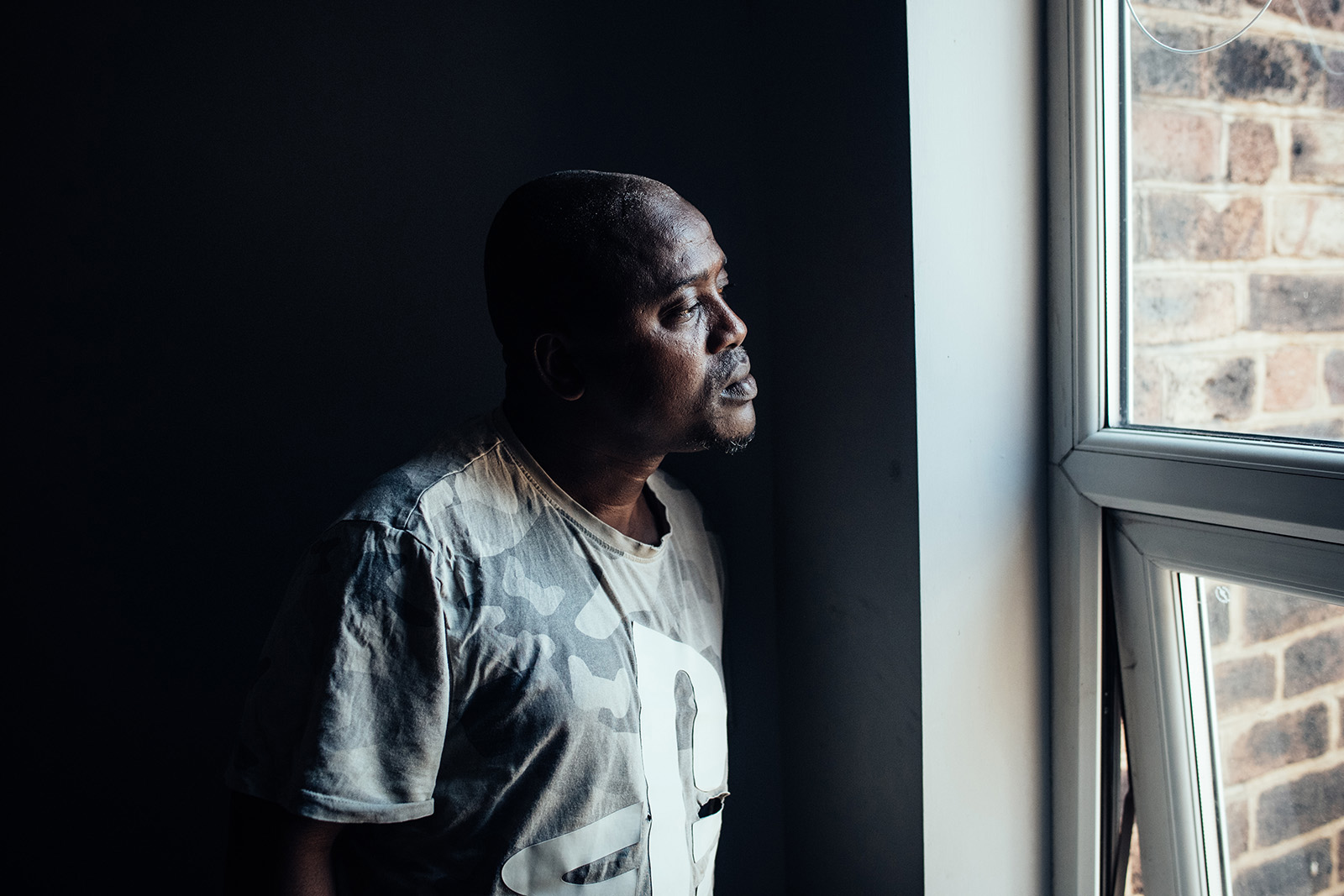
He was initially sent back to Romania under the Dublin Regulation, which requires asylum claims to be processed in the first EU country entered. He said while he waited for 11 months, many people around him ended up waiting much longer, separated from their families needlessly.
“There’s no fixed time now. Some people wait one year, some three years. It’s random. Those people get nothing. If they just behaved with humanity and understood why people come here. For so many, their whole family has died.”
Klaassen says this is among the most frustrating failures of family reunification, enshrined under Article 8 of the European Convention on Human Rights. “Families of people who get refugee status or subsidiary protection status live apart for years,” he explains. “While they are waiting, which is already unlawful, they are faced with this rhetoric and uncertainty about whether they will ever be able to be joined by their family members. And the only reason this happens is to make the Netherlands seem less attractive as a destination for asylum seekers.”
Housing followed a similar pattern. Housing minister Mona Keijzer promised to build 100,000 homes a year to combat the massive shortage in the country. This meant building affordable homes for lower-to-middle-income groups.
Keijzer sought to address the issue of long-term Dutch citizens struggling to secure social housing, many of whom are on waiting lists for social housing that can range from seven up to 12 years depending on the municipality.
To do this, she proposed a bill removing refugee priority for social housing — a law that is part of the Dutch Housing Act 2014 that legally binds municipalities to giving a certain number of refugees a home, within 10 weeks of their receiving a residence permit.
Yet the target of building 100,000 homes a year proved impossible due to legislative zoning processes and environmental regulations. The Netherlands has strict rules on nitrogen emissions, which new housing developments add to, meaning many of the plans were frozen indefinitely. Equally, the country’s electrical grid is overloaded, meaning utility providers couldn’t promise that homes would be provided with electricity on time. Consequently, housing construction fell in both 2024 and 2025. The government was 20,000 short of its target in 2025, building 2,000 fewer homes than in 2024.
In an interview with De Telegraaf, Keijzer argued that refugees were being allocated housing faster than long-term residents. But the numbers show they occupy less than 10% of social housing, suggesting they were not the main driver of long waiting lists.
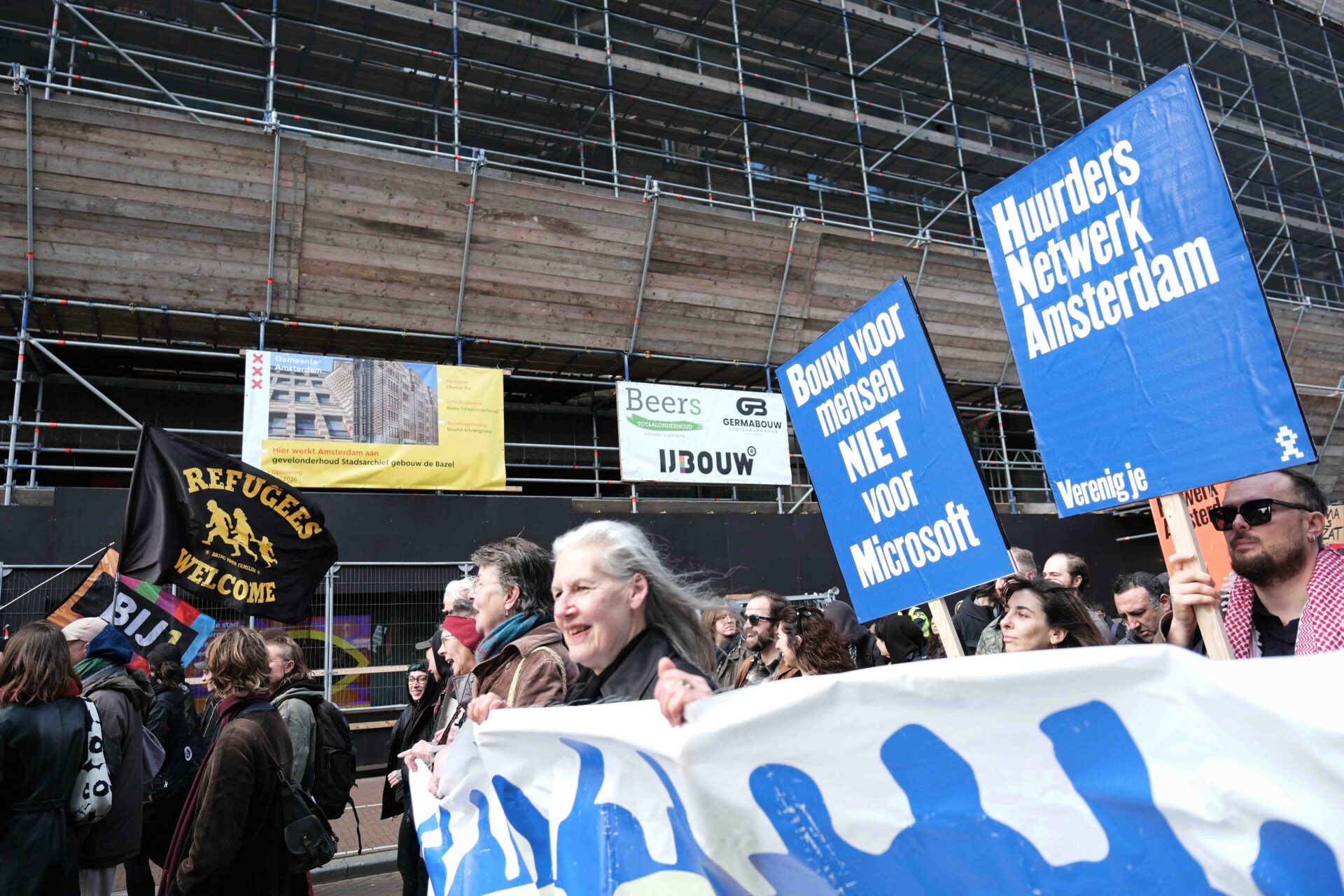
Angelo Schuurmans, director of Thuis in Oss — a widely lauded refugee centre — says it was the rhetoric around refugees and housing that was most damaging.
“It’s one big distraction from the fact that we don’t have enough houses and it’s very easy to blame this little group of people and make their lives more difficult,” says the 41-year-old.
“If we did implement [removing refugee priority], it’s only a matter of time before people would see that refugees were not the problem. It takes years before you can get a house.”
While the plan to stop giving refugees with residence permits priority for social housing did not pass at the time — deemed unconstitutional by the Dutch Council of State — the national tenants’ union Woonbond was also critical of Keijzer’s policies, accusing the government of scapegoating asylum seekers to distract from decades of underinvestment in social housing.
“As a result, many people have [partly] adopted the government’s political narrative,” says a spokesperson from the union. “We’ve heard many people say that asylum seekers are taking over all the houses and that there are no longer any homes left for their own son or the girl next door.”
Wilders eventually pulled his party, PVV, out of the coalition — after his allies refused to pass his 10-point anti-immigration plan — causing the government to collapse and making the cabinet’s tenure one of the shortest in Dutch political history, and, by some measures, comparatively less productive than its predecessors.
The Netherlands’ proportional representation system tends to produce coalition governments, while Britain’s first-past-the-post system is more likely to produce single-party administrations. But with Reform polling strongly, Mothin Ali, co-deputy leader of the UK Green Party, believes a Farage government would nevertheless face many of the same institutional constraints.

“The way the bureaucratic system works in this country will stifle so much of what they want to change and want to bring in. They’ll find it very, very difficult,” he says.
“One thing that always happens whenever minorities are scapegoated is there’s always a creep of the law. They’ll point out an extreme example, or a group they feel they can get away with marginalising and victimising. But that legislation will creep over to every citizen. And they’ll continue to pick on different groups wherever they feel they can capitalise.”
It’s this lingering uncertainty, Akhtar says, that makes the Netherlands a warning to marginalised groups in the UK.
“Even when policies fail, the political atmosphere changes, as does the middle ground. Muslim and minority communities can feel the effects before legislation is passed. Even if Reform struggled to deliver its most ambitious promises, the process of governing could still deepen alienation, mistrust and political mobilisation among British Muslims.”
For Ali, life has calmed since the previous government dissolved. He’s got an apartment in Amsterdam and takes part in a community and language cafe in his neighbourhood, helping people in his position learn Dutch.
“It helps people to learn from each other and can also make my area nicer. I’m relatively new, but I feel at home now that I’ve settled in. I can do everything here.”
But Ali says that the shift in atmosphere is still felt by others. “I feel it’s all somewhat better, but so many people say it’s not, that the Netherlands is still not safe. People I was with in the asylum centre still have very difficult situations here.”