
Local elections 2026: what success for Reform UK could mean for Muslims

Our guide to the party that is tipped for big wins in the 7 May 2026 local elections — what Reform says about Islam, migration and healthcare

Since winning four million votes in the 2024 general election — performing better than any challenger party in modern UK politics — Reform UK has gained control of 10 local authorities and enjoyed a surge of media attention. It now poses a significant risk to the century-old duopoly held by the Conservatives and Labour.
The party built its support on hard-line anti-immigration rhetoric and promises of a tougher criminal justice system. Among its flagship policies is the creation of a mass deportation agency.
Related content

Inflammatory rhetoric against migrants and minorities has been key to the political brand of its leader, veteran eurosceptic Nigel Farage.
In his speeches and statements, Farage often singles out Islam as a particular threat to the fabric of British life, referring to Muslims as as Britain’s “fifth column”. He previously claimed that “46% of British Muslims support Hamas” and “do not subscribe to British values”, while in March he described public Eid prayer organised in Trafalgar Square by the Ramadan Tent Project as an “attempt to overtake, intimidate and dominate our way of life”.
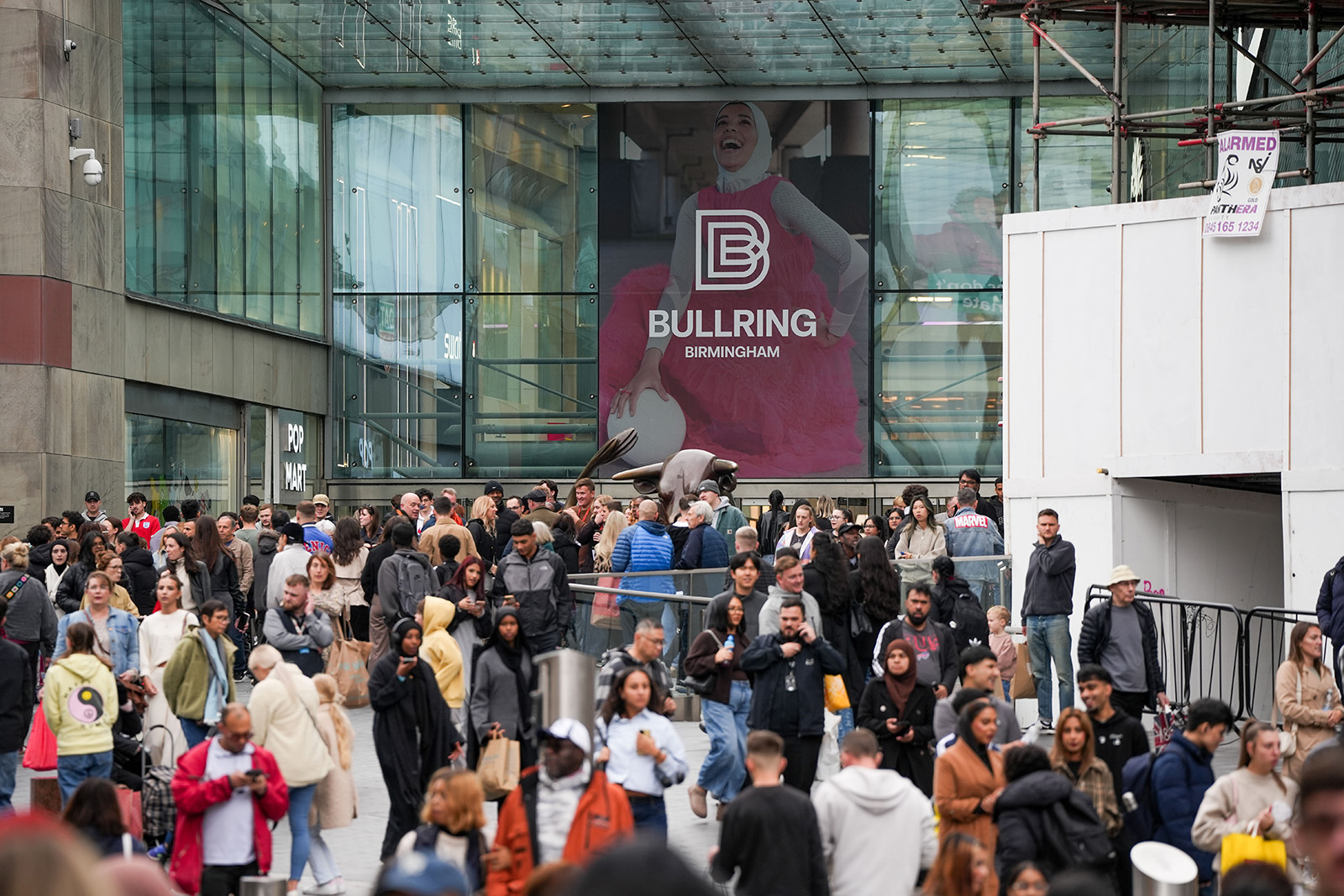
According to a poll carried out by JL Partners for the Telegraph, Reform could win control of up to 69 out of the 136 local authorities in England facing elections in May. Some of those, such as Birmingham, have significant Muslim populations, meaning that for the first time large numbers of British Muslims could find themselves living under Reform-controlled governments.
Here’s what you need to know about the key policies and issues within Reform UK that could affect British Muslims in particular.
What is Reform’s stance on immigration?
According to Reform, immigration is the problem at the heart of “Broken Britain” that the party promises to fix.
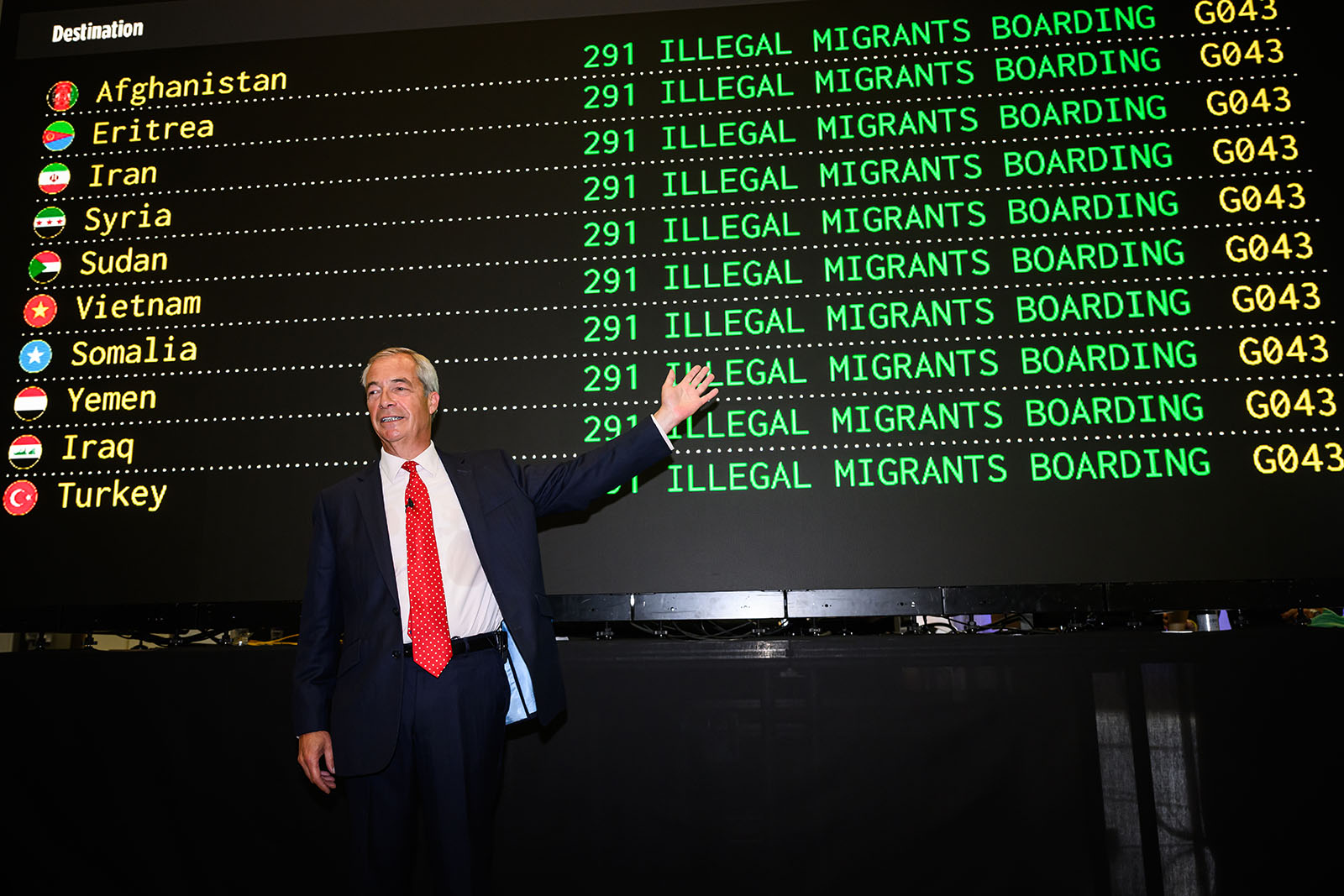
At its conference in Dover in February, Zia Yusuf, Reform’s home affairs spokesperson, said the party would work to establish UK Deportation Command, a body responsible for carrying out mass deportations of migrants entering via unregulated routes.
Other Reform policies aimed at reducing the number of migrants in the UK include scrapping Indefinite Leave to Remain and rescinding the status from current holders. Instead, the party would introduce five-year visas with higher salary thresholds, mandatory fluency in English and stricter “good character” requirements.
Related content
This would affect between 622,000 and 820,000 non-EU passport holders currently living in the UK, as well as up to four million EU citizens.
Census data shows that nationals of Muslim-majority countries such as Pakistan, Bangladesh, Iran, Iraq, Turkey and Afghanistan made up at least 12.4% of the UK migrant population as of 2021, while nationals from Nigeria and India — both countries with large Muslim populations – made up 11.7% of UK migrants. Some 24% of Muslims in the UK do not hold a British passport.
Reform has also pledged to deport more than half a million people who crossed the border on small boats, under its drafted mass deportation bill. The move would likely affect many Muslims, as 85% of asylum seekers who crossed the UK border on small boats since 2018 came from Muslim-majority countries.
Focus on immigration and the criminal justice system has allowed the party to gain both former Conservative and Labour voters, said Tahir Abbas, criminology and global justice professor at Aston University.
“These are narrower areas of focus that appeal to certain Reform voters who want hard-line policies and have given up on the mainstream parties,” Abbas said.
However, beneath Reform’s “much harsher public policy regime”, Abbas sees the policy proposals as a continuation of “the underlying themes of deregulation and neoliberalism” that underpin both the Labour and Conservative parties.
What is Reform’s policy on healthcare?
Polling for Hyphen found that healthcare was a top priority for Muslim voters in 2024. Research by the National Aids Trust in 2017 found that more than 24% of Muslims over 50 reported poor or very poor health. A large proportion of the Muslim population also lives in deprived areas, which are disproportionately affected by cuts to public health funding.
Related content
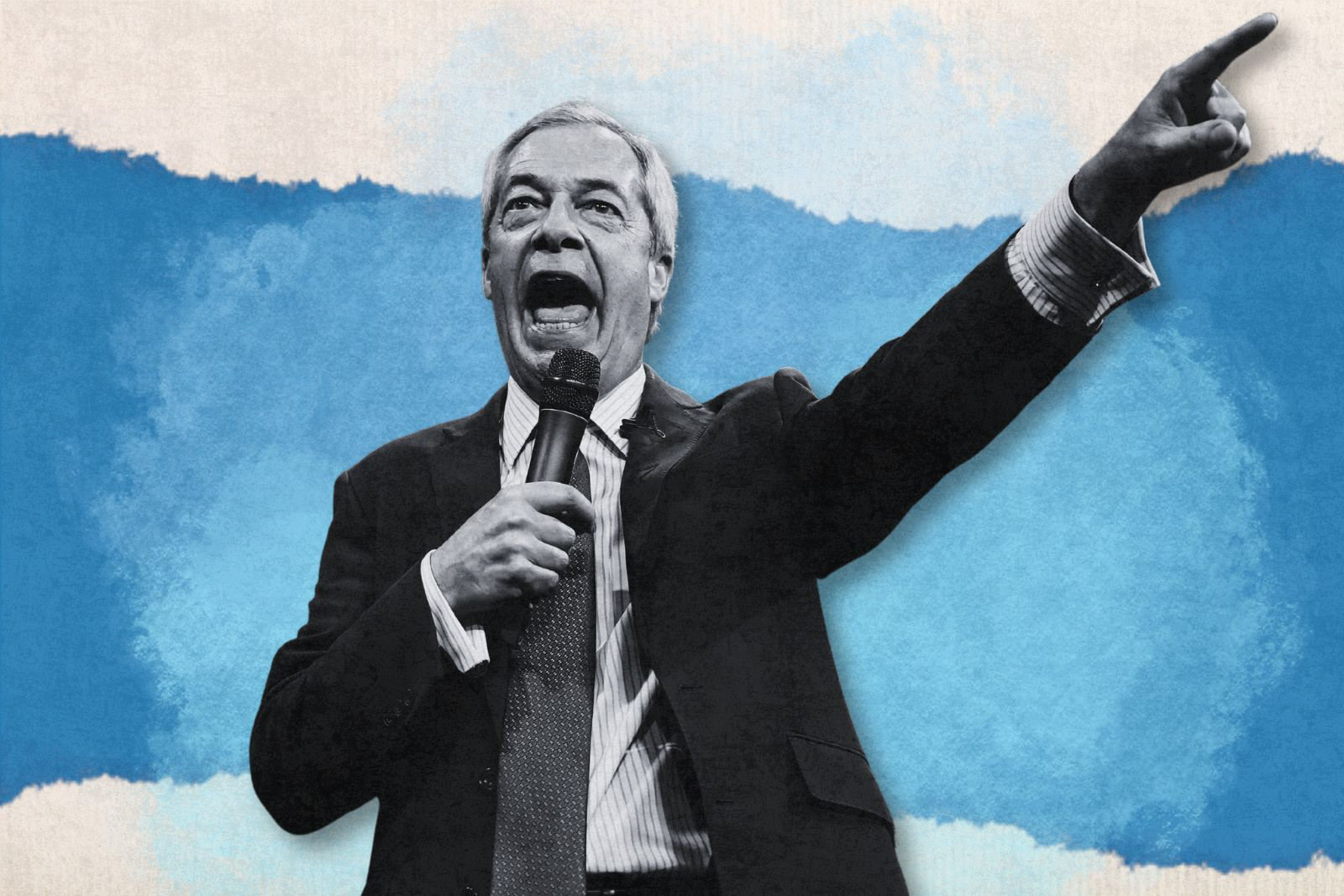
Reform’s 2024 manifesto pledged that the NHS would remain “free at the point of delivery”. But according to the party’s plans, it wants to funnel billions of pounds of public funding towards private healthcare providers, continuing on the path set by previous governments but taking it further.
Throughout his career, Farage has said that the funding model for the NHS — general taxation and national insurance contributions — has to be re-examined. At a recent party conference, he did not rule out moving to a French-style health insurance system.
Recently, the issue of potential privatisation of the NHS has caused splits in the party. Reform’s Welsh leader, Dan Thomas, said that any type of privatisation would be off the table in Wales, while London MP Andrew Rosindell told the BBC in January he would be “open to anything” including “an insurance-based model”.
What role does Islamophobia play for Reform?
Farage and other party figures have not shied away from painting British Muslims as an existential threat to the country.
During the 2024 election, several Reform candidates were found to hold racist and Islamophobic views, including one candidate who self-identified as “a proud Islamophobe”.
Several councillors elected last year were also found to have shared Islamophobic content, including posts by the far-right Britain First party.
Reform’s vetting system has again come under scrutiny this year as several councillor candidates were found to have made racist and Islamophobic posts, including calling Islam a “cancer”.
Last year, Farage told American lawmakers that Britain had become an “awful authoritarian state” comparable to North Korea and said that the new non-statutory Islamophobia definition would lead to a “two-tier justice system”.
During the 2024 riots, when several mosques were attacked, Farage’s name was chanted by demonstrators. While Farage refused to endorse the riots, he complained of the same thing — “two-tier justice” — in the aftermath of arrests.
Related content
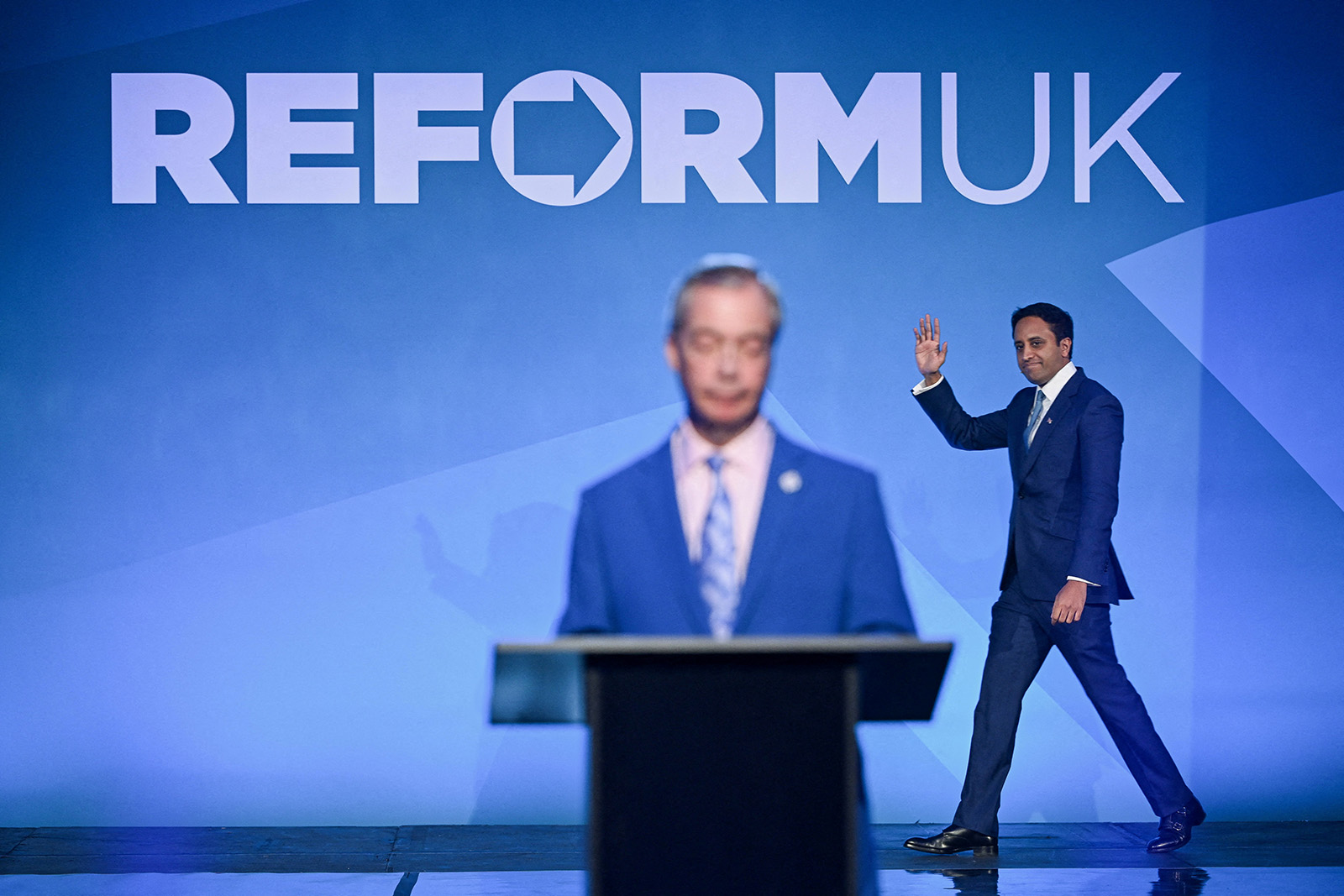
Islam is singled out among Reform’s key policies with a proposal to ban the conversion of disused church buildings into mosques, a practice Yusuf has called “incendiary”. Hyphen understands that only two Church of England properties have been converted into other places of worship since the late 1960s, both into gurdwaras, and that there are no confirmed records of any Anglican churches in that time being converted into mosques.
However, Abbas points out that the party leadership may not view Islamophobia as particularly important either way.
“Farage has evoked some classic Islamophobic tropes in the past — but rarely goes overboard like many others on the far right and radical right,” he said. “He is very careful to stay within certain limits, but he is operating in a political landscape where there is already quite a degree of hyper-normalised Islamophobia.”
When Farage cut ties with the UK Independence Party (Ukip), he cited the leadership’s “fixation” on Muslims and Islam as well as its closeness to the far-right activist Tommy Robinson.
Is Reform trying to soften its image?
Several Muslims and people of colour have taken prominent positions within the party, including Yusuf himself as well as Laila Cunningham, who has been announced as the party’s candidate for the London mayoral election in 2028. The party has also benefited from the defections of high-profile Conservative MPs, including former chancellor Nadhim Zahawi.
Yusuf, a millionaire businessman born to Muslim Sri Lankan parents, has been credited with “professionalising” the party during his year as chair, strengthening its disciplinary procedures and moving it away from a racist rabble-rousing image. He briefly quit in 2025 days after criticising Reform MP Sarah Pochin for calling for a burqa ban.
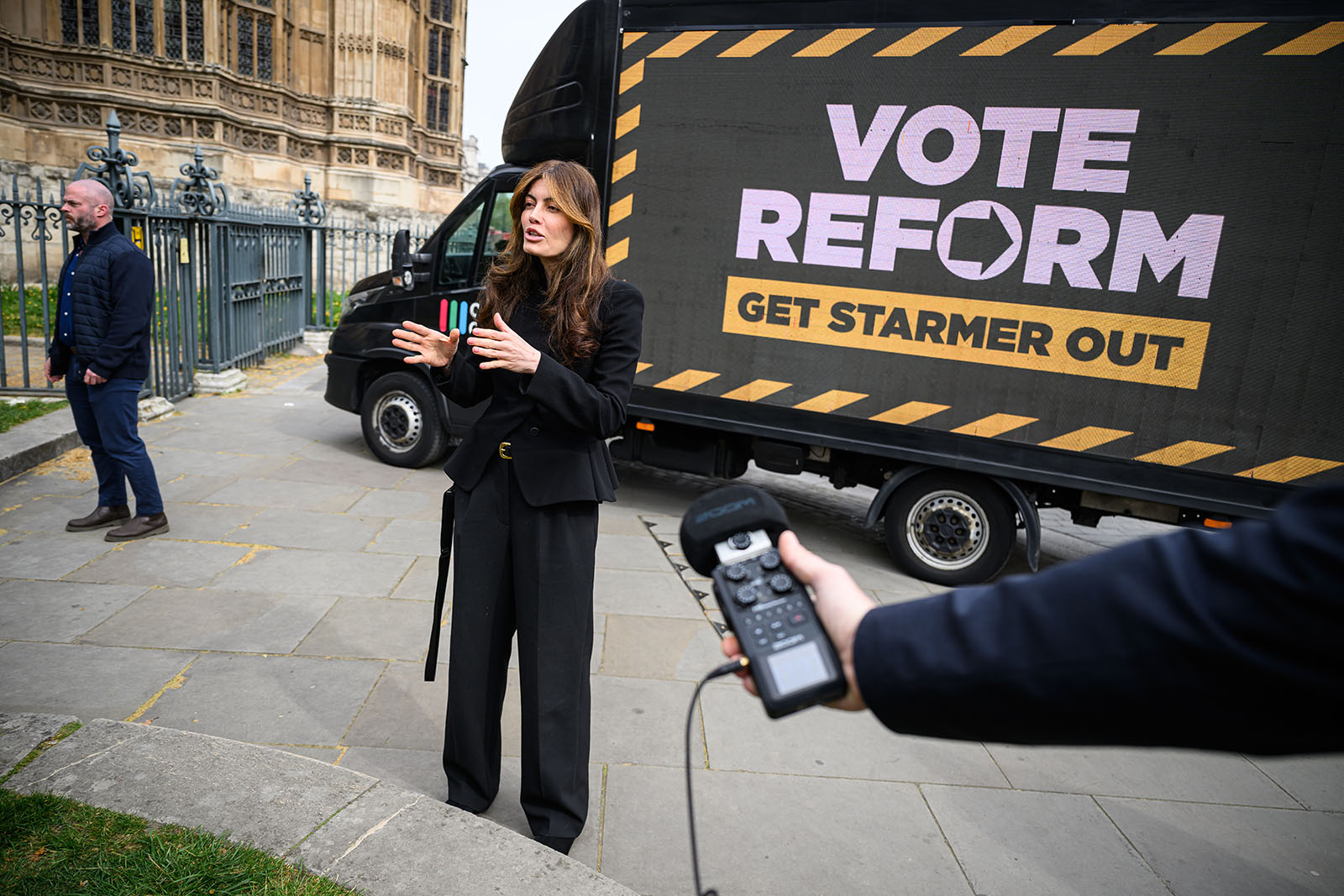
The visibility of figures like Yusuf and Cunningham “helps Farage rebut accusations that Reform is an anti-Muslim or racist party”, Abbas wrote with co-author Parveen Akhtar, a politics lecturer at Aston University.
Reform has also been performing better with non-white voters than Farage’s previous party, Ukip, with more than 8% of its 2024 voters not identifying as “white British”.
“It is clear that there are classically racist people in Reform, especially among its base and in some of those seeking representation,” Abbas said. “The appointment of former Tories of note, of colour, reflects the need to bridge a certain demographic.”
Reform’s ambition is to increase its share of ethnic minority voters as well as appeal to wavering white voters who might be put off by overt racism, said Abbas.
However, the move has resulted in tensions within the movement. Yusuf’s appointment led to denunciation by disgraced former actor and far-right activist Laurence Fox, who said: “A Britain-focused party cannot have a Mohammedan as the chair. Islam is not your friend if you believe in free speech, family and British culture. You cannot buy us.” Other Reform voters took to social media to say they were cancelling their membership in protest at Yusuf’s appointment.
Farage himself blamed Yusuf’s resignation as leader on “a tirade of racist attacks”.
Will the local elections matter?
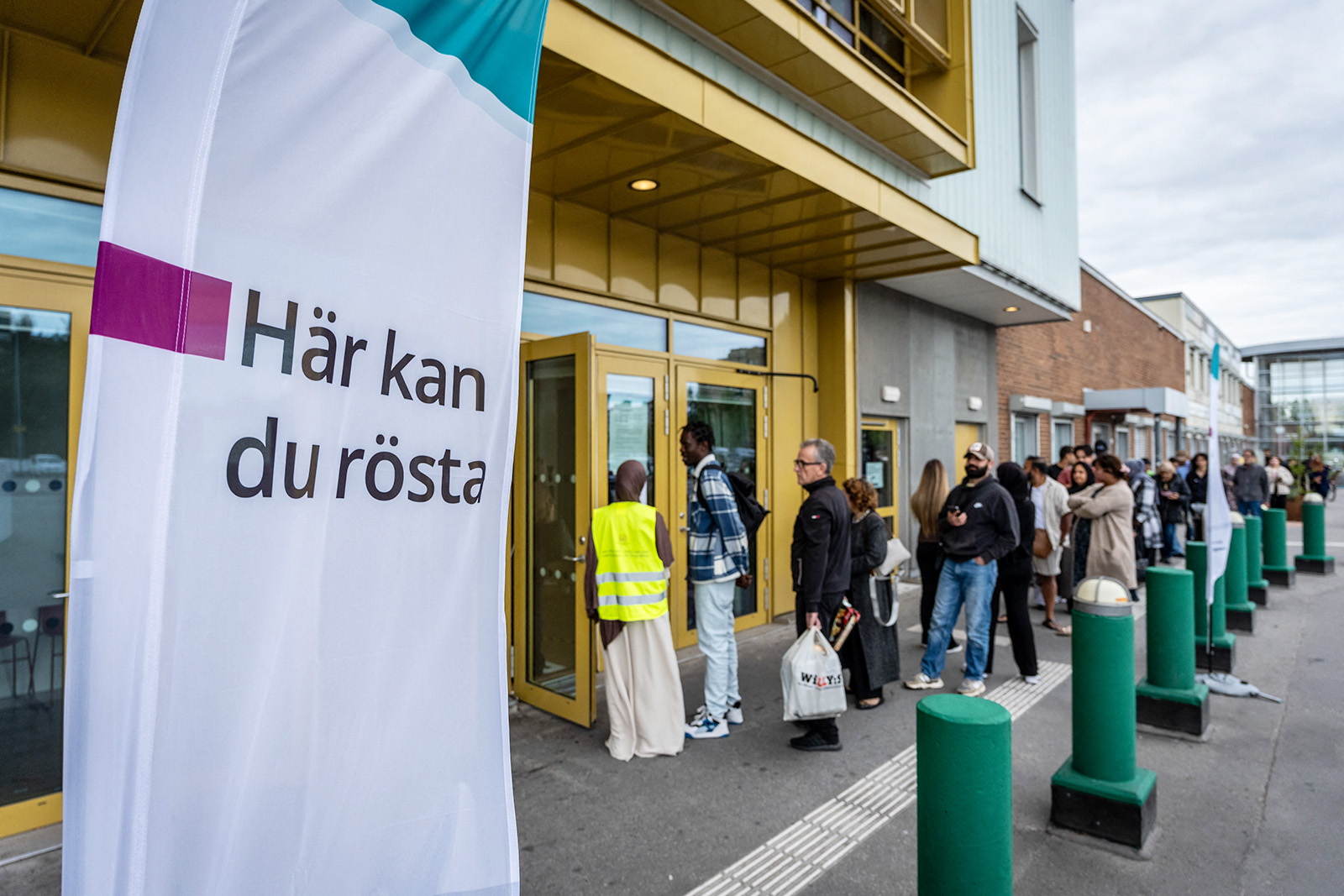
Like every local election, the upcoming vote will affect the daily lives of millions of Britons. Local authorities are responsible for a number of public services, including schools, libraries and waste management.
It is also projected to result in unprecedented losses for both Labour and the Conservatives, with some commentators suggesting that the poor result could spell the end of Keir Starmer’s premiership.
Conversely, a good result for Reform could signal the party’s strength and political viability, although Abbas advises caution.
Currently, Reform holds power in 10 councils, which have attracted attention for the political inexperience of many of its councillors, some of whom are very young.
“There have been quite a few issues facing Reform councillors — a lack of experience [and] ideology and ambition over capability and competence seem to filter through more often than not,” said Abbas. “In the forthcoming 7 May elections, Reform will do well in certain areas, at the same time as Labour and the Tories face heavy losses, but how all of this translates into effective leadership and eventual outcomes is unclear.”