
Muslim Council of Britain signs up thousands of new voters for local elections
The organisation visited mosques and community groups in key cities to help people register via the government website

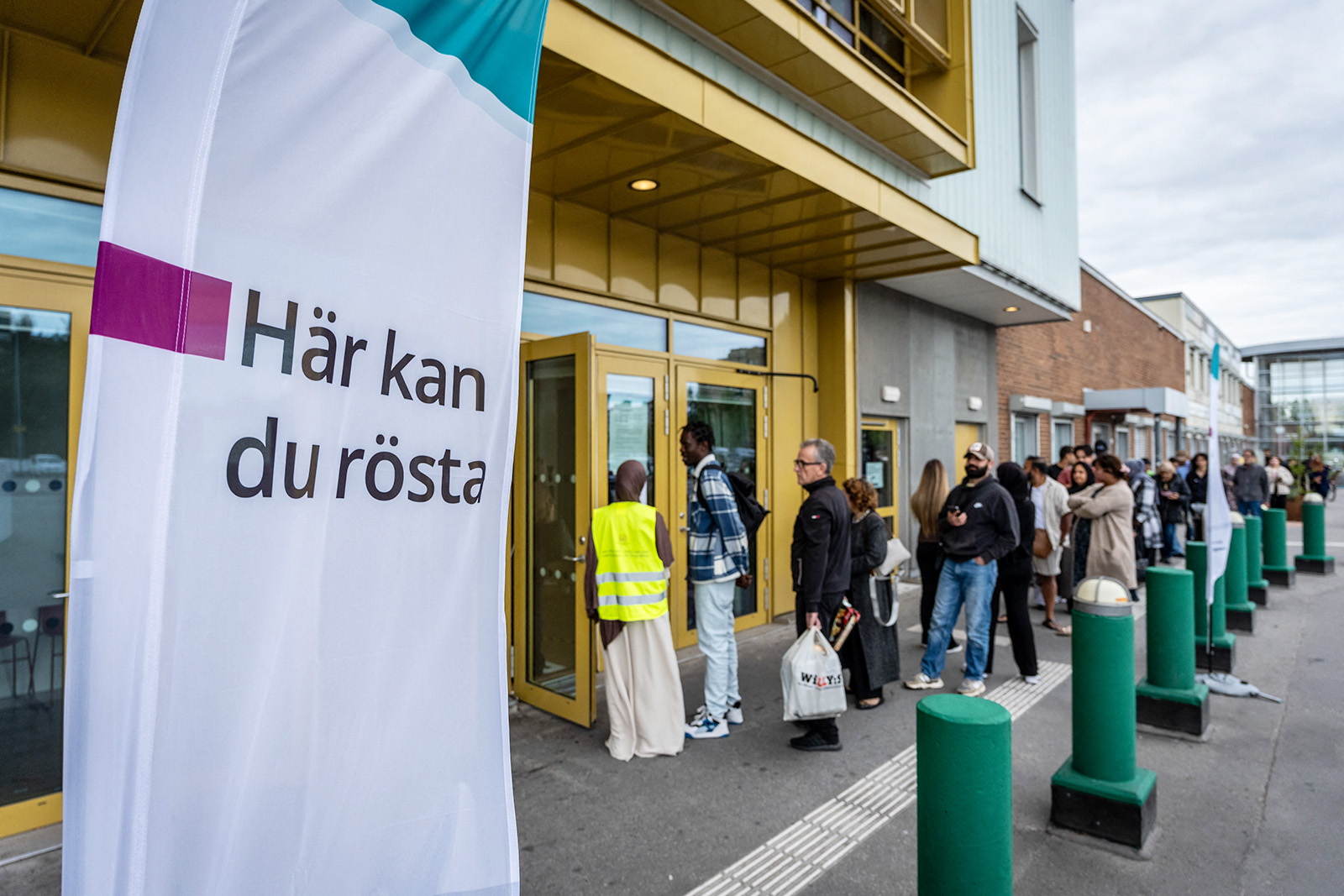
The Muslim Council of Britain (MCB) has registered more than 3,000 new voters in cities across England to vote in the upcoming local elections.
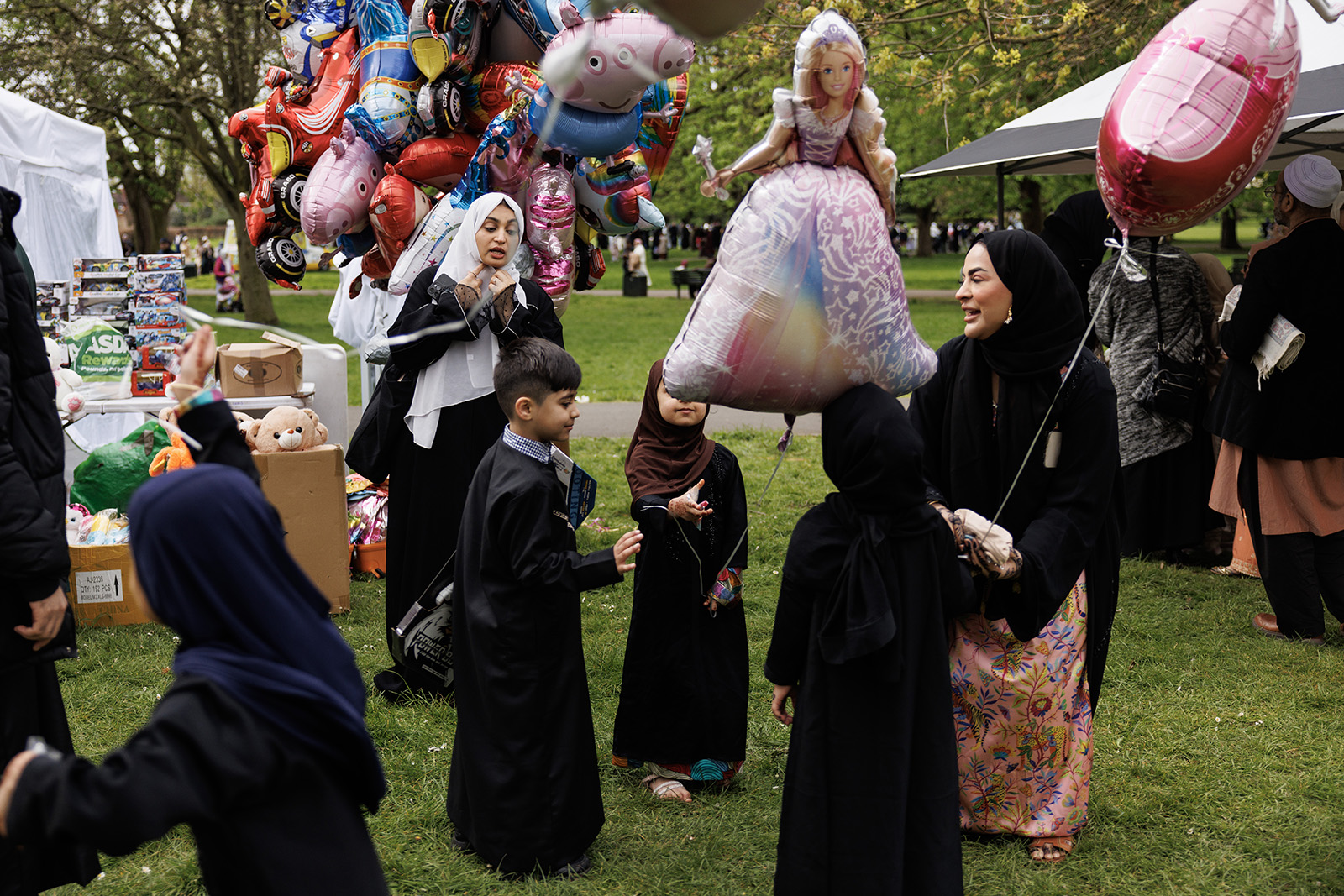
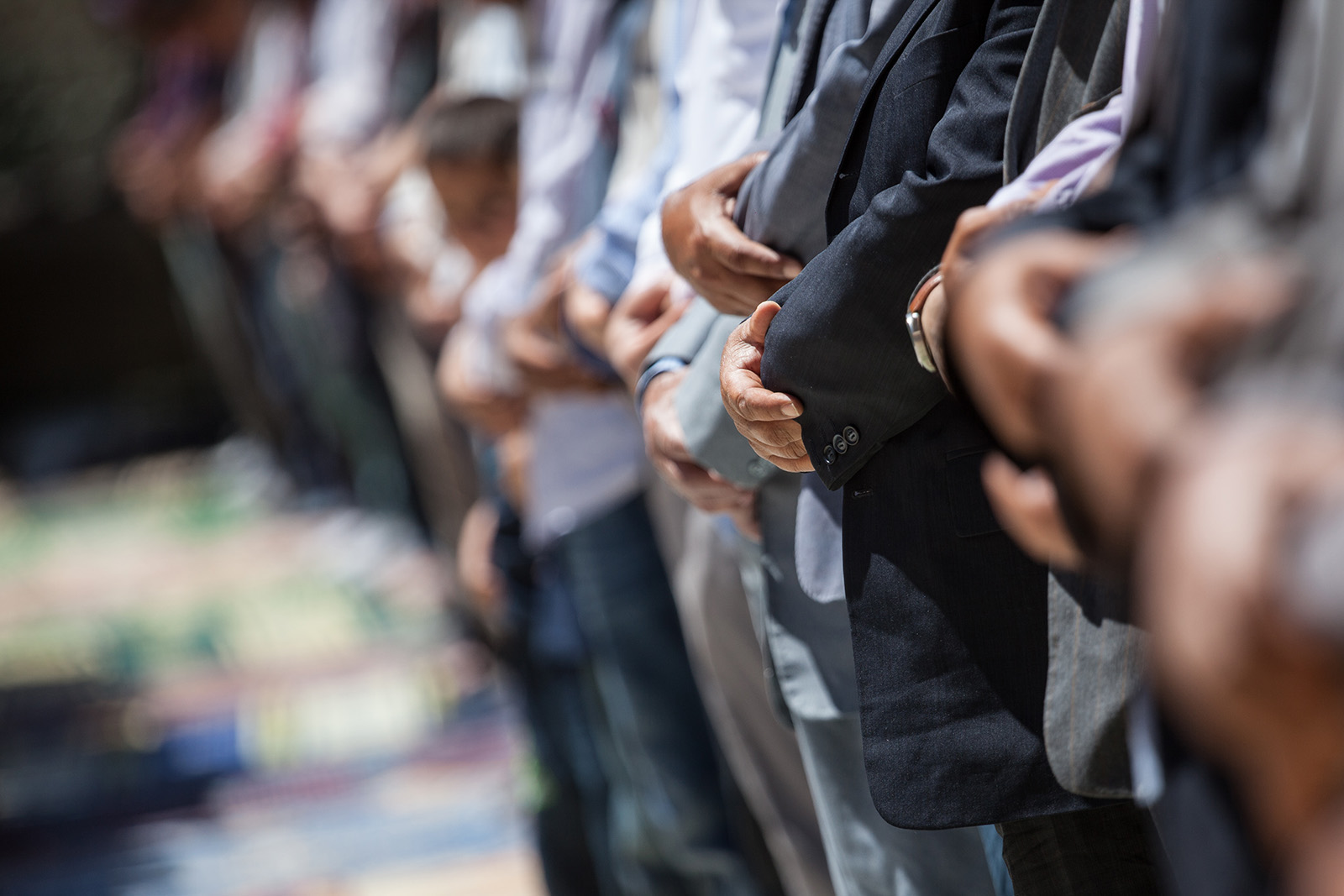
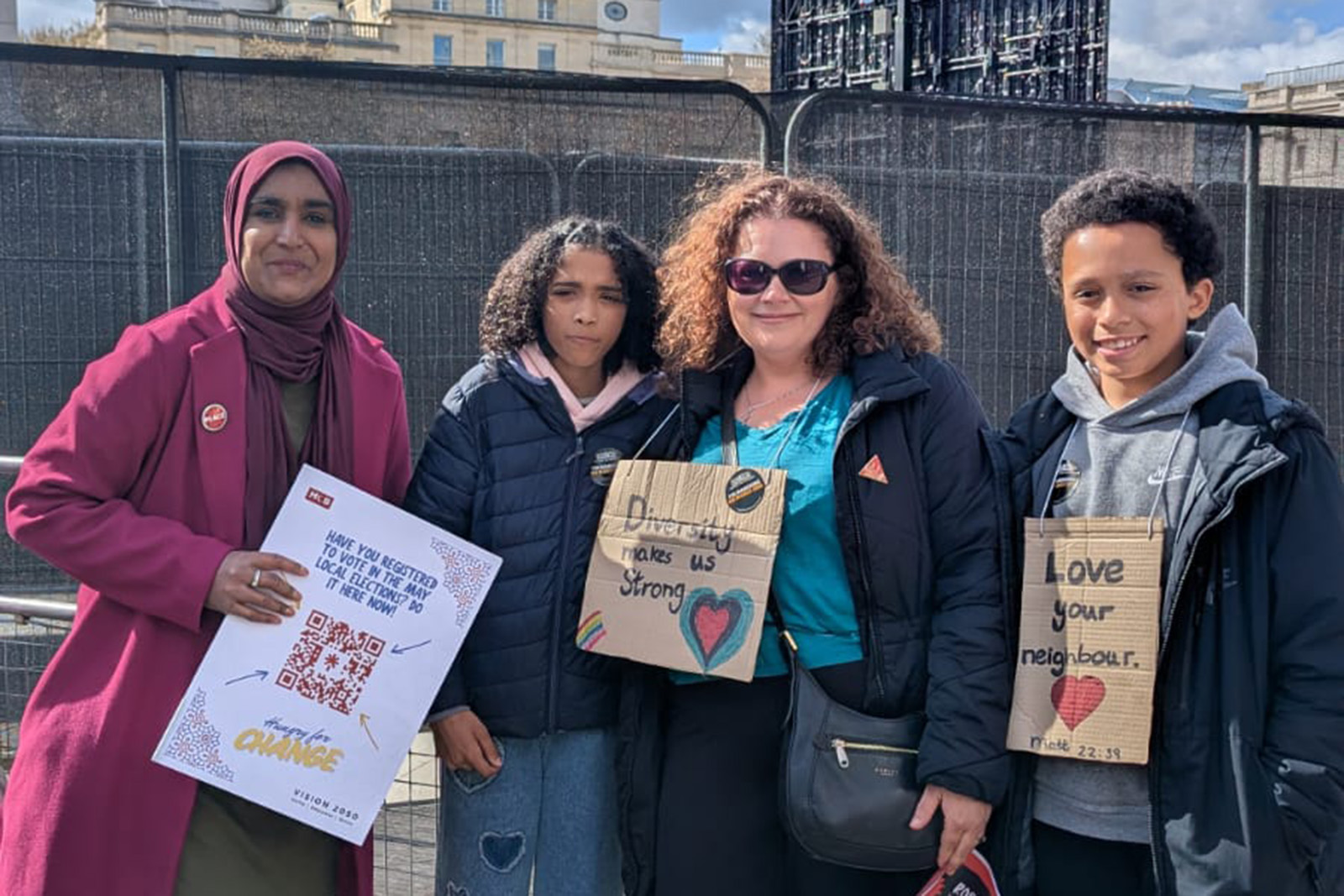
The organisation’s Hungry for Change campaign, launched in January, has focused on outreach in mosques and local communities, particularly throughout the month of Ramadan. More than 100 volunteers participated in the drive in cities including Birmingham, London, Manchester, Sheffield and Leeds ahead of the deadline for voter registration on 20 April.
Local elections will take place on 7 May for 136 English local authorities, as well as for the devolved governments of Scotland and Wales.
“We had volunteers giving out QR codes to members of the community as they came for Jummah prayers,” said MCB public affairs manager Lotifa Begum. “Some volunteers were able to bring their laptops and help people sign up. Particularly for the older generation, there exists a digital barrier. It really helps having somebody who speaks their local language able to help them register. It makes a huge difference to making democratic participation more accessible.”
Begum said that the rise of rightwing populist parties such as Reform UK and the steady increase in Islamophobic incidents have fuelled Muslim voters’ anxieties about the future of their hometowns and made this election feel more significant.
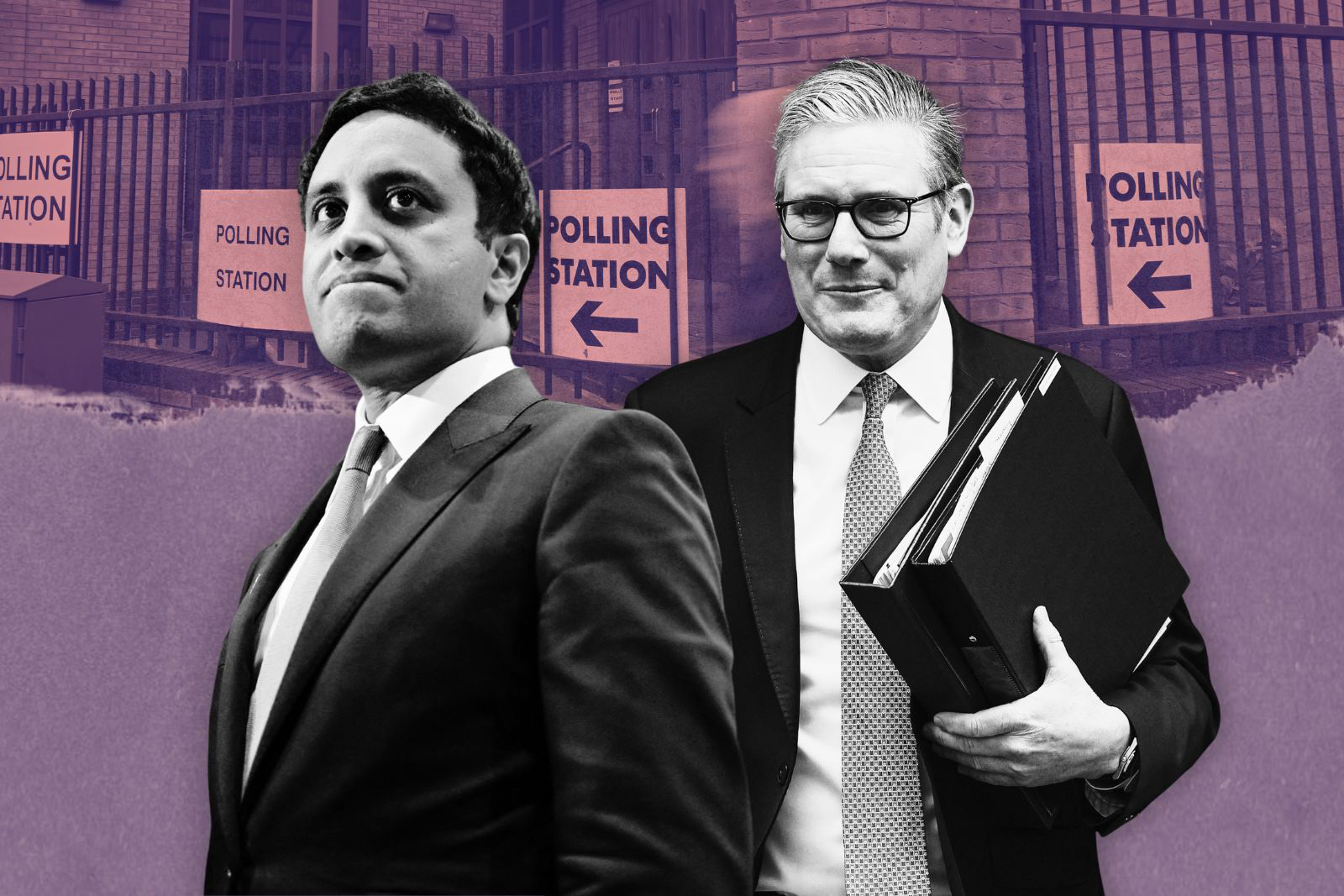
A poll conducted by JL Partners on behalf of the Telegraph published on Wednesday projected major Labour losses to Reform, particularly in Wales and the so-called “Red Wall” regions of England.
“We are seeing an all-time high on attacks on faith communities, in particular Muslims, and I think that’s being fuelled by the narrative of the far right,” Begum said. “If we don’t engage our communities, they will not recognise the agency and the power that they have.”
Related content
Grassroots engagement and the involvement of young people were key to the success of the campaign, Begum said.
“It makes a massive difference to have mosques, imams, leaders, activists, encouraging people to not waste their vote,” she said.
Alongside registration drives in mosques, the MCB also organised regional and online events, including webinars with representatives of the Electoral Commission and organisations such as YouElect.
“During the events, we asked a good cross-section of the British Muslim community why they feel it is important to vote,” Begum said. “They listed issues like tackling Islamophobia, lack of youth funding, knife-related crimes and housing.”
The campaign has received praise and support from the Electoral Commission, but Begum said it had been limited by financial constraints. “Given the right resources,” she said, “I think faith communities could achieve so much more in terms of civic engagement.”
Editor’s note: This article was updated on 23 April 2026 to reflect the final total of sign-ups before the deadline on 20 April.