
The best 10 days in Islam: What Dhul Hijjah means and why it matters
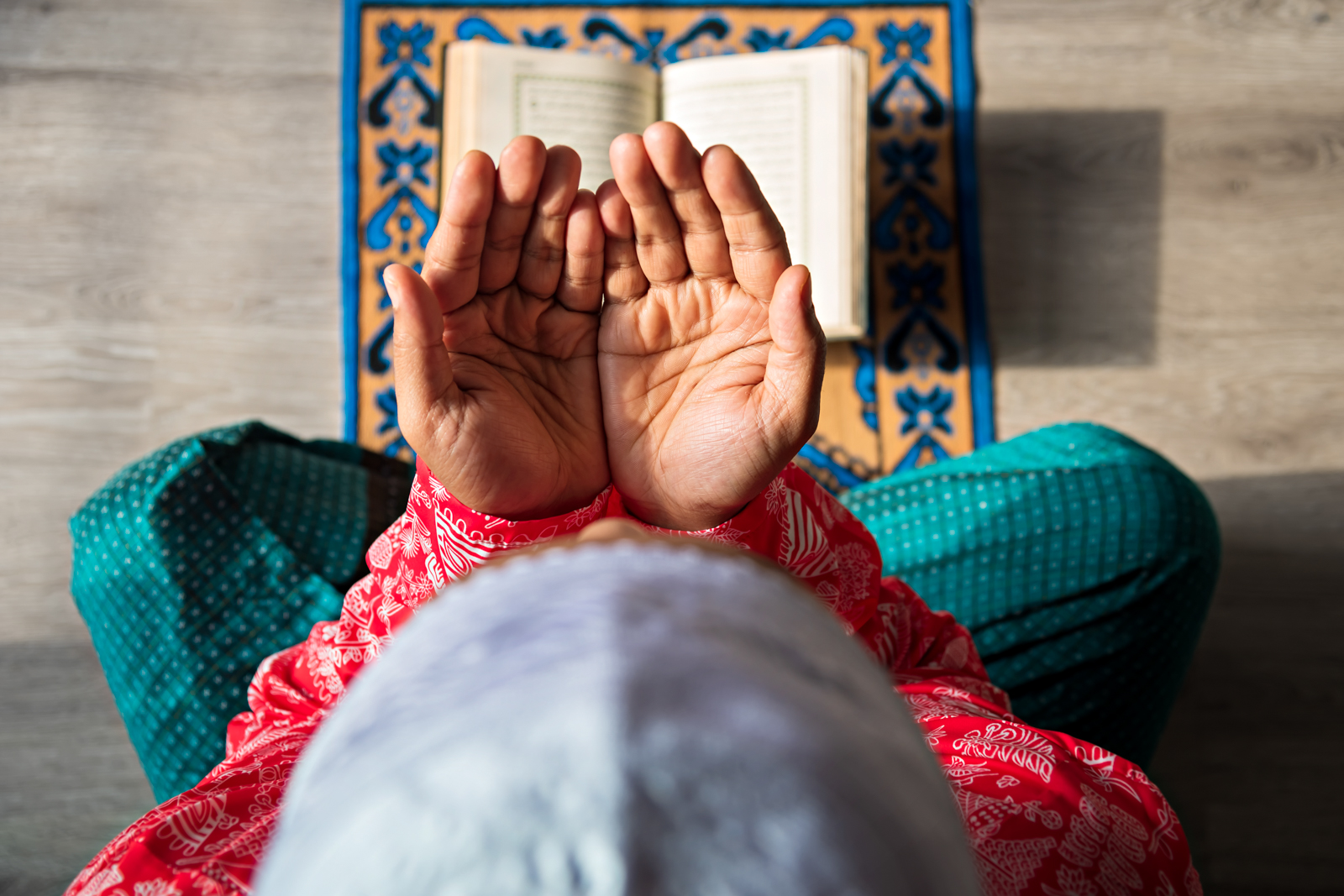
From Hajj to Eid al-Adha, here’s why the first 10 days of Dhul Hijjah hold deep spiritual significance for Muslims around the world

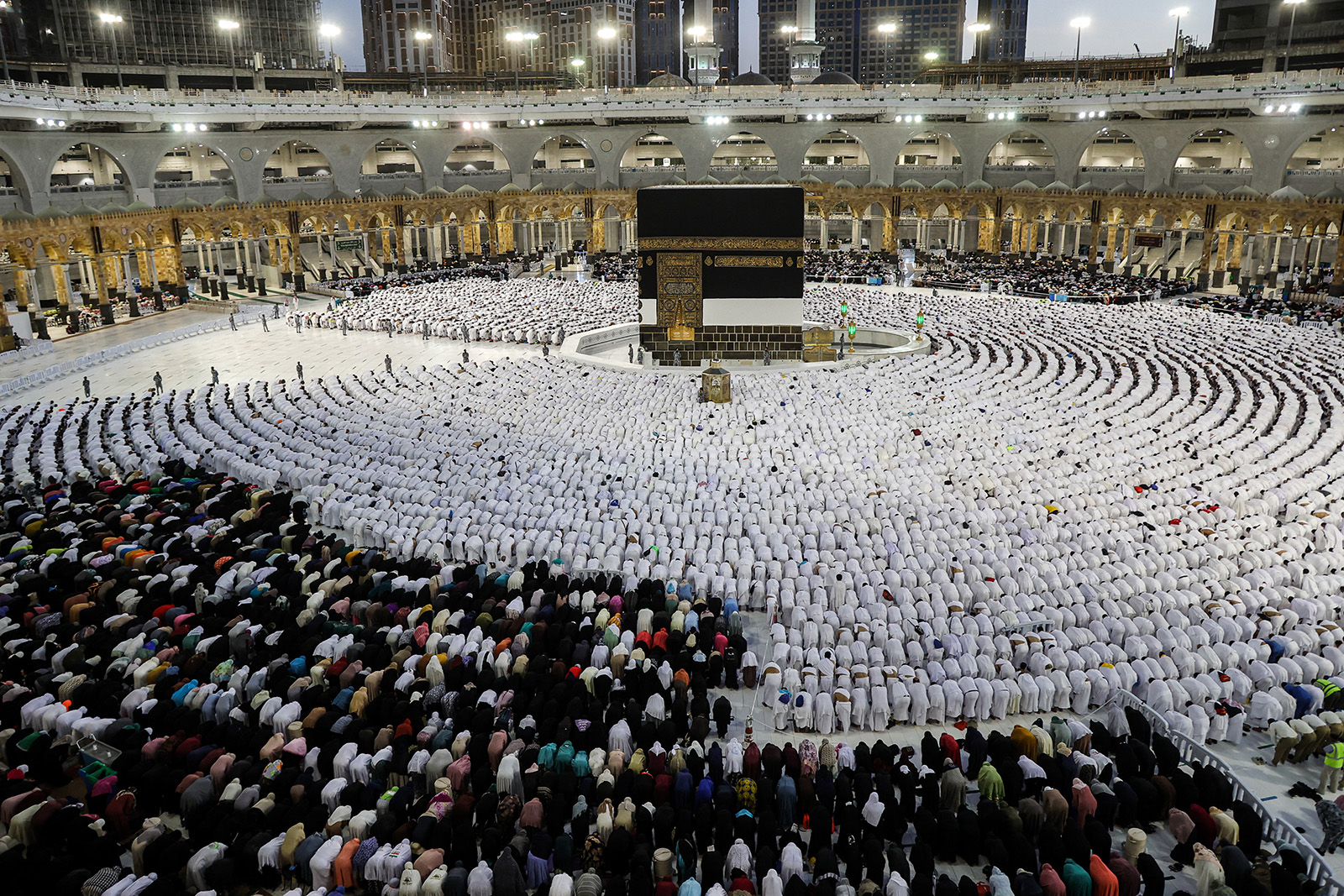
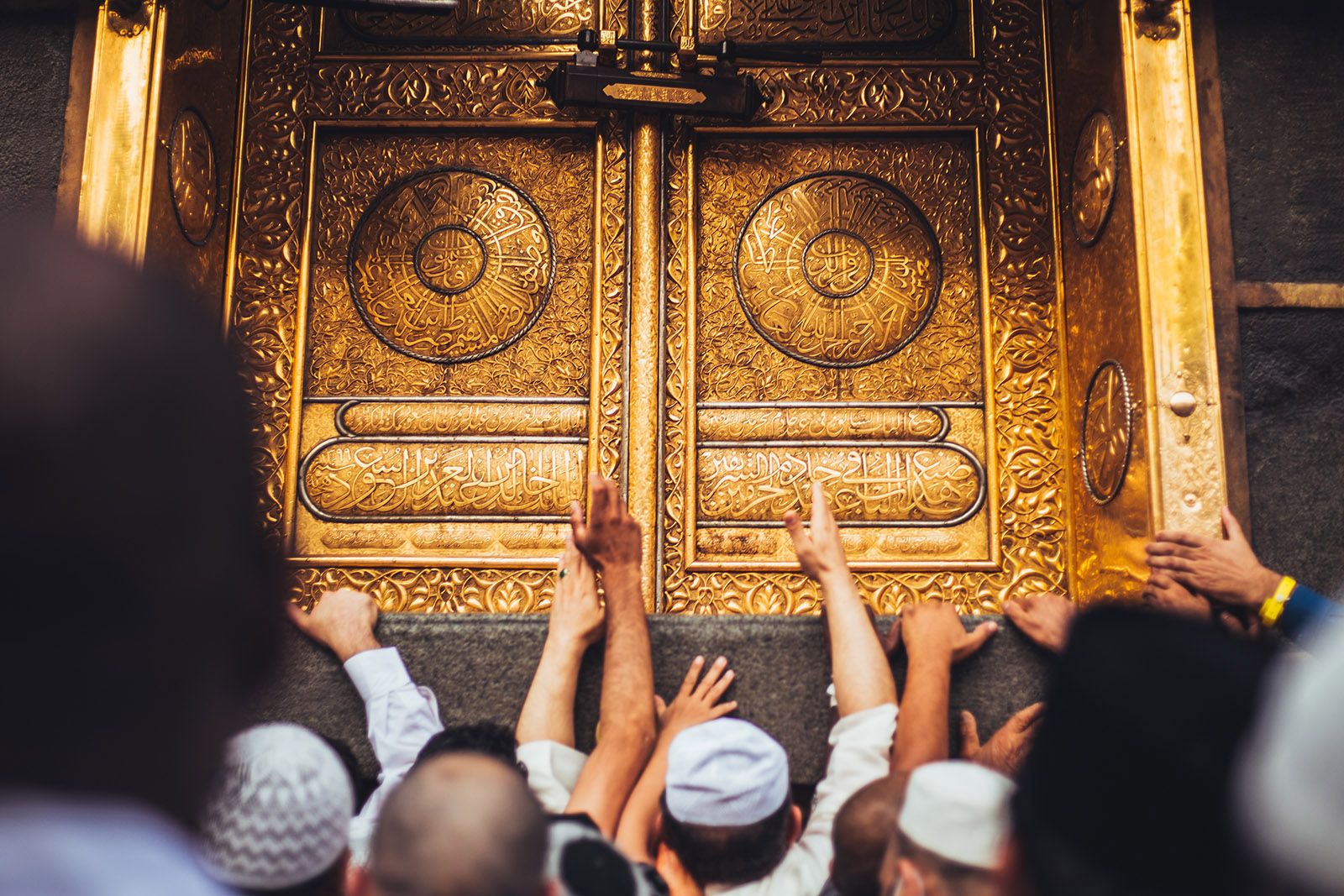
Dhul Hijjah is the 12th and final month of the Islamic calendar. It is considered one of the holiest times of the year and is one of four months when war is forbidden. It is also during this month that the annual Hajj pilgrimage and Eid al-Adha take place.
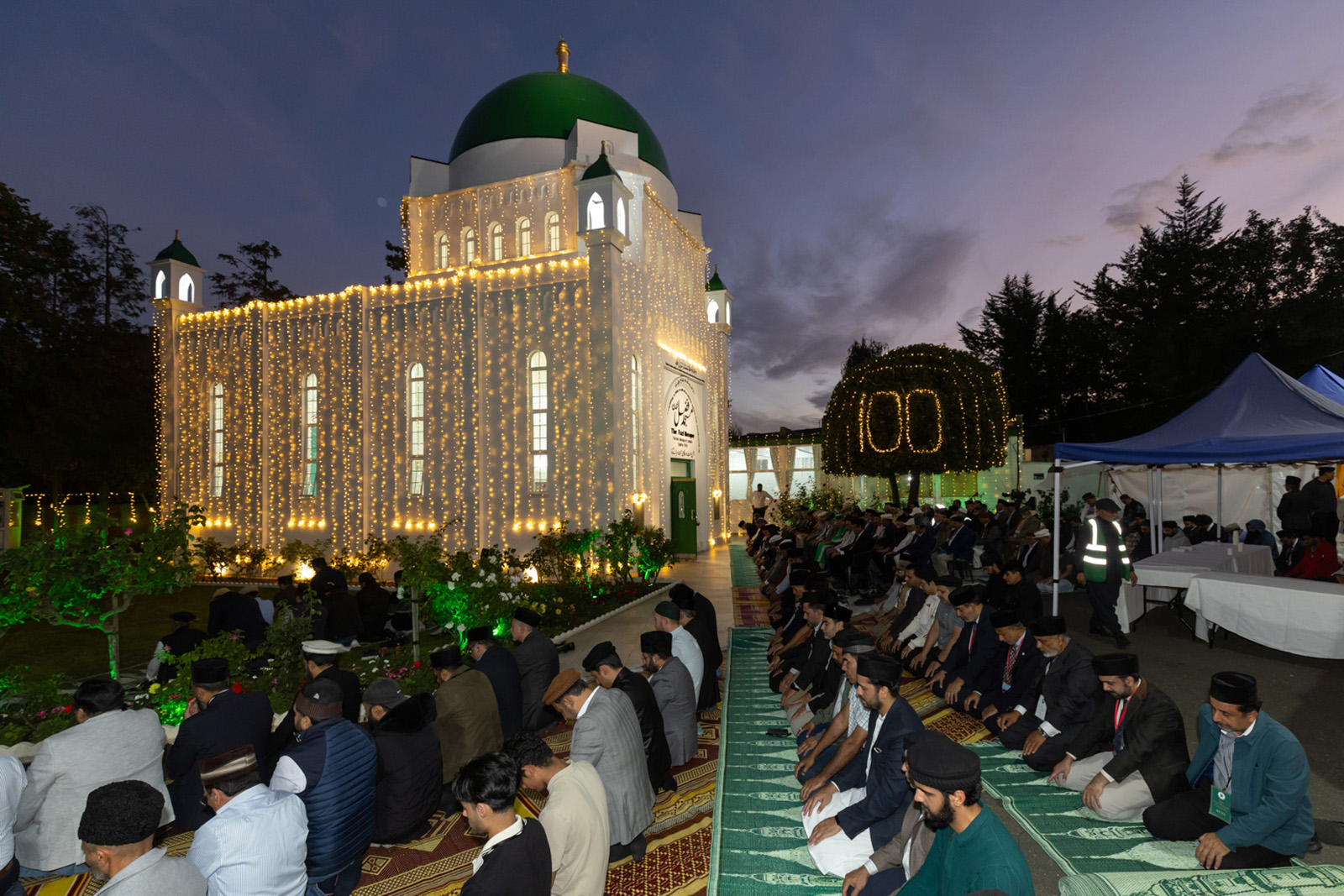
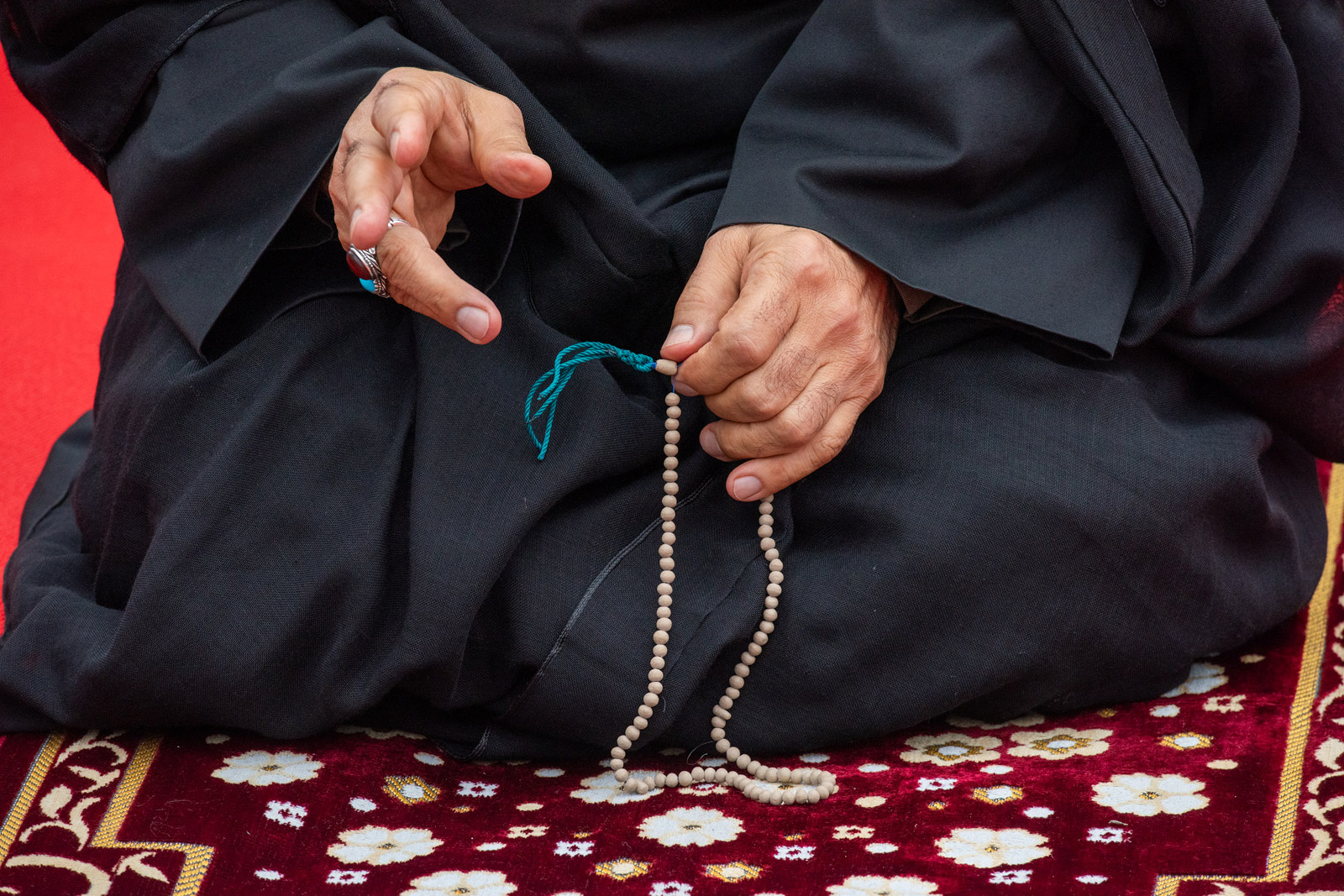
The first 10 days of Dhul Hijjah are believed to be particularly sacred. During this period, Muslims seek to increase their worship through prayer, reading the Qur’an, fasting and donating more to charity.
What are the key dates of Dhul Hijjah this year?
As the Islamic calendar is based on the lunar cycle, the start of Dhul Hijjah varies every year. This year, it is expected to begin on Monday 18 May.
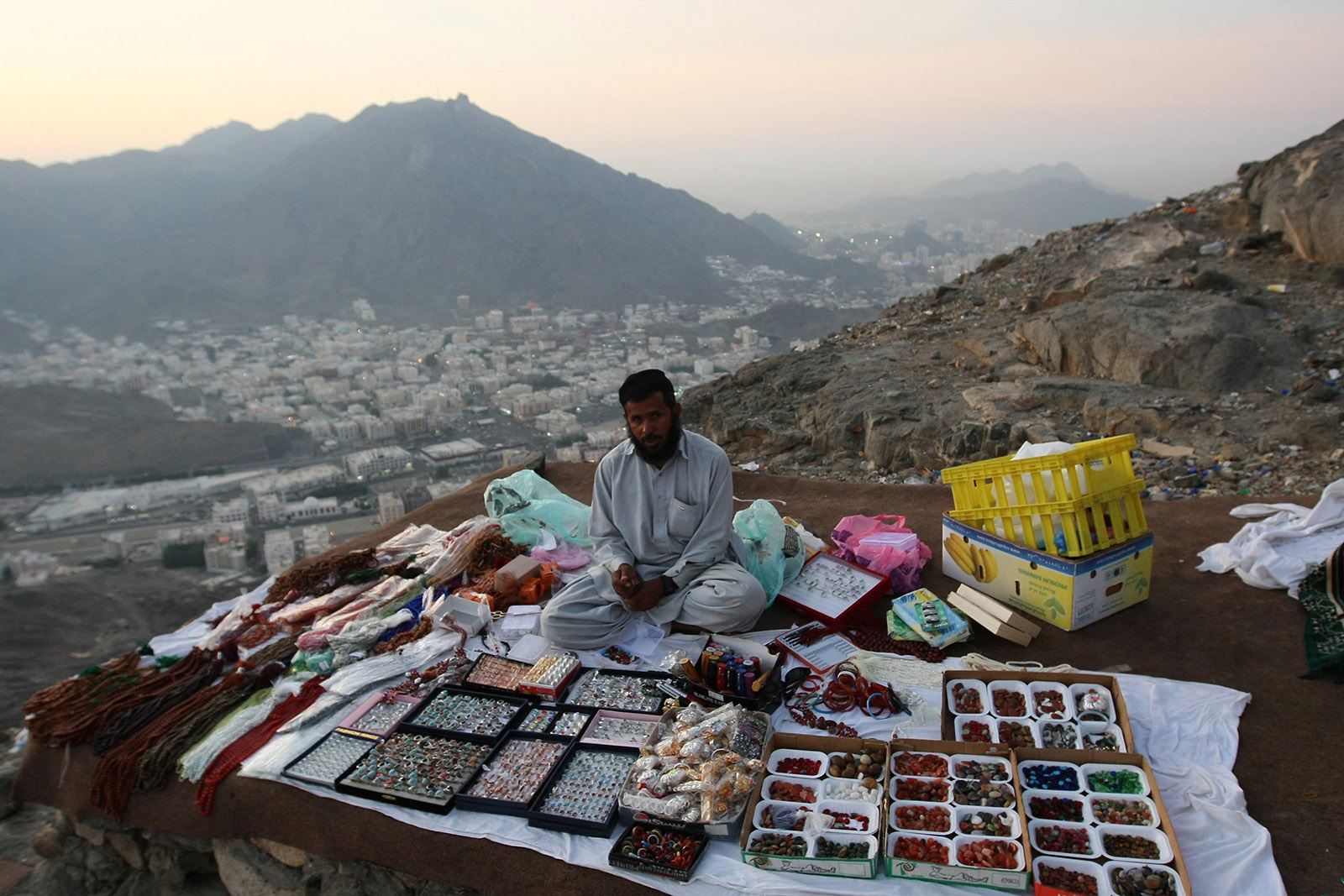
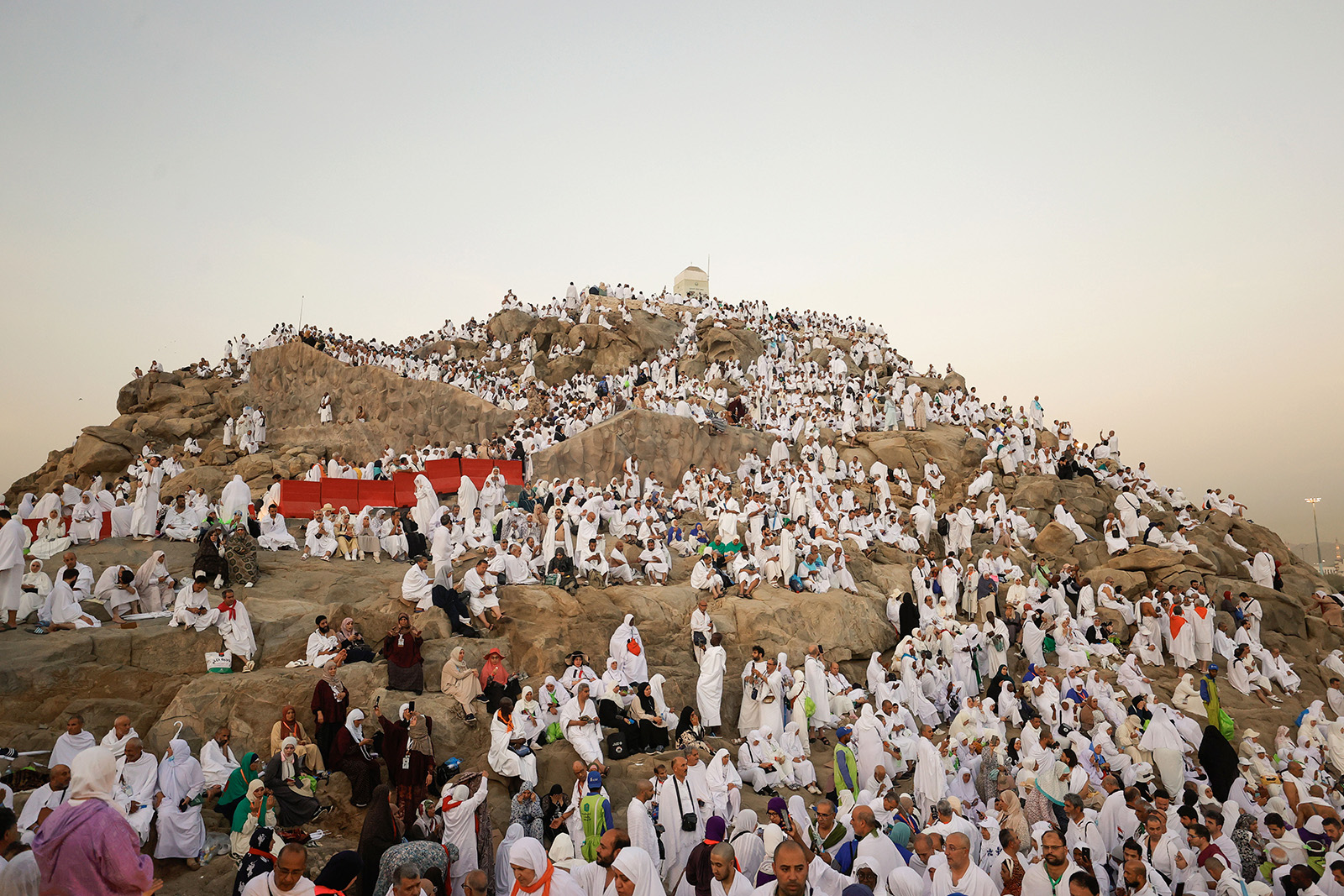
The ninth day of Dhul Hijjah, the Day of Arafat, is particularly important in the Islamic calendar. This marks the third day of Hajj, during which pilgrims travel to Mount Arafat to pray and seek forgiveness from Allah. If Dhul Hijjah begins on 18 May, the Day of Arafat will fall on 26 May.
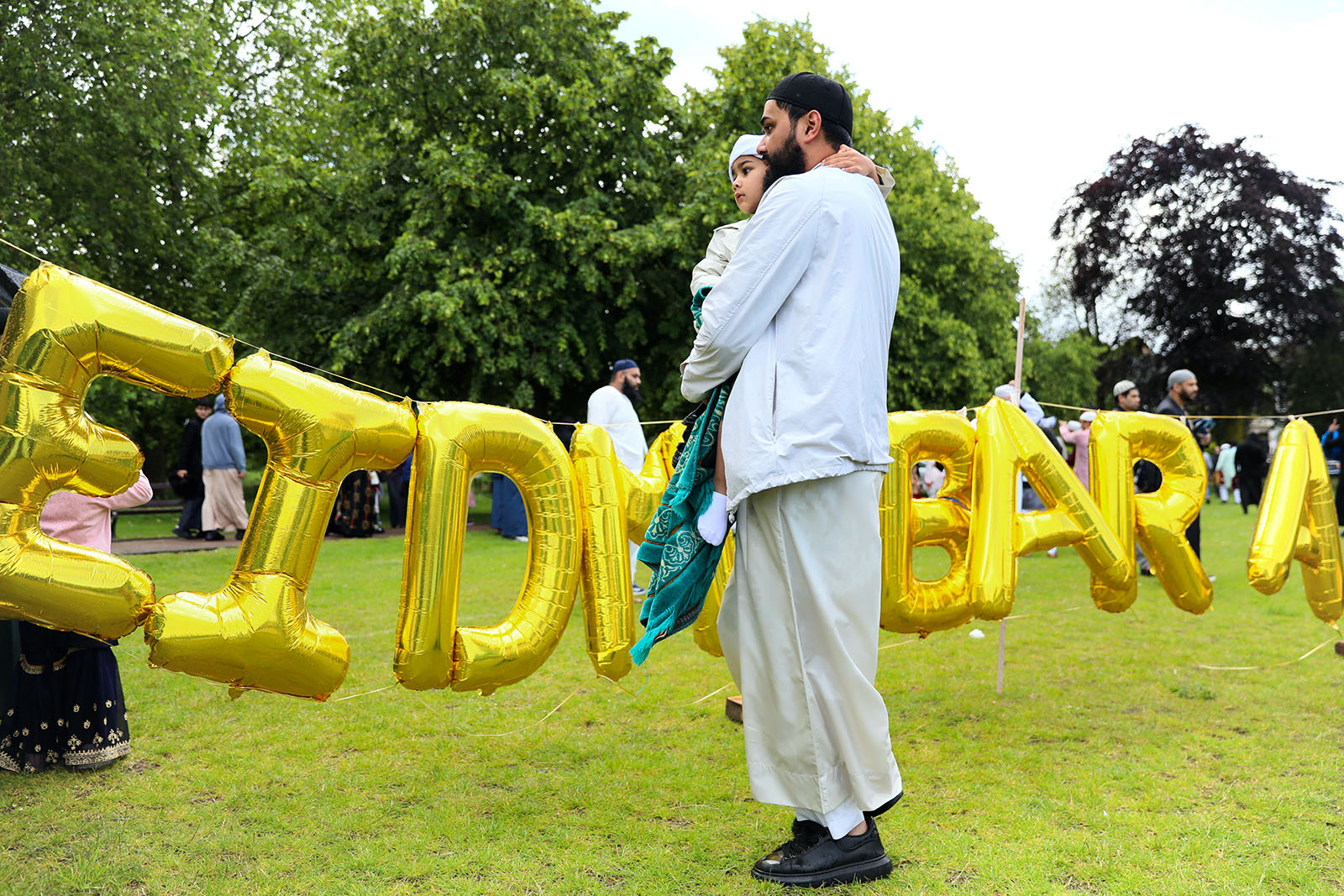
Eid al-Adha is on the 10th day of Dhul Hijjah. If Dhul Hijjah starts on 18 May, the festival will be celebrated on 27 May.
What do people do during the first 10 days of Dhul Hijjah?
During the first 10 days of Dhul Hijjah, Muslims focus on increasing worship and self-reflection. Many Muslims fast for the first nine days of the month, especially on the Day of Arafat.
According to hadiths, Prophet Muhammad encouraged fasting on these days, especially on the Day of Arafat for those Muslims who are not performing Hajj. It is believed that fasting on the Day of Arafat wipes away the sins of the previous year and the year ahead.
During these first nine days, Muslims who are giving Qurbani are also advised to avoid cutting their hair or nails until after the sacrifice is complete. This practice is thought of as a symbolic connection to Hajj, as one of the conditions placed on pilgrims performing the rites in Makkah is that they must not cut their hair or nails.
What is the significance of the Day of Arafat?
The Day of Arafat holds significant importance in Islam because it is believed to be the day Allah revealed the following verse of the Qur’an: “This day I have perfected for you your religion and completed My favour upon you and have approved for you Islam as religion.”
The ayah states that on this day, Allah perfected Islam and approved it as a way of life for Muslims.
Why are these days a reset for the whole year?
For many Muslims, the first 10 days of Dhul Hijjah serve as a spiritual reminder to increase their faith in Allah in preparation for the next Islamic year.
The new Islamic year begins with the month of Muharram. The Day of Ashura, the tenth day of Muharram is especially known as a recommended day of fasting and it is linked to gratitude and forgiveness.
Why the best 10 days?
The first 10 days of Dhul Hijjah are regarded as the best days of the year because righteous deeds performed within them are the most beloved to Allah and their rewards are multiplied.
Scholars explain that these days are uniquely virtuous because they gather the greatest acts of worship in one period — salawat (prayers), siyam (fasting), sadaqah (charity) and Hajj — a combination found in no other time of the year.