
The Muslim faith school helping students speak for themselves
The Madani Schools in Leicester are designated centres of excellence for oracy. Here’s how they’re using debating and Shakespeare to build confidence for the future
On a chilly Wednesday night, six groups of children are preparing to do battle. The venue is Nottingham High School, a private institution founded in the 16th century, housed in buildings grand enough for a Harry Potter movie. Inside a small white-painted hall, the students, aged between 11 and 18, are readying themselves with affirmations, rehearsals and pep talks while two judges sit at a table in the middle of the room, facing the contestants, poised to score their performances.
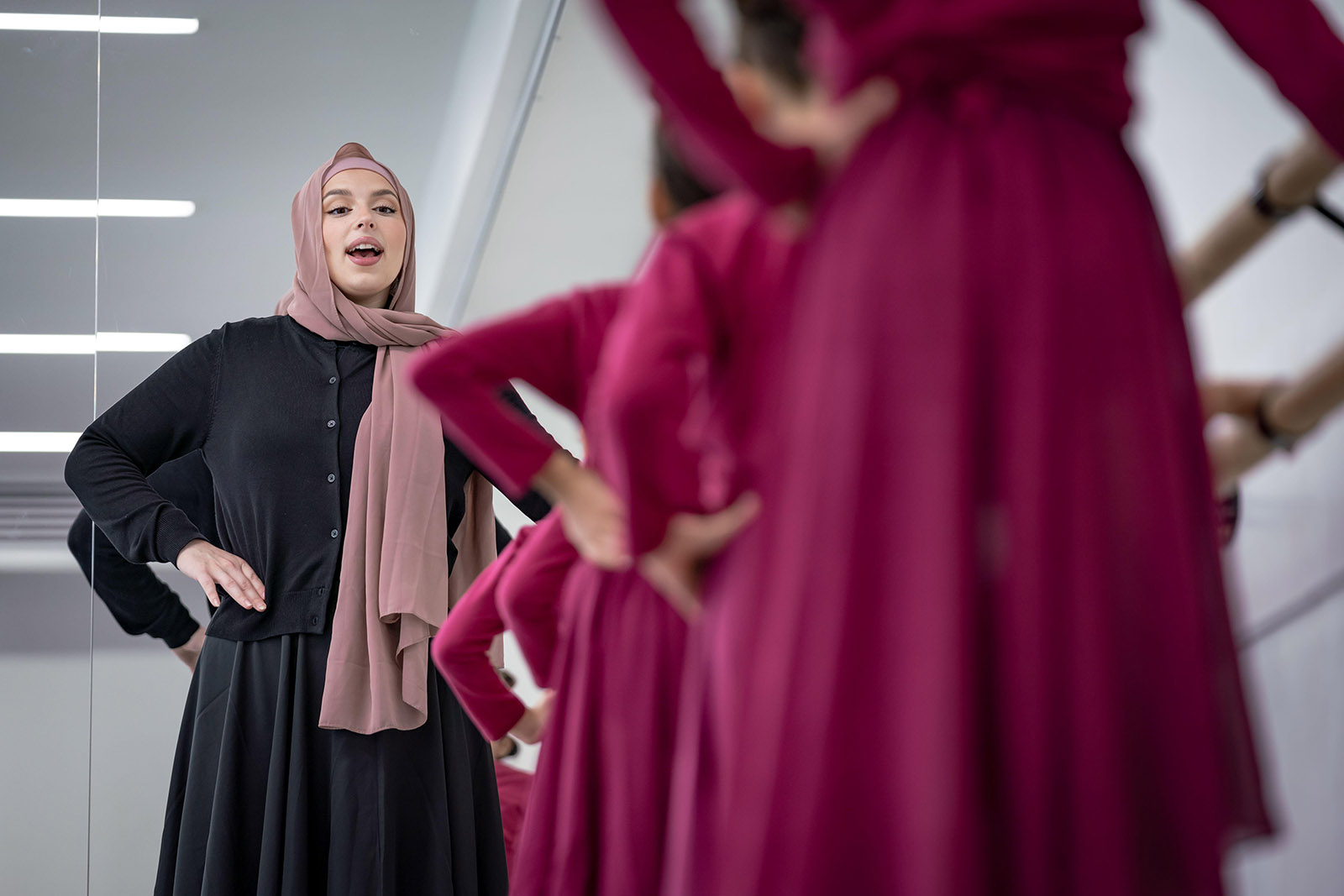
A team from the Madani Girls’ School, a Muslim faith school in Leicester, are here to take part in the Schools’ Mace — the UK’s oldest debating competition, run by the English Speaking Union (ESU). The motion they have been tasked with opposing is challenging: “This house supports banning short-haul domestic flights.” They and their opponents, Nottingham High’s home team, have been training for weeks. When the timer is set and the first speaker stands up, the contest begins.
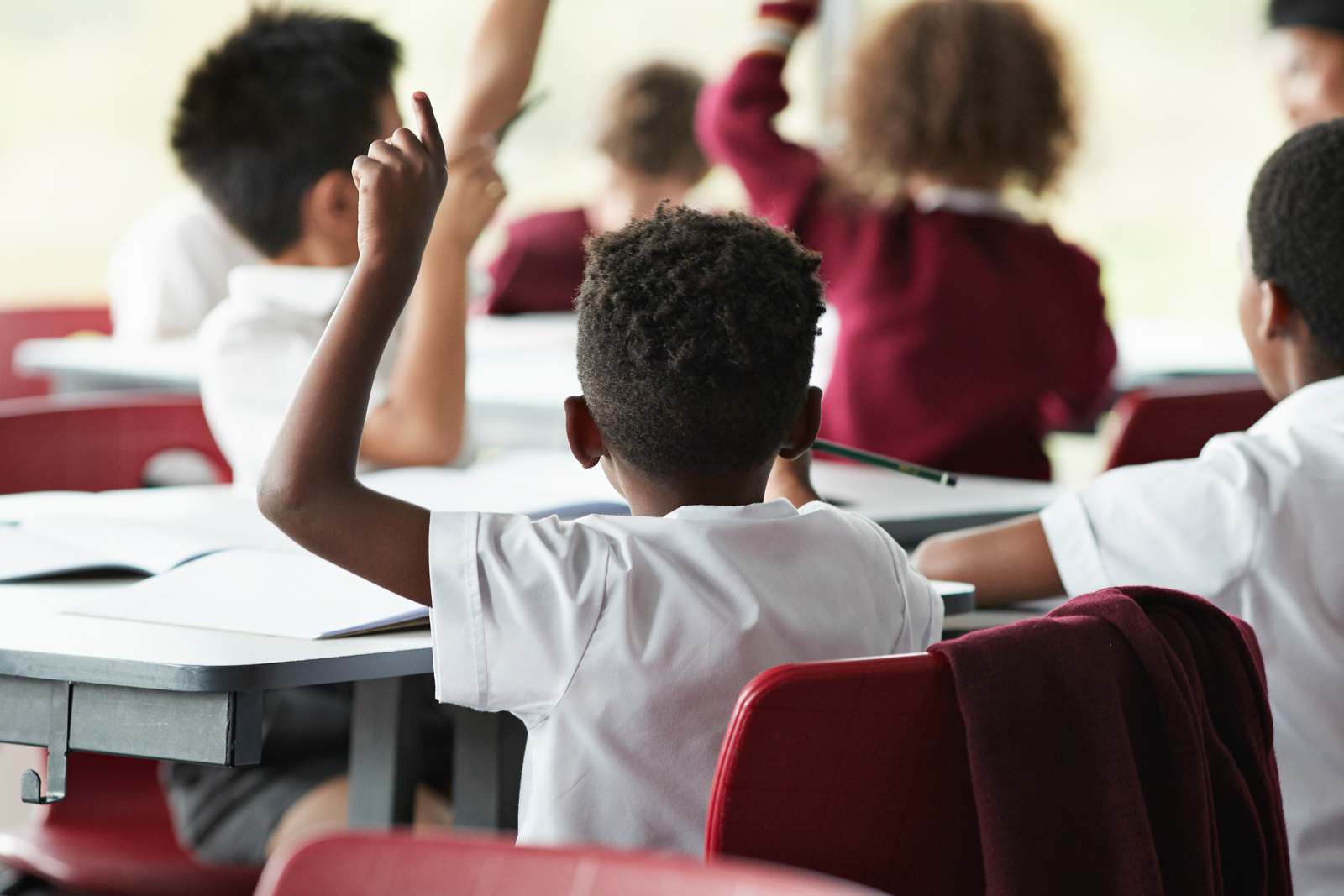
To the uninitiated, debate competitions can seem very formal, with prepared talking points delivered in an environment governed by strict rules and time limits. In practice the flow resembles that of a boxing match. The opposing teams watch, listen and probe the other’s arguments, looking for weaknesses to exploit. Speakers will throw contradictory points of information at each other, blunting their rivals’ attacks, knocking them off-balance and disrupting their rhythm.
The Madani schools, which comprise both girls’ and boys’ branches, were designated in 2022 as one of nine centres of excellence across the UK for speaking skills or oracy. Participation in the Schools’ Mace is just one part of an ongoing commitment from the organisation to equipping young people with the skills to communicate clearly, effectively and with confidence.
For Chaitan Rajania, assistant principal and oracy lead at the Madani schools, the ability to speak in an assured and lucid manner is vital to the future success of her students.
“We felt that, although our schools were achieving really good outcomes and strong GCSEs, a lot of our students weren’t leaving absolutely prepared for adult life,” she says. “They could leave with the grades they needed to access the next steps. But, actually, when they got there, there was often this feeling of imposter syndrome, or of a lack of belonging in other spaces.”
The schools’ emphasis on oracy was also driven by a desire to improve teaching. Rajania refers to research that shows active learning produces better long-term results than simple memorisation.
“Students have to really get involved in some way in their learning,” she says. “Talk is a fantastic vehicle for that. It’s low-cost and we can absolutely tell if they’re doing it or not, because you can see it in front of you.”
Back at the competition, Rajania and a colleague watch their girls in action. Madani’s opponents argue forcefully that domestic flights are an environmental disaster that should be phased out in favour of more sustainable options, such as train travel. It comes across as an entirely sensible position.
The counter comes from Khadija, who argues that people will move to cars rather than the UK’s chaotic and underfunded public transport system, and that will solve nothing. She lands her point with the question “Where will they go?” She then repeats the words for rhetorical effect. The other team is on the ropes, but not down yet.
A year ahead of the 2024 election, Keir Starmer pledged to incorporate oracy into the national curriculum. In a speech delivered at Mid Kent College in Gillingham, he said he wanted to “tear down the barriers to opportunity that hold this country and its people back”. However, that pledge has yet to yield real-world results. The government’s curriculum and assessment review, published at the end of 2025, has so far only recommended the introduction of “an oracy framework to support practice and to complement the existing frameworks for reading and writing”.
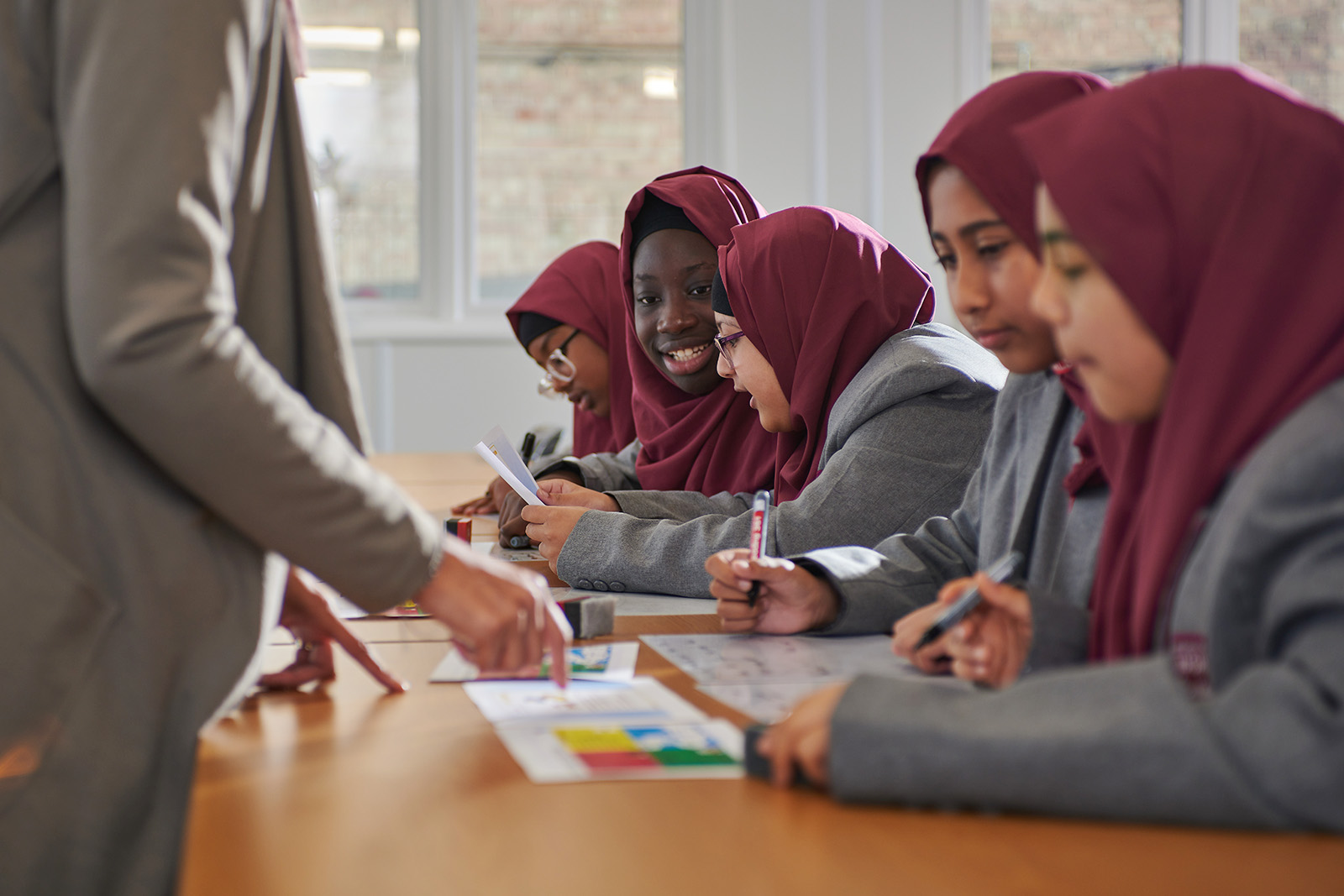
The Madani schools’ programme has been in place for nine years, with support from national oracy charity Voice 21 and the ESU.
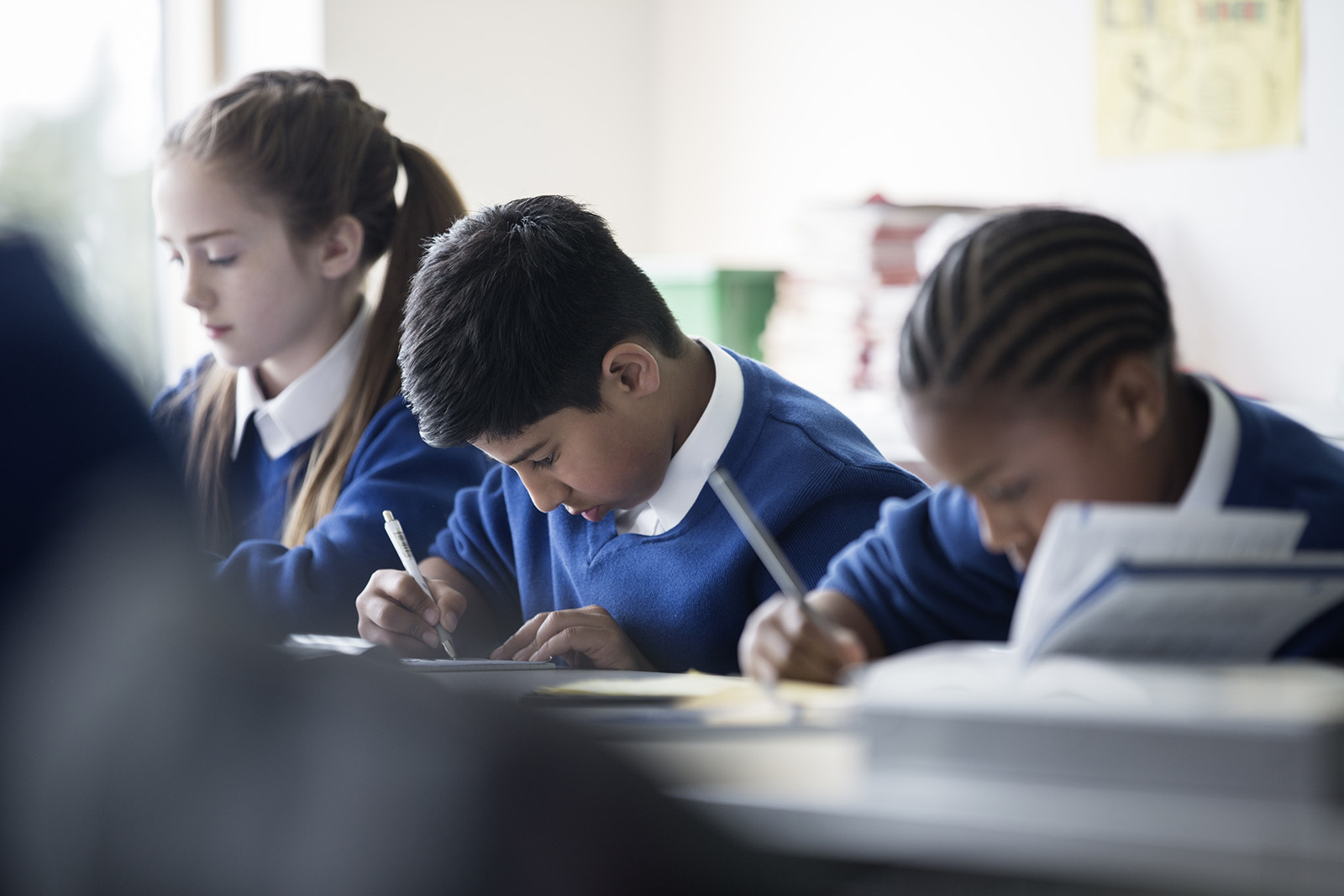
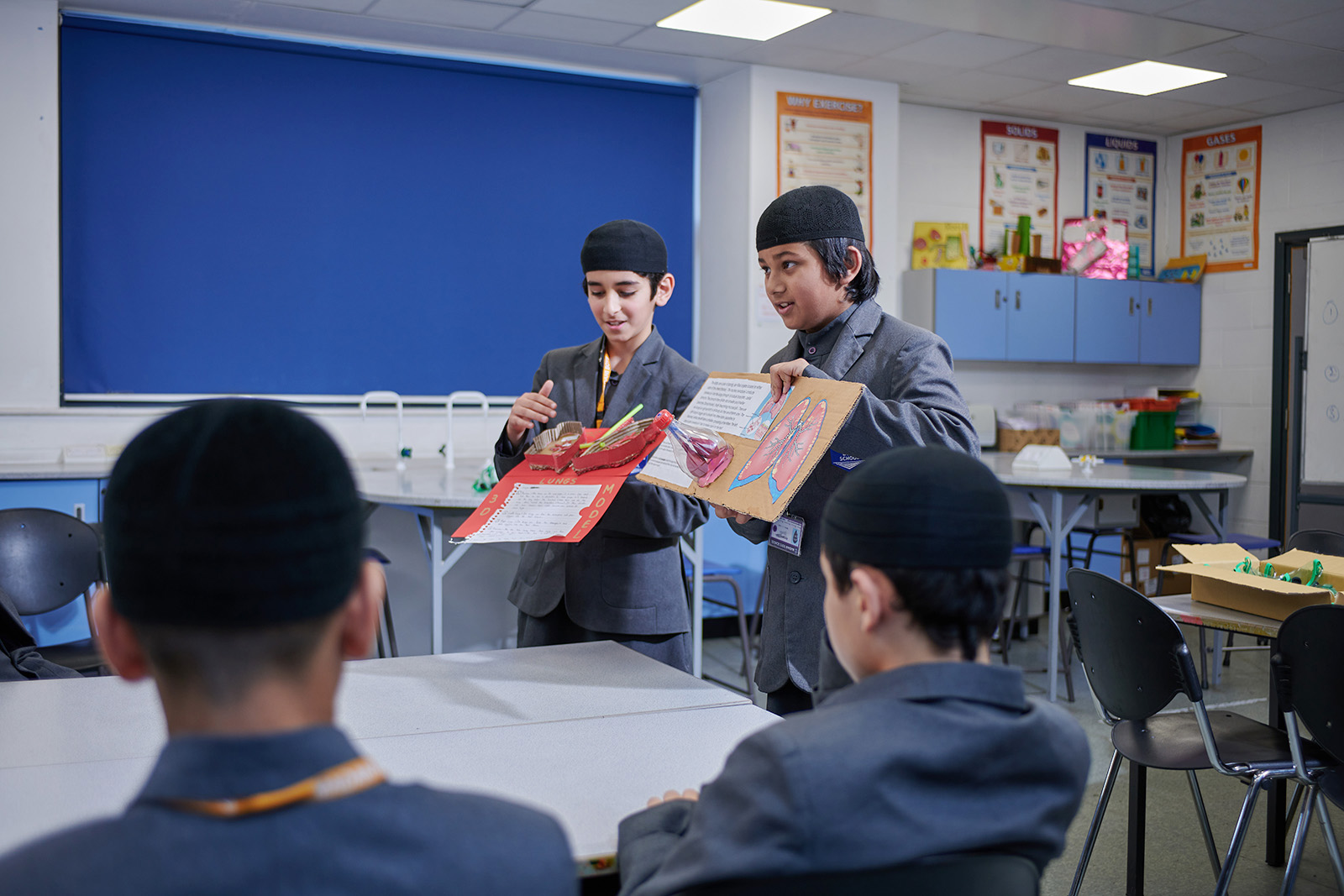
When I sat in on a science lesson at Madani Boys’ School, students were asked to stand in front of the class and present on the experiments they had just completed, what the outcomes were and the conclusions that could be drawn from them. The students were both engaged and articulate.
Meanwhile, In an art class at the boys’ school, one student explained to me that he wanted to become an engineer and that being able to clearly communicate complex instructions and ideas verbally was vital to that role.
For several years, options evenings at both schools, where Year 9 students receive guidance on their future GCSE subject choices, are now organised by the Year 10s and supported by staff. The older children decide what information is presented to younger students, how and by whom. Rajania describes the events as “amazing”.
Everyday opportunities to build speaking skills are built into the school day and supplemented by extracurricular opportunities.
“Debating teaches you how to share your views respectfully,” said Sukaina, a student at Madani Girls’ School. “As Muslim girls, people may challenge what we believe, so it’s important to know how to respond thoughtfully and explain our perspective.”
The Schools’ Mace debate competition is just one opportunity for Madani students to showcase their skills outside the classroom. The boys’ and girls’ schools also take part in ESU-run public speaking and Shakespeare performance competitions. They also hold their own annual assemblies at each school, where selected students perform a monologue from a Shakespeare play.
“I think this has been a brilliant opportunity for our students to engage with Shakespeare, to bring the stories to life, for them to embody those characters and really have a deeper understanding of them and their motivations,” Rajania said.
Related content
There are also dedicated oracy days, during which there is no written work and both students and staff have to rely on their speaking skills in all lessons.
Back in Nottingham, the debate is drawing to a close. The Madani girls have made a valiant effort defending a difficult position, but are judged not to have won the war of words.
The team members still come away buzzing with enthusiasm about who said what and when, replaying the key moments from the debate as they walk to the coach. The fact they were there at all, claiming space in such a grand environment and powerfully arguing their points, means they are stronger and better prepared for the world after school.
“We’re Muslim, and we wear the hijab,” said Zara. “That can make people underestimate us, but the skills and confidence I’ve gained here help me feel resilient. I know I won’t shy away from speaking up.”
Student names have been changed to protect their privacy