
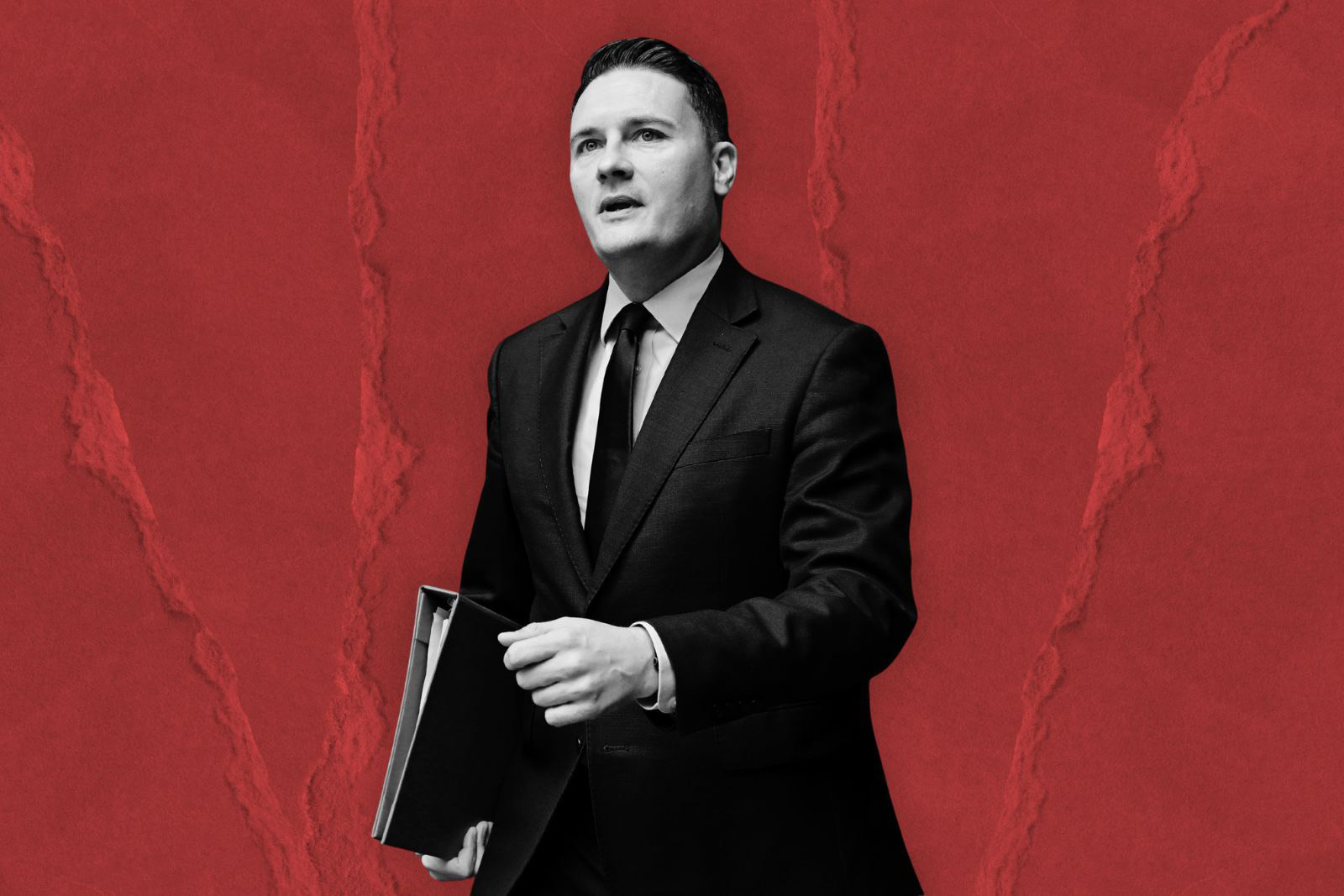
What Labour MPs think of Wes Streeting
‘More of the same’ and ‘much worse for party unity’ or a strong communicator with a good back story — the health secretary splits colleagues’ opinions

The worst-kept secret in Westminster is almost out. Wes Streeting’s leadership hopes have been widely discussed for years and, if reports are true, the health secretary is on the verge of resigning and launching a formal challenge against Keir Starmer.
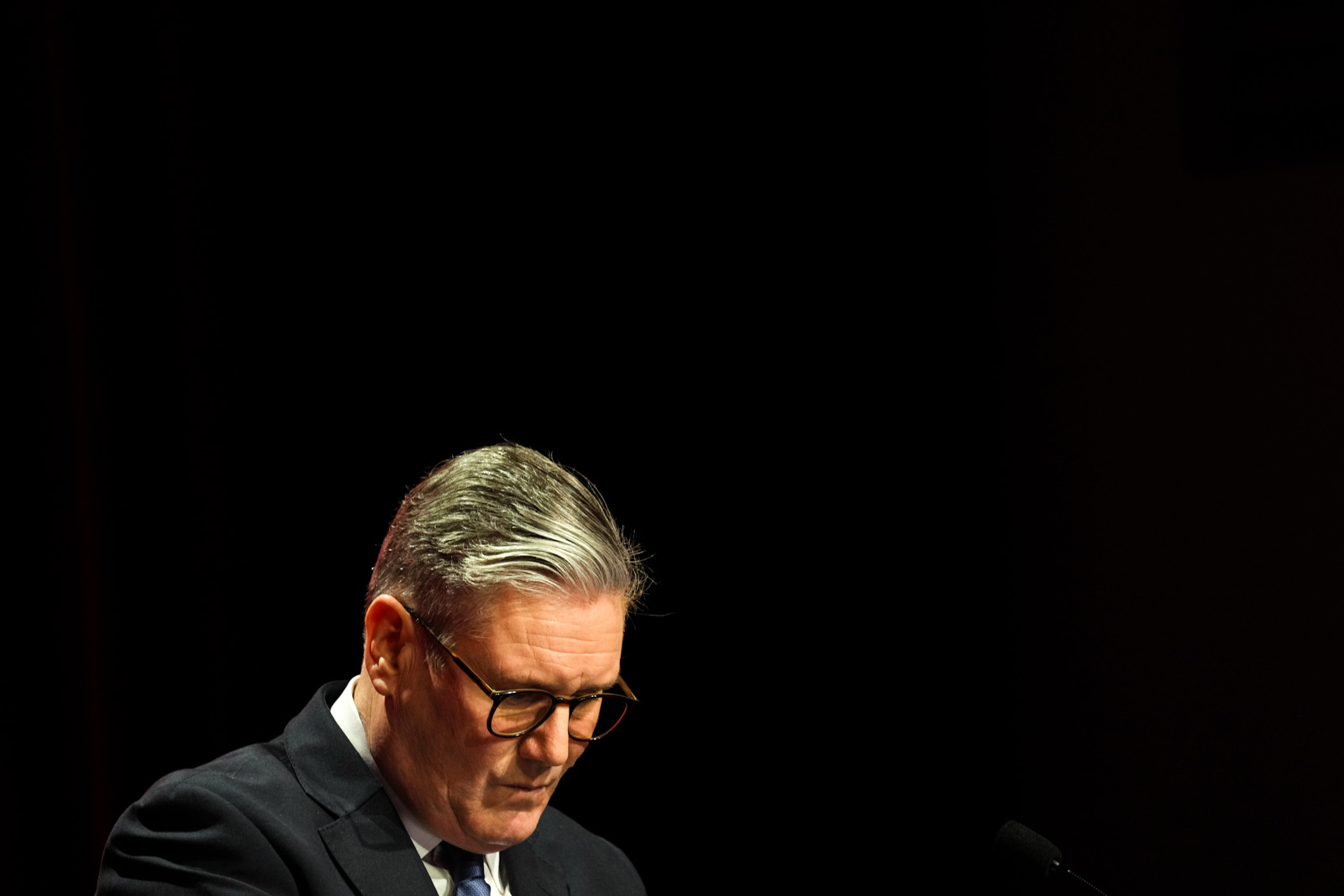
Their 16-minute meeting in Downing Street, hours before the King’s Speech, has only deepened the sense of crisis at the top of government. No 10 insists the prime minister retains “full confidence” in his health secretary. Streeting’s allies, meanwhile, are briefing that he plans to walk.
I have spent significant time covering Streeting over the years and he has long radiated both ambition and confidence. An alumni magazine asked me to interview him in 2023 on the basis that we had both studied at the same Cambridge college (at different times), meaning the conversation was a little more candid than the usual exchange between journalist and politician. When I asked him directly whether he wanted to be prime minister, he did not deflect. “If you really want to make a difference, the top job is the one to have,” he told me — before quickly adding that he was fully behind Starmer, then still leader of the opposition.
Related content
That was unusually direct for a politician. Most never admit it, but Streeting, in his own way, told you exactly what was coming.
His allies argue his moment has now arrived. They point to a personal story they believe can take on Reform UK in a way Starmer cannot: raised in a council house in east London and educated at state school before going to Cambridge, he came out as gay in his second year, briefly left the Labour Party over the Iraq war, served as president of the National Union of Students, fought cancer and now runs the NHS. They argue he is one of the best communicators the party has — which is why he is frequently sent out to defend the government on the airwaves.
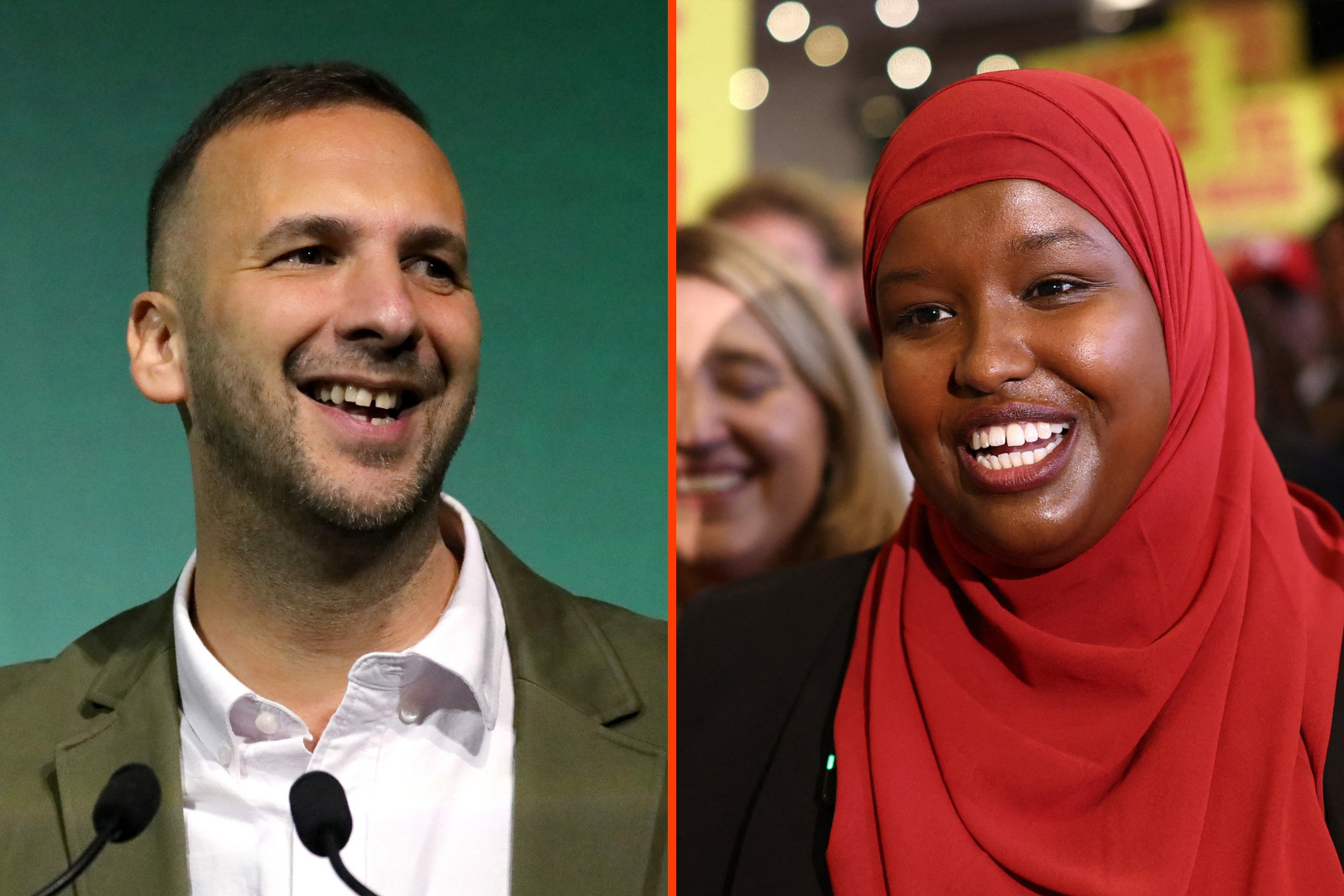
Streeting has also earned the respect of a number of Muslim Labour MPs who spoke to me this week, who see him as someone with a strong understanding of cultural sensitivities. He was notably active in the APPG for British Muslims, which drafted a now-scrapped definition of Islamophobia, while one MP pointed in particular to Streeting’s public acknowledgement that Labour had failed Muslim communities in the past, as well as his criticism of attempts to “delegitimise” Muslim voters following the Gorton and Denton by-election.
Those are the good comments. But Streeting is far from universally loved by the parliamentary Labour Party.
His career almost ended in 2024 when he scraped back into his Ilford North seat by just 528 votes against the British-Palestinian independent Leanne Mohamad, whose campaign centred on Labour’s stance on Gaza (Streeting belongs to both Labour Friends of Israel and Labour Friends of Palestine). As health secretary, his open warfare with the doctors’ unions — warning that the pay demands of resident doctors would “break the country” — has only hardened the view on the left that he is a Blairite throwback.
That perception is now his single biggest obstacle.
“I didn’t want a leadership race,” one centrist Labour MP told me, “but the idea that Streeting would be any different from Starmer would be wrong. It will be more of the same.” A left-leaning colleague was sharper: “We won’t accept Streeting as leader. Things will get much worse for party unity if he’s in charge.”
Others still speak of the need for a huge change of policy if Labour is going to come from so far behind in the polls, arguing that more of the same won’t work. “We need ambitious, bold policy that tackles wealth inequality, not Streeting’s centrism which does nothing,” a different left-leaning MP told me.
Then there’s his former closeness to Peter Mandelson — the other line of attack already being deployed. Streeting has spent recent months publicly distancing himself from the former US ambassador and even taking the unusual step of releasing private messages with the peer to insist they had never been close friends. The left is not buying it. John McDonnell has already accused him of launching a coup against Starmer, branding him “Mandelson’s protege” and warning that handing him the leadership would be a gift to Reform UK.
The numbers are now everything. A leadership contest requires the endorsement of 81 Labour MPs — 20% of the parliamentary party. Sources around the Streeting camp insist he is confident he has them and that it would be bonkers to resign without.
Related content
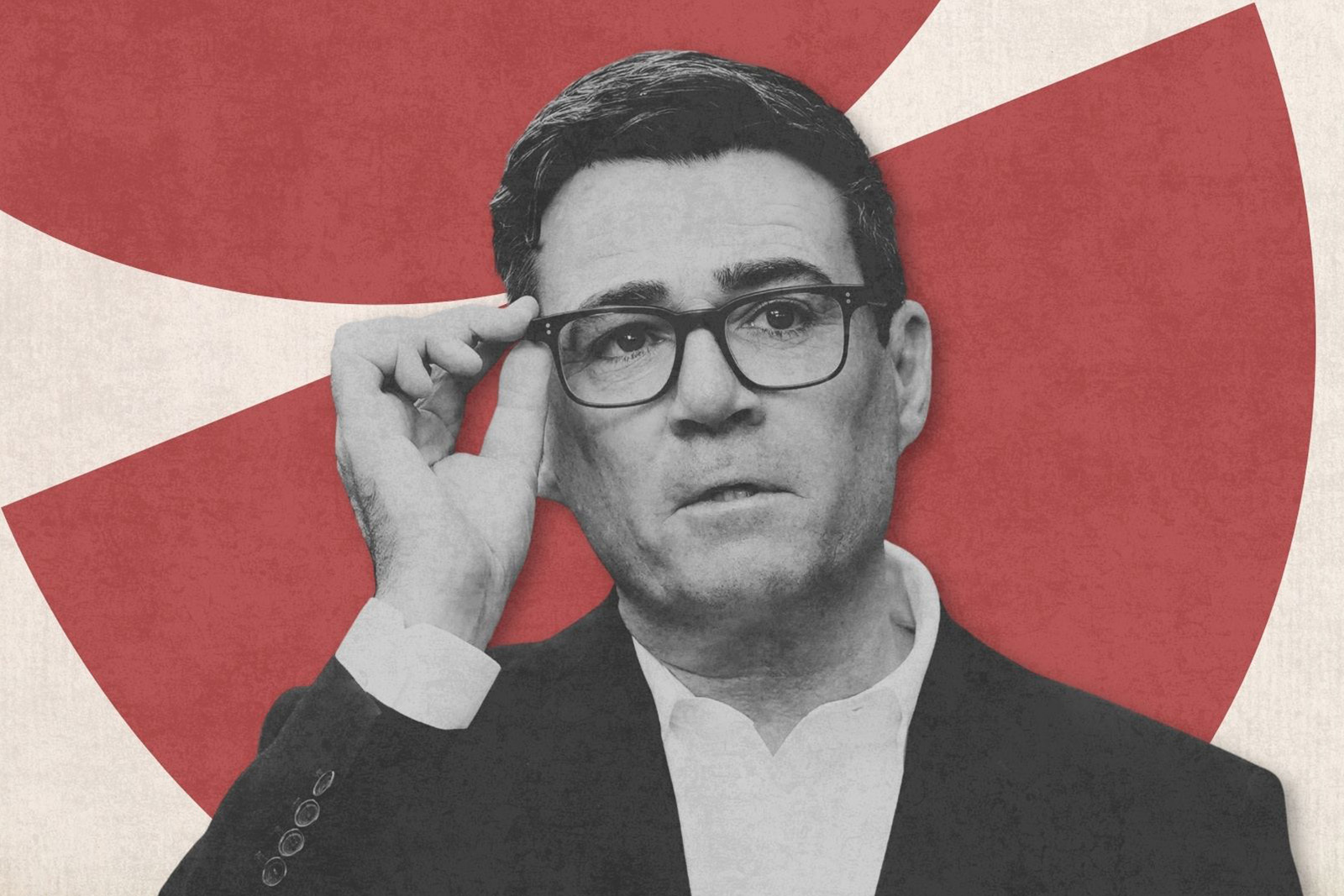
But from here, the variables are dizzying. If Streeting resigns and triggers a contest, does Starmer fight on or step aside? Do “soft-left” MPs unite behind a single candidate? Can Angela Rayner run under the cloud of a yet-unresolved HMRC investigation into whether she was “careless” with her tax affairs, having admitted last year that she underpaid stamp duty? Could Andy Burnham find a route back to Westminster in time, having previously been blocked from standing in the Gorton and Denton by-election? Or do they turn to Ed Miliband, whose allies insist he is not preparing a bid, even as his name continues to circulate?
The risk for the soft left is the most acute. They do not want Starmer or Streeting and they will be desperately hoping that these two could end up splitting the centrist and rightwing vote between them, allowing a more progressive candidate to squeeze through the middle.
But away from all the politicking, this is a party that said it was different from the Tories and would govern in a different way. Two years into its time in office, scandals, a leadership challenge and extended political chaos look rather like more of the same.
Shehab Khan is an award-winning presenter and political correspondent for ITV News.