
Not even Mecca is safe from the pressures of consumer culture
As Hajj draws near, it’s good to remember that we should all be putting people and faith before material things
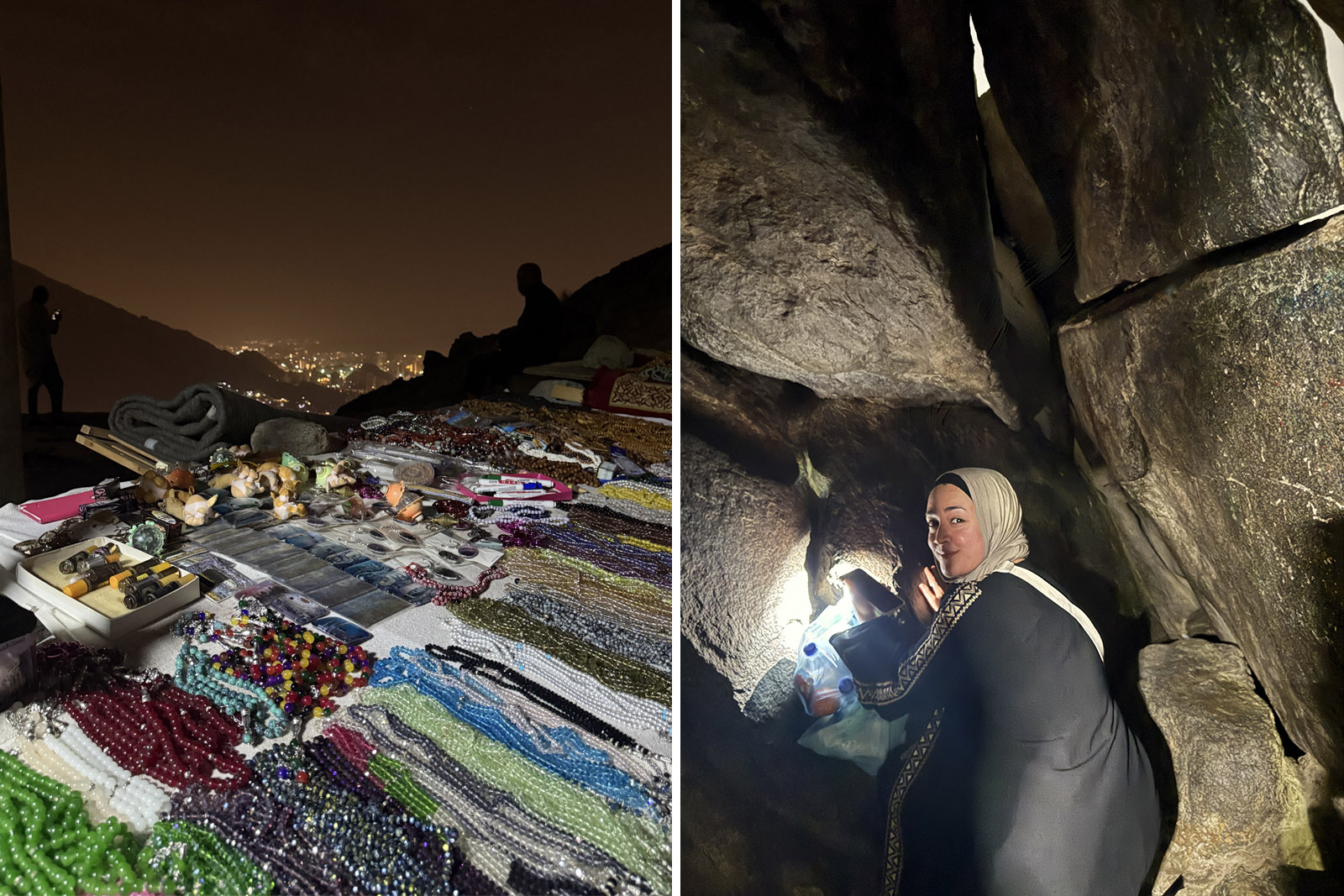
I squeezed myself into the opening of the rock face, carefully following the light from my mother’s phone. She climbed onto a ledge, then disappeared down a crevice on the other side. I gave a warning to my father and sister behind me, then followed.
Beyond the tunnel lay a rocky clearing that led to Ghar-e-Hira. At least 20 people were already piled in, waiting to see the cave where the Prophet Muhammad (peace be upon him) received the first Quranic revelation.
Related content
There was some pushing ahead, as people who had arrived earlier attempted to leave. Everyone had their phones ready. As we got closer, I began to see people posing for pictures inside the cave.
When it was my turn, I crouched down, placed my palms on the rock and recited a short prayer. My sister called on me to smile for a photograph. I turned to her, but felt conflicted, as though doing so somehow reduced the sanctity of the site.
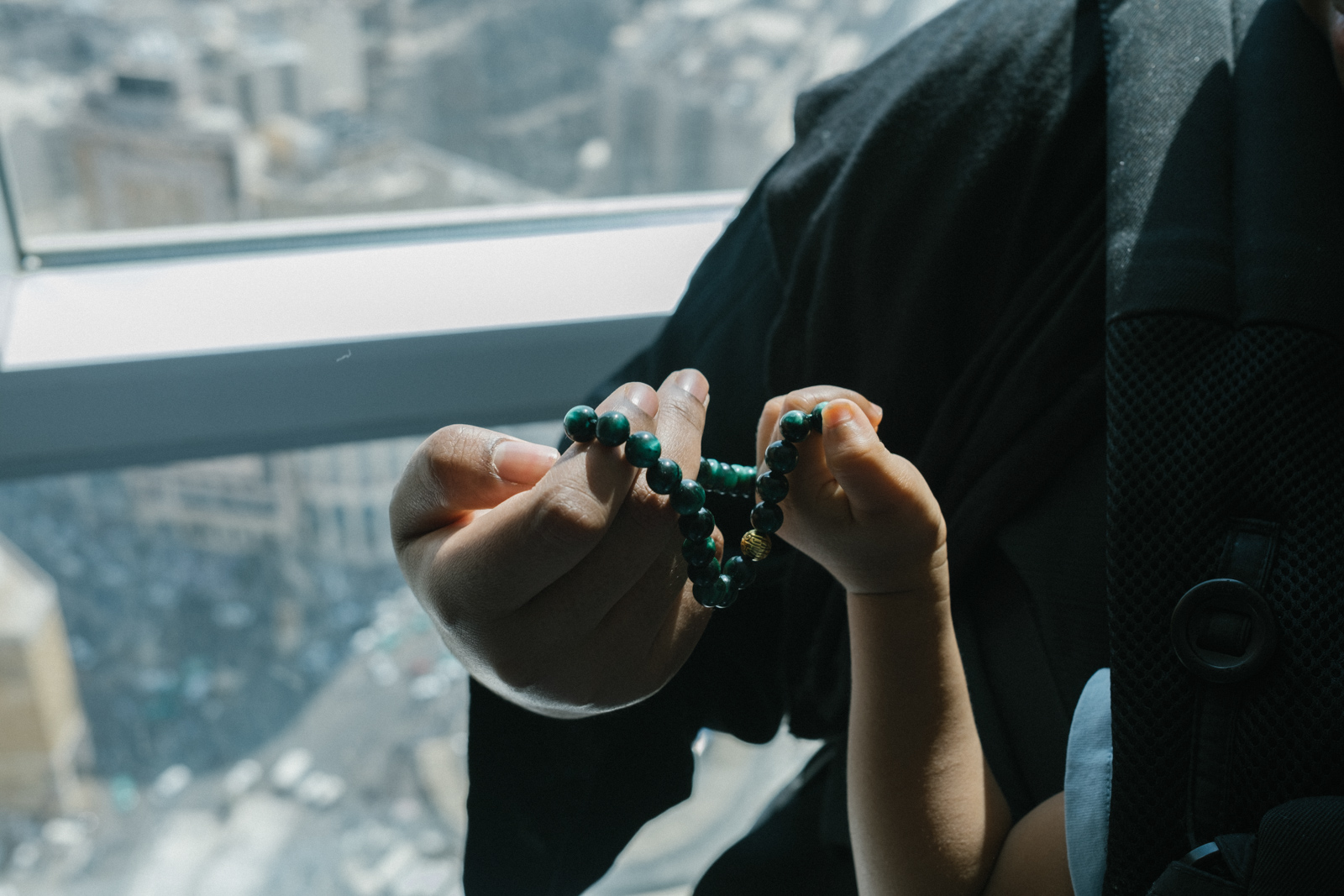
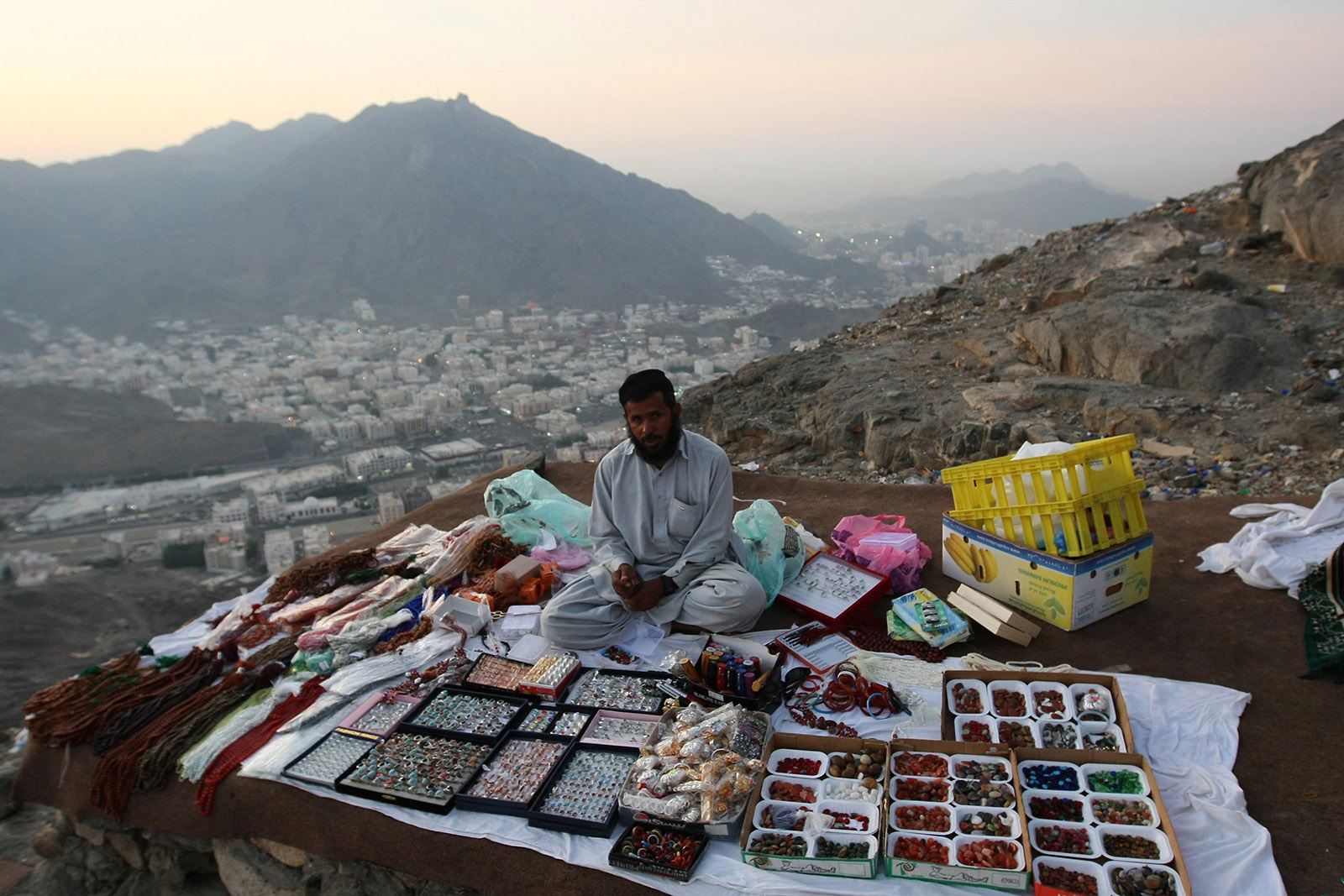
As we began our descent of Jabal al-Nour (the Mountain of Light), makeshift stalls selling key rings, prayer beads and other trinkets abounded. At the foot of one set of steps sat a woman with a baby, asking for money — one of several such people we encountered.
From the moment we arrived in Mecca, I had found that juxtaposition unsettling. On the one hand, countless pilgrims pour into the holy city every year. Religious tourism brings roughly $12 billion annually to Saudi Arabia’s economy, yet young women and children are still forced to beg on the streets.
As millions of others do every year, I visited Mecca for Umrah with my family. My husband, Christian, and I arrived in Saudi Arabia at the start of Ramadan. We joined my sister who was doing a placement at a hospital in Jeddah, then my parents joined us two weeks later for the pilgrimage.
For our first iftar in Jeddah, we headed to the waterfront to break our fast by the sea. Along the coastal walkway, families and small groups had gathered to do the same. A symphony of adhans filled the air as the sun set.
It felt liberating to experience our faith so openly and, even though we had packed our own, the couple next to us offered us dates and water.
A few days later, someone unexpectedly paid for our entire meal at a restaurant. One of our Uber drivers treated us to karkade, a popular local drink made from hibiscus. During one iftar at Shatie Market, some of the stall owners set us up with our own picnic spread.
All over the world, Muslims are typically at their most generous during Ramadan, and this openness and hospitality was a running theme throughout our time in Saudi Arabia. However, it did not take me long to realise that most of the activities in the country revolved around conspicuous consumption, whether that be food, luxury goods or other items.
Even in Al Balad, Jeddah’s historic district, fast food trailers buzzed to life once the sun went down. Shopkeepers unlocked storefronts within the various souks and stands selling abayas, jewellery, thobes and oud stood outside.
The bustle of trade and commerce is an integral part of life in the Arab world, the region having served as a commercial hub for centuries. Collecting keepsakes from pilgrimages is also a time-honoured tradition, dating back to medieval times when Christian pilgrims arguably started the souvenir industry by picking up mementoes of their travels in Europe and the Middle East.
But there’s a reason why the Prophet Muhammad (pbuh) advised us to make a specific dua when we enter the marketplace. He knew how materialistic this world can be and how that ultimately distracts us from our spiritual endeavours.
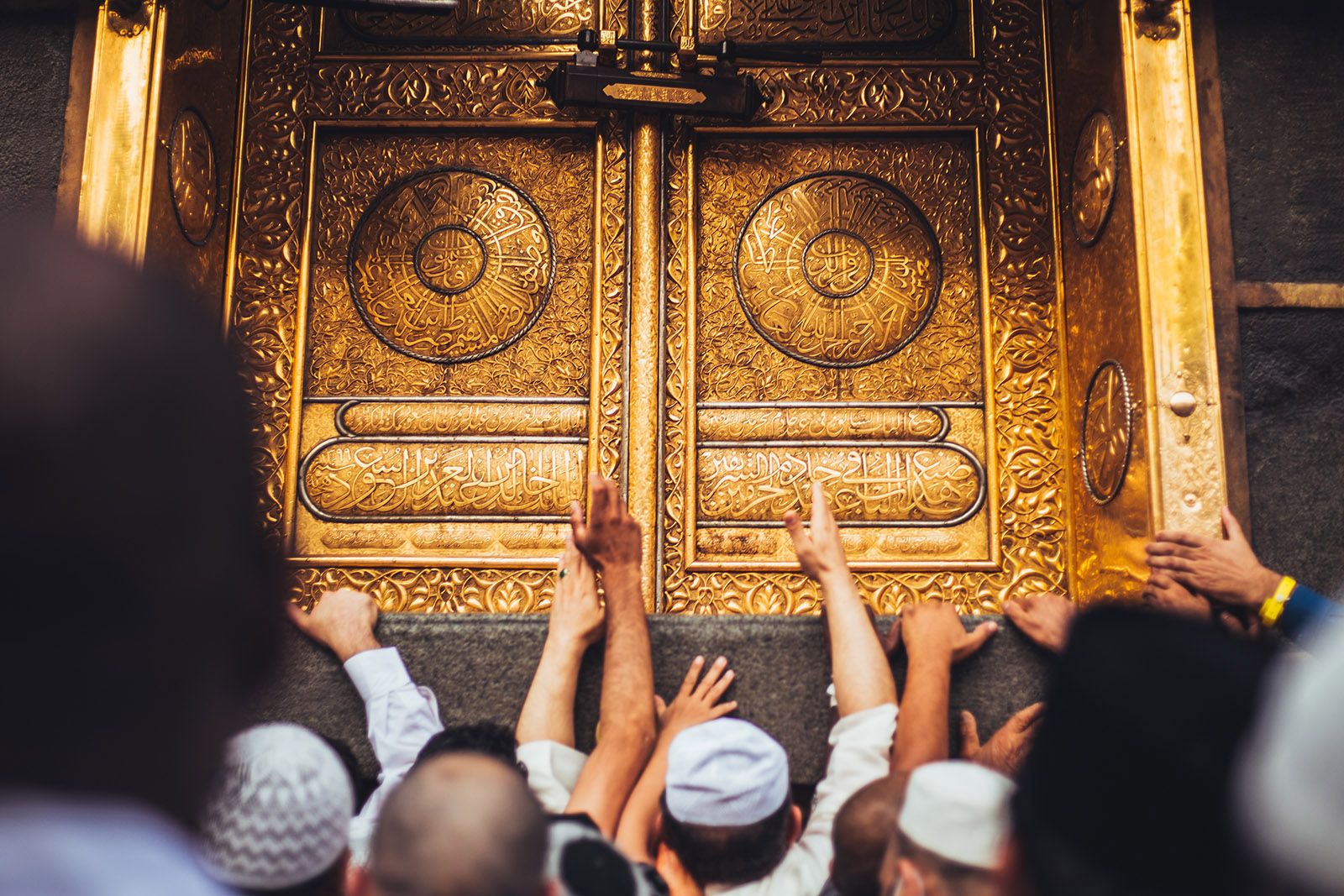
As I walked through the 24-hour market under our hotel in Mecca a couple of weeks later, taking in the rows of magnets plastered with images of the Kaaba and the I HEART MECCA water bottles lined up behind them, I couldn’t help feeling disappointed.
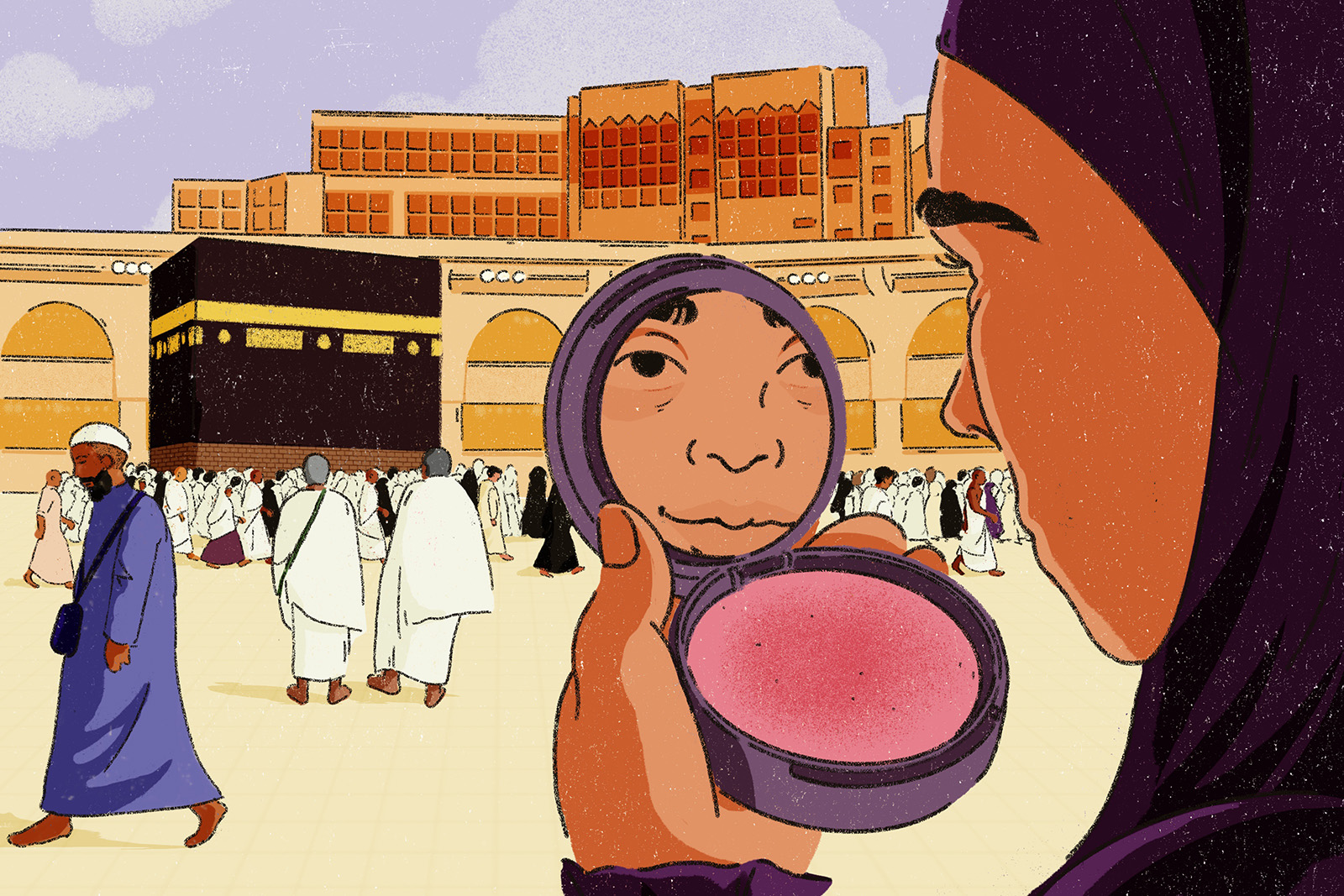
Even more than the array of trinkets on offer, the over-the-top nature of development in the city itself struck me. It felt as though faith itself had become a commodity and I kept asking myself one question: “What would Muhammad (pbuh) make of all this?”
What would he say about the government-owned Abraj Al-Bait Towers, with their imposing clock looming over Masjid al-Haram and the Sacred House since 2012? Would he have been pleased by the spending of $15 billion to construct the hotel complex? Would he support the recently approved plans for a new airport in Mecca?
The following hadith speaks for itself: “When you see Mecca, its mountains with holes pierced through them (tunnels), and its buildings surpass its mountain tops, then the Hour (judgment day) has already cast its shadow.”
Alongside the openness of its people and the deep spiritual connection I felt during our pilgrimage, my time in Saudi Arabia made one thing abundantly clear: in a world where conspicuous consumption and huge disparities in wealth are close to inescapable — not even Mecca itself can offer respite.
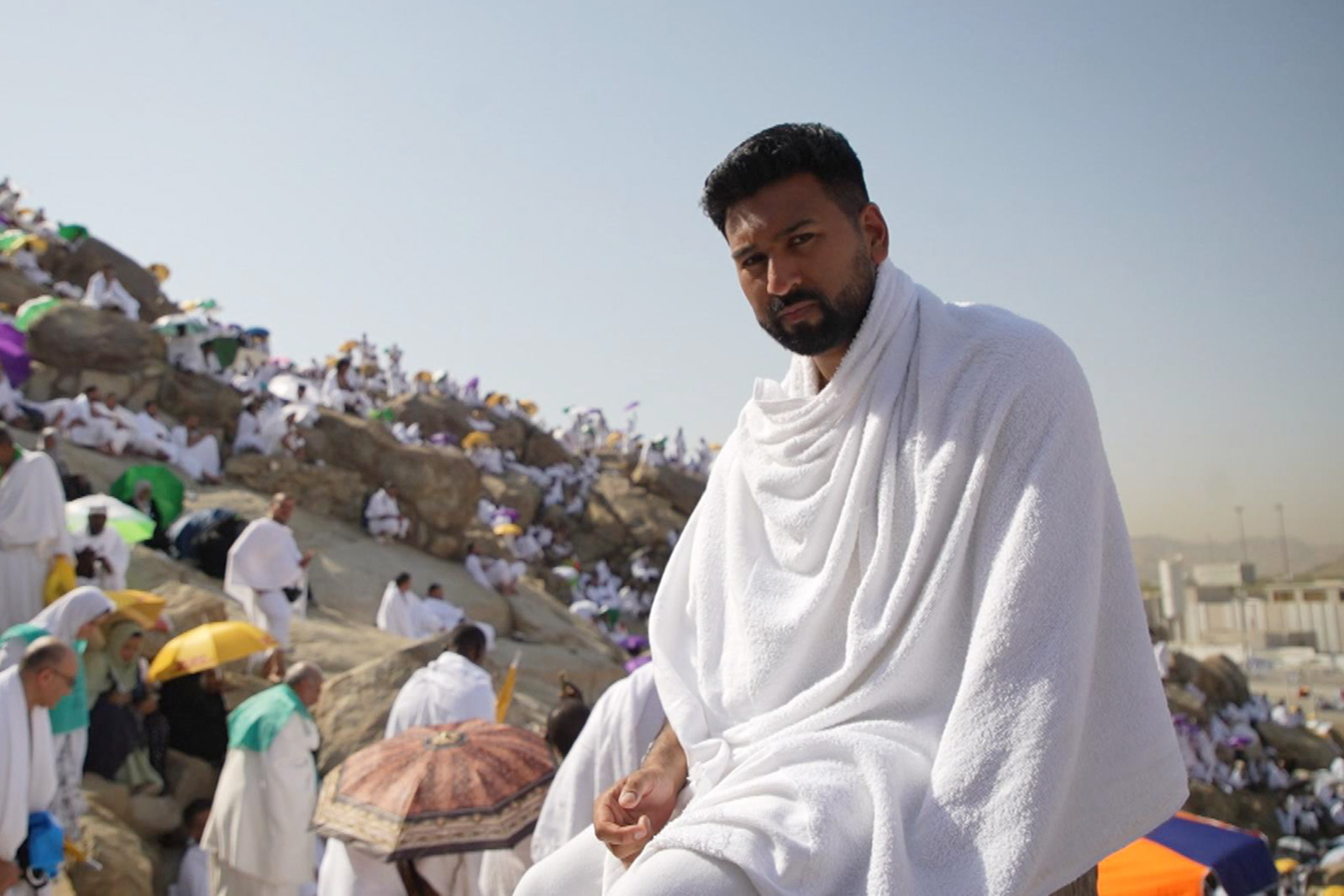
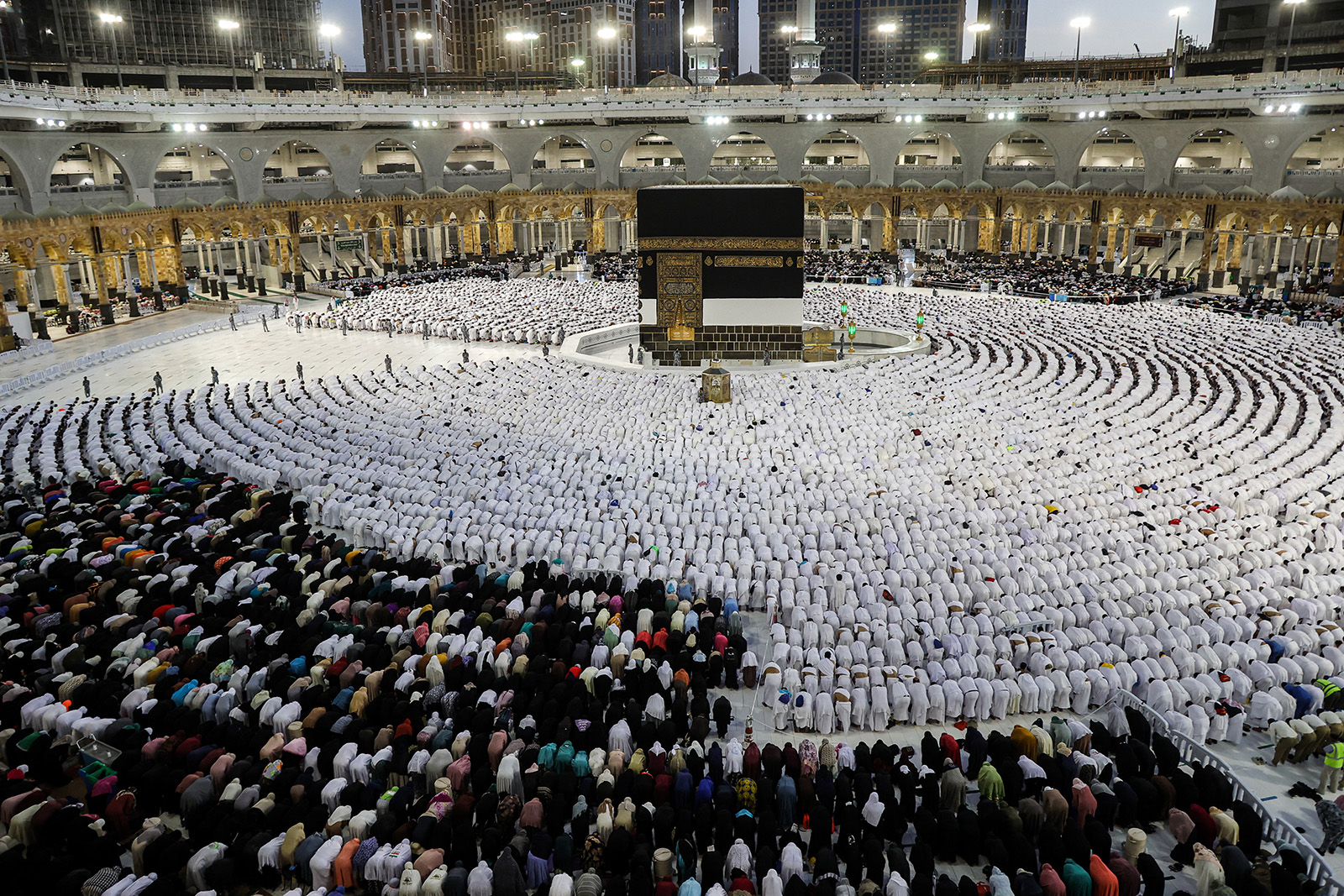
With Hajj only a short while away now, millions of worshippers will once again descend upon the holy city. There will always be those who seek to profit from such a vast influx of people, but it’s important to remember that Islam is a faith that stands against greed and unnecessary extravagance.
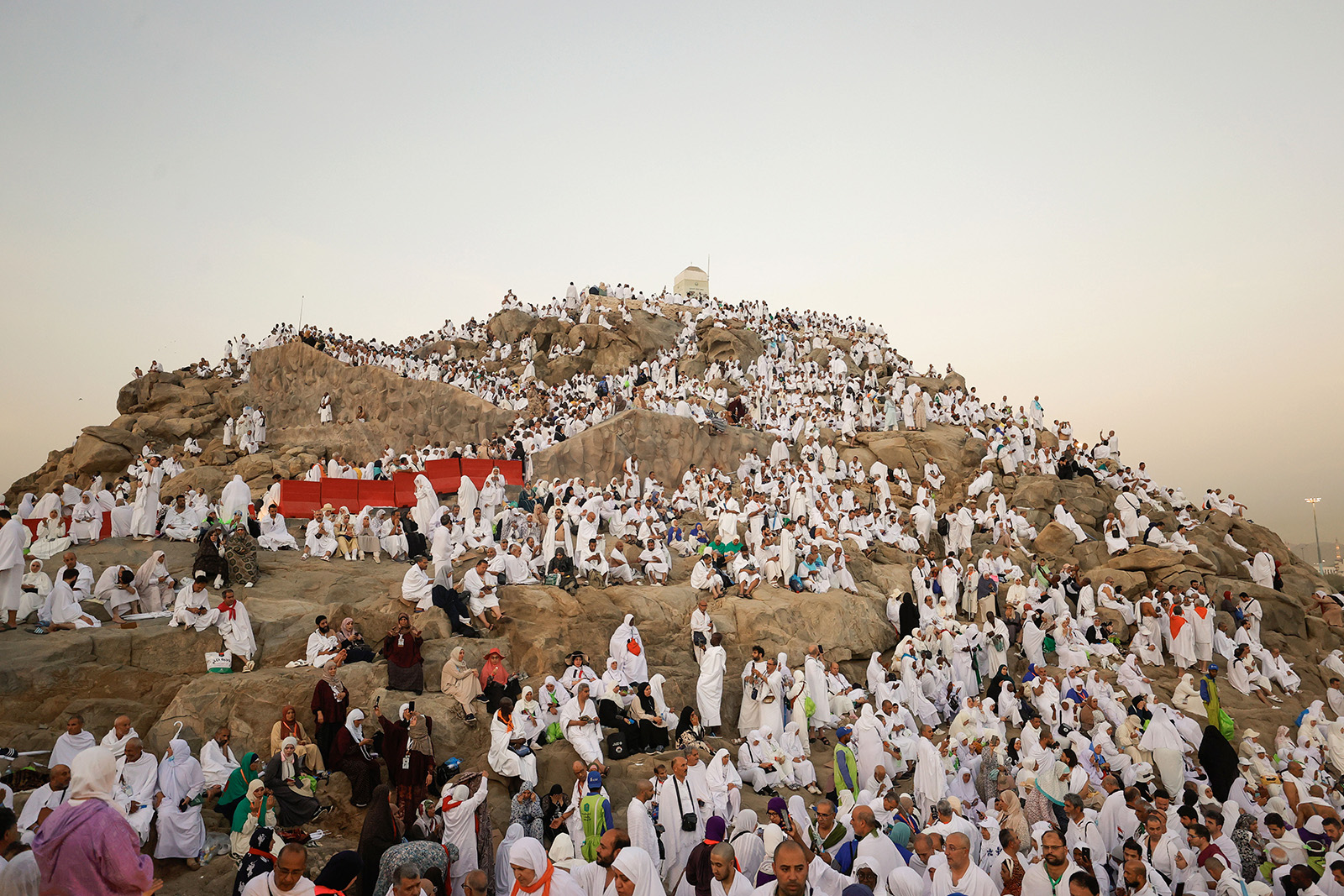
It is also worth considering that for many vendors, selling memorabilia to pilgrims is a vital source of income. Doing so is not a choice. It’s a necessity. Like the pilgrims from centuries ago, many people will want to bring a memory of their trip home with them, but, as with anything else, there is a balance to be found and it is important that our faith not be compromised by our choices.
For those of us living in non-Muslim countries, where our religious identities may be held against us, finding ways to celebrate faith externally can serve as a source of empowerment and reclamation.
For instance, decorating the house for Eid and wearing fine clothes is a reward for all the striving during Ramadan, as well as confirmation that Islamic holidays hold just as much significance as any other religious festival.
But, for me, it’s always worth trying to remain conscious of why we do these things in the first place. If our celebrations become more about performative spending and ostentatious displays of wealth, it defeats their original purpose.
After all, faith doesn’t need twinkling lights and moon-shaped serving platters. It isn’t measured by how many Kaaba photos we post, or how well we colour coordinate our hijabs. It’s an internal compass, a guide to living and a reminder to always prioritise people over possessions.