
Kemi Badenoch has seen off coup rumours by racking up small victories

Like Labour, the Conservatives suffered poor election results in May — yet the Tory leader appears to be in a stronger position than ever

In recent months and weeks, all eyes have been on Keir Starmer as he faces down poor local election results, internal Labour rebellions and a slow-motion leadership challenge. But not so long ago the question hanging over British politics was a different one entirely: how long could Kemi Badenoch survive?
Cast your mind back to last autumn. Robert Jenrick was prowling the Westminster corridors, making himself available to cameras and colleagues alike. Conservative MPs were eyeing the calendar, counting the days to 2 November — the first anniversary of her election as leader, when party rules would allow a challenge. The mood around Badenoch was brittle and there was a genuine sense that her tenure could be measured in weeks.
That moment has passed. And how it passed matters.
Related content
The local elections in May were, by any honest assessment, a poor night for the Conservatives. The party lost more than 500 councillors. Reform swept through Tory heartlands — including Essex, Suffolk and Newcastle-under-Lyme — overturning years of Conservative reign. In Wales, the party took just 11% of the vote, its worst Senedd result. In Scotland, its share fell by more than 10 percentage points. These were not the results of a party on the march.
And yet the scrutiny that might once have followed — the briefings, the whispered warnings, the resignation letters — largely failed to materialise. Much of the political press was looking elsewhere, at Labour. “If our opponents are willing to cause damage to themselves and create drama, we aren’t going to distract from that,” one Tory MP told me this week. Another said the poor results had already been priced in because of Reform’s surge, and so were not seen as specifically a failure of Badenoch.
All this has given Badenoch room to breathe that, in other circumstances, she might not have had. But there is more to it than circumstance.
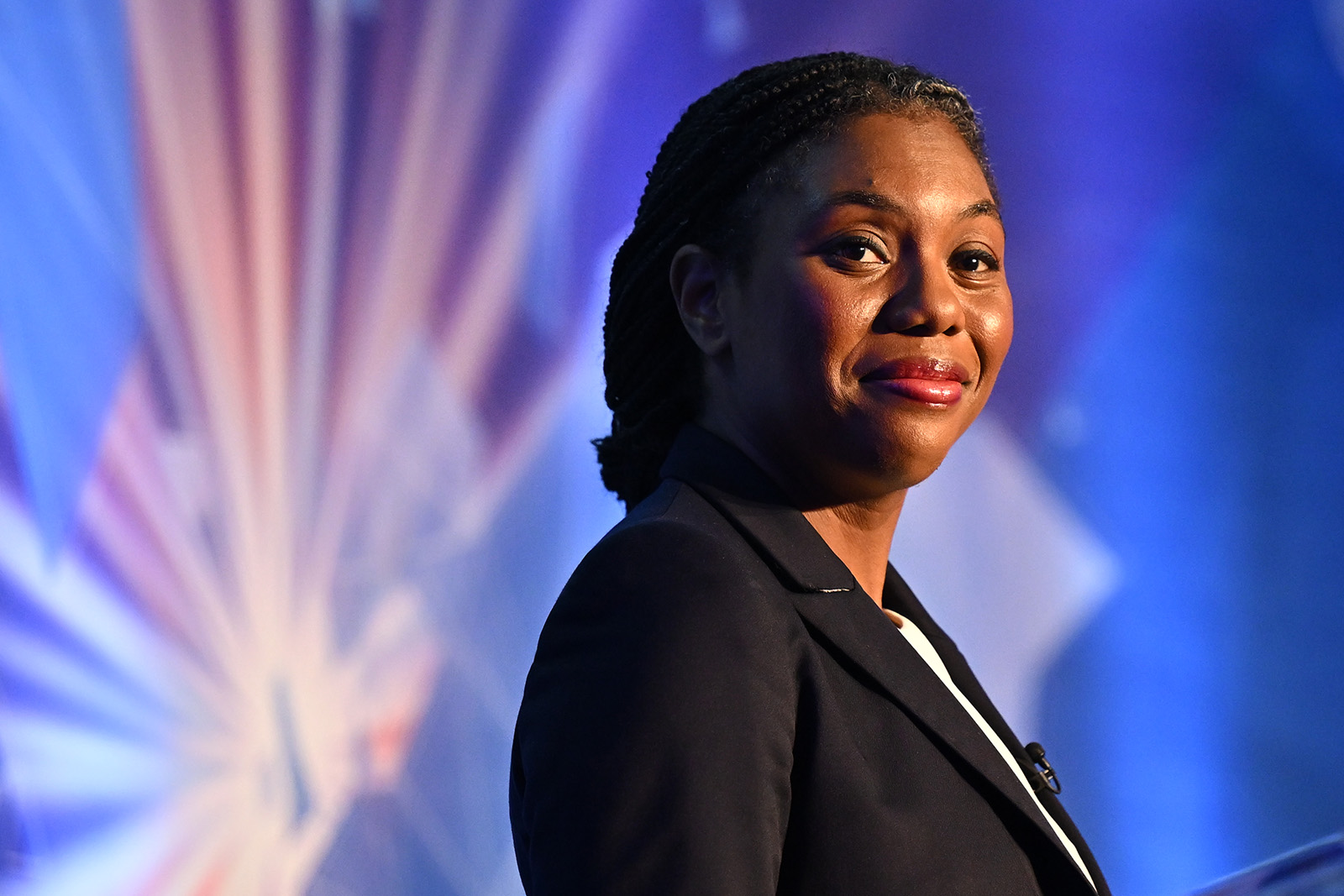
Badenoch’s performances at the despatch box have been the single most-cited factor by Tory MPs I’ve asked when explaining the shift in internal mood. One MP told me: “She has really grown within parliament and in recent months she’s been outperforming Starmer in a way we hadn’t seen before.” That is a view widely shared on the Conservative benches — that Badenoch has adopted a free-wheeling, combative style that makes the prime minister look defensive by comparison. The leadership has also been effective in using parliamentary procedure, most notably forcing the government to publish documents relating to Peter Mandelson’s appointment as Washington ambassador. Small victories, perhaps — but, in opposition, small victories are often the currency.
There have been substantive policy interventions too. On the student loan interest rate crisis, Badenoch was quick and forceful — and has since seen the government cap interest rates and a parliamentary committee launch an inquiry. Similarly, on social media restrictions for under-16s, she staked out a clear early position in favour of a ban, and the direction of government travel now appears to be following her lead.
A senior Tory reflected to me: “It takes time to cut through. No opposition leader has immediately turned things around with the public, but she is improving all round and has been ahead on a fair few policy calls lately.”
The defections to Reform — including Jenrick and Suella Braverman in January — might have appeared at first glance to be serious blows. Figures close to Badenoch were, perhaps surprisingly, quite relaxed about both departures.
When I spoke to them at the time, the private view was that these were disruptive presences causing more internal problems than they solved and the party was better positioned without them. Jenrick’s exit, in particular, neutralised the most credible internal threat to her leadership. As one usually rebellious former Tory MP told me “There’s no challenger. The party doesn’t really have an alternative at the moment.”
Related content
The polling offers some encouragement, albeit cautious. A YouGov survey in April found 29% of Britons now hold a positive view of Badenoch — the highest figure recorded by that tracker to date and part of a gradual upward trend since the middle of last year. Among those who voted Tory in 2024, favourability has climbed 20 percentage points since November to 72% — also a record. Her net rating nationally remains deeply negative at -21, and she leaves Labour and Lib Dem voters cold. But the trajectory among her own political coalition is upwards.
But, of course, the structural challenge her party faces has not dissolved. The Conservative vote is being squeezed from two directions simultaneously — and no amount of good PMQs performances can fully resolve that tension. To the right, Reform remains the dominant threat as figures within Nigel Farage’s party make it clear to me they want nothing more than to “wipe out the Tories”. On the softer flank, the Liberal Democrats are eating into Conservative support in the south of England as the Tories continue to edge rightwards. The party cannot afford a two-front war of attrition indefinitely.
Badenoch’s argument, made with increasing confidence, is that there is a gap in the market for a fiscally responsible, small-state conservatism that she believes no other party is credibly offering. Whether that is enough to win over a frustrated electorate remains to be seen. But while there is chaos within Labour and no one willing to challenge Badenoch, she’s in the safest position she has been in for a long while.
Shehab Khan is an award-winning presenter and political correspondent for ITV News.