
The Hyphen view from Europe: hot and really bothered
From America’s wavering commitment to an Italian visa scam, Hyphen’s Europe editor rounds up the stories that mattered this month

This June, Europe was feeling hot and insecure.
It spent the month worrying about war, air conditioning, football and whether America still cared about it.
A new poll found that one in 10 Europeans no longer believe the US can be relied upon for security. Given the tendency of the current occupant of the White House to approach international alliances like a Love Island contestant, the result wasn’t really a surprise.
The Baltic states, meanwhile, were busy preparing for Russian aggression in case the Americans didn’t come, building defensive fortifications such as dragon’s teeth — anti-tank obstacles — that sound like an underperforming Netflix fantasy franchise.
And Switzerland held a referendum on whether or not to cap its population at 10 million, prompting confusion at Hyphen. How exactly would the country go about preventing the arrival of person number 10,000,001?
The proposal was defeated, but only just — 45.21% were for it. That’s quite a lot of Swiss agreeing there should be no more than two people per tram carriage. Or are they worried that their fellow passengers might not look Swiss?
Insecurity was less abstract for many of the Muslim Europeans Hyphen spoke to this month.
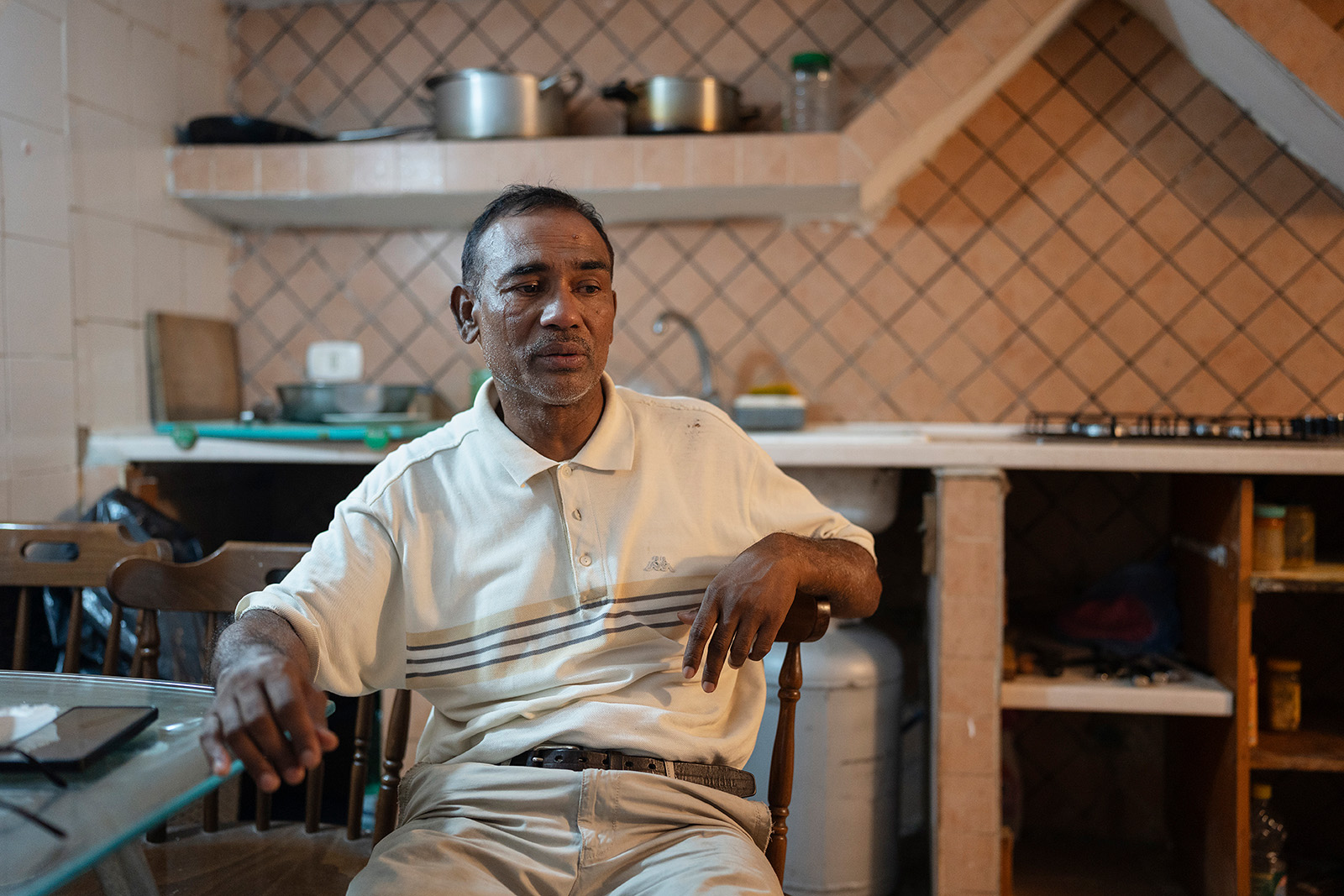
In Italy, Savin Mattozzi talked to some of the hundreds of Bangladeshi migrants caught up in a visa scam that promised jobs that never existed. The alleged perpetrators have been arrested, but the victims have largely been left to deal with the consequences. Some borrowed huge sums to make the journey. They now find themselves stranded between countries, carrying debts but with no work, no support and little prospect of recovering what they have lost.
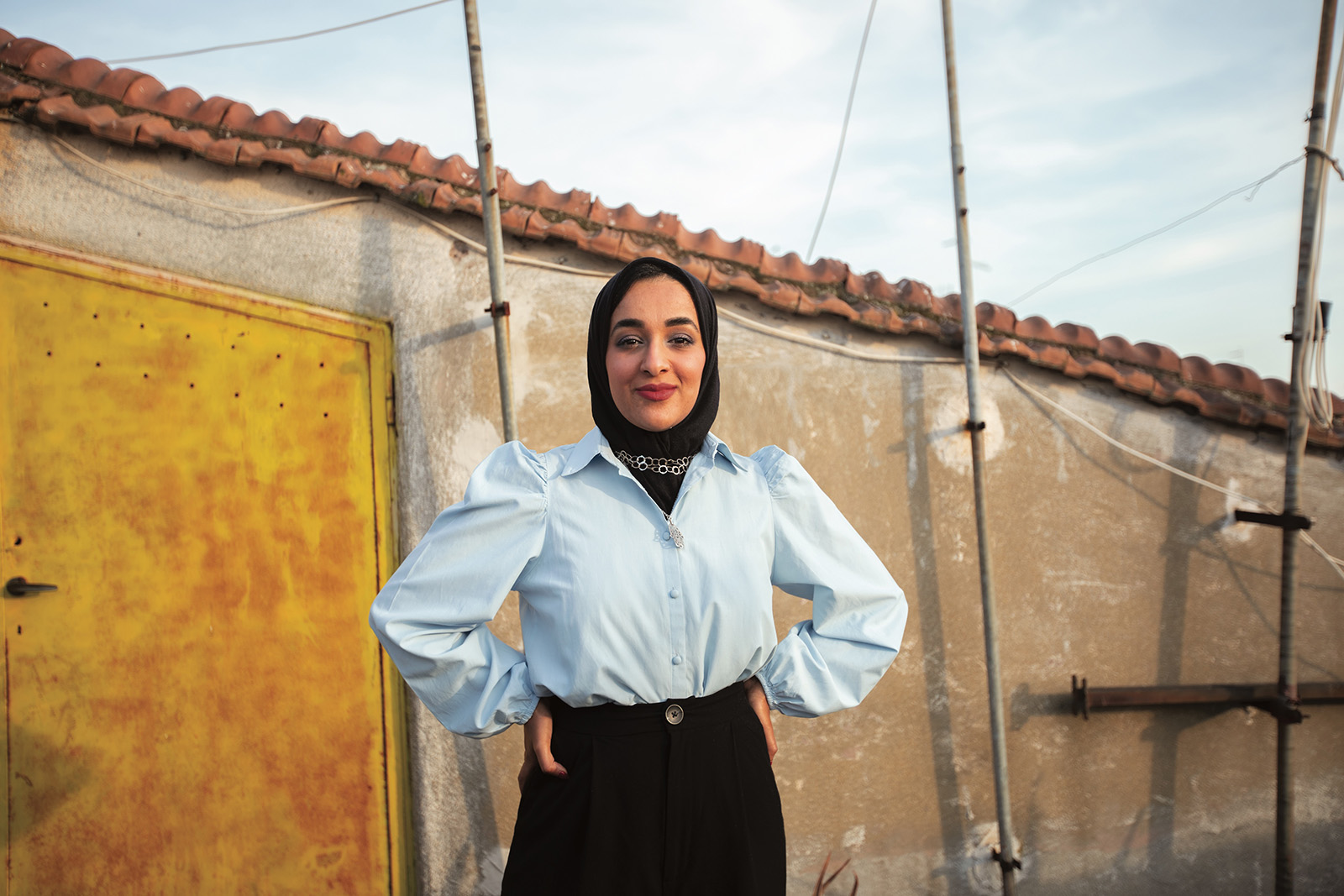
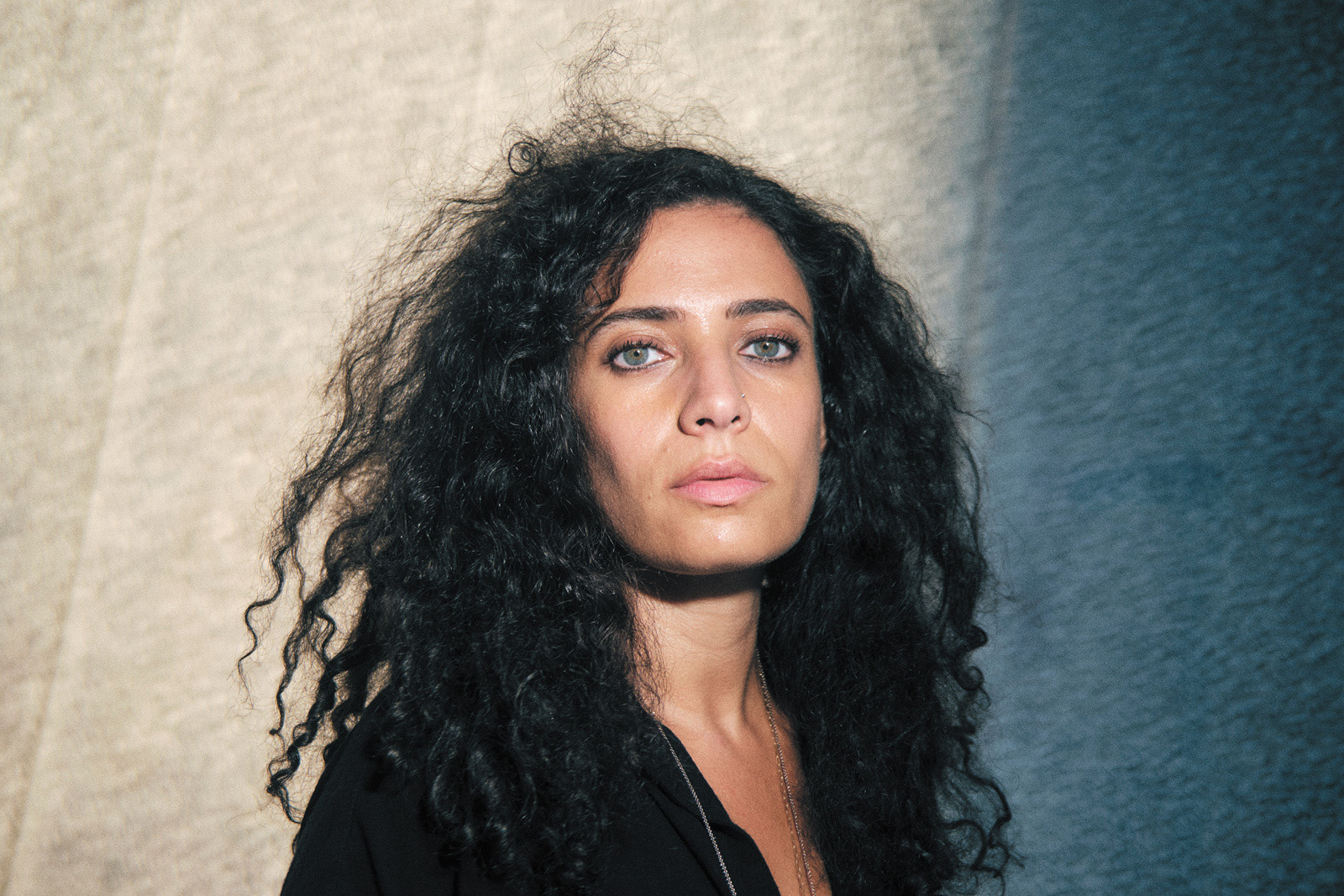
Elizabeth Djinis spoke to the writer Igiaba Scego about the pressure on prominent Muslims to act as spokespeople for Islam. Scego recalled how she would find herself expected to defend an entire religion against bad-faith questions such as “why do you all not agree with democracy?”. Reading Elizabeth’s interview, I found myself thinking about Belfast and the Somali and Muslim communities there, blamed collectively by far-right rioters for the acts of individuals. Who gets the luxury of just being a neighbour, colleague or customer rather than representative?
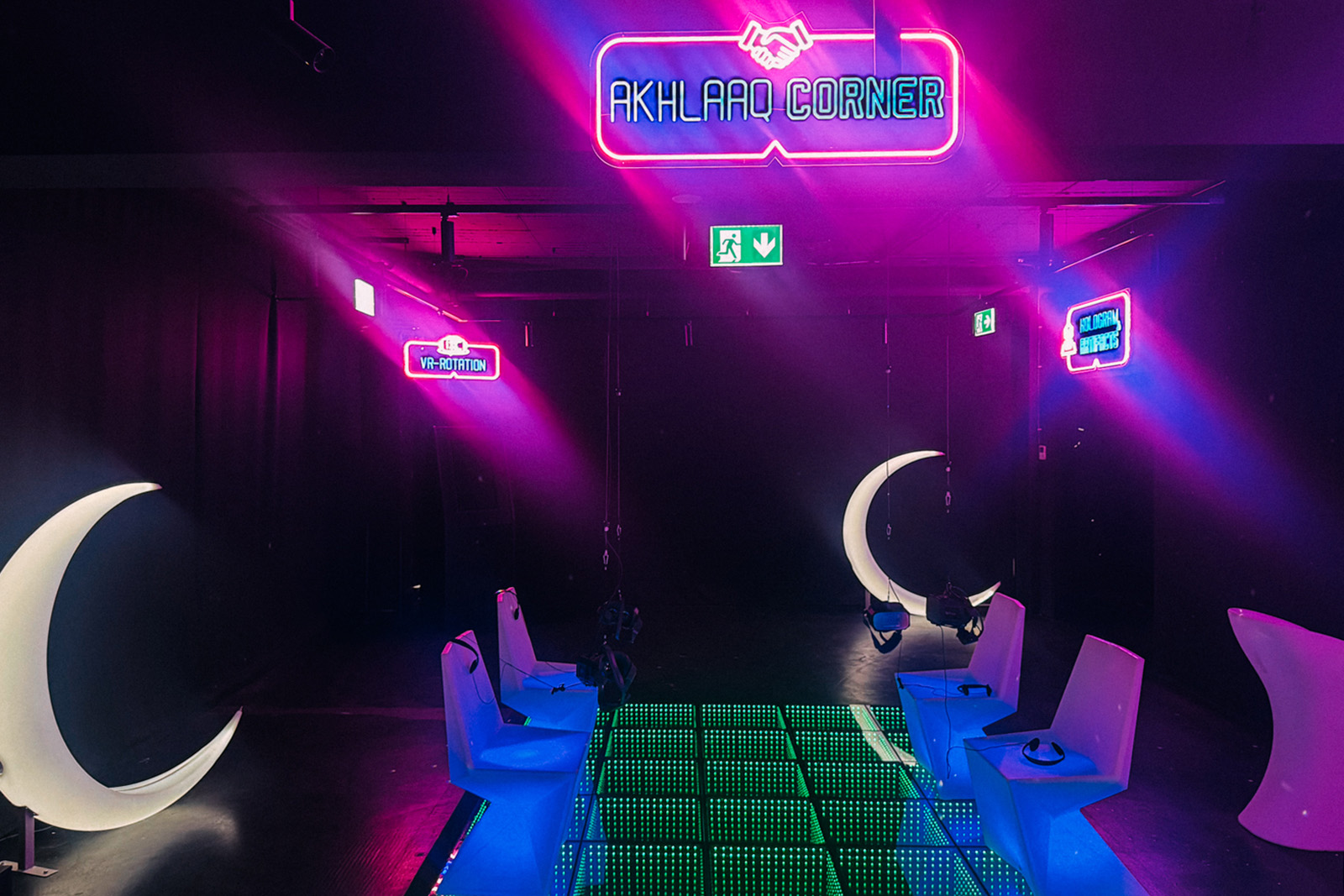
Meanwhile, in the Netherlands, Mozhda Poyan went to an interactive Muslim experience created by a former far-right politician who converted to Islam. It uses virtual reality to educate the Dutch in Islamic history and the modern European Muslim experience. Visitors say it’s working. “We knew technology offered a solution,” the curator told us.
Perhaps it does. In fact, has anyone tried turning the White House on and off again?