
Why Italian writer Igiaba Scego stopped ‘playing the defence attorney’ for Islam
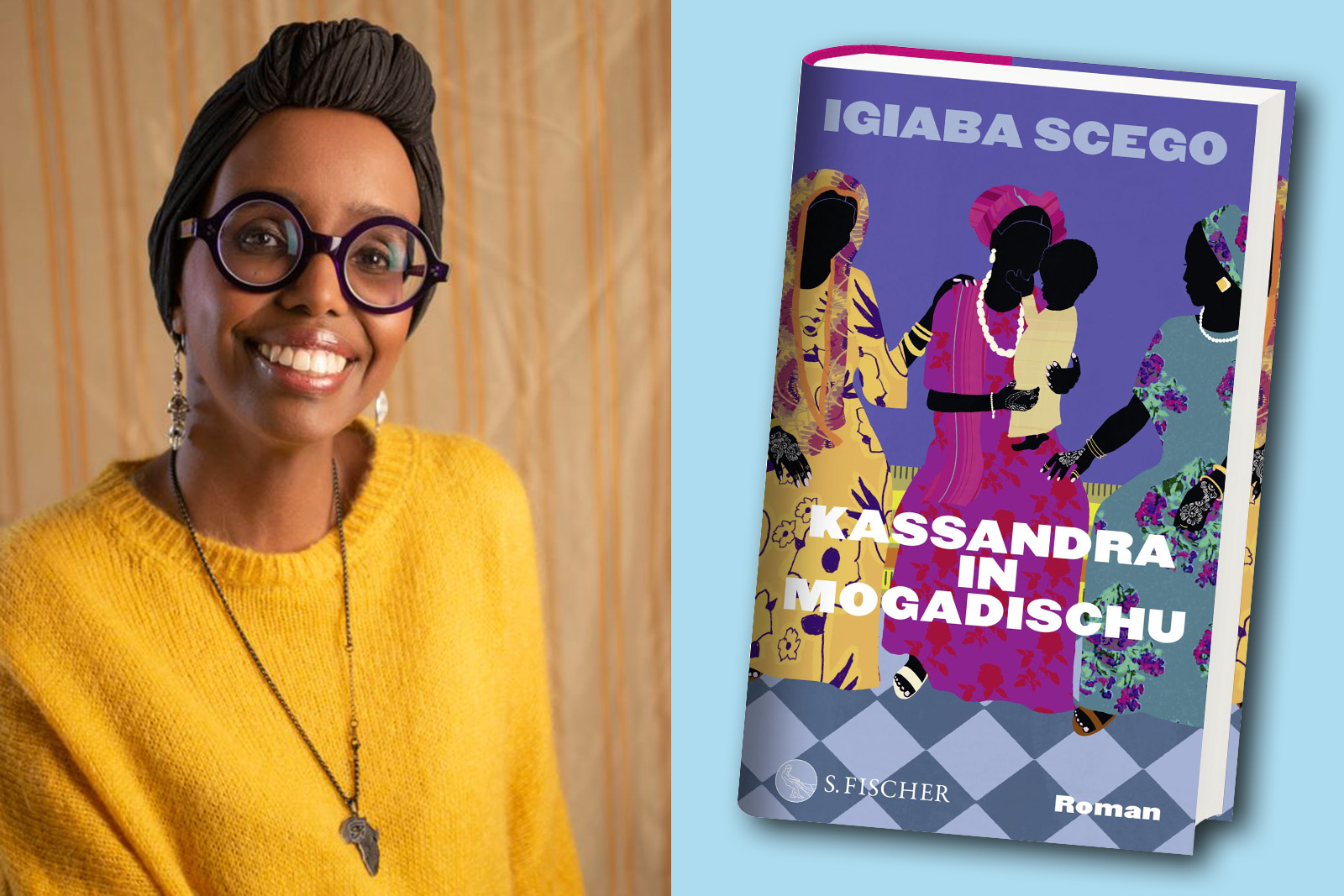
The acclaimed author of Cassandra in Mogadishu discusses identity, visibility and why she no longer feels obliged to apologise for violence carried out in Islam’s name
As a writer in Italy, Igiaba Scego has long navigated competing expectations. Born in Rome to Somali parents, the acclaimed 52-year-old is Muslim, Black and Italian — identities that, she says, are often treated as incompatible.
At school, classmates tried to force her to drink alcohol or eat pork. Once, she recalled, a fellow student slipped beer into her water while she was not looking.
“Why are you doing this?” she remembered asking.
This tension between her experience and the stereotypes imposed on to Muslims in Italy has shaped Scego’s writing. Celebrated for her work across fiction, non-fiction and journalism exploring migration, colonialism and belonging, Scego has increasingly resisted another role that public life has unwittingly imposed on her — spokesperson for Islam.
Related content
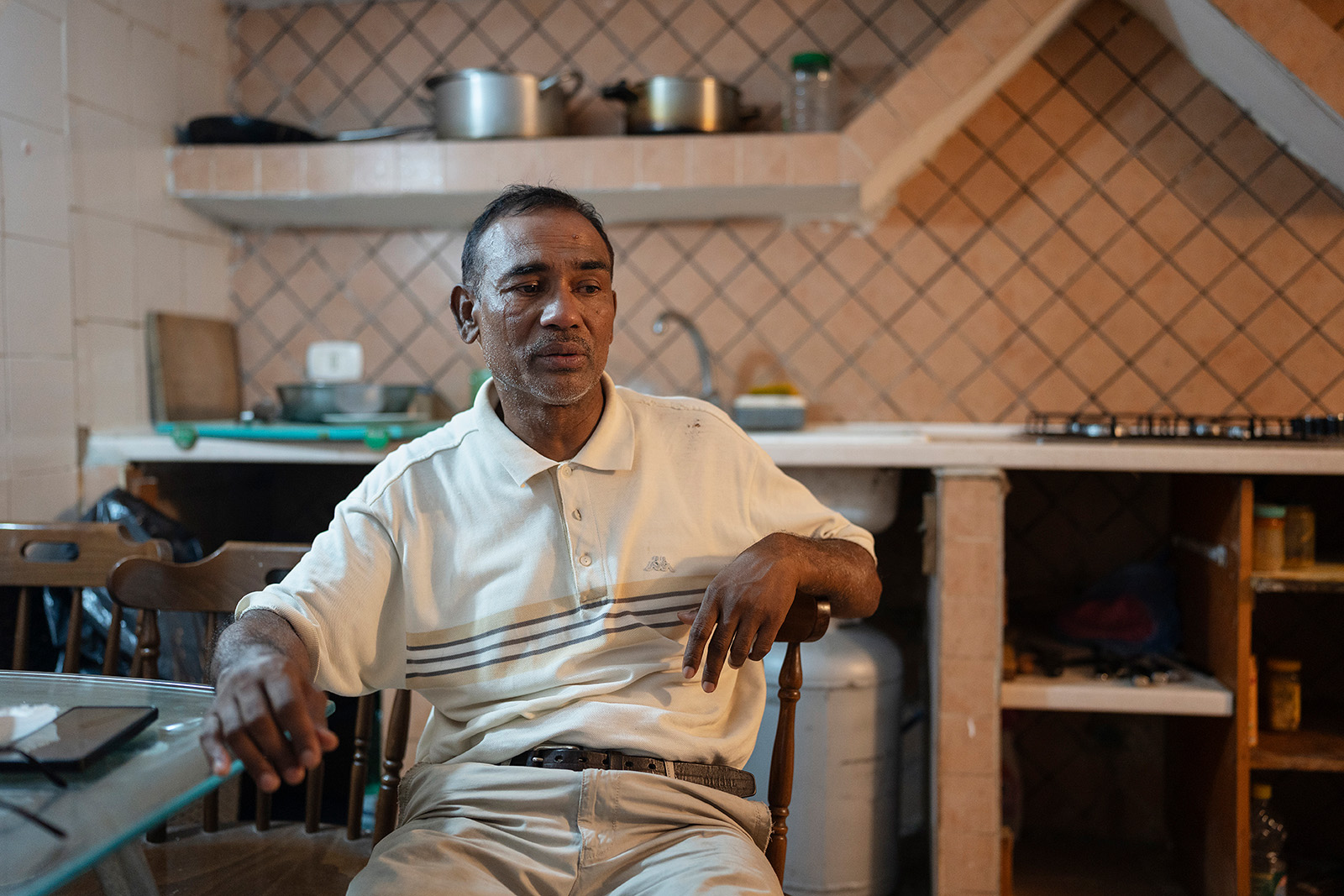
“I’ve stopped playing the defence attorney now,” she told Hyphen.
Italy is home to an estimated 2.6 million Muslims, of whom roughly 1 million were born there (according to 2023 data). But too often, Scego says, Muslims are still discussed only in relation to extremism, integration or social conflict, rather than as part of Italy.
“People still have these almost medieval ideas,” she said. “There’s never a story told of just everyday life.”
Scego’s work often deals with what it means to bridge two nationalities as well as zooming out to the effects of Italy’s colonial history. A recent book, Cassandra in Mogadishu, recounts the lasting trauma of displacement for a teenager growing up in Italy while civil war unfolds in Somalia. It was a semifinalist for Italy’s top literary prize in 2023.
But her acclaim as a writer and her position as a prominent Muslim woman have, too often, drawn her into a role she never wanted — a defender of Islam. In a column she wrote in January for the Italian newspaper La Stampa, Scego notes: “I’m often called to act as a defence attorney for my religion: Islam. It happens at dinners but also during a presentation of my books, or instigated from some debate on social media.
“One of the most frequent questions that I hear is ‘Why do you all not agree with democracy?’ When I hear this question, if I’m eating, I usually have to stop.”
After the Charlie Hebdo attacks in Paris in 2015, Scego wrote a column titled Not in My Name, distancing herself and other Muslims from the violence. A decade later, she sees that period differently.
“I now understand that I did the wrong thing,” she said.
“There was no need for me to apologise, since I hadn’t carried out the attacks. Why did they ask us Muslims every time to distance ourselves?”
Looking back, she believes many Muslims were pushed into this defensive stance after attacks carried out in the name of Islam.
“I realised that we were really taken advantage of back then,” she said. “I feel now that I was a bit exploited, because I felt a bit pushed — it was the same feeling I had after 9/11. But we shouldn’t be afraid, because it’s not you who has done something bad.”
Scego has seen Italy’s Muslim population become far more visible since her childhood in the 1980s. As a child, Ramadan was “niche”, she said. Now it is openly acknowledged by politicians and public figures.
However, in Italian political rhetoric, Muslims are still often discussed as a monolithic group. In a 2006 Senate speech, former prime minister Giuliano Amato referred to “moderate Islam” while contrasting Muslim women in Italy with supposedly more oppressive Muslim societies elsewhere.
For Scego, phrases like “moderate Muslim” carry an implicit demand to prove acceptability.
Scego has chosen to weave in her faith in small ways throughout her work, often rooted in the ordinary and everyday. In Cassandra in Mogadishu, for example, she includes a scene in which her mother prepares herself to pray, describing how she holds herself and washes her leg.
“For me, it was about portraying it in a completely natural way because it is natural to me,” she said.
“In my head, it’s more effective to do this. I’ve thought many times that maybe I should write a groundbreaking book, but to put religion within a traumatic story is maybe not fair for religion or for people. I like to write traumatic stories but I also want to show this part of life that is very simple.”
In an early short story, Sausages, Scego depicts a Muslim narrator with a similar biography who wonders whether eating pork will finally make others see her as truly Italian.
The story was partly inspired by literary accounts of Moriscos in Spain being forced to eat pork publicly after converting to Christianity.
“My idea was to show how identity doesn’t just disappear,” Scego said. “On the contrary, sometimes it gets stronger.”
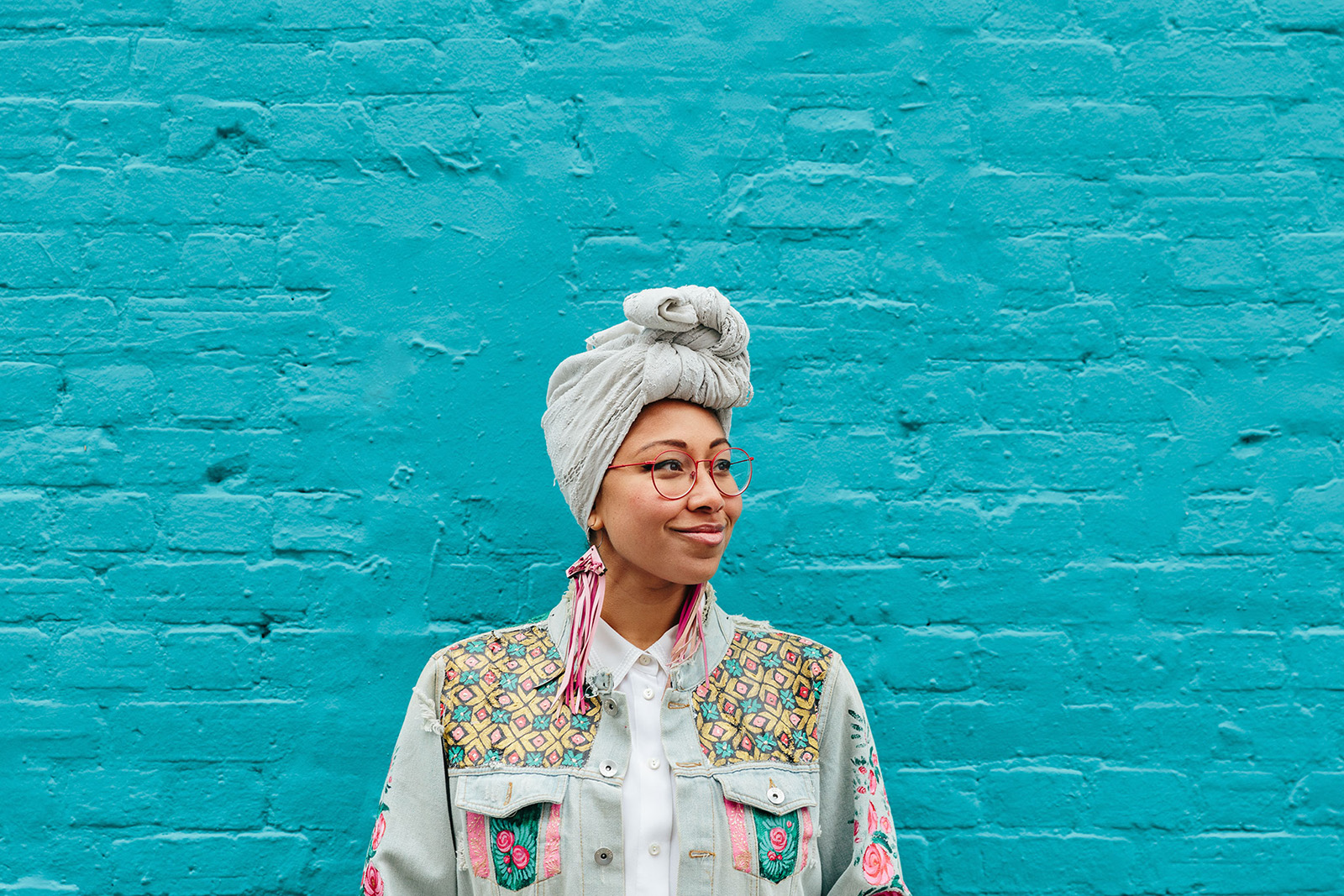
During the pandemic, Scego started wearing a head-covering, choosing a turban. She immediately noticed a change in how people perceived her. Her faith, once less visible to others, suddenly became a frequent topic of conversation.
“From that moment on, I became a visibly Muslim woman, which was very interesting for me, because people’s attitudes really changed,” she said.
Related content
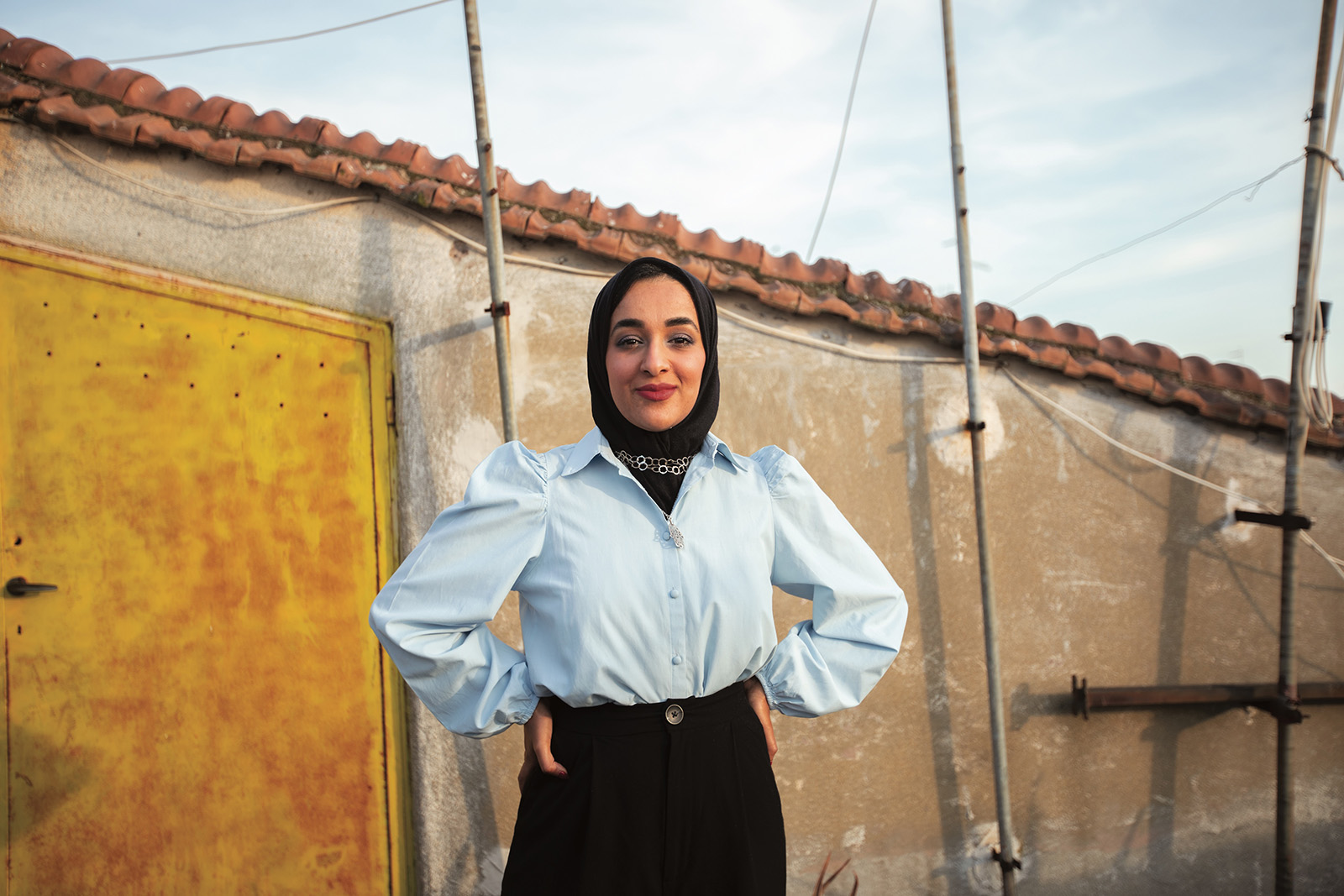
“There were people who asked me when I had converted to Islam, and so I realised that only my true readers understood this Muslim side of me.”
Even now, she is repeatedly asked: “Where are you from?” Outside Italy, she said, people are often puzzled by the idea that someone can be Italian, Black and Muslim.
“It’s something you have to explain,” she said. “People have no idea what Italian society is like today, so when you show up and say you’re Italian, Somali and Muslim, people start looking at you strangely and ask, ‘But where do you come from?’”
Rather than play out the role of public defender of Islam, Scego aims instead to portray ordinary Muslim life without reducing it to stereotype. In a soon-to-be-published graphic novel about two Congolese children forcibly taken from their home to Italy, based on a true story, Scego uses the absence of the sound of praying from the Sudanese man who accompanies them as a way that the children understand he’s no longer there.
“The point for me is to always take the tools of the media and use them to tell our stories,” she said, “because if you don’t tell your point of view, no one else will.”