
Hala Alyan on her ‘messiest, most uncomfortable experience of writing’
I’ll Tell You When I’m Home, the author’s Pulitzer Prize-nominated memoir, explores trauma, displacement and the stories we pass on to our children
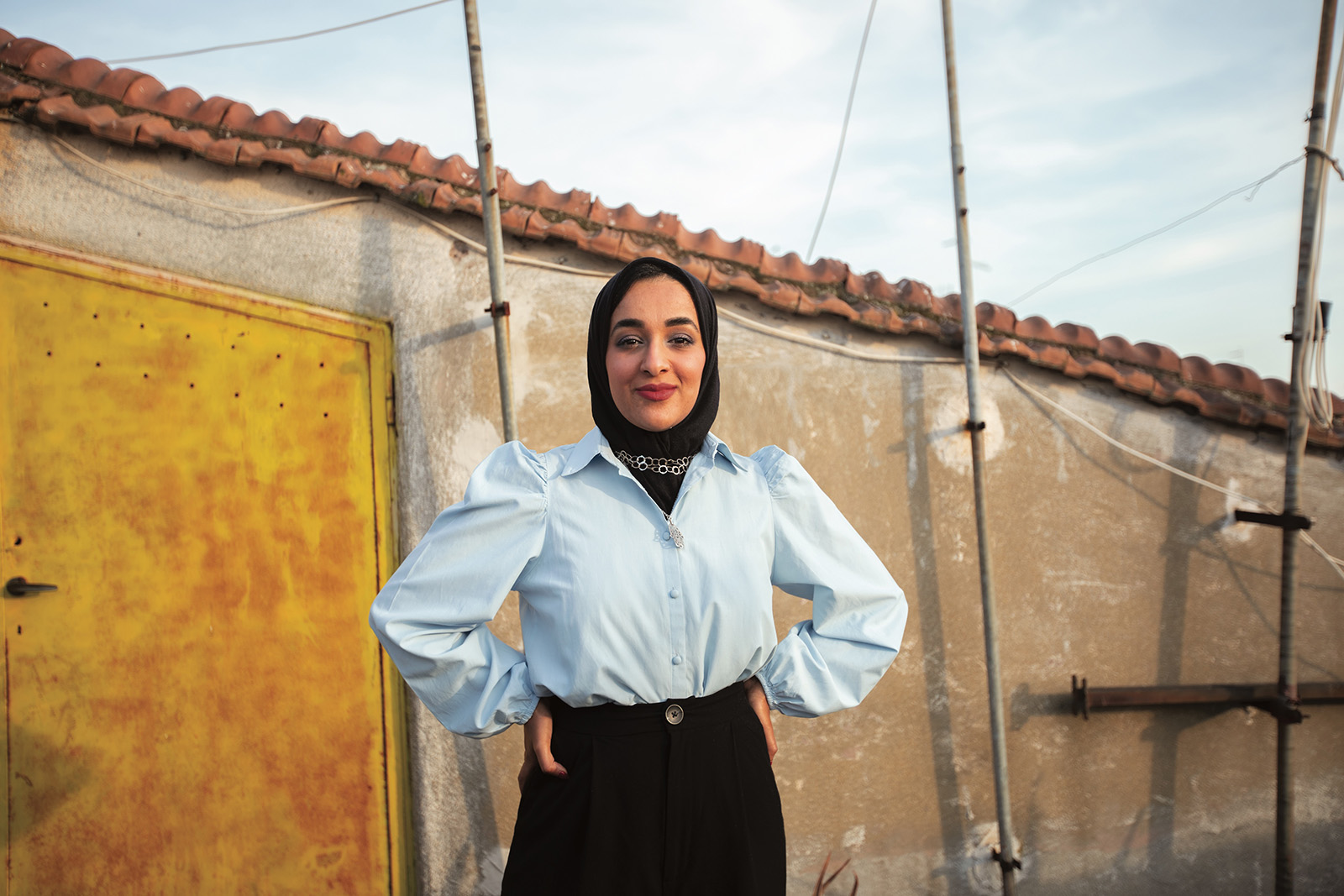
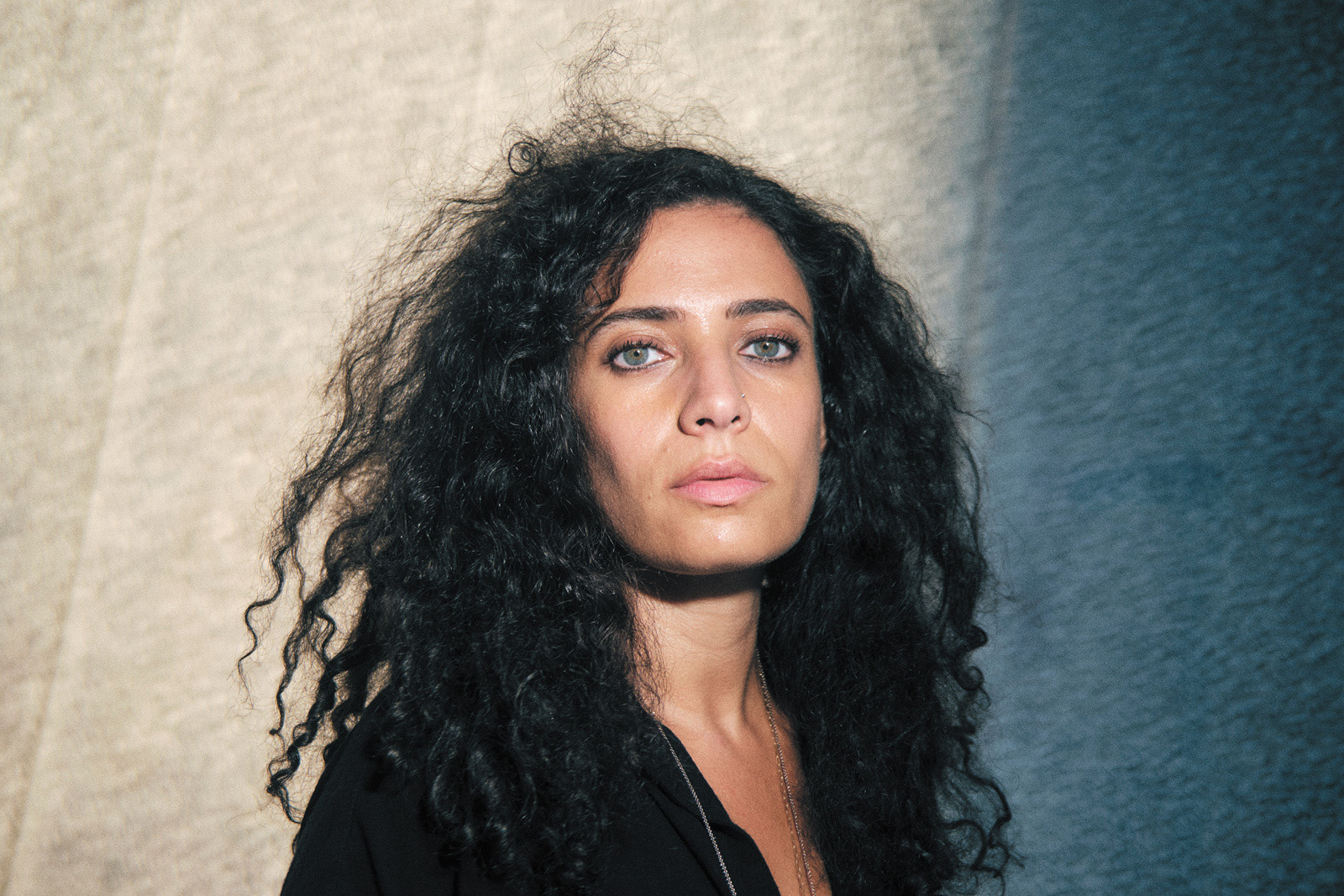
Soon after the Covid-19 pandemic had begun to subside, Hala Alyan, a poet, novelist and academic based in Brooklyn, New York, was working on her first non-fiction book. The plan was to write a collection of essays but, as she drafted vignettes and passages, something wasn’t coming together.
“There was a deadline, there was a contract and there was a gentle suggestion by my editor that I think about what was happening currently in my life,” Alyan recalls.
A lot was going on. After years of infertility and multiple miscarriages, she and her then husband had matched with a surrogate in Canada, who was carrying their baby. It had not occurred to Alyan that this experience could be the connective tissue that her book needed, but as soon as it was suggested, it made sense. The book turned into a memoir.
Related content
Alyan hit on the idea of using pregnancy, from preconception, through each month of gestation, to birth and postpartum as her central narrative thread. The words then spilled out of her, turning into “the messiest, most uncomfortable experience of writing I’ve ever had in my life”.
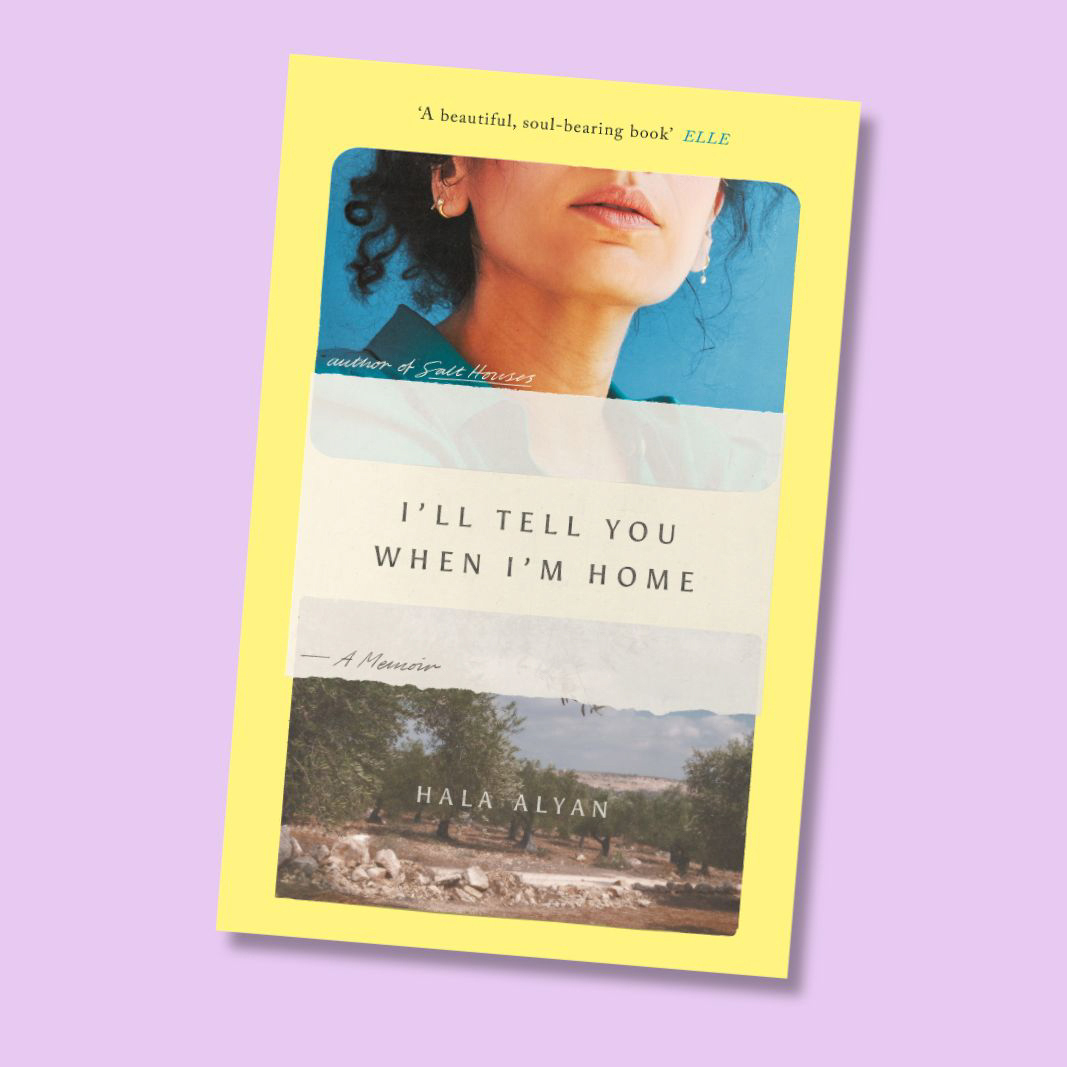
The result is I’ll Tell You When I’m Home, a lyrical and deeply personal work that has recently been announced as a finalist for a Pulitzer Prize. It is about infertility and surrogacy, but also about a marriage falling apart, addiction and the effects of displacement and exile on a family over the course of generations.
“The terrible consolation of the elders’ deaths: they no longer had to watch their countries fall,” she writes. “Only the living are left to watch, those remaining, those not yet born, the not yet here.”
Alyan is Palestinian American. Her family’s history of being repeatedly, sometimes violently, uprooted is woven throughout I’ll Tell You When I’m Home. Her paternal grandparents were displaced in 1948 from their Palestinian village during the Nakba. As a child her father, who was born in Gaza, moved to Kuwait. There he met her mother. The couple fled to the US in 1990, after Saddam Hussein invaded Kuwait. Alyan then spent her childhood moving between Kuwait, Lebanon, Abu Dhabi, Texas, Maine and Oklahoma.
The book is sometimes darkly funny on the approach of different generations to their past. Of her mother, she writes: “I launch into a rant about invisible costs of displacement and she tells me not to be dramatic.”
Alyan, a clinical psychologist and professor of psychology at New York University, has already published two novels, Salt Houses (2017) and The Arsonists’ City (2021), and five collections of poetry, but I’ll Tell You When I’m Home is different. It is a complex, unusual book told in fragments that sometimes read like prose poetry, spanning different timelines — a nomadic childhood, alcoholic blackouts in her 20s, infertility in her 30s.
Storytelling itself is a recurrent motif, anchored by the figure of Scheherazade, the heroine of the Arabic folktale 1,001 Nights, who tells her king a different story every night, always ending on a cliffhanger, to keep herself alive until daybreak. Alyan played the character in a high-school production and feels a special connection to her.
“I’ve always been really interested in this figure who tells stories as a way of being able to see the dawn,” she says.
When Alyan decided to shift the focus of the book to write about her experience of pregnancy via surrogate, her daughter Leila was just a few months old. “There was a rawness and urgency to the writing, because I was still living it,” Alyan says. “I was now holding the creature that I had longed for — and, also, I had just spent almost a year feeling locked out of being a home for her.”
It was a strange situation that was sometimes hard to articulate. “Her first home was not in me, the first voice she heard was not my voice, the first heartbeat she came to know was not mine,” she explains.
As Alyan tried to accept that painful reality, she couldn’t shake the sense that what she was feeling was somehow familiar. “I had this nagging sensation that I’ve been here before, but how? This is an uncharted experience,” she says. Then she realised that it reminded her of the feelings she experienced as a Palestinian growing up in exile.
“I’ve had some version of this experience in totally different scales and stakes throughout my life, that there’s something I want to touch that I can’t quite reach,” she says. “How much of my life has been watching complete annihilation and devastation happen in Palestine and then wondering, ‘What claim do I have over this, writing about this, even just witnessing it?’ It was a very familiar feeling.”
While Alyan is clear about the limitations of surrogacy as a metaphor for displacement, the sense of longing for something you can’t fully inhabit and watching from the outside is powerfully evoked in I’ll Tell You When I’m Home.
Alyan’s previous novels and poetry collections all explore Palestine in one way or another, but in the aftermath of 7 October, she has spoken out more directly about the situation, writing op-eds for newspapers including the New York Times.
Throughout her life, Alyan’s parents had advised caution when it came to speaking publicly about the situation in Palestine: “It was really drilled into me that this is not safe, you have to be careful and comport yourself in a certain way publicly,” she says.
That is a common refrain of immigrant families: keep your head down, avoid drawing too much attention to yourself. But the scale of the devastation and loss of life in Palestine since 2023 has made it feel impossible for her to be silent, even though she remains acutely aware of the limitations of speaking out from so far away.
“In the end, I thought, what are you scared of: risking your reputation, your job?,” she says. “They’re ripping the limbs off of toddlers.”
Related content
Also running through Alyan’s mind was the question of what she would tell her daughter, when she is old enough, about what she did while Palestine was being obliterated. As much as I’ll Tell You When I’m Home is an exploration of Alyan’s own sometimes painful personal history, it is also an interrogation of the stories we pass on to our children.
“I was writing a few months after she was born and asking myself what I wanted her inheritance to be, what stories I wanted to tell her,” Alyan says of her daughter.
Like Scheherazade telling stories to stay alive for one more day, Alyan feels a sense of urgency about that task. She writes: “How to explain being a Palestinian child nowhere near Palestine? You become a magpie. You wait for the adults to slip: to tell you stories, to miss signs of danger. You are trained from childhood on nostalgia, on history, on witnessing. You, after all, are the proof: that others have endured. That something once existed.”
As the book’s title suggests, at its centre is a yearning for home, something that has always felt elusive to Alyan. When I spoke to her, she was on a promotional trip to London. She had travelled with Leila, who is now almost five. Parenthood, she says, has radically changed her sense of what home can be.
“I want to take her to all of the places she belongs to, that she has claim to and, at the same time, I want her to be able to be at home wherever she is,” Alyan says, before pausing. “Home feels like it’s suddenly such a larger thing, and also, I look at her face and I’m like, ‘There’s my country.’”
I’ll Tell You When I’m Home (£16.99 hardback and £9.99 paperback) is published by Saqi Books.