
Children’s author Onjali Q. Raúf: ‘We can belong in these pages’
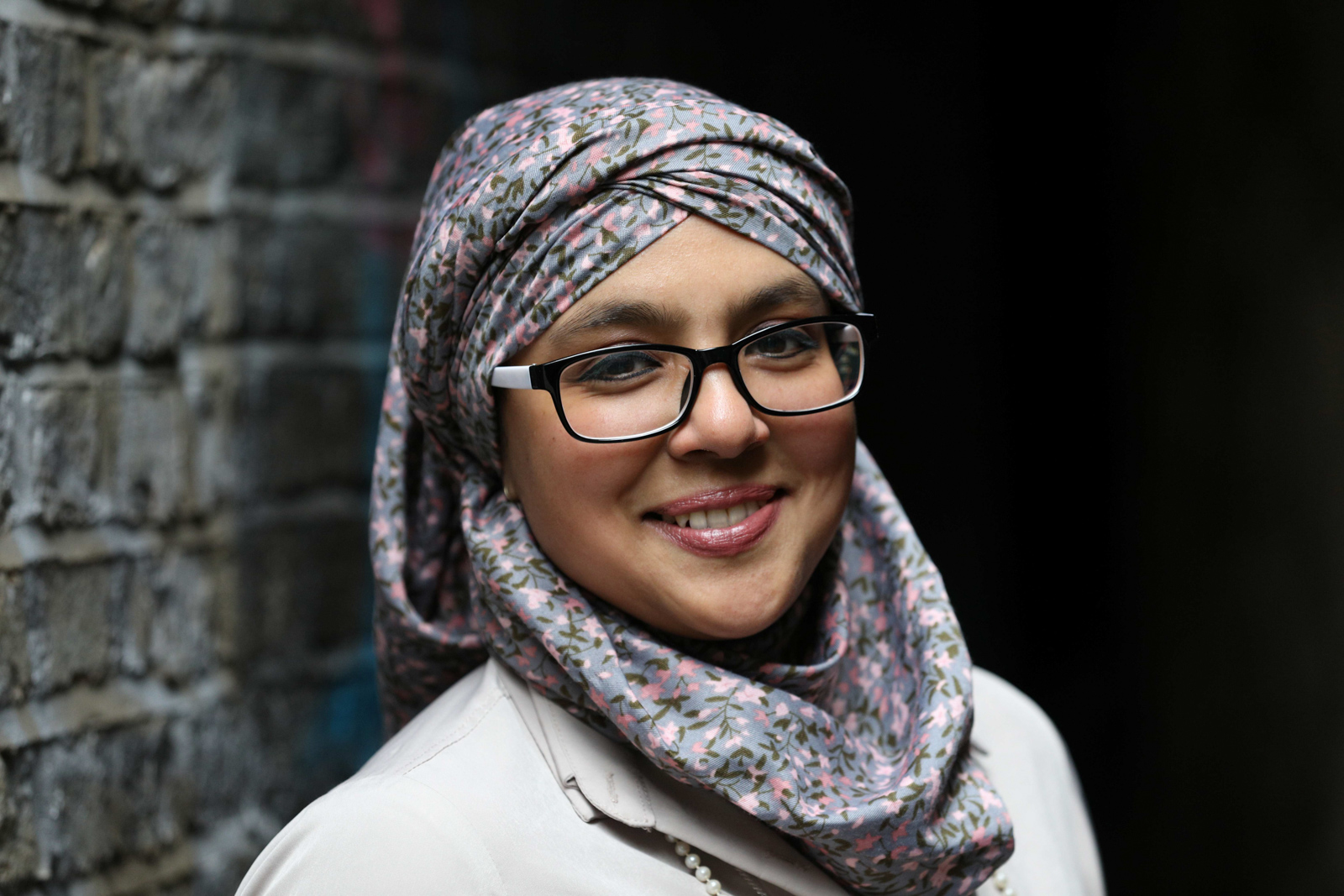
The bestselling writer on her Olivier-winning story The Boy at the Back of the Class, and the importance of novels that centre minoritised communities
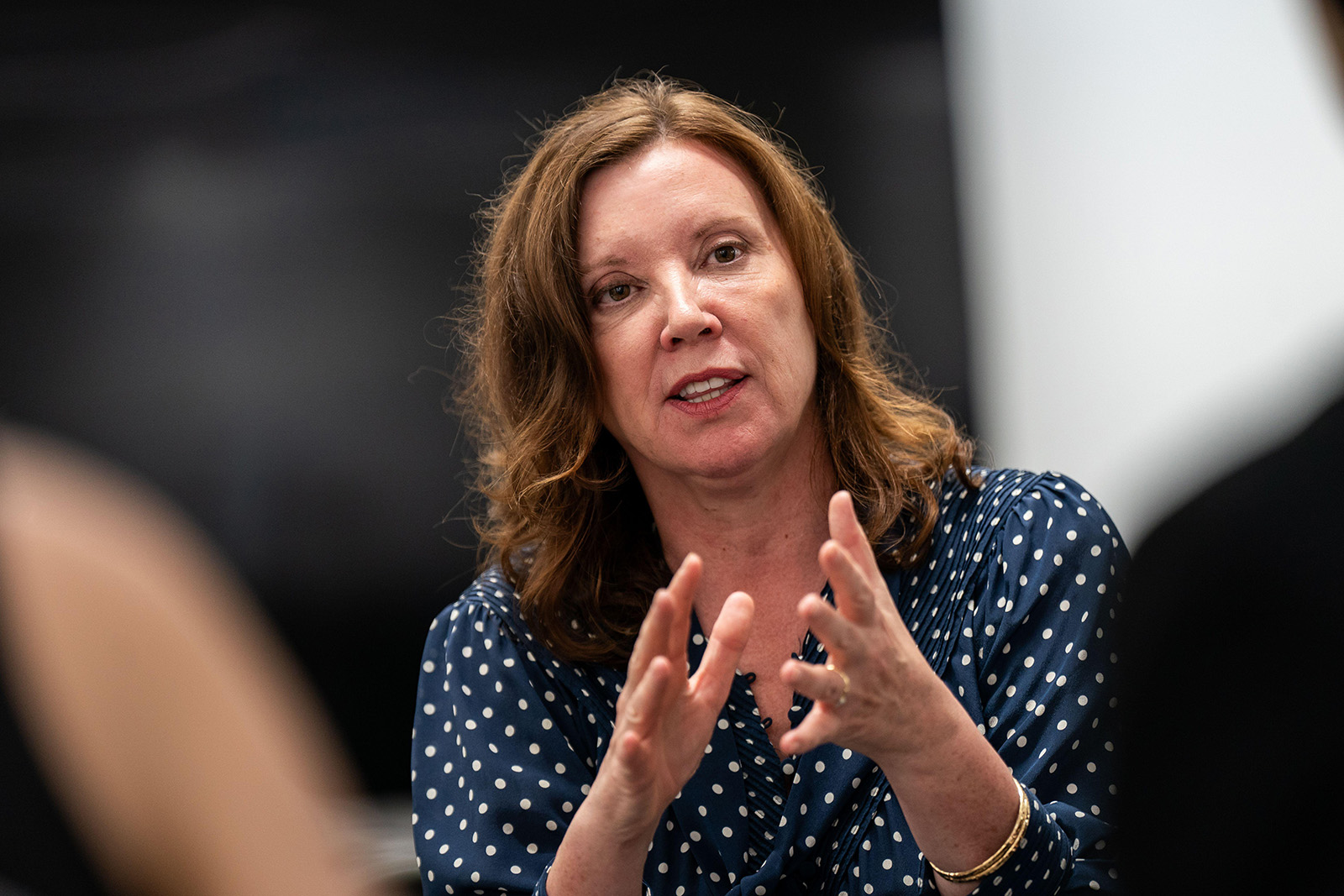
When Onjali Q. Raúf wrote The Boy at the Back of the Class in 2017, an award-winning children’s novel about a Syrian refugee navigating his new school in London, she hoped the xenophobia in the book wouldn’t still exist nearly a decade on.
What she didn’t imagine was how much worse it would get. “Under current law, the ending [of the book] couldn’t happen, but when I was writing the book, it could — children had the right to be reunited with their parents. Now that’s not the case,” she says.
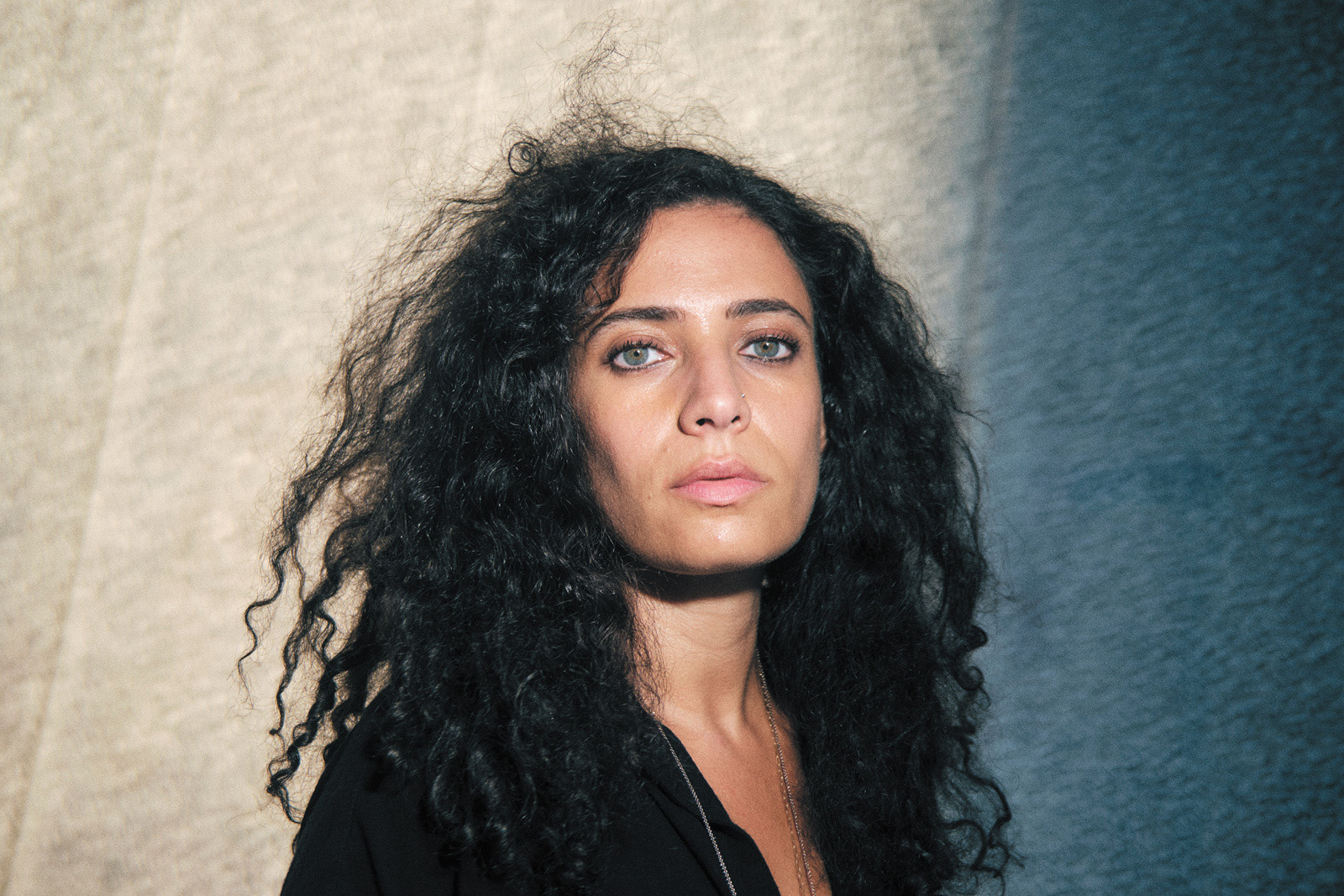
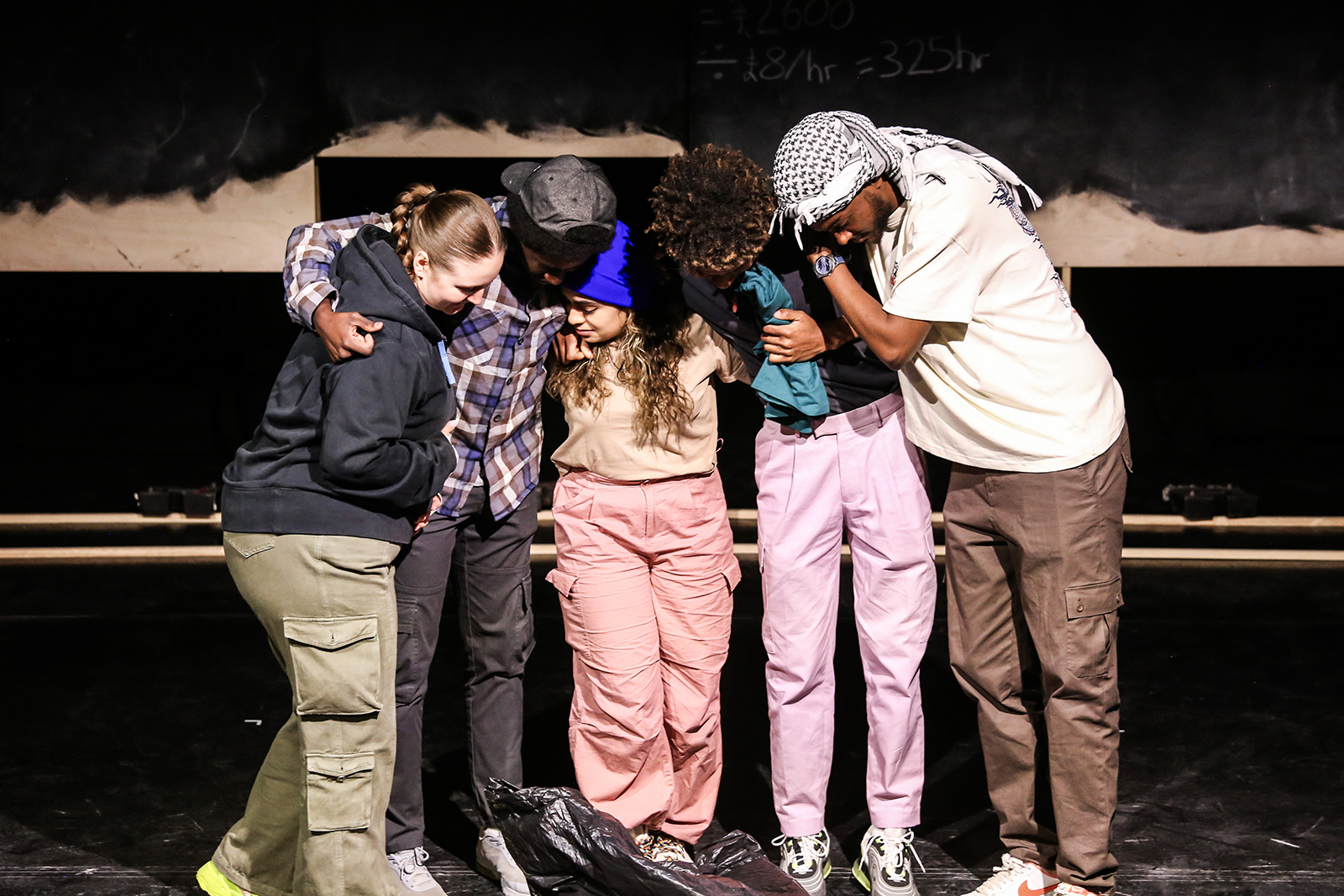
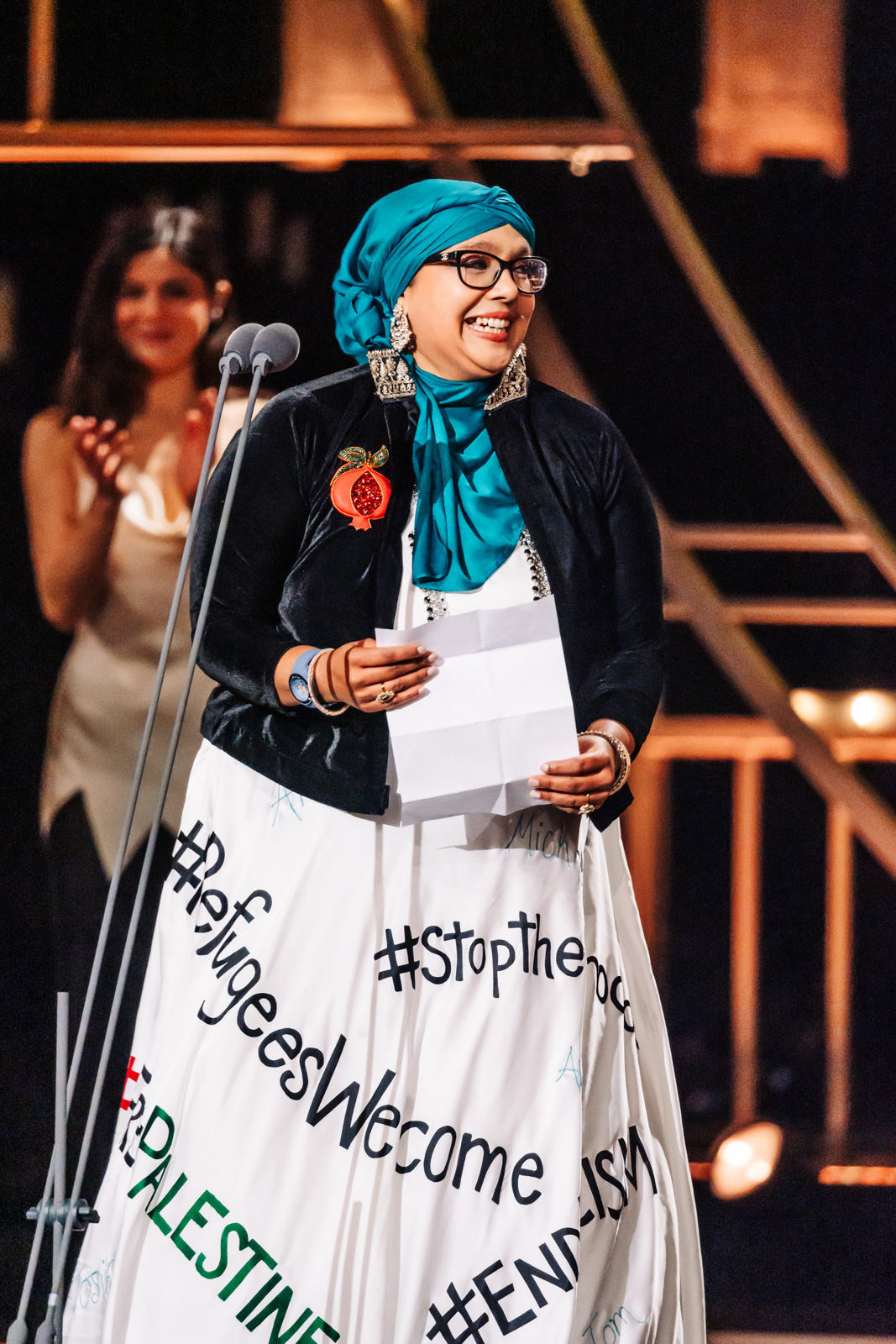
In 2024, the book was adapted by BBC presenter and playwright Nick Ahad into a play, which has toured the country twice and been seen by more than 100,000 people. In April, the play won an Olivier Award for best family show. For the author, the story’s continued relevance is bittersweet. “It’s really sad that the world has become so much worse, especially with language towards refugees,” she says. This year’s production, which toured theatres across the UK, had to be updated with new scenes to reflect the context of far-right marches that have taken place across the UK.
Winning the Olivier was unexpected for Raúf, who, at the beginning of her career, faced 67 rejections over nine years before a publisher took a chance on her writing. “It wasn’t even in the periphery of my imagination,” she says.
Born in Newcastle to Bengali parents, and raised in a council flat in Tower Hamlets, Raúf grew up watching her mother, a published poet, scribbling verses on scraps of paper in the little spare time she had left between working multiple jobs.
The young Raúf was also inspired by a primary school teacher, who she says would decorate her classroom like a jungle and bring puppets to reading time. “I remember being about seven and thinking, ‘I really want to be one of those authors that Miss Kumi gets us to read out one day’,” she says.
The books she loved as a child offered little reflection of herself. The Adventures of Tintin gave her the first glimpse of characters who looked like her own family, appearing in the countries he visited on his travels. “We can belong in these pages,” Raúf remembers thinking. “We’re not the main character, but we’re in the background — and if we’re in the background, then we can totally have a voice.” However, the dream of bringing such characters to the foreground would take some time to reach.
Before becoming a published author, Raúf had 17 different jobs — from charity work to pushing a sweet factory trolley at Victoria station, and later landing a government job at the Department for Education. Alongside this, she founded two grassroots organisations: Making Herstory, which focuses on ending male violence against women and girls, and O’s Refugee Aid Team, inspired by her experiences of volunteering in refugee camps in France. “Both were a response to what I saw as very racist, sexist dealings with human beings, and wanting to do something about it,” she says.
At 34, she secured her agent using the ingenious strategy of packaging her manuscripts in chocolate boxes. At the time, she was writing a trilogy of books about chocolate and the slave trade, but the inspiration for The Boy at the Back of the Class came from a young refugee she had met in France. She knew the boy for only 20 minutes and never saw him again.
“What if he spends the next eight or nine years running, being told he’s not welcome anywhere?” she recalls thinking at the time. “What if he grows up split from his parents, and finally makes it to a new country?” She secured a publishing deal with Hachette within two weeks of completing the manuscript.
The Boy at the Back of the Class follows Alexa, a nine-year-old girl at a London primary school who becomes fascinated by the quiet new boy in her class, Ahmet. Over the course of the story, it transpires that Ahmet is a Syrian refugee who can only speak Kurdish and very little English. His sister died at sea and he has no idea where his parents are. When Alexa overhears two adults discussing how the UK’s borders will soon close to refugees, she hatches an ambitious plan with her friends to help him find his family before it’s too late.
It’s a fantastic story, full of humour and childhood innocence. At the same time, it refuses to look away from the severity of Ahmet’s story. The author reveals that she had to fight hard to keep the chapter about his sister’s death in the book, with editors arguing it was “a lot” for young readers.

Yet “most refugee children arriving on these shores alone will have lost not just a sister, but possibly a mum, a dad, a grandparent. We have to include it,” Raúf recalls telling them.
It’s also why she chose to tell the story from Alexa’s perspective. “I didn’t want it to be marred by grown-up racisms,” she says. “I wanted it to be from someone who sees this boy walking in and just thinks — I want to be his best friend.”
That’s what makes the story so powerful: seen through a child’s innocent eyes, the injustice Ahmet faces is clear to all. “When you talk to children about what’s going on in the world, they are very black and white,” she says. “They know exactly what’s right and wrong. They’re not weighed down by the grey area.”
Related content
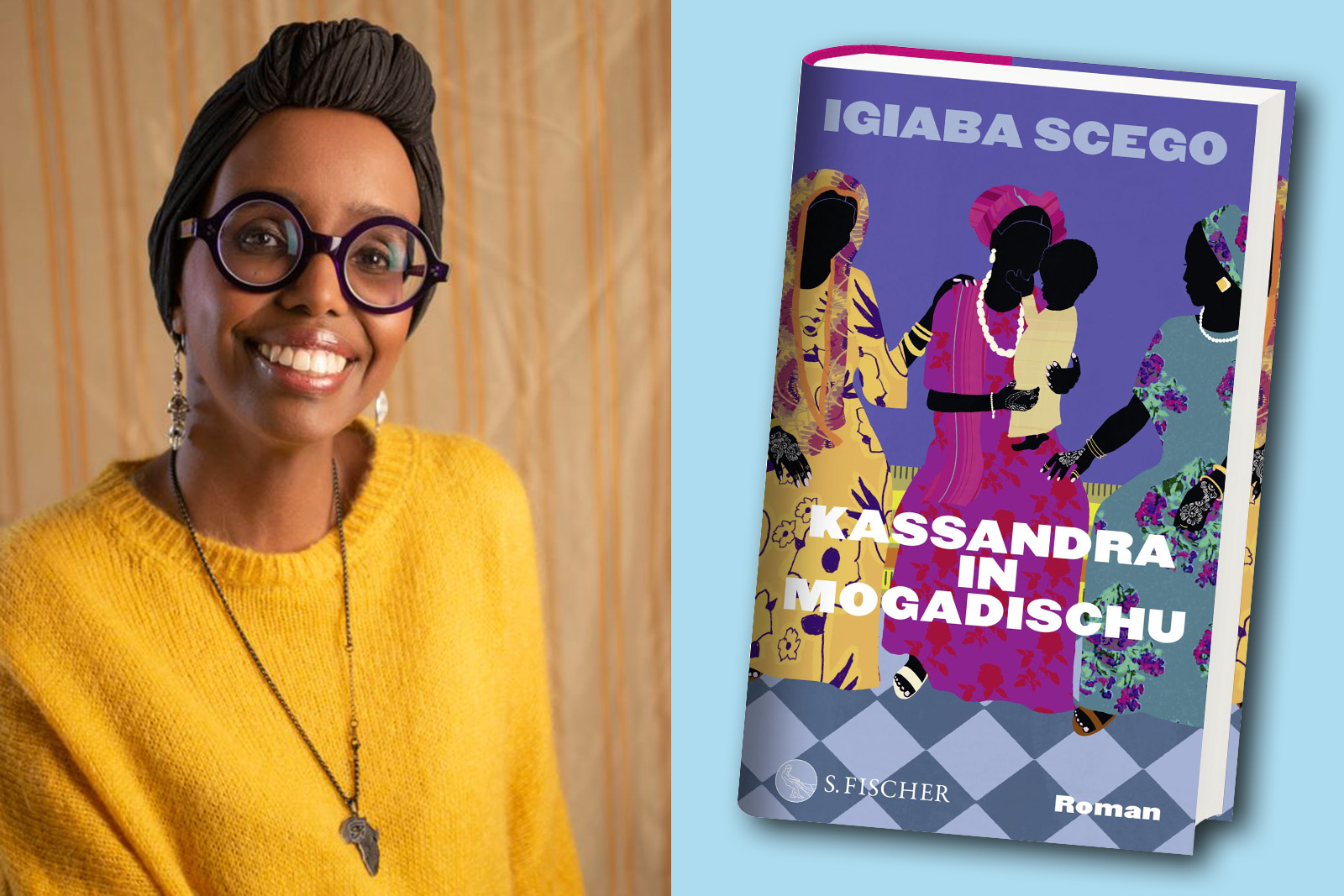
Though she wrote the book for children, it is their parents and grandparents who often write letters to the author, telling her they found a voice in her work. “So many of us grew up without any characters we could identify with,” Raúf says. “If you can break a barrier, it will help a plethora of people come to it.”
Raúf has since published books including The Night Bus Hero, The Letter with the Golden Stamp and most recently, The Game I Will Never Forget.
She is currently working on her next book, due to be published next year, which weaves together Jewish, Muslim, Christian and Sikh communities around a story in which children try to save something special related to architecture. She will say little more than that, except that she is acutely aware of the responsibility of representing each faith community. “I need to make sure I get it completely right.”