
‘I wanted to play on expectations’: Sufiyaan Salam on the buzz around his debut novel
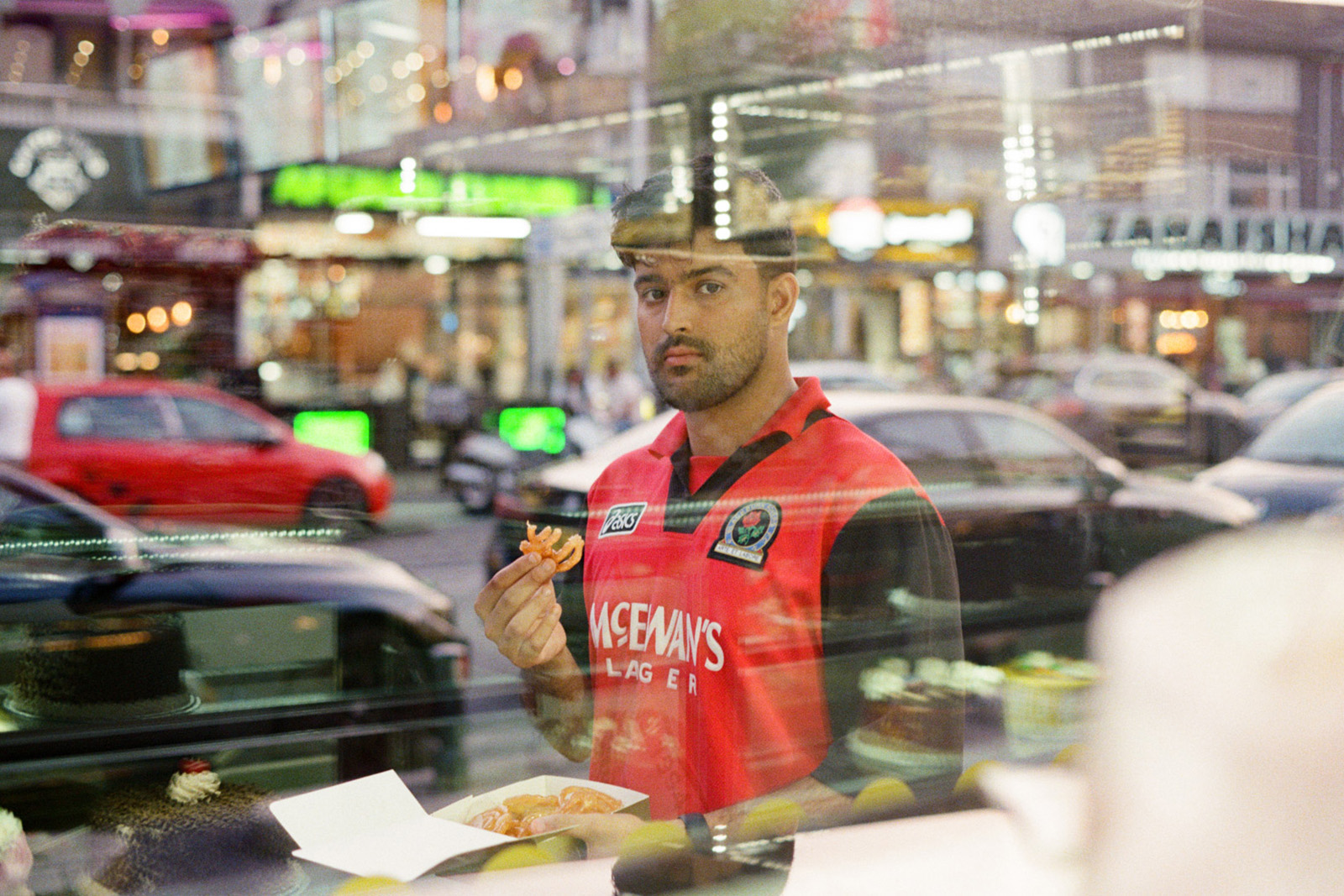
The author’s work has been praised by Stormzy and Dua Lipa. Here he speaks about the inspirations behind Wimmy Road Boyz

“I never thought I’d show anyone my writing,” Sufiyaan Salam says over coffee at a London cafe, ahead of the publication of his highly anticipated debut novel Wimmy Road Boyz.
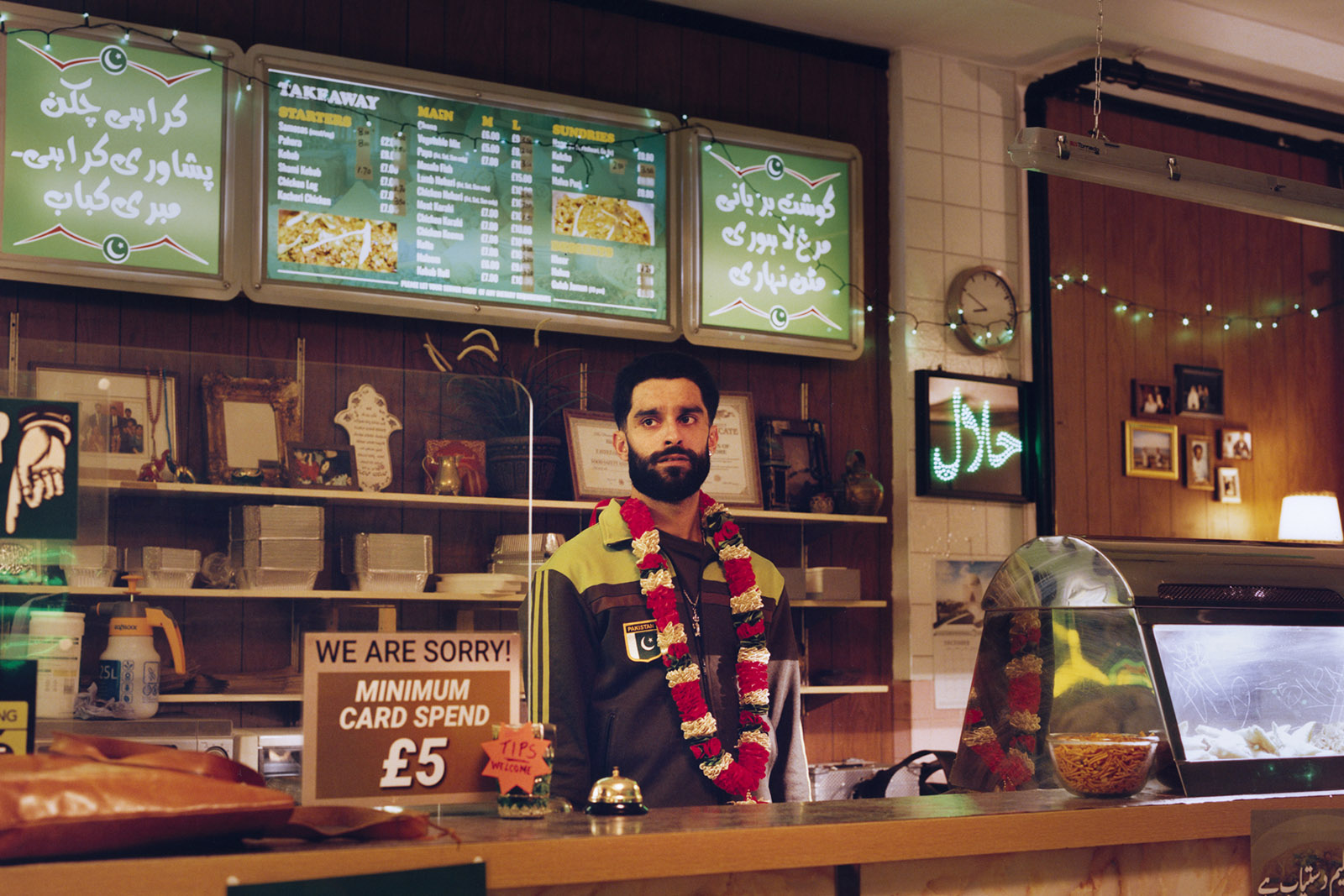
Set over the course of a single, chaotic night out on Manchester’s Curry Mile, the novel is an electric story of three young British-Pakistani men navigating heartbreak, racism, faith, fractured friendship and the suffocating demands of masculinity. The 28-year-old Blackburn-born author’s debut arrives with early acclaim from public figures including Dua Lipa, Stormzy and Nikesh Shukla.
“The nerves haven’t kicked in yet,” Salam says ahead of the book’s release on 28 May. “The last time I read it, I was happy with it. But once it’s released, it’s no longer yours. For now, I’m happy about it and I’m looking forward to sharing it with the world.”
The story is rooted in Salam’s own relationship with Wilmslow Road — a neon-lit stretch of curry houses, dessert spots and shisha lounges predominantly buzzing with South Asian and Middle Eastern communities.
“I’ve been going to Wimmy Road for years with my family and friends,” he says. “When I went to university in Manchester, I lived next to MyLahore for two years, so the Curry Mile has been etched into my brain for my entire life.”
It was one particular night out that sparked the idea for the book.
“When I lived there, I was going through a tough time emotionally and remember being out with some of the boys, and I really wanted to tell them what was going on without dampening the mood when we were trying to have fun,” Salam says. “It then made me wonder if they felt the same and had things we wanted to say, but didn’t. That’s where the book came from.”
Wimmy Road Boyz first took form as a short story before Salam went on to write a screenplay for the Bifa-winning and Bafta-nominated short Magid / Zafar. Like Wimmy Road Boyz, the film explores British-Pakistani masculinity and is set across one night in a takeaway. Salam says he’s taken his screenwriting experience into his novel. “The last thing I wanted was for it to ‘feel’ like a novel. I want to make stuff that breaks out of the boundaries. The word novel means newness, so I wanted it to feel fresh and fun.”
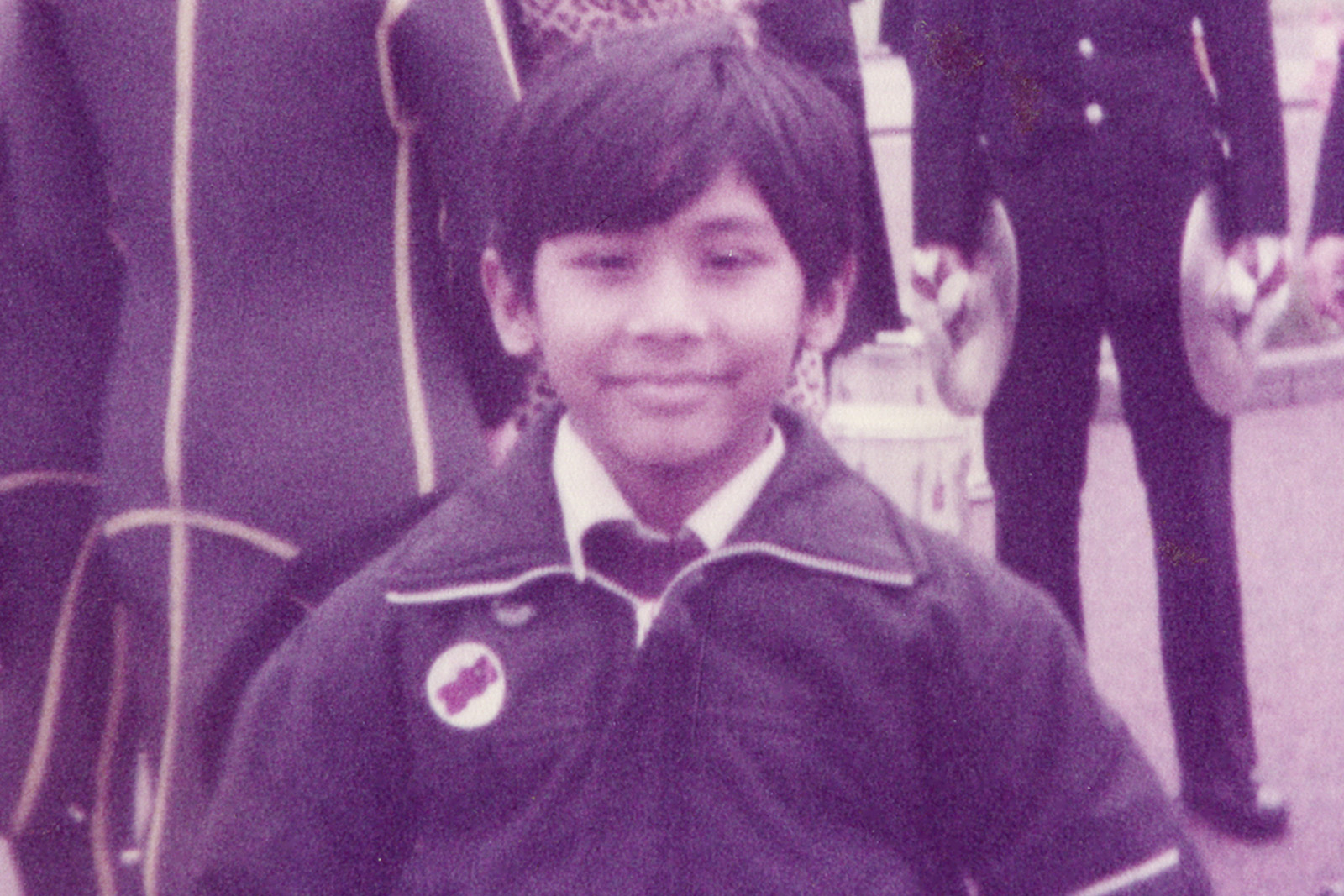
Growing up in Blackburn, Salam enjoyed art, literature and film-making from a young age. “My dad used to draw and my mum loved to paint. They met when he was doing Urdu calligraphy in a library,” he says. Salam recalls creating short films with his cousins using pirated editing software from Pakistan and staging stories with action figures as a child.
It was while studying English literature at the University of Manchester that Salam first considered writing as a career. “My tutor said, ‘You should consider taking this seriously.’ But I didn’t even want to tell anyone,” he says. Then came an unlikely push.
“I came across a stupid Mickey Mouse meme, it said something like: ‘Even if it doesn’t work out, at least you tried.’ I was like, ‘Yo, what if it wasn’t embarrassing to try something?’ I decided to be as audacious as possible, and now it’s working out,” Salam says.
That audacity paid off when Salam won the 2024 new writers’ prize for an earlier draft of Wimmy Road Boyz from Stormzy’s #Merky Books, launched by the rapper to offer underrepresented writers publishing contracts. “It’s been a lot of years of trying to get this out there, so it’s been vindicating and has made me feel more secure in continuing to make things that are uncompromising.”
This is reflected throughout the novel, set against both the race riots of 2024 and the genocide in Gaza. Salam originally began writing in 2022, but world events soon spilled into his creative process. “I had the book deal already and knew it was getting published, so I wanted to show the reality,” he says, pointing to how many writers have been criticised or believe they have been censored for speaking about Palestine.
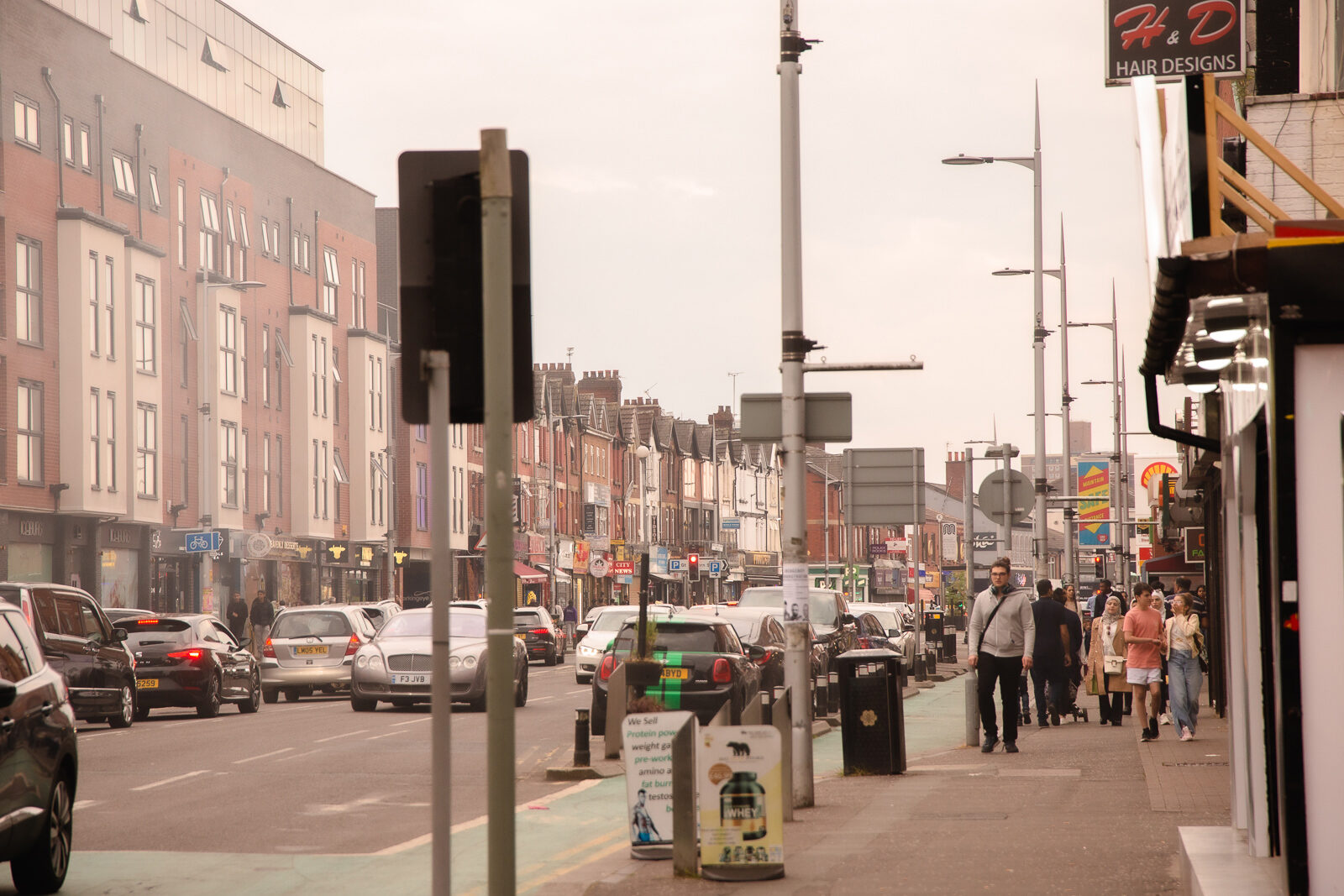
“When I first started writing it, there was a story of a fictional Palestinian restaurant on the Curry Mile, which someone had claimed ownership of and took over. But when the genocide began and we saw the onslaught of violence, I thought the [story] wasn’t angry enough,” he reflects. “From the characters’ perspective, everyone I know is talking about this so these characters would be, too.”
For Salam, reflecting real life is central to his storytelling. “I want authenticity over representation. I want my writing to feel authentic to lived experiences while telling an original story,” he says.
“I’m not sitting down to write a British-Pakistani Muslim novel for any reason beyond that being who I am. I’m writing about men on a night out and because of who they happen to be, there are certain obstacles they face,” Salam adds.
“It’s less about responsibility, but I am aware of stereotypes and archetypes I’ve seen elsewhere. I wanted to play on expectations.”
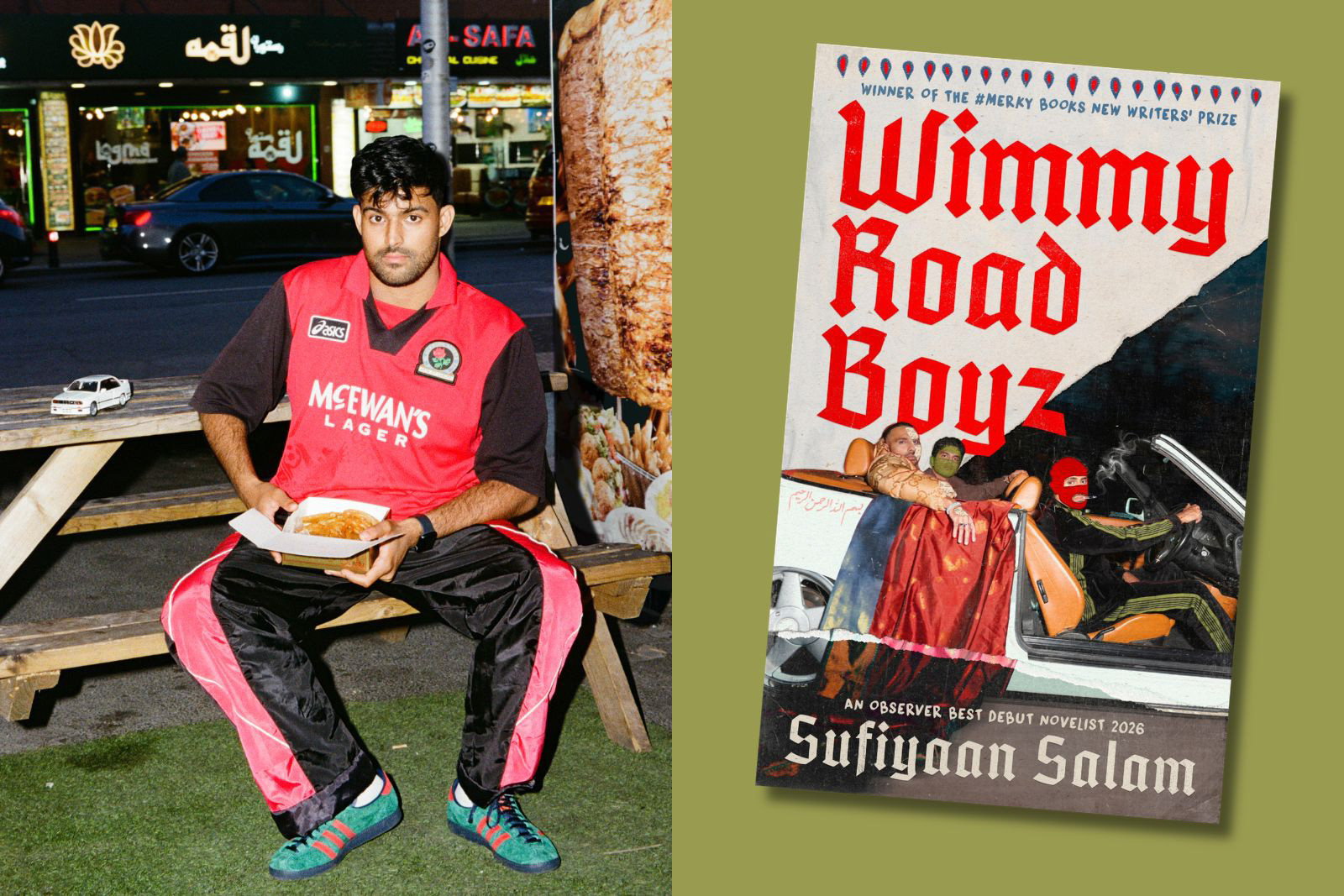
Wimmy Road Boyz is published by Penguin Random House.