Can Andy Burnham’s Manchesterism save Labour from itself?
He is widely heralded as the party’s greatest hope, but it’s important to prioritise policy over personality

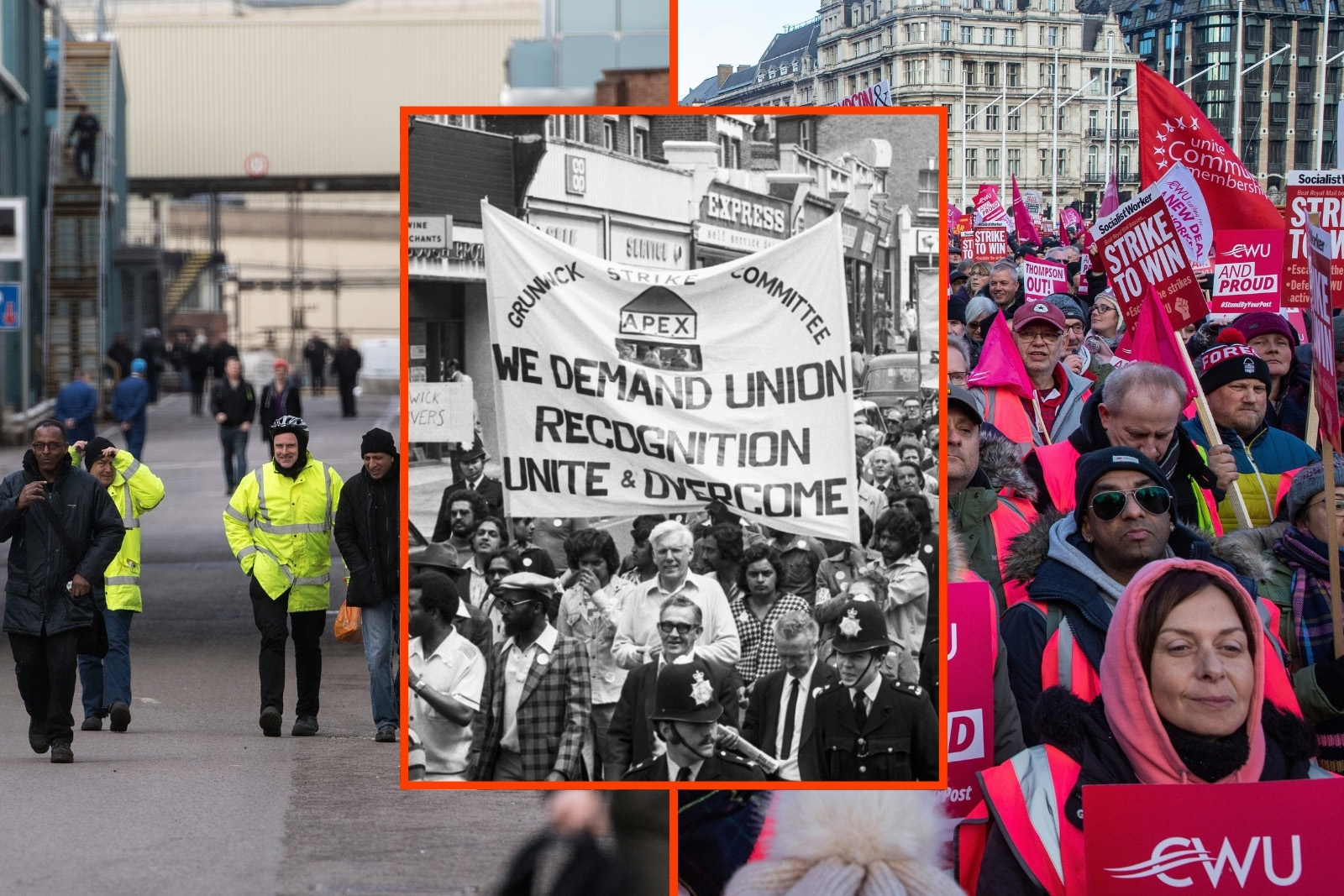
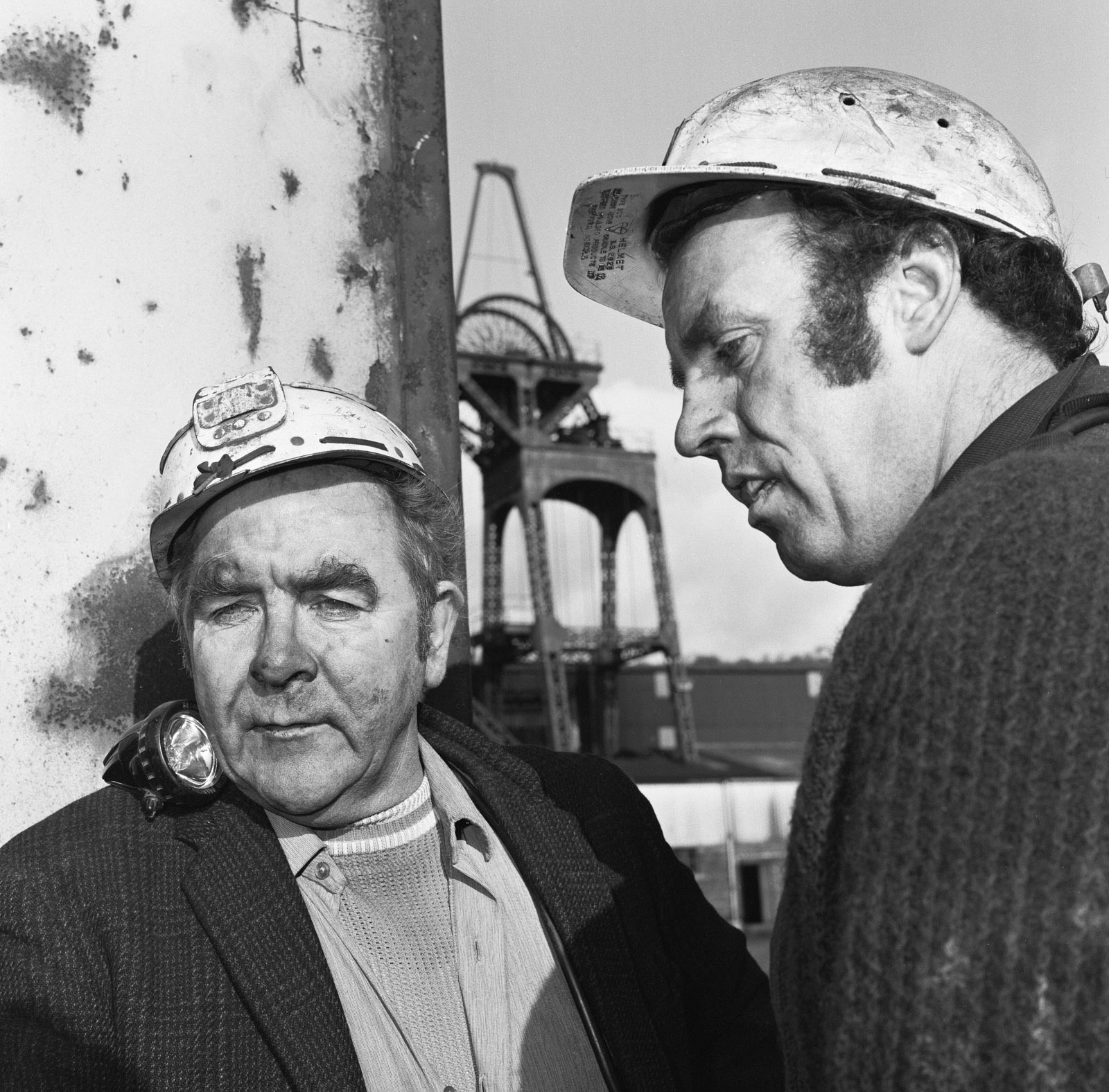
In 1974, a man from Ashton-in-Makerfield brought down a British prime minister. His name was Joe Gormley, leader of the National Union of Mineworkers (NUM). Two years earlier, the NUM’s national strike had secured a 21% pay rise for miners. Then, in 1974, the union launched an all-out strike, prompting Conservative PM Ted Heath to call a snap general election asking one question of voters: “Who governs Britain?”
The electorate answered resoundingly, “not you”. Heath lost his majority and was booted out of office.
At that time, the UK was a country where industry still mattered and trades unions wielded enormous power and could force concessions from governments of whatever party.
Ashton, along with the towns and villages south of Wigan that make up the Makerfield constituency, once benefited from that industrial economy. Coal mining dominated the area and local factories produced locks, hinges and heavy engineering goods. Between 1906 and 1987 the area was represented exclusively by former miners.
Related content
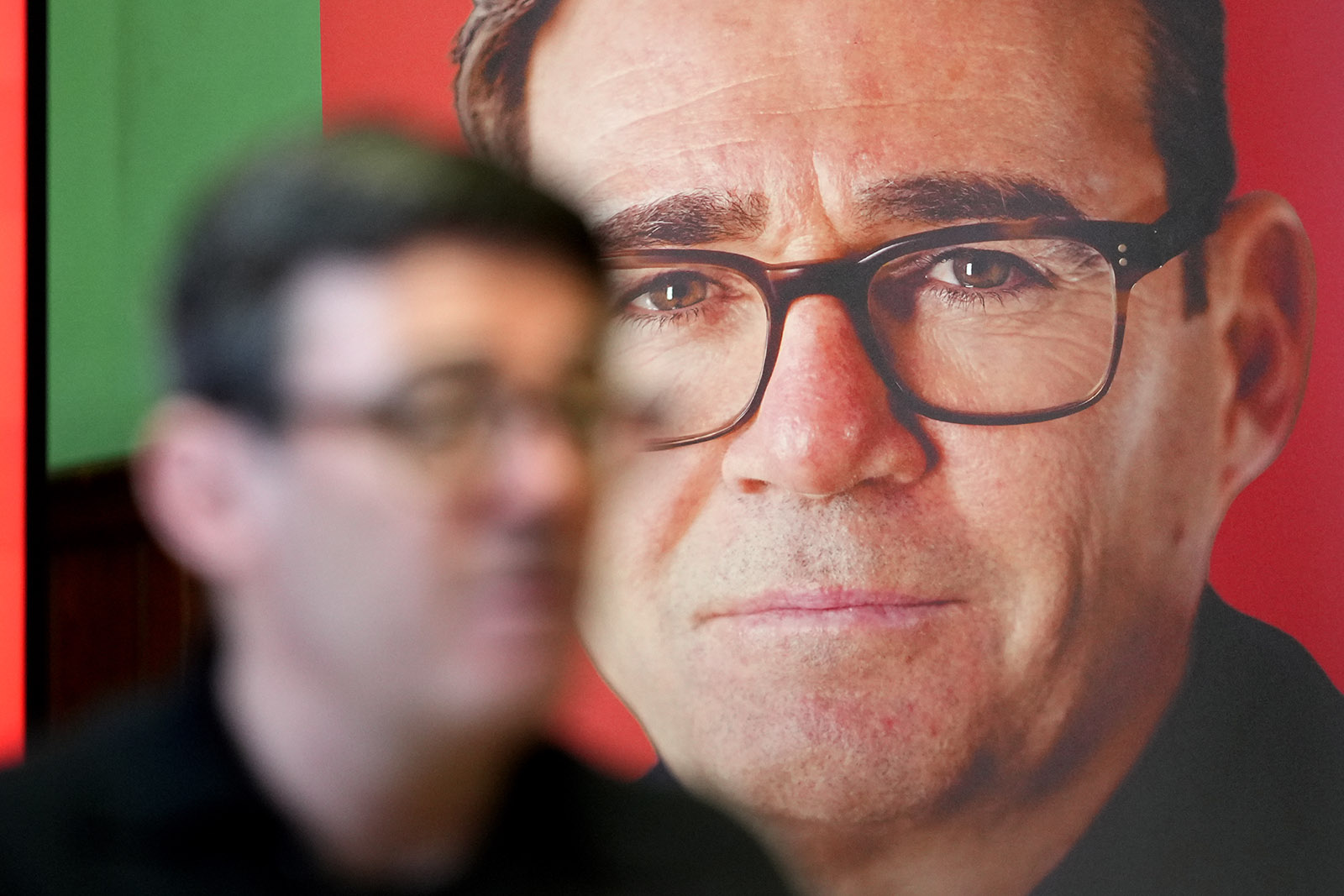
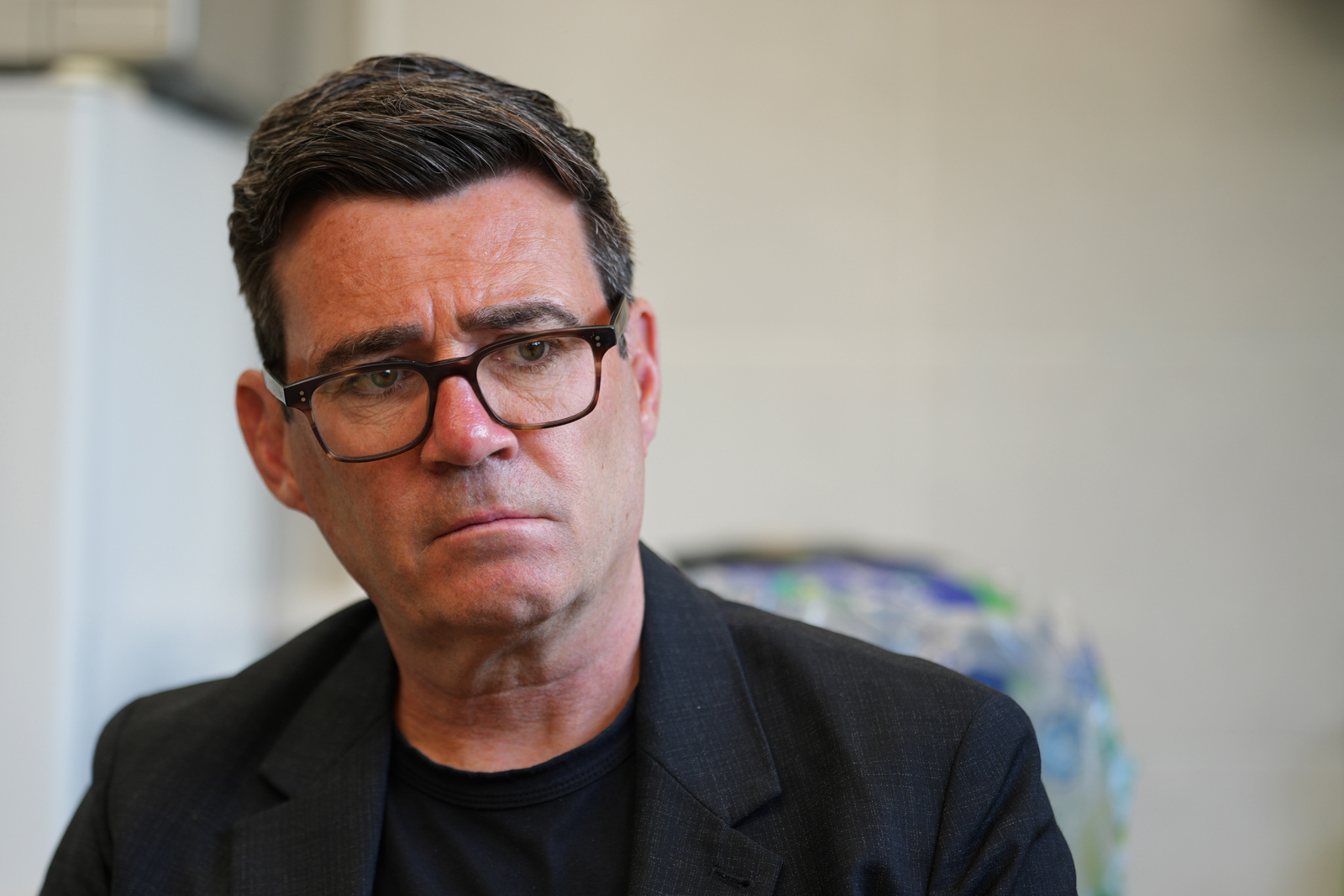
Today, in Makerfield, and across Britain, few of these traditional extractive and manufacturing industries remain. There is a profound sense of powerlessness and loss. It’s a sentiment that Andy Burnham is putting front and centre of his byelection campaign.
“It was growing up in and around these streets that I saw what Thatcher’s government did to places like this,” Burnham says in a campaign video soundtracked by Oasis’s Some Might Say. “The deindustrialisation. The draining away of economic, social and political power. It left places like Makerfield behind. And Britain has been on that path for the last 40 years.”
After being blocked from standing in the Gorton and Denton byelection by the Labour Party’s national executive committee, the mayor of Greater Manchester and former cabinet minister under both Tony Blair and Gordon Brown now has another route back to Westminster. Josh Simons, the sitting MP for Makerfield, has stepped aside to allow Burnham to contest the seat.
Burnham has done little to disguise his wider ambitions. Having failed to win the Labour leadership in both 2010 and 2015, he is clearly hoping that a return to parliament will position him for a third attempt. The timing is favourable. The prime minister he hopes eventually to replace appears to be seriously weakened. One-third of Labour MPs have publicly called for Keir Starmer to resign, while the party suffered bruising losses in recent local elections.
But before Burnham can think about a leadership battle, he first has to win Makerfield on 18 June — and that is far from guaranteed.
Reform UK won in every council ward contested in the Westminster seat in the local elections. And its candidate, a local plumber, has some name recognition in the area, having already stood for the seat in 2024. The byelection will be a real test for Burnham. His supporters say he is a far better communicator than many Labour figures and far more down to earth, which will no doubt help. But, instead of focusing on personality, we should be looking at his policy agenda.
Burnham’s diagnosis of the problems facing the UK today is largely correct. He speaks eloquently of the harms of deindustrialisation, deregulation, privatisation and austerity. But what will he do to fix them?
The answer, Burnham argues, is “Manchesterism”. In one breath, he describes ending the myth of neoliberal trickle-down economics as central to this approach. Then, in another, he speaks of working side by side with business and attracting investment as the keys to economic renewal.
Earlier in May, Burnham celebrated a Centre for Cities report showing that Manchester recorded a 17 percentage point decline in inner-city deprivation rates — the largest fall of 63 UK towns and cities analysed in the study — between 2010 and 2025.
Dig deeper, however, and the picture becomes more complicated. The same report shows that overall deprivation across the Greater Manchester region remains the same at 37%, while some outer suburbs and former industrial towns such as Oldham, Bolton and Bury have actually seen deprivation worsen.
Related content

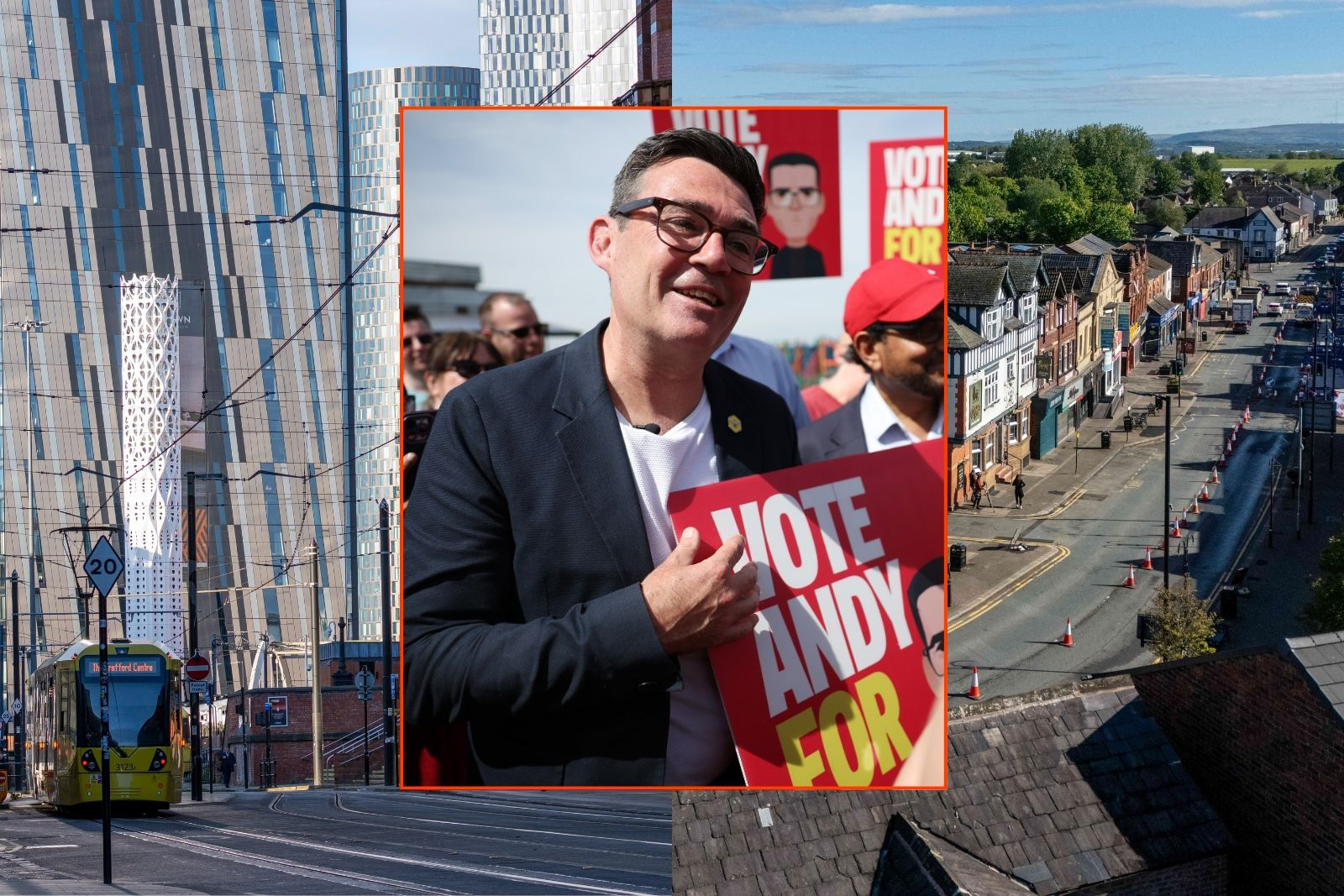
Manchester’s city centre has been transformed. New apartment towers, offices, restaurants and cultural venues have emerged across formerly derelict industrial land. Young professionals have flooded into neighbourhoods that, two decades ago, were hollowed out and largely abandoned after working hours.
But does this model meaningfully improve life beyond the city core?
Manchesterism appears to rest on the assumption that growth generated in successful urban centres will eventually spread outward, into surrounding towns and communities.
But attracting investment is not enough. In a 2025 report, academics at the University of Sheffield provided a critique of the supply-side, property-led urban development model that Manchester has relied on. Among other things, they criticise the favourable conditions for property developers including grants, subsidies, the relaxation of affordable housing requirements and cheap land deals.
The other danger is this becomes a regional version of the very trickle-down economics that Burnham rails against. The city centre can become more prosperous while the peripheral post-industrial towns are left abandoned, just as tax cuts for the rich provide little benefit for the poor.
What do the gleaming skyscrapers of central Manchester mean for working-class kids in Oldham, Rochdale and the towns that make up the Makerfield constituency? There are perhaps some opportunities for young graduates that no longer require moving to London. But what about the towns and districts that once provided stable employment and collective identity for working-class people? What opportunities are there for those who don’t enter higher education?
In many ways, standing in Makerfield will force Burnham to think about these questions. He has spoken of plans for reindustrialisation — though we await the details — taking stronger public control of essentials such as energy and water, and has called for a postwar level of council house building.
Starmer, when running for the Labour leadership in 2020, made similar pledges, which he subsequently backtracked on. Could Burnham do the same? There’s a reason many on the left are sceptical. As a minister under Blair, Burnham voted for the Iraq war — a decision he now says he regrets. He’s also given some very mixed messages over the past few years, recently saying that he will stick to Rachel Reeves’s fiscal rules and back Shabana Mahmood’s controversial immigration reforms.
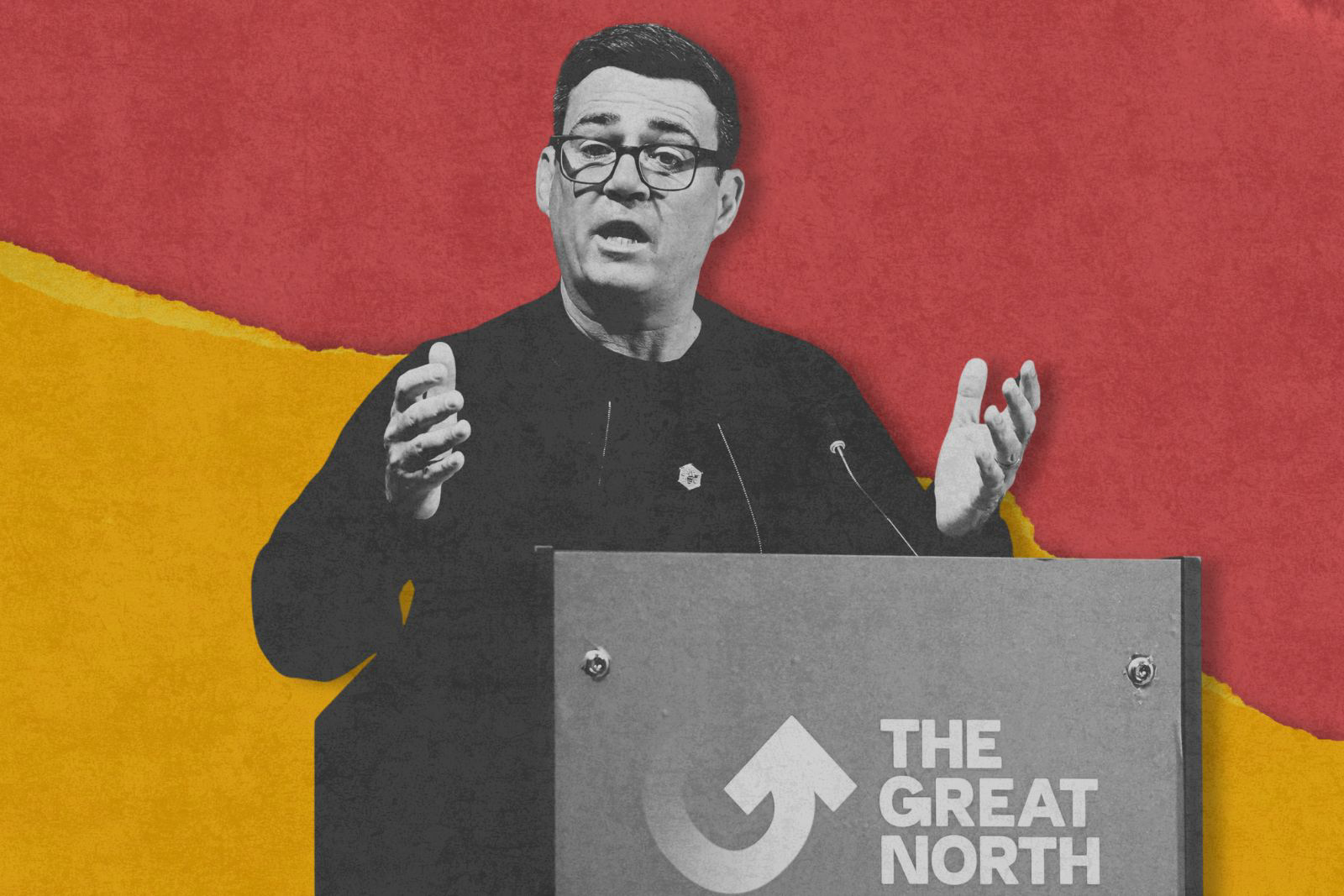
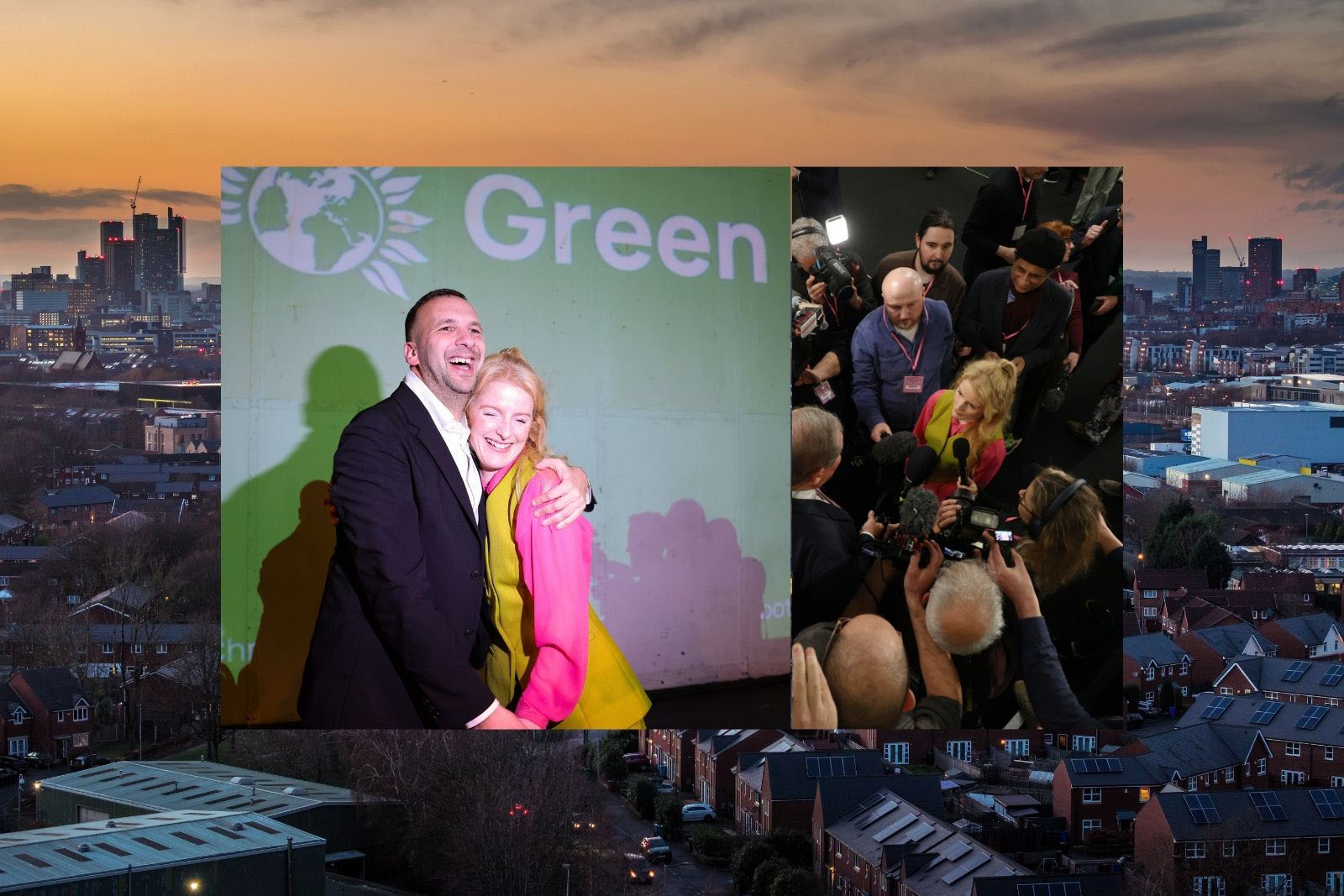
Burnham’s experience outside the Westminster bubble may have truly changed him. Such shifts are possible. Zack Polanski, now the eco-populist leader of the Green Party, remained a Liberal Democrat for two years after the party’s coalition with the Conservatives, which imposed crushing austerity on millions of people.
The other consideration is the very real threat of Nigel Farage becoming our next prime minister. In many ways, the Makerfield byelection is a welcome test for Burnham — a man who, on paper, is far more likely to win over both Reform and Green voters than many of his potential rivals for the Labour leadership. His numbers in Greater Manchester are positive. Across the UK, he’s the only senior figure from any of the main parties with a net positive poll rating.
Burnham is right to say that the UK has been on a path laid out by Margaret Thatcher for 40 years. But Labour was in government for 13 of them and did very little to reverse her reshaping of British politics and society. Makerfield is just one constituency still suffering from it. There are many more in the north-west and beyond. Replacing a prime minister is the easy part. The challenge ahead is fixing the damage done by decades of neoliberal policies. Manchesterism alone won’t cut it.