
Why Burnham could end up fighting the same battles as Starmer

The former Greater Manchester mayor has been styled as an insurgent, but some Labour MPs fear it could be business as usual

This article was originally published on 7 July 2026. With Andy Burnham set to formally become UK prime minister on 20 July 2026, we are spotlighting it again.
The last few weeks in Westminster have seen Labour MPs queuing up to see a man who is not yet prime minister, making the case for jobs he cannot yet give them.
Andy Burnham looks set to inherit the Labour leadership, and with it the keys to No 10, without a contest. No bruising campaign. No membership ballot.
The assumption in Westminster is that a Burnham government would mark a significant break from Keir Starmer. Burnham has spent the past few weeks making eye-catching promises, talking about the end of neoliberalism, greater public control of utilities and even a “No 10 North”. He has been cast by supporters as Labour’s standard bearer for a more interventionist, softer-left approach.
The trouble is, there is little concrete evidence yet of what a Burnham government would actually look like. Strip away the rhetoric, and the policy announcements remain broad. Many of the headline ideas lack detail. This is perhaps politically wise, as it buys him time to figure out what he wants to do, but some Labour MPs admit they are still trying to work out exactly where Burnham intends to take the party.
Related content
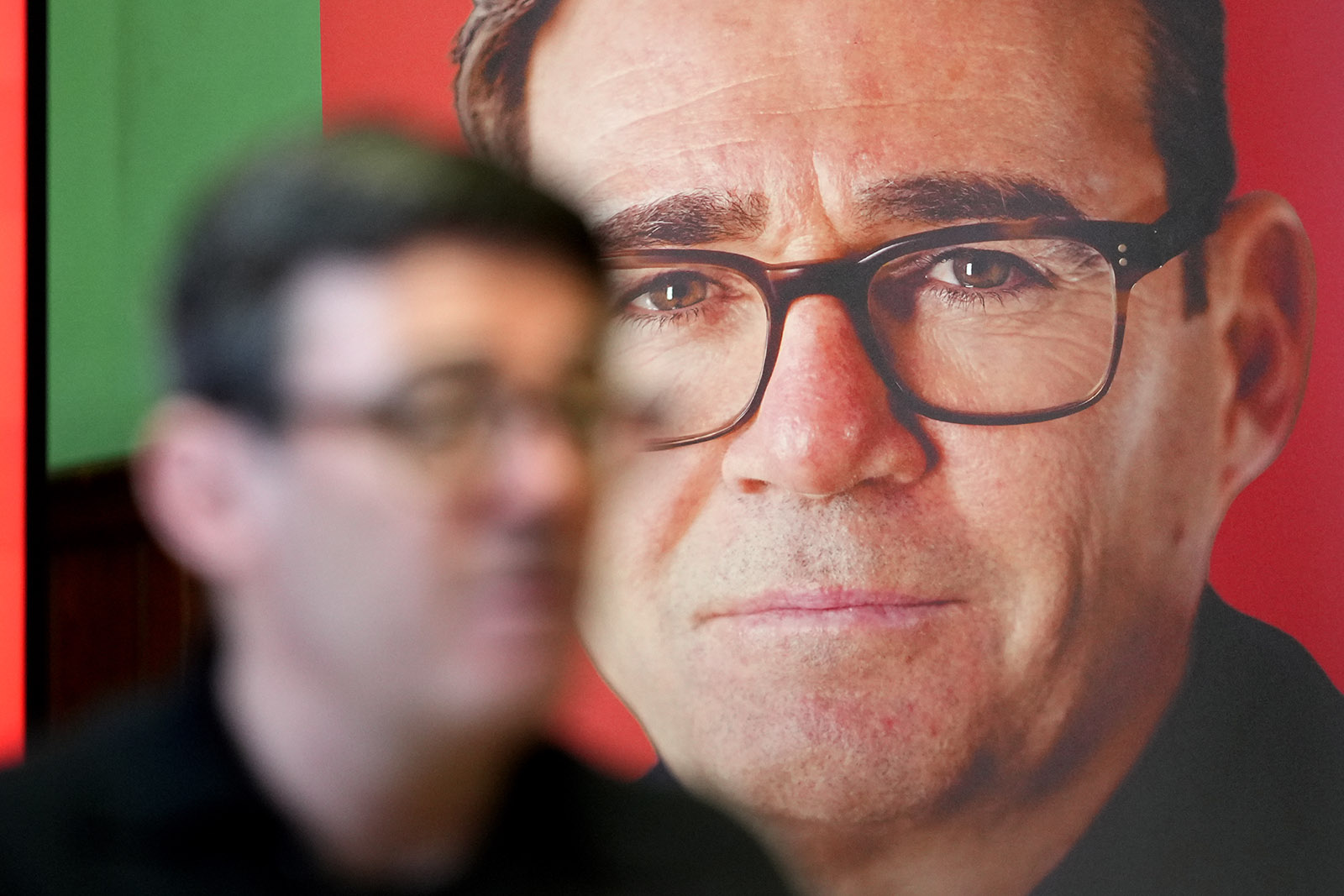
If Burnham hands the Treasury to Ed Miliband, which has been the overarching rumour for weeks now, it would undoubtedly be interpreted as a shift to Labour’s soft left. Miliband is closely associated with green industrial policy, greater state intervention and a more active role for government in the economy.
But this should be kept in perspective. Miliband has often been presented as Burnham’s most radical possible appointment but during his own Labour leadership he was seen by many inside the party as a mainstream Brownite rather than an ideological insurgent. Even that, of course, may prove too leftwing for the Americans: The Times has reported that officials close to Donald Trump’s White House have been lobbying Burnham against appointing Miliband because of his stance on net zero and North Sea drilling. Appointing him “would send the right signal to the country and the world,” one supportive Labour MP told me.
The fact Burnham’s shortlist for chancellor has already become the subject of lobbying from Washington underlines how closely Britain’s allies are watching the direction of the next government — and how little room Burnham may have to treat foreign affairs as an afterthought. This matters because allies have suggested that the majority of his time will be focused on domestic policies, in what has been viewed as a criticism of the current prime minister for being too focused on matters beyond our borders. Starmer, on his way out of office, has warned that his successor will have to spend as much time dealing with global turmoil as he did.
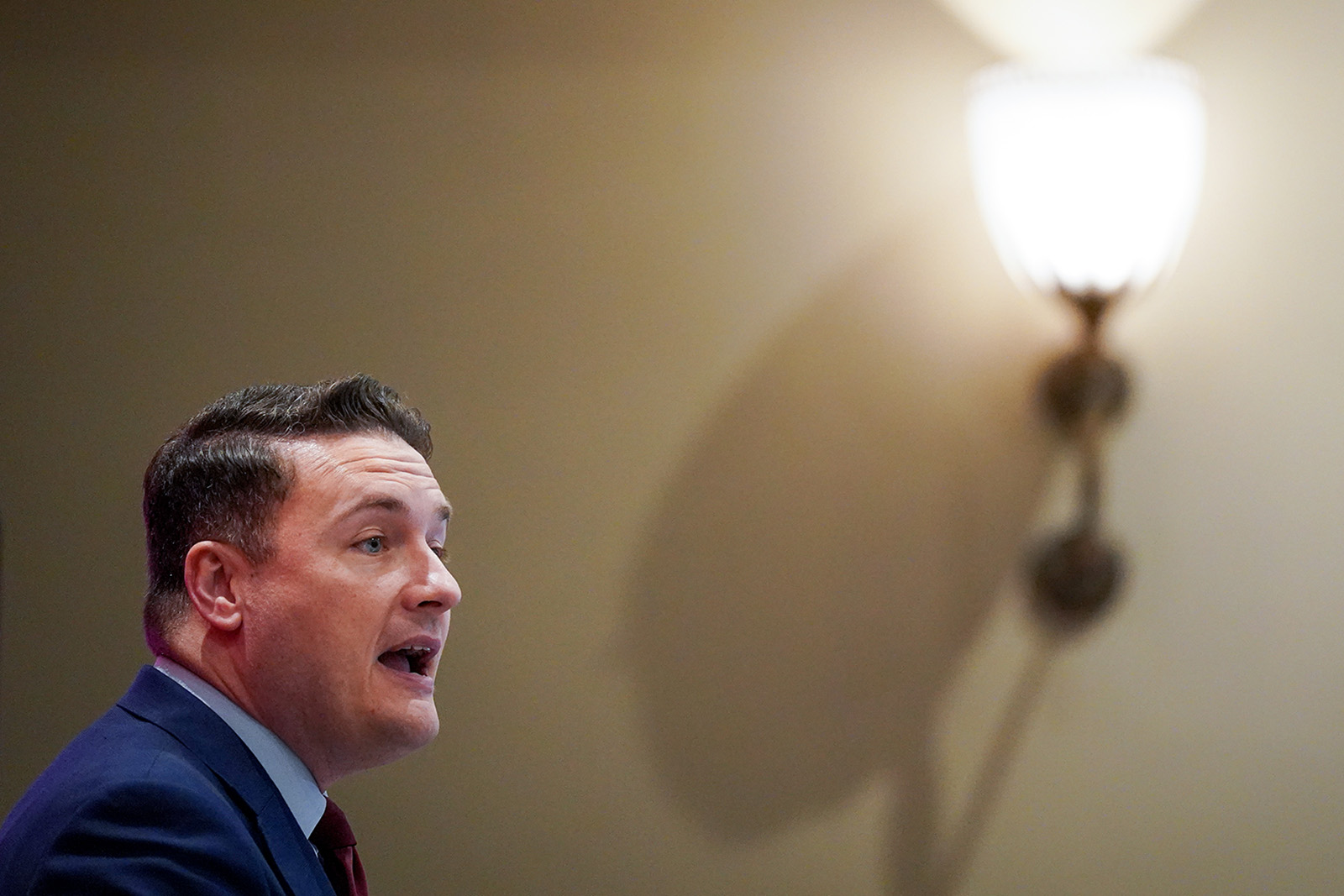
Other names remain in circulation. Wes Streeting has been repeatedly mentioned, as has home secretary Shabana Mahmood. Neither appointment would fit neatly with the idea of Burnham embarking on a dramatic ideological break from the Starmer years.
Burnham has spoken repeatedly about the end of neoliberalism and said he wants greater public control over water and energy, backed by long-term government planning. But there is still little detail about where the line between regulation, public ownership and state direction would actually be drawn.
He has promised “the biggest council house building programme since the postwar period” — another ambitious headline. But, again, the practical questions remain. How many homes? Over what timeframe? Paid for how? Until those answers arrive, it is difficult to judge whether this represents a fundamental break with recent Labour policy or simply a more ambitious presentation of it.
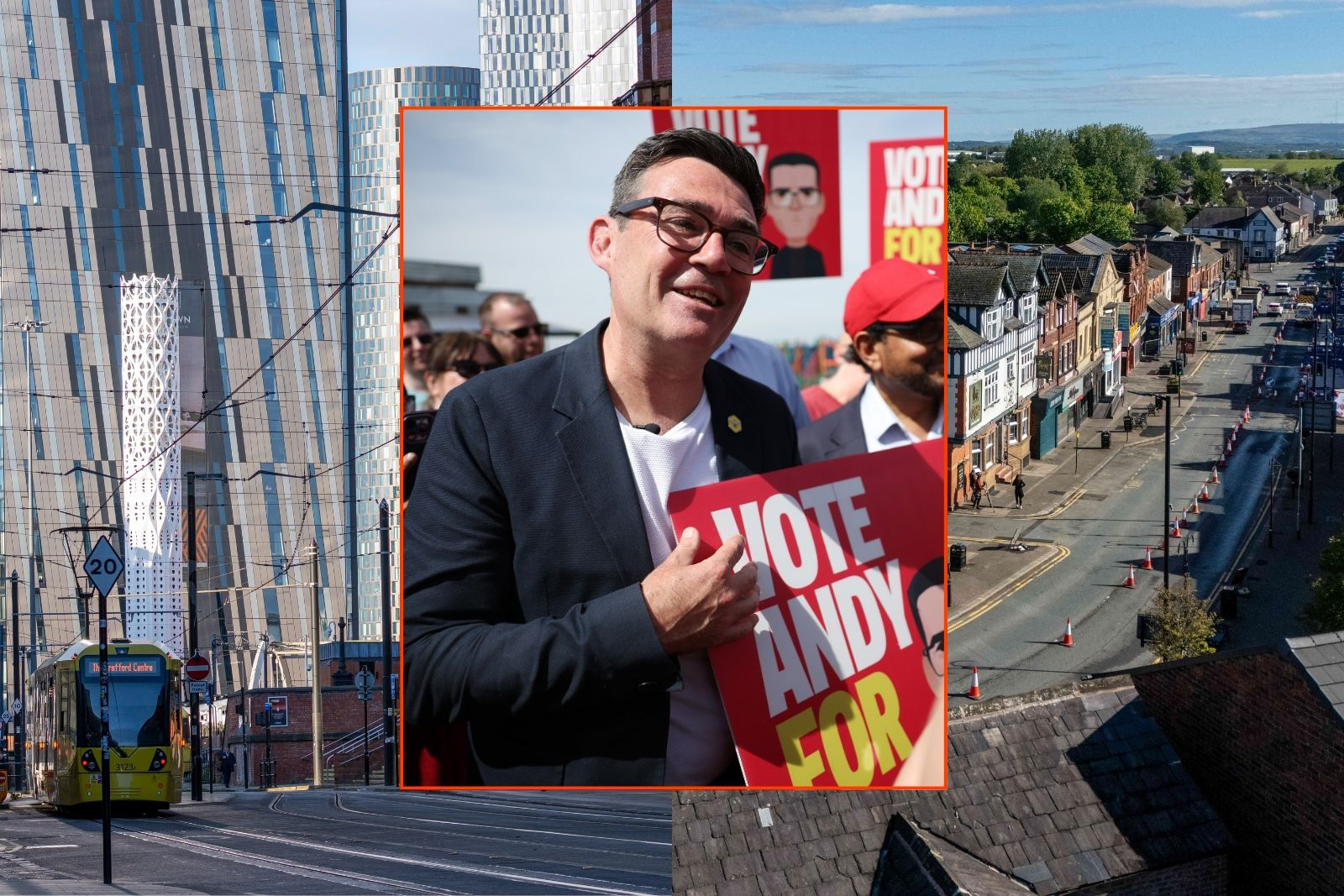
The same is true of perhaps Burnham’s best-known proposal: No 10 North.
By now, everyone in Westminster has heard about the idea. Burnham wants a permanent No 10 operation based in Manchester focused on regeneration and economic renewal. It is the mayor’s instinct scaled up into a governing philosophy, reflecting his long-held belief that Britain remains one of the most centralised countries in the developed world.
The symbolism is obvious. The practicalities are less so.
One usually loyal centrist Labour MP with a southern constituency questioned whether the proposal could be more complicated than transformative.
“How often will he be travelling back and forth stuck on trains?” they said. “What happens when both No 10 and No 10 North need him? I’m worried that too much focus on what’s happening in the north will leave us exposed to voters who are thinking of voting Lib Dem or Green in the south.”
Other Labour MPs I have spoken to have dismissed those concerns and argue the symbolism is precisely the point: a visible demonstration that power no longer resides exclusively in Whitehall.
Related content
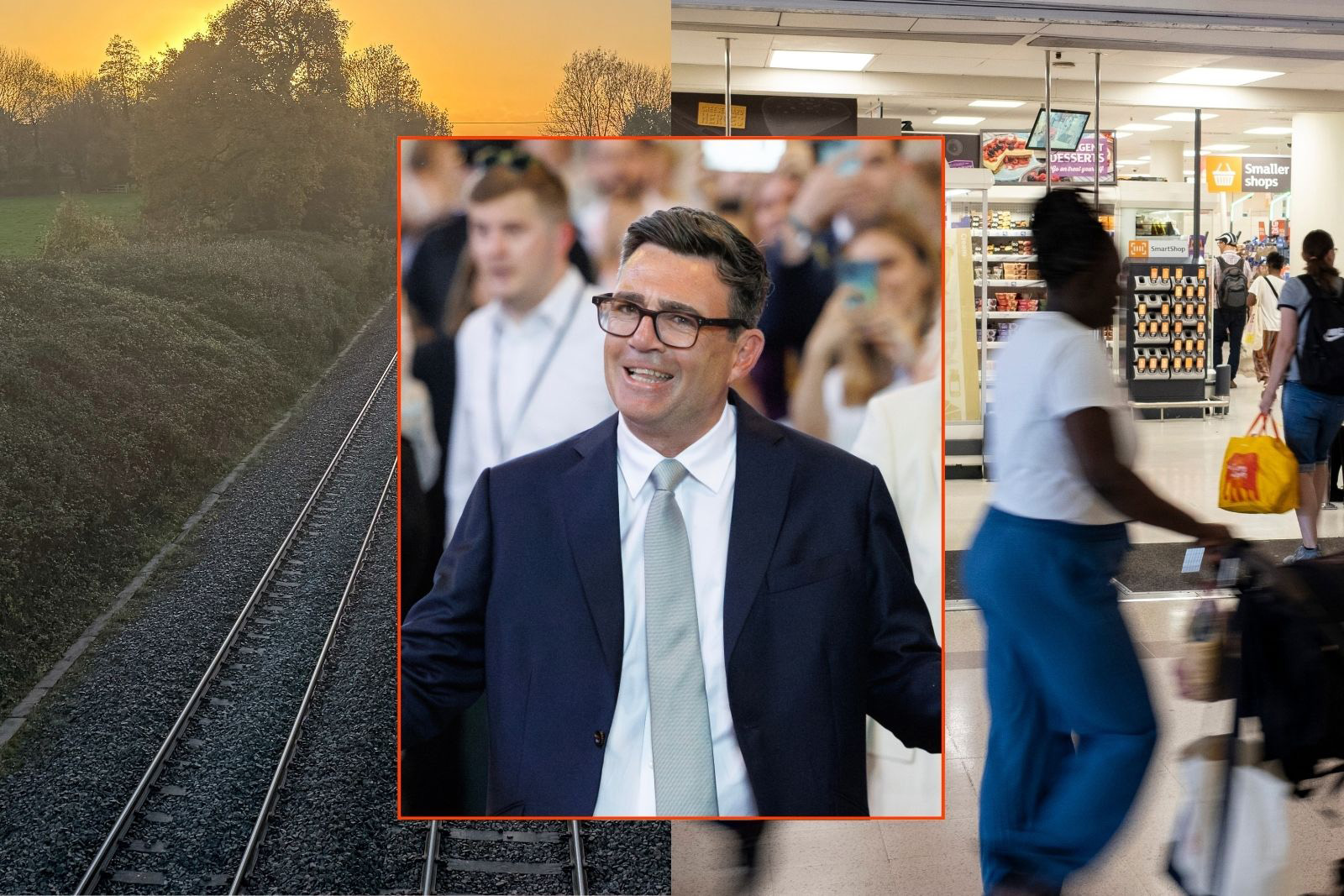
But symbolism is unlikely to address the battles that the Starmer administration was fighting on both the left and the right of British politics. And much else about Burnham’s agenda suggests continuity rather than rupture — which could leave him fighting those same battles.
He has indicated he will broadly govern from Labour’s 2024 manifesto, while arguing there is still room for manoeuvre. The triple lock on pensions stays. On migration, he wants numbers to continue falling. On welfare, he has spoken about achieving a “fair and lasting” reduction in spending as health and disability costs continue to rise.
Taken together, none of those positions represents a clean break with the direction of travel under Starmer.
“It might not end up being that different on the whole,” one Labour MP admitted, “with some smaller changes round the sides.”
That may prove to be the defining feature of Burnham’s premiership. He has undoubtedly sounded different from Starmer. But sounding different is not the same as governing differently.
Until cabinet appointments are made — and until the first budget sets out the new government’s economic priorities — most of what is said about Starmer’s successor will just be public relations. If Burnham really is different, the onus will ultimately be on him to prove it.
Shehab Khan is Zeteo UK’s political editor