
The Hyphen view from Europe: football beats culture wars
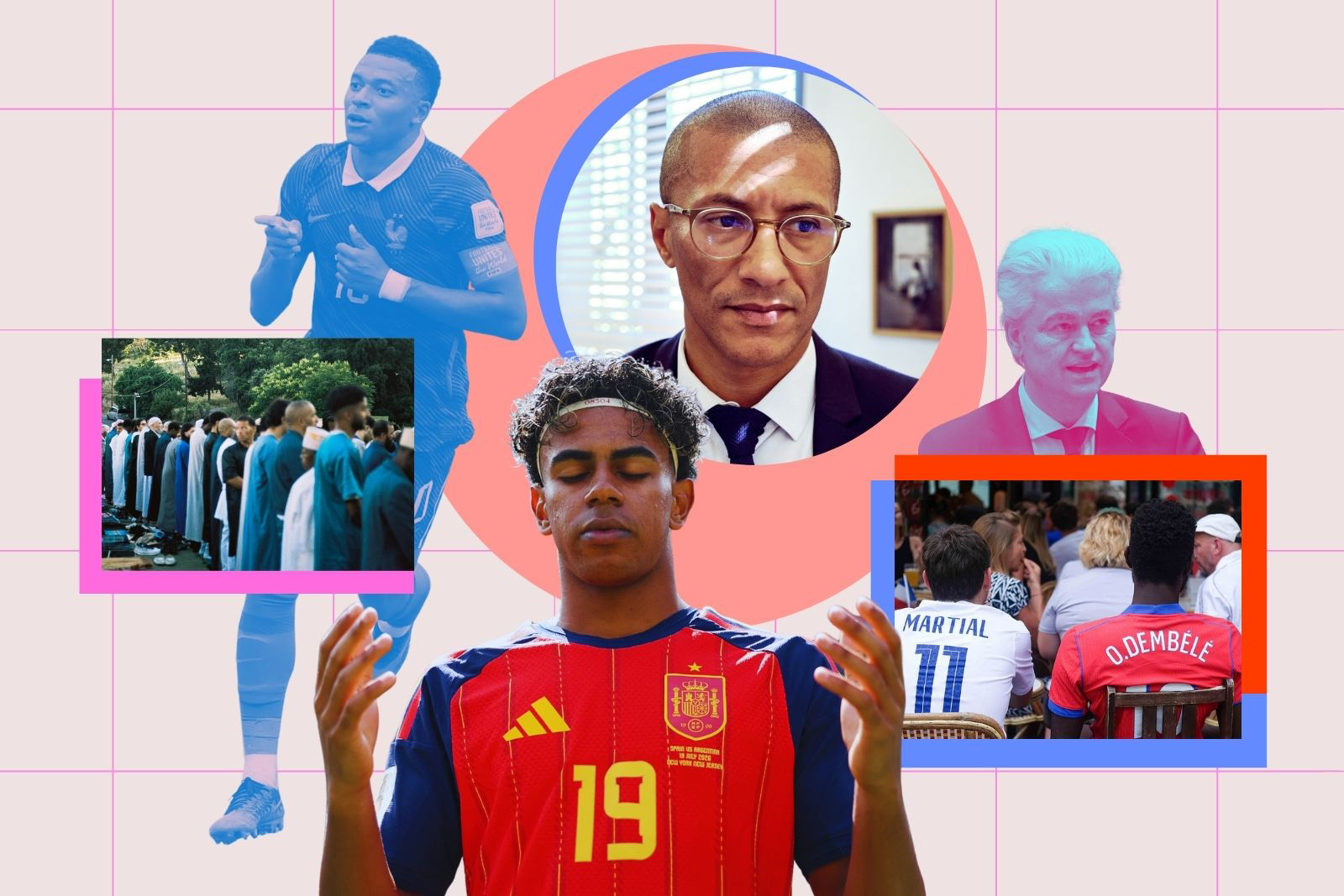
Stories from Marseille and the Netherlands reveal how the political class comes unstuck when confronted with the realities of Europe’s housing crisis

We learned in July that there’s no end to the problems a football manager is expected to solve. The fragile egos of strikers. How to defend against a two‑metre-tall Viking who looks like he drinks mead from the skulls of centre‑backs. Fifa refs.
They are not yet expected to resolve a country’s identity crisis. That job still belongs to politicians, who across Europe have spent the past decade turning immigration, Islam and belonging into a permanent, joyless culture war.
This World Cup, football once again offered an unintentional alternative. While politics argued over who belongs, football just kept picking the best players available and trying to win games.
Spain won by being calm and competent. They were technically mind‑blowing, tactically clever and emotionally steady in a final where Argentina opted for the full Halloween costume of football thuggery. Spain celebrated winning the tournament with Lamine Yamal thanking God, singing the super-irritating Cucu Cucurella song and raising the Palestinian flag. The only thing that this multicultural triumph clashed with was Argentina’s mood.
France, meanwhile, offered a prestige‑drama version. On paper, Didier Deschamps assembled a team for the ages: imbattable, impassable. Four of France’s standout players are Muslim and most of the squad are the children or grandchildren of immigrants. But not even Marine Le Pen seemed to care as long as they made France terrifying to play against, which they were until they weren’t.
Having crashed out to Spain in the semis, France turned the third‑place play‑off against England into a 6-4 fever dream that looked less like elite football and more like a playground kickabout with better branding. Still, they all hugged it out.
Off the pitch, the contrast is stark. France is edging towards a presidential election in which Le Pen has confirmed she will stand, with immigration, Islam and national identity once again billed as the only issues that matter.
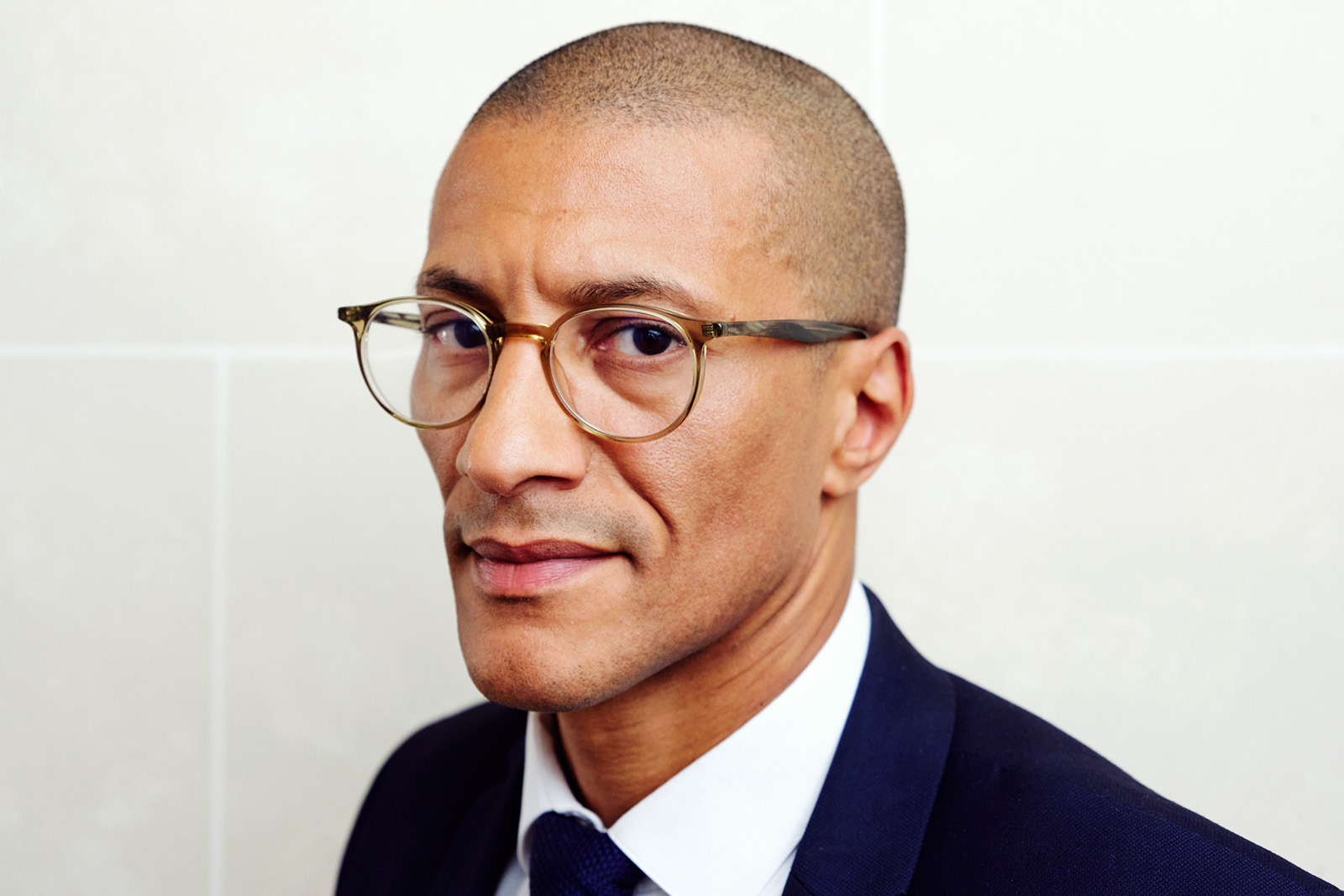
In his interview with Hyphen, presidential candidate Karim Bouamrane, the Muslim mayor of Saint‑Ouen, argues that France’s political class has mistaken social problems for identity problems. While politicians debate immigration and the banlieues as if they were abstract nouns on a TV panel, his constituents are mainly interested in whether they can afford food, find housing, get their kids into decent schools, walk home safely and see a doctor before 2031.
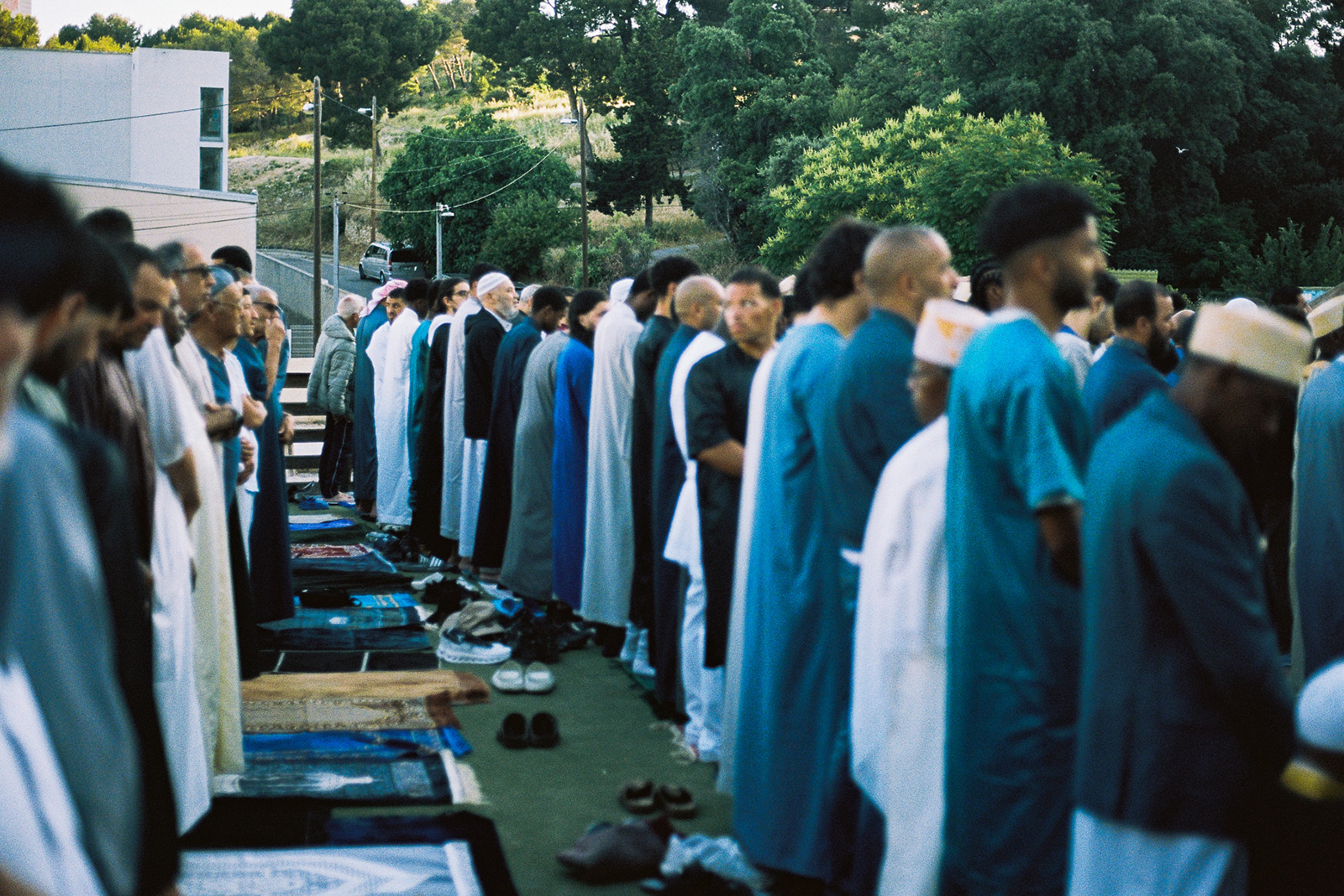
Chris Hamill‑Stewart’s reporting from Marseille tells a similar story. Muslim communities there have spent years raising millions of euros to build mosques because nobody else will do it. Less outrage, more concrete.
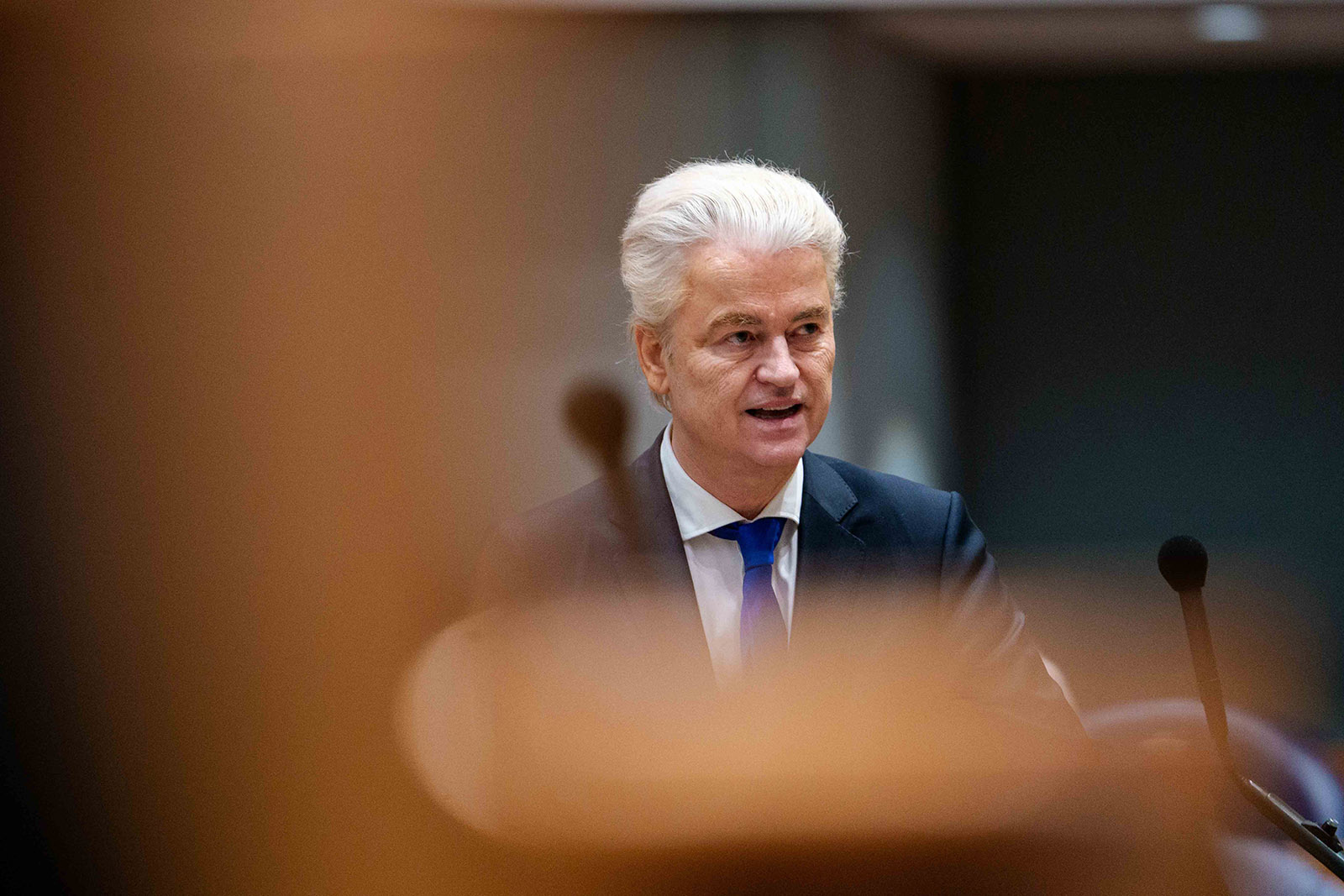
And in the Netherlands, as Tom Flanagan reports, putting a far‑right party in government turned out to be easier than fixing an acute housing shortage. The coalition collapsed; the lack of homes continued.
There’s a theme to our European coverage this month: the institutions that work best are the ones that concentrate on practical problems. The ones making the loudest noise about identity are usually the ones with the least to show for it.
Football already knew this. Spain’s World Cup winners and France’s gloriously flawed team couldn’t solve the continent’s crises, but they did offer a helpful reminder that Europe succeeds through unity and collaboration rather than division.
That and Kylian Mbappé. Those dictator memes were funny but, given the options, is President Mbappé really such a bad idea?