Revealed: EU members failed key asylum pact targets despite €600m funding
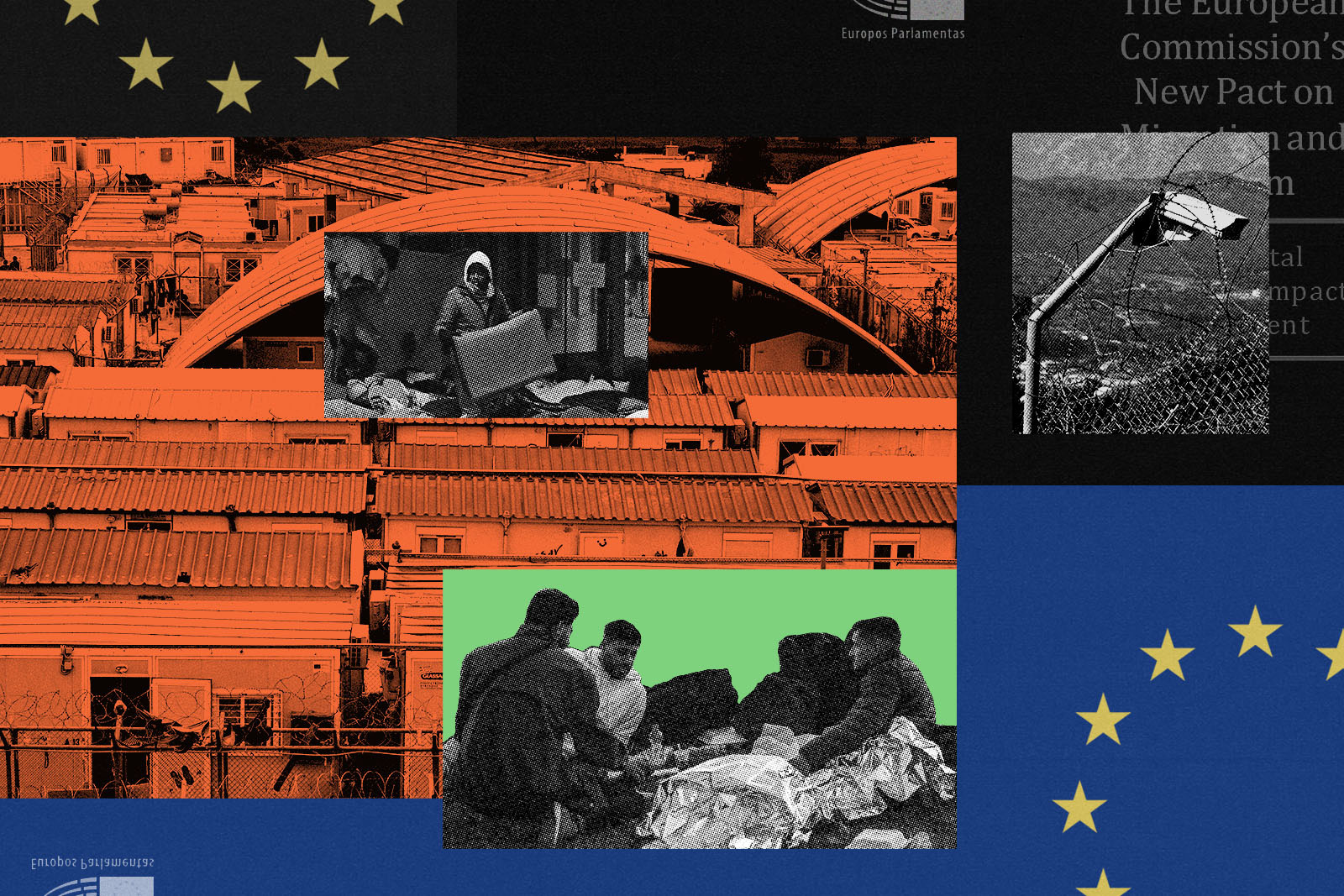
A Hyphen investigation finds EU states falling thousands short of asylum reception targets as MEPs warn weak enforcement is fuelling ‘race to the bottom’

EU countries have received more than €600 million in funding from Brussels to improve reception centre living conditions for asylum seekers, despite falling thousands of places short of the bloc’s own targets, a Hyphen investigation has found.
Member states had agreed to improve 34,569 asylum reception centre places by the end of 2024. The latest available EU data shows they had reported completing work on only 16,402 — a shortfall of more than 18,000.
The findings come as the EU introduces its landmark New Pact on Migration and Asylum, which came into effect in June after nearly a decade of negotiations. The Pact overhauls the bloc’s asylum system, combining tougher border controls with strengthened minimum standards for how asylum seekers must be accommodated and treated.
The missed reception targets were part of the EU’s €10 billion Asylum, Migration and Integration Fund (AMIF), which has been geared towards supporting the new Pact since 2022. EU funding data obtained by Hyphen shows that €617 million has been spent on improving reception conditions across member states. When questioned by Hyphen about the shortfall, the European Commission admitted that funding was not solely used for the work covered by those targets.
Gaps in EU data and inconsistent reporting by member states make the full extent of the failure difficult to establish. The commission told Hyphen that some member states only report results once projects are completed, meaning work still under way may not appear in the 16,402 figure. Member states have also failed to report key measures of their progress, while the commission only published legally required summaries dating back to 2022 after being challenged by Hyphen.
Hyphen’s investigation also found evidence of serious failures in EU asylum reception systems that go beyond its missed targets.
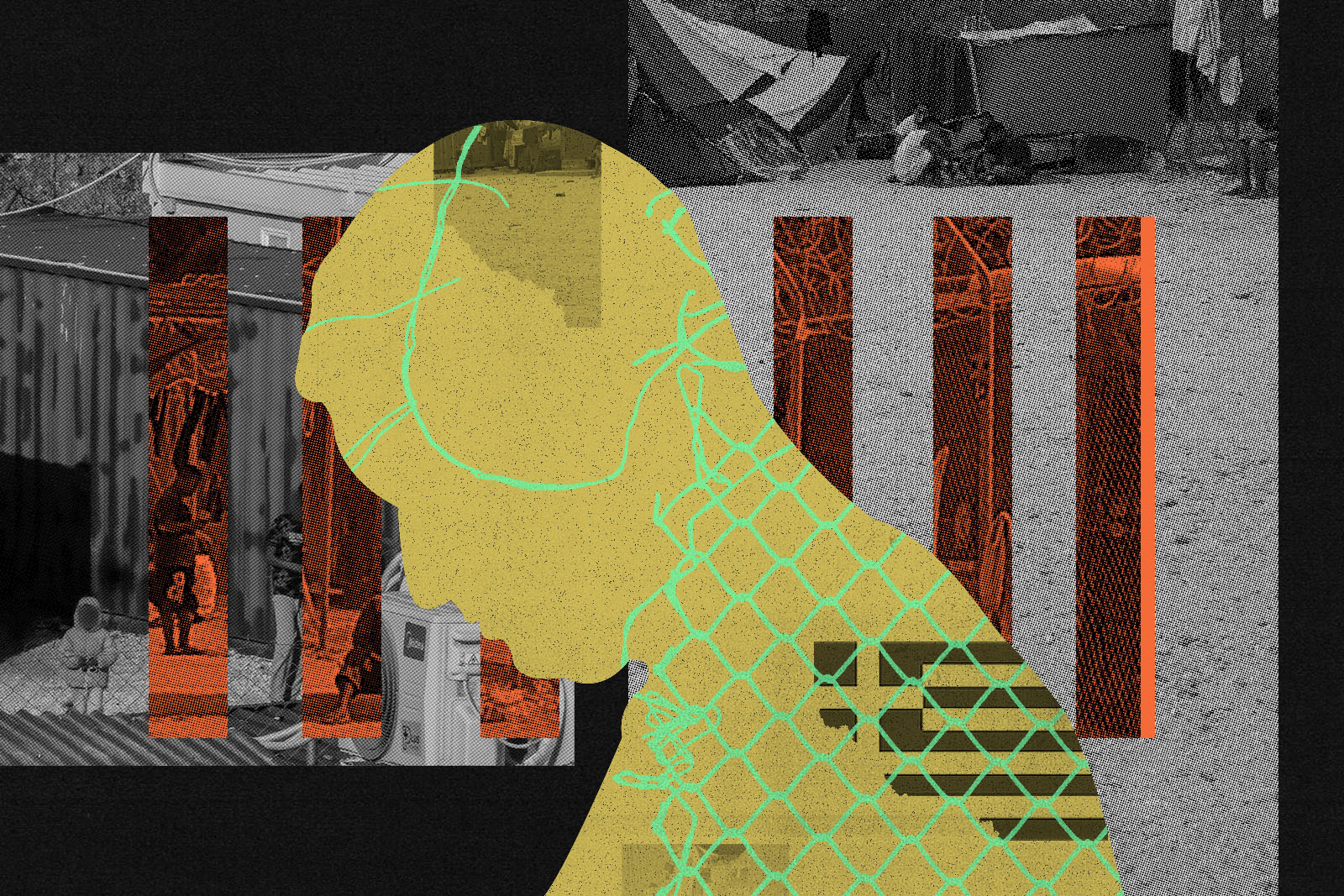
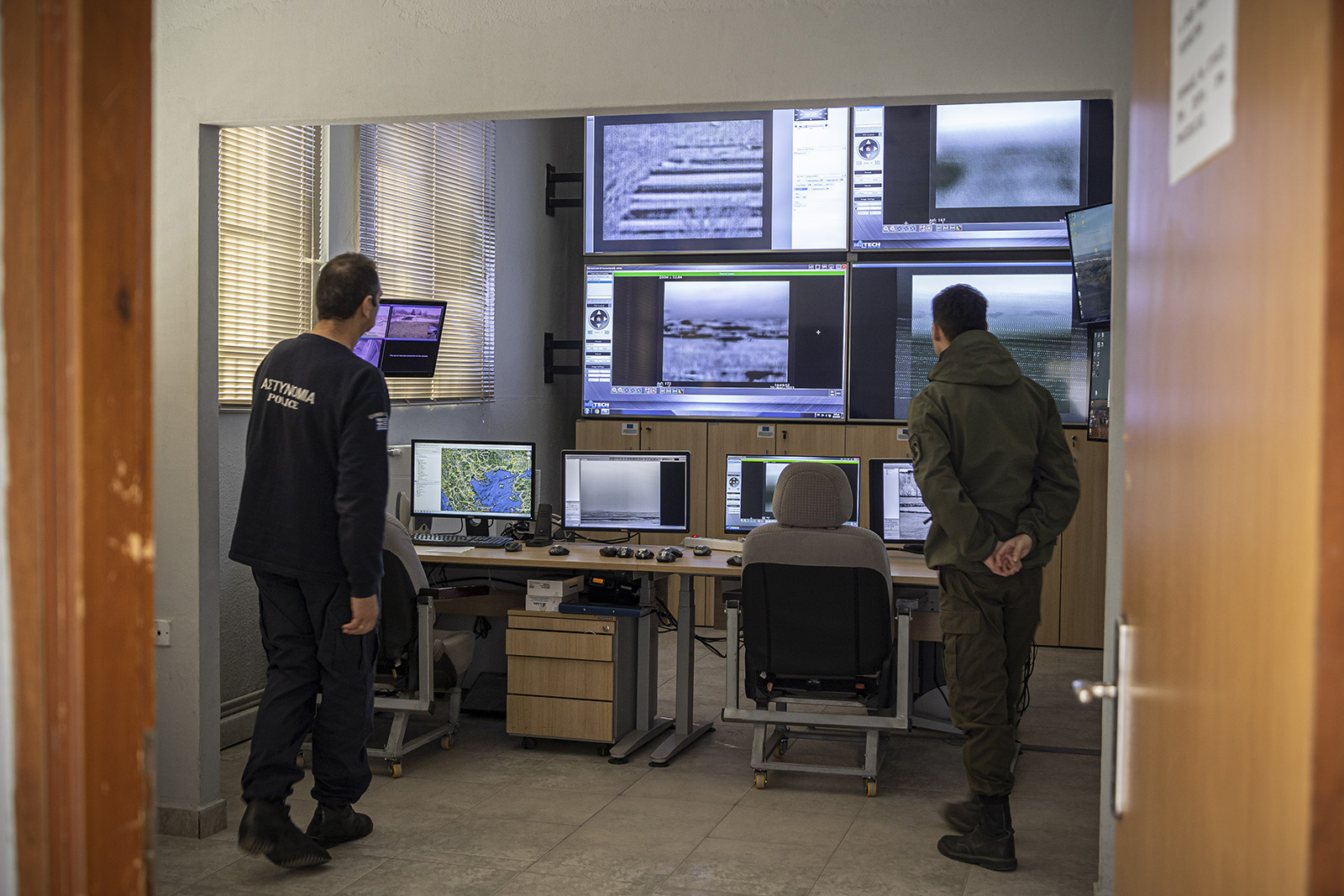
In Greece, €20 million — 80% EU-funded — has been spent on AI, CCTV and drone surveillance of the camps that serve as asylum reception centres, while EU monitors documented water being available for only one to three hours a day, heating repairs outstanding for almost two years and doctors without enough paper to write prescriptions.
MEPs and refugee organisations told Hyphen that the European Commission’s failure to enforce existing asylum standards is contributing to a “race to the bottom” as governments pursue increasingly restrictive migration policies.
EU officials presented the new Pact as a political compromise: stronger borders alongside stronger protections for those seeking asylum. Former commission vice-president Margaritis Schinas said in 2024 that the legislation showed the bloc could be “strong on border management” while protecting the right to asylum and improving the rights of migrants and refugees.
But the Pact comes into force after years in which member states have faced court rulings and repeated warnings over their treatment of asylum seekers, while the commission has been accused of failing to intervene.
Belgian Green MEP Saskia Bricmont said the commission was failing in its responsibility to enforce EU law.
“Unfortunately, the commission is not doing its job and being the guardian of the [EU] treaty and opening infringement procedures against member states that do not respect European legislation — that’s what they should do,” she said.
In Greece, commission officials spent two years compiling hundreds of pages detailing violations of asylum law without penalising the Greek government, internal documents obtained by Hyphen show.
At the same time, the EU continued funding an “intrusive” surveillance system in Greek reception centres even as its own officials questioned whether it was warranted.
The system, known as Centaur, uses hundreds of CCTV cameras, AI motion-detection technology and drones to monitor camp residents. In an internal document from 2022, EU officials warned the Greek migration ministry that “no explanation is provided on why less intrusive measures cannot be implemented”.
Two years later, the Greek data protection authority fined the migration ministry €175,000 for breaching EU privacy regulations.
As Centaur was being installed in camps across Greece between 2021 and 2024, EU officials were also documenting severe problems with basic living conditions, according to dozens of reports obtained by Hyphen through a freedom of information request.
In February 2024, officials reported that water at a camp on Samos was available for only “one to three hours a day”. Later reports recorded continuing problems with water and hot water, outstanding heating repairs and inadequate meals for children.
On Leros, official reports show Centaur was operational by June 2025, while doctors lacked enough paper to write prescriptions and children were sleeping in kitchens and classrooms because accommodation repairs had not been completed.
An inspection at a camp on Kos in July, conducted to assess implementation of the new Pact, found 51 unaccompanied minors living in facilities suitable for 15 people. One part-time doctor appeared to be available for more than 800 residents.
Greece has received more than €5 billion from EU home affairs funds since 2015, making it by far the largest recipient of EU migration funding within the bloc.
On paper, its performance appears considerably better. EU data shows Greece has already exceeded its 2029 target for improving reception places, recording 11,062 completed against a target of 7,554.
However, refugee organisations in Greece told Hyphen that those figures did not reflect conditions on the ground.
Minos Mouzourakis, a legal officer at Refugee Support Aegean, said asylum seekers were still being housed in “prison-like carceral facilities”, often with inadequate medical provision.
Successive Greek ministers have blamed poor conditions on public services being overwhelmed by unexpected arrivals. Mouzourakis argued that years of problems despite billions in EU funding pointed to failures of planning and political choices about how asylum seekers should be housed.
“It has to do not only with resources and with planning, that seems demonstrably to be deficient, but also with a political choice to maintain a system that by design does not afford people the absolutely minimum necessary conditions for dignified life,” he said.
The problems extend well beyond Greece.
In Belgium, the government has refused to house most single male asylum seekers since 2021, saying there is insufficient capacity. More than 10,000 asylum seekers have ended up on the streets while waiting for decisions on their claims, despite the EU allocating €14 million to Belgium from its asylum fund specifically for improving reception conditions.
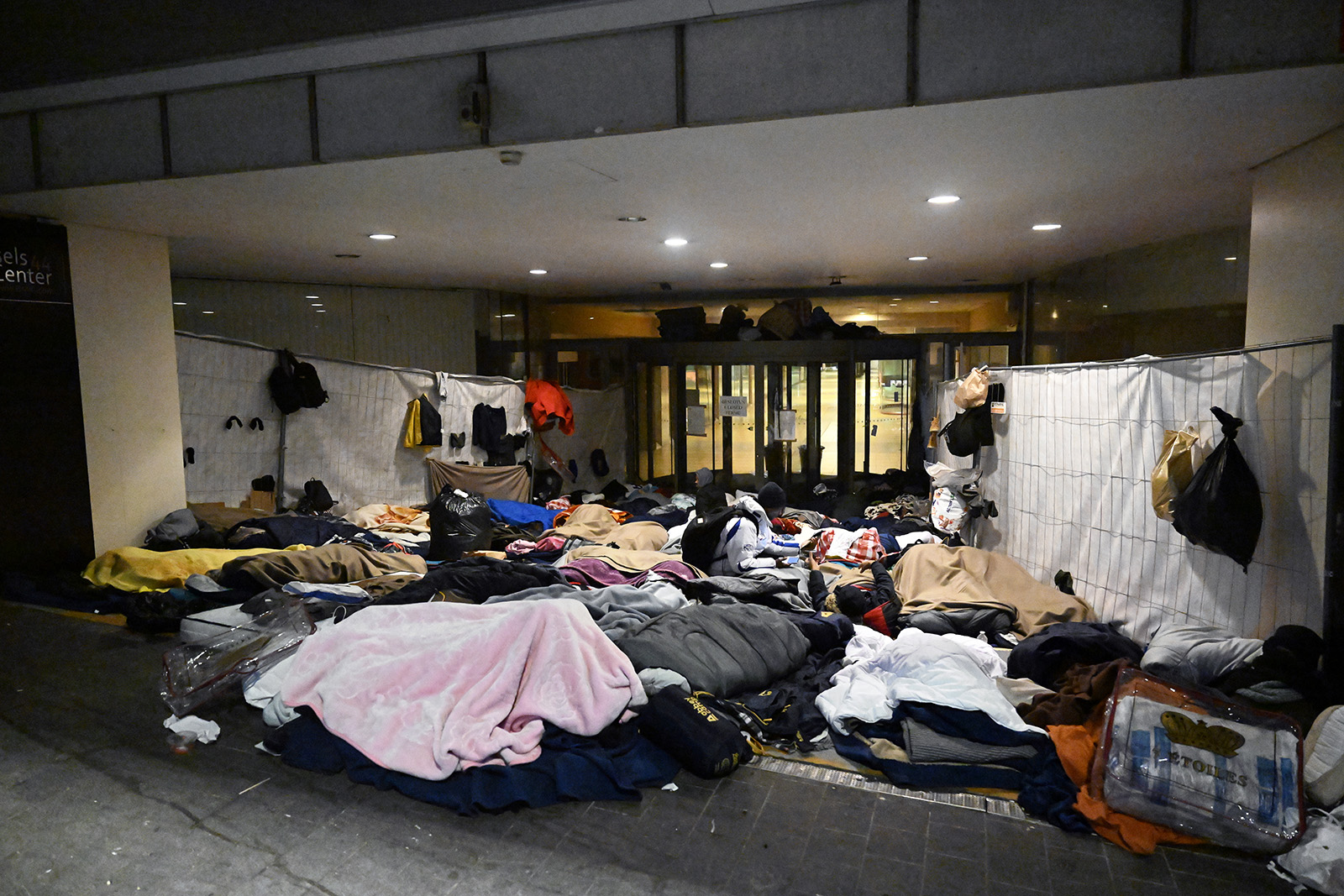
Belgian courts have repeatedly ruled the policy illegal. In April, the European Court of Human Rights found that the treatment of four asylum seekers violated the European Convention on Human Rights, noting that Belgian authorities had ignored domestic court rulings and refused to pay penalties imposed for doing so.
The Belgian government is now planning to cut the budget of the country’s asylum reception agency, Fedasil, from roughly €929 million to €261 million by 2029. Following the closure of several reception centres, almost 500 Fedasil staff signed an open letter in April saying they did not want the consequences of the government’s policy “on their conscience”.
The Netherlands has faced similar legal challenges. In 2022, the government lost a case brought by the Dutch Council for Refugees over conditions in reception centres.
Femke de Vries, an advocacy adviser at the organisation, said the problems had not been resolved.
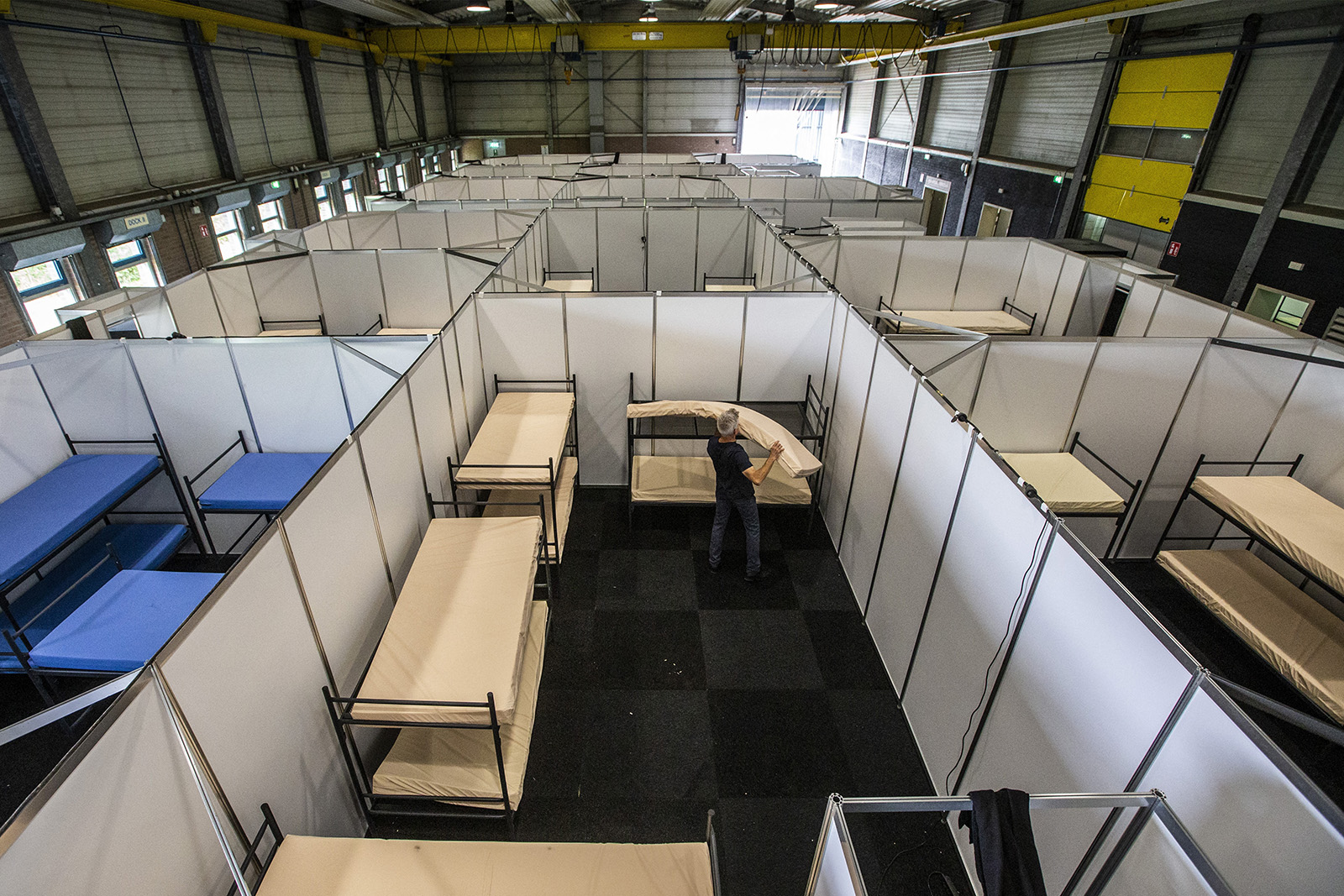
“We still have asylum seekers being housed in sports halls, on boats and in office buildings with emergency centres,” she said.
More than 2,000 people are currently housed in temporary accommodation while waiting for a place in a reception centre. The Central Agency for the Reception of Asylum Seekers estimates that capacity will shrink further, leaving the country 21,800 places short by July 2027.
Yet plans submitted by the Netherlands to secure EU funding committed it to creating 2,512 new reception places and improving a further 3,100 by 2029. The EU has allocated €23 million from AMIF specifically for improving reception conditions in the country.
The Netherlands illustrates a wider problem Hyphen encountered in attempting to establish whether member states were meeting their commitments.
The EU’s public data portal showed in September that only 16,016 reception places had been improved against a 2029 target of 89,318. After Hyphen asked the commission for comment, the target was quietly revised down to 51,515 in October. When questioned about the change, a commission spokesperson said targets were periodically revised, but did not explain the reduction.
Twenty countries also appeared in the published data to have made no progress towards their targets including France, Germany, Belgium, Spain and the Netherlands. The commission did not confirm whether that was the case, saying many member states report figures only for completed projects.
MEPs and refugee organisations argue that the problem is not simply a failure to provide sufficient reception facilities, but a failure to enforce the rules governing them.
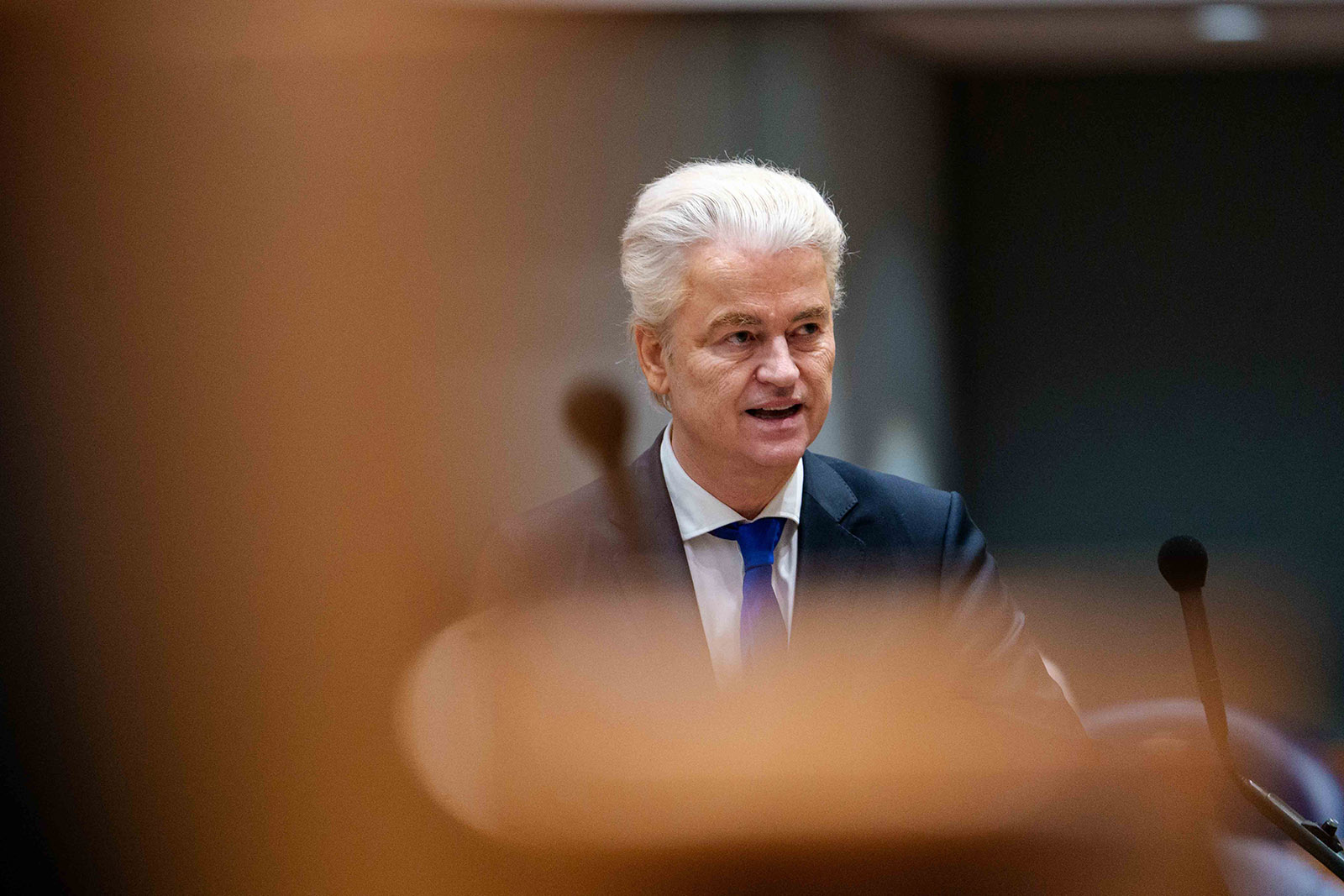
In 2024, a right-wing Dutch coalition dominated by Geert Wilders’ anti-immigration party requested an opt-out from the new Pact as part of its plans for what it called “the strictest asylum policy ever” in the Netherlands.
The commission rejected the request, pointing out that member states cannot opt out of legislation once it has been adopted, and the Dutch government eventually backed down.
Dutch MEP Tineke Strik said increasingly restrictive policies across Europe were creating a “race to the bottom”.
“They follow each other’s national developments very closely and they want to be ahead of the others, in the sense of being more restrictive, in order to not to become more attractive than another member state,” she said.
“You can only have mutual trust if you know that everyone follows the rules.”
The commission did not respond to criticism of its enforcement of asylum law. However, a spokesperson told Hyphen that the Pact requires EU countries to provide adequate living conditions for asylum seekers, while allowing “limited exceptions, under specific conditions” in which reduced standards can apply.
The spokesperson said implementation would require “significant legal and operational work” and that member states would have to continue adapting to the new standards in the coming months.
The commission’s public emphasis has also shifted since the Pact was agreed.
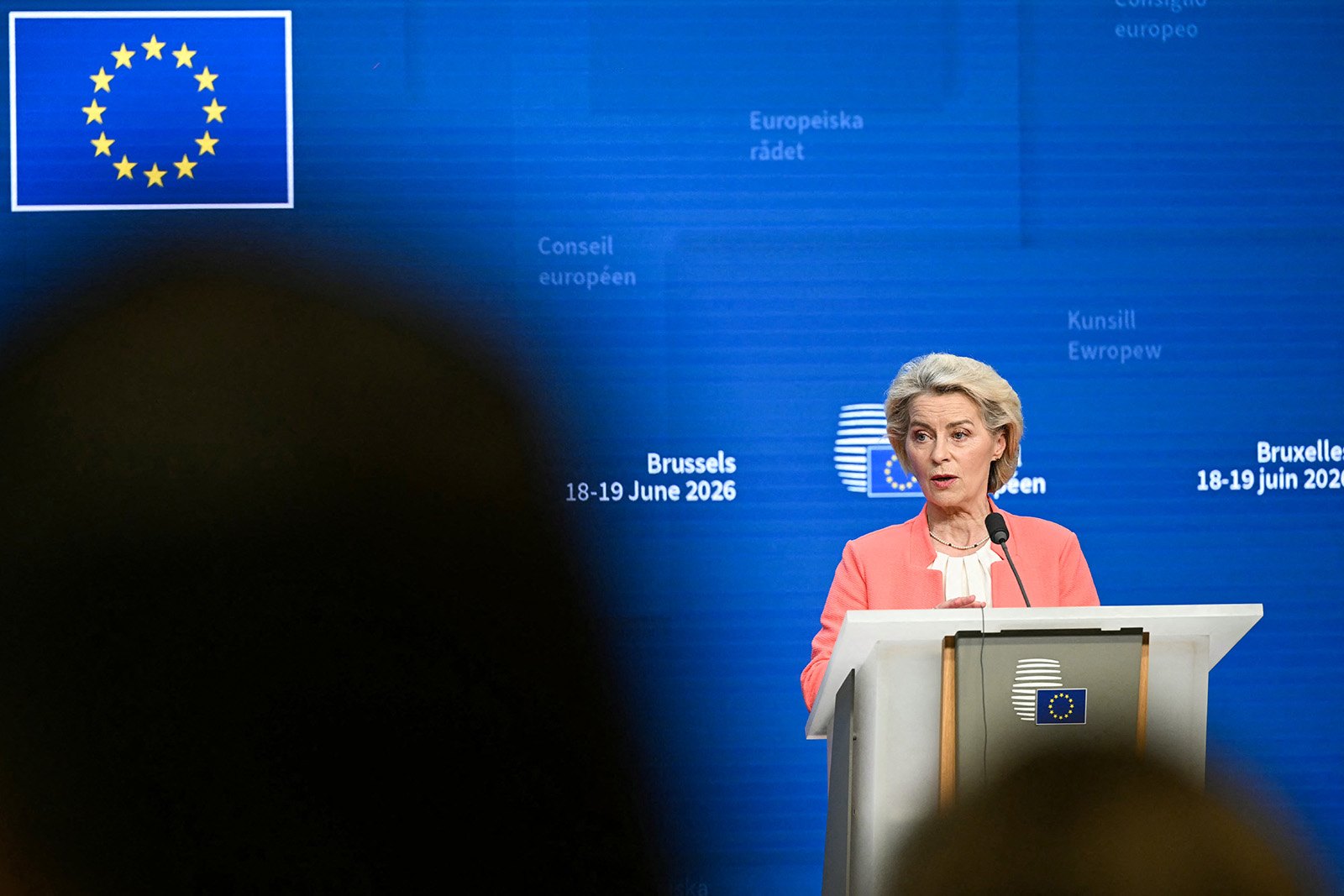
In her State of the Union address in September, commission president Ursula von der Leyen said implementation was “on the right path”. She did not mention reception conditions, instead pointing to what she described as a 55% reduction in irregular arrivals over the previous two years.
“That is real progress,” she said.