
Hundreds of Bangladeshis left stranded by Italy visa fraud scheme
Workers paid thousands of euros for jobs that didn’t exist after obtaining visas linked to fake work contracts
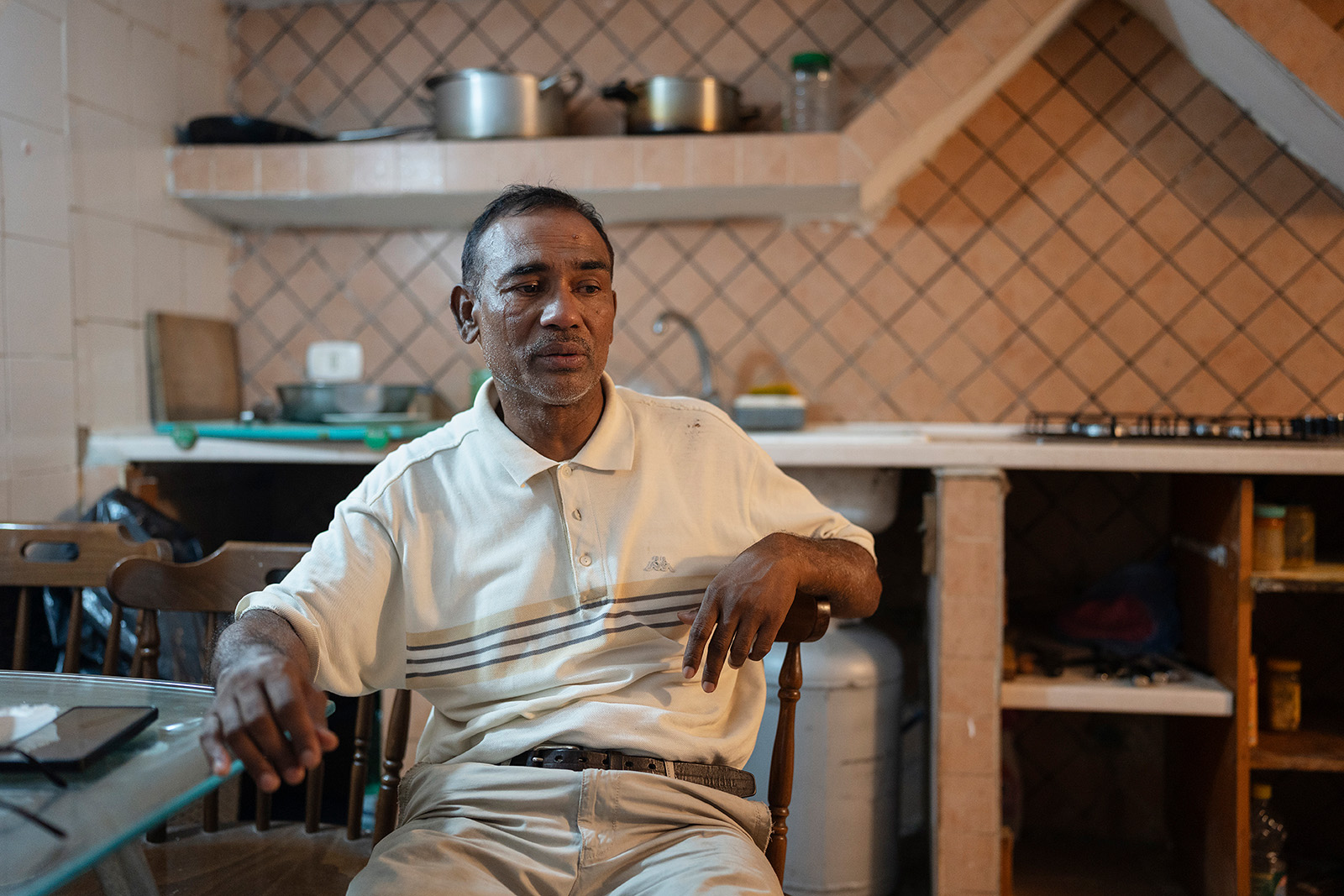
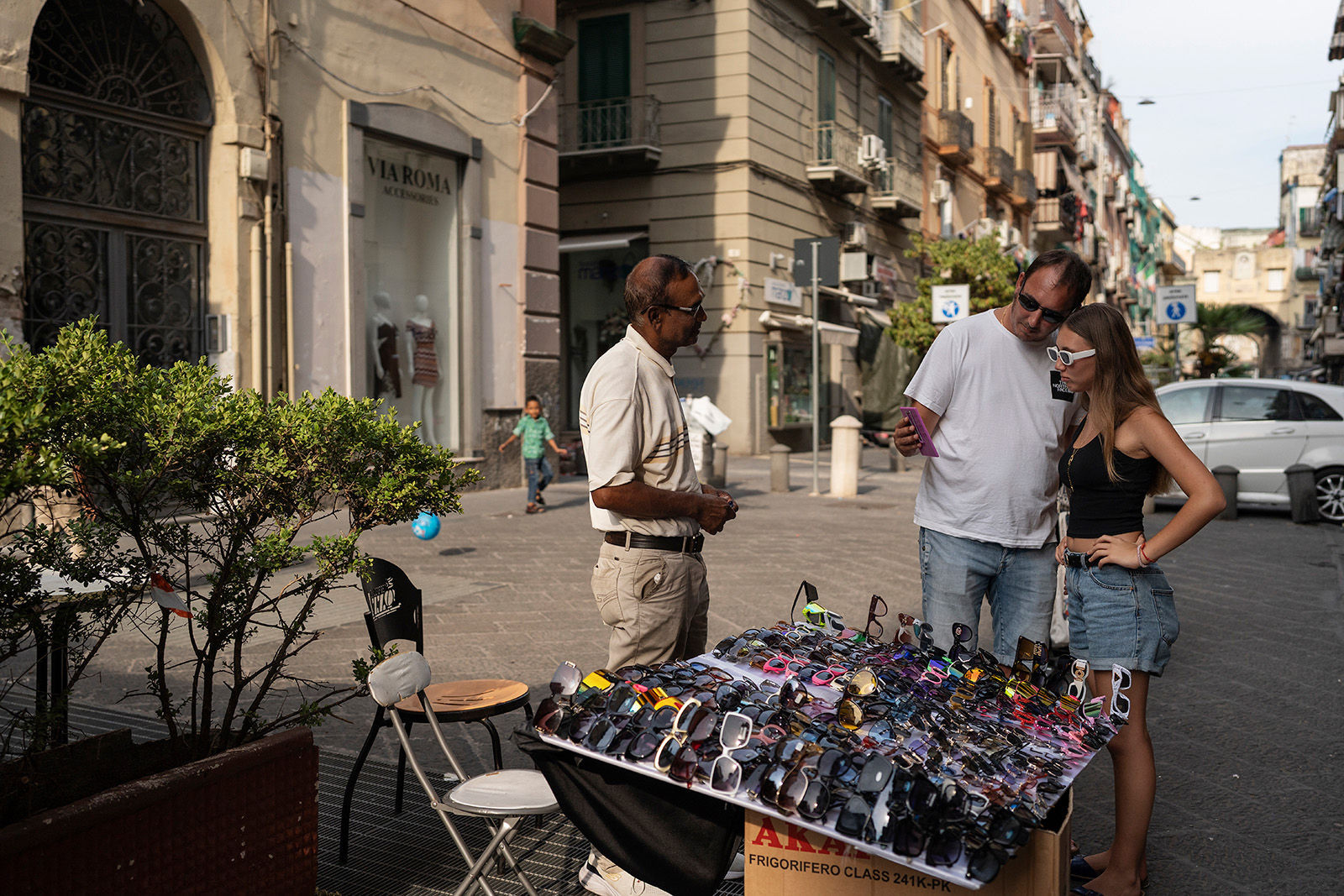
Gias Uddin stands behind a folding table of sunglasses on a busy street in Naples, checking his phone for updates from Bangladesh. One of his daughters has recently fractured her cheekbone in an accident back home.
The 59-year-old makes barely enough from street selling and odd jobs to cover rent and food. Three years earlier, he had paid €16,000 (£13,800) for what he believed was a legitimate work visa after a broker with contacts at the Italian embassy in Dhaka promised him contracted work in Italy.
The job did not exist.
According to the Naples Migrant and Refugee Movement (MMRN), Uddin is one of more than 1,200 people caught up in a visa fraud scheme between Italy and Bangladesh over the past four years. In the most recent cases, staff at the Italian embassy in Dhaka approved visas linked to fake job contracts and a wider criminal network. Despite a police investigation resulting in convictions, many of those affected remain without compensation or institutional support.
Related content
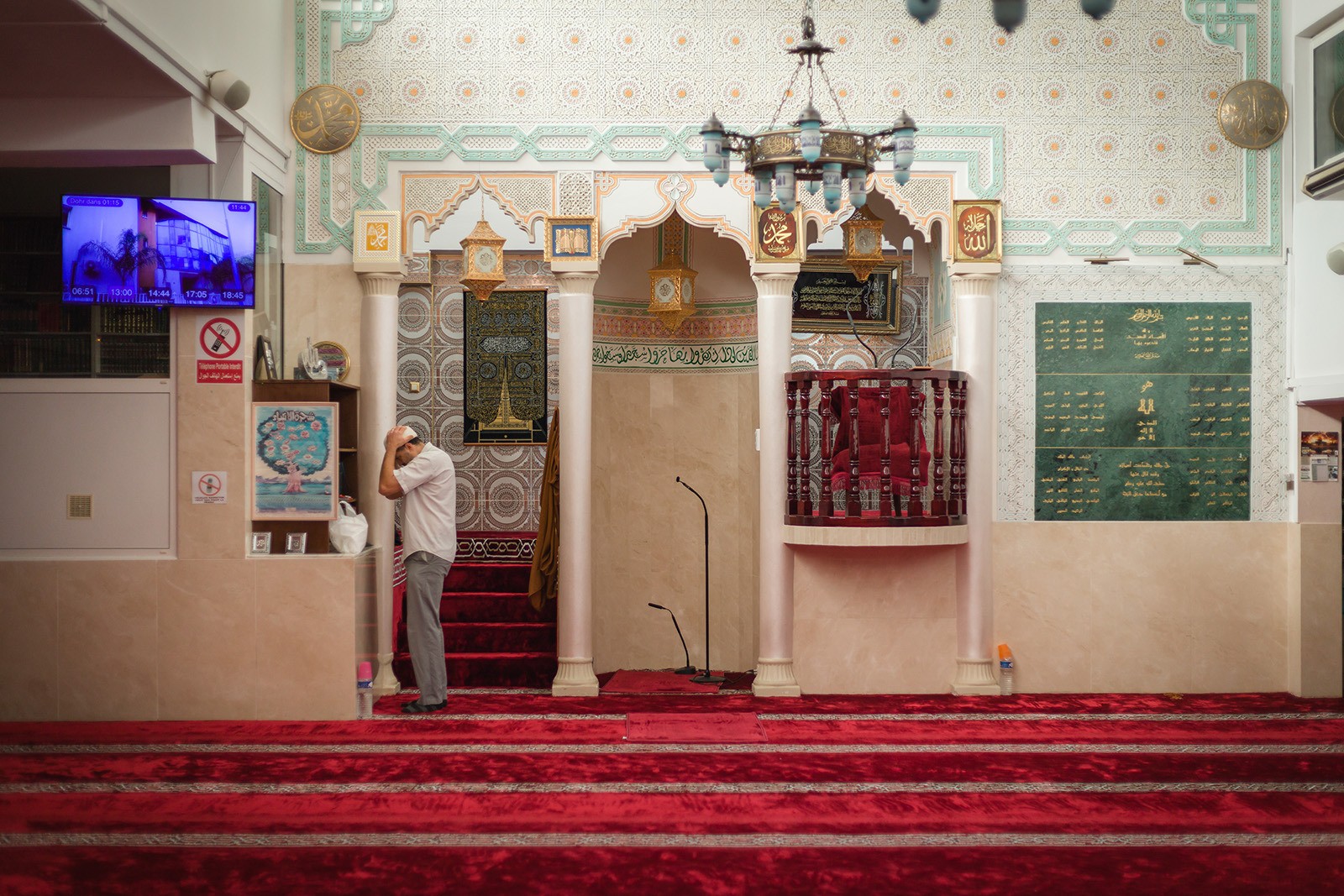
The Bangladeshi community is one of Italy’s largest and fastest-growing immigrant groups. As of 2024, there are 195,000 Bangladeshi citizens in Italy, four times as many people as there were just 20 years ago. Most arrive looking for work.
Bangladesh is included in Italy’s Decreto Flussi labour visa system, which allocates a limited number of work permits each year. But only around half of Bangladeshi applications are approved.
The shortage of available permits has helped create a market for brokers promising access to work visas outside official channels.
“I love Italy, this is my country, but this is all so hard. I didn’t think it would be like this,” Uddin said.
Uddin first considered moving to Europe after his pharmacy in Madaripur was broken into and ransacked in 2022. Unable to afford rebuilding the business, he began looking for work abroad in the hope of supporting his family and repaying his debts. A broker later promised him contracted work in Italy in exchange for €16,000.
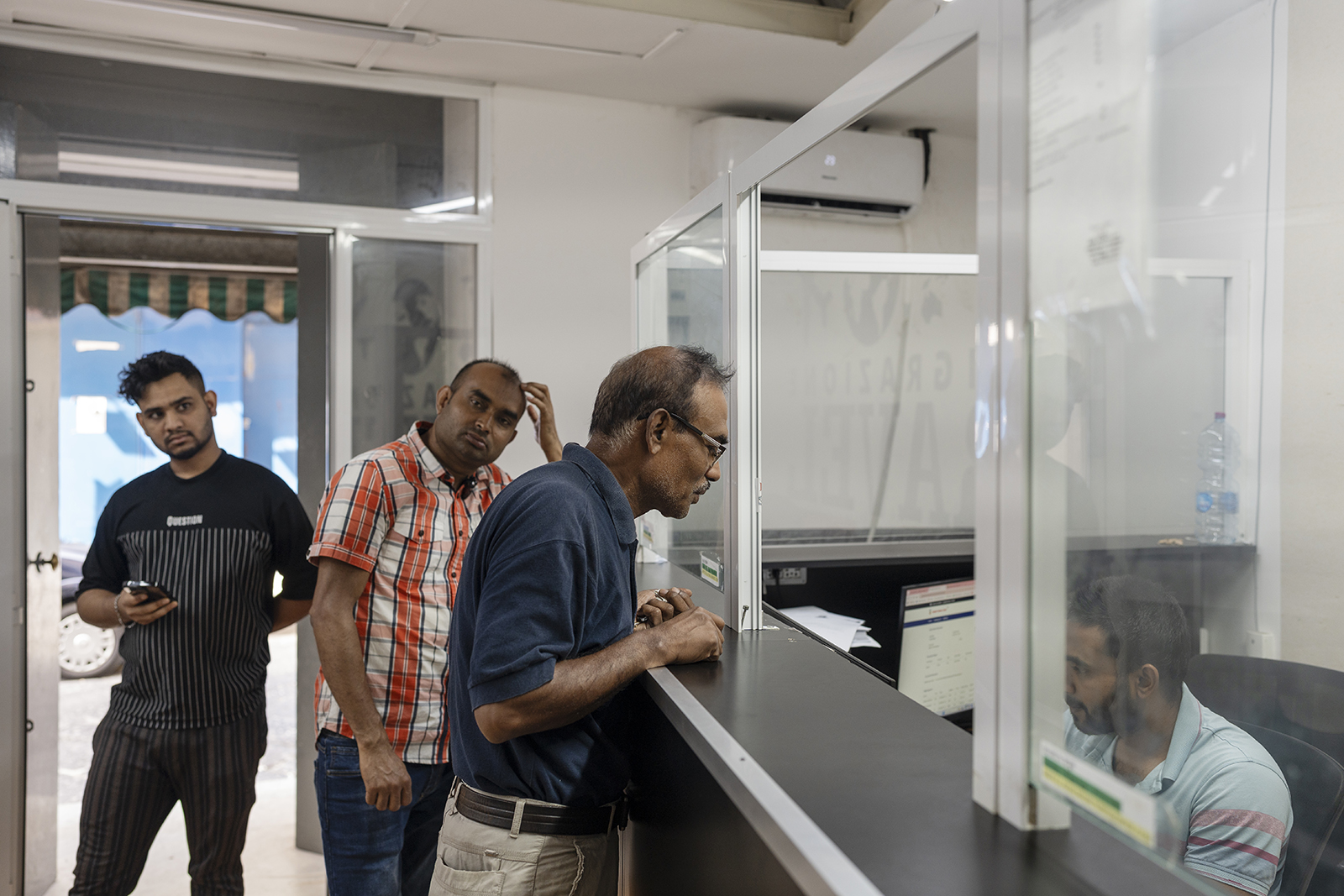
The brokers — known as dalal in Bengali — operated through informal networks in Bangladesh and abroad, promising access to work in Europe in exchange for large fees.
Brokers often travel through villages and towns advertising opportunities abroad, presenting migration to Italy as a route to financial stability and upward mobility. Like many others in his position, Uddin believed the opportunities were real.
To raise the money, Uddin took out loans from two banks. The broker later provided him with a signed employment contract linked to what appeared to be a legitimate Italian business. Using those documents, Uddin obtained a visa from the Italian embassy in Dhaka in early 2023.
Vincenzo Vassallo, a cultural mediator with MMRN, said many of the jobs promised through these schemes were in agriculture, factory work and the textiles sector.
Related content
According to investigators with the Guardia di Finanza, Italy’s financial police, some brokers worked with staff at both the Italian embassy in Dhaka and the Rome prefecture office to fast-track visas linked to fraudulent contracts. In exchange, embassy staff and family members allegedly received luxury watches, phones, trips to Dubai and plane tickets.
In February, Italy’s Guardia di Finanza arrested five people in connection with the scheme: three embassy employees in Dhaka and two Bangladeshi businessmen based in Rome.
Investigators formally verified 88 fraudulent visas, but confessions from suspects suggested the true number of victims could be in the thousands.
The Guardia di Finanza declined Hyphen’s request for an interview and instead referred to a February press release announcing the initial arrests, explaining what kinds of bribes were accepted by embassy staff and how the suspects produced fraudulent work visas.
In addition to using fictitious businesses in fraudulent contracts, the Guardia di Finanza said embassy staff paid real Italian companies to participate in the scheme. The names of the businesses and their sectors have not yet been released to the public.
The scheme appears to have been active from at least early 2023, when one of the alleged ringleaders attempted to bribe Andrea di Giuseppe, an Italian MP on the foreign affairs committee, with €2m (£1.7m). Di Giuseppe later reported the approach to authorities.
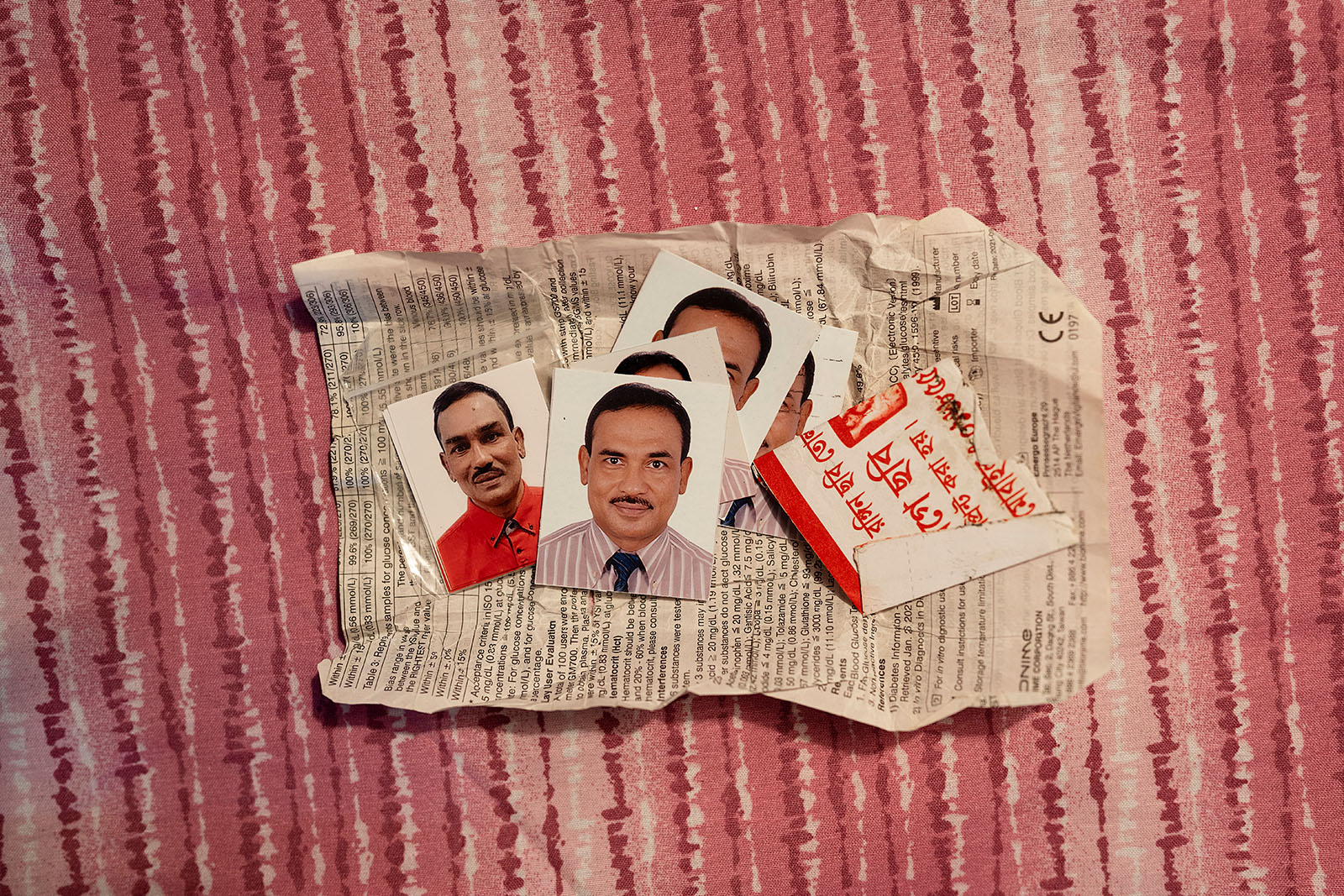
By the time Uddin attended his visa appointment in Dhaka that spring, the network was already operating.
When Uddin arrived in Italy, nobody from the company listed on his contract contacted him.
“The work didn’t exist. Nobody from this company ever showed up. There was nothing and I had no work,” he said.
Vassallo described cases like Uddin’s as increasingly common.
“Nine out of ten people we assist from Bangladesh came to Italy through this particular method of fraudulent work contracts,” he said.
“Every Thursday when our immigration help desk is open, we are seeing at least 100 people from Bangladesh with similar problems.”
Sharif Mohammed, a Bangladeshi social worker in Naples, said he personally knew at least 25 people affected by similar scams.
“It makes me sad to know that these people technically did everything right and they are still in this situation,” he said.
“They got their documents, they got their paperwork signed by the Italian embassy in Dhaka, they got their passports, they came here on a plane and even with all of this, they have become ‘illegal’ because of this fraud.”
Many victims struggled to obtain recognition as victims of fraud, Vassallo said.
“For the Italian state, these people are not seen as victims but as fraudsters themselves,” he said. “It would be incredibly difficult to legally demonstrate that they didn’t know they were participating in a fraud.”
Islam, a 37-year-old from Narsingdi, Bangladesh, arrived in Naples in December 2023 after paying another broker €16,000 raised through relatives, loans and the sale of family land.
He said he had not planned to move to Italy until a cousin already living there told him he could help him secure stable work.
When Islam arrived in Naples, his cousin told him to wait for his employer to contact him and formalise the paperwork. Nobody ever did.
“At this point I had nothing. I couldn’t even find food to eat,” Islam said. “How could my cousin betray me like this? He is my blood and he brought me into this mess.”
Another broker later demanded an additional €3,000 (£2,600) to help regularise his status.
By the time they realised they had been defrauded, both Islam and Uddin were deeply in debt. Their families had sold land, pooled savings and taken loans to finance the journey to Europe. Returning home empty-handed felt impossible.
“My father sold everything,” Islam said. “I am the only man among my siblings. With what audacity could I possibly go back to them empty-handed?
“The beginning was so hard. God forgive me, I thought maybe it would just be easier if I threw myself under a train. Thank God I didn’t, and he gave me the strength to not give up.”
Leaning against a parked car beside his makeshift stall, Uddin blamed himself for what had happened.
“I am a big loser. I made my family collapse because I got confused. How could I possibly do this to them?” he said.
“I’ve been crying for a year because I have no work, nothing. I’m a loser.”
Vassallo described the pressure of debt, undocumented work and family expectations as devastating for many within Naples’ Bangladeshi community.
He said several members of the community have died from strokes linked to prolonged overwork while trying to repay debts and send money home.
“Many members of the Bangladeshi community are working themselves to their limits because they carry the stress of debt constantly,” Vassallo said.
Some are now trying to regularise their status through Italy’s “special protection” system.
Roberta D’Agostinis Rinaldi, a legal assistant working with MMRN, said many Bangladeshis denied refugee status were instead granted “special protection” status — a temporary form of legal protection for people considered vulnerable to violence or serious harm if returned to their home countries.
Related content
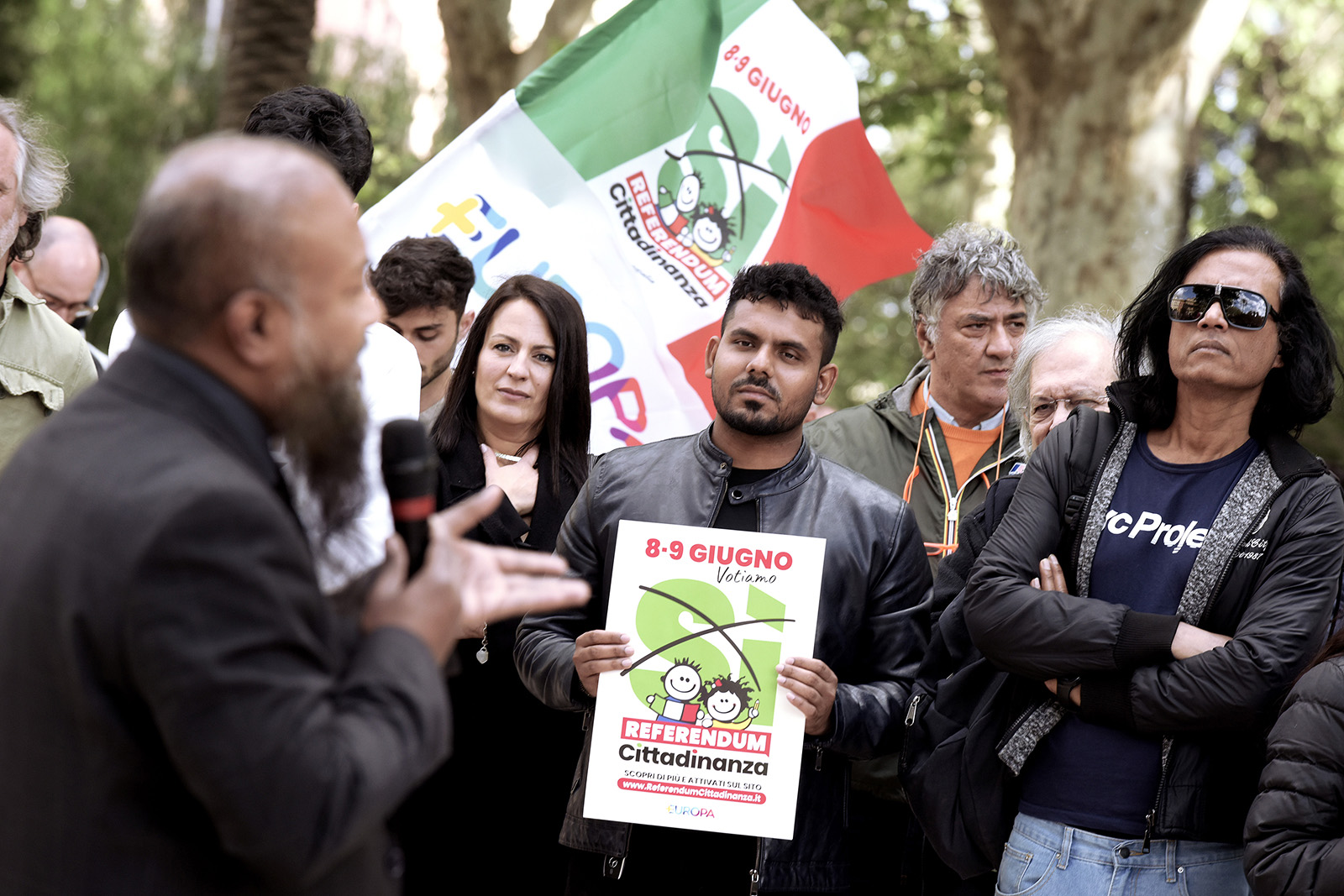
The status allows recipients to legally live and work in Italy for two years.
However, after Giorgia Meloni’s government took power in 2022, changes to immigration law removed the possibility of converting special protection status into a longer-term residence permit, forcing recipients to repeatedly renew their claims.
Since Meloni’s government took office in 2022, approvals for asylum, subsidiary protection and special protection claims have fallen from 47% to 34%, even as asylum requests have increased sharply.
The government has also introduced new migration measures aimed at accelerating deportations and offshore detention procedures.
Although there are no specific statistics on the total number of people who currently rely on special protection status, in 2024, 11,455 people were approved for it.
Although they arrived through labour migration channels rather than as asylum seekers, many people caught up in the fraud now attempt to regularise their status through Italy’s “special protection” system.
Lawyers and migrant support workers say it has become one of the only legal pathways available to people left undocumented by fraudulent work contracts who cannot realistically return home because of debt and economic pressure.
Uddin is now applying for special protection with the support of MMRN.
According to both Vassallo and D’Agostinis Rinaldi, applicants in similar situations had previously been granted protection by Naples courts.
If approved, the status would allow Uddin to apply for stable contracted work for the first time since arriving in Italy.
As the call to prayer sounded from his phone, Uddin folded up the wooden table he used as a stall and began the walk home.
“My dream, one day, is that I can have a good job here in Italy and go back to my land in Bangladesh to spend time with my family,” he said.
“Maybe one day I can even bring my family here to visit, inshallah.”