
Why Spain is legalising hundreds of thousands of undocumented migrants

As much of Europe tightens immigration policy, Spain has opened a one-off regularisation scheme. Ahead of the 30 June application deadline, here’s who qualifies and how it works

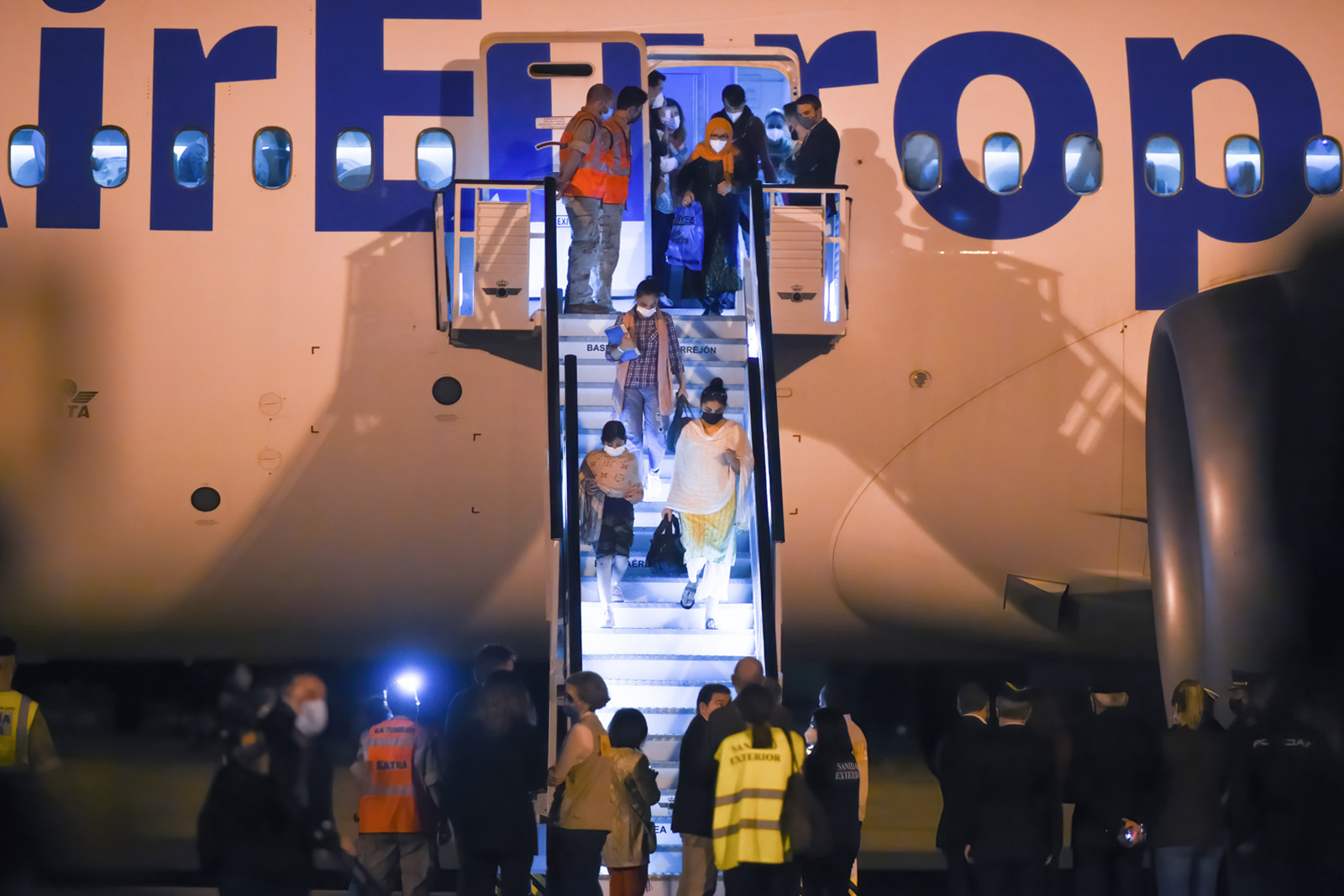
Undocumented migrants in Spain have until 30 June to apply for the country’s extraordinary regularisation programme. By mid-June, the migration ministry said it had received some 900,000 applications. The scheme offers eligible foreign nationals already in the country the opportunity to legalise their immigration status.
The programme comes as many European governments ramp up controls on immigration. Prime minister Pedro Sánchez described the move as “an act of normalisation” that recognises “the reality of almost half a million people who are already part of our daily lives”.
Related content
It is Spain’s seventh extraordinary regularisation in 40 years. Previous schemes have generally been used to bring workers in the informal economy into the legal system and expand the tax and social security base.
Although both socialist and conservative governments have previously introduced these schemes, the conservative Partido Popular opposed the 2026 programme, arguing it would attract more irregular migration.
What is the policy and who is eligible?
The scheme, which opened on 16 April and closes on 30 June, offers a one-year, renewable residence permit to undocumented migrants who can prove they entered Spain before the scheme’s eligibility cut-off, have no criminal record and meet a series of residency requirements. The majority of undocumented people in Spain arrived legally as tourists from Latin America and stayed.
Individuals can apply on the basis of employment, having dependents, or vulnerability — the latter category defined broadly, on the grounds that an applicant’s irregular status is affecting their rights or living conditions. Underage children of applicants receive permits of five years. The permit is valid only in Spain.
Why is Spain offering regularisation?
Sánchez introduced the scheme by royal decree in January 2026 after years of campaigning by migrant organisations and pressure from leftwing party Podemos. The government argued that the measure was justified on humanitarian, labour market and demographic grounds.
The opposition Partido Popular argued it would encourage further irregular migration and criticised the government for bypassing parliament.
Spain has repeatedly used extraordinary regularisations since the 1980s, most notably in 2005, when more than 570,000 workers gained legal status.
Described jointly as “an act of justice” and a necessity for Spain by Sánchez, the scheme will allow people to formally integrate into the country’s labour market and social security system. Spain’s minister for inclusion, social security and migration, Elma Saiz Delgado, also emphasised demographics, noting that without migration, “the impact of ageing on economic growth would be considerably more severe”.
How have migrants and rights groups reacted?
The decree has been welcomed by migrants and rights groups, which have been calling for regularisation for years, explains Elena Muñoz, coordinator of the legal team at the nonprofit Spanish Commission for Refugee Aid (CEAR). “The pandemic highlighted the precarious situation of undocumented people and how essential these individuals were to society,” she says.
People in irregular situations will gain essential rights, Muñoz stresses, while offering benefits to Spain “at the economic level, in the labour market, in social security contributions, tax revenue”.
What does regularisation mean practically?
Crucially, regularisation will shield previously undocumented individuals from deportation, Muñoz says, speaking in the week that the EU approved a new system for expelling migrants.
Regularisation offers protection from exploitation, she says, adding that this “often comes with the informal labour market”. It will allow migrants to make social security contributions and become eligible for unemployment benefits and pensions.
While access to Spain’s public healthcare system is universal, in practice Muñoz says that irregular immigrants often face “bureaucratic hurdles” in accessing it. “With the stroke of a pen, those difficulties will be eliminated,” she says.
Legal status will help many meet the rental requirement of demonstrating they are on a payroll. But she warns that challenges will persist, owing to Spain’s housing crisis and rampant discrimination from landlords and agencies: “It’s better to have residency in order to access housing but, unfortunately, [irregular immigrants] will continue to encounter many difficulties.”
Have there been issues so far?
The main obstacle has been receiving documents such as criminal records and birth certificates from their country of origin and getting them notarised within the timeframe, CEAR’s legal coordinator says. Another issue has been getting appointment slots to submit their applications, Muñoz adds.

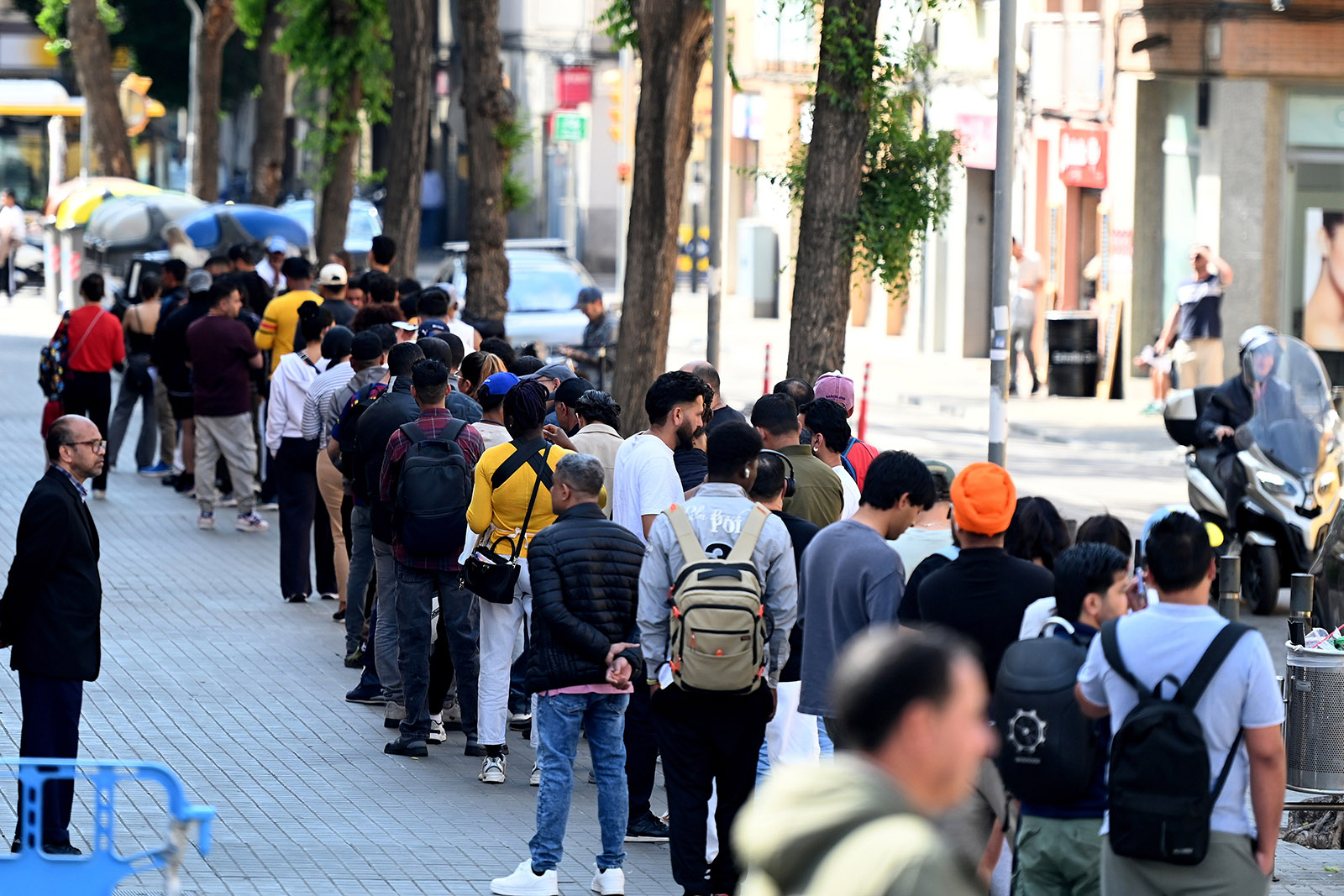
Footage of long queues outside local government offices has circulated, as people scrambled to get their required documents — including their name on the municipal register and obtaining a certificate of vulnerability — in order.
In the initial days, many approached NGOs requesting a certificate of vulnerability despite already being eligible to apply for the scheme through employment or caring for dependents, she adds, while some local councils were underprepared.
What happens after 30 June – and how effective are the schemes?
Extraordinary regularisations have been used repeatedly to shrink the pool of people without legal status.
“But the important thing is that immigration policies don’t create that pool in the first place,” Muñoz says, calling instead for ongoing “ordinary” regularisation. The establishment of flexible immigration pathways would do this while supporting labour markets, she says, suggesting jobseeker visas.
While there has been criticism that the extraordinary regularisation will attract increased irregular migration, Blanca Garcés Mascareñas, senior research fellow at the Barcelona Centre for International Affairs, in an analysis for the thinktank, argues: “The economy, much more than migration policy or the possibility of regularisation, acts as the real pull factor.”