
Anissa Helou: ‘The point of my work is to document our recipes and traditions for future generations’
The renowned author and food historian’s latest book captures the diversity and deep roots of Lebanese cuisine against a backdrop of war and displacement

Back in 2022, when Anissa Helou started to research her latest book, Lebanon: A Culinary Celebration, she took the same approach as always: travelling around, eating and learning as much as she could from different communities. The aim was to explore regional variations in Lebanese cuisine, from flatbreads and sweets to salads and kibbehs. She spent months visiting cities and villages across the country, from the coast to the mountains, discovering recipes she had never before encountered.
Now that the book is about to be published in the UK, Lebanon is once again under attack by Israel. The latest assault began on 2 March, when Hezbollah fired rockets into Israel in response to US and Israeli strikes on Iran, triggering a wave of retaliatory airstrikes and a ground invasion of southern Lebanon.
Related content
Those events have been the latest in a series of compounding national crises. In 2019, Lebanon’s catastrophic financial collapse began, then came the Covid-19 pandemic and the 2020 Beirut port explosion. The country had only just emerged from the Israeli bombardment in 2023-24 when the most recent assault began. More than a million people — one fifth of the country’s population — have been displaced. Much of southern Lebanon has been devastated, with large tranches under Israeli occupation.
Some of the places Helou visited have been destroyed, and many of the people who cooked her meals and taught her their recipes have been displaced. “Dibbine, where I went to an amazing spice merchant, is being bombed, as is Burj Rahal, where I cooked with a lovely lady,” she says. “They are all displaced.”
Each week brings new bad news. When we spoke, Tyre, a city of 250,000 people where Helou spent time, had just been issued an evacuation order. Zefta, where she visited the boutique hotel Dar Zefta, was bombed soon after.
“If I hadn’t done the research when I did, it would have been impossible — the south of Lebanon is being obliterated,” she says. “The whole point of my work is to document our food, both recipes and traditions, for future generations. I think it’s very important, especially in a region like ours, to keep that tradition and lore.”
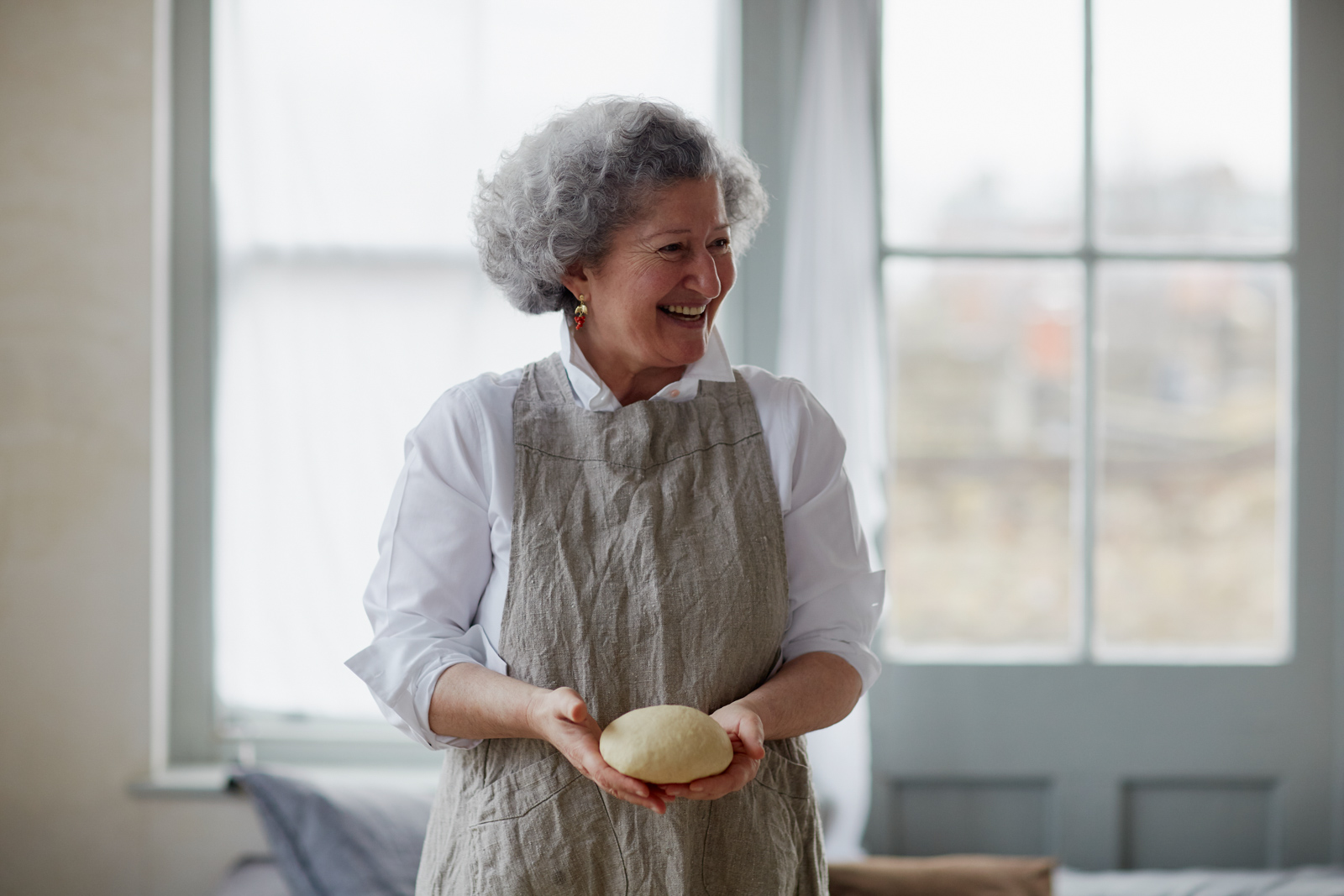
That instinct has driven Helou’s work for the past 30 years, for which she received the prestigious lifetime achievement award from the Guild of Food Writers in June. Her first cookbook, Lebanese Cuisine, published in 1994, was also about the culinary culture of her homeland. At the time, Helou was living in London and working in the art industry. Raised in Beirut by a Lebanese mother and Syrian father, she grew up surrounded by food — both her mother and grandmother were accomplished cooks — but had little interest in it herself.
“I refused to cook when I was young because I was a feminist and I didn’t want to be domesticated,” she says.
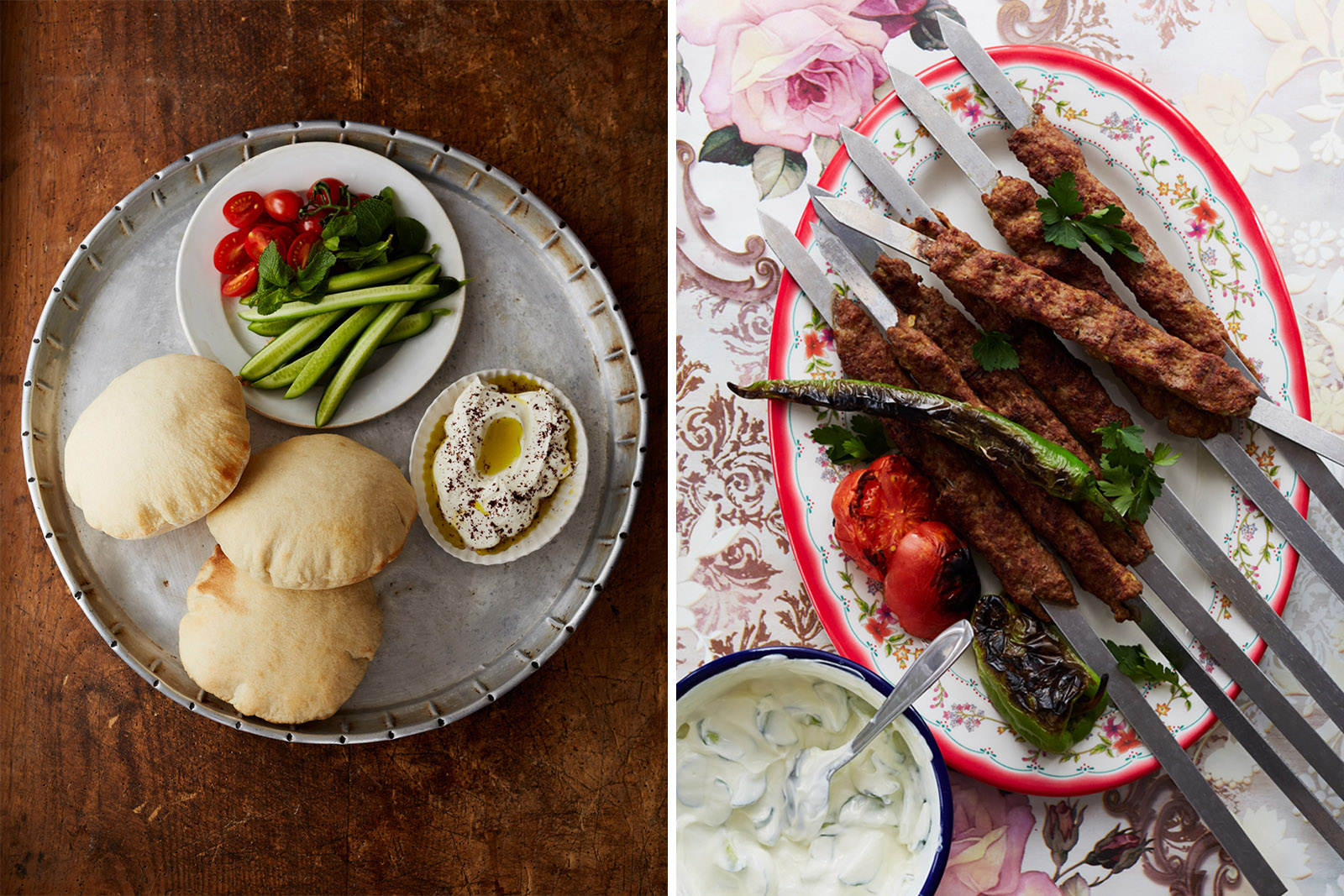
The idea for Lebanese Cuisine came about during a chance discussion with a friend in the publishing industry, who mentioned that he wanted to find someone to write a book about the country’s food. Helou immediately volunteered herself. “It appealed to me because it was the end of the Lebanese civil war, and I wanted to write the book for all the young people who did not have the luck I did, growing up seeing everything made at home,” she says.
Helou had not returned to Lebanon for 10 years because of the conflict and liked the idea of helping people reconnect with their cuisine. “Most people, when they emigrate, the one thing that they keep with them is food — even if they lose the language,” she says. “But, of course, in a foreign country, you can’t reproduce the food the same way, so I wanted to document it.”
Helou consulted her mother extensively and conducted her own research, eventually collecting 250 recipes. The result was a tribute to her mother’s cooking and idiosyncratic style, ending each recipe with the simple injunction to “cook until done”. Now, Lebanese Cuisine is widely viewed as a cornerstone of Middle Eastern gastronomic literature.
That same impulse to document and preserve culinary tradition drove the 10 cookbooks that followed. They explore dishes from Moroccan cafe classics and contemporary Levantine mezzes to the regional use of offal. Perhaps her most ambitious project was 2018’s Feast: Food of the Islamic World, a sweeping collection of more than 300 recipes from Africa and the Middle East, through south and central Asia, all the way to Malaysia and Indonesia.
“There were lots of books on Jewish food, but there wasn’t a single book on the foods of Islam,” says Helou. “To look at the food from a religious point of view was interesting to me because the majority of Muslim countries follow the arc of empire, and looking at the religion and its people from a positive point of view was also a way of combating Islamophobia.”
Rather than being organised by region, the recipes are grouped by food type — rice and grains, fish, meat, bread — a structure that reveals unexpected kinships across the Islamic world. Indian biryani sits next to machboos rubyan, which Helou describes as a Saudi prawn “risotto”, and the slow-cooked Yemeni rice dish mandi. Fattoush, a bright Middle Eastern salad with crisped bread, is followed by Indonesian gado gado, which features tempeh, potatoes, cucumbers and peanut sauce. The introduction traces the history of different Islamic empires and how they shaped food cultures, giving a sense of how culinary traditions echo across vastly different places.
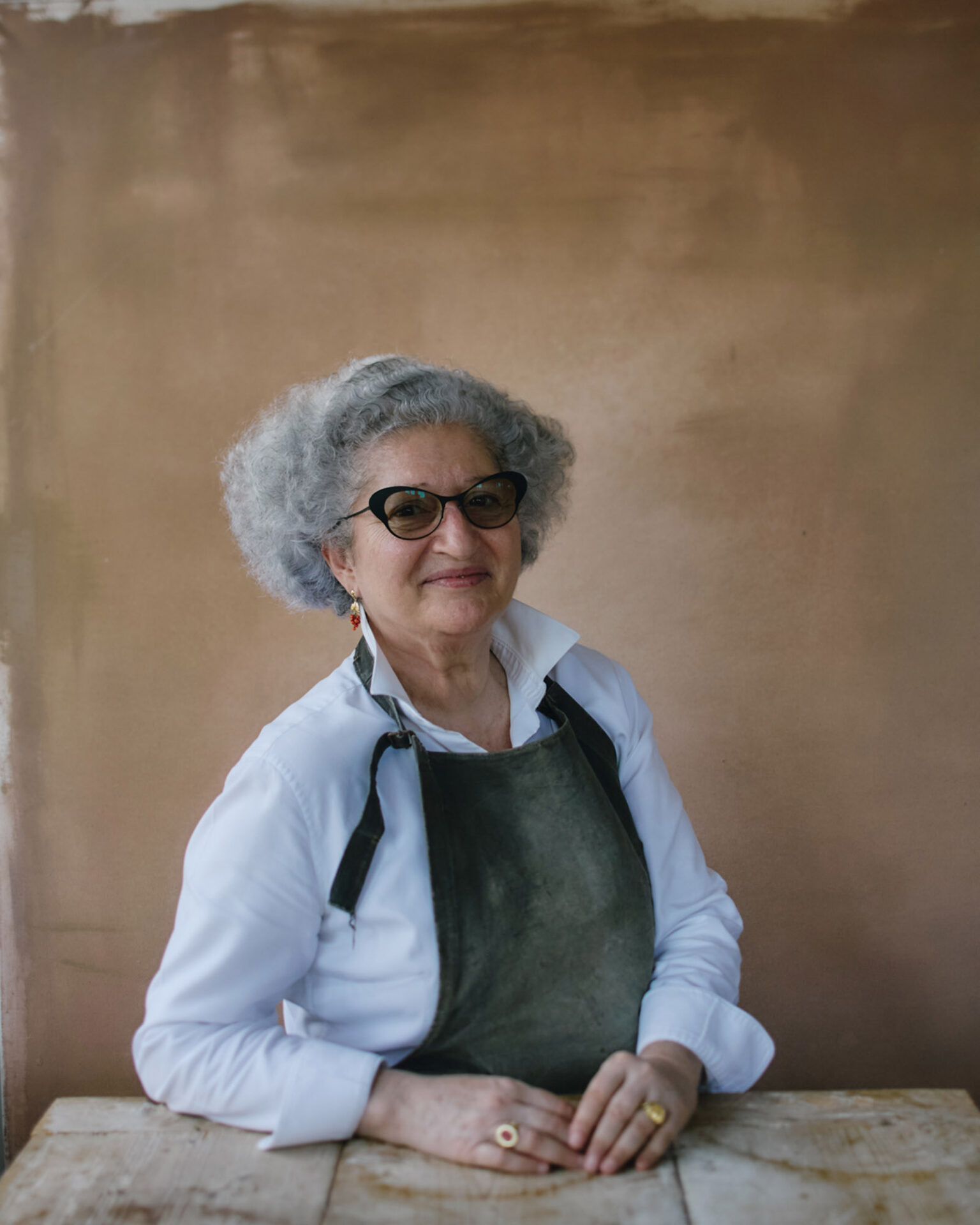
Helou was raised Christian by a Maronite mother and a Greek Orthodox father, which has led some to question why she would want to explore the food of Muslim communities. To her, though, doing so seemed like a natural continuation of her work in the Middle East.
“It’s nothing to do with being Muslim or not,” she says. “It’s research.”
Helou also brought a personal relationship with Muslim culture to the work, having grown up in a religiously mixed area of west Beirut. In her research for Feast, she was particularly keen to explore how Islamic festivals and traditions vary between countries: the specific foods people use to break their Ramadan fasts and dishes cooked for Eid or other celebrations. The fieldwork took five years and spanned continents. Helou returned to familiar countries and visited new ones in Africa, Asia and the Middle East.
“I made connections through friends, or friends of friends, but also I’m quite shameless when I’m researching food,” she says. “If I’m in the market or in a restaurant, I immediately ask questions or approach strangers if I think that they have something interesting to tell me.”
Related content
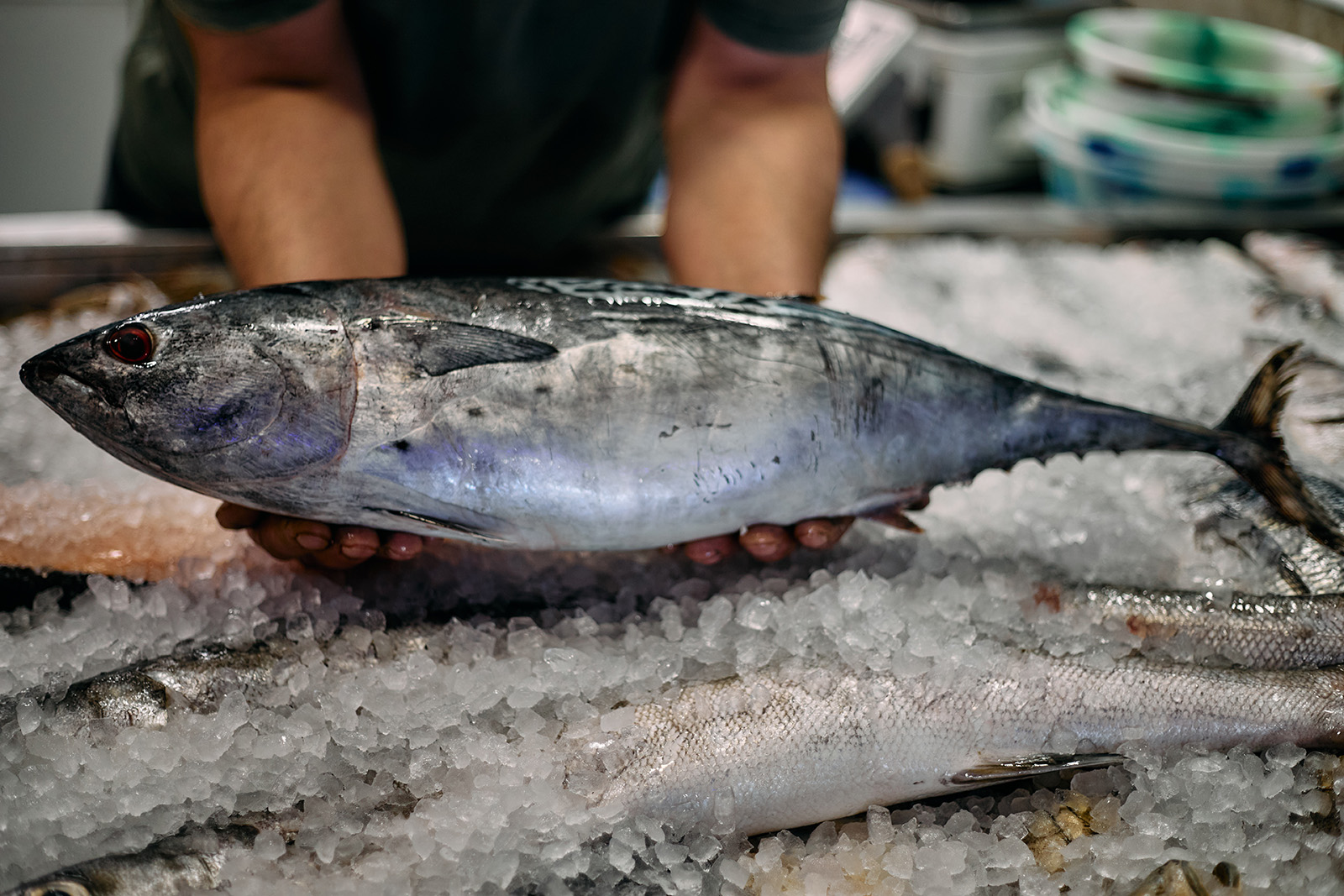
That is a vital aspect of Helou’s approach: not just learning how to make a particular kind of bread or dessert, but observing how and when people eat it, and learning about its history. “When you’re sitting with people and eating with them, apart from the fact that you learn what it should taste like, you’re seeing the social context, the custom,” she says.
Today, Helou lives in Sicily where, alongside her work as an author, she runs a cooking school. She still delights in making new discoveries about food. Returning to Lebanese cuisine 32 years after her first book, she came across a number of dishes for the very first time, including a tabbouleh prepared with lamb confit and frakeh, a southern Lebanese variation of kibbeh made with raw meat.
“Countries that have a very strong food culture are attached to their food and like to keep to tradition, but at the same time things do change and evolve,” she says of the discoveries detailed within her book. “It’s about recipes, but ultimately, food is culture.”
Lebanon: A Culinary Celebration (£27) is published by Bloomsbury on 13 August.