
Manakish for the masses
Lebanese bakery Edami introduces east London to a Beirut breakfast speciality
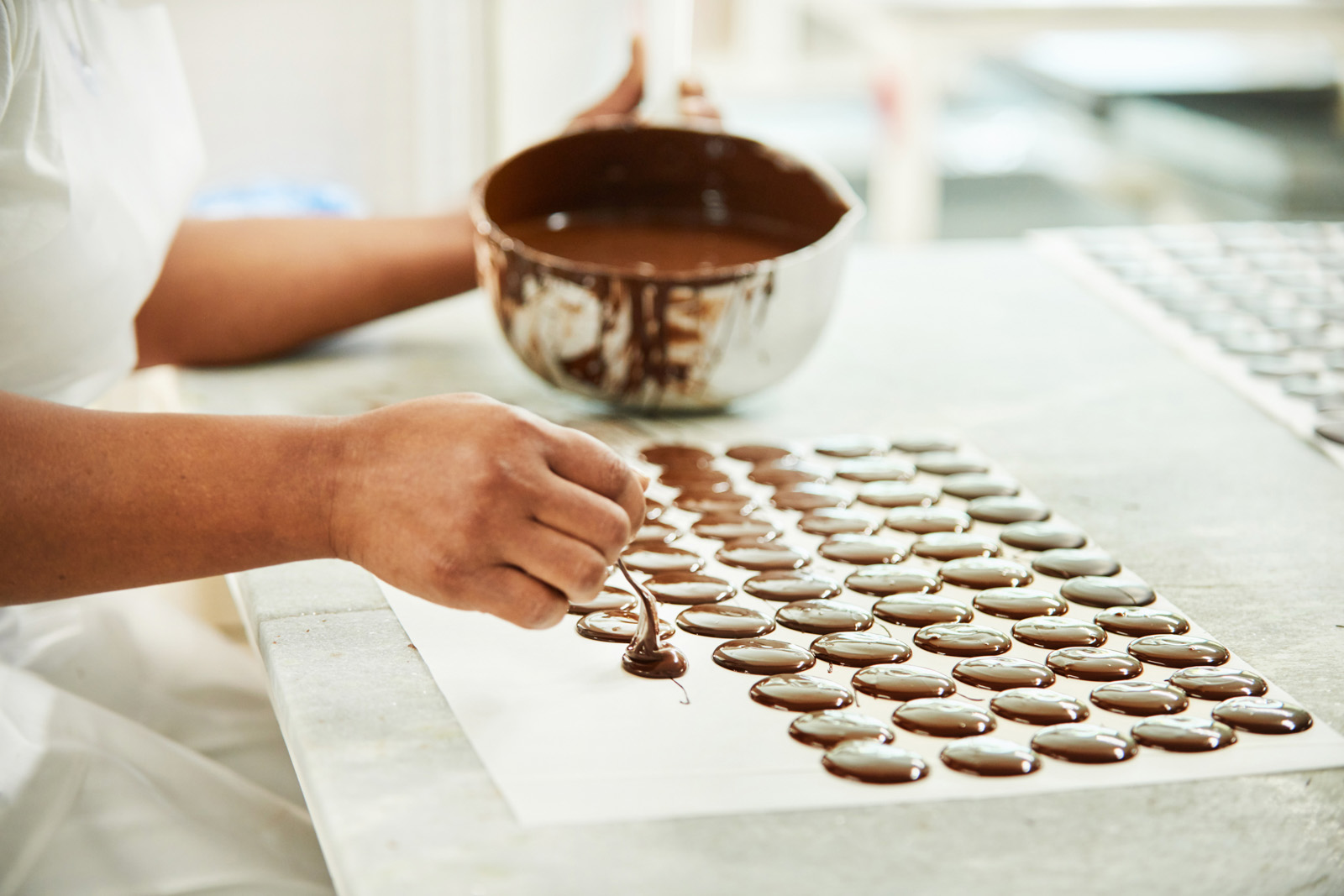
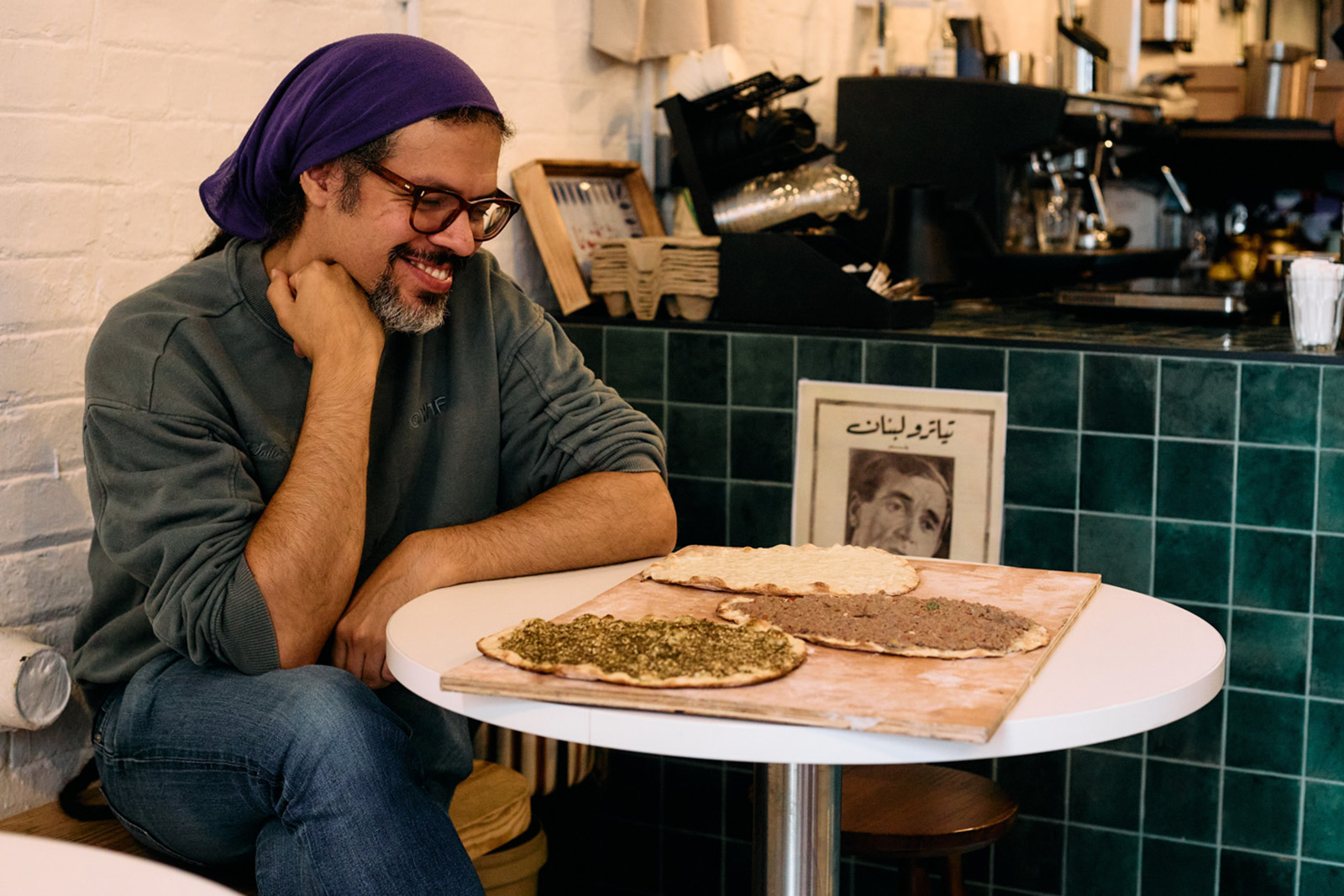
Edami, a Lebanese bakery in east London, is set back down an alley from Shacklewell Lane in Dalston. Housed in a modern building with large windows, its open-plan kitchen allows diners to see the staff and ovens at work.
Inside, the walls are adorned with old movie and concert posters, photographs, cassettes and books, and the dreamlike tones of Portishead mingle with the aroma of flour, yeast and heat.
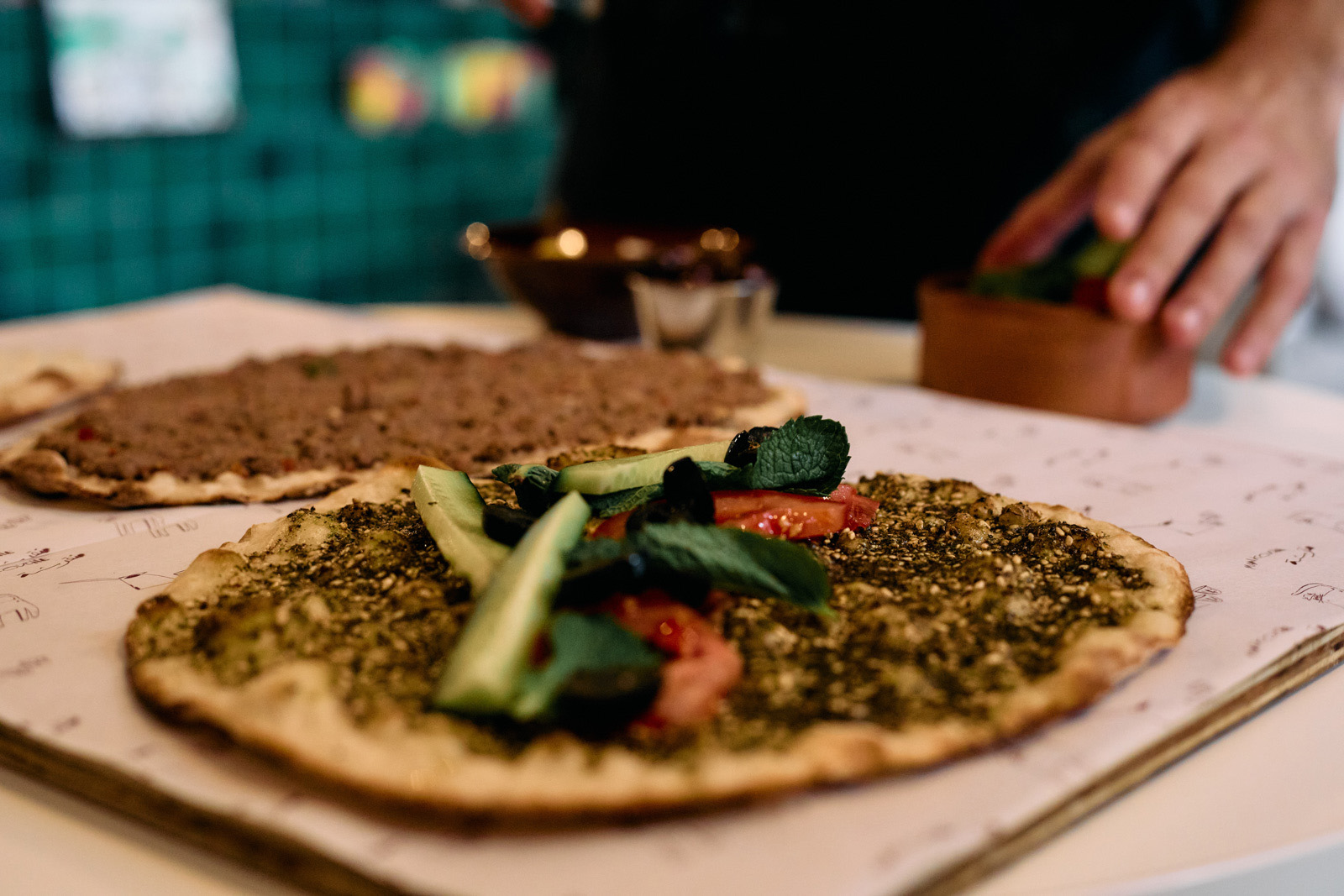
The operation opened earlier in 2026 with a mission to bring a modern take on traditional Lebanese baked goods such as fatayer and manakish, a warm and puffy Levantine flatbread baked with a variety of toppings. The most common include labneh, cheese and za’atar, a mix of dried herbs, sesame seeds, sumac and salt.
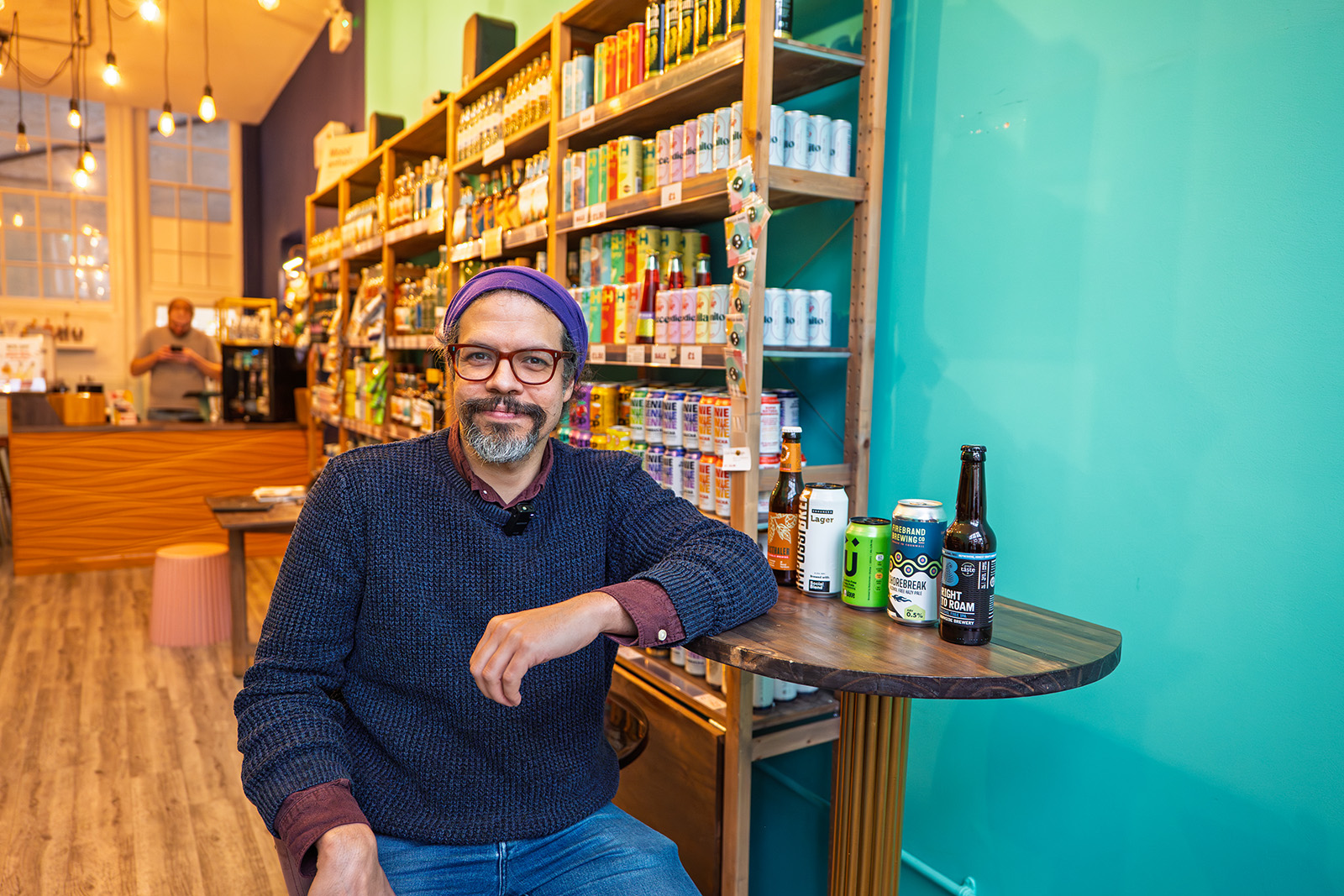
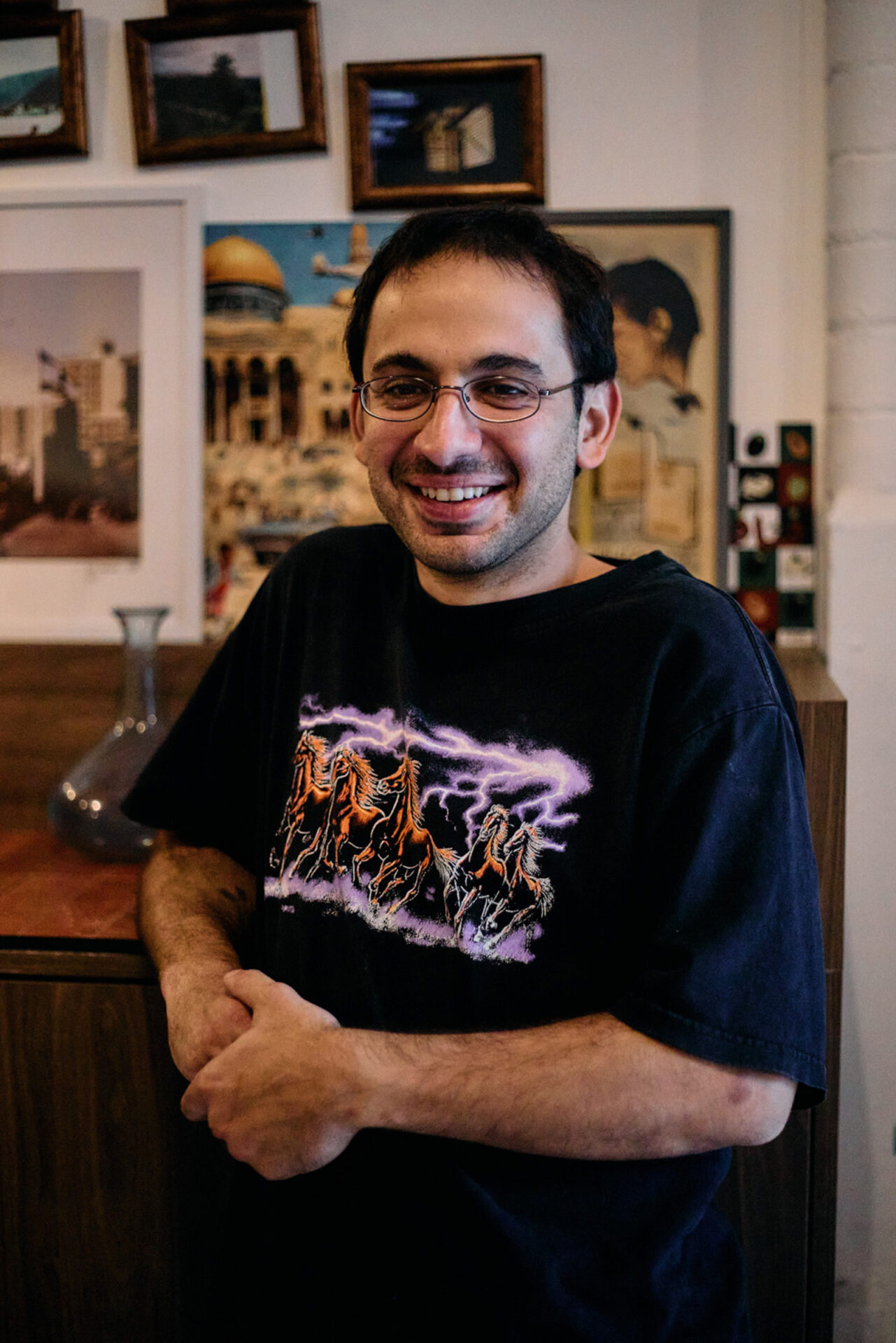
“As kids we used to eat manoushe in the morning before going to school,” says Minas Missirian. Edami co-founder was born and raised in Beirut, and comes from its historic Armenian community. Missirian was working in Berlin restaurants when his friend Adam Cherkawi asked him to move to London and come on board as a partner in the business.
I opt for the more modern “cocktail” manoushe — one half labneh and the other za’atar — at £6. It’s served on a metal dish folded and cut in two like a quesadilla, rather than rolled. Drops of olive oil escape as I bite into the salty, herby bread. -It’s possibly the best manakish I’ve had in London, and I’ve made a point of trying anywhere I see that sells them.
Missirian explains that Edami’s chosen cooking method results in a thinner, lighter manoushe (the singular form of manakish) than some traditional versions. The bakery uses an oven similar to those used for pizza, rather than a domed metal griddle known as a saj.
After my starter, I get stuck into a flight of assorted manakish — za’atar (£4.50), labneh (£6.50) and minced lamb (£7.50) — which I’m thankfully able to share with our photographer and video producer. The za’atar is served rolled with fresh salad, plus lemon and olives on the side. We each had our favourites, with mine being the minced lamb, followed by the za’atar.
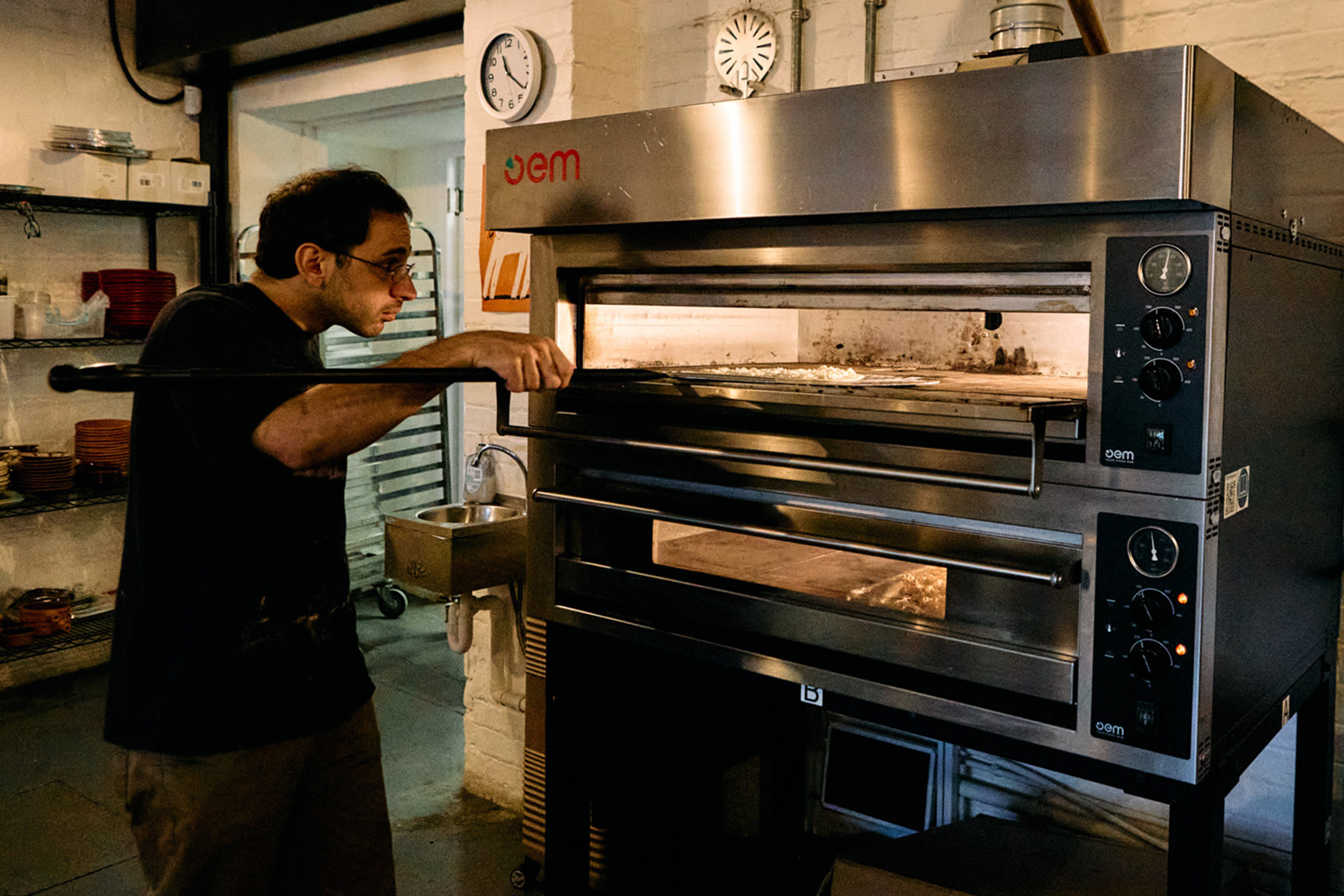
“Most of our ingredients are shipped directly from Lebanon, especially the za’atar and the olive oil from south Lebanon… and the rest we found some really good Lebanese suppliers,” Missirian says.
Lebanese dishes such as falafel, shawarma and kibbeh have long enjoyed a presence in the UK, thanks to the arrival of Lebanese immigrants fleeing the country’s civil war in the 70s and 80s. Good manakish has, however, been harder to find and Edami has finally fixed this problem, at least for east Londoners.
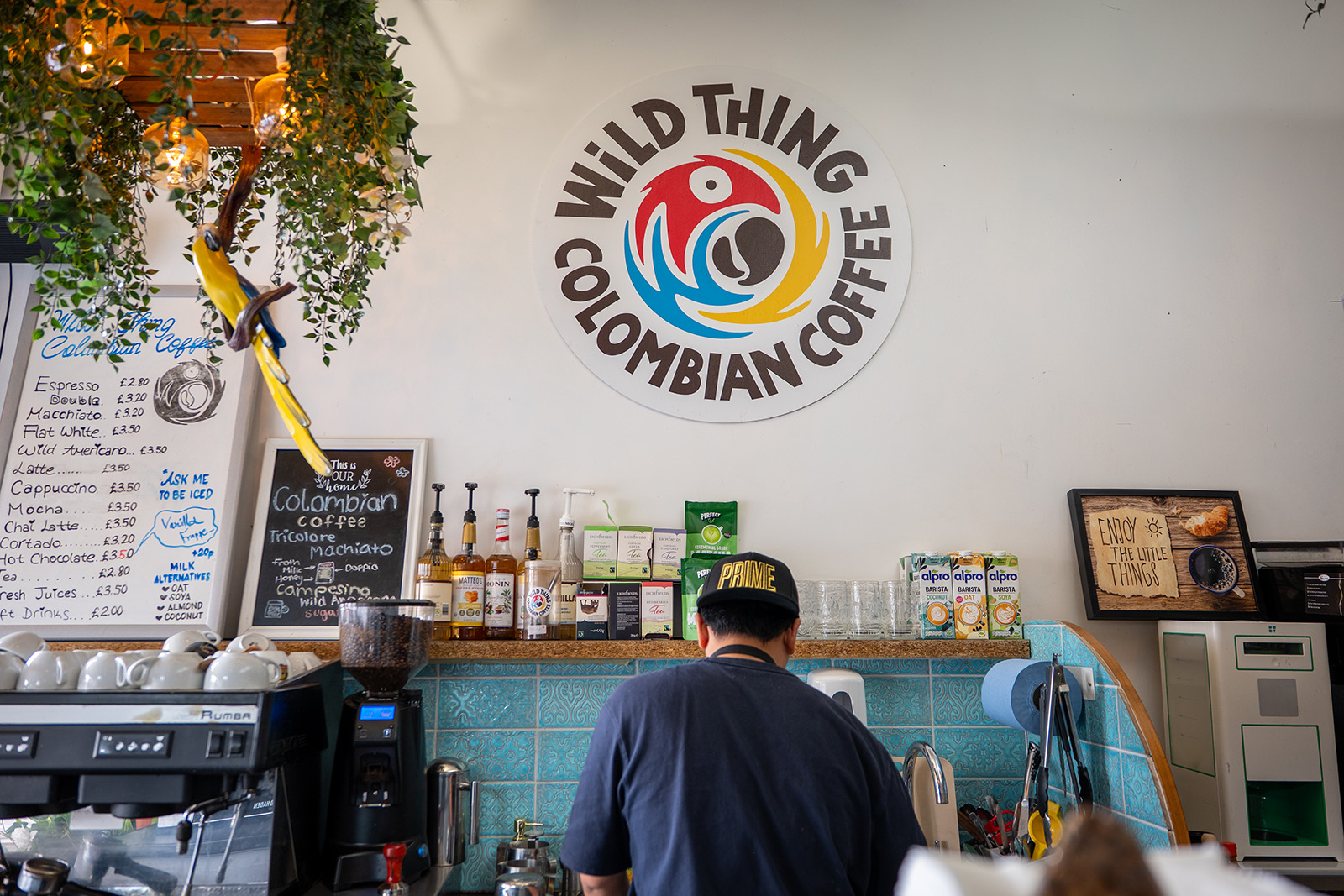
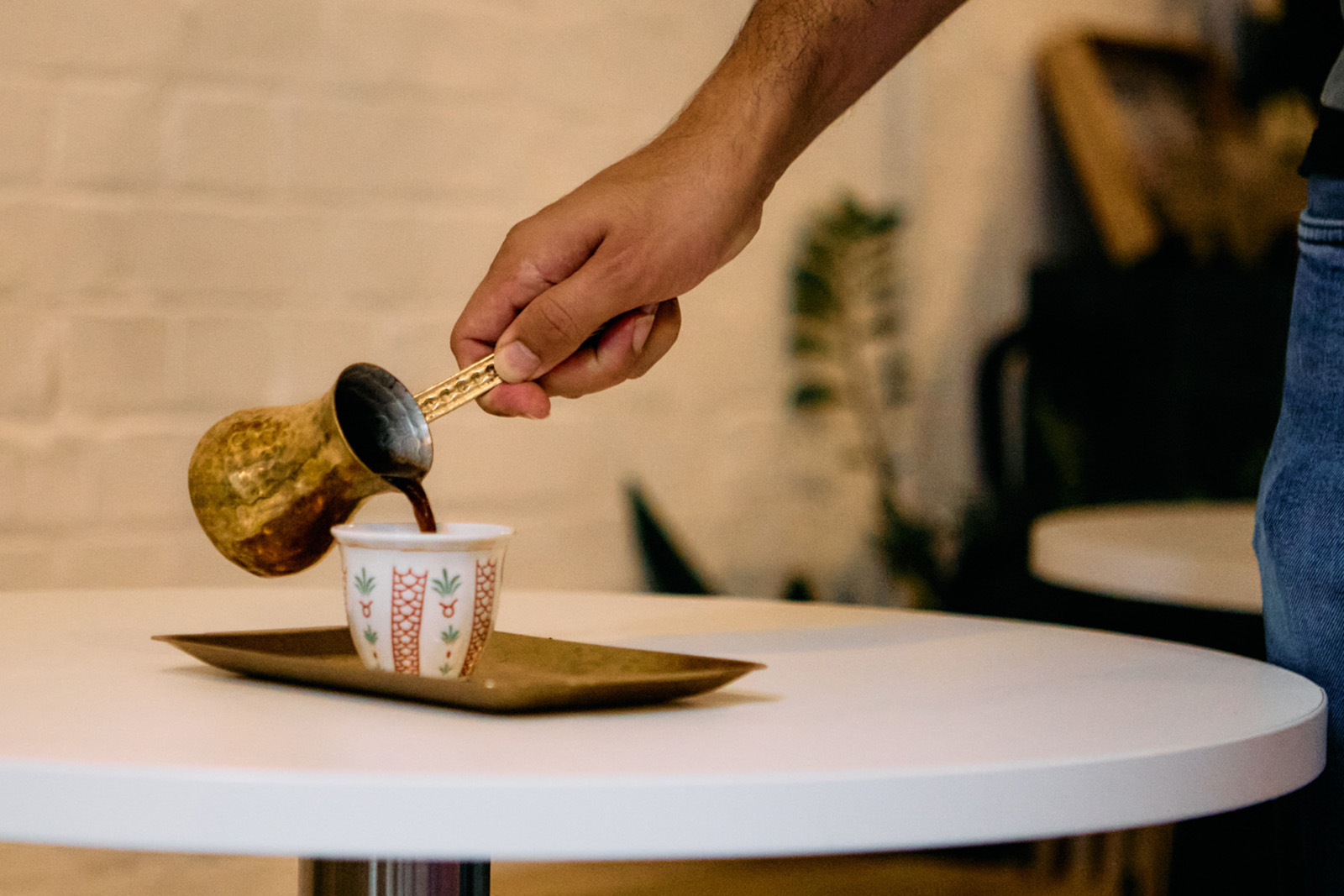
Edami also offers a range of coffee, available in both European and Levantine styles. I opt for the latter (£3.50), and pour out the thick strong brew from a long-handled rakweh pot into a small cup.
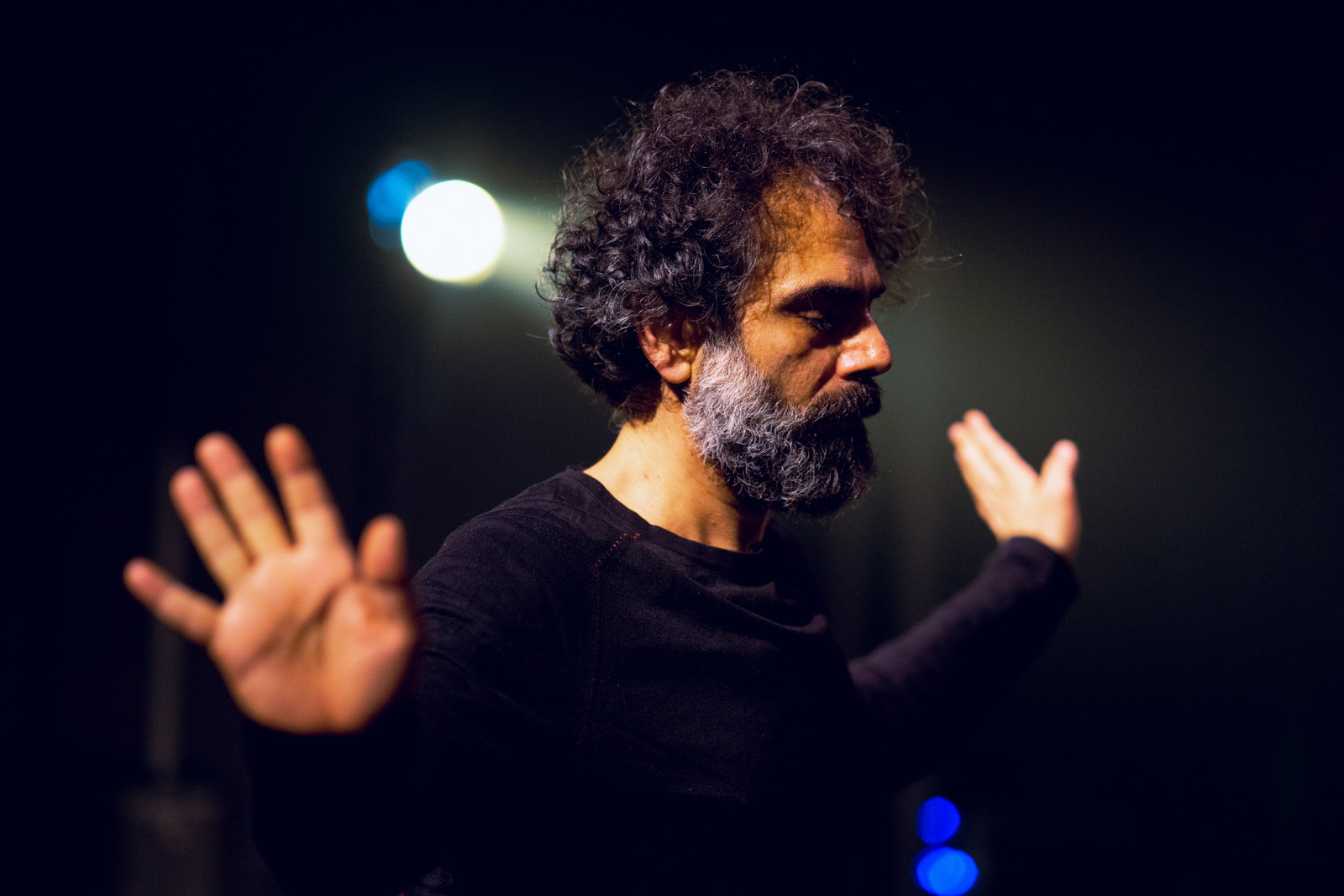
The bakery also runs community events, ranging from workshops on Palestinian tatreez embroidery, to film screenings and tawleh (backgammon) nights.
For Missirian, Edami is still a “work in progress” and he is always looking at how to improve it. He’s also planning to expand the menu options. While there’s no real limit to what toppings you can include on manakish, the secret ingredient will always be the sense of community and welcome this restaurant offers to its patrons.
“It’s my everyday food and nourishment,” says Missirian, “Lebanese, Palestinian and Syrian food are very convivial and are made to be shared with everybody.”