
‘Disneyland for food’: World Halal Food Festival returns to London
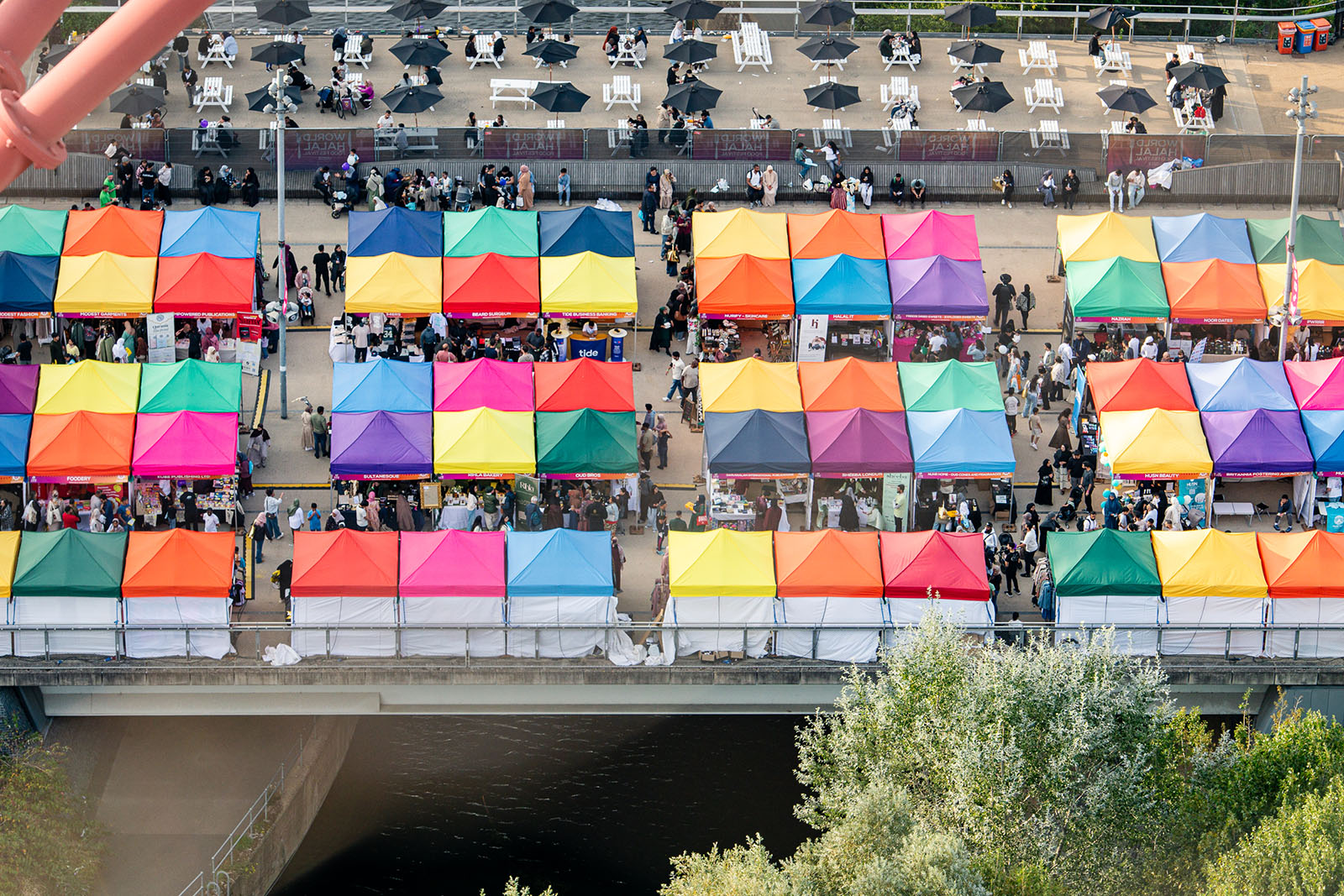
The annual event for foodies has grown from a modest affair to a stadium-filling celebration attracting tens of thousands of visitors from across Europe

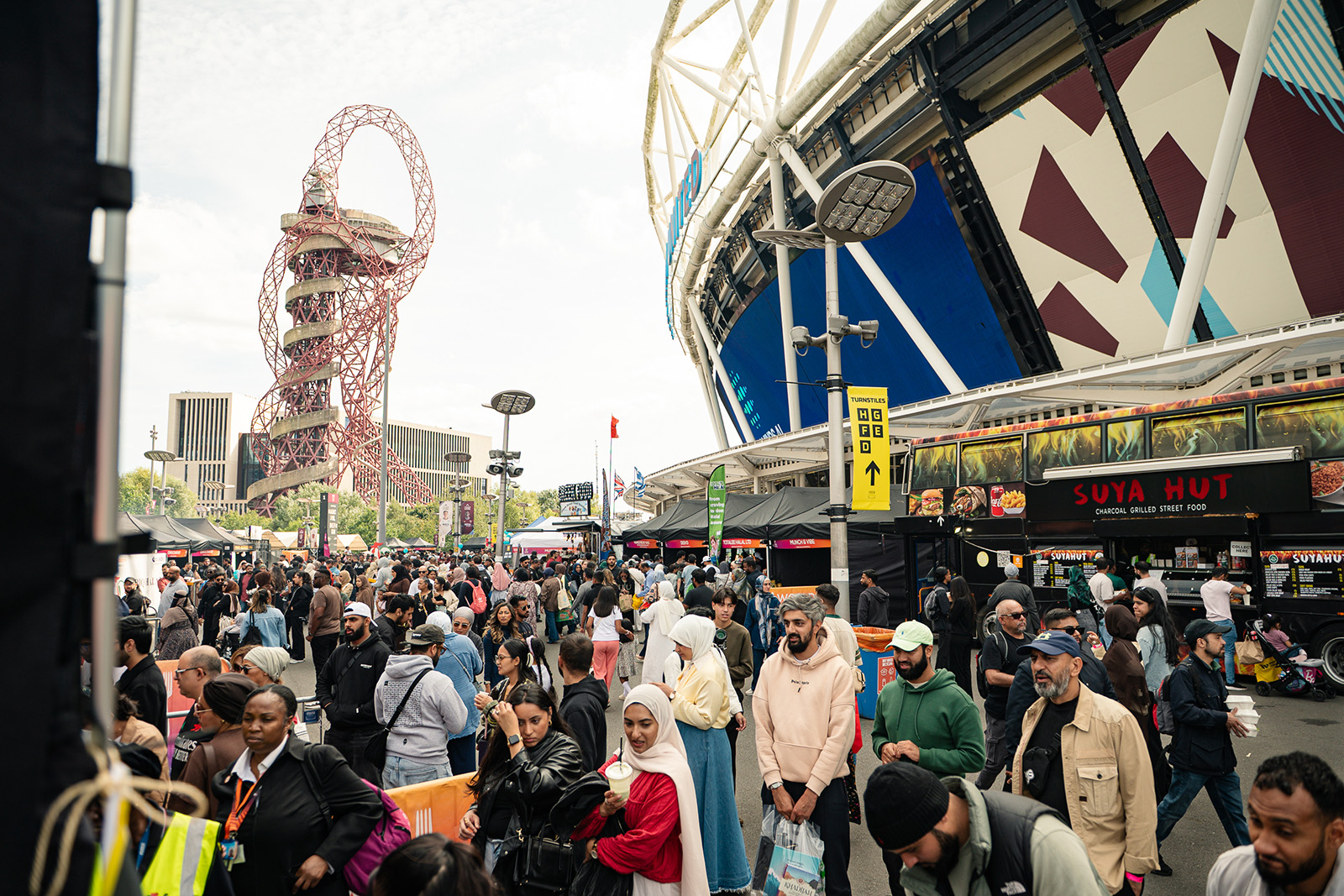
Twelve years ago, when Waleed Jahangir organised the first World Halal Food Festival in Wapping, he did not expect that the annual event would grow to fill London Stadium and attract visitors from across Europe.
“When we started we had 4,000 visitors across two days. Last year we had 20,000. We consumed 25 tonnes of meat and 19% of visitors came from Europe,” Jahangir said. “I don’t see it as my event anymore, it’s the community’s event now.”
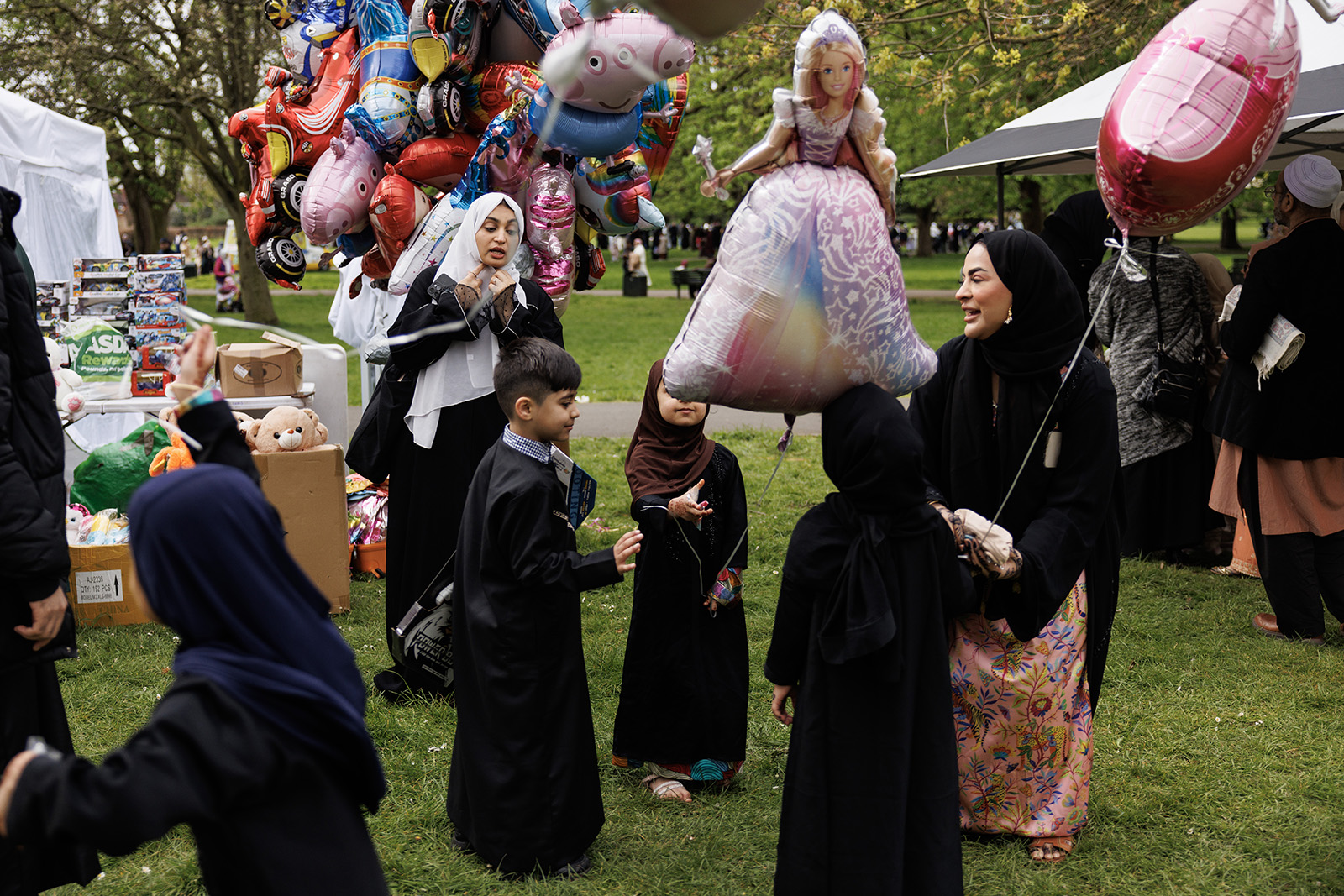
This year’s festival will take place in the Olympic Park on 26-27 September. Visitors will be able to sample halal fare from around the world and take part in live cookery classes delivered by celebrity chefs such as Shelina Permalloo, who was the first woman of colour to win Master Chef in 2012, and mingle with celebrities including the rapper and TV personality Big Zuu.
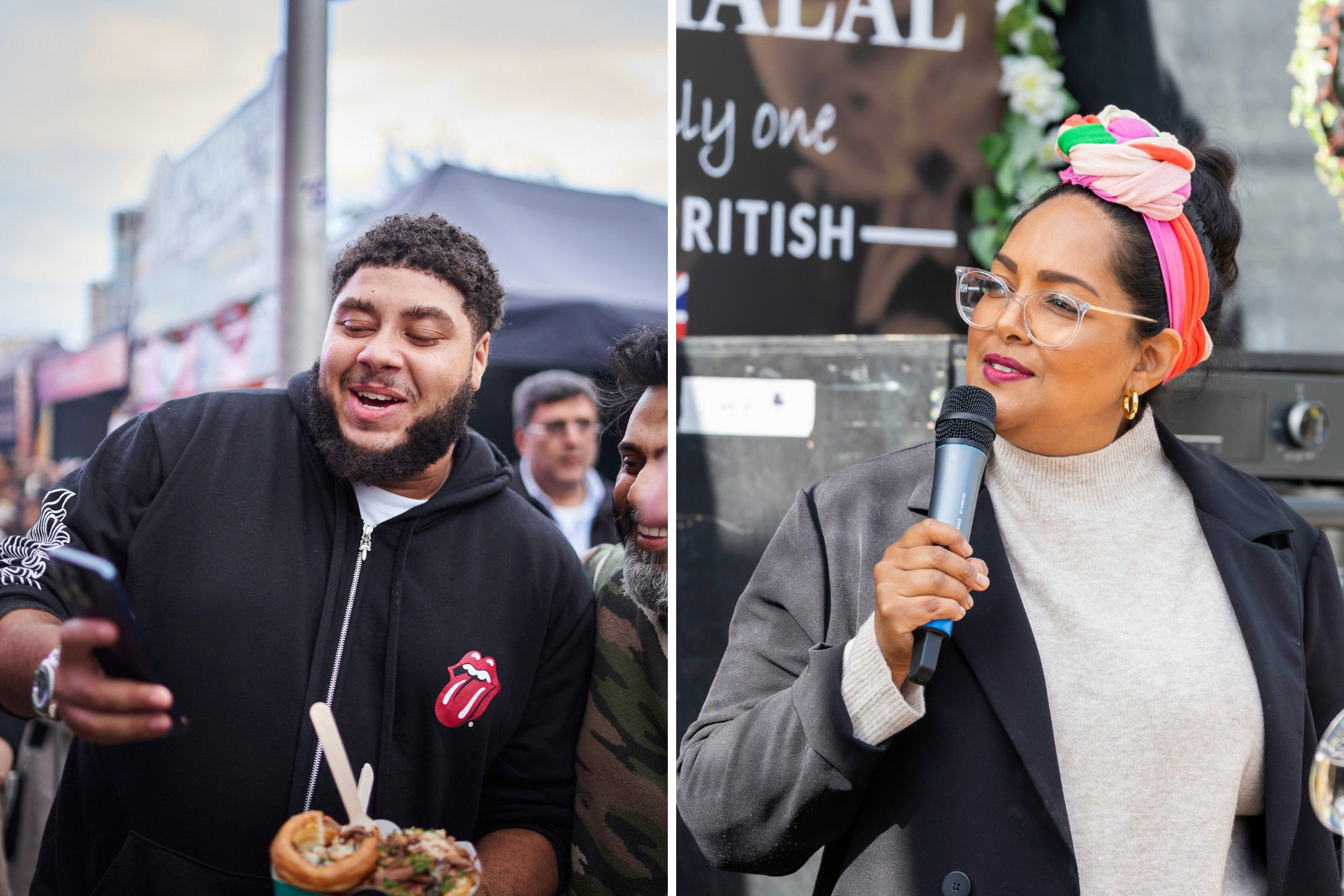
“I have been to the festival twice before. I love hospitality. It is such a beautiful place with amazing energy. You get to meet so many different people and taste food you have never tasted before,” Big Zuu said. “The desserts are always the highlight. Last year I had the best doughnuts.”
The food on offer this year will include succulent jerk chicken from the south London catering company Carty1 Caribbean, slow-cooked birria tacos from Brixton’s new Mexican spot, Taco Boom, and juicy beefburgers from Birmingham’s You Want Beef? burger chain.
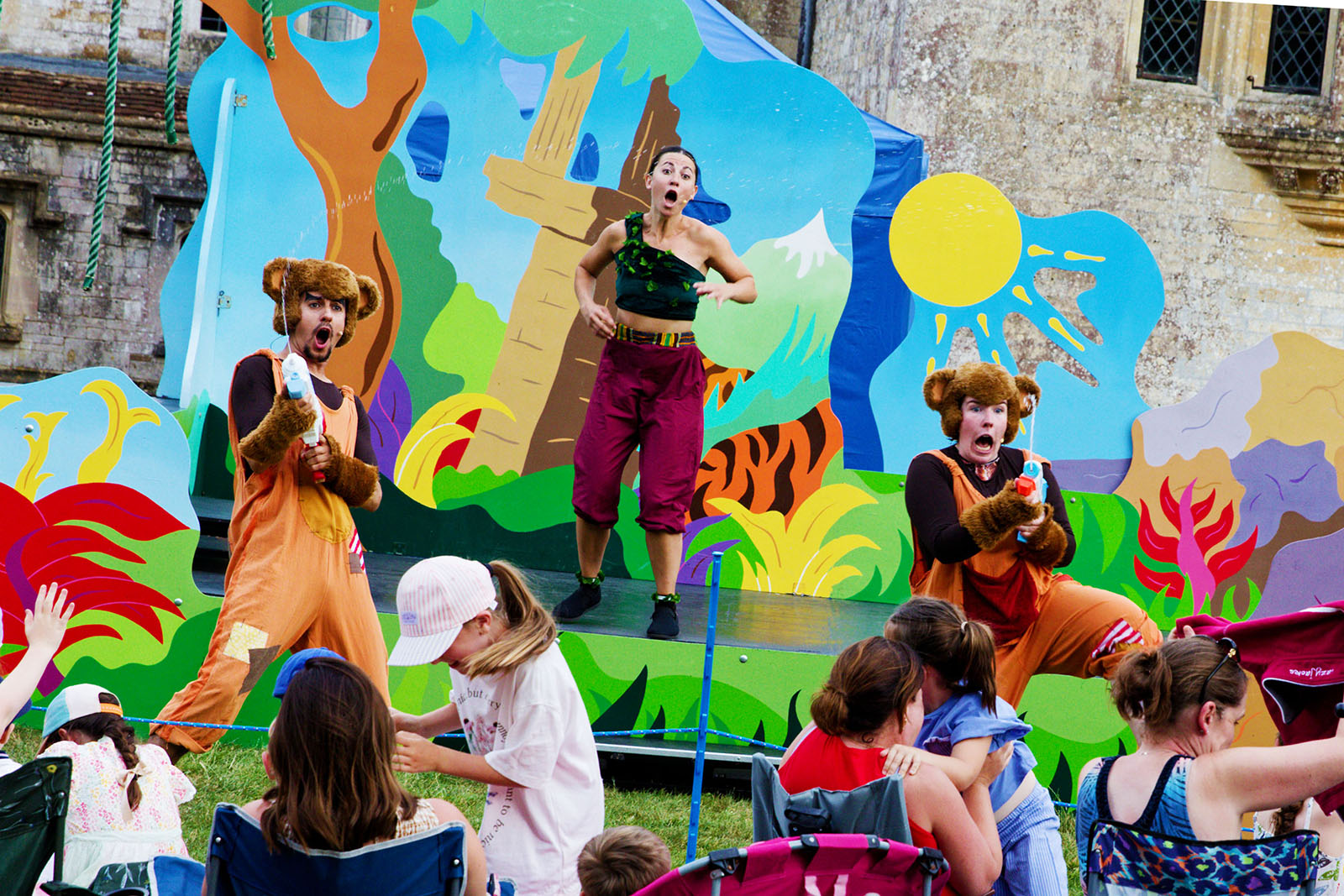
Additional attractions this year will include halal speed dating organised by the Muslim matchmaking app Salams as well as funfair rides, free for under-1,s, and live qawwali and Bollywood music. Visitors can also browse the best artisanal oud fragrances, halal skincare and ha– embroidered accessories and more at an on-site bazaar.
“What we wanted to build is a Disneyland for food,” said Jahangir. “Because we think our community deserves something better than a mela in a community town hall. We want to build something bigger and better.”
Jahangir said that the original spark for the festival was his frustration at the lack of diverse halal food options for many Muslims.
“When we started, the halal food availability was just not there,” he said. “Depending where you lived, you might have to trave an hour to get the halal cuisine you wanted, while a non-Muslim could just walk out on to the high street and have a range of options.”
“Back in the day if you wanted halal, it was mostly the cuisines from Muslim cultures,” Big Zuu added. “Lots of pizza places have now started doing halal pepperoni; Korean barbecues, even if they are not halal-certified, will usually have halal chicken. A lot has changed in the past ten years.”
As the festival grew it also began to play a more important economic role, becoming an annual go-to product sourcing destination for large conglomerates and smaller specialty shops. Today it is both a family day out for foodies and a trade show for halal food producers and buyers.
“We have buyers from Tesco, Sainsbury’s and Ocado attending, looking for the next product,” said Jahangir. “Tariq Halal Meats, who had been with us from the beginning, actually got their first distribution deal with Sainsbury’s after exhibiting at our festival.”
The festival now attracts a number of large brands seeking to expand into the halal market, currently worth around £70bn annually in the UK.
“This year we have Red Bull, Lola’s Cupcakes and Qualiko chicken, as well as more non-Muslim caterers who are looking to cater for the Muslim community because they recognise the market value of Muslim consumers,” he said. “Ten years ago there was no such thing as a Ramadan aisle in a supermarket. No mainstream brand makes a decision like that and changes their supply network unless there’s a demand for it.”
Qualiko, this year’s festival sponsor, is the export brand of the Ukrainian food company MHP, which was ranked as Europe’s largest poultry producer in 2025. The company moved to halal slaughter in 2020.
Jahangir thinks that the small businesses that make up the bulk of halal producers in the UK should not worry about competition from international conglomerates. “They will either buy out the small manufacturer, which is a good thing, or they will buy their product to sell,” he said.
However, he worries that the growing interest of large businesses in halal products is starting to outpace the capacity of existing boutique halal manufacturers.
“A lot of existing halal manufacturers are bedroom businesses. They don’t have the experience to deal with large chains,” he said.
After more than a decade running the festival, Jahangir sees the halal market entering a new era. “The purpose of the festival was always to elevate,” he said. “As a community, we need to aim higher and provide bigger and better.”