Muslims have been spicing up their coffee for centuries
Don’t fall prey to the pumpkin spice latte when you can have a drink with more flavour, more culture and more history

After a long, hot and dry summer, we can hopefully settle into a cosy autumn featuring damp weather, thick socks and body-warming jumpers. That also means we’re solidly into pumpkin spice latte (or “PSL”, apparently…) season.
The ubiquitous PSL was invented in 2003 by the global coffee behemoth Starbucks. Top scientists applied their brains to creating a new drink with all the flavours of an American-style pumpkin pie: cinnamon, cloves and nutmeg and a metric shedload of sugar. No actual pumpkin was harmed in the process until 2015, when its exclusion from the recipe prompted an early example of collective internet insanity and Starbucks added it to the ingredients list.
While Europeans sweetened coffee with sugar in the 18th century and chocolate started to be added in the 19th, it wasn’t until the 1990s that the idea of adding other flavours took off in the US, giving us syrupy shots of vanilla, almond and caramel.
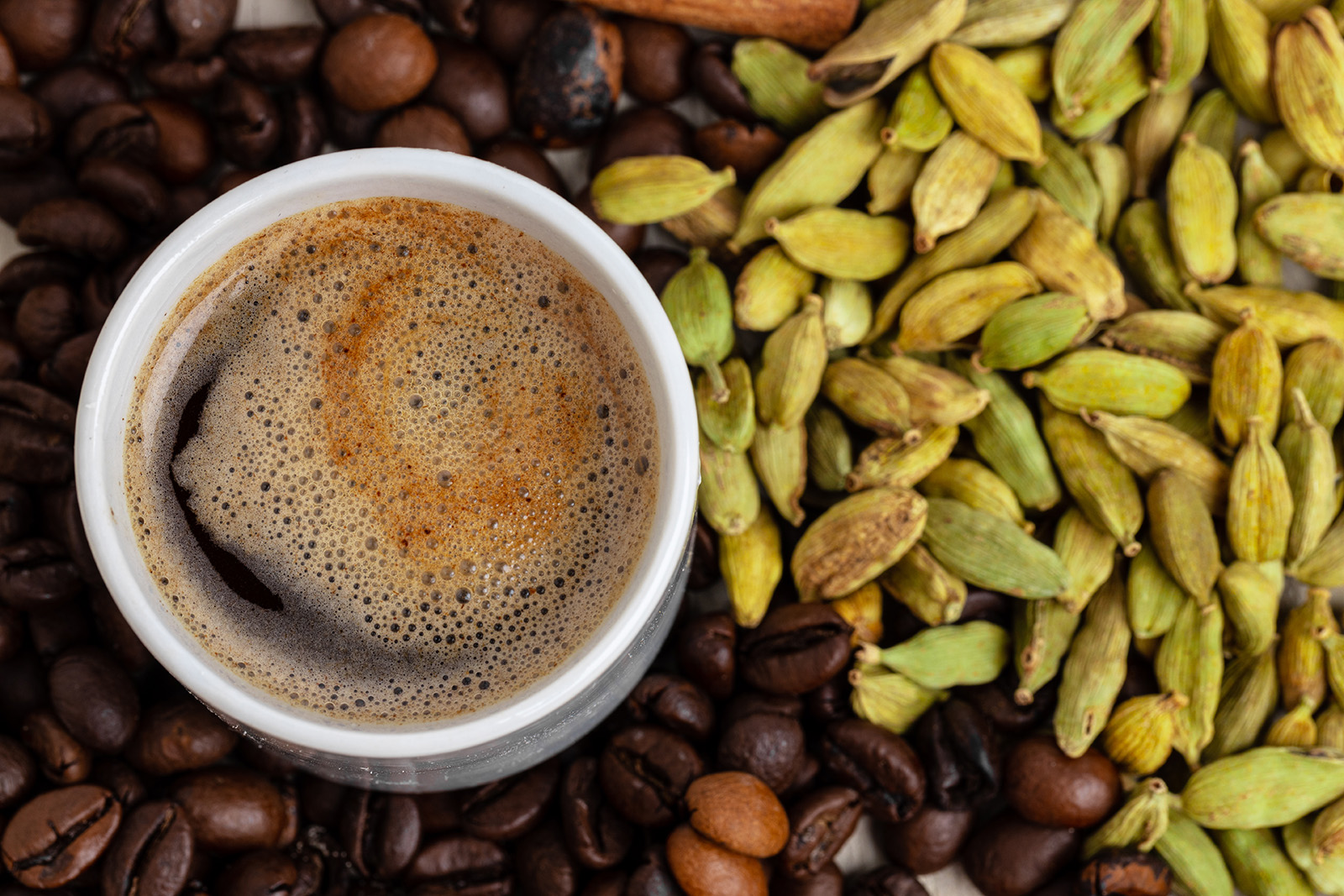
The art of adding spices to coffee was, however, first practised and, arguably, perfected in the Muslim world. Here are a few examples of how to elevate your caffeine fix without putting yourself at risk of type 2 diabetes.
Kahawa
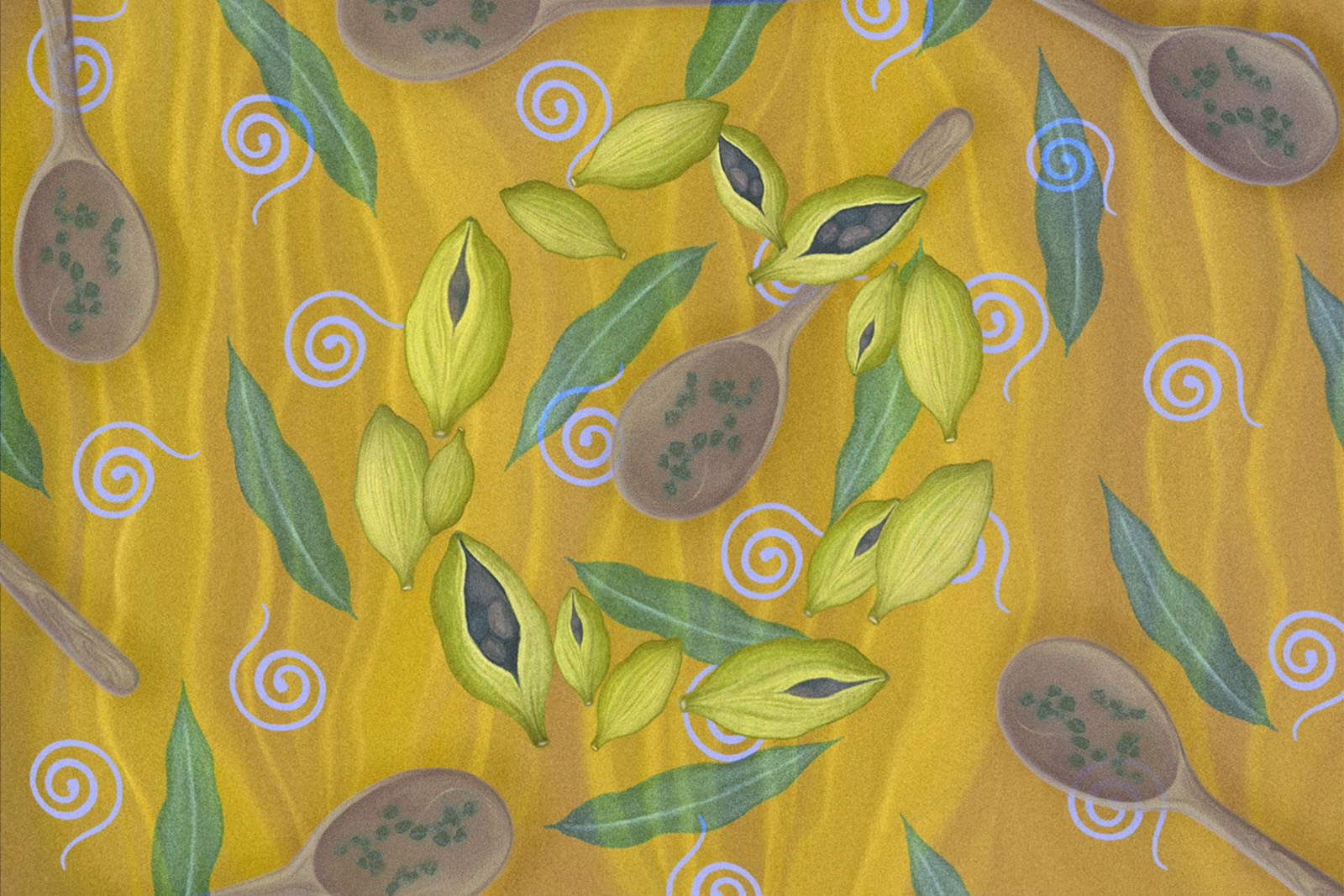
This style of coffee hails from the Swahili coast of east Africa. Ginger and cardamom are boiled in water in a pot, then finely ground coffee and sugar is added. Once the blend has reached a boil, it is poured into small, delicate cups. A bitter version named chungu also includes cinnamon, cloves and nutmeg, and allegedly has aphrodisiac properties.
Moroccan coffee
A supporting player to the country’s glorious mint tea, coffee in Morocco is ground with spices including cinnamon, cardamom, cloves, nutmeg and, for the adventurous, black pepper. The spices are blended in with ground coffee before brewing. Unlike in much of the Muslim world, milk is regularly added to this fragrant drink.
Masala coffee
This South Asian recipe applies the rich flavours and preparation methods of chai to coffee. In south India, cardamom seeds, cinnamon, ginger slices and cloves are roughly ground, then boiled in water. Ground coffee is added to the brew and, once boiled, the mixture is filtered. Milk is warmed separately with jaggery — unrefined cane or palm sugar — and then added. North Indian variants use a higher milk-to-coffee ratio and often add condensed milk, rather than jaggery, for sweetness.
Arabic coffee
Originally from Yemen, this drink draws on the history and traditions of the nomadic peoples who lived and traded across the Arabian peninsula. Water is warmed in a pot and sugar added. Heaped spoons of ground coffee and cardamom come next. The pot is brought to a rapid boil, then lifted off and the foam stirred down. That process is repeated until the foam dissipates. The pot is covered and left to sit for two minutes to allow the grounds to settle, then poured into small cups. It’s a punchy brew, perfect for getting you going in the morning or rounding off a meal.