
Photo essay: Aman Alam’s Ozymandias
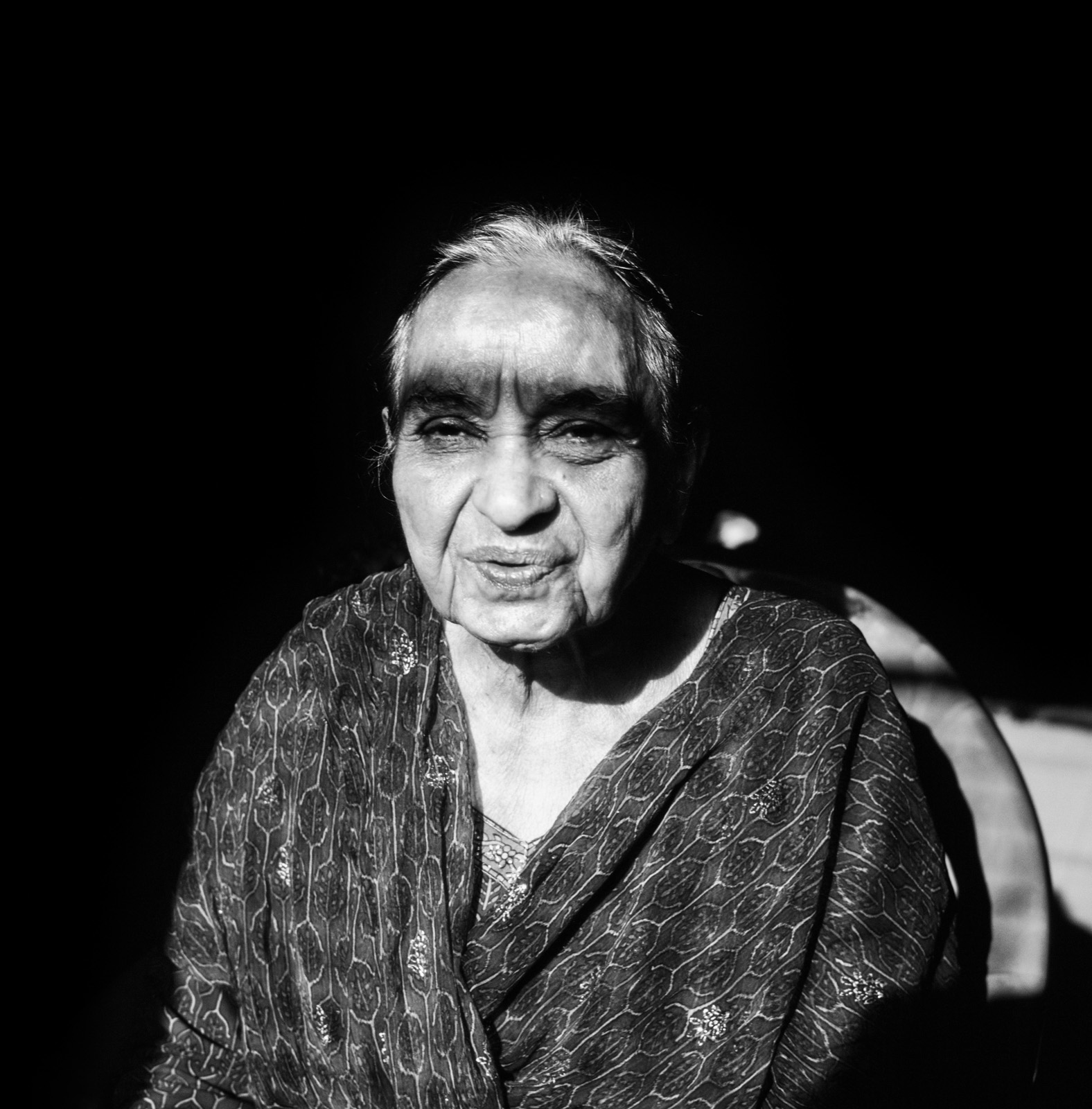
A poignant and disorienting meditation on time, truth and the devastating toll of dementia

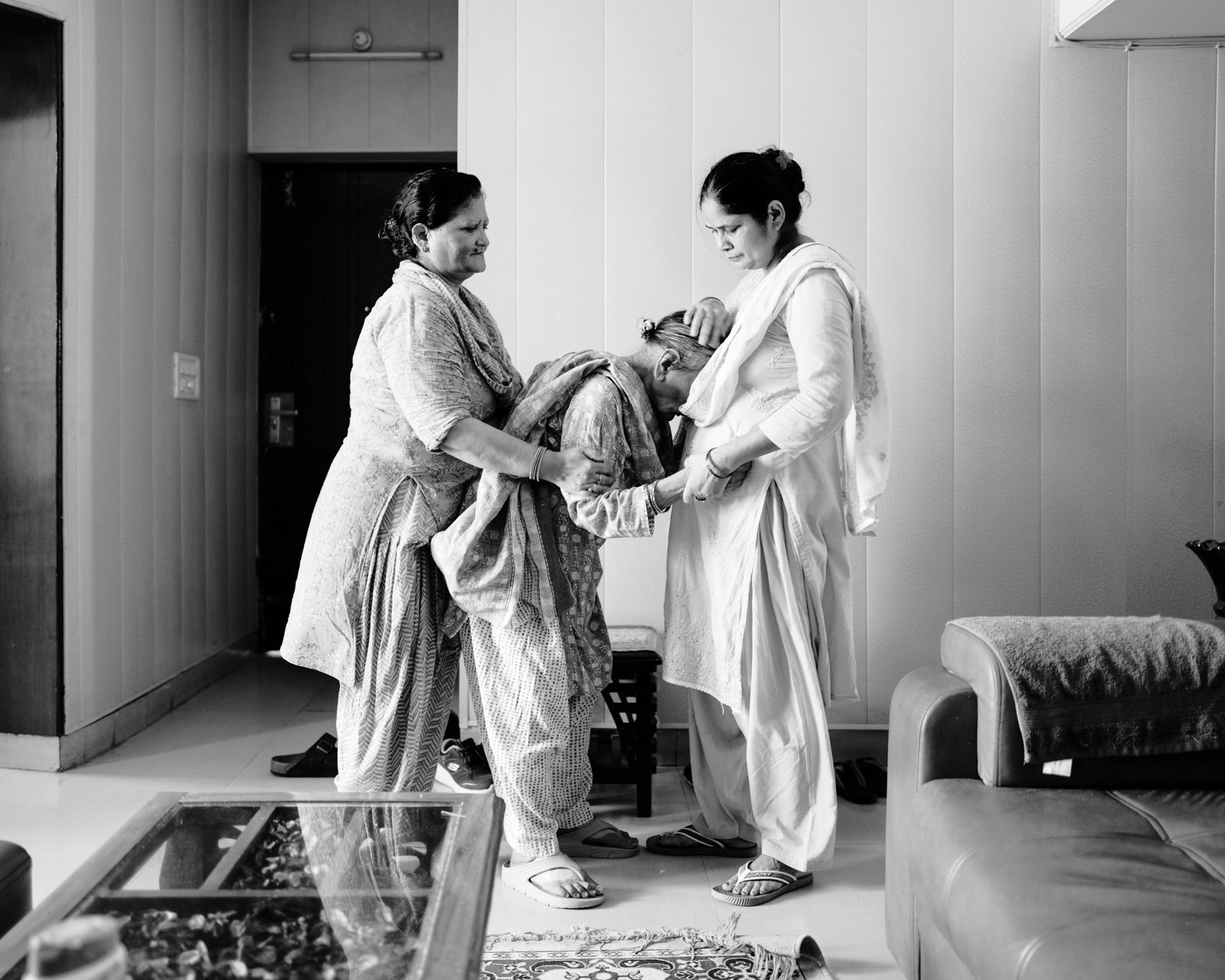
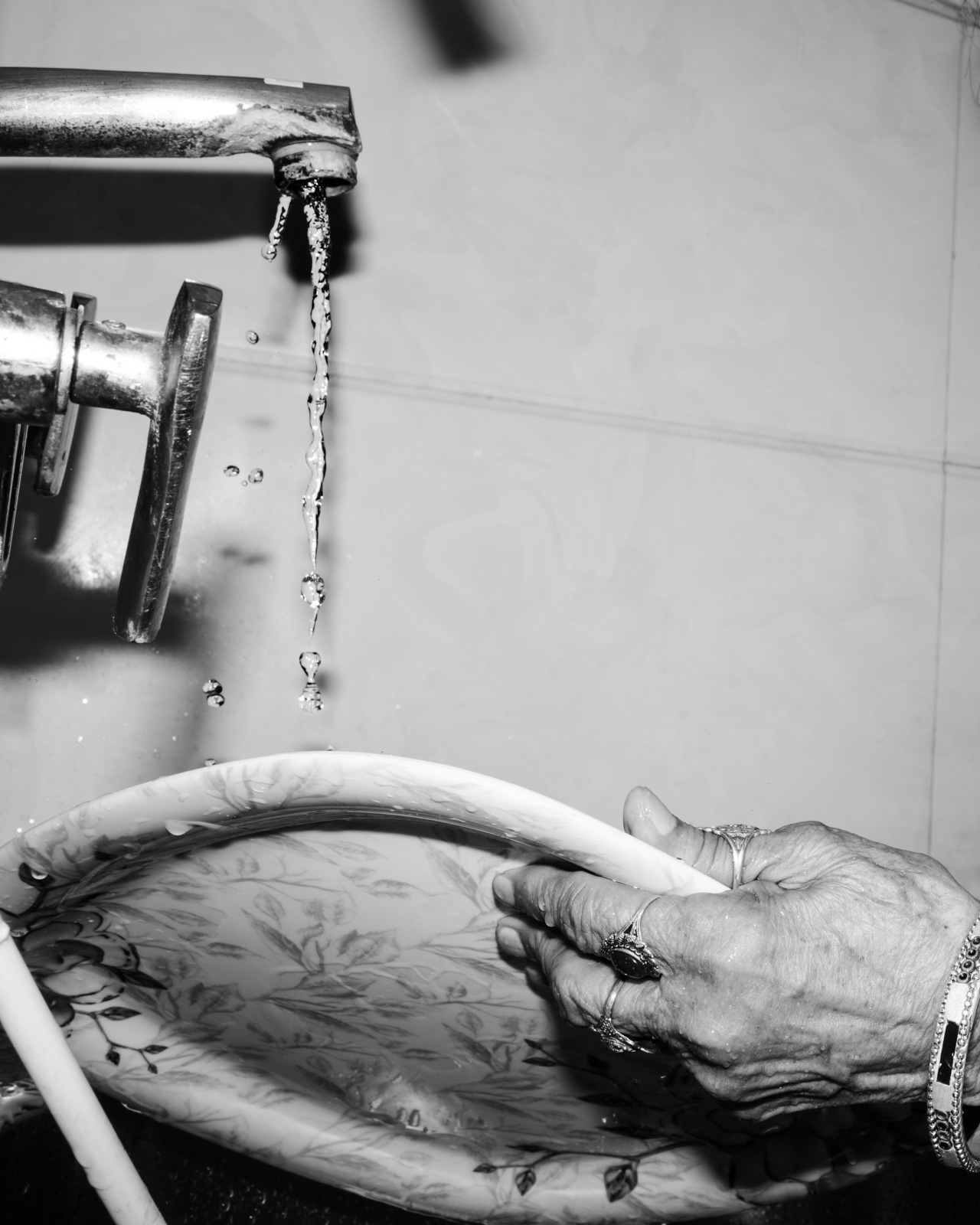
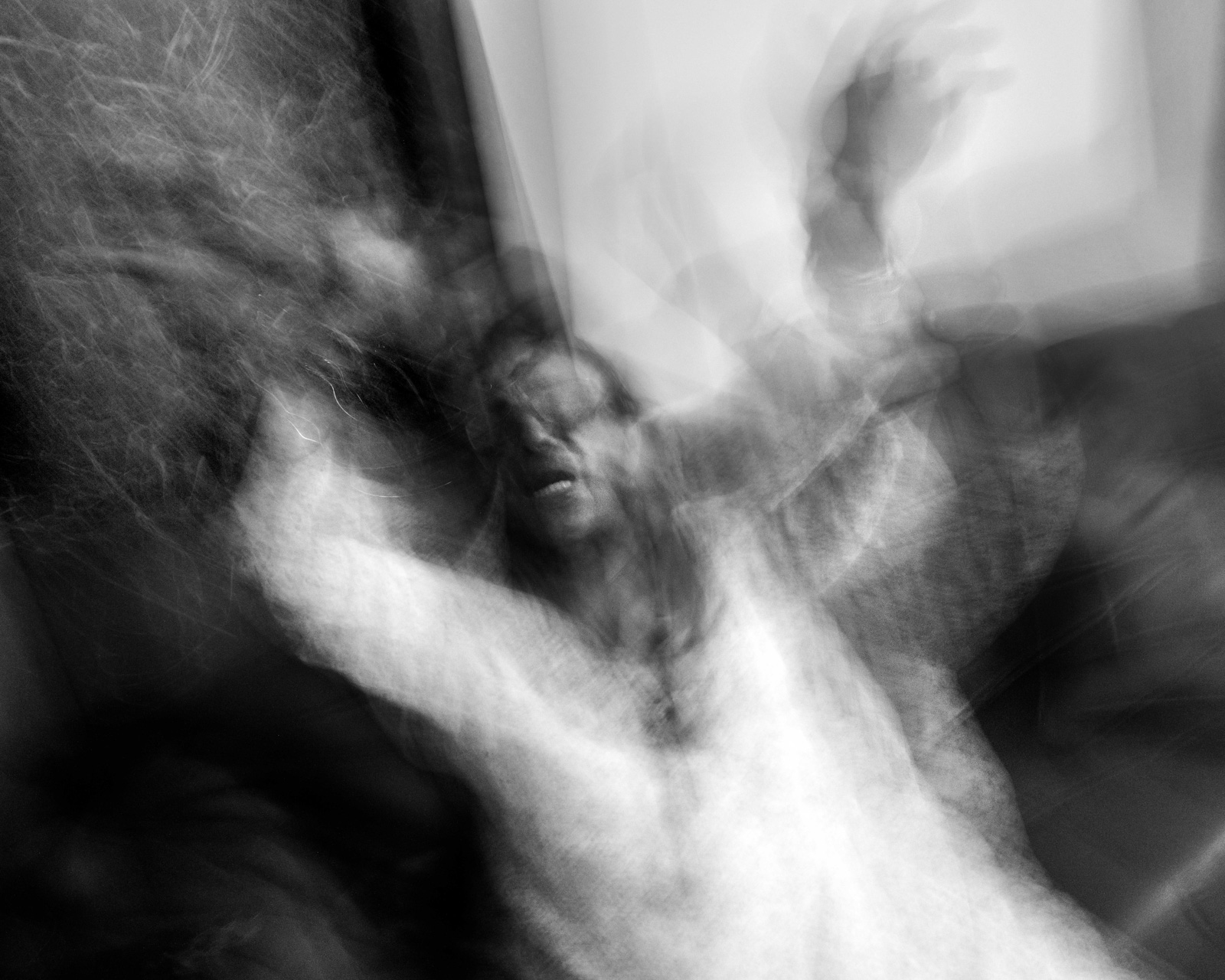
To view the images that make up Aman Alam’s Ozymandias is to feel both disoriented and deeply moved. From 2020 on, the Indian photographer photographed his grandmother, Naseem, as she lived with Alzheimer’s disease.
The resulting series, Ozymandias, currently showing at the French photography festival Les Rencontres d’Arles, is both a tribute to Naseem and an intimate record of caregiving and loss.
Related content
Alam, 32, who lives and works between Bengaluru and Kolkata, began making the photographs while he and his mother shared responsibility for her care. What began as a way for Alam to cope with the overwhelming experience of watching her health deteriorate gradually developed into a larger body of work.
Remembering his grandmother, who died in April, he says: “She was always a larger-than-life figure. She was a college professor. She was a college principal after that. Whenever we used to go back home, me and my mum, during the summers, and we would meet her, it always just felt like I was in awe.”
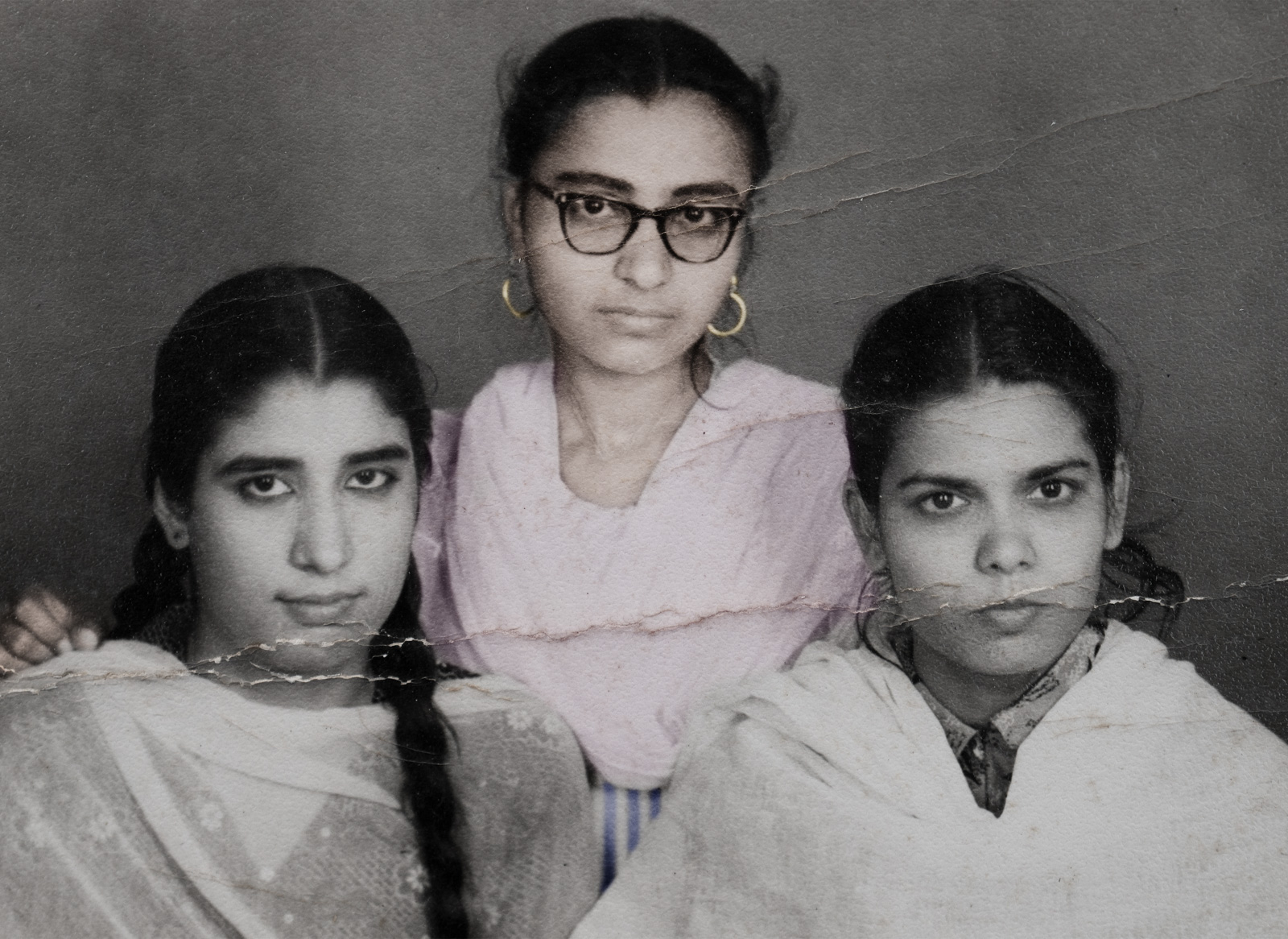
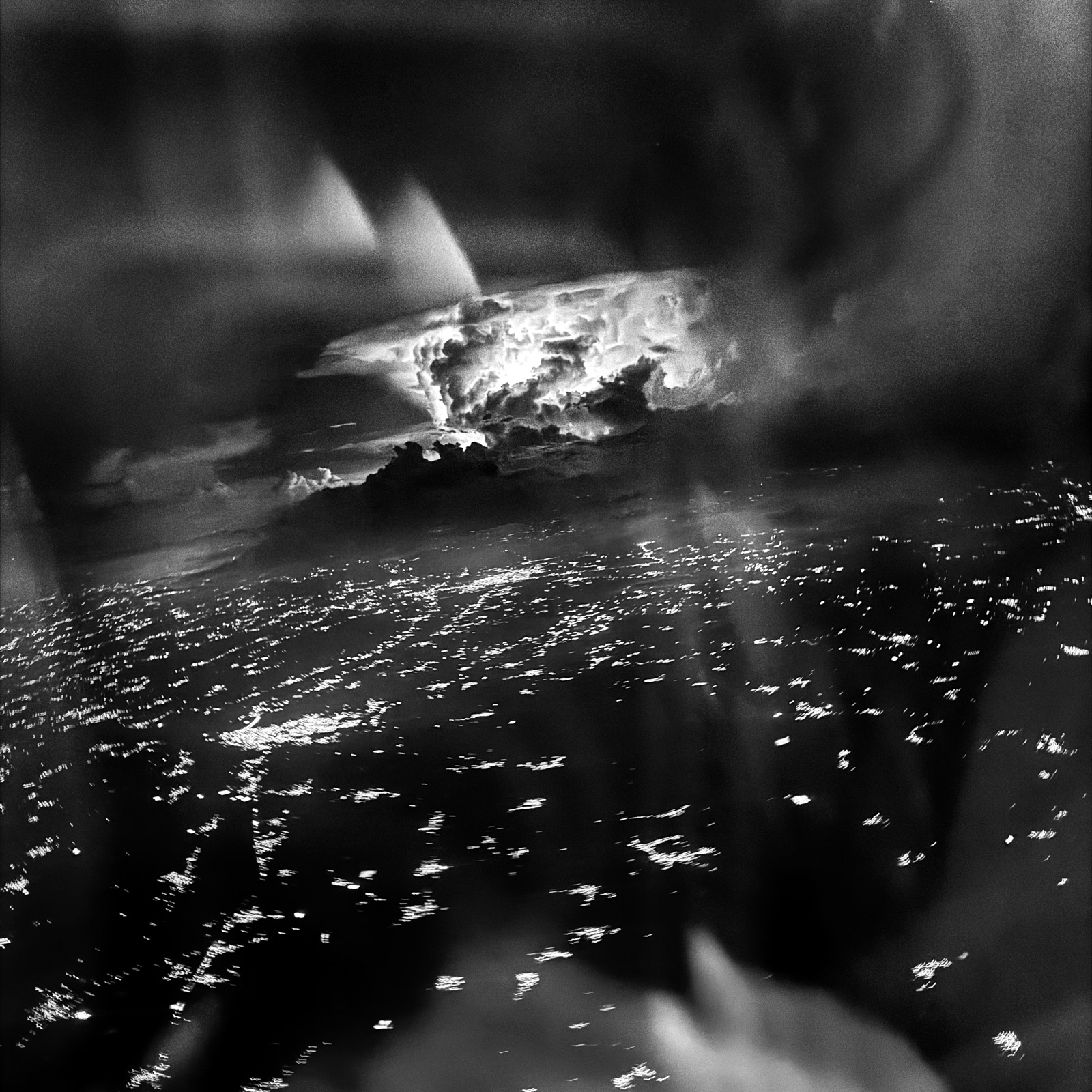
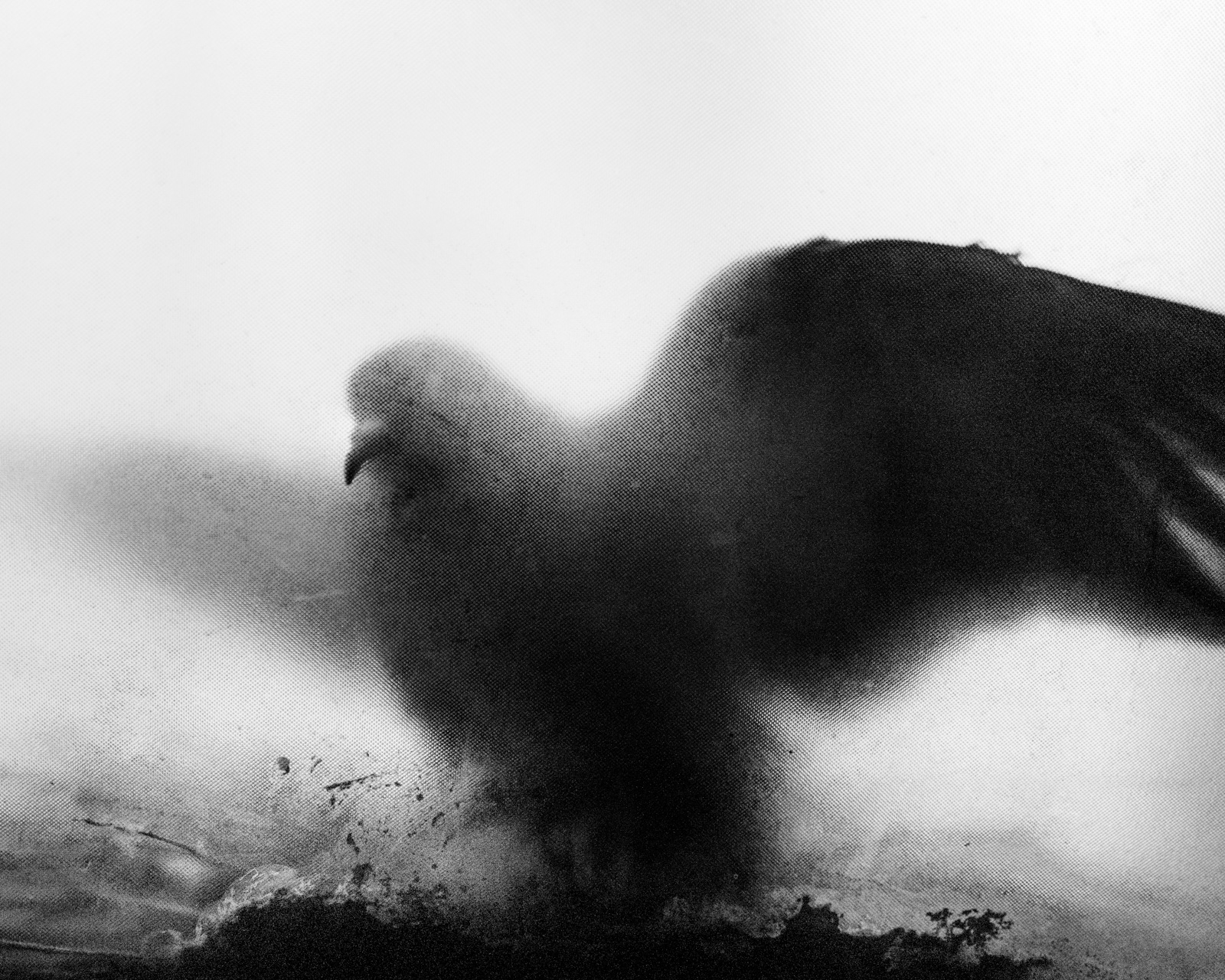
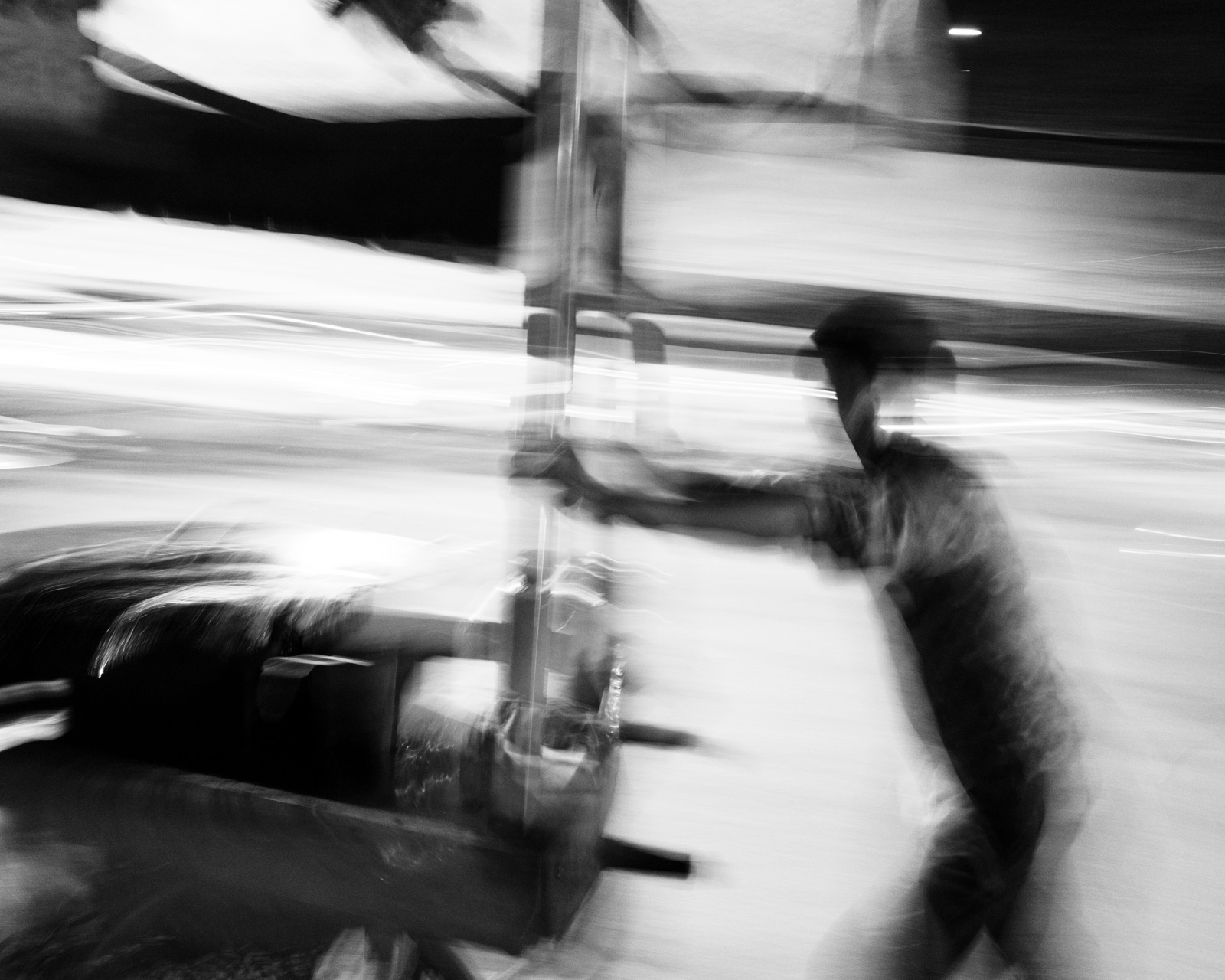
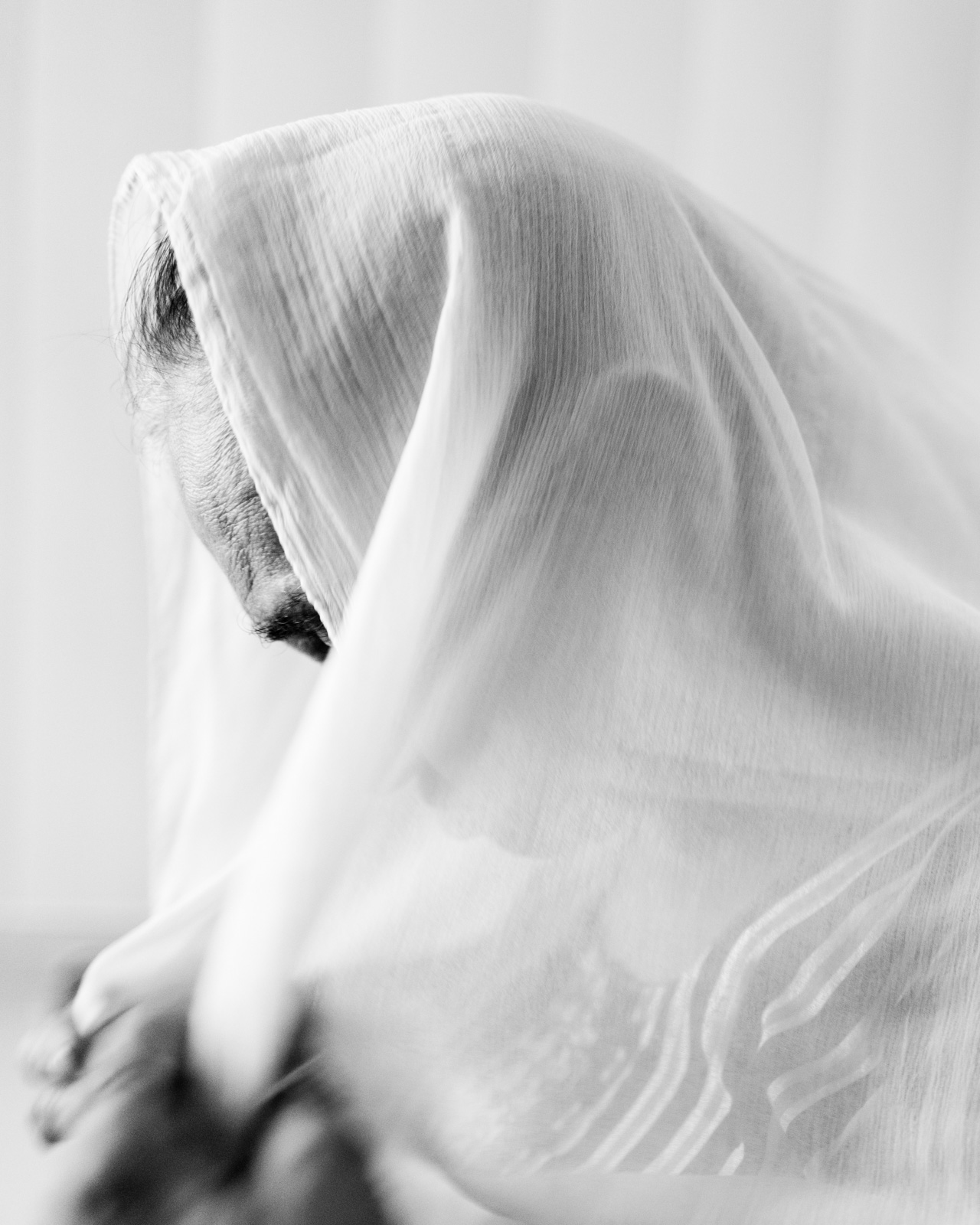
Alam’s poignant black and white photographs whirl and refuse to stay still. Time shifts within the project, moving between his grandmother as a young woman and in her later years, in a hospital bed, her family caring for her.
Alam allows the viewer to take from his work what they will, resisting the idea of a single version of truth. “I started out with photojournalism and very hardcore documentary photography stuff, where it was very important to stick to what the so-called truth is when you put work out,” he says.
He took a completely different approach to this project.
“I think over the past four or five years, dealing with how things have been with my grandmother’s health and the rest of things in life, I’ve sort of changed… where I just feel that a photograph does not really hold truth,” Alam says. “It does not hold objective truth, at least. And maybe, to an extent, that there is no objective truth. Everything is just what we make of it, our perspective of it.”
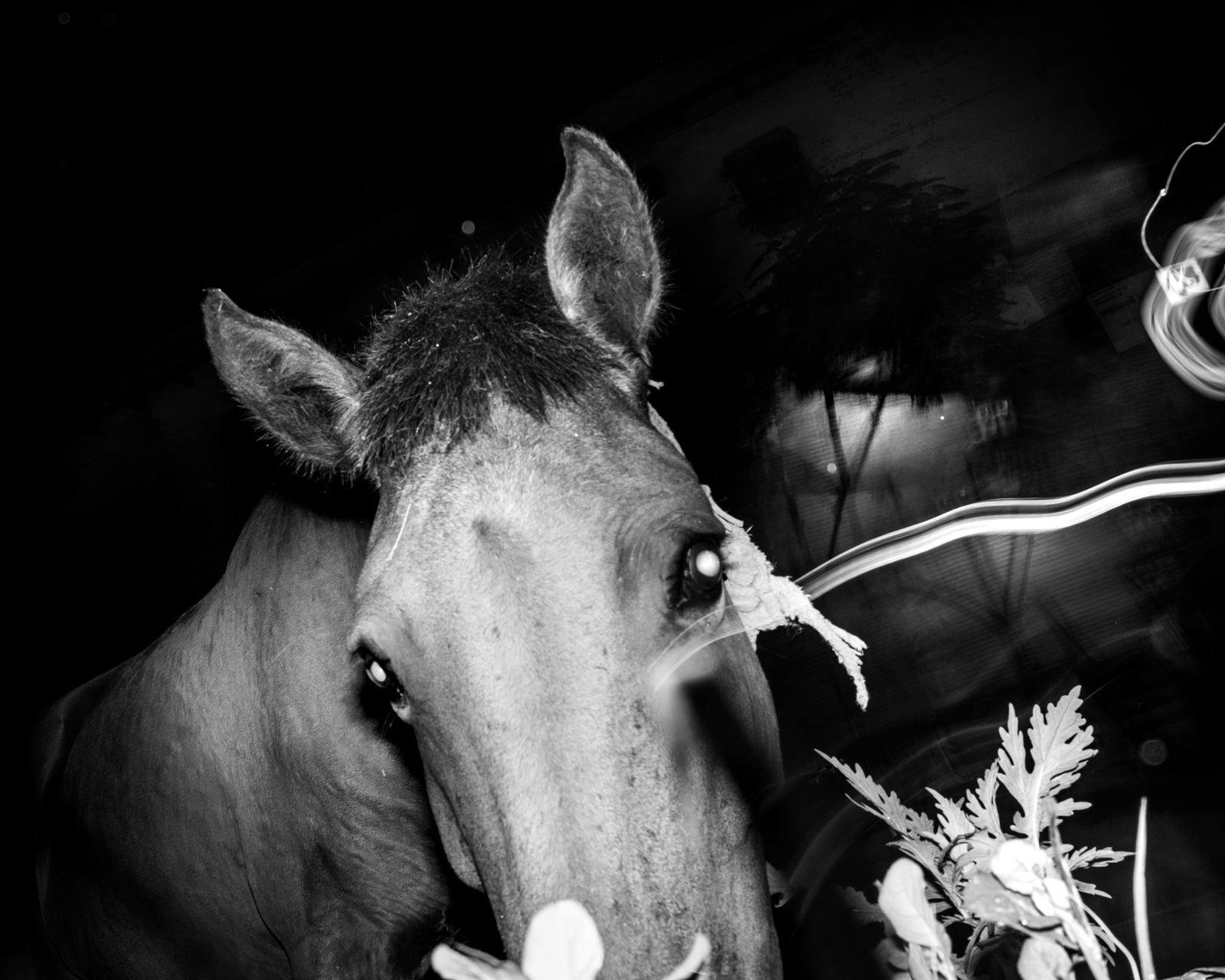
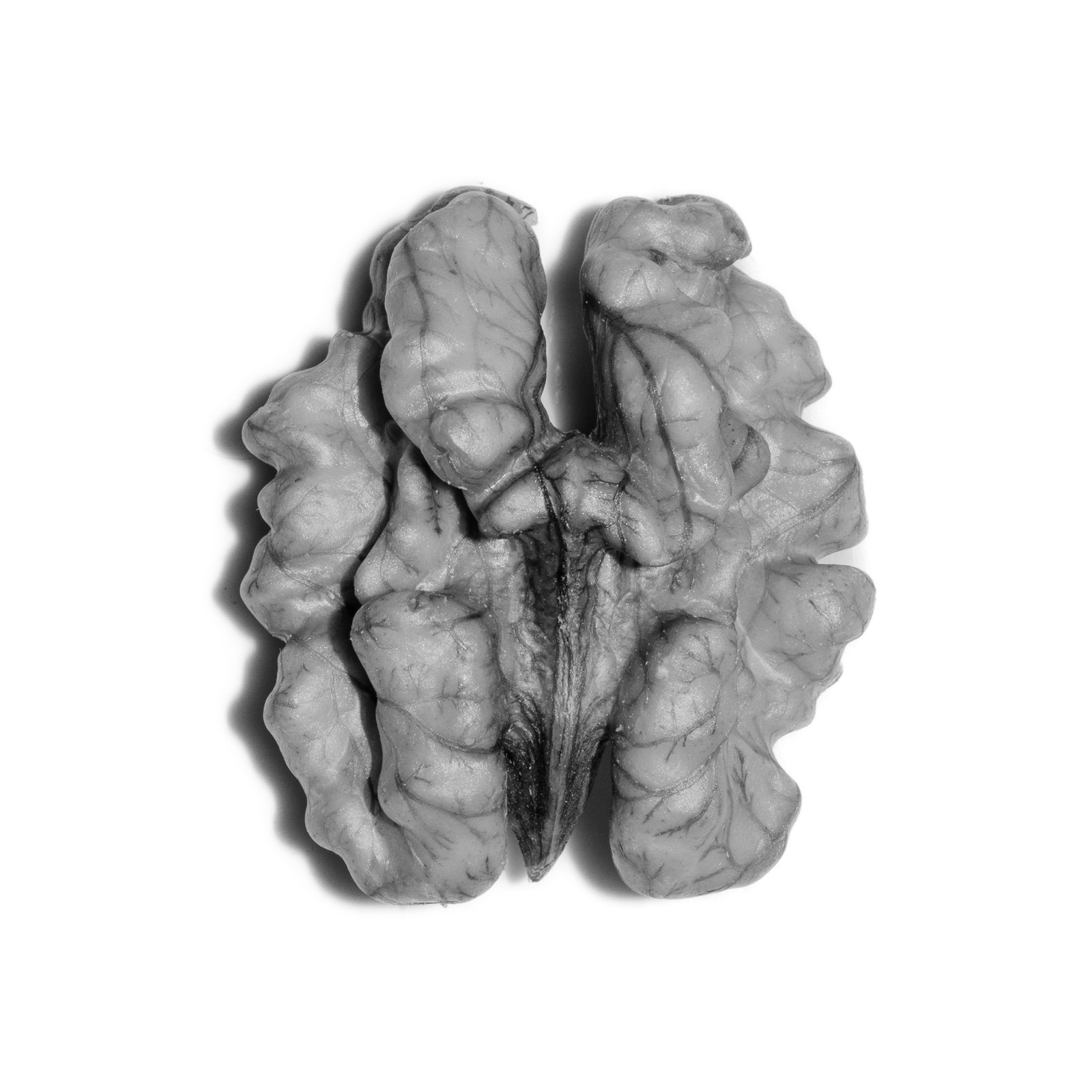
Ozymandias brings together archival and original photography, medical scans and handwritten notes. There are images of dogs, horses and birds, of Alam’s mother and close family rallying around his grandmother. A walnut resembles a brain.
Related content

For Alam, photography offered a way of dealing with the pressures of caregiving. He describes his camera “an emotional support tool”, and explains that “whenever a situation would get too overwhelming, I would press the shutter”.
Alongside photography, he also turned to his faith. His grandmother was the person who taught him how to read the Qur’an and how to pray.
Alam’s simple wish is for the work to find a wider audience, for it to travel — for the project not to simply be about his own grandmother, but to be useful to anyone going through similar experiences.
“Everyone could sort of see themselves in the photos to some extent,” he says. “And that was sort of what I wanted, that this is not only my grandmother’s story. She could be your grandmother as well. She could be anyone. This is just a very universal human story.”
Aman Alam’s Ozymandias is on show at Les Rencontres d’Arles until 4 October 2026.