
Photo essay: Camille Farrah Lenain’s Made of Smokeless Fire
The photographer’s new monograph is a love letter to her late uncle and a moving representation of the Muslim LGBTQI+ community in France

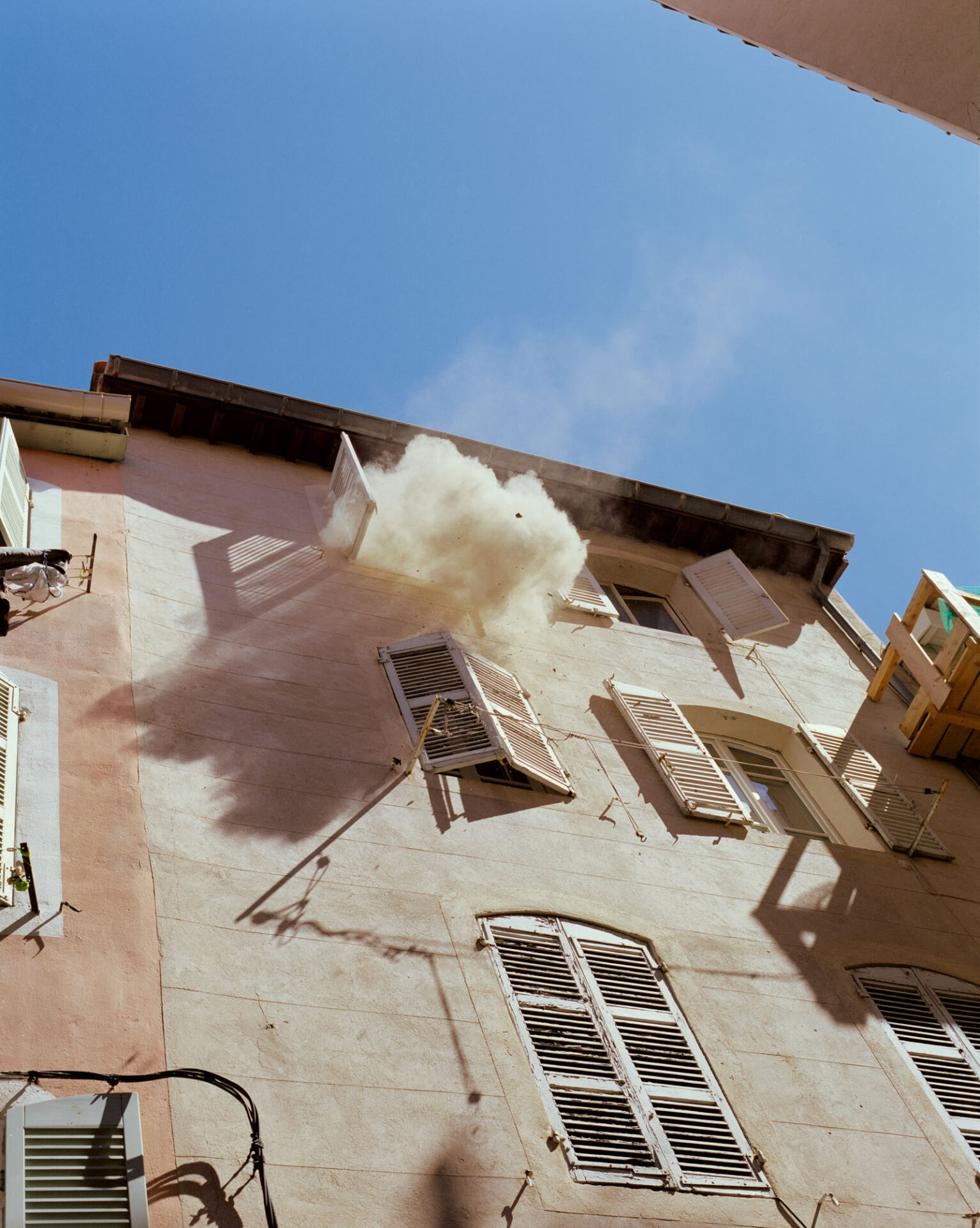
In 2013 Camille Farrah Lenain’s Uncle Farid passed away. The French-Algerian photographer’s eventual response was to turn her lens on the wider French Muslim LGBTQI+ community. The resulting work, created between 2020 to 2025, is collected in her first monograph Made of Smokeless Fire.
In a dedication at the end of the book, Lenain writes: “This is a love letter to you, Uncle Farid. And here are the questions I was never able to ask you: Did you ever believe in Allah? Did you ever try to come out to your parents? How did the news feel, in your body, when you were diagnosed with HIV? Were you able to feel fully queer, and fully Arab, in France?”
Related content
Speaking of her uncle’s influence on the images, Lenain says: “I never intended to make a long-term collective project. I just started by wanting to talk to my family about him. I think, at first, I met a little bit of resistance. It was hard to speak about him. His death was still recent. And honestly, even today it’s still difficult to talk about, even though it’s been 13 years.”
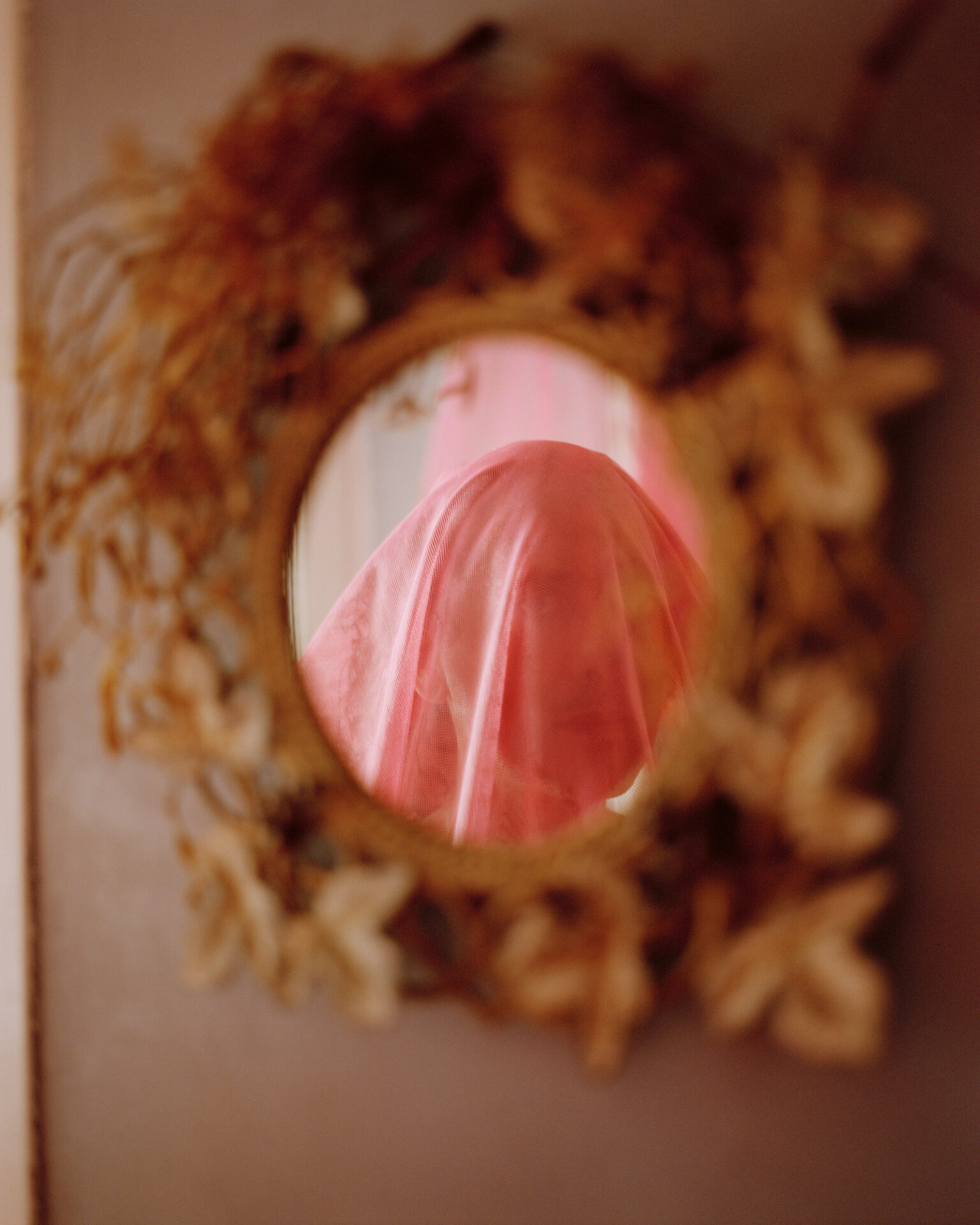
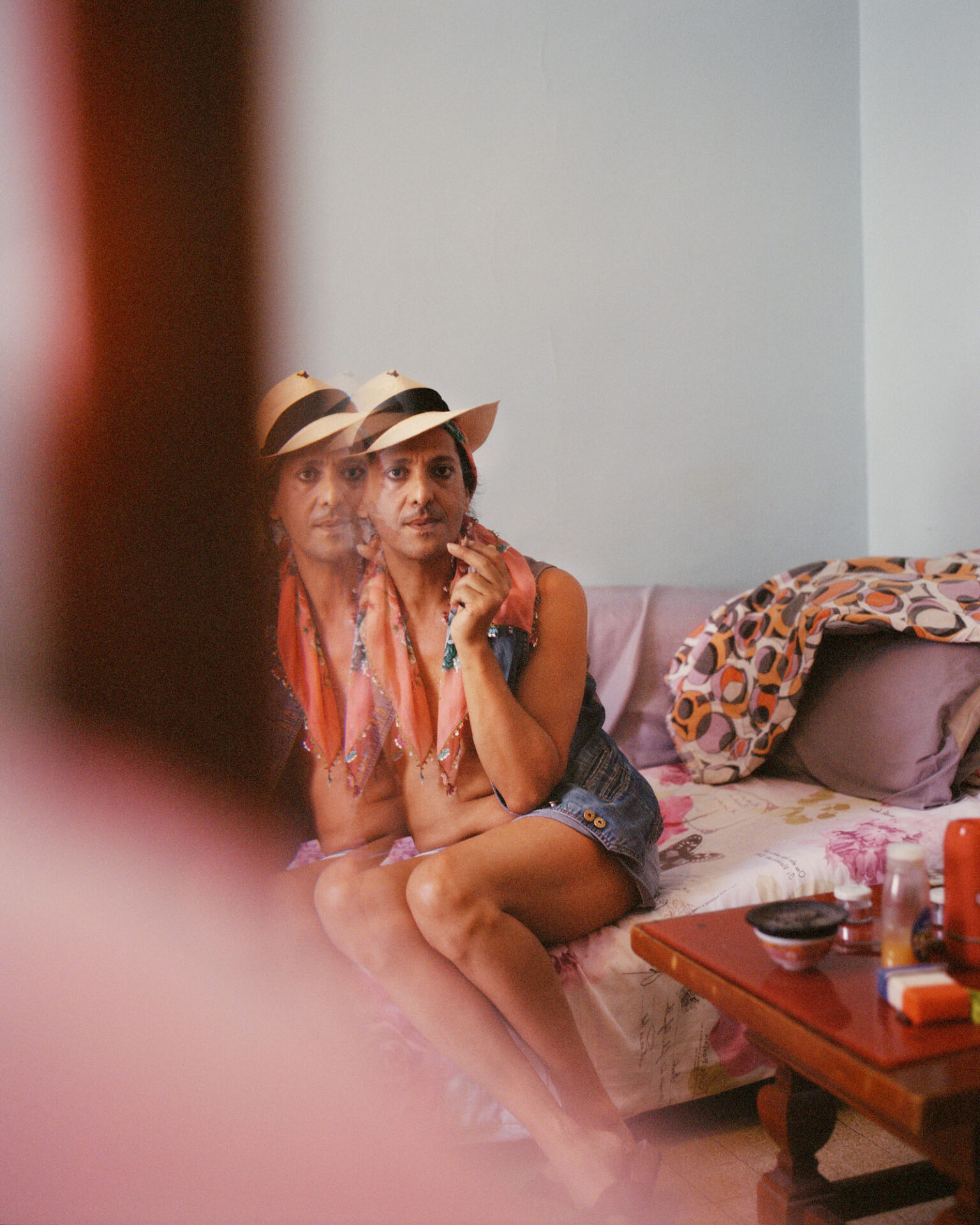
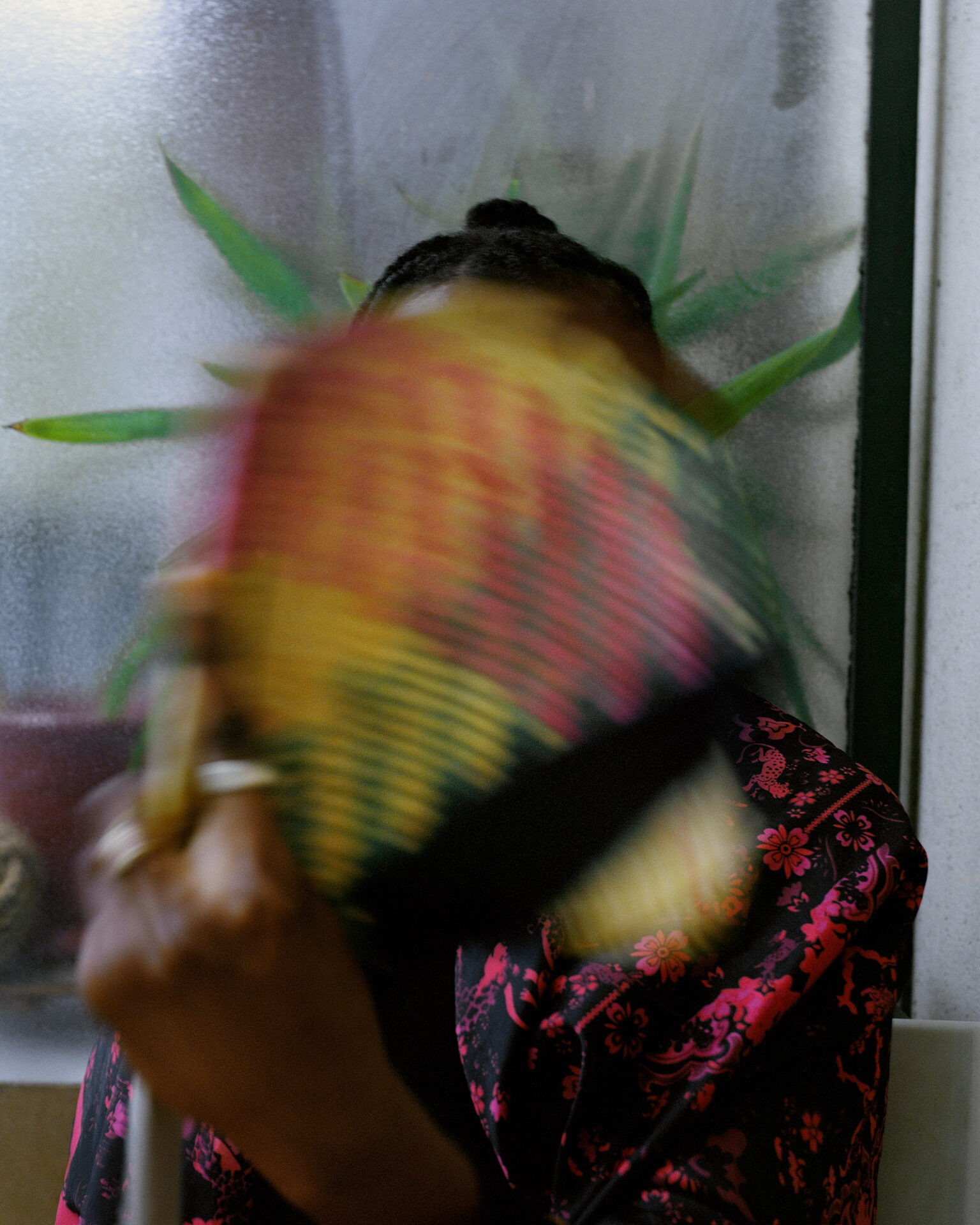
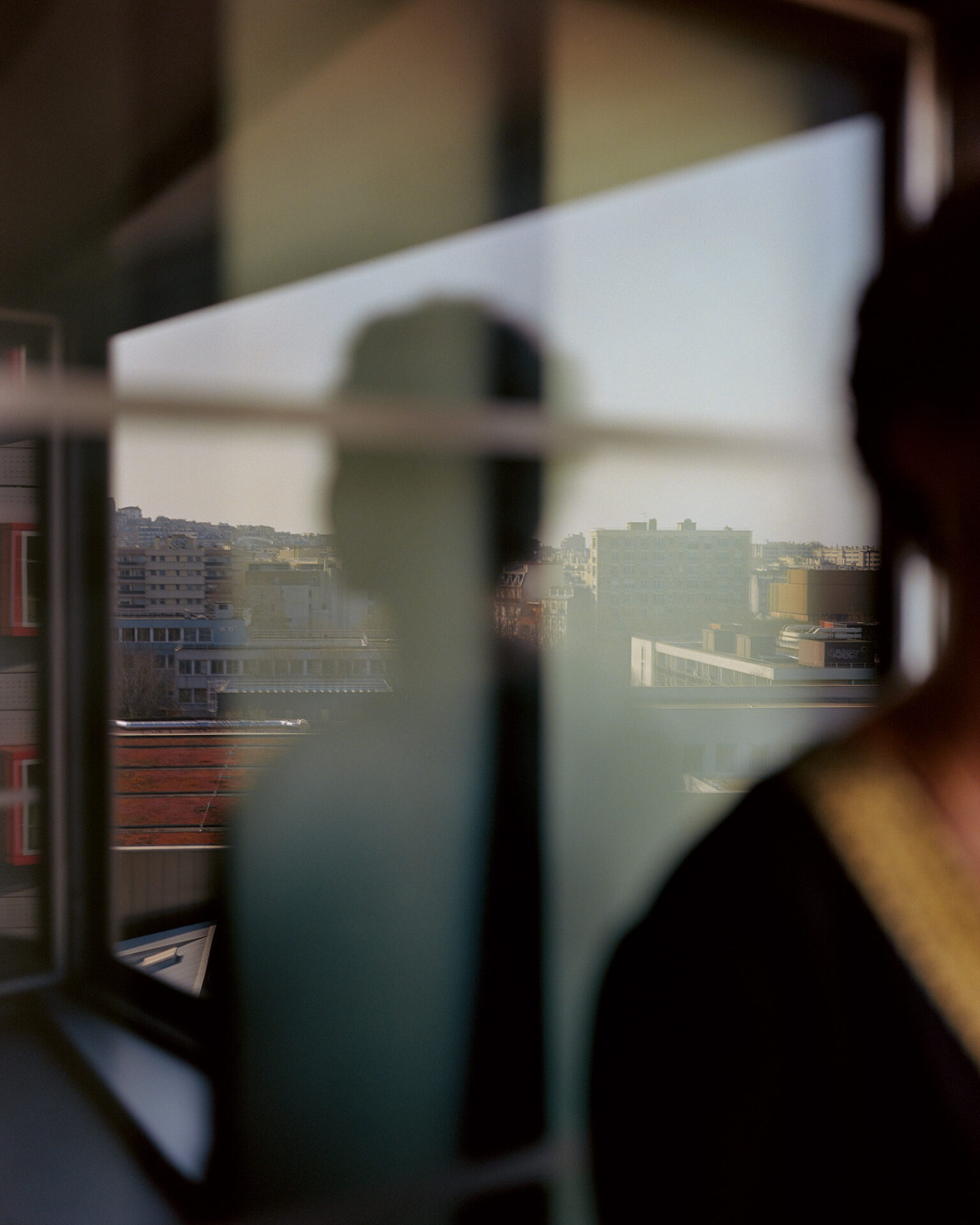
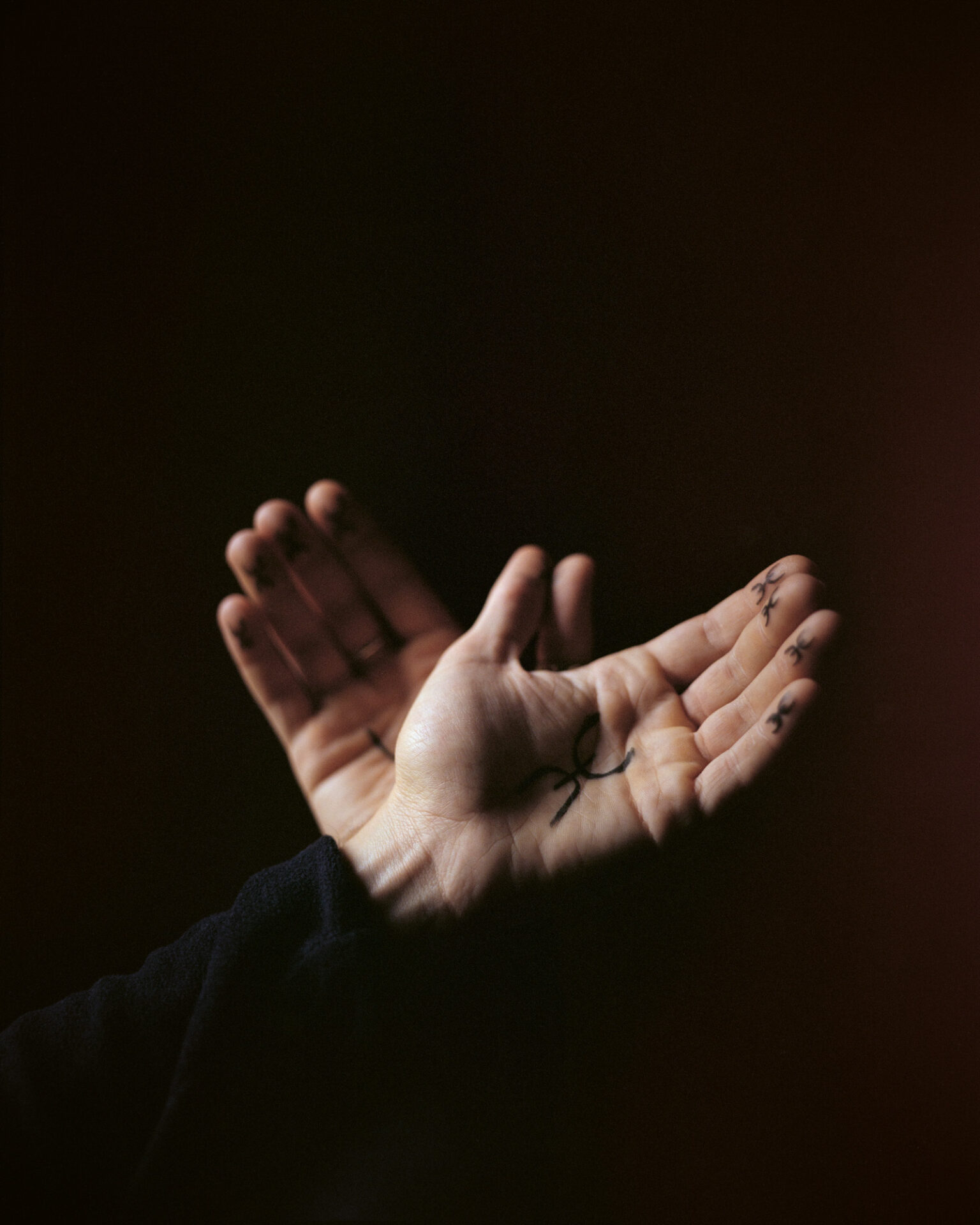
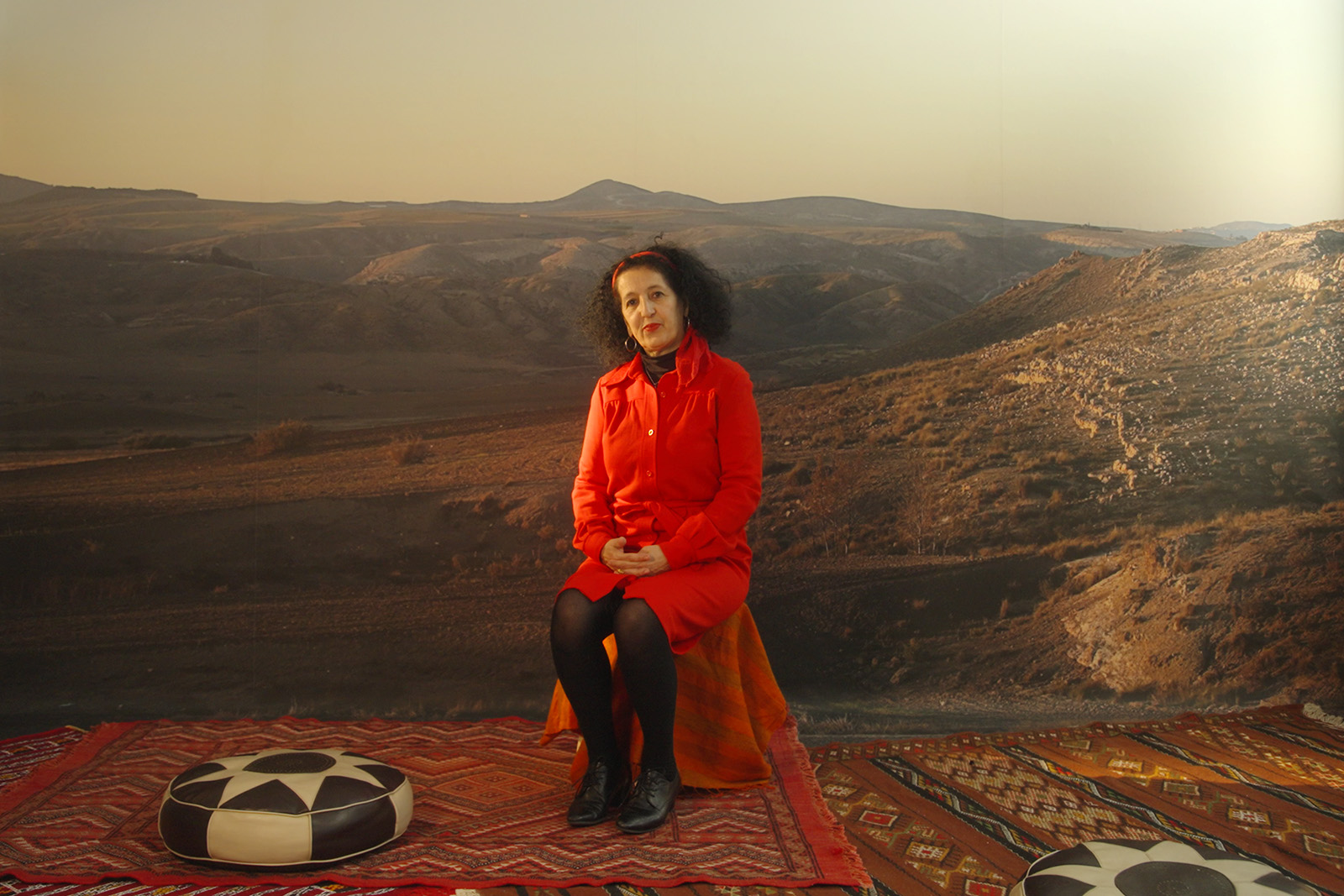
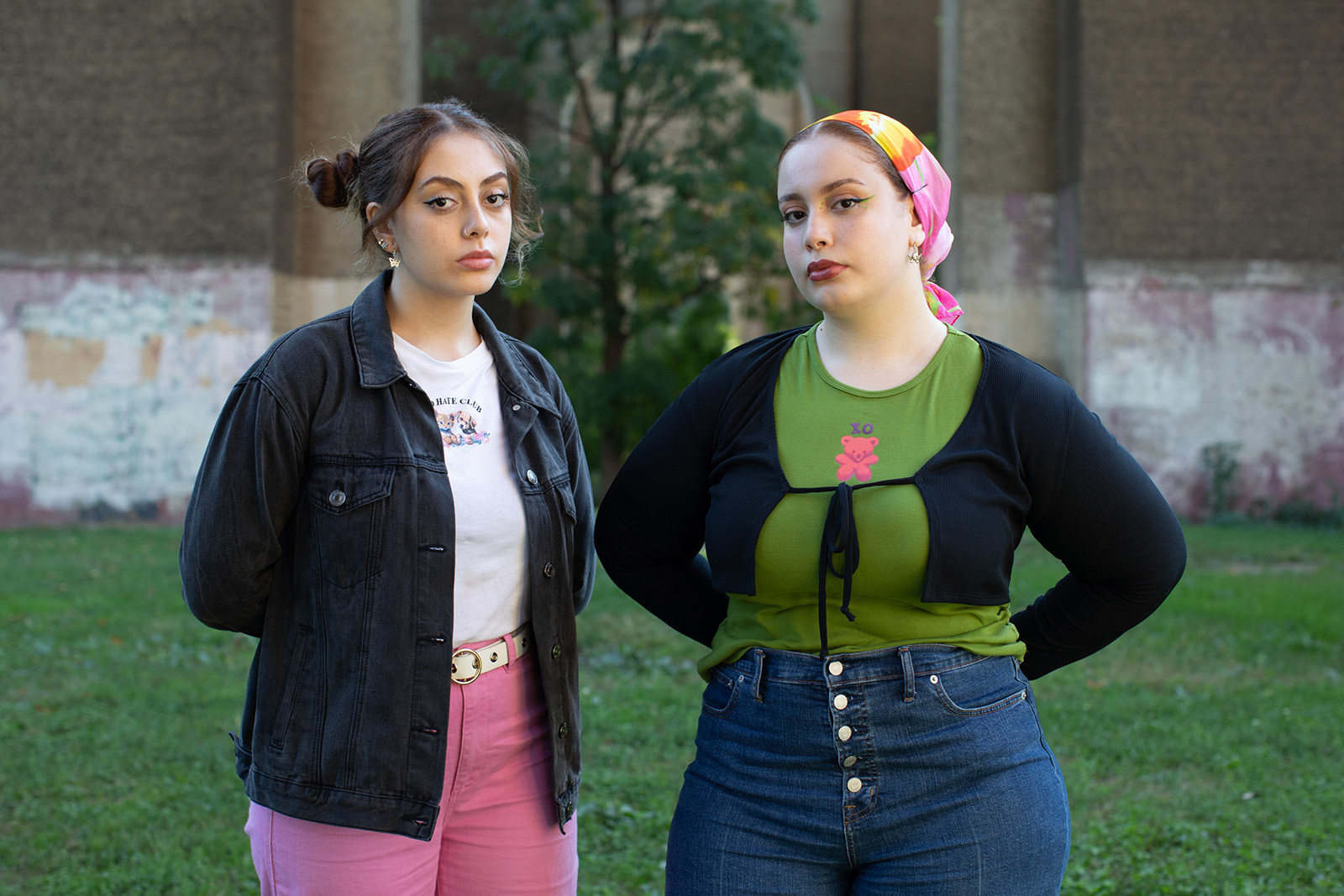
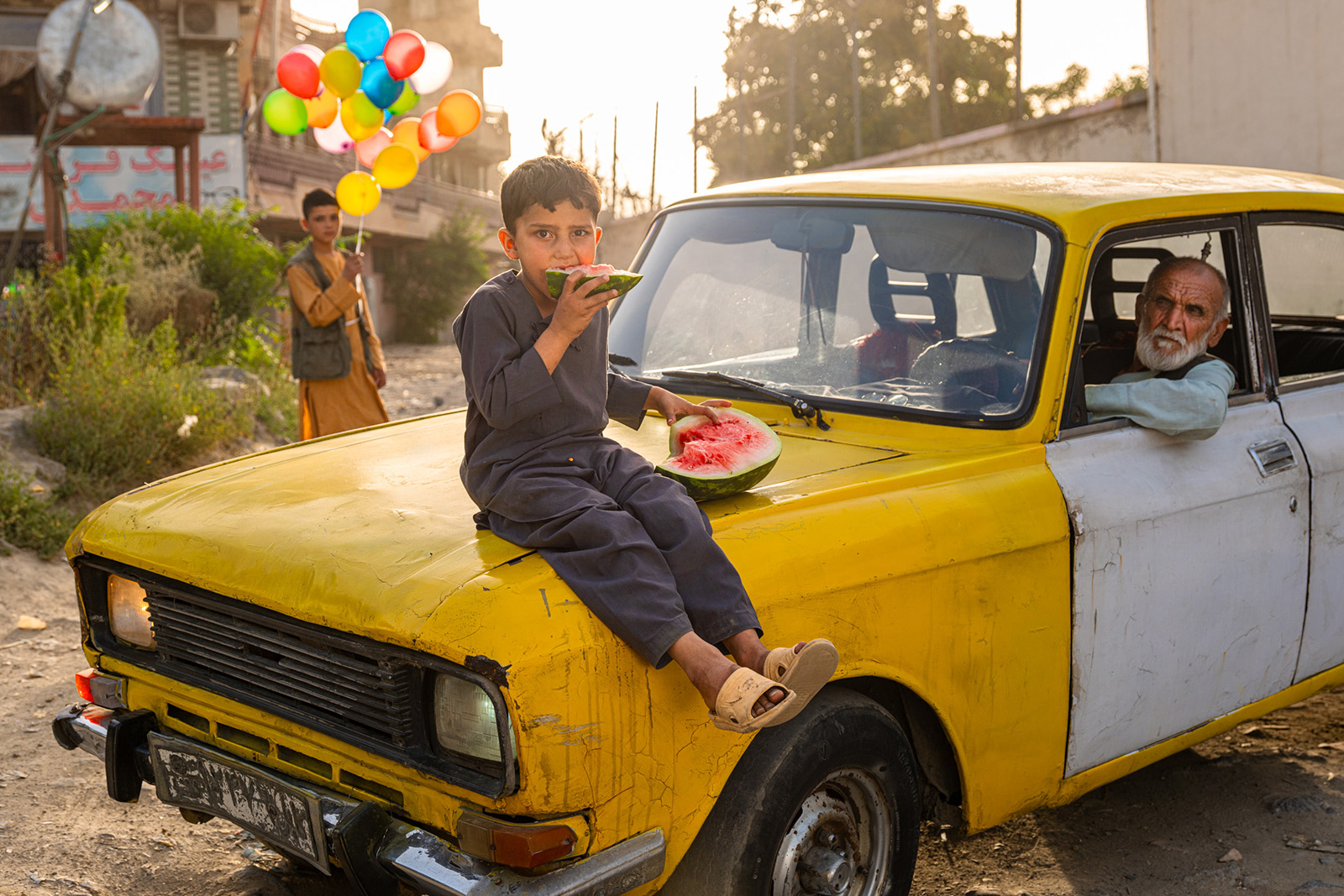
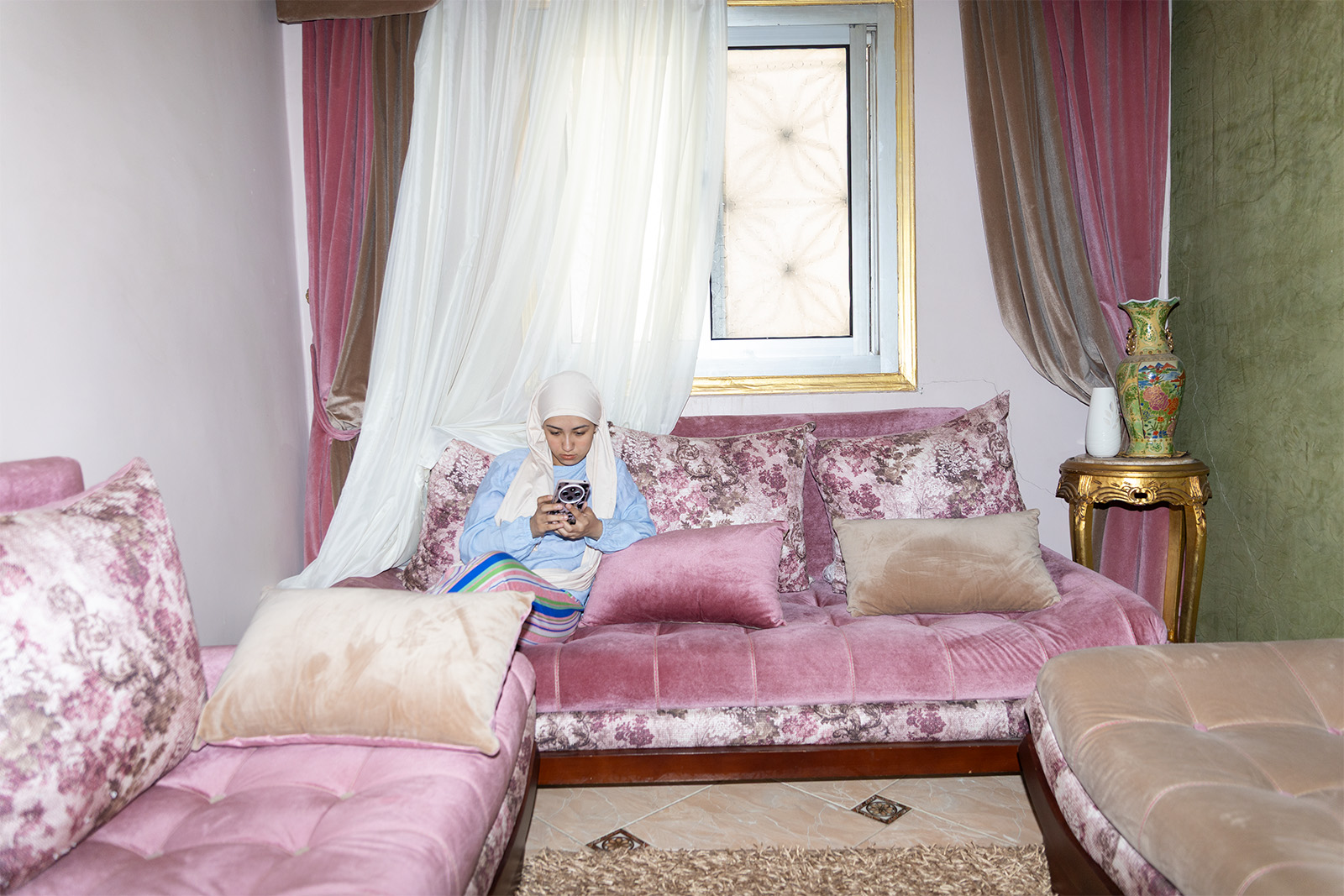
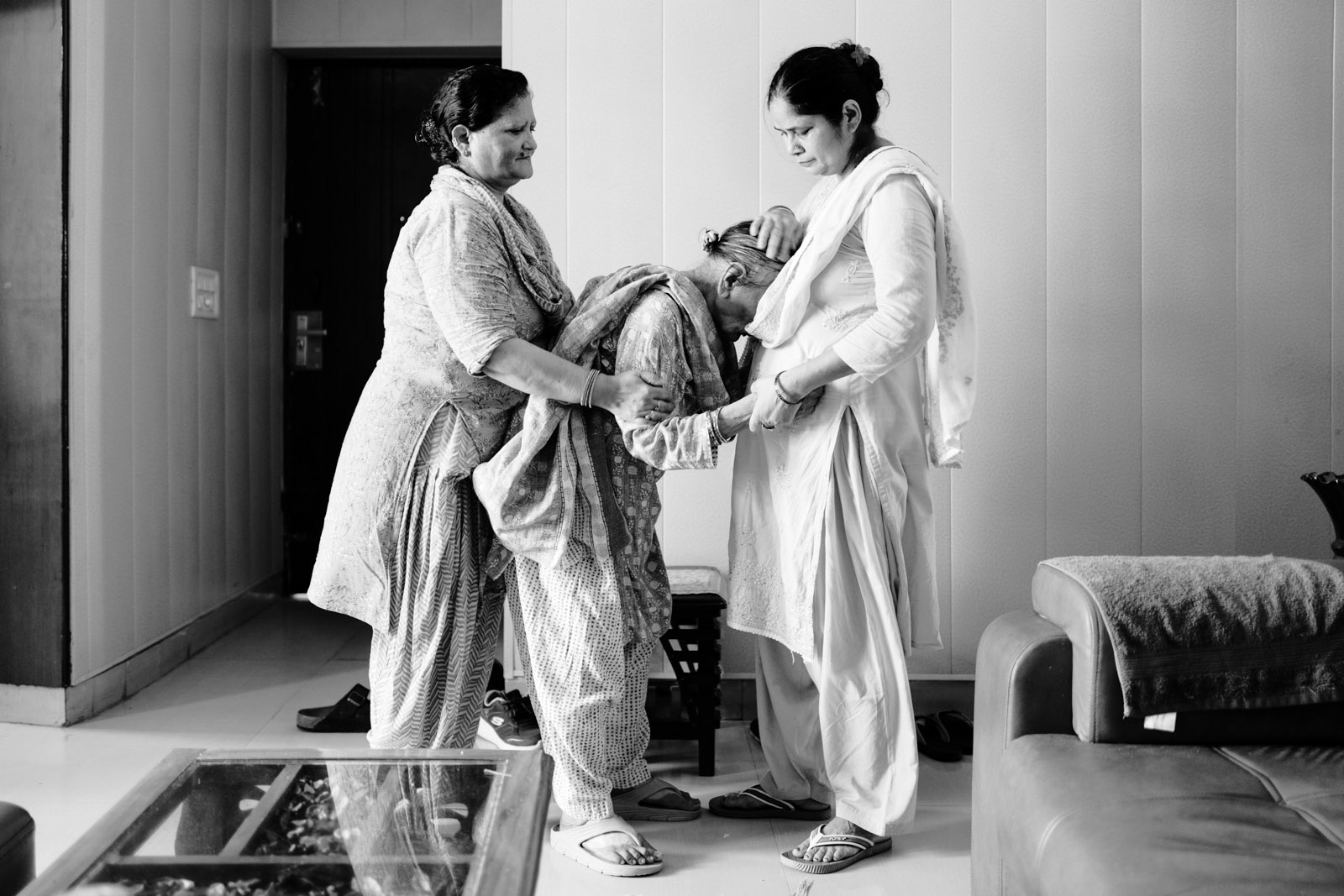
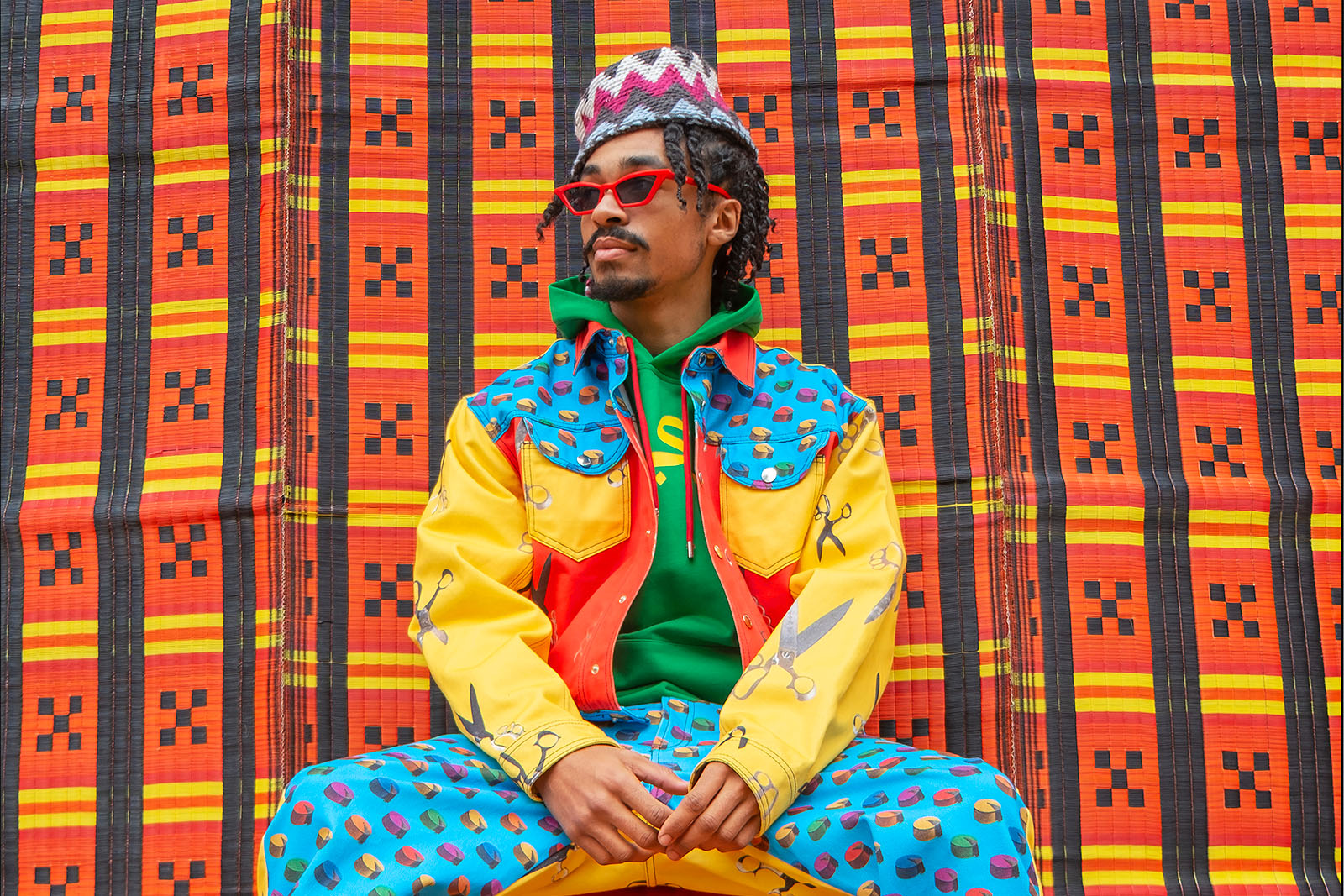
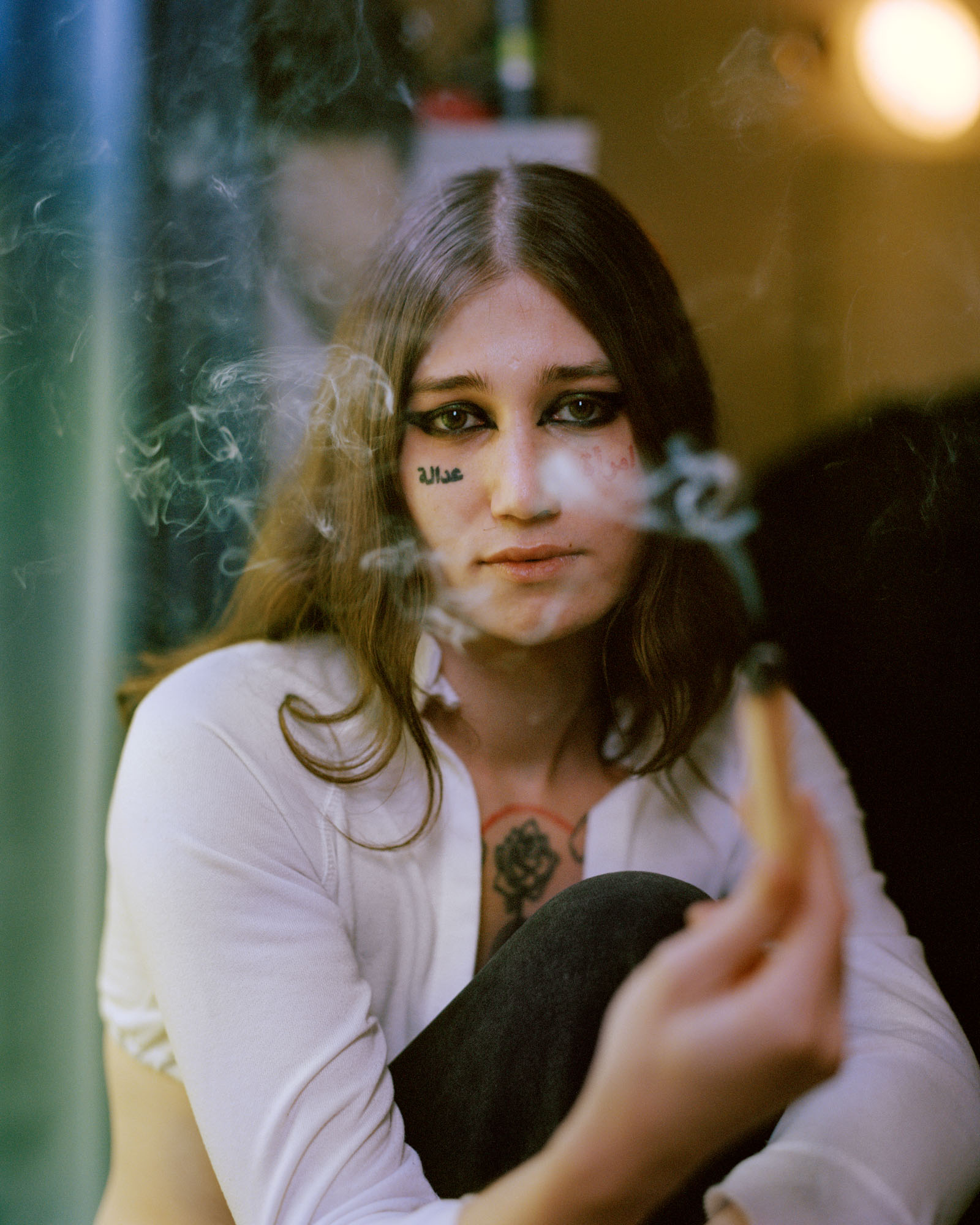
The images in Made of Smokeless Fire are tender and closely observed. They move between individual portraits and moments of intimacy between couples. In one one shot, a figure looks at the lens through a mirror, a pink embroidered scarf draped over their head. In another, tendrils of smoke float around a woman’s face, a cigarette in her hand.
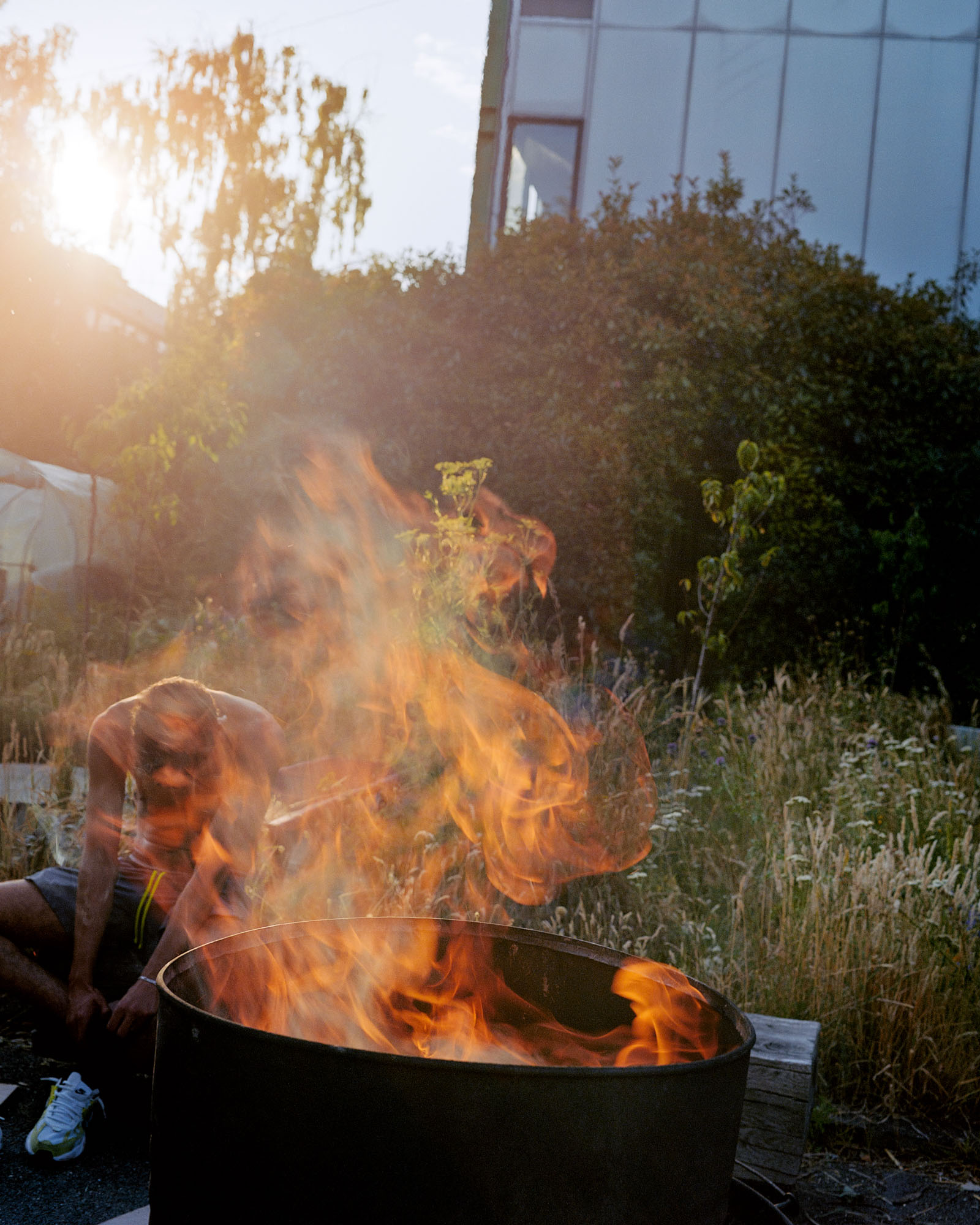
This motif of smoke runs throughout, calling our attention back to the book’s title, which is taken from the Qur’an’s description of the jinn: “He created humankind from sounding clay like pottery, and created jinn from a smokeless flame of fire.” (55:14–15)
“Jinn exist inbetween,” says Lenain. “They’re neither good nor bad. You can’t really put them into a box.” Now living between New Orleans and New York, Lenain’s experience of growing up in France is deeply important to the project. She created the work in multiple locations, including Paris, Marseille, Toulouse and Lyon.
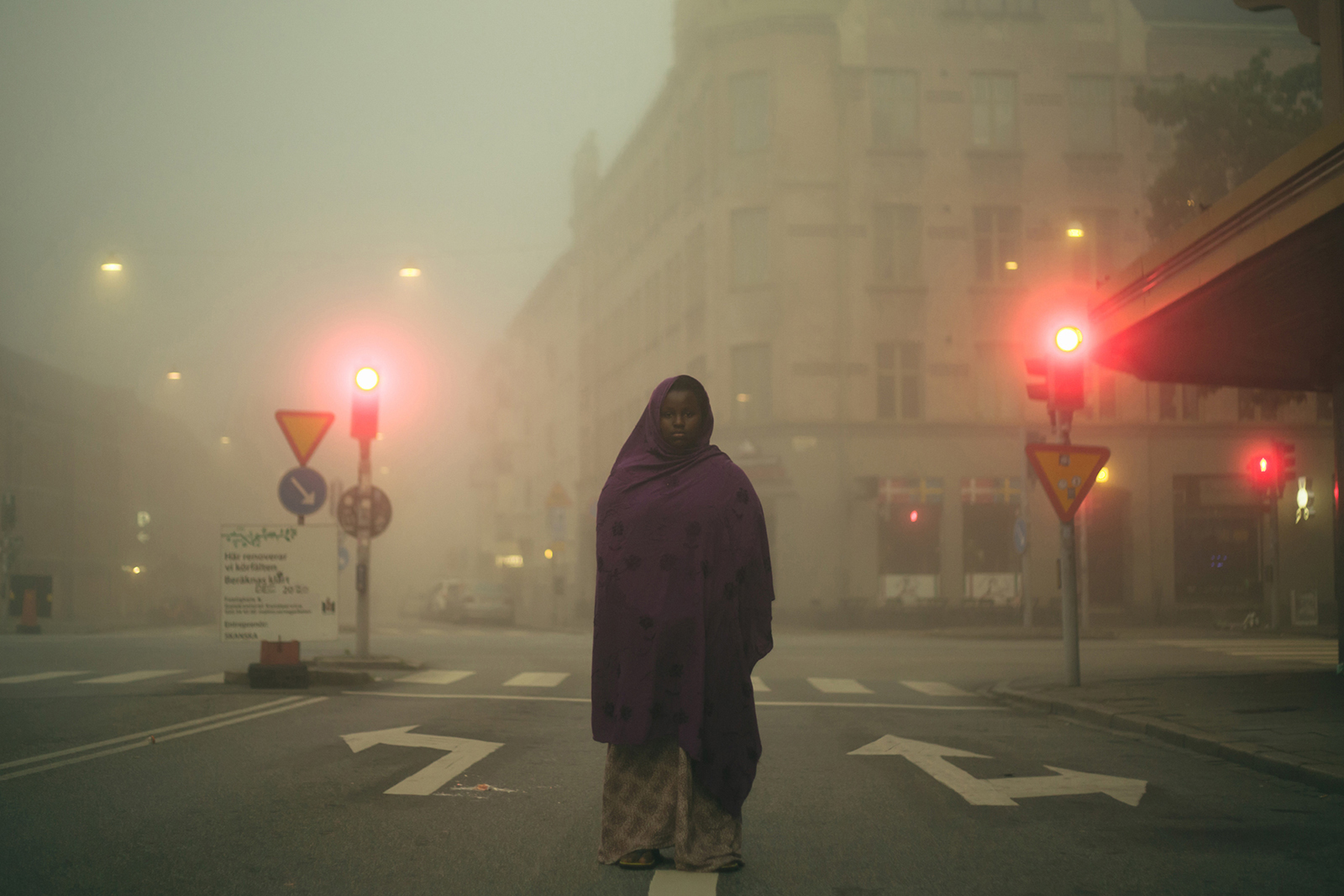
France has the highest number of Muslims in Europe, with estimates suggesting Muslims make up 10% of the population. Recent reports indicate that in 2025 violence against Muslims surged by 88%.
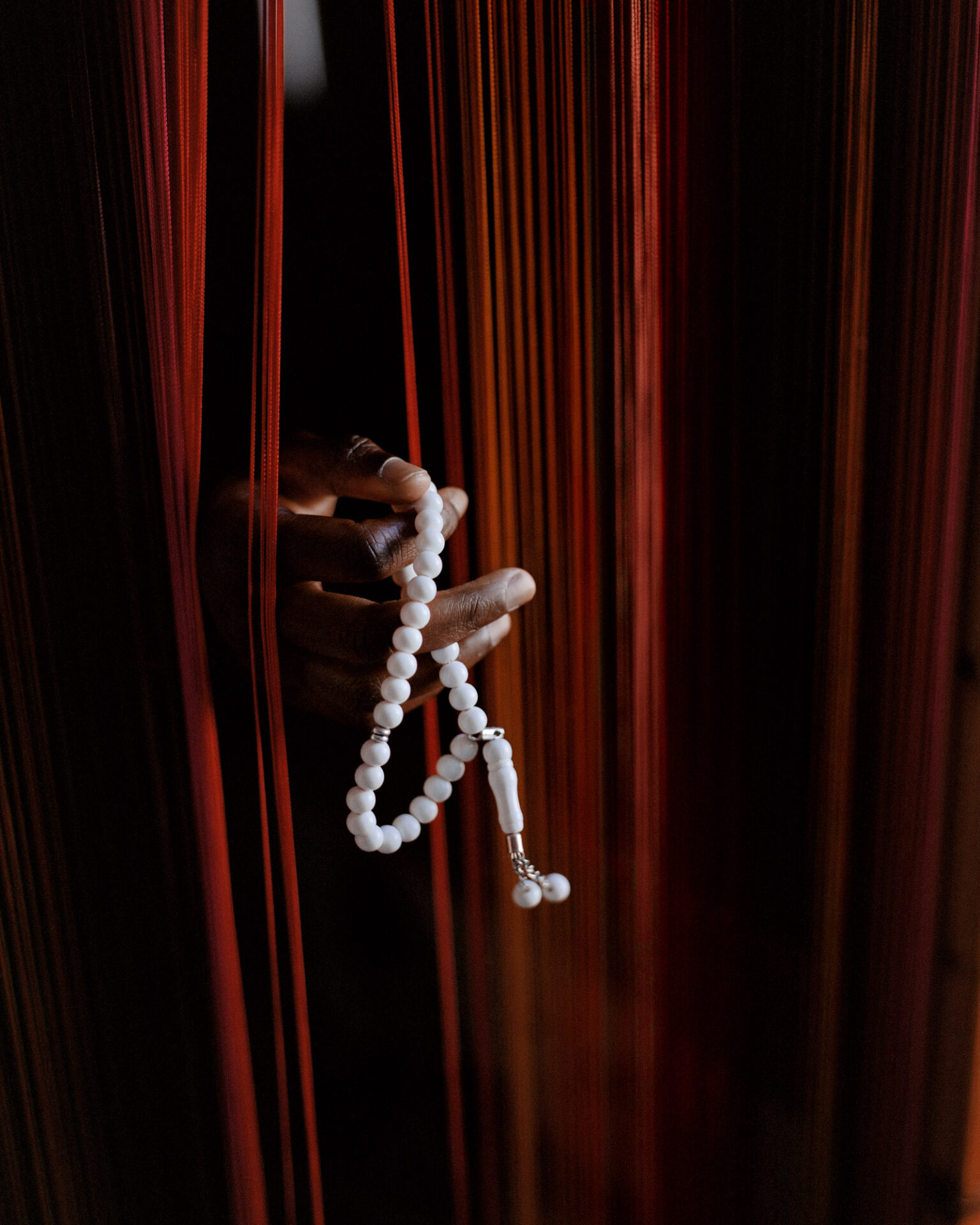
For Lenain, the project “speaks very directly to Islamophobia and racism” in the country. “It’s about how to love in the face of hate,” she says. “When hate comes from all directions. When it comes from your religion. When it comes from your family. When it comes from your country. Your workplace. Your society. Your immigration status. Your faith. Your asylum process. All of those things.”
She is aware of photography’s power to document people, especially a community that is often marginalised in both queer and Muslim spaces. Although she doesn’t speak outright about colonialism in her description of the project, she believes that interrogating her own intentions when photographing is important.
“I think I’ve been spending a lot of time thinking about photography as a historically oppressive tool. Photography as a one-sided gaze,” she says. “Photography as something that can, at the end of the day, be dangerous.”
Related content
Lenain is, however, hopeful about what photography can offer. “We talk a lot about reparations. And of course reparations matter. But I also think we can practise small acts of repair all the time. Maybe having a really tender and empathetic approach to photography is one of those acts. ”
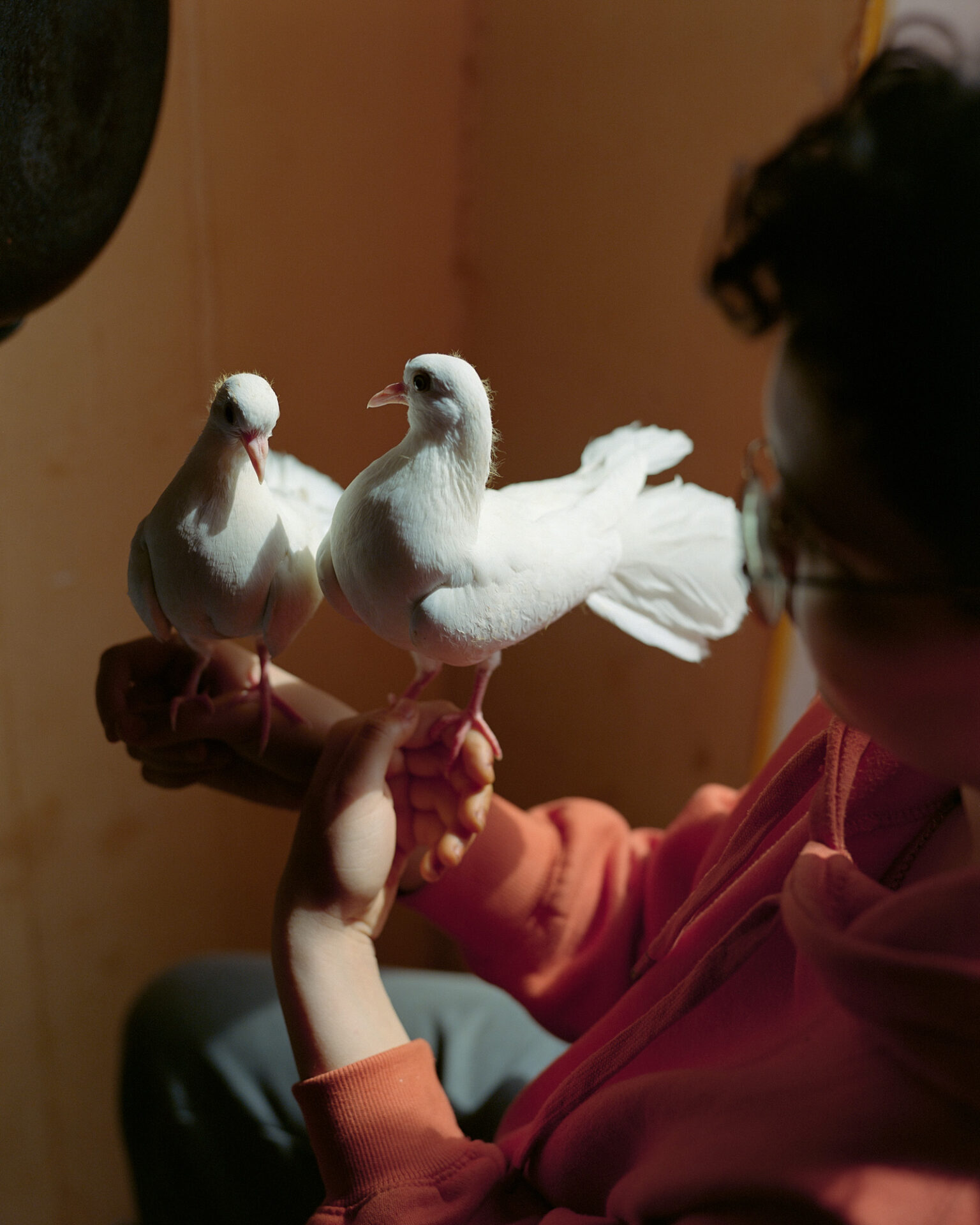
Although the project began with questions Lenain wished she could ask her uncle, it became marked by another loss. She also dedicates the book to a friend, Lamine, whose photograph appears at the end of the book after a dedication.
In the image, gentle and moving in its composition, Lamine places a kiss on the back of a white pigeon. “I think grief and love can make ordinary things feel charged,” Lenain says, “So I became really obsessed with birds. Partly because Lamine loved them and partly because it felt like a way of carrying something forward.”
Most of all, Lenain hopes that the message of Made of Smokeless Fire is one of love. “That’s really what the book is about,” she says “Love for God. Love for the people you were told you weren’t allowed to love. Love for yourself. And I think it’s about survival. Love as survival.”
Made of Smokeless Fire by Camille Farrah Lenain is published by Loose Joints.